
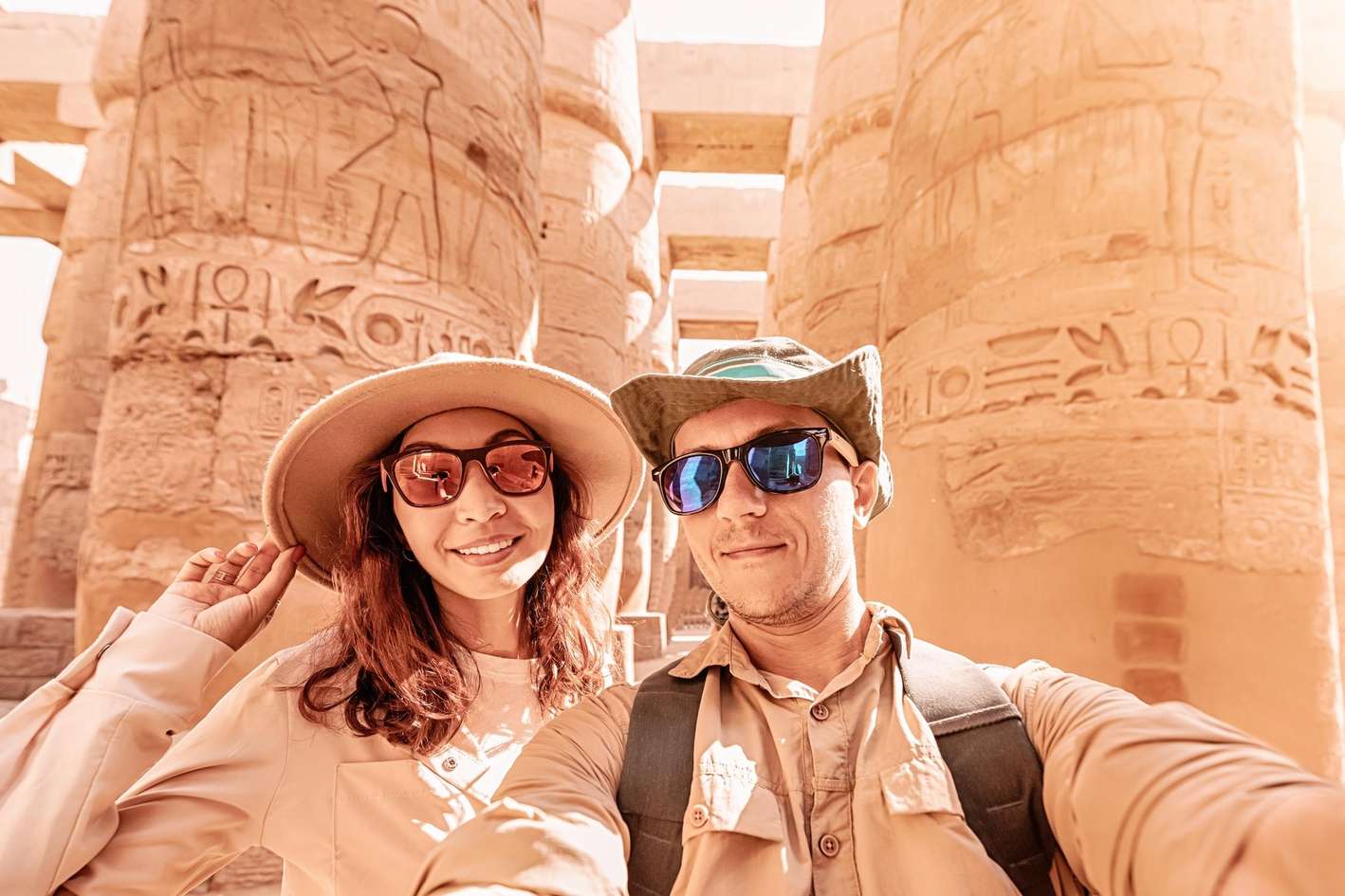
 Our top pick
Cairo: Private Luxor Day Tour with Entrance fees by Flights
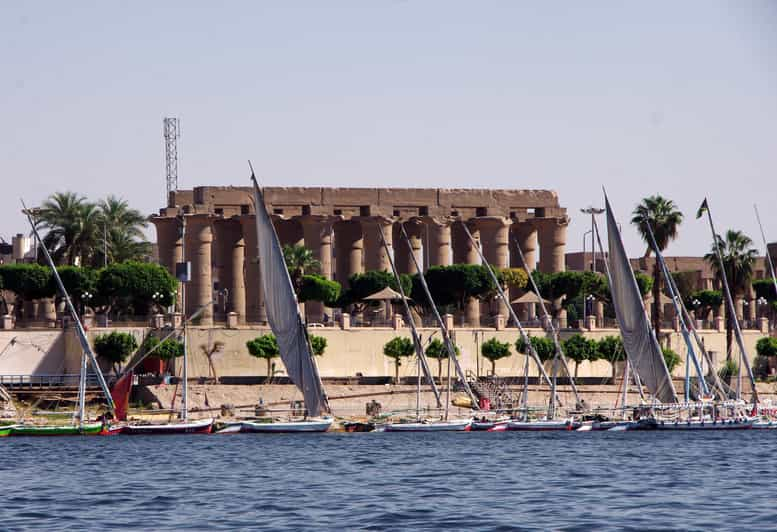
Flight ticketsLunch at a restaurant in LuxorFelucca ride
From$436 /person
See dates and book Free cancellation · Hotel pickup
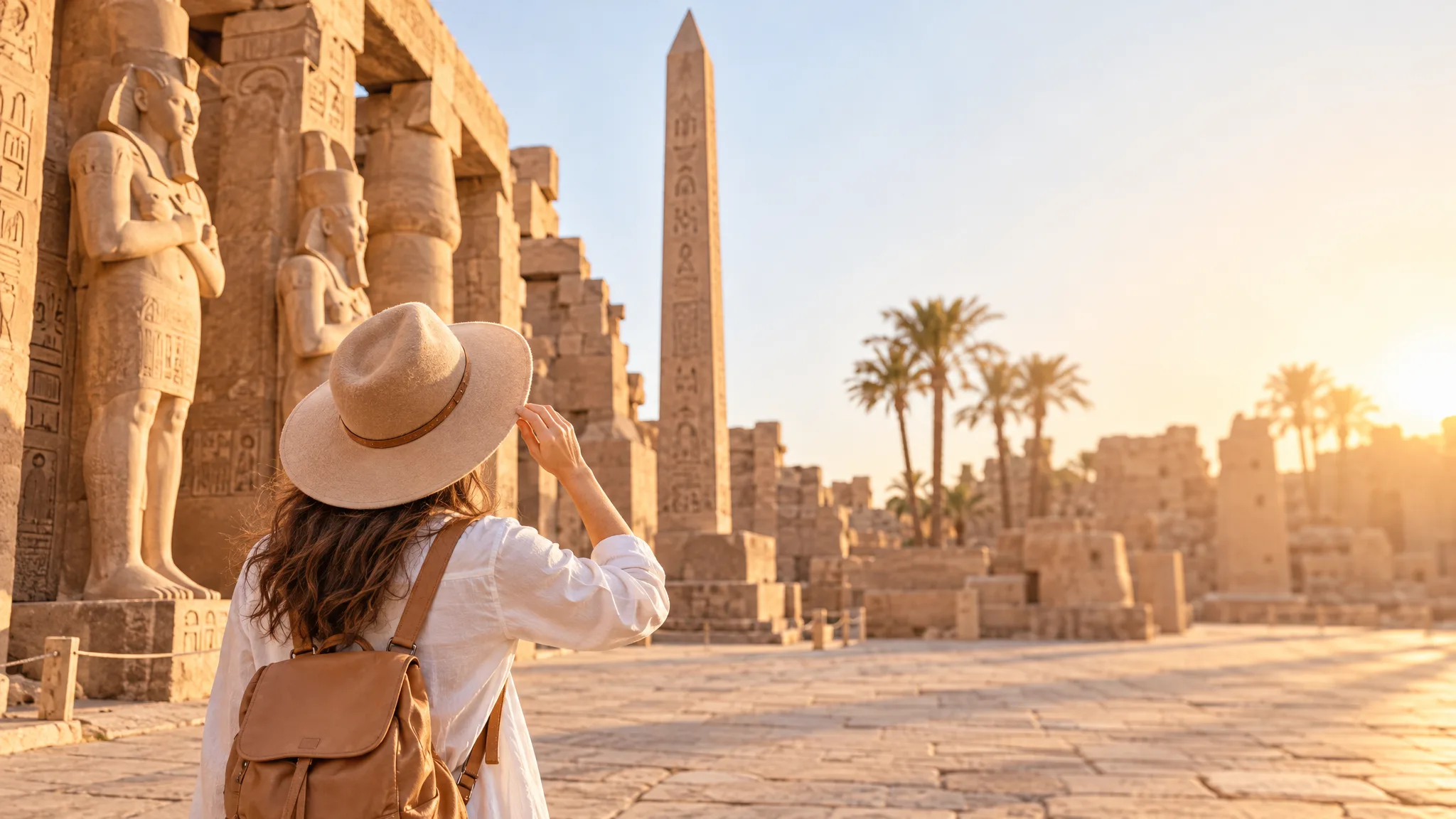
Stop losing holiday hours to transit. A domestic flight puts you at Luxor's temples in about an hour in the air, and an organized day tour handles hotel pickups, flights, entrance fees, and lunch door to door. Compare every way south, then book the best one.
“Beautifully organized tour. Driver took us to every Luxor monument. Our guide Asma was fantastic, she looked after me when dehydration hit while keeping the group going. Returning this winter.”
Every tour here starts at your hotel in Cairo and carries you the whole way: by plane in about an hour, by sleeper train overnight, or by private car down the valley. Sightseeing in Luxor is bundled in, so transport and touring come as one booking.
Our top pick


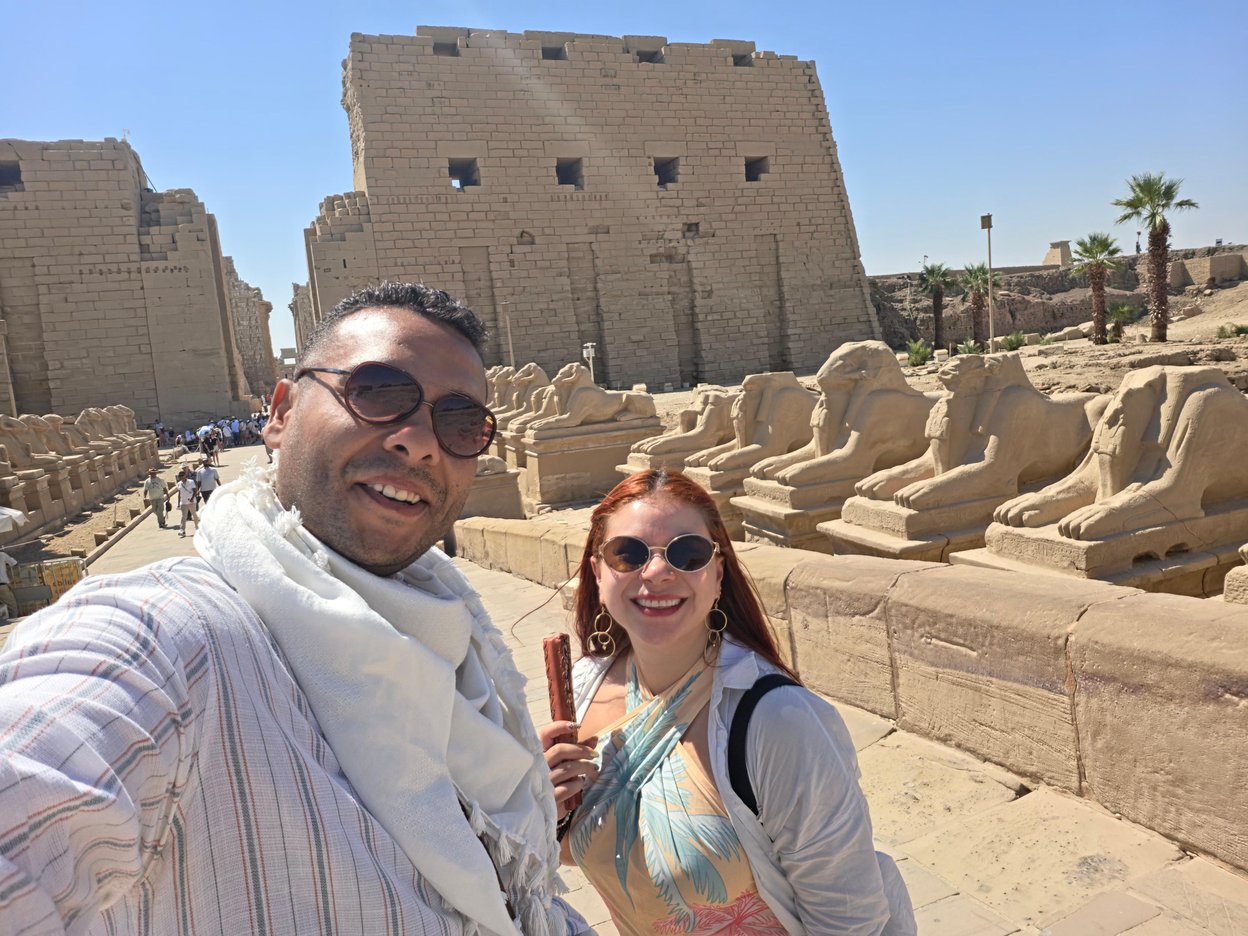
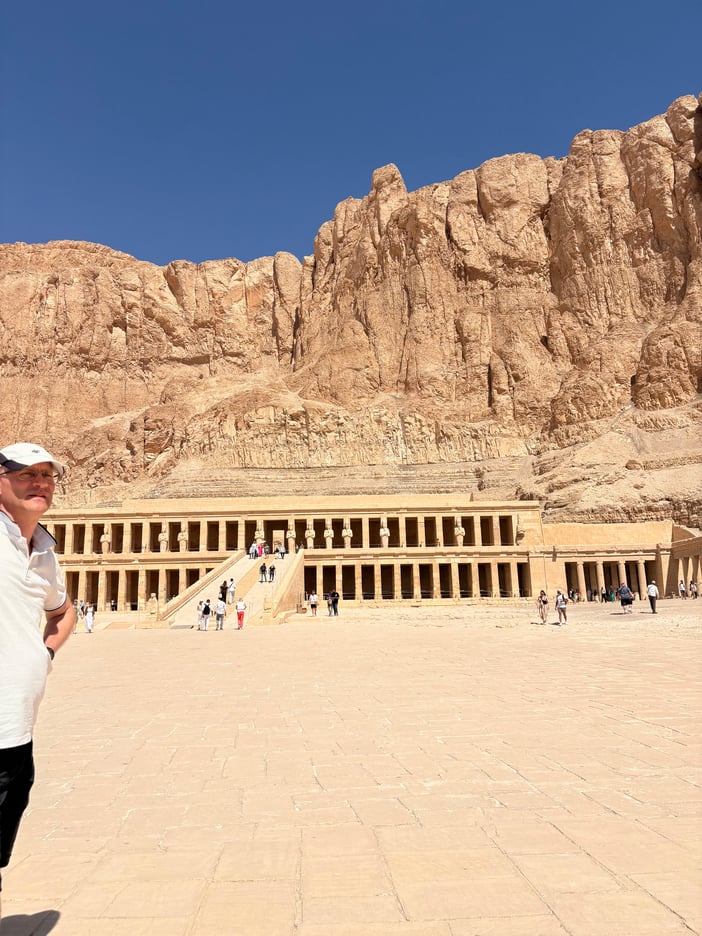
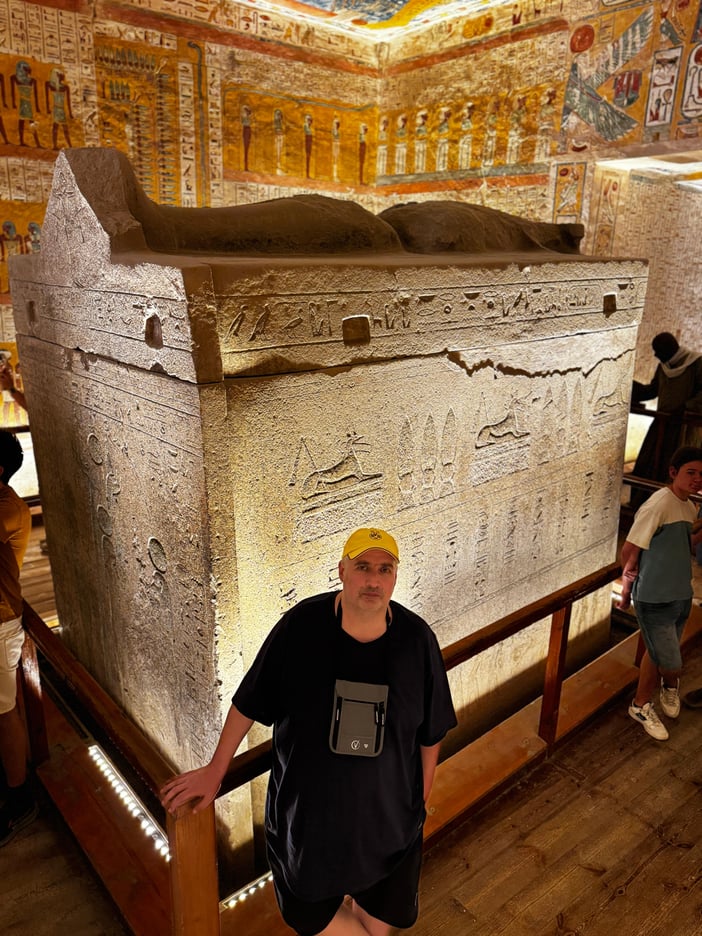
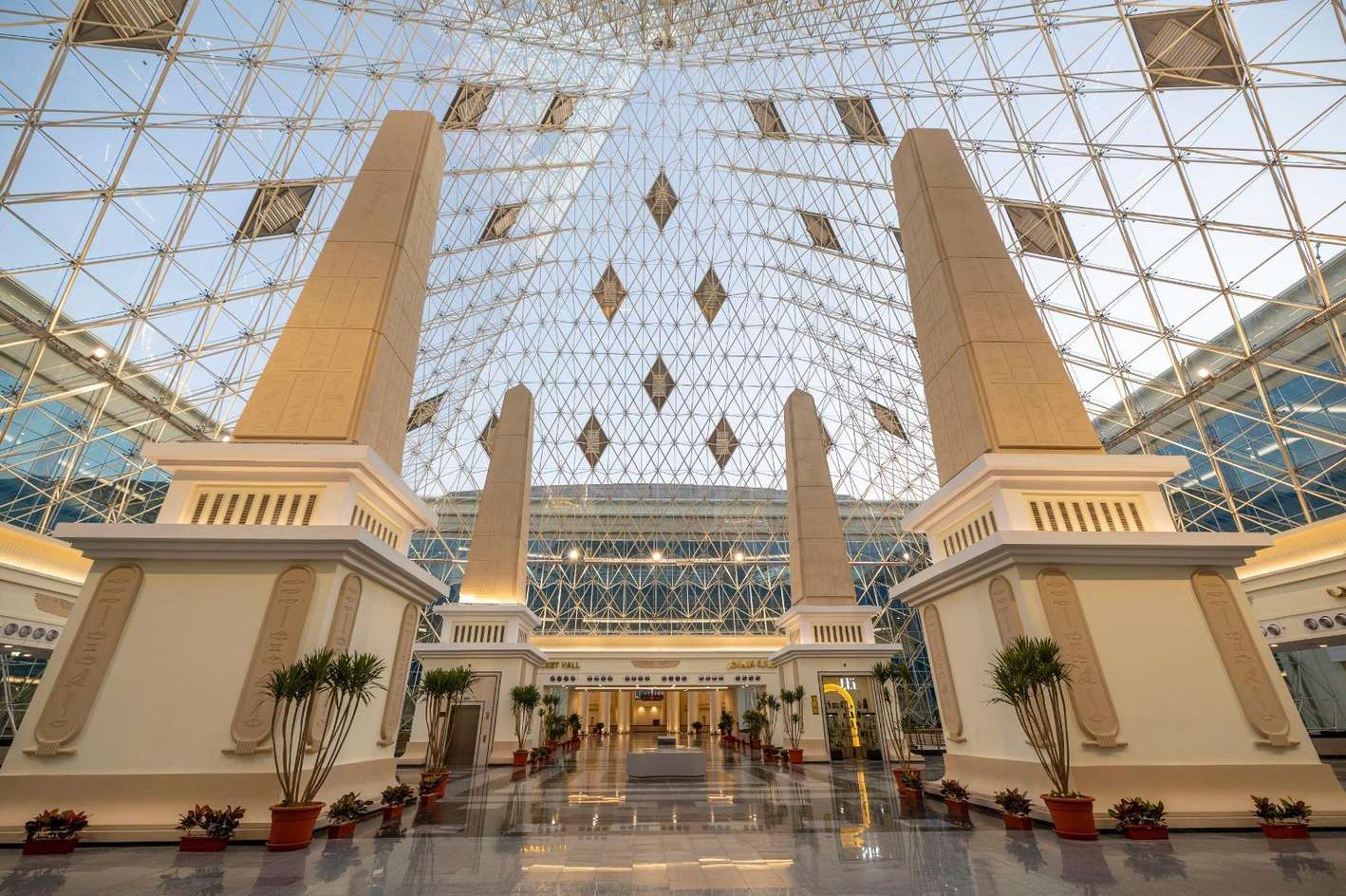

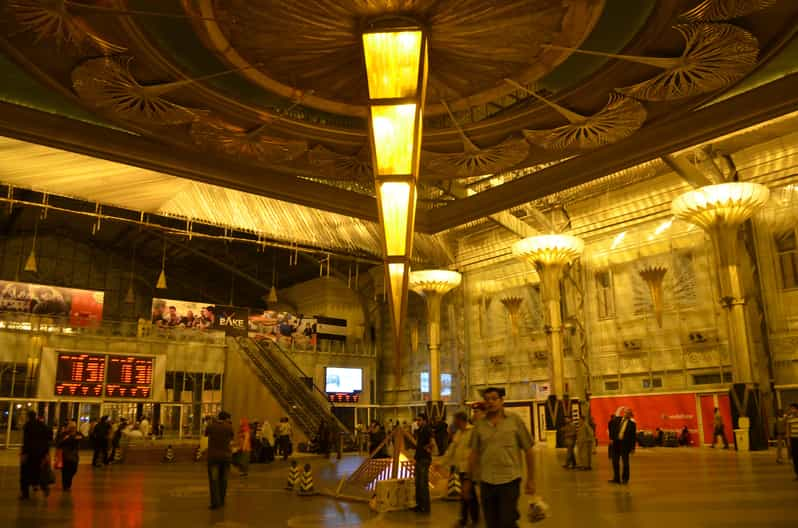


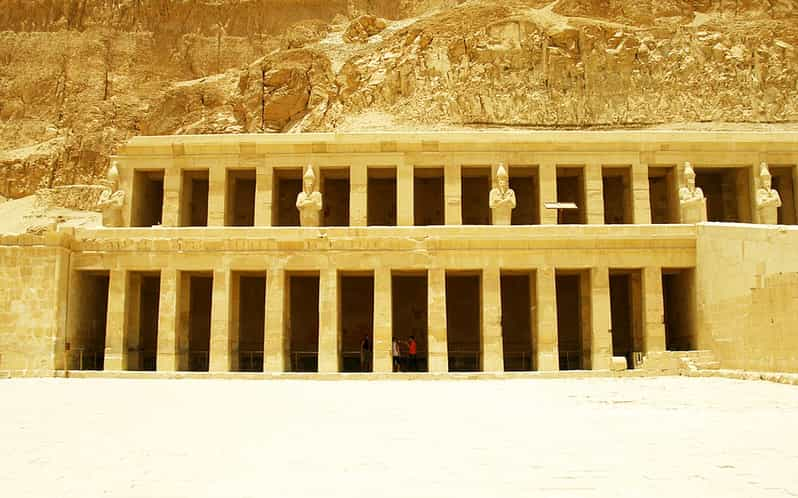
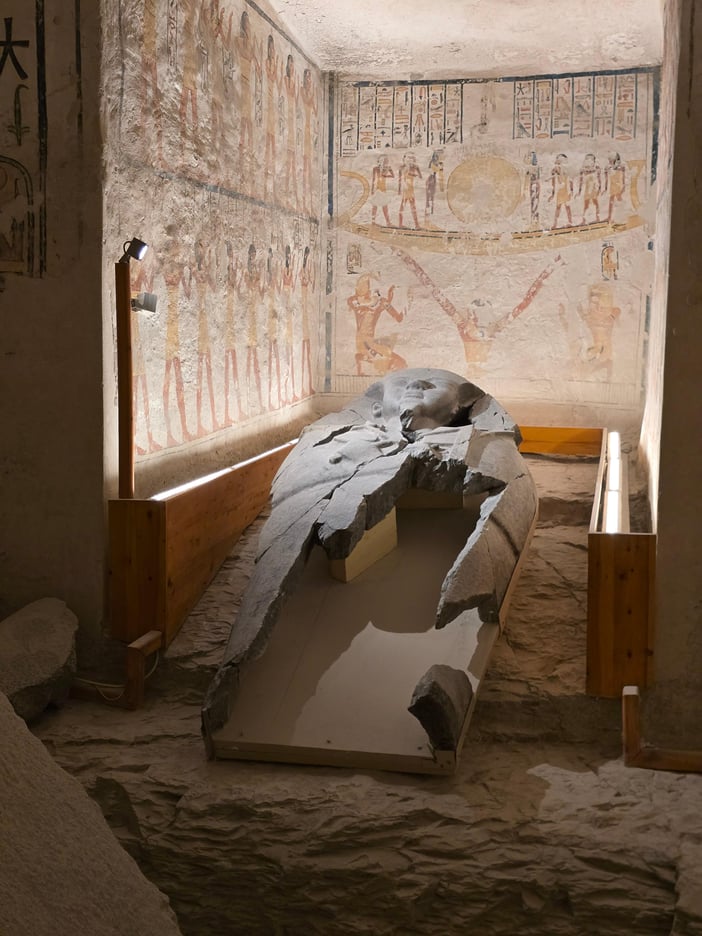
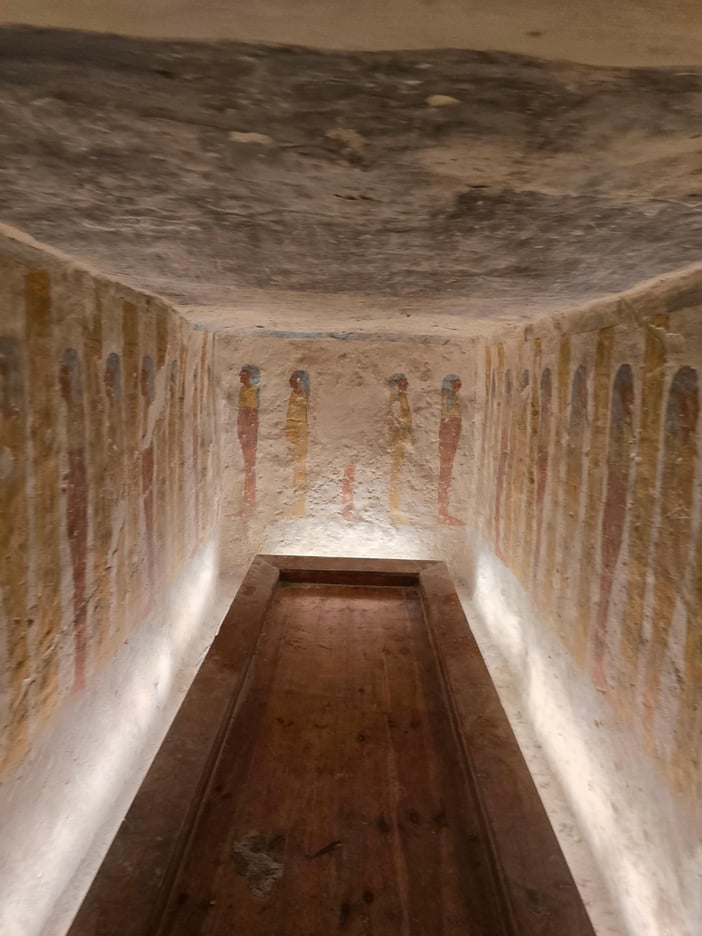
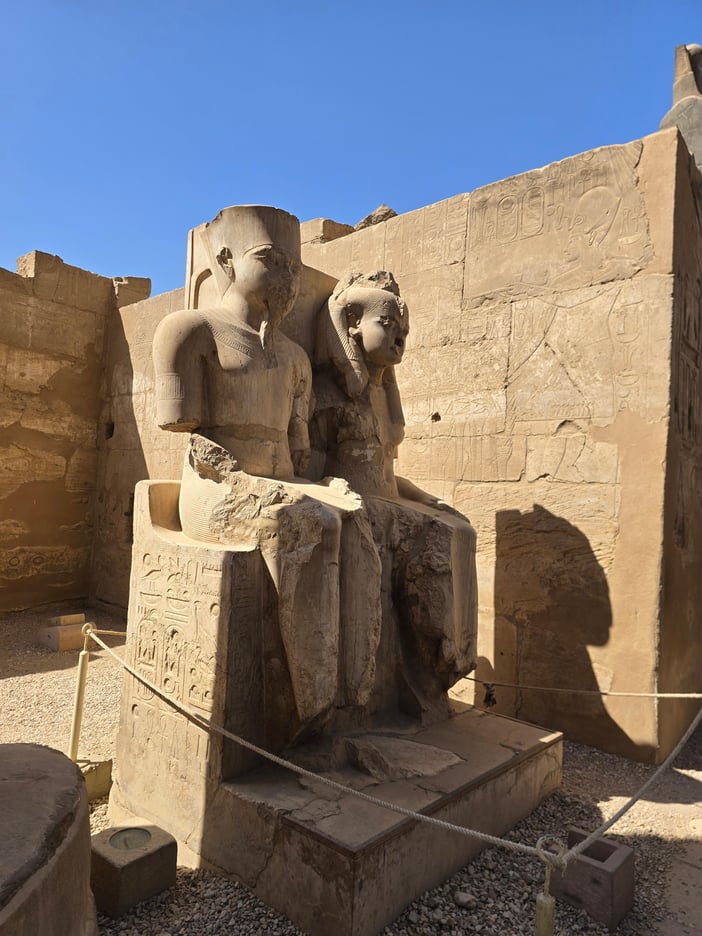




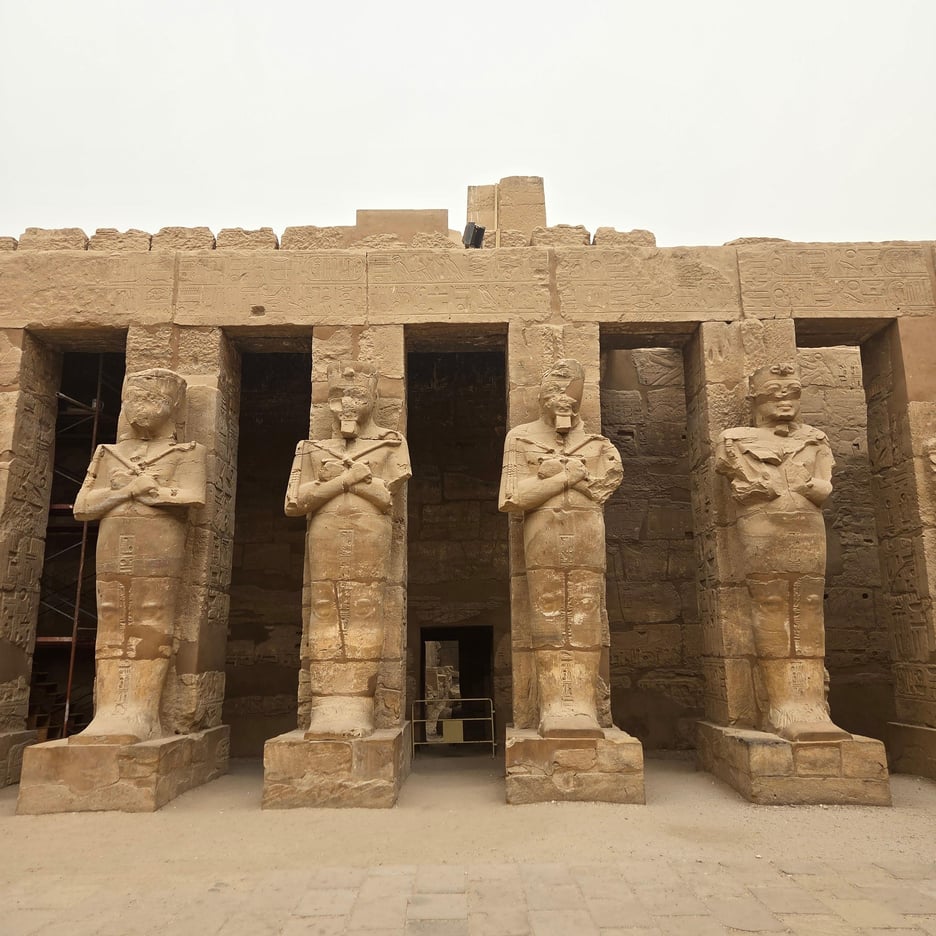
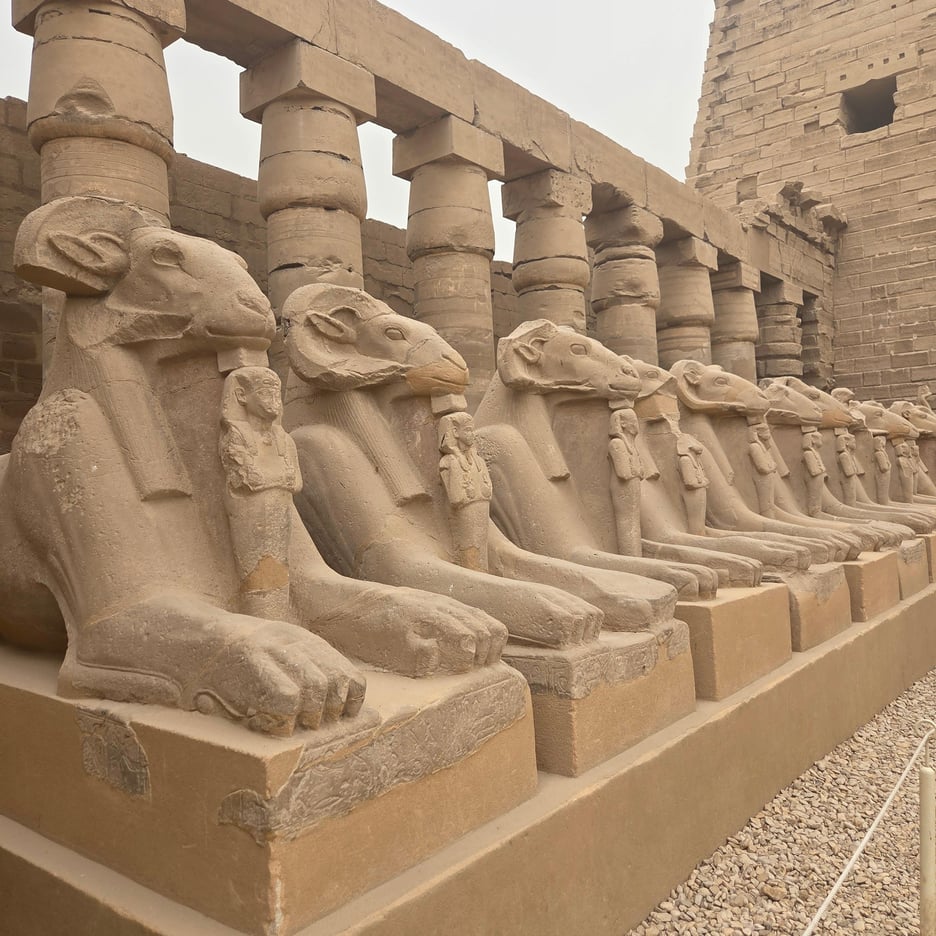
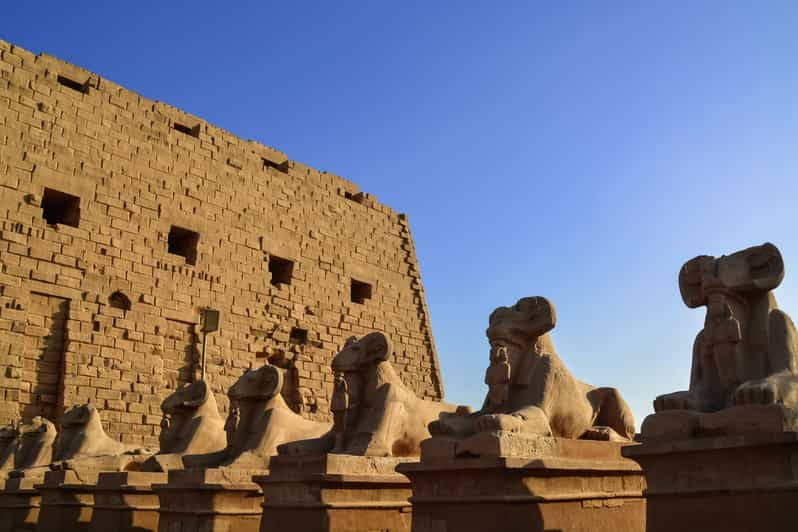

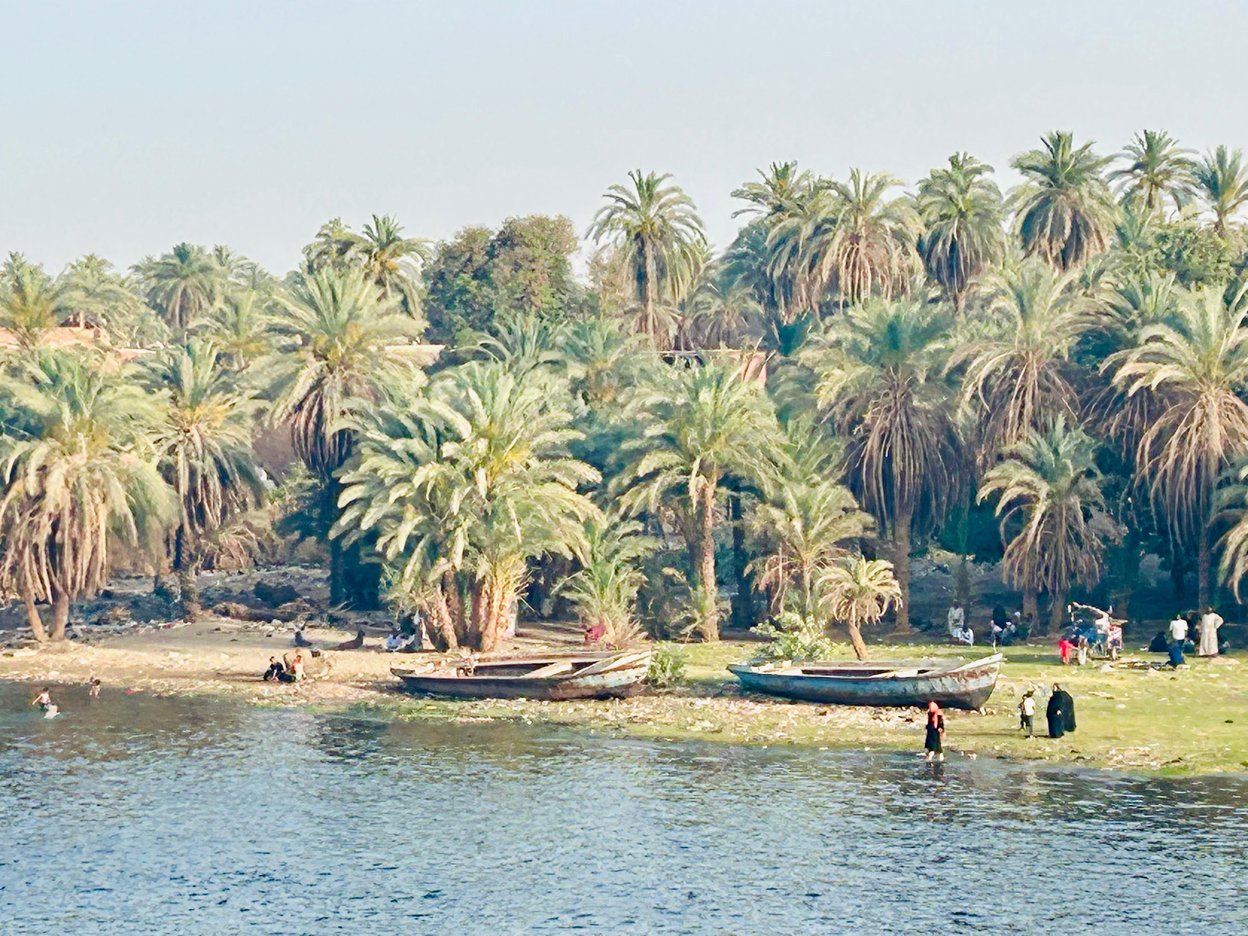
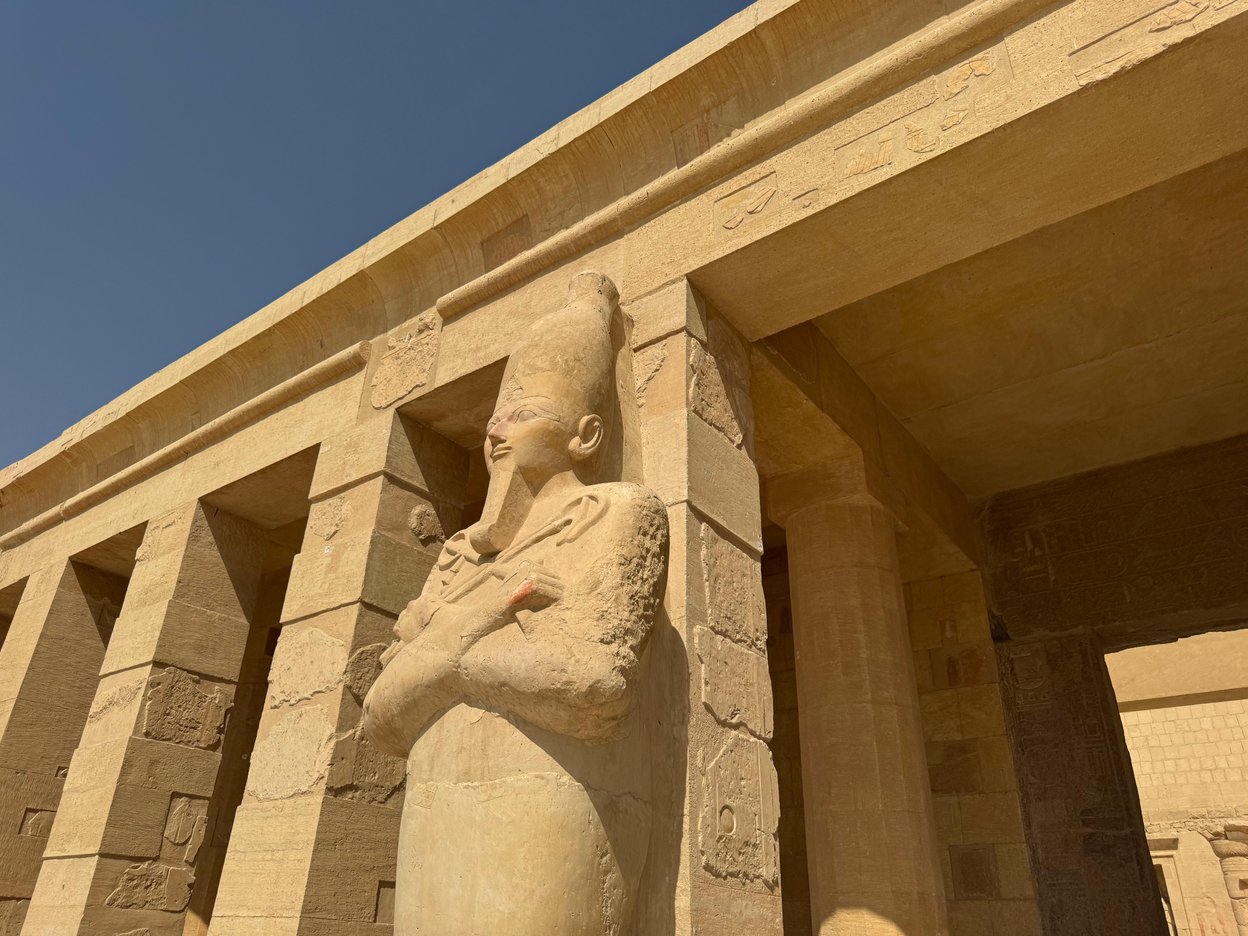
Adam gave me such a wonderful day. His enthusiasm and knowledge gave me real insights.
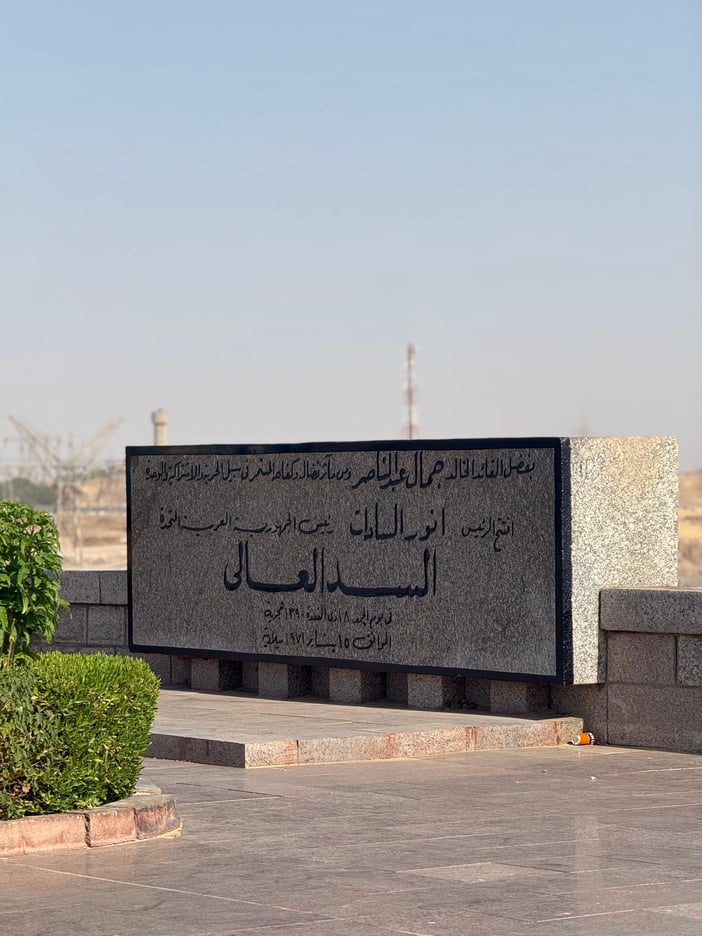
Everything went smoothly. Zeinab was easy to reach and kept us informed, always checking in. Guide Ahmed Majid explained the history brilliantly. The cruise was lovely, staff so accommodating. Brilliant tour!
Fantastic Luxor day trip. Early start from Cairo but totally worth it! Saw many great sights, never felt rushed. Guide Shereen was knowledgeable and honest; driver Sayed reliable and always on time. Highly recommend!
Remarkable experience... so many sights in one mesmerising day. My guide Manel was brilliant and so knowledgeable... a great woman who I insist gets the appreciation she deserves 👏
We loved this Nile cruise. Everything was so well organised, the visits, transport, and the boat staff were helpful and truly attentive.
The Cairo, Aswan night train is a must. Local agency was late delivering tickets but GetYourGuide's hotline fixed it instantly. Note: agency needs passports by WhatsApp/email, train leaves from Giza. No regrets!
Well organised, really enjoyable tour of everything we wanted. Guide Ahmed Moussa was fantastic, knowledgeable, professional, timed our day to avoid crowds. A long day but worth it.
Most reviewers praise their guide by name for the depth of Egyptian history and the storytelling that brought the temples alive.
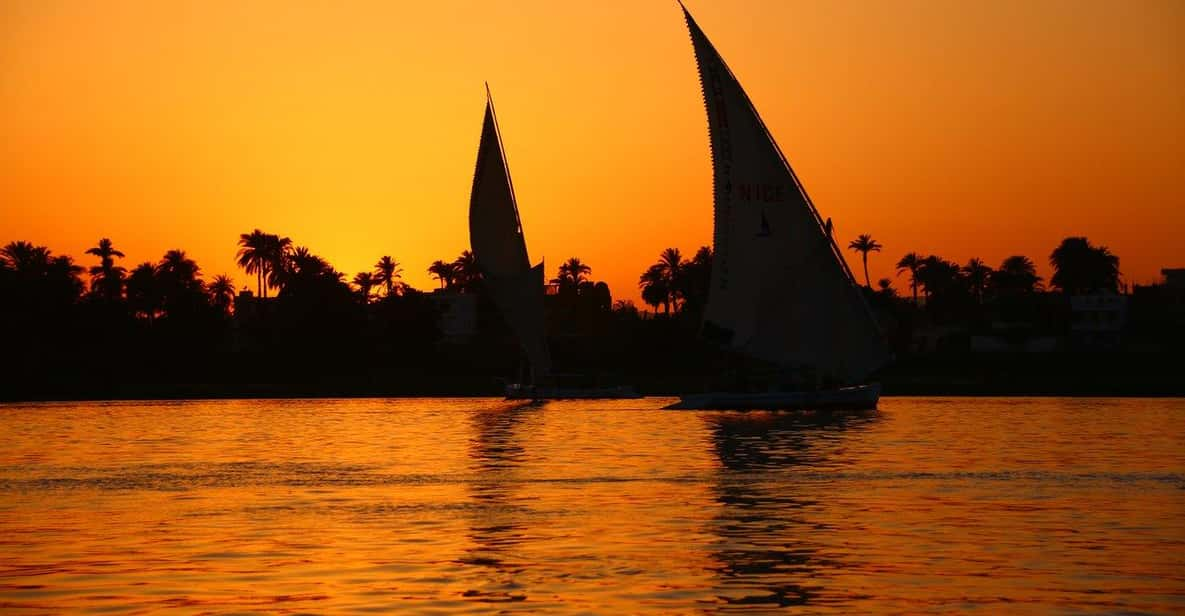
Several couples loved the unexpected sunset felucca ride their guide arranged when the return flight ran late.
A few travelers wished for a quieter night on the sleeper train so the long ride felt like real rest.
Decide between a flight day tour, a sleeper train package, or a private transfer, then book at least 48 hours ahead so flight seats can be reserved. Seats fill up around Egyptian holidays.
Right after booking, the operator contacts you for flight details: full names and passport numbers for every passenger. Reply promptly, because without them your flight cannot be booked.
Confirmation lands once flight seats are secured. If no seats are left on your date, the tour is cancelled and you get a full refund, so the money risk stays low.
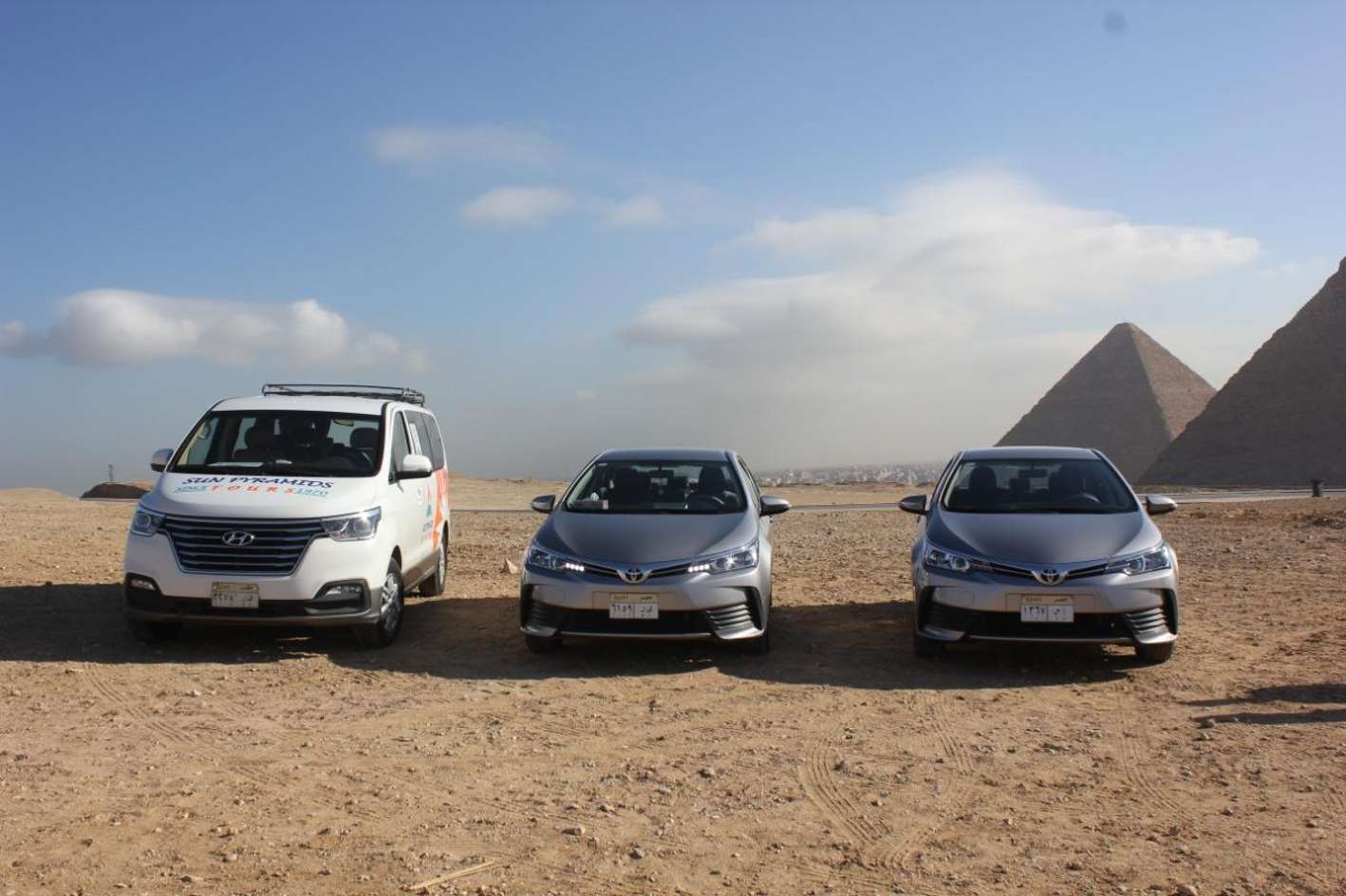
Most tours collect you from your Cairo or Giza hotel, and the representative meets you in the lobby or outside the main entrance. Expect a car or van around 6 am for the flight tours.
Be at the airport about two hours before departure; check-in counters and boarding gates both close 30 minutes before the flight. In Luxor, your guide waits at arrivals with a name sign.
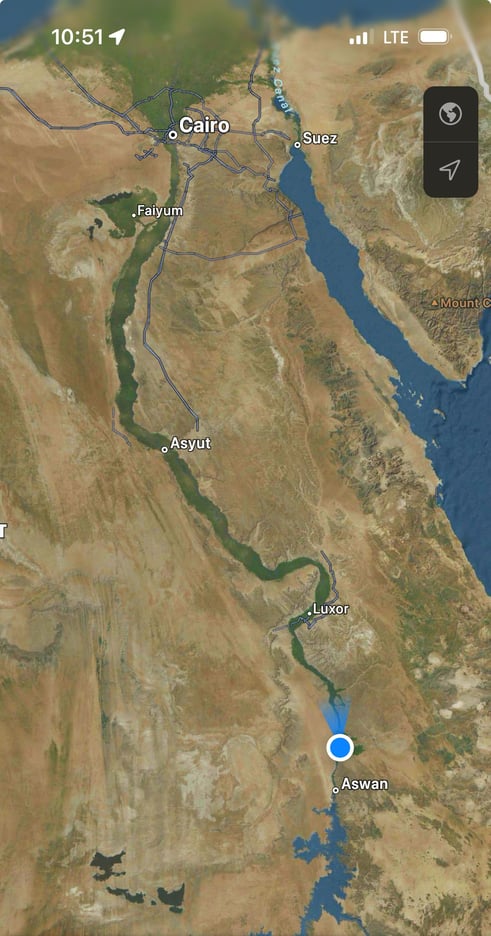
Cairo and Luxor sit about 640 km apart, and the fastest way covers it in an hour of flying. The road trip takes closer to eight hours, the train or bus nine to eleven. Every option south is a long one, so the choice is about how you spend those hours.
Three things decide the way: how many daylight hours you want for the temples, whether you can sleep sitting up, and how much schedule risk you accept. Flights buy time, the sleeper train buys a hotel night, a private car buys control of the stops.
Whichever way you go, the route runs south through police checkpoints, so keep passports handy at every stop. Plan the day around the heat once you arrive: the West Bank tombs in the morning, Karnak and Luxor Temple after lunch.
Cairo
Guided tour
Guided tour
Guided tour
Guided tour
Lunch
Boat cruise, Scenic views on the way
Guided tour
Guided tour
Cairo
Cairo, 6th of October City, Giza District, Al Haram, Giza
Cairo, 6th of October City, Giza District, Al Haram, Giza
Cairo, 6th of October City, Giza District, Al Haram, Giza
Cairo, 6th of October City, Giza District, Al Haram, Giza
Cairo, 6th of October City, Giza District, Al Haram, Giza
Guided tour
Guided tour
Guided tour
Guided tour
Guided tour
Giza, Giza District, Cairo, 6th of October City, Al Haram
Giza, Giza District, Cairo, 6th of October City, Al Haram
Giza, Giza District, Cairo, 6th of October City, Al Haram
Giza, Giza District, Cairo, 6th of October City, Al Haram
Giza, Giza District, Cairo, 6th of October City, Al Haram
Dense Nile Valley fog from September to March, peaking in November through January, can ground early morning flights, slow desert highways, and suspend dawn departures on the Cairo to Luxor route.
Build slack into your plan: pick tours with flexible cancellation, confirm pickup times the evening before, and keep a later flight or daytime activity as backup. Carry your original passport, since police checkpoints on the road south do not accept photocopies.
Luxor sits roughly 500 kilometres south of Cairo as the crow flies, and about 650 by road. Every way of closing that gap costs something different: an hour in the air buys speed, a cabin on the night train buys a morning arrival, a seat on a coach buys the lowest fare.
The times sort out fast. A flight takes about an hour. A private car needs 7.5 to 8.5 hours over 650 km, a direct bus a bit over nine to ten, a train from 8 hours 40 minutes to nearly 11, and the sleeper about 10 and a half.
Organized full-day flight tours run 14 to 15 hours door to door by the operator's own itinerary; count every leg yourself, from Cairo hotel to Cairo hotel across any airline, and the portal-to-portal range for the same round trip runs 15 to 20 hours.
| Door-to-door time | Sleep comfort | Scenery en route | Delay risk | Luggage rules | |
|---|---|---|---|---|---|
| Domestic Flight | not known | not known | not known | not known | not known |
| Overnight Sleeper Train | not known | not known | not known | not known | not known |
| Long Nile River Cruise | not known | not known | not known | not known | not known |
| Private Road Transfer | not known | not known | not known | not known | not known |
| Express Train | 10h20m to 12h35m | seated, freezing air conditioning | Nile Valley fields, feluccas | delays virtually guaranteed | overhead racks, no checked bags |
| Intercity Bus | 9 to 11 hours | slightly cramped seats | flat, open desert highway | varies with traffic | underfloor hold, 25 to 30 kg |
Read the comparison against your own week. The fastest option is not automatically the best one: the flight wins on hours but starts before dawn, while the sleeper turns travel time into the night you would otherwise pay a hotel for. Two or three of the six will genuinely fit your schedule.
The alarm rings in the dark. Hotel pickups for the early flights run between 3:30 and 6 am, with cars leaving Cairo or Giza two and a half to three and a half hours before departure to cover city traffic and the domestic check-in window. The flight itself lasts about an hour.
Count the whole thing and the one-hour hop becomes 4 to 5 hours door to door before sightseeing starts. Four airlines fly the route daily, with departures from the small hours until near midnight and a morning peak built for day trippers.
Land between 6:00 and 8 am and the Valley of the Kings is behind you before the midday heat and the crowds.
| Check | Why it matters | Our pick |
|---|---|---|
| Pickup time against flight departure | cars leave 2.5 to 3.5 hours early to cover traffic and check-in | the tour books your flight and sets the pickup, around 6 am |
| The check-in window | domestic counters close 30 minutes out and checked bags drop an hour before | the transfer timing is handled for you |
| Baggage rules | the national airline allows 23 kg checked and 8 kg carry-on; one budget carrier allows 7 kg carry-on | flights are booked for you, so pack to the fare |
| Site entry | self-guided visitors buy tickets at the gate with a bank card | entrance fees, lunch and a felucca ride are in the price |
The formalities bite early, so know them before you pack. Your original passport comes out four times: at the terminal door, at check-in, at security and again at the gate.
Carry-on rules differ by carrier, 8 kg on the national airline against 7 kg on the budget one, and checked bags go to the drop counter an hour before departure.
Shape the day to your stamina. An evening return between 7:00 and 9 pm leaves 10 to 12 hours on the ground, enough for both banks; a same-day round trip runs 15 to 20 hours portal to portal with 6 to 8 hours of guided sightseeing.
People who have done it call the early alarm well spent when time is short.
If you would rather not assemble the pieces yourself, "Cairo: Private Luxor Day Tour with Entrance fees by Flights" bundles the round-trip flights, all transfers, lunch in Luxor, a felucca ride and every entrance fee into one 15-hour booking.
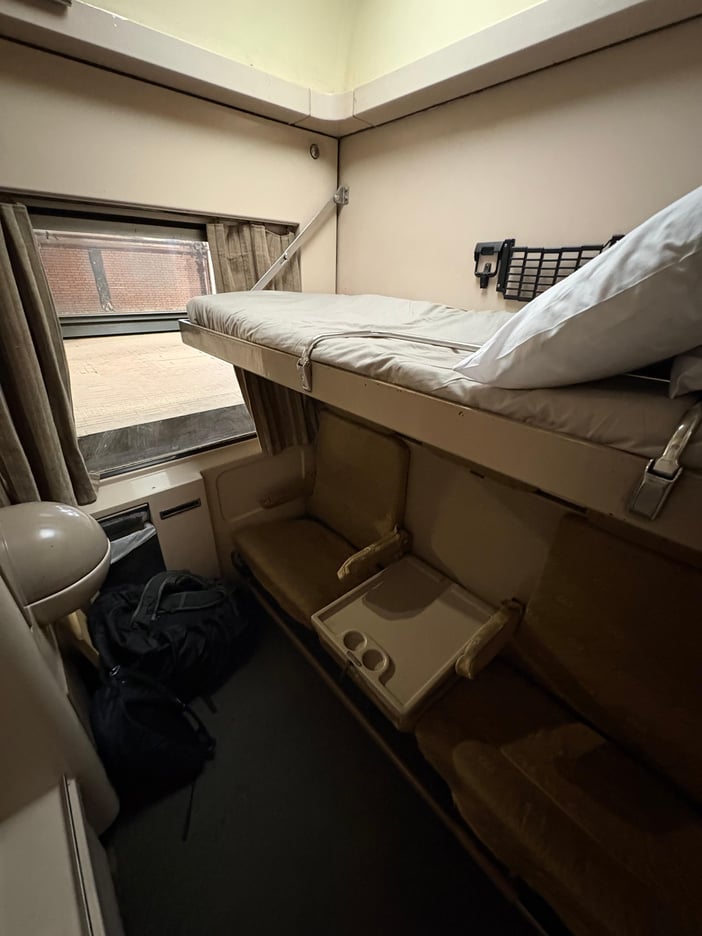
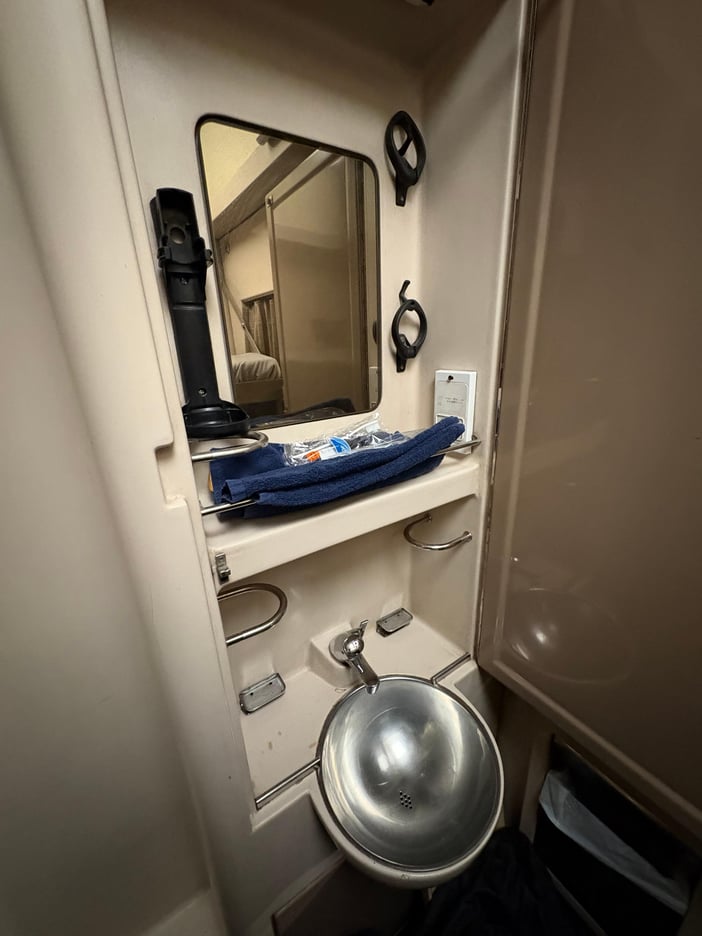
Ramses station in the evening, and the green and white sleeper pulls south with you in a private, lockable two-berth cabin: bunk beds, fresh linen, towels, a washbasin, toilets at the end of the carriage. Dinner and breakfast are served to the compartment, and the early morning arrival in Luxor costs no hotel night.
Sell the night to yourself honestly. Whistle blasts, screeching brakes on the curves, repeated station stops and corridor doors banging run right through it. The curtains never fully block the platform light, and winter cabins turn cold even with the air conditioning switched off.
Booking has its own rules. The railway's own site and app sell only to Egyptian citizens, so foreigners buy through agents or at the Arab and Foreign Reservation Office at Ramses, passport in hand, paying in dollars or euros.
If the whole adventure appeals, "From Cairo: Luxor Sightseeing Tour by Sleeper Train" covers it in three days with train tickets both ways, entrance fees and a guide included.
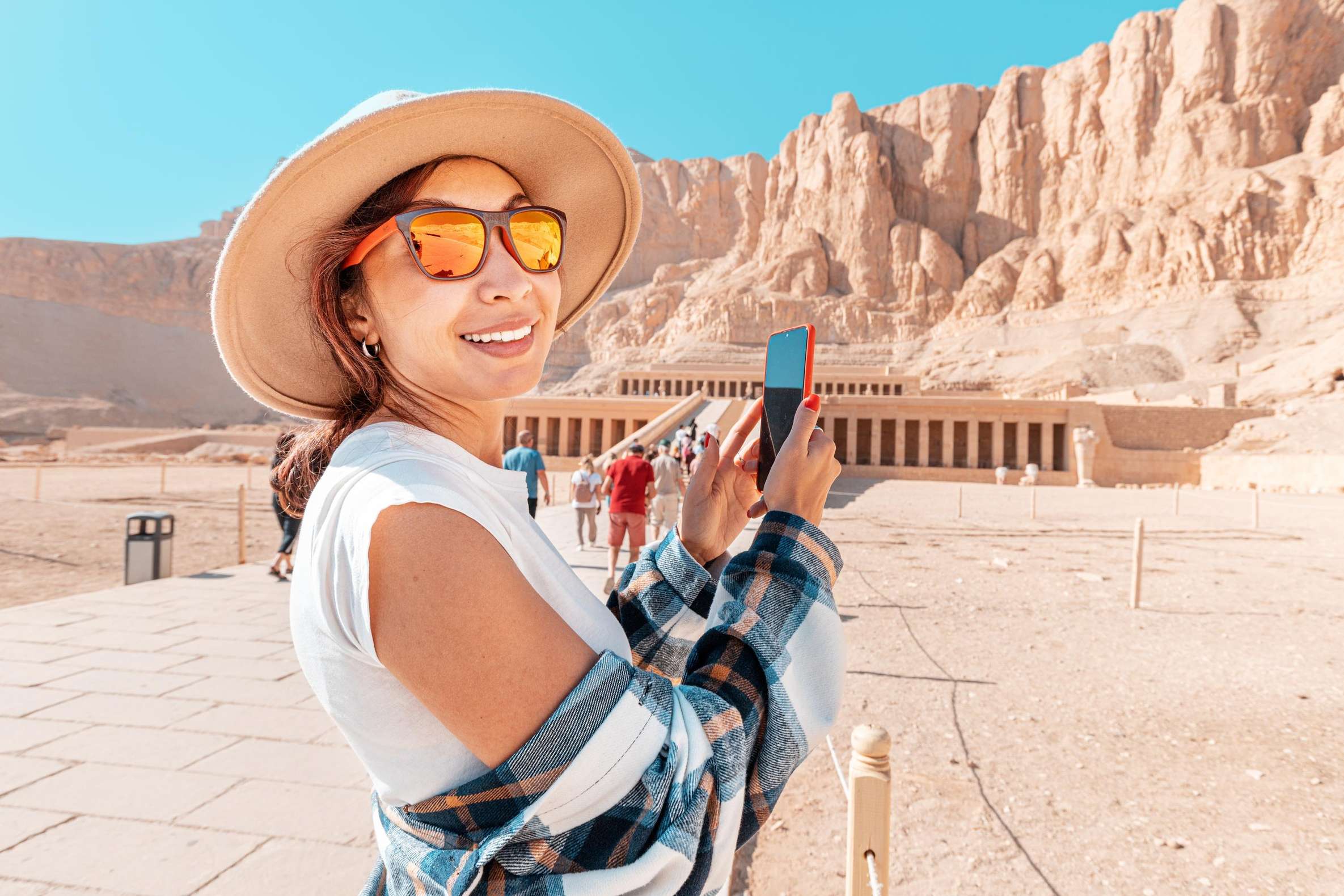
Train 980, the VIP Express, leaves Cairo at 8 am and reaches Luxor at 6:40 pm, 10 hours and 40 minutes down the river corridor. A second air-conditioned service runs at 8:40 am and takes 10 hours 20 minutes; an early 5:20 am departure needs 12 hours 35 minutes.
The payoff runs past the window for the whole day: green fields, palm groves, water buffalo, farmers at work, and the Nile itself with white-sailed feluccas. First and second class both give more legroom than a long-distance bus seat, refreshments come around, and the air conditioning on these trains runs famously freezing.
Weigh the view against the timetable. Delays on the Cairo to Upper Egypt lines are virtually guaranteed, and a daylight run can stretch toward 13 hours. Take this train when the scenery is the point and the schedule has slack.
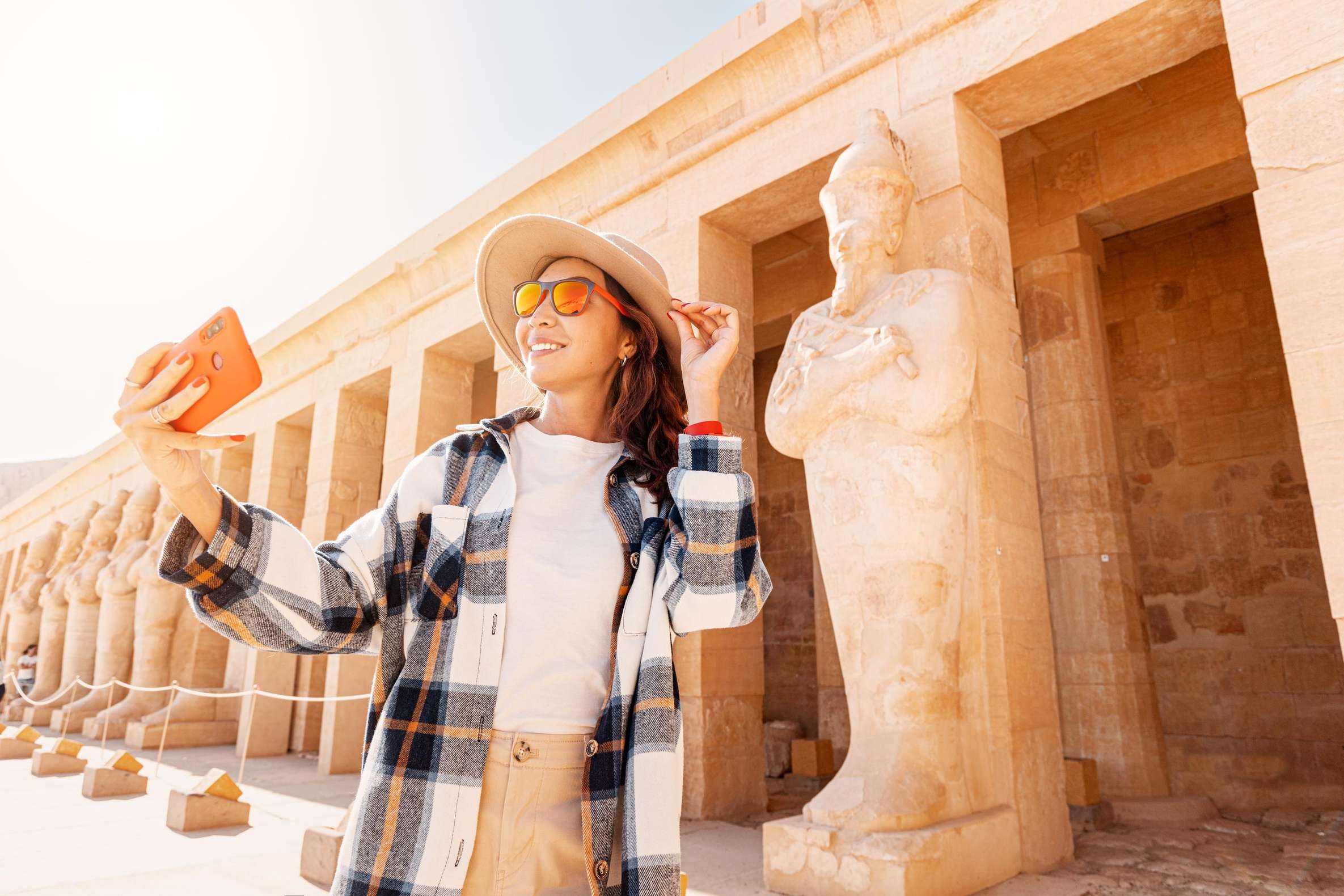
The intercity coaches leave from central Cairo, the main operator from Tahrir Square, and take 9 to 11 hours by day or overnight. It is the cheapest direct way overland, booked through the operator's own app or an online ticket agent, or at the counter.
Seat classes run from standard up to business and sleeper-style, and the deluxe tiers add real legroom. Air conditioning blows powerful and cold, some services carry onboard toilets and others rely on roadside stops.
Bags go into the underfloor hold without a receipt or any tracking; one operator allows 25 kg checked plus a carry-on, another 30 kg.
The trade is the view. The desert highway runs through flat, gray expanses with checkpoints and small roadside towns, and the river never appears. Take the bus to save money, and pick a deluxe seat class if you are tall.
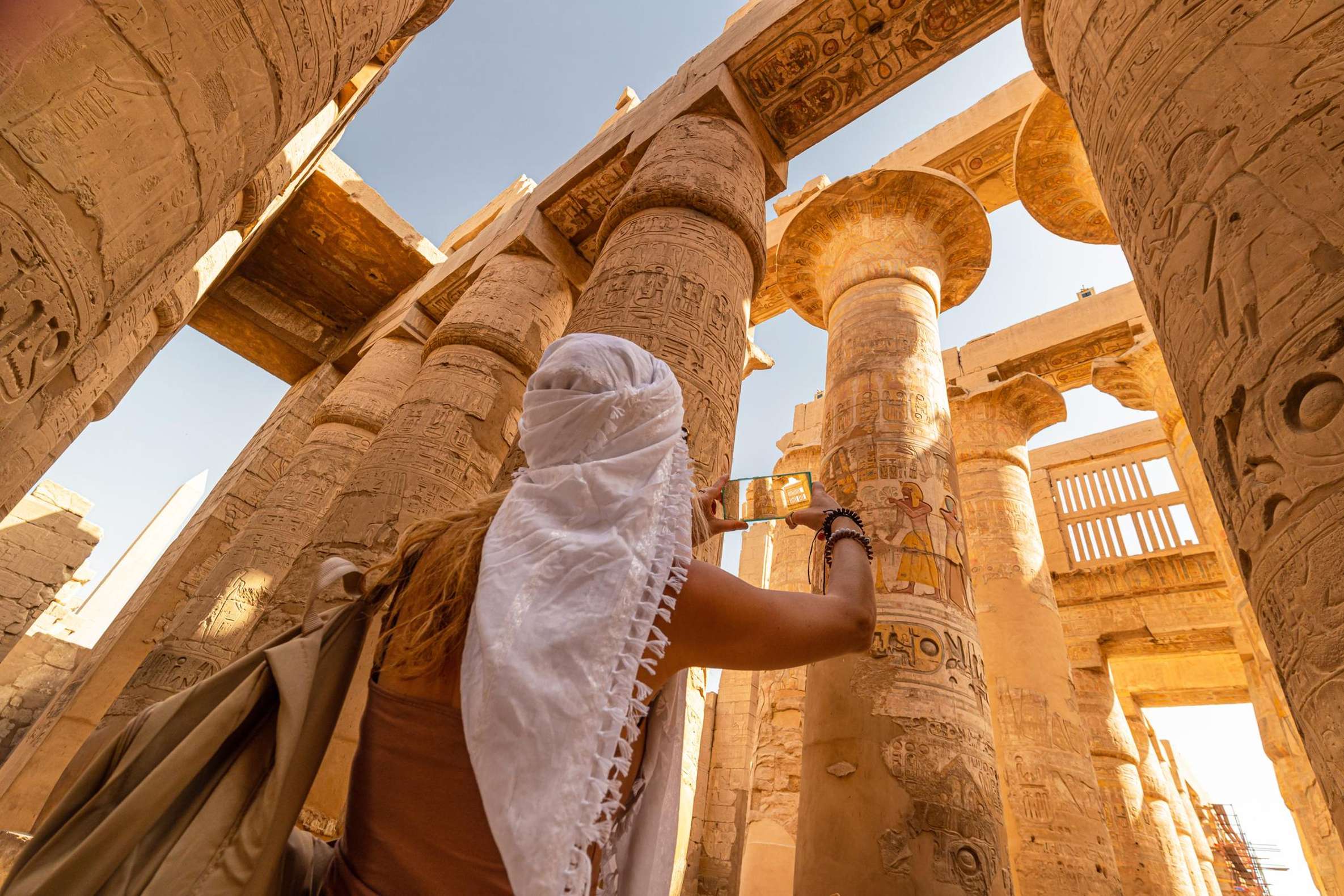
Start with the fine print under the cruise dream: no short sailing leaves from Cairo. Multi-day boats work only the Upper Egypt stretch between Luxor and Aswan, and the direct Cairo to Luxor river voyage takes 10 to 12 days on select dates only. Boats from Cairo itself mean dinner cruises and felucca sails.
short sailings run only between Luxor and Aswan; you fly south to board
boats on the Luxor to Aswan stretch never go there; it is a separate excursion
meals are included, drinks including water are billed separately
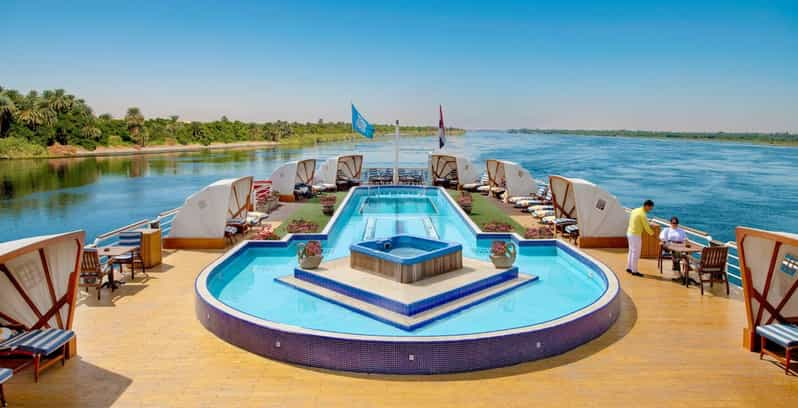
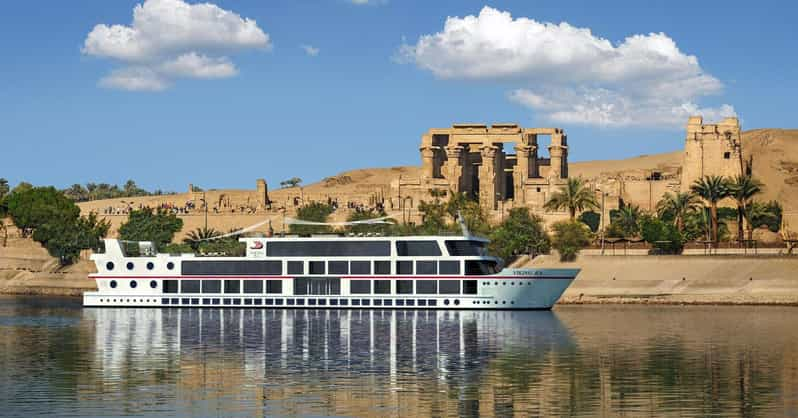
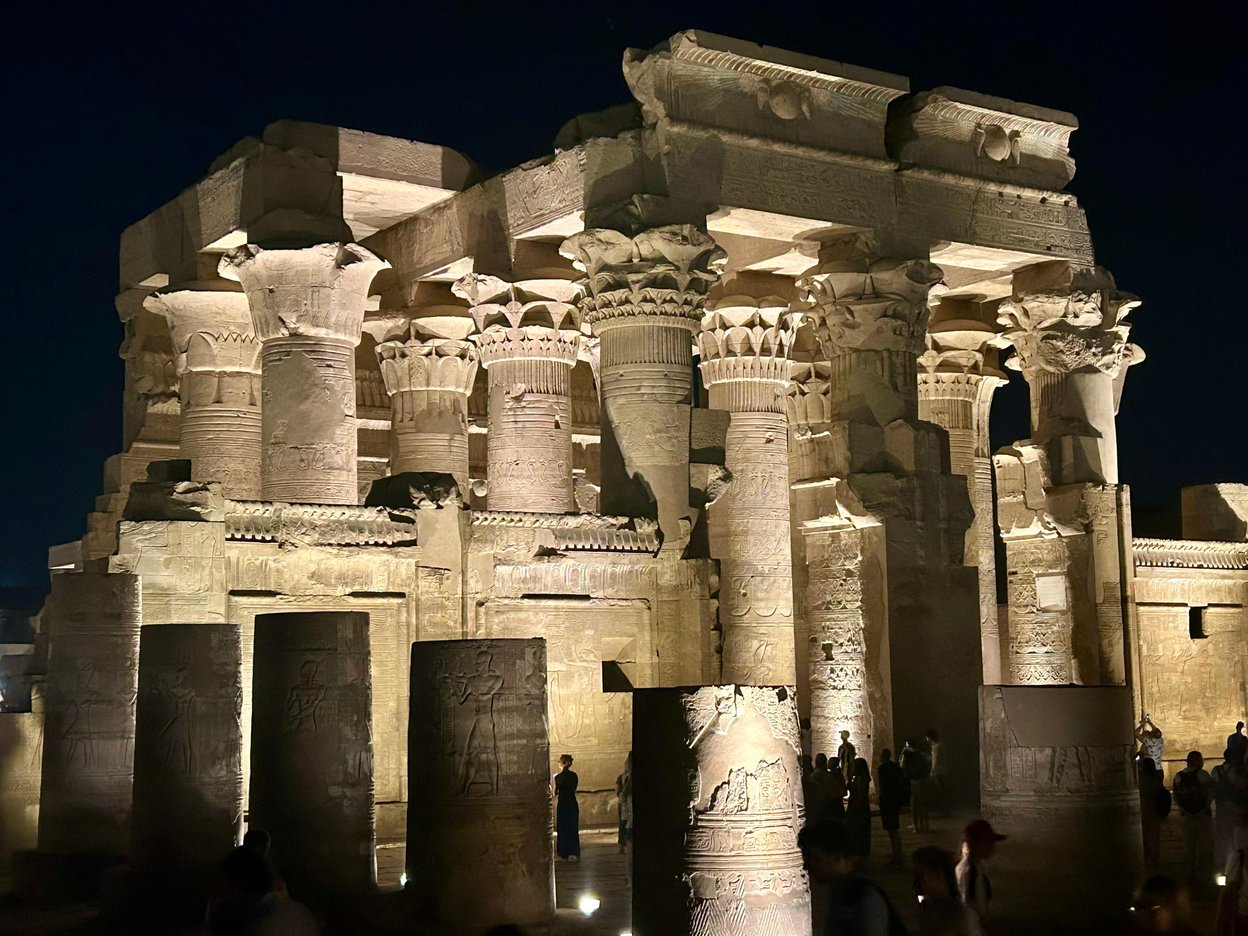
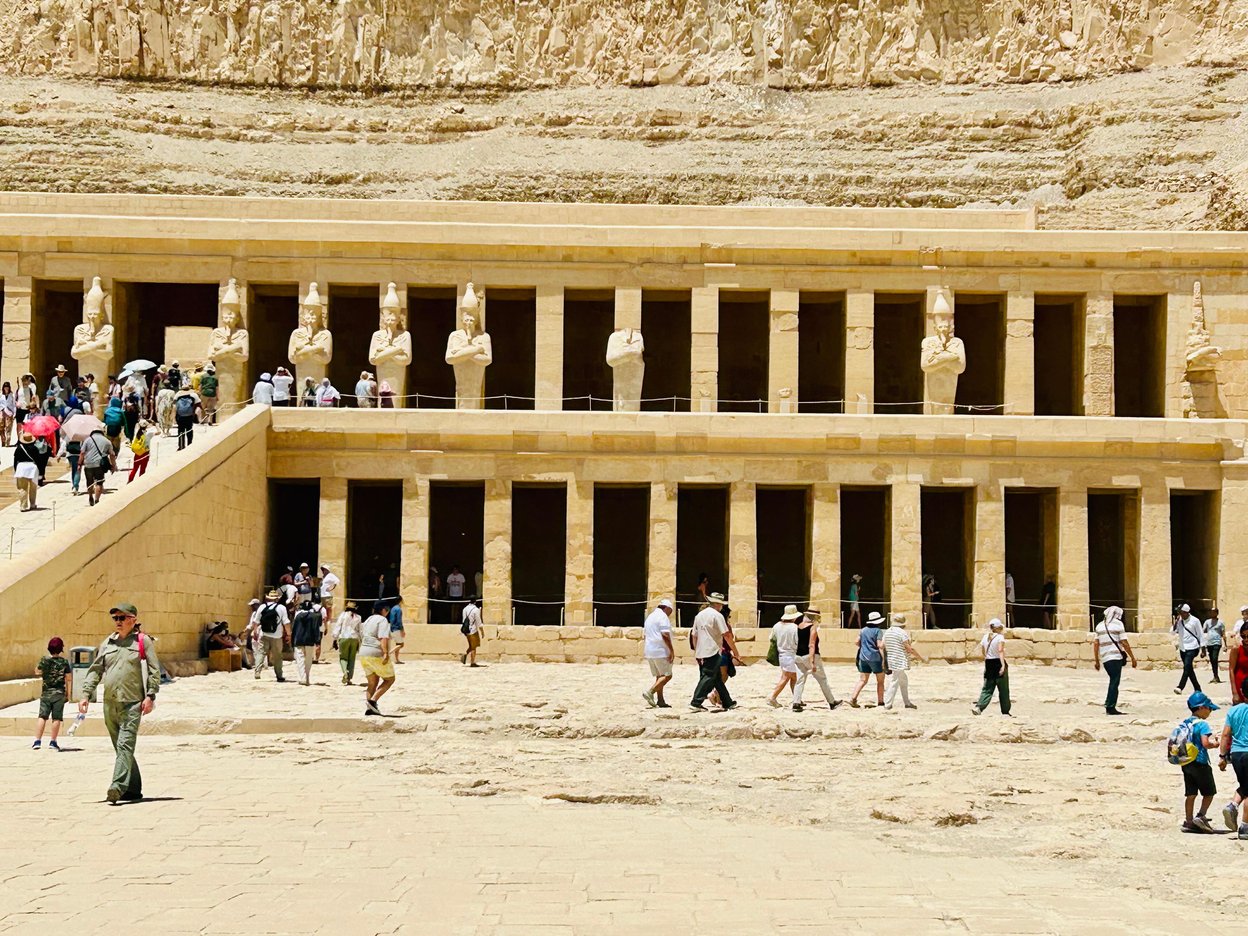
The classic way is to fly south and board. A 4-day, 3-night sailing runs Aswan down to Luxor, or 5 days and 4 nights the other way, calling at Edfu and Kom Ombo with Karnak, Luxor Temple, Hatshepsut's temple and Philae on the program. Abu Simbel never appears on the water.
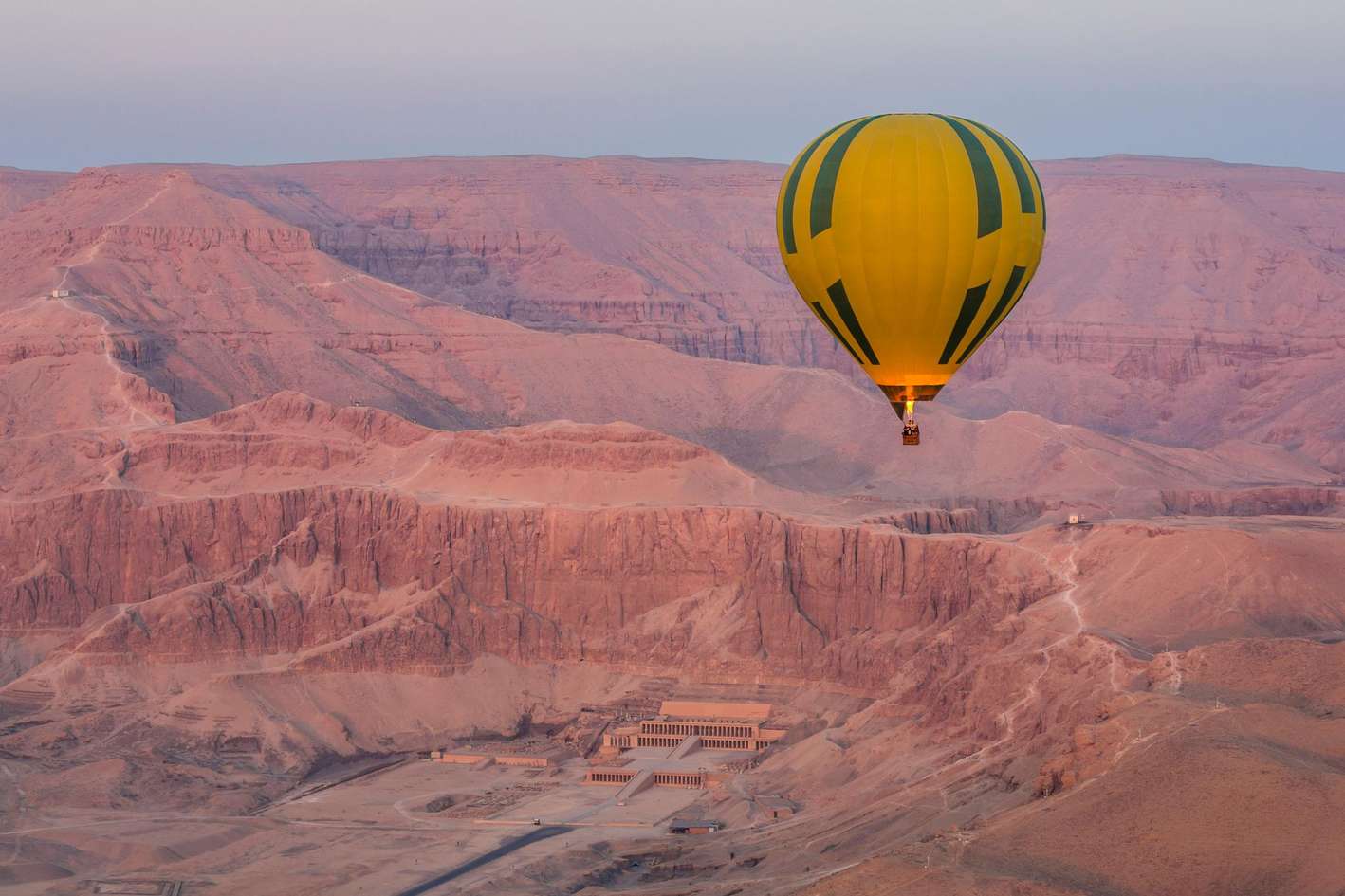
Packages bundle the rest: Cairo hotel nights, domestic flights, airport transfers, an Egyptologist guide and full board aboard. "From Cairo: 4-Day Nile Cruise to Luxor with Balloon Flight" flies you down, puts three nights of full board on a five-star ship and includes a hot air balloon ride over the West Bank.


The desert highway south is a real option with hard edges. A private air-conditioned transfer covers the roughly 650 km in about 8 to 8.5 hours door to door, and foreign visitors cannot simply rent a car for it: long-distance road travel needs authorized tourist transport with a licensed driver.
The road sets the rules. Fixed police checkpoints sit every 40 to 60 kilometres and officers inspect the vehicle papers; night driving is firmly off the table, so the departure window is 5:00 to 6 am to beat Cairo's traffic and reach Luxor before dark. Dust storms can close the desert road outright.
The reward is the route itself. Dendera Temple joins the drive as a short detour, and stops at Sohag or Qena are possible once every intermediate stop is cleared with the Tourist Police before departure.
Cancellations up to 24 hours ahead bring a full refund, and a 10 to 15 percent tip is the custom for the driver.

Whichever mode you chose, the same papers follow you south. Checkpoints along the route ask for the original passport, photocopies generally fail, and officers may look closely at your entry stamps. For the flight, the passport needs six months of validity from the arrival date.
Visas trip up more travelers than they should. A full Egypt tourist visa covers Luxor; the free Sinai-only stamp that covers a Sharm el Sheikh holiday does not, and leaving Sinai for Luxor invalidates it. Get the standard visa online or on arrival.
Fantastic Luxor day trip. Early start from Cairo but totally worth it! Saw many great sights, never felt rushed. Guide Shereen was knowledgeable and honest; driver Sayed reliable and always on time. Highly recommend!
Then there is the cash itself. Tipping follows social expectation, with no fixed schedule: porters at stations, drivers after a long run, attendants at rest stops. A stack of 5, 10 and 20 Egyptian pound notes keeps every hand smooth.
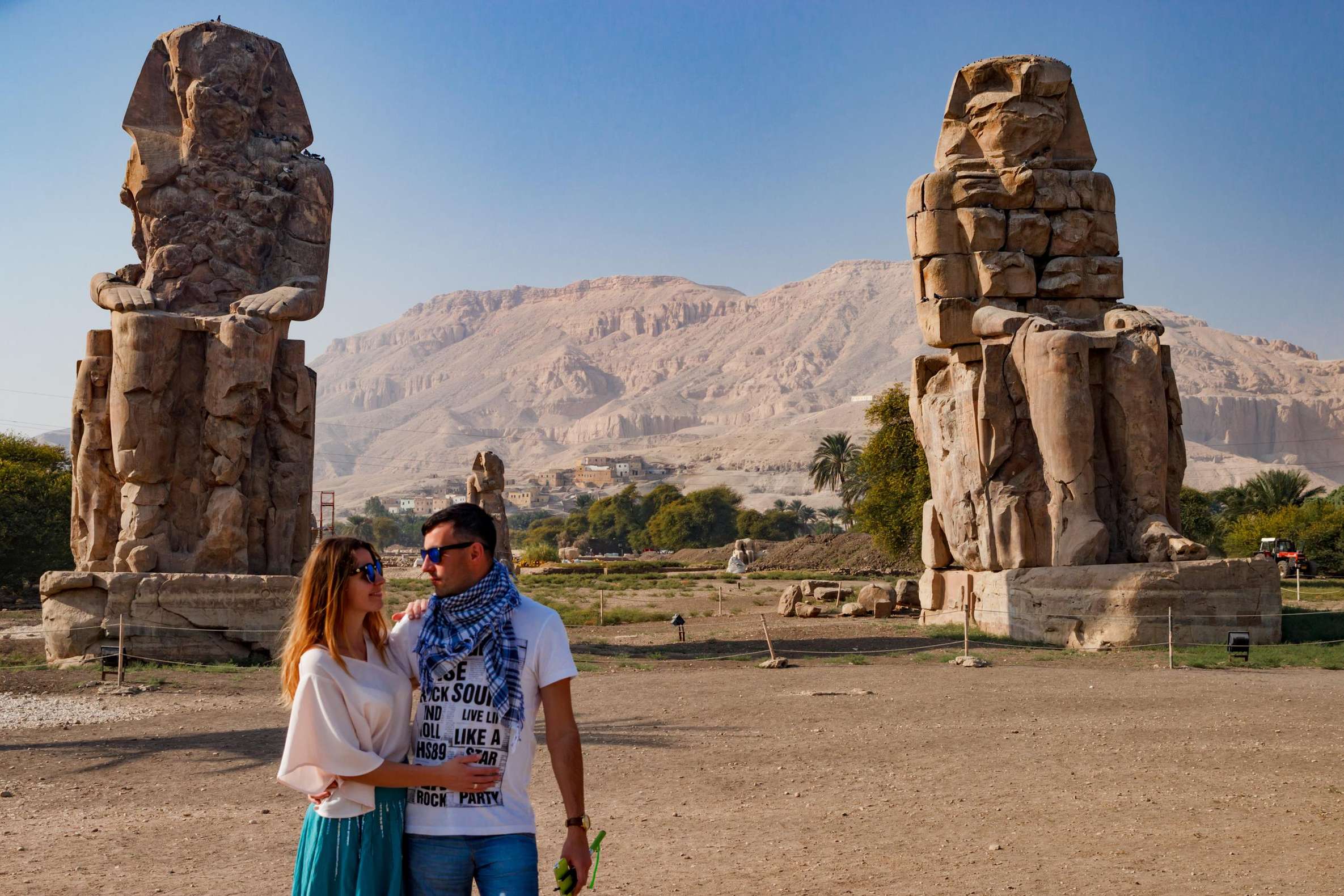
Build the way home around the sightseeing. Evening flights from Luxor to Cairo run between 6:00 and 11:30 pm, with common departures near 6:00, 9:00 and 10:30 pm, which lets you stay at the sites until about 5 pm and still check in calmly.
| If this happens | What happens then |
|---|---|
| The return flight slips an hour or two | the pre-arranged driver tracks the flight and waits at Cairo airport into the night |
| The airline breaks a confirmed connection | you are re-routed or refunded with no extra charge |
| A domestic delay runs past two hours | a full refund or a free flight change is yours |
| You cancel a sleeper ticket 48 hours ahead | a fifth of the fare is deducted; at 24 hours it is a quarter |
| The ticket is cancelled after the train leaves | there is no refund |
The escape hatches hold in practice. When a return flight slips an hour or two, pre-arranged drivers track the schedule and wait at Cairo airport into the night for the hotel drop-off. The refund terms come from the carriers' own rules, so read them before you pay.
Trains are stiffer. Cancelling a standard train ticket 48 hours ahead costs a quarter of the fare and half at 24 hours, with refunds reaching the card within 14 working days. Book refundable fares when your plans have any give in them.
Luxor International Airport lands you with two gaps to fill: no left-luggage counters and no clearly advertised bus into town. The realistic choices are a taxi, a pre-booked transfer, or a taxi into central Luxor for the public ferry. Taxis run without meters, so agree the total fare for the car before leaving the curb.
Reaching the West Bank monuments means the southern bridge or the northern crossing, and a driver hired for the day spares you flagging taxis between separate monuments.
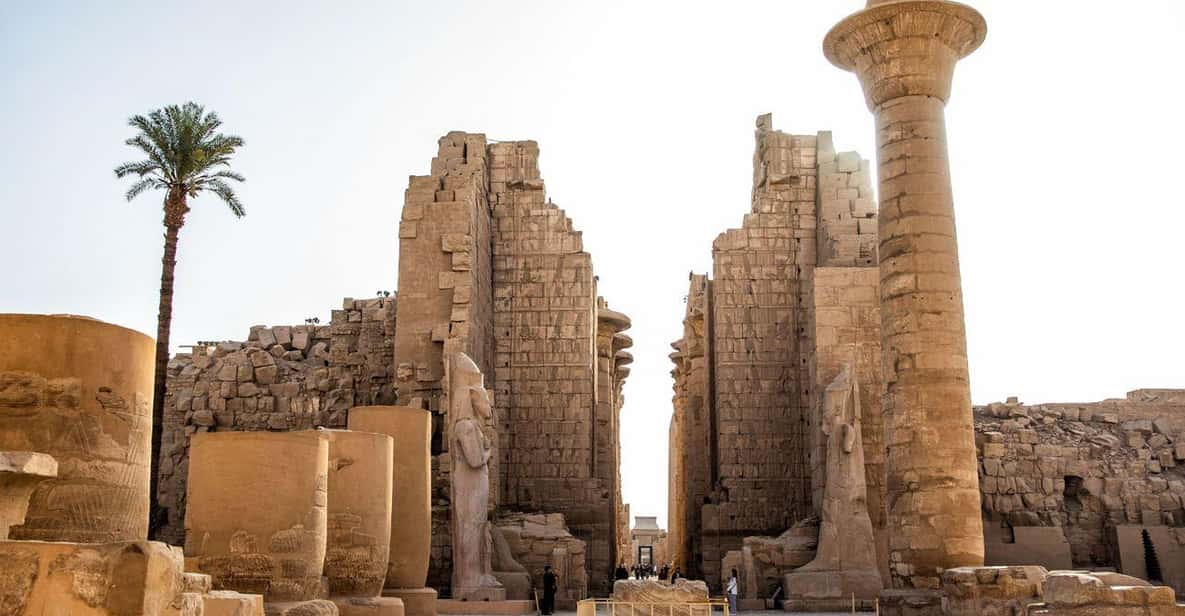
The sites open at 6 am; the Valley of the Kings and Karnak close at 5 pm with last entry an hour earlier, and Luxor Temple takes entries until 7 pm.
Stay over if the days allow. Two days, one per bank, covers the highlights properly, and three full days without rushing splits it into Karnak and Luxor Temple, the Valley of the Kings with Hatshepsut, then the southern West Bank.
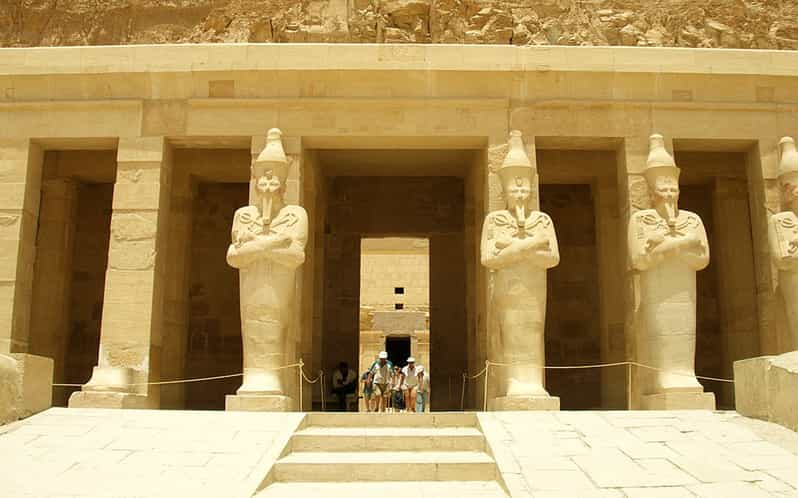
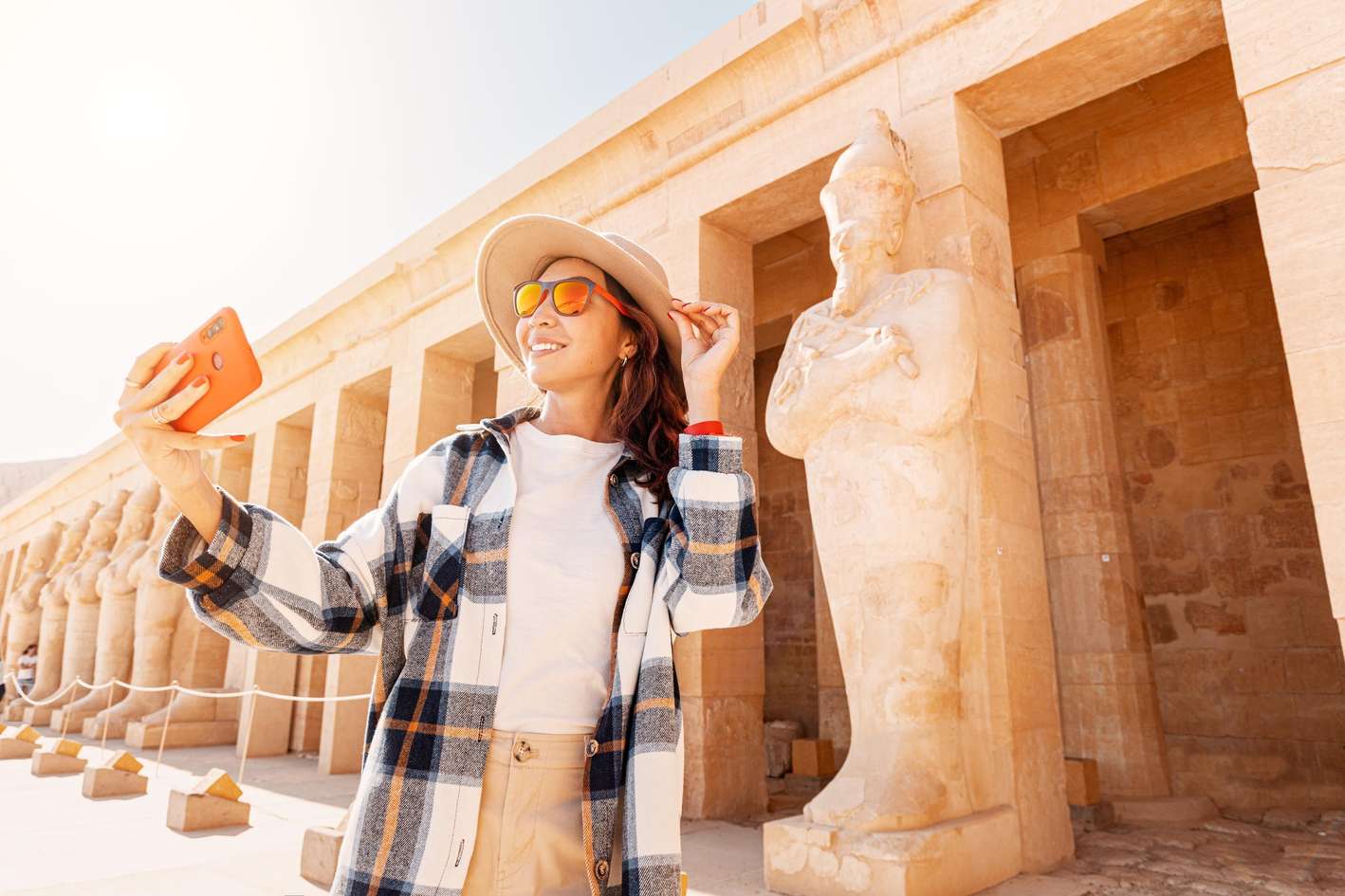
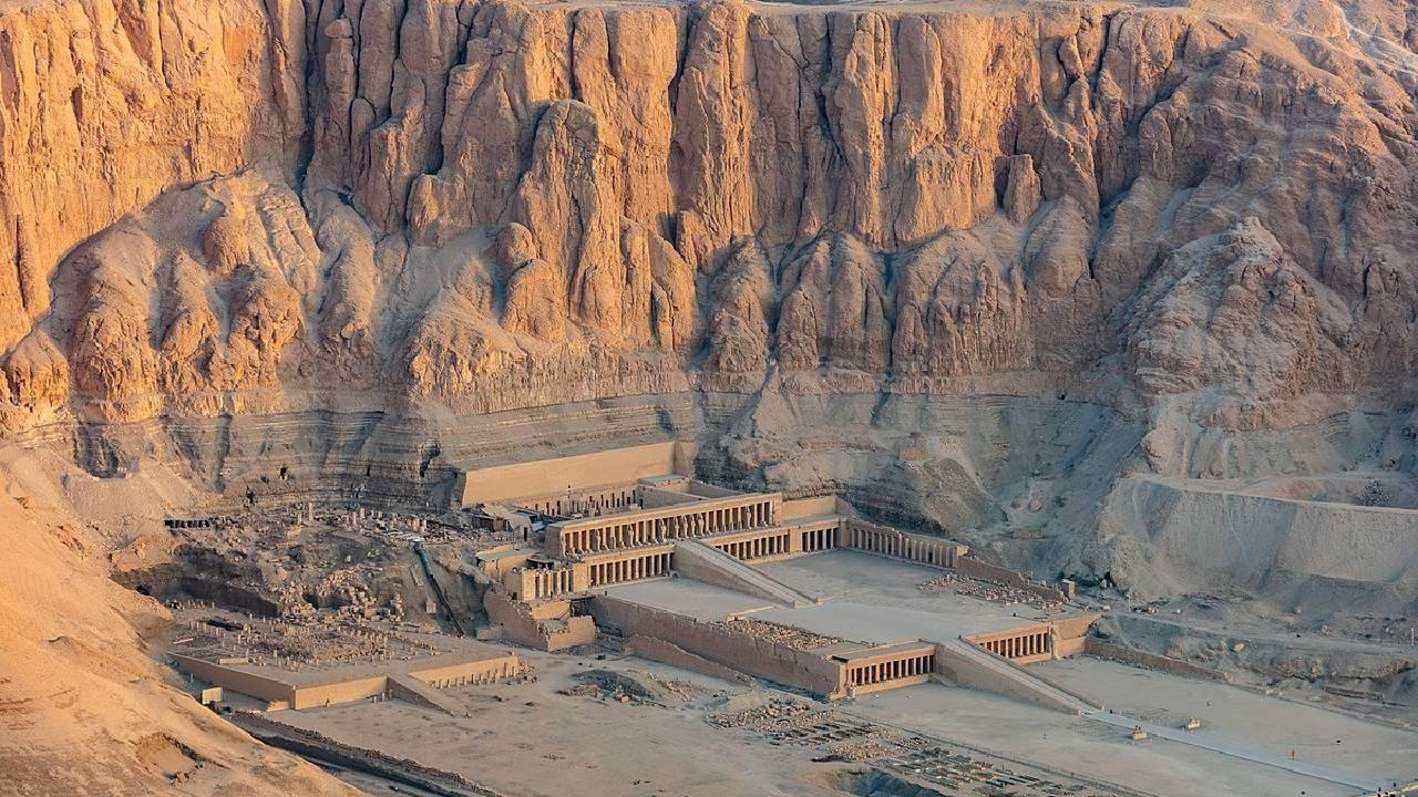
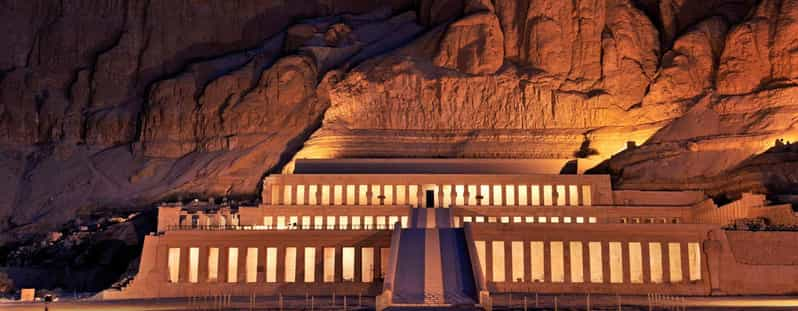
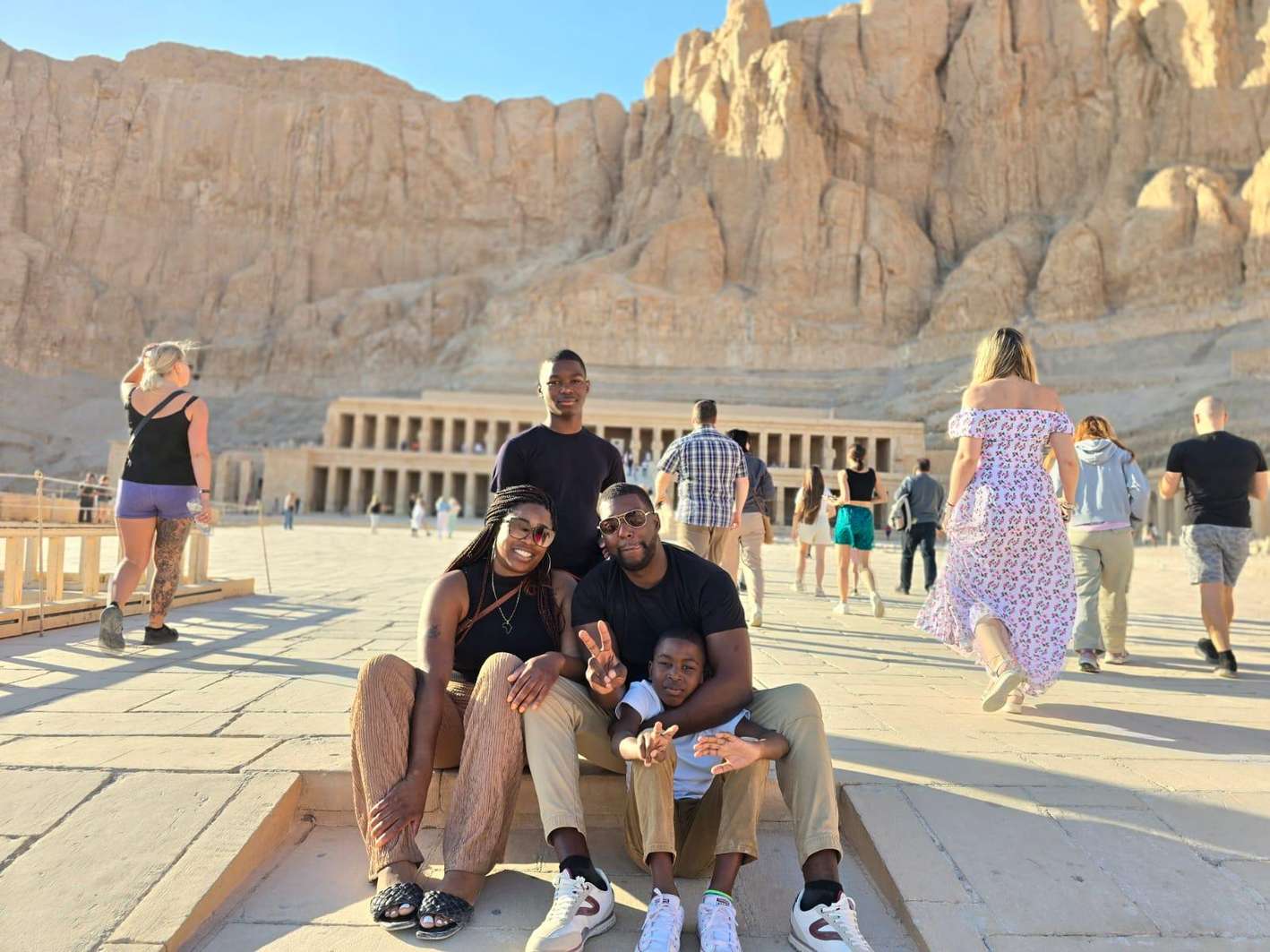
One base on the West Bank turns a single morning into a whole day of monuments. Hatshepsut's temple sits a seven-minute walk from the tomb area, a nine-minute path climbs toward the peak of El Qurn, and Mentuhotep's mortuary temple is nine minutes out the other way.
Stretch the legs and the Valley of the Queens falls 20 minutes away, the Ramesseum and a colossal seated statue 21.
A short drive adds the mortuary temples of Ay and Horemheb and of Amenhotep III at about 15 minutes each, with the Karnak Open Air Museum 26 minutes off if you cross the river again.
The calendar decides as much as the mode. November through March brings Luxor daytime highs of 24 to 30 degrees with cool nights, and it brings the crowds with it: November is the busiest month of the year on the river and at the sites.
Summer empties everything, with Luxor reaching 42 to 43 degrees from June through August.
November: 5 out of 5 for how busy it gets.
Tap a month to read it.
One more seasonal fact shapes winter plans. Nile Valley fog runs from September to March, peaking around November to January, forms overnight and cuts visibility between roughly 1:00 and 10 am.
It grounds early flights, slows the highways and halts boat traffic until it lifts, so build a morning margin into any cold-season departure. Go in August and you trade crowds for heat: dawn starts, indoors by midday.
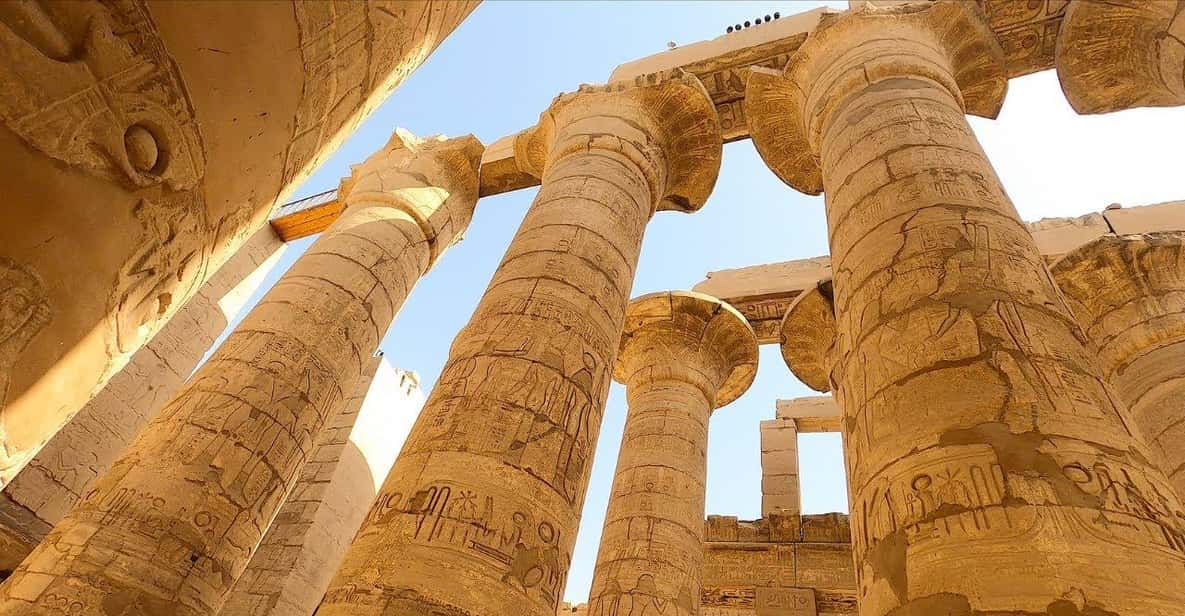
Flying wins when the day is short: an organized day tour turns a one-hour flight into the Valley of the Kings before the heat. The sleeper train wins when the night itself is the hotel.
A private transfer suits travelers who want Dendera on the way. The bus is the budget pick. The classic cruise starts with a flight south. Self-driving is not on the menu for foreign visitors.
For most visitors the answer is the flight, about an hour in the air, with departures through the day from early morning until late at night. The sleeper train suits travelers who want to save a hotel night, and a private car works if you prefer the road. The river takes ten to twelve days.
The flight itself runs about an hour. Count on four to five hours from hotel pickup to the start of sightseeing in Luxor, because cars leave Cairo two and a half to three and a half hours before departure to cover city traffic and the two-hour domestic check-in.
Cabins are private and lockable, with dinner and breakfast served to your compartment. The ride itself is loud and jolting, with repeated station stops and whistle blasts through the night, and winter cabins run cold even with the air conditioning off. Plan on light sleep at best.
Foreign visitors use authorized tourist transport for this route, since police checkpoints sit roughly every 40 to 60 kilometers along the desert highway and officers want to see your original passport. A private transfer with a licensed driver handles the stops and the paperwork for you.
Air-conditioned coaches from Go Bus and Blue Bus take nine to eleven hours and depart from central Cairo, as neither buses nor trains leave from the airport itself. The air conditioning runs cold, and toilets on board are not guaranteed on every coach, so some services stop en route.
A direct boat exists only as a long river cruise of ten to twelve days, usually an eleven-night itinerary that stops at archaeological sites in Middle Egypt. Short Nile cruises sail the stretch between Luxor and Aswan, well south of Cairo, so they start with a flight or train down.
The flights take about an hour each way, yet the full day runs fifteen to twenty hours, with hotel pickups between 3:30 am and 6 am and returns between 10 pm and midnight.
That leaves roughly six to eight hours of guided sightseeing across both banks. Travelers who have done it say the early start is worth it when time in Egypt is short.
November through March brings the mildest weather, with daytime highs of 21°C to 27°C in Cairo and 24°C to 30°C in Luxor. Between June and August, Luxor reaches 42°C to 43°C, and tour bookings drop to their lowest levels of the year.
The two cities sit about 503 km apart in a straight line, or 312 miles. The road route runs closer to 670 km and takes seven hours forty minutes to eight hours by car, while the flight covers about 511 km in an hour in the air.
Two days let you give one to each bank and skip the rush of a single day. Three full days cover the main sites without hurrying, since the Valley of the Kings, Karnak, Luxor Temple, and Hatshepsut's temple sit far apart and each needs real time.
See how a Cairo cruise package bundles flights, hotel nights, and a Nile sailing into one booking.
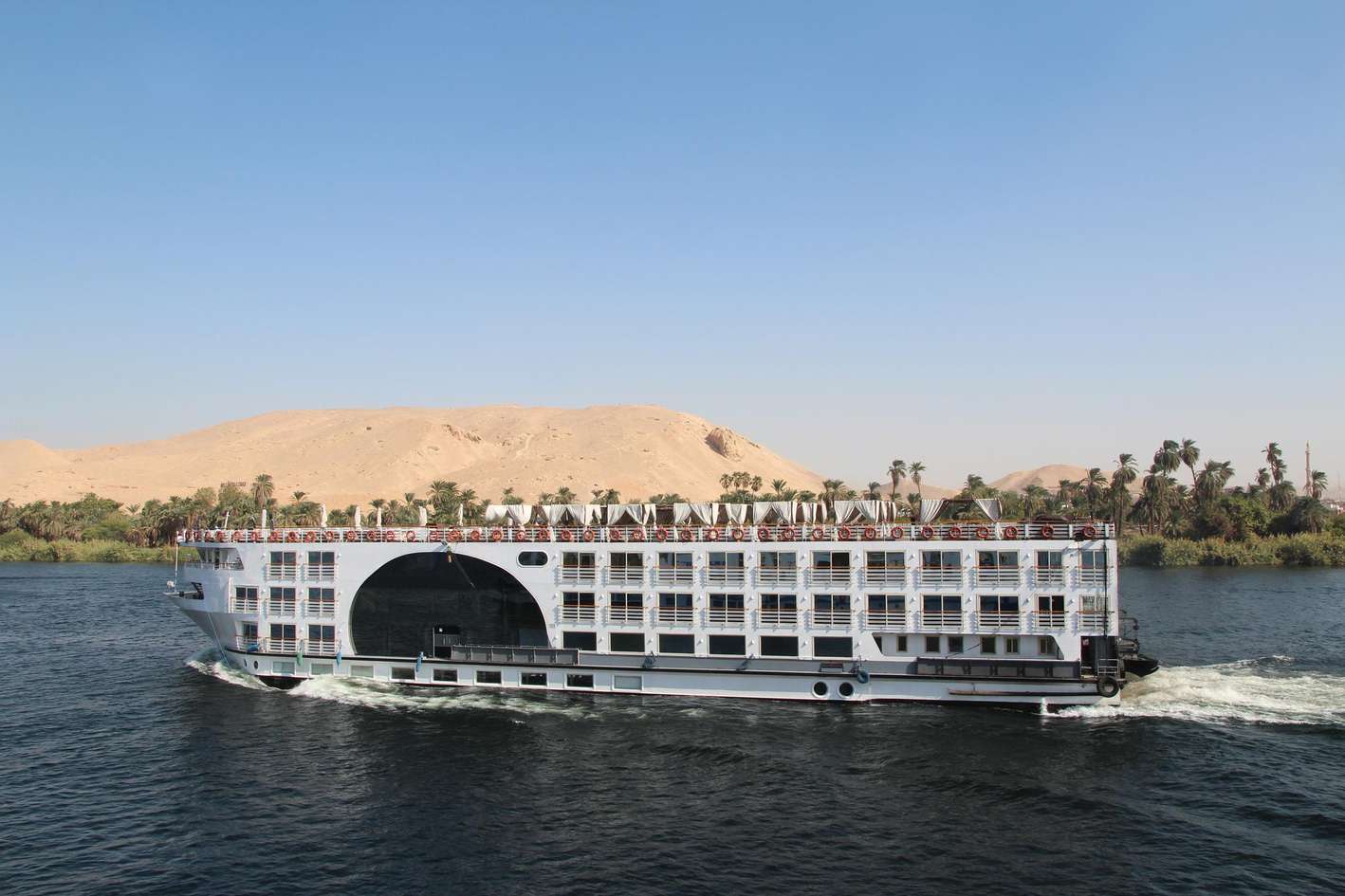
Check the 3- and 4-night riverboat trips that pair your journey south with time on the water.
Find out which ships sail the full Cairo to Aswan route and what dates they actually run.

Compare the classic 3- and 4-day downriver cruises, with Abu Simbel worked into the itinerary.

Work out how a 1- to 4-night cruise fits a short Cairo stay, and what a realistic trip looks like.
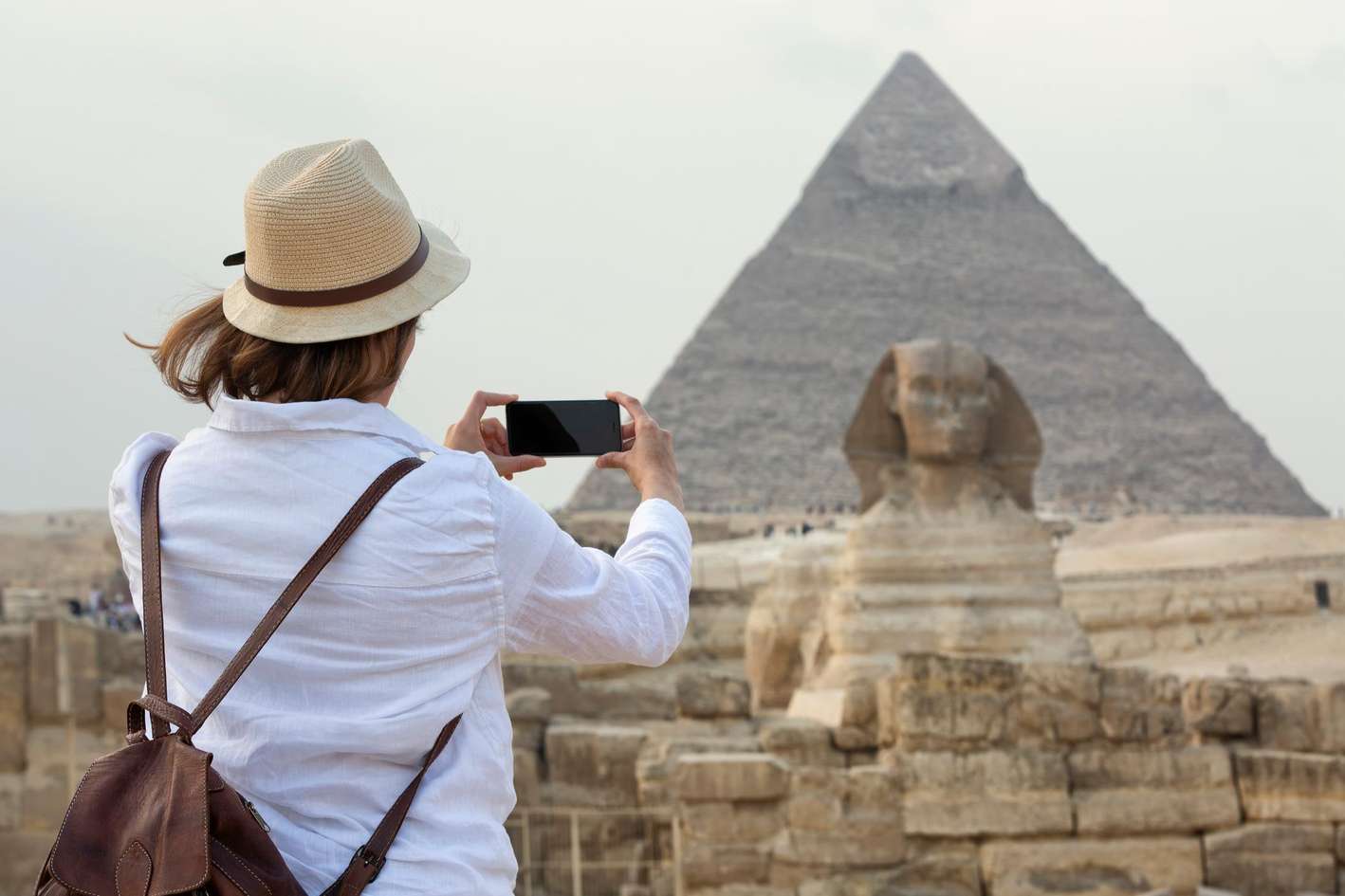
Plan an easy 2-hour evening on the Nile in Cairo, with dinner and live entertainment on board.
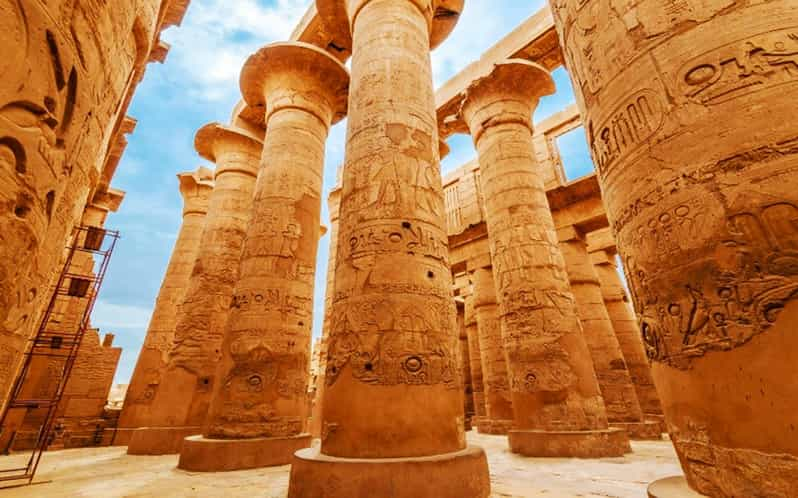
Decide whether one full day covers Luxor's temples and tombs, and what a day tour includes.
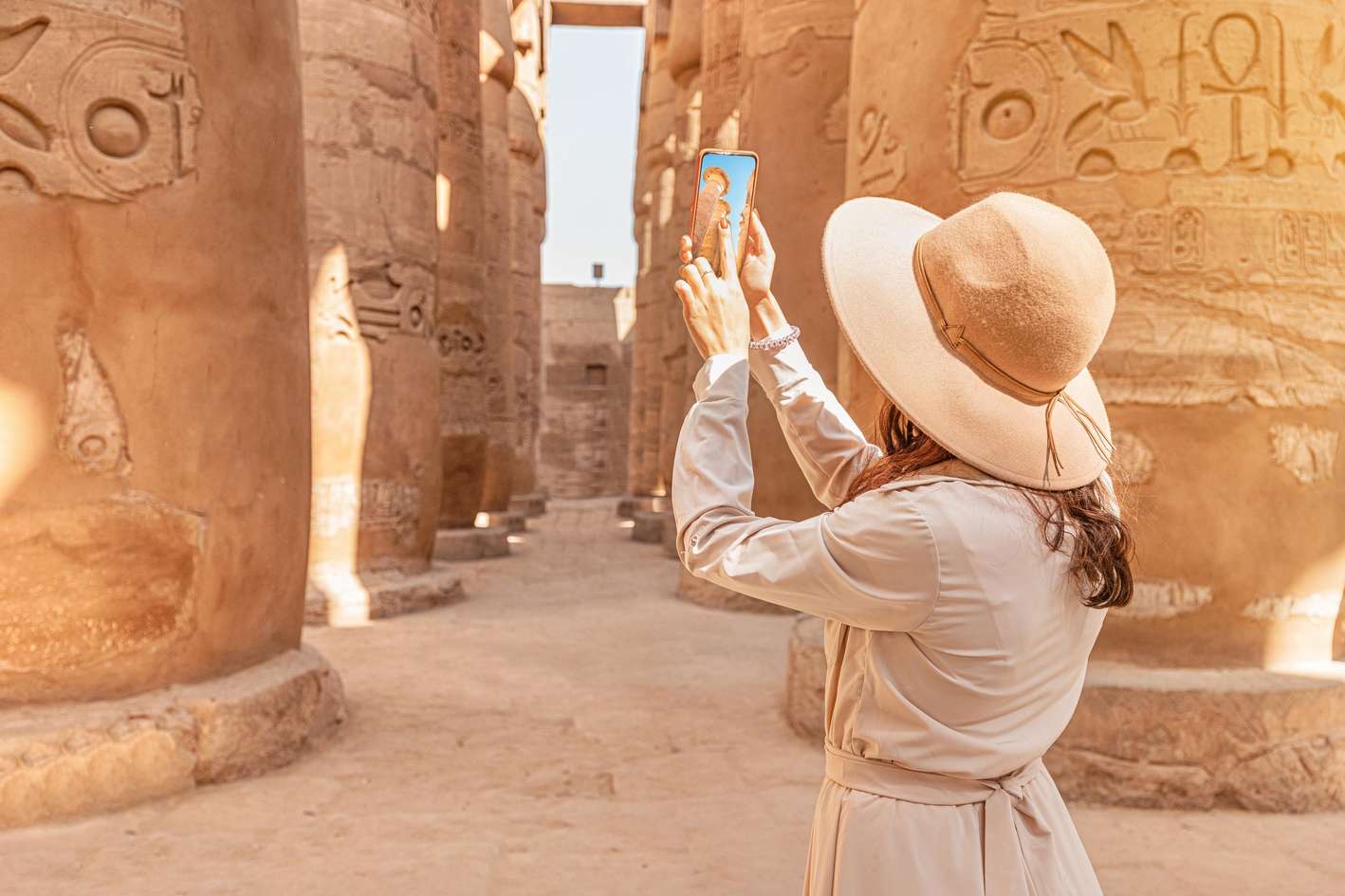
Vacationing on the Red Sea? Compare flight and small-group day trips to Luxor from Hurghada.
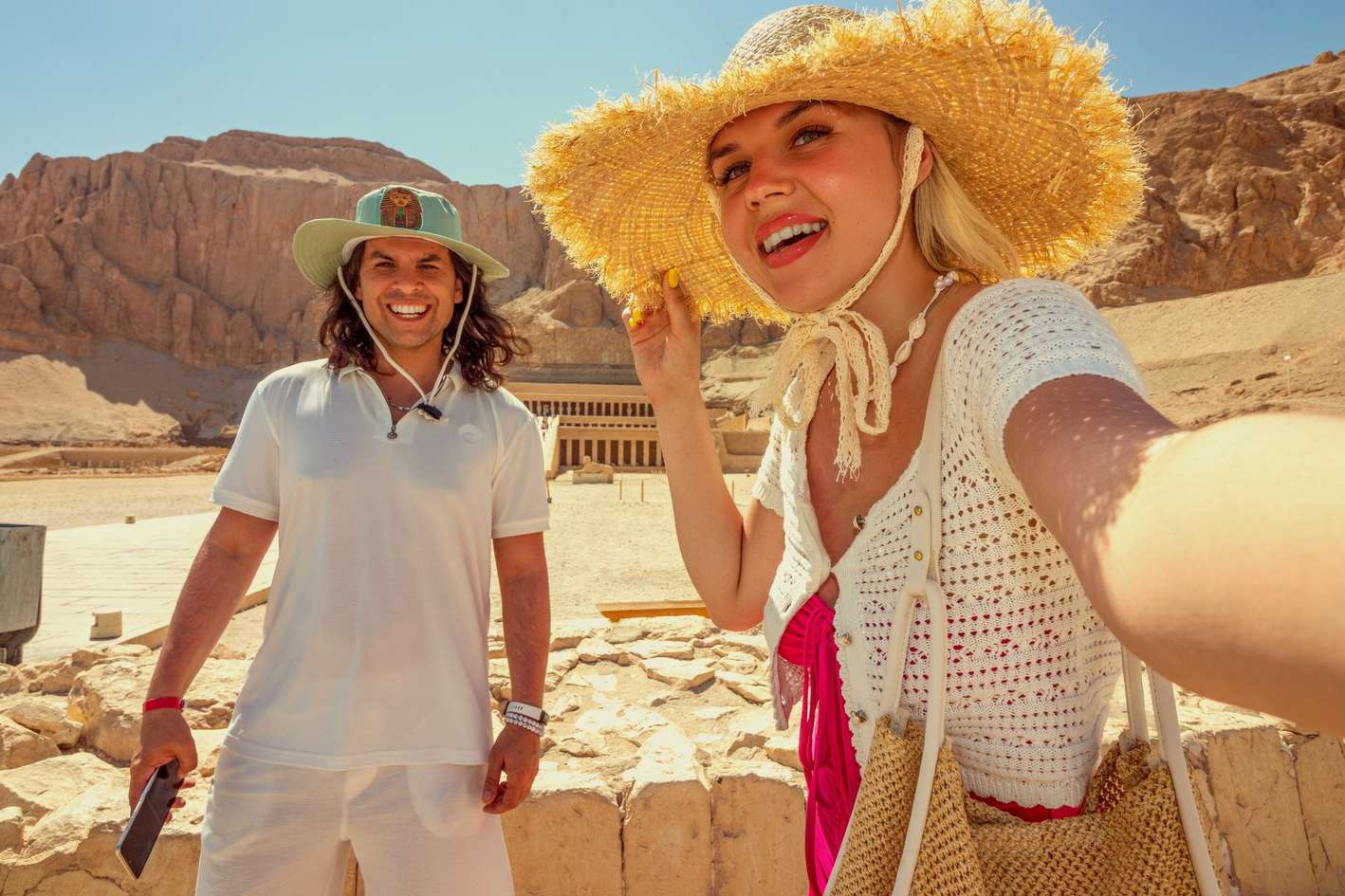
See the day trip options from Marsa Alam and what the long road transfer involves.
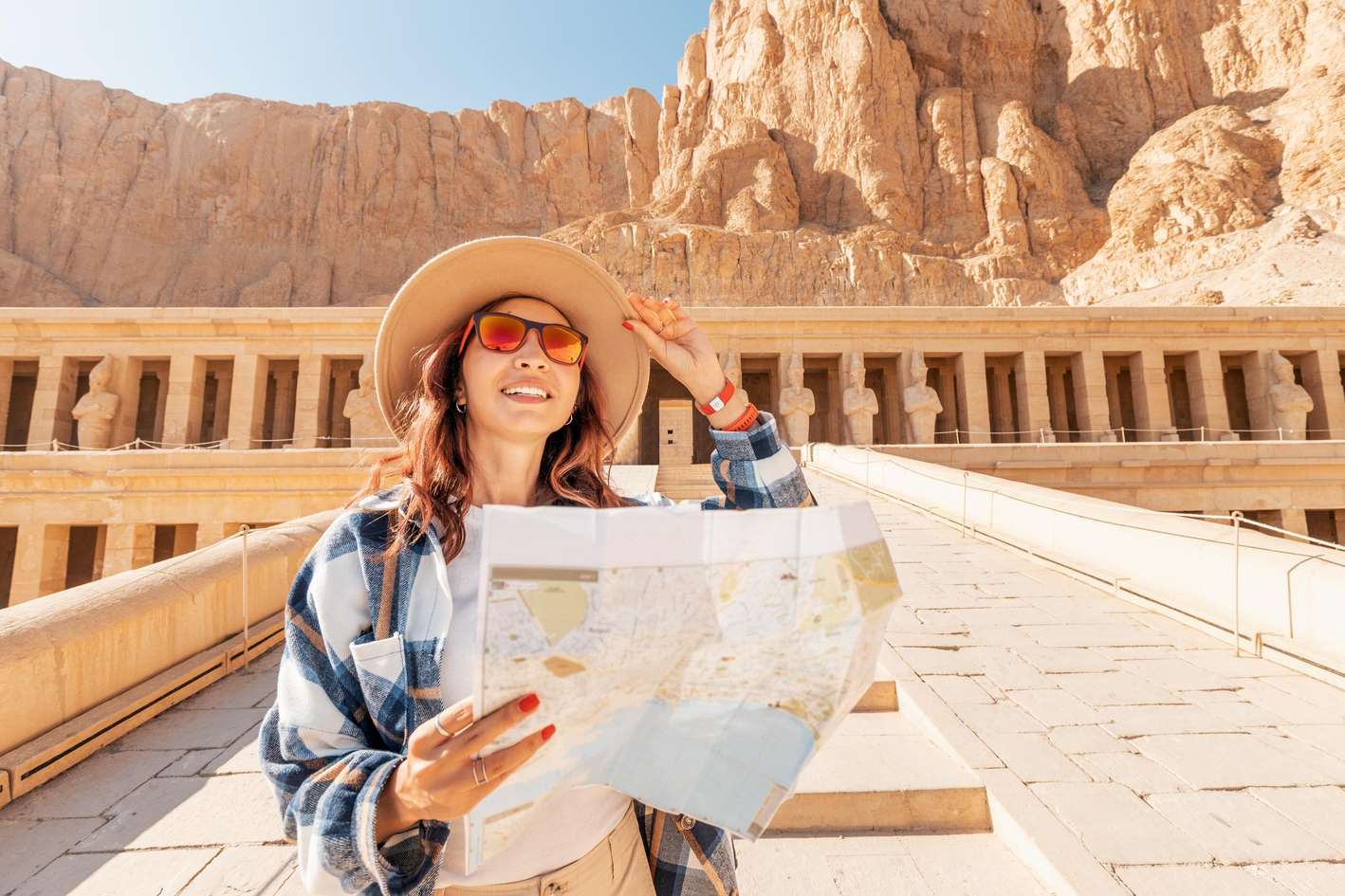
Find out how flights from Sharm el Sheikh reach Luxor and which guided tours fit a beach week.
Once you are in Luxor, see how an Aswan day trip covers Philae and the High Dam without moving hotels.
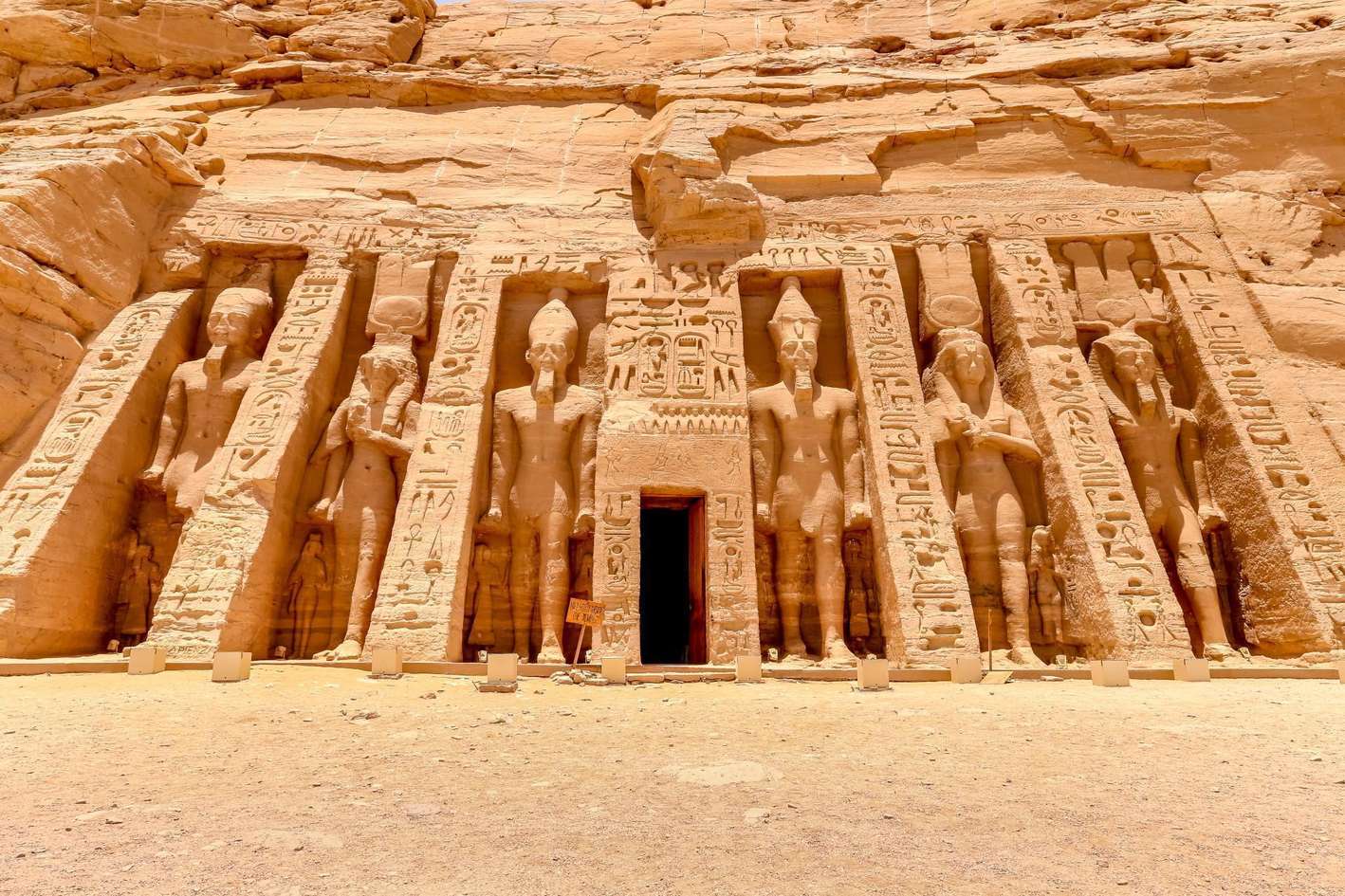
Plan the Luxor to Abu Simbel leg, with itineraries, flight options, and travel times.
Add a dawn balloon flight over the West Bank to your Luxor stay and see what it takes.
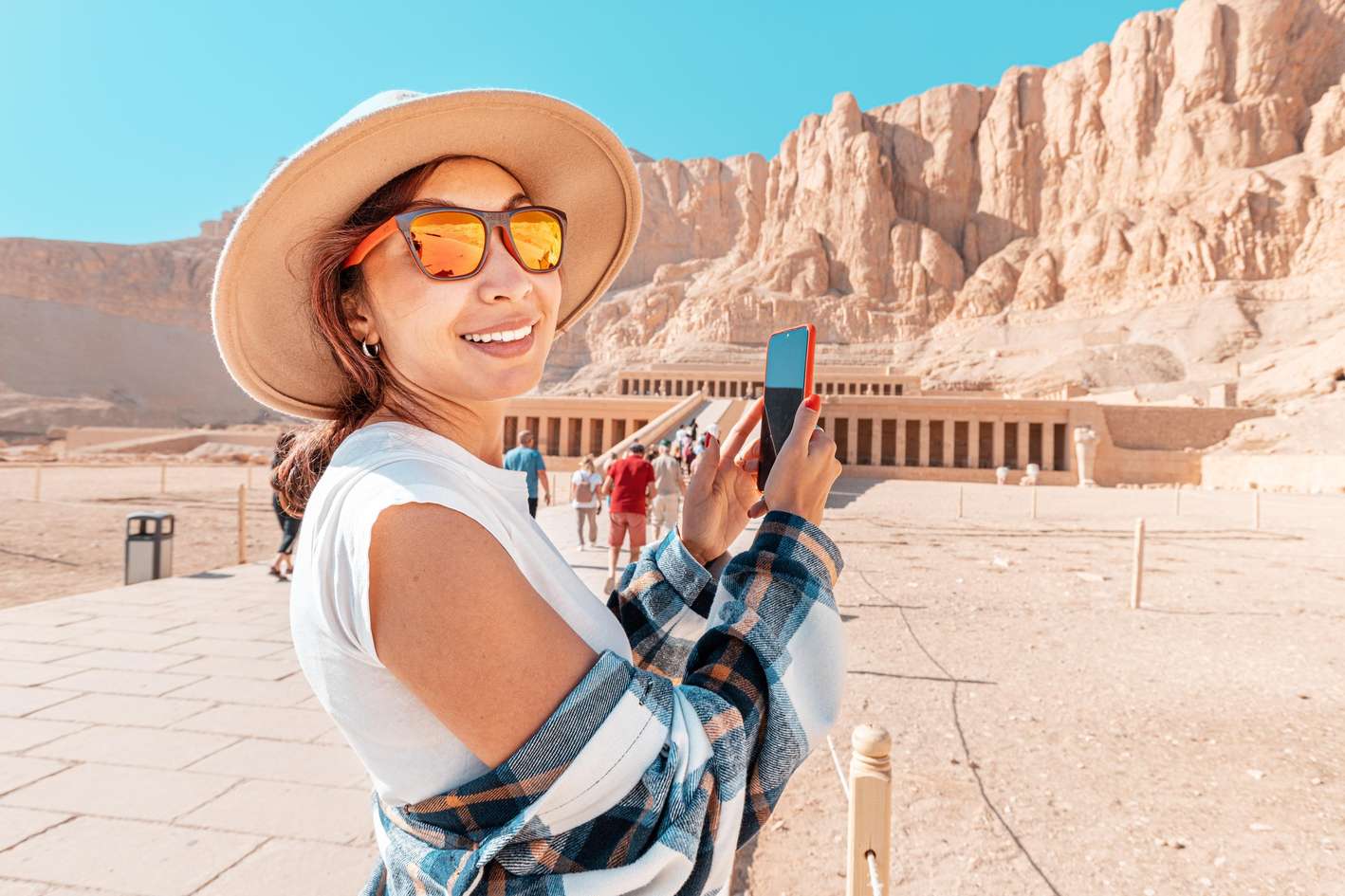
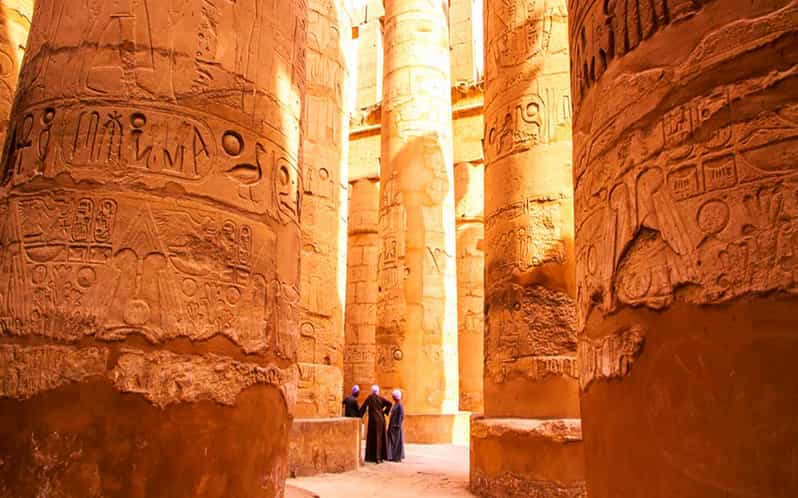
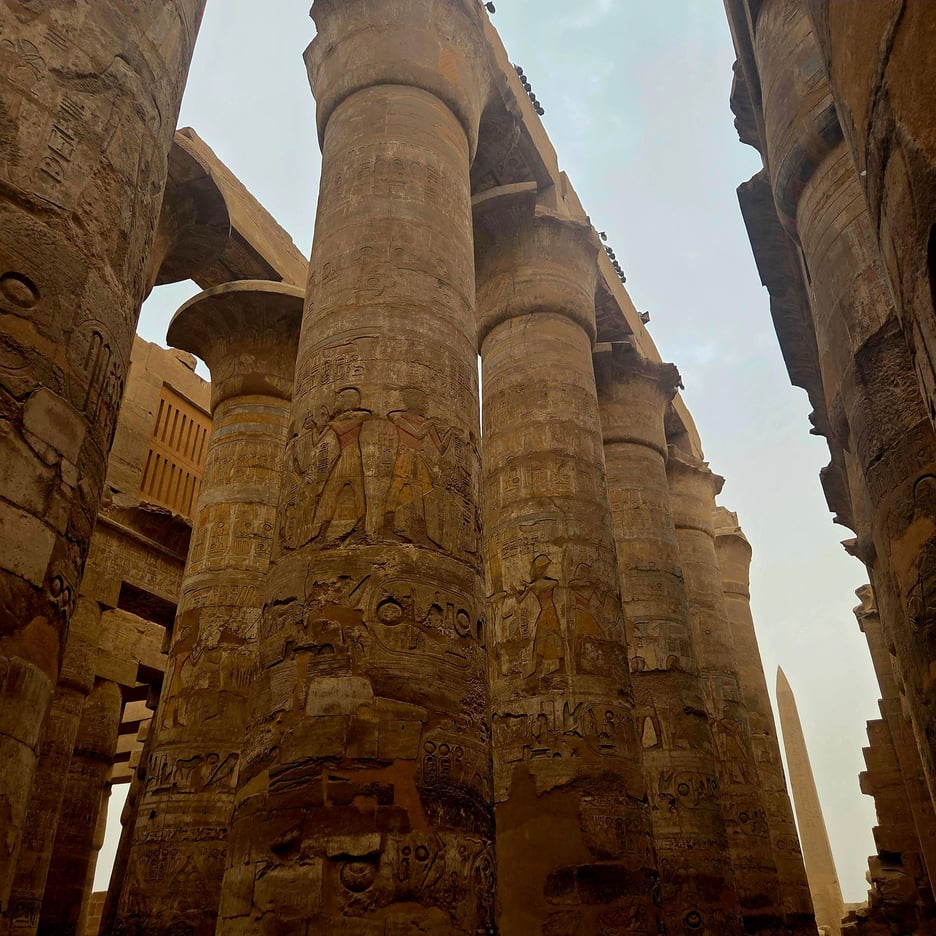
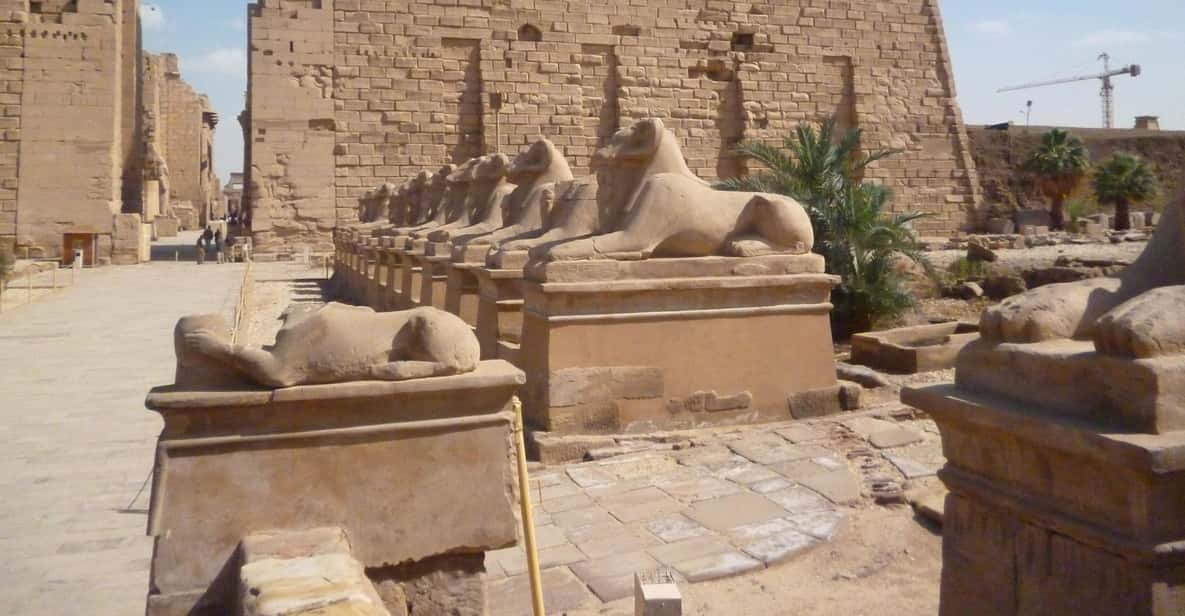
Get Karnak's opening hours, ticket rules, and sound and light show times before you set out.
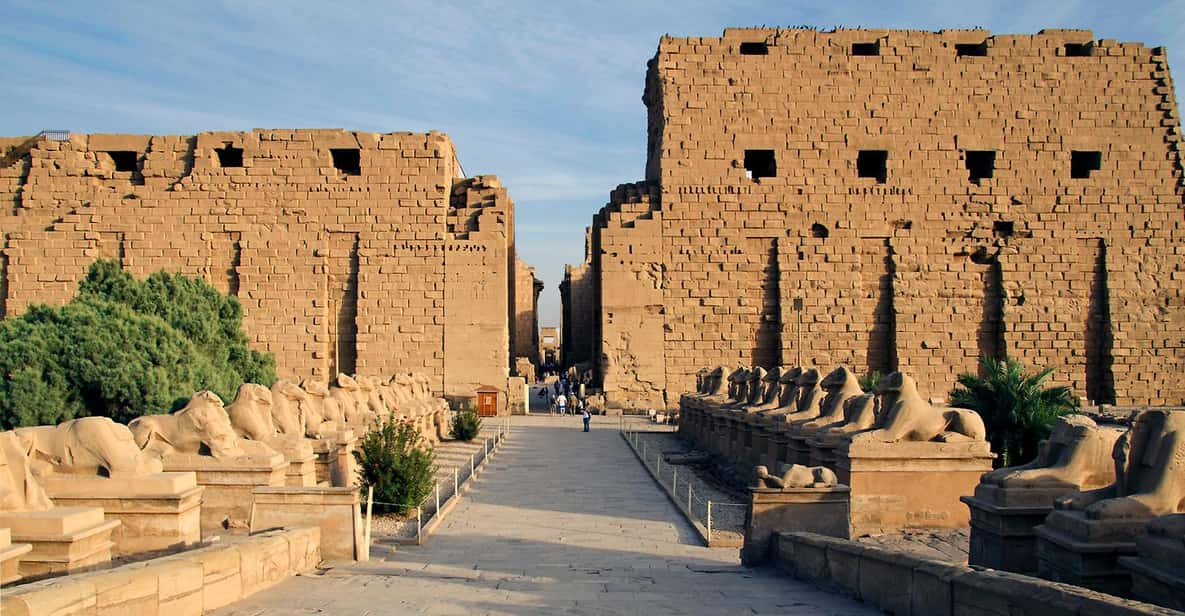
Round-trip flights, private transfers, lunch, and entrance fees are all arranged for you, and you can cancel up to 24 hours ahead for a full refund.