
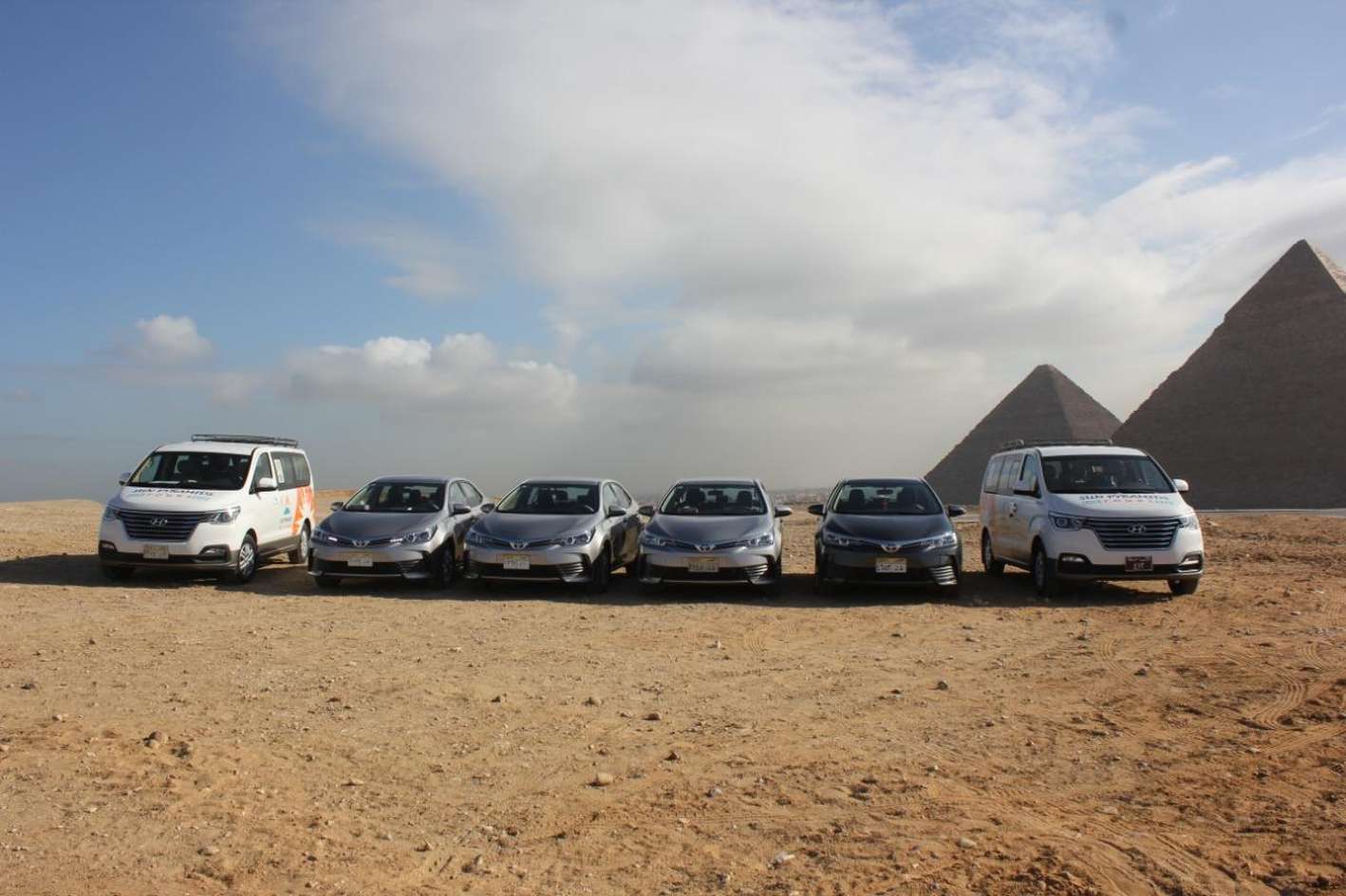
 Our top pick
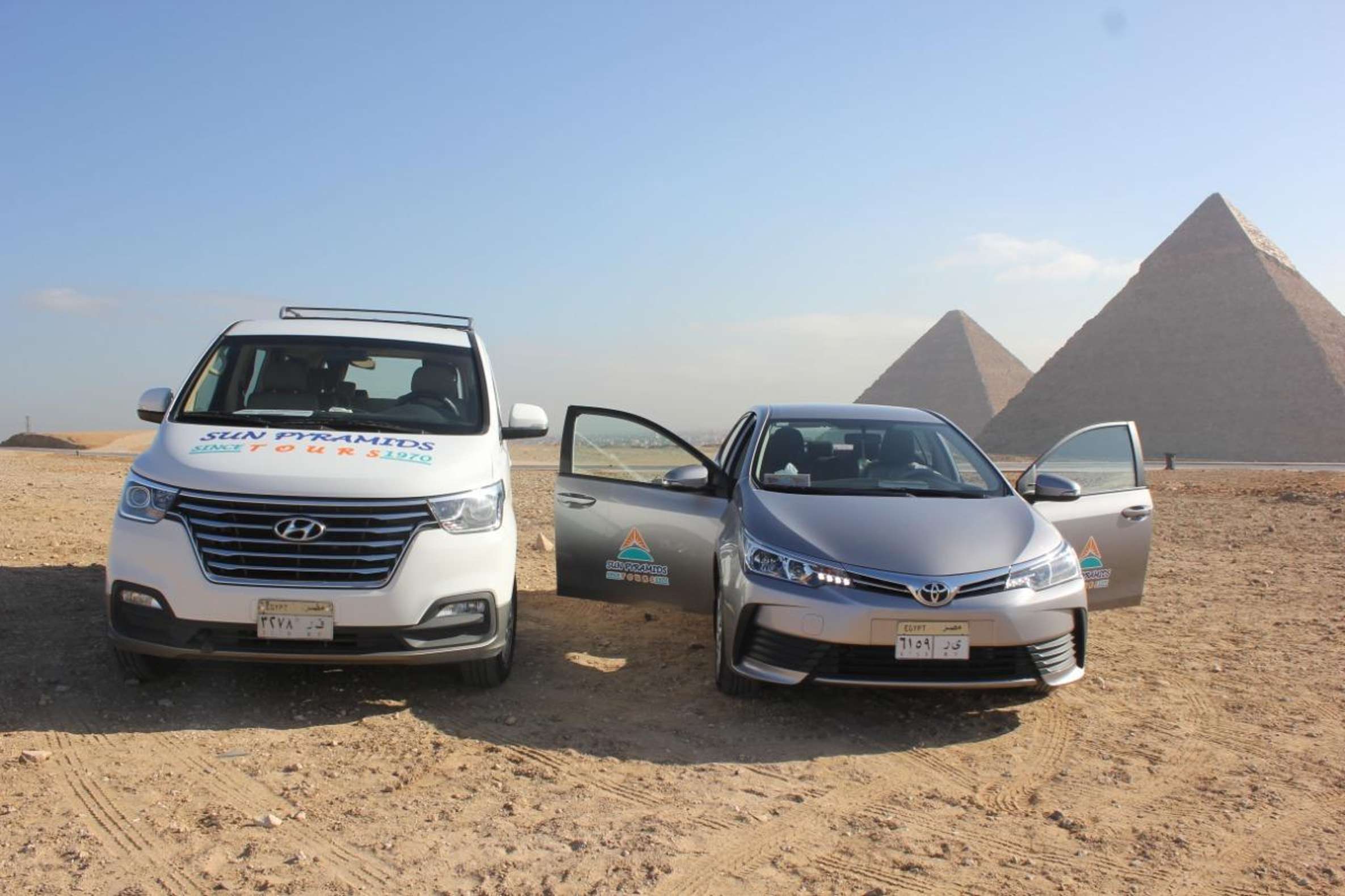
From Cairo: One-Way Private A/C Transfer To Luxor City.
Pick up services from your hotel & return.
From$489 /group
See dates and book Free cancellation · Hotel pickup
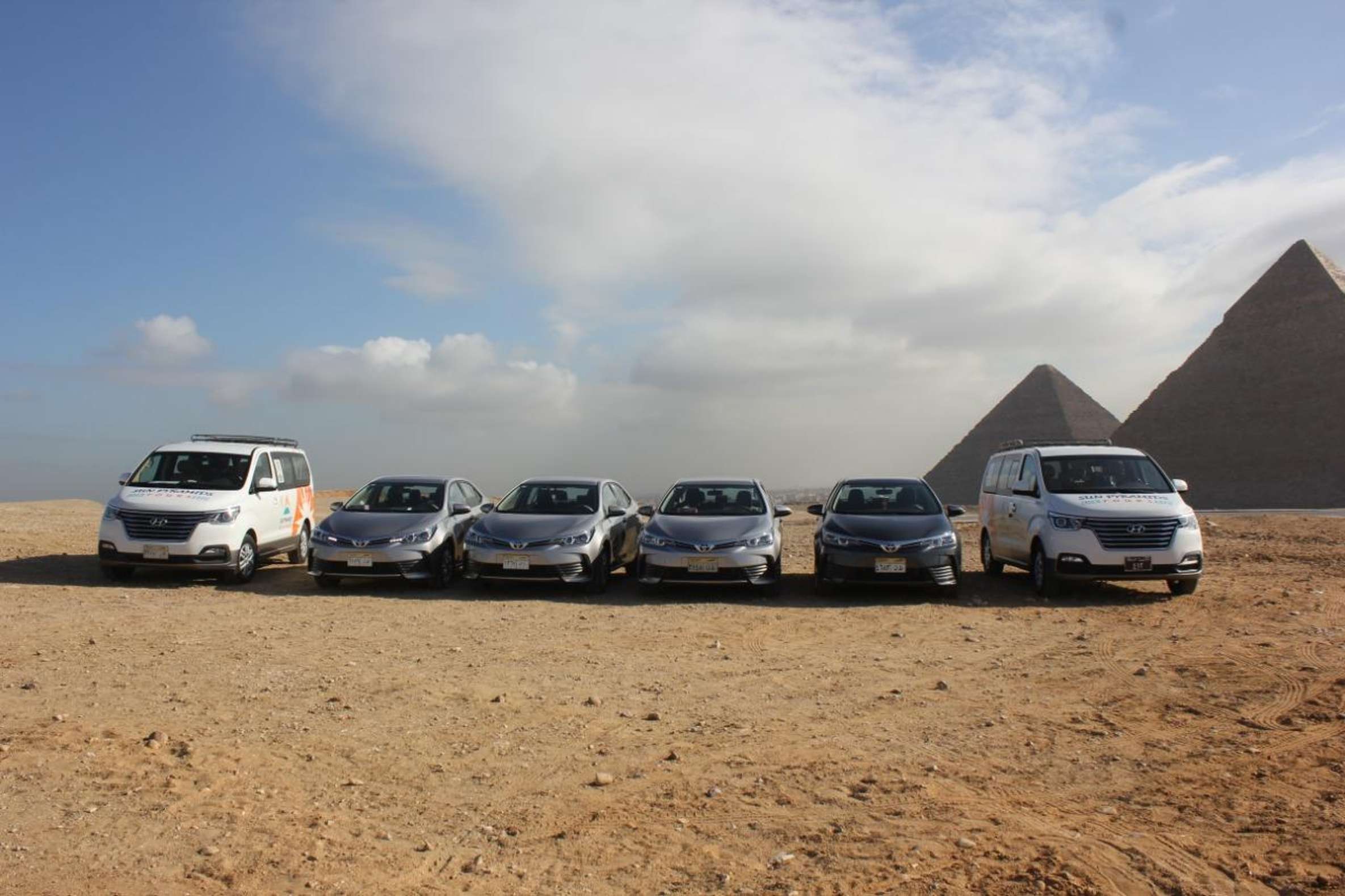
Skip the airport queues and take the road south in your own air-conditioned car. Ride door to door from your Cairo hotel to Luxor with a licensed driver, on your schedule, with hotel pickup included. Reserve your private transfer today.
“One of our best Egypt experiences. Friends and I took the sleeper train Cairo to Aswan and back. Dinner and breakfast came on time, beds were clean, towels included. Thanks!”
None of these options is a flight, so expect a full travel day either way. The road transfer takes you door to door in about 8.5 hours; the sleeper train covers the same ground overnight with dinner and breakfast on board.
Our top pick

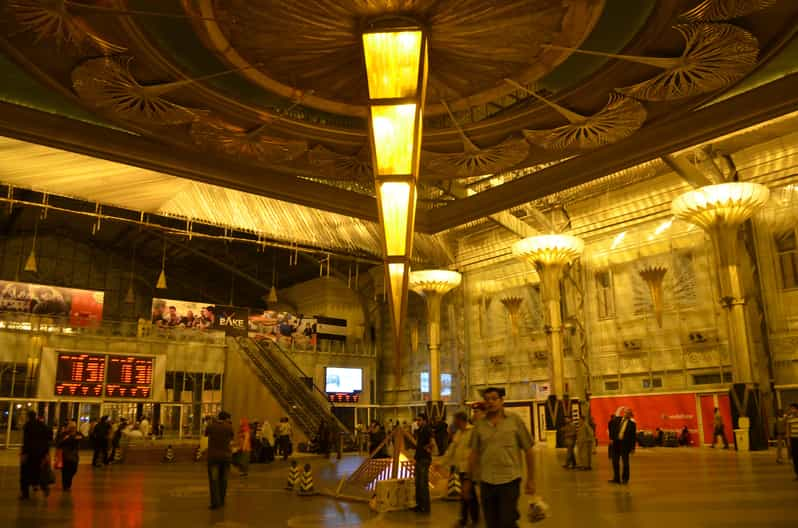

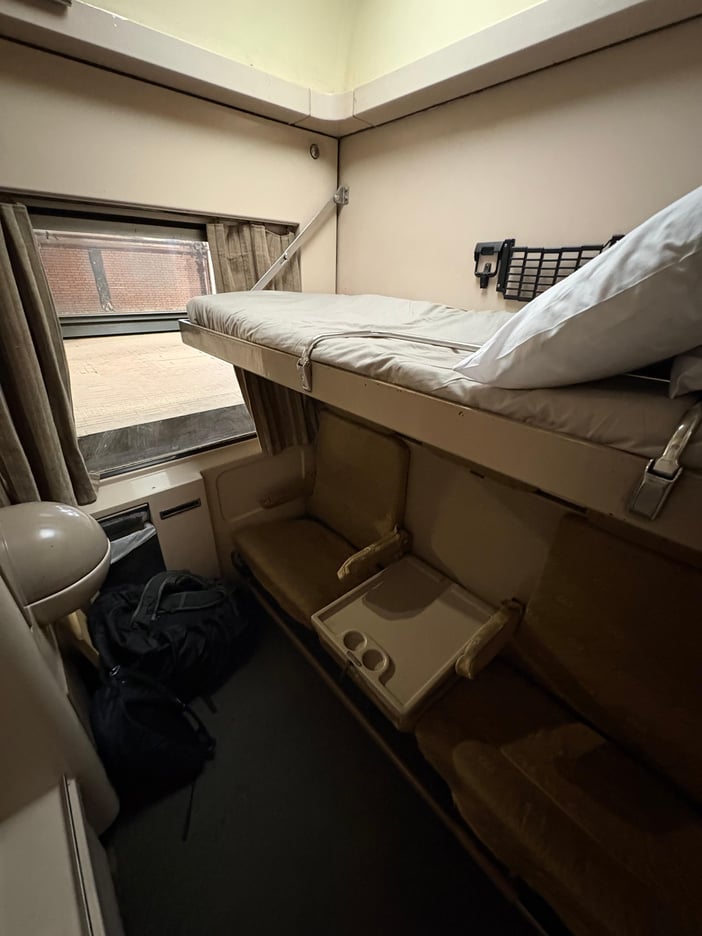
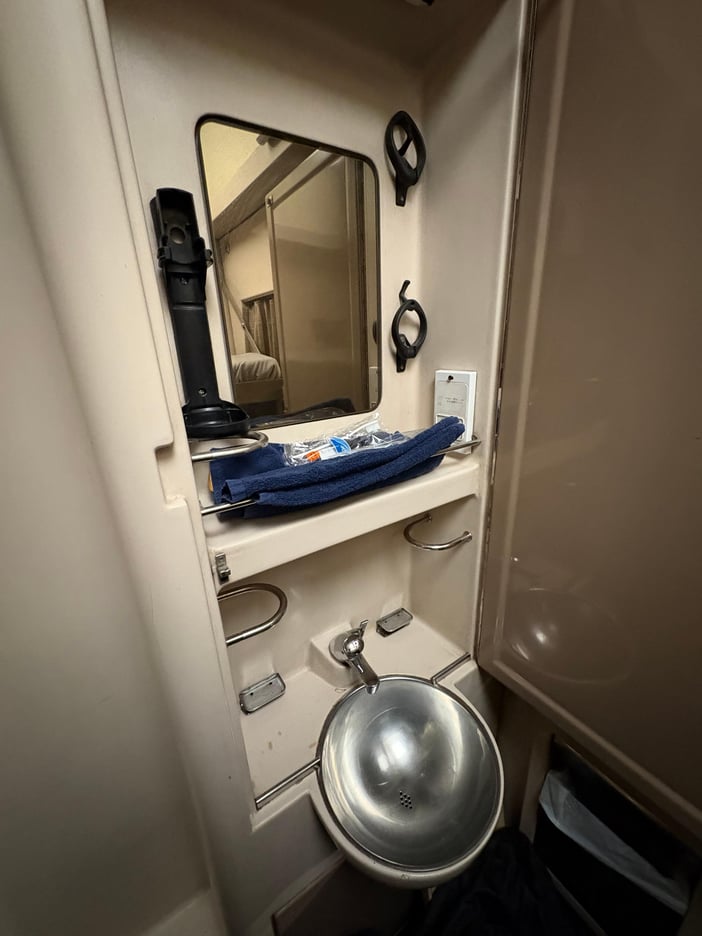
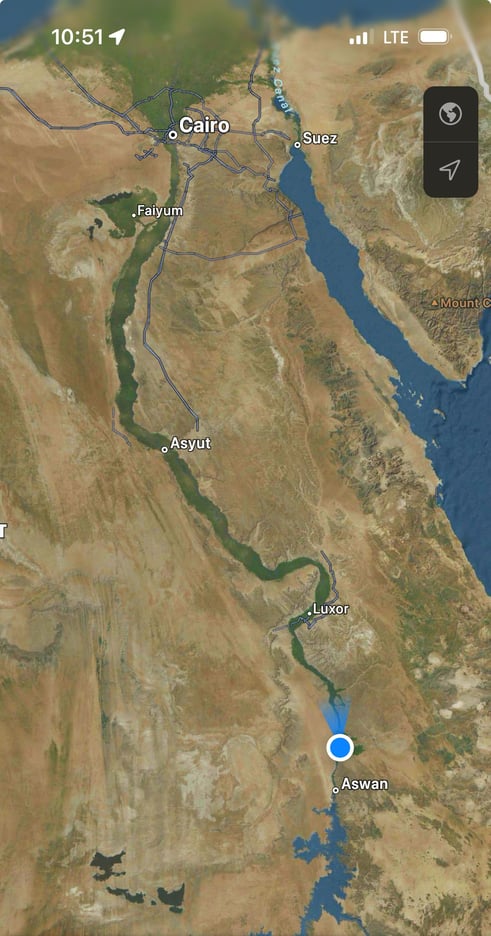
Friendly steward, tidy single cabin with sink, decent dinner and breakfast, woke me at Luxor.
The Cairo-Aswan sleeper train is a must. Local agency was late delivering tickets, but get your guide's hotline answered instantly and sorted it. Bring passports for WhatsApp booking. Departs Giza.
Wasn't sure when tickets would arrive; messaged until the Cairo agency replied via WhatsApp and brought them to my hotel. Great ride, clean train, helpful security, decent food, nice attendant.
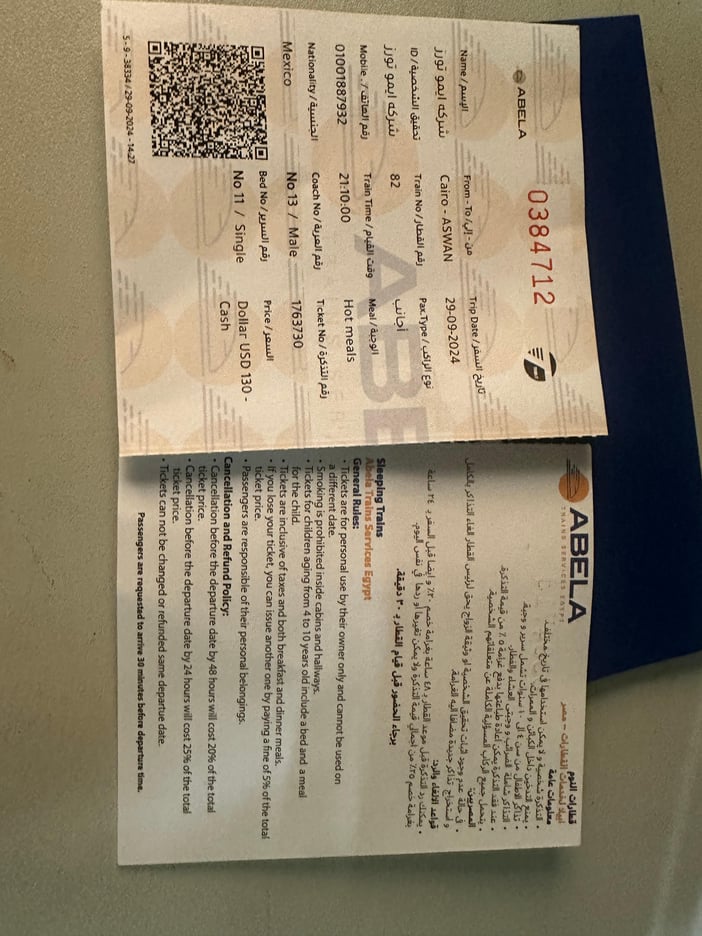
Fed decently throughout, even when the train ran late. Two-berth cabin with washbasin, clean linen, hot and cold water, and an attendant ready to help.

Price is very steep, but we loved it. Waking up watching scenery roll by was real pleasure, staff very helpful.
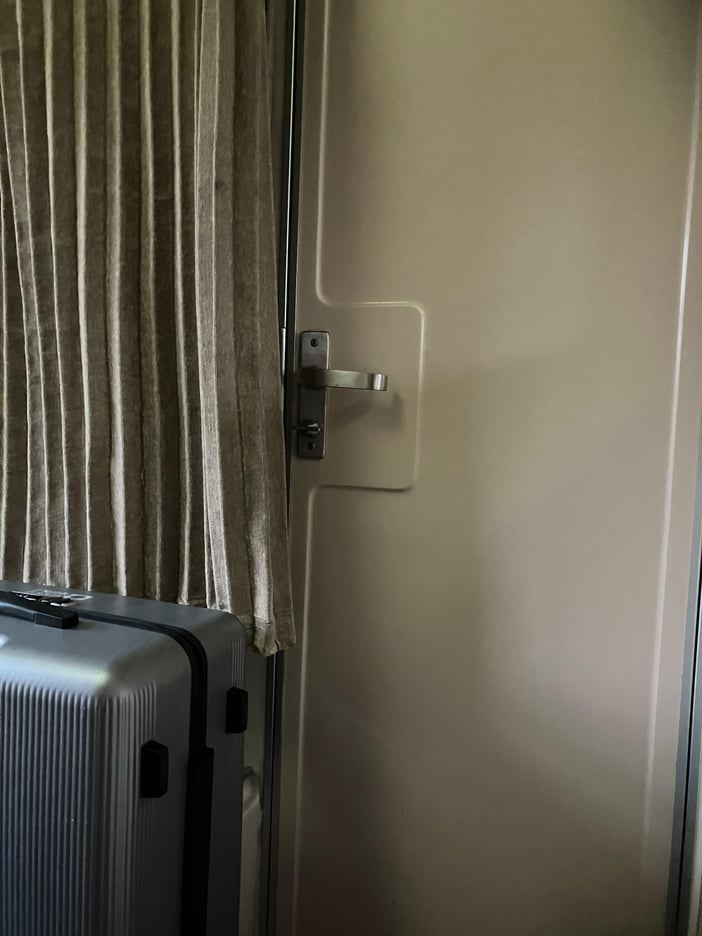
A fun experience. The cabin was small for luggage, food was good, and the bumpy ride took getting used to. We were neatly woken on time for our stop in Luxor.
A great service that removes the hassle of booking sleeper train tickets in person, especially since the booking websites rarely work. Tickets were dropped at our Aswan hotel on time, everything in order. Recommend!
Several reviewers praised the friendly attendants who made up their beds and woke them when Luxor neared.
Many found the overnight ride itself a treat, calling it something every traveler should do once.
Many wished the tickets had reached their hotel on time, along with one clear station to head for.
Choose the one-way transfer from Cairo to Luxor, or the return leg from Luxor if you are heading back north. Pick your travel date first, because the ride is fixed to one day and one direction per booking.
After booking, the operator needs a copy of your passport sent to its local partner at least 2 days before the ride. A clear photo on your phone usually works for this.
Pickup from your Cairo or Giza hotel is included, and the service runs around the clock. A representative confirms the exact spot and time the evening before your departure.
The drive runs about 8.5 hours door to door through the Nile Valley, with checkpoints along the way. Keep your passport in the vehicle, since officers at the checkpoints want the original, not a photocopy.
You can cancel up to 24 hours in advance for a full refund, so you can book the slot now and keep flexibility if your Cairo plans shift.
The drive from Cairo to Luxor runs about 641 km south through the desert, and a private air-conditioned car covers it in roughly 8 hours without traffic, 8.5 hours as booked. Leave between 5 and 6 am and you clear Cairo before congestion builds and reach Luxor while it is still light.
Two things shape the day. Desert highways sometimes close when fog or dust storms cut visibility to zero, so check road conditions the night before. Police checkpoints along the route are routine; officers may inspect passports, and photocopies are not accepted, so carry the original document in the car.
An overnight sleeper train is the alternative if sitting upright for eight hours sounds rough. It departs from Cairo, serves dinner and breakfast in your cabin, and drops you in Luxor rested. Whichever way you go, plan the trip in daylight, since night driving between Egyptian cities is advised against.
Egypt's traffic directorate can close the Luxor Desert Road at short notice when dust storms or morning fog cut visibility to zero.
Plan a departure before dawn, keep your phone on so your driver or tour representative can reach you, and check the road status the evening before travel so a closure doesn't cost you a full day.
Two ways south, and only one of them keeps the day yours. In a private car the door-to-door trip runs about 8.5 hours over 650 km of Nile Valley highway, with the vehicle waiting outside your hotel from the first minute. The sleeper train takes closer to 10.5 hours on the rails.
The two train figures sit together once you see what each one counts.
The 10.5 hours is the ride itself; the operator's booking lists the whole service at 12 hours door to door, because pickup, receiving your ticket at your hotel, and station time sit on either end of the rails. The car skips all of that station work.
Comfort separates them too. The car gives a group the whole cabin, luggage that never leaves your sight, and a schedule you set. The train trades that freedom for a berth, dinner, and breakfast.
| Door-to-door time | Cancellation refunds | |
|---|---|---|
| Private car transfer | 8.5 hours | Full refund 24h ahead |
| Sleeper train | About 10.5 hours | 20-25% fare deduction |
When the numbers sit side by side, the road wins for anyone traveling with luggage or people.
If you would rather sleep through the distance, the sleeper is the classic way: the From Cairo: Sleeping Train Transfer to Aswan and Luxor service runs 12 hours door to door, delivers the ticket to your hotel before you go, and includes dinner and breakfast.
The honest answer to the day's first question is about 8.5 hours, and most of it happens in one uninterrupted stretch.
The listed duration of a one-way transfer from Cairo to Luxor City is 8.5 hours; in practice the drive itself runs around eight, with the rest eaten by pickup, stops, and the slow crawl out of the city.
That puts Luxor at your feet by early afternoon on a 6 am start, with the evening still yours. A same-day arrival is exactly what makes the road trip work where many people assume it cannot.
Early start beats Cairo traffic
The drive itself runs about eight hours
They sit far apart, so keep water and snacks handy
Original passports shown at each one
Daylight to spare if you left by 6 am
Against the train's 10.5 hours on the rails, the car saves roughly two hours and delivers you to the hotel door instead of a platform.
The From Cairo: One-Way Private A/C Transfer To Luxor City service is built around exactly that day: pickup at your hotel and every kilometre in one air-conditioned vehicle, start to finish.
The road south is long, flat, and watched. Every so often the highway funnels through a police checkpoint, and this is where the paperwork matters: officers at Egyptian checkpoints want the original passport for each foreign passenger, and photocopies are generally refused.
Keep the passports in a day bag or jacket pocket, easy to reach at each stop.
The driving side is more regulated than most visitors expect. Government rules set mandatory driving times and rest periods for professional drivers, and every licensed tourism vehicle carries a speed limiter calibrated at 90 km/h plus a GPS unit the Ministry of Tourism monitors in real time.
Vehicles go through technical inspections by specialized engineers before they may carry tourists. That is why the day holds its shape: the driver cannot rush it.
Photocopies are generally refused at every checkpoint on the route
Government rules set mandatory driving times and rest periods for professional drivers
Tourism cars carry a GPS unit monitored in real time, with speed limiters capped at 90 km/h
Verify every en-route stop with the Tourist Police before you leave Cairo
En-route stops can turn the drive into part of the trip. Sohag and Qena sit on the valley highway, and Dendera Temple is a short detour if the site is open and authorization comes through.
Every intermediate stop gets verified with the Tourist Police before you leave Cairo, so settle the itinerary the night before rather than from the passenger seat.
And at the end of a long day behind the wheel, a tip of roughly 10 to 15 percent of the transfer fee is the customary gesture for the driver.
One number decides this road trip: 6 am. Depart between 5:00 and 6:00, and no later than 7:00, and the car clears Cairo before the city wakes.
That single slot buys you an arrival in Luxor before dark and steers clear of Cairo's worst traffic window, 3:00 to 8 pm, which no one wants at either end of a 650 km day.
Night driving on this route is off the table for a reason. Road travel in private vehicles is advised against after dark because accidents run more frequent and severe at night, so the early start is what keeps the whole journey in daylight.
The road itself can close. Egypt's traffic administration shuts desert highways, including the Luxor Desert Road and the Eastern Desert Road, when morning fog or dust storms drop visibility to zero. When that happens, the day simply pauses until the road reopens.
Highway closure Egypt's traffic authorities close the Eastern Desert Road and the Luxor Desert Road when fog or dust storms cut visibility to zero; build morning margin into the schedule
A closed road costs you an hour or a morning, as long as the margin exists. That margin is the 6 am start: the schedule that absorbs fog, checkpoints, and a slow exit from Cairo is the schedule that reaches Luxor before the light goes.
The transfer starts in a hotel lobby. The operator's representative meets you inside the lobby or just outside the main entrance of your Cairo or Giza hotel, and the car follows from there.
The service runs around the clock, seven days a week, which is what makes a 5:00 or 6 am departure ordinary rather than heroic.
One kind of address breaks the pattern: the narrow alleys of Islamic Cairo. Cars cannot reach the door of Le Riad Hotel de Charme at 114 Al-Muizz li-Din Allah Street, and guests walk the final stretch. Old-town lanes like that one were never built for vehicles.
A five-minute fix covers it. If your booking sits on a lane the car cannot enter, agree on the nearest reachable corner the evening before and carry bags there.
Everywhere else in Cairo and Giza, the practical check is simpler: send your hotel name with the booking, keep a phone on for the driver's message the night before, and the vehicle arrives where you are standing.
A day of desert driving turns a small bag into a toolkit. Water comes first: at least two litres per person, in large bottles, because the stops are far apart and the air is dry. Non-perishable snacks ride along for the same reason.
Cash shapes the day more than most visitors expect. Tips land frequently in Egypt, and small denominations are what grease them: 5, 10, and 20 Egyptian pound notes cover bathroom attendants, a helpful guard, or a roadside purchase. Keep the stack separate from the big bills.
A compact first-aid kit closes the list: painkillers, antihistamines, antacids, and any prescription medication you take daily. Travelers who know they get queasy on winding roads add anti-nausea tablets or ginger supplements before the desert straightens out.
A great service that removes the hassle of booking sleeper train tickets in person, especially since the booking websites rarely work. Tickets were dropped at our Aswan hotel on time, everything in order. Recommend!
None of it weighs much. Packed the night before, next to the passports the checkpoints will ask for, the bag makes the difference between a stop that takes two minutes and one that turns into a scramble.
Renting a car for this route looks like freedom on a map and works like nothing of the kind. Foreign visitors traveling long distances by road need authorized tourist transport: the checkpoints between Cairo and Luxor expect it, and self-drivers can face mandatory stops and waits for armed escorts, particularly through Middle Egypt.
That middle stretch carries weight on its own. The governorates of Minya, Mallawi, Sohag, Asyut, and Qena sit along the route, and independent travel there carries real risk. Convoys and security requirements in the Nile Valley are part of the road's ordinary logic.
Add the practical layer and the case closes: road signage is inconsistent, congestion is common, night driving is advised against outright, and rental self-drive is simply not recommended in Egypt.
The licensed transfer exists because it solves all of it in one booking: a professional driver who clears the checkpoints for a living, a vehicle registered for tourism, and a schedule built around daylight.
The car you want on this road is one you sit in the back of.
Roll into Luxor in daylight and the city makes sense at once. Police patrol the major sites heavily, serious crime against visitors is rare, and Karnak and the Valley of the Kings are secure and well-policed grounds.
Families and couples move through them without trouble; solo travelers, and solo women in particular, find a trusted guide or a group tour is what smooths away persistent vendors and unofficial operators.
The genuine surprise of the day is at the ticket gate. Egypt's archaeological sites, including Karnak, Luxor Temple, Hatshepsut, and the Valley of the Kings, have gone cashless: entry tickets are bought with bank cards only, and a traveler reported the same at Karnak as recently as November 2025.
The cash carried for tips still works everywhere else, but the temple ticket window wants plastic.
Everything else follows the usual logic of a new city. Keep an eye out for inflated fares and carriage drivers eager to set a route, agree on prices before moving, and the evening is yours. The tombs keep for the morning, and you will have beaten the crowds to them by 6 am anyway.
The desert has two seasons: comfortable and punishing. From May through September, Luxor's daytime highs exceed 40 degrees in the shade, peaking above 41.6 between June and August, and young children and older adults face the greatest heat risk in that window. A long car ride through it becomes an endurance event.
The cool months flip the equation. November pairs 30-degree days with 16-degree evenings, calm winds, and essentially no rain, which is why it is the busiest month on the river and the road alike.
January and February run milder still, with afternoons around 24 degrees, and suit anyone who wants easy walking around open-air temples without the crowds of peak season.
November: 5 out of 5 for how busy it gets.
Tap a month to read it.
What the calendar means in practice: book the transfer for November through February and the 8.5-hour drive is a scenic day; hold it into summer and the same drive needs the earliest possible start, sun protection, and a midday arrival planned around shade.
The road runs all year; what changes is how hard the hours feel.
Both bookings get you to Luxor; they suit different travelers. The private transfer wins for groups and families who want the cabin to themselves, luggage that stays with them, and a daylight drive they control.
It buys the door-to-door convenience the train cannot match: cancel up to 24 hours ahead for a full refund, which is flexibility the sleeper does not offer.
The sleeper suits the traveler going alone or light who would rather sleep through the distance, keep the daytime hours free, and wake up closer to Aswan with dinner and breakfast behind them. Its refund terms are the trade-off: late cancellation costs 20 to 25 percent of the fare.
| Check | Why it matters | Our pick |
|---|---|---|
| Private, air-conditioned vehicle | The cabin and luggage space belong to your group all day | Yes, all transfers run in one private air-conditioned vehicle |
| Hotel pickup in Cairo or Giza | Door-to-door service saves the station or airport run | Included, from your hotel |
| Flexible cancellation | Long-distance plans change | Full refund up to 24 hours ahead |
| Punctual door-to-door timing | An 8.5-hour day depends on a driver who starts on time | The service advertises punctual, round-the-clock pickup |
One detail settles most decisions before they are made. If the trip is short and Luxor is the whole point, the car's two saved hours are the difference between arriving mid-afternoon with the evening intact and arriving ready for bed.
If the trip is long and the road is filler, the berth is worth more than the hours.
Groups, families, and anyone carrying luggage should take the private transfer: 8.5 door-to-door hours, a vehicle to yourselves, and a full refund up to 24 hours ahead. Solo travelers watching their budget, or anyone who enjoys sleeping through distance, will prefer the sleeper train's berth and its 10.5-hour ride.
Either way, book early enough to leave by 6 am, and the road does the rest.
The drive takes about 8.5 hours door to door, hotel lobby in Cairo to hotel lobby in Luxor. That is with a private air-conditioned vehicle and no strangers on board.
Driving the route yourself is not recommended. Long-distance road travel in Egypt requires authorized tourist transport, and the route passes through police and military checkpoints. A licensed transfer handles all of that for you.
Expect frequent stops where officers inspect the vehicle and passports. Foreign visitors should carry their physical passports in the car, as photocopies are generally not accepted.
Road travel between cities should happen during daylight only, since nighttime driving carries a much higher risk of serious accidents. An early morning departure, between 5 am and 6 am, gets you past Cairo's congestion and into Luxor before dark.
Leave by 6 am at the latest. Cairo's worst traffic window runs from 3 pm to 8 pm, and an early start also means you arrive in Luxor with daylight to spare.
Yes, stops at places like Dendera Temple or sites near Sohag and Qena can be worked into the drive, with a short detour for Dendera. Every intermediate stop needs to be confirmed with the Tourist Police before you leave Cairo, and visiting Dendera depends on authorization and opening times.
Bring large bottles of drinking water, non-perishable snacks, and any medications you need, including painkillers and something for motion sickness. Keep cash in small denominations for tips and roadside purchases.
Tipping is a strong expectation in Egypt, and drivers commonly receive a tip after the journey. For a long-distance private transfer, a generous tip runs 10% to 15% of the transfer fee.
You need a copy of your passport, sent to the local partner at least two days before the transfer. Bring the passport itself on the day for the checkpoints.
Cancel up to 24 hours in advance for a full refund. The sleeper train, the other overland option, asks for seven days' notice, so the private transfer is the more forgiving booking.
The overnight sleeper train runs from Cairo to Luxor in about 12 hours, with dinner and breakfast served on board and tickets delivered to your hotel in Egypt. Trains can run late, and you handle the station transfer yourself.
Weigh the private transfer against flights, trains and boats in one straightforward comparison.
Flying takes about an hour. See the schedules and ticket details before you choose the road.
Prefer to sleep through the 12-hour journey? The overnight train option is covered in full there.

Curious whether you can sail from Cairo at all? That page explains which cruises start where.
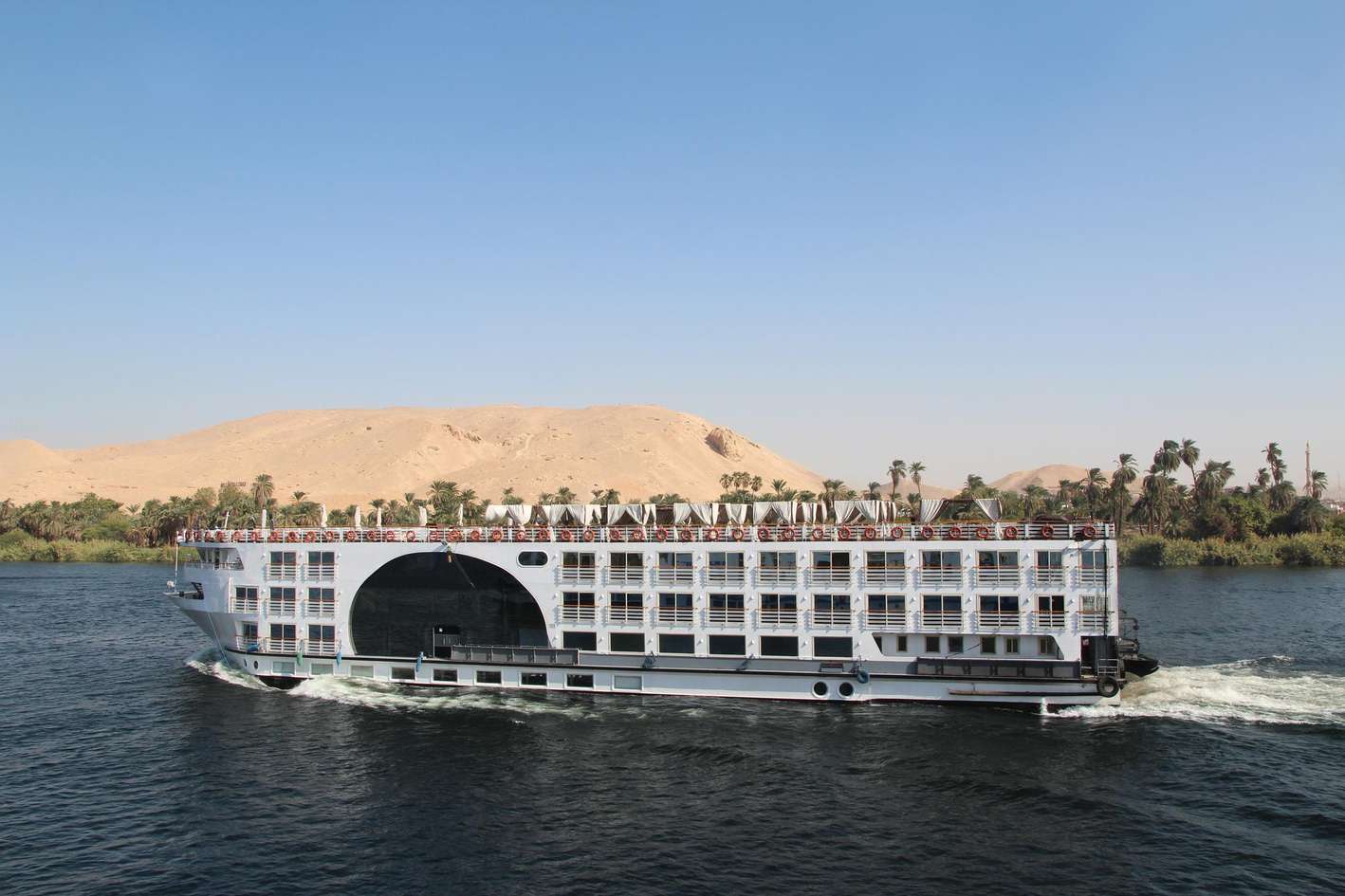
Short boat trips between the two cities exist in limited forms. See what a river voyage really involves.

Heading further upriver? Learn how the Cairo to Aswan sailing route and its dates work.

Once your transfer reaches Luxor, a 3- or 4-day cruise from Aswan is the classic next step.

On a tight schedule? See how a 1-day or 1- to 4-night cruise can still fit your plans.
Staying in Cairo for the evening? A two-hour dinner cruise makes an easy night on the river.

With your hotel sorted, find out whether a one-day rush through Luxor's temples is worth it.
Based on the Red Sea instead? Compare flights and small-group tours out of Hurghada.
From Marsa Alam, a day trip to Karnak and the Valley of the Kings works out differently. See how.
Sharm el Sheikh visitors can trade the beach for Luxor by plane. The tours are listed there.
Once you are in Luxor, an Aswan day trip covers Philae and the High Dam without a hotel change.
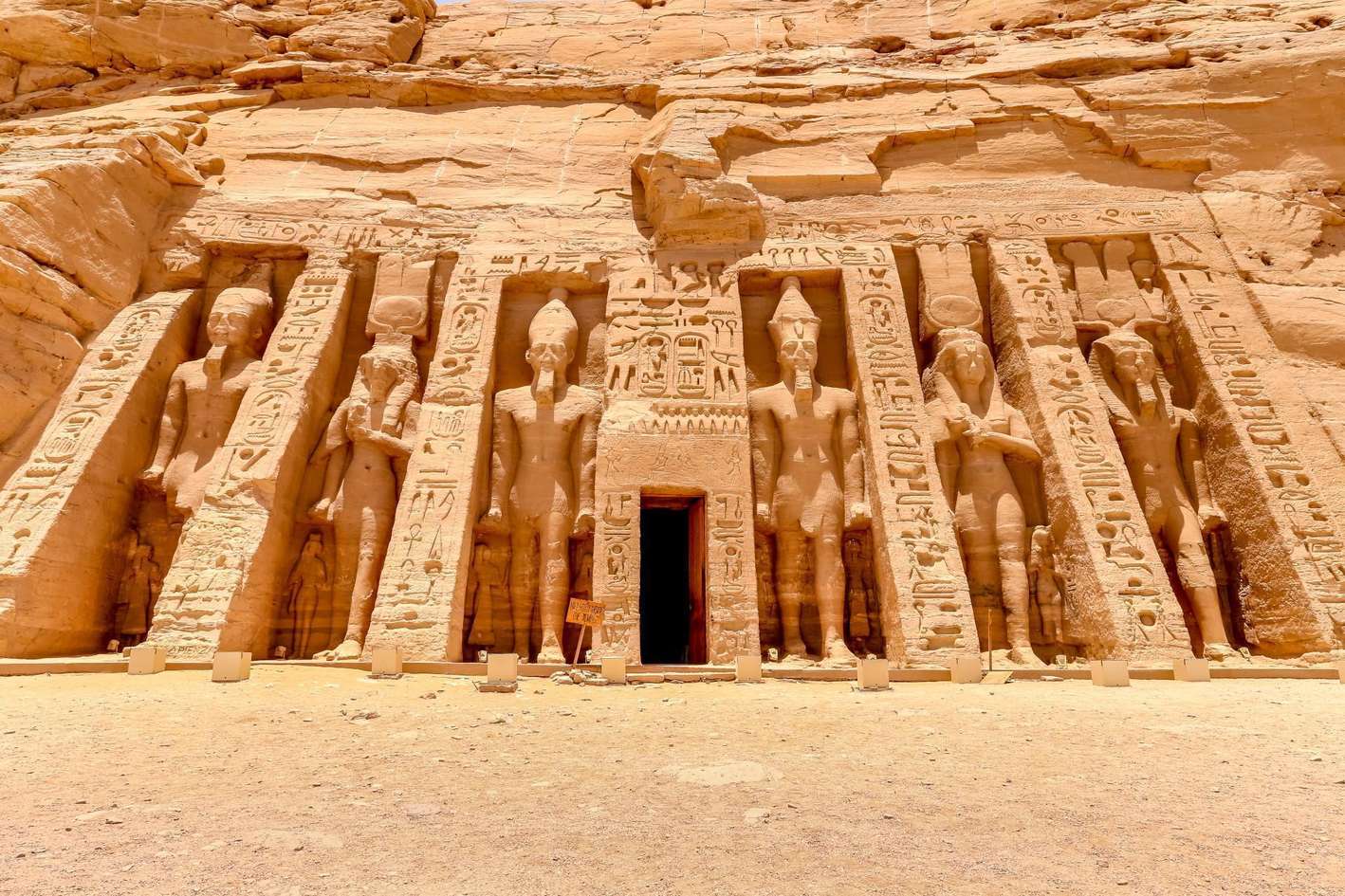
Abu Simbel sits beyond Luxor. That page lays out the itineraries, flights and travel times.
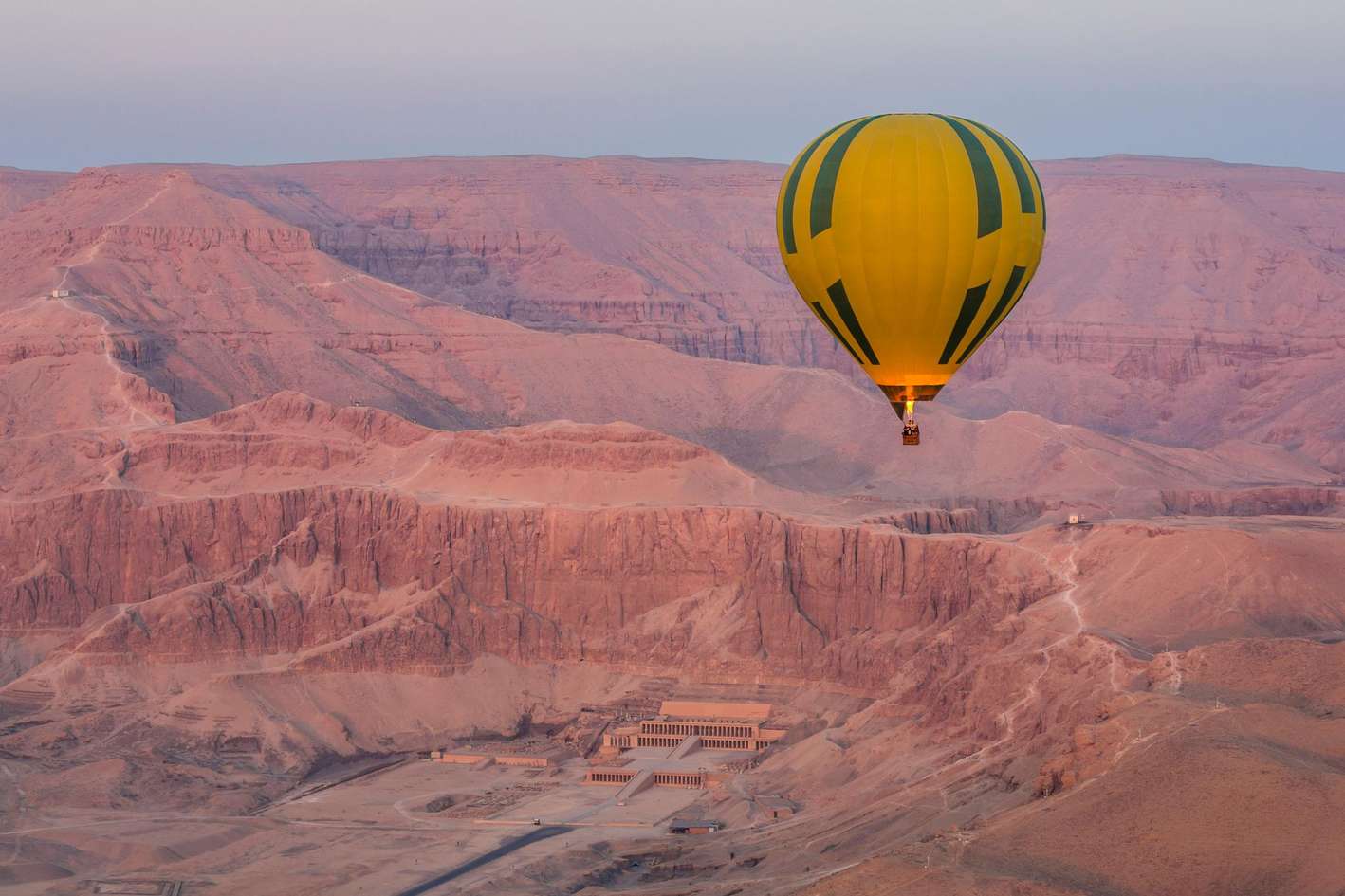
Arrive by car or train and a dawn balloon flight over the West Bank can still top the trip.
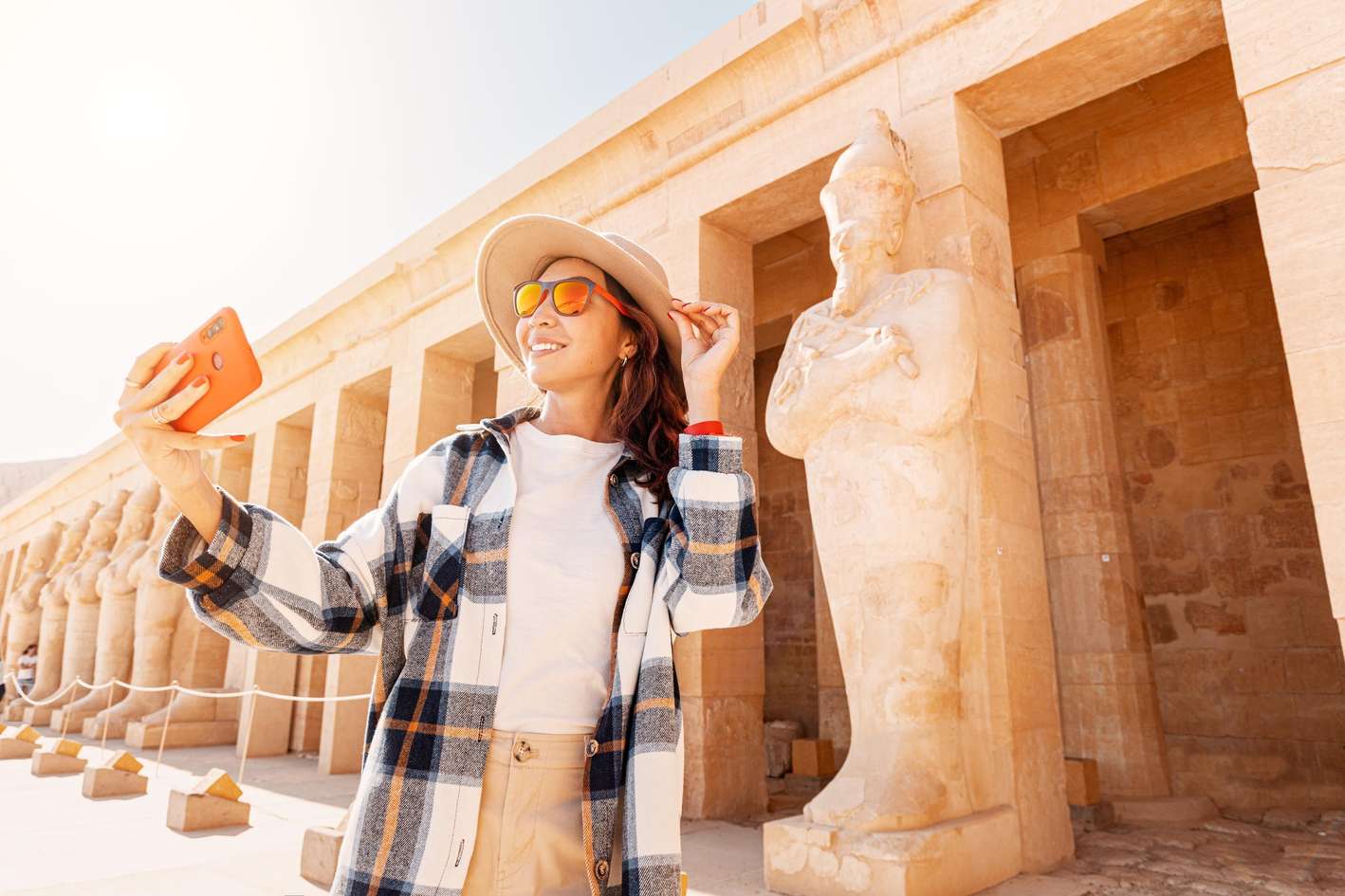
Karnak tops most Luxor plans. Check the opening hours, entry details and light show times.
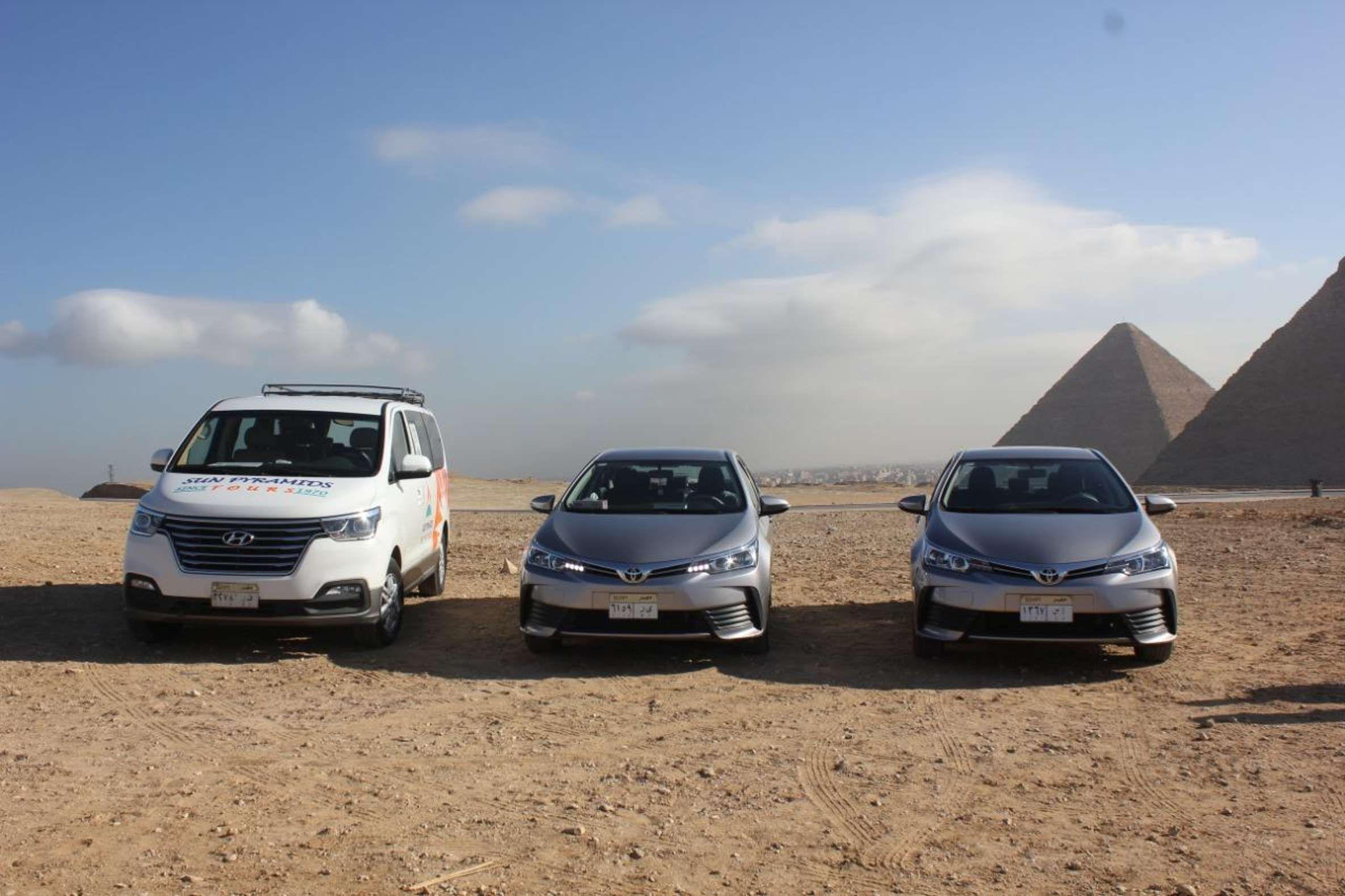
An air-conditioned vehicle picks you up at your Cairo hotel and drives you door to door to Luxor, with free cancellation up to 24 hours in advance.