
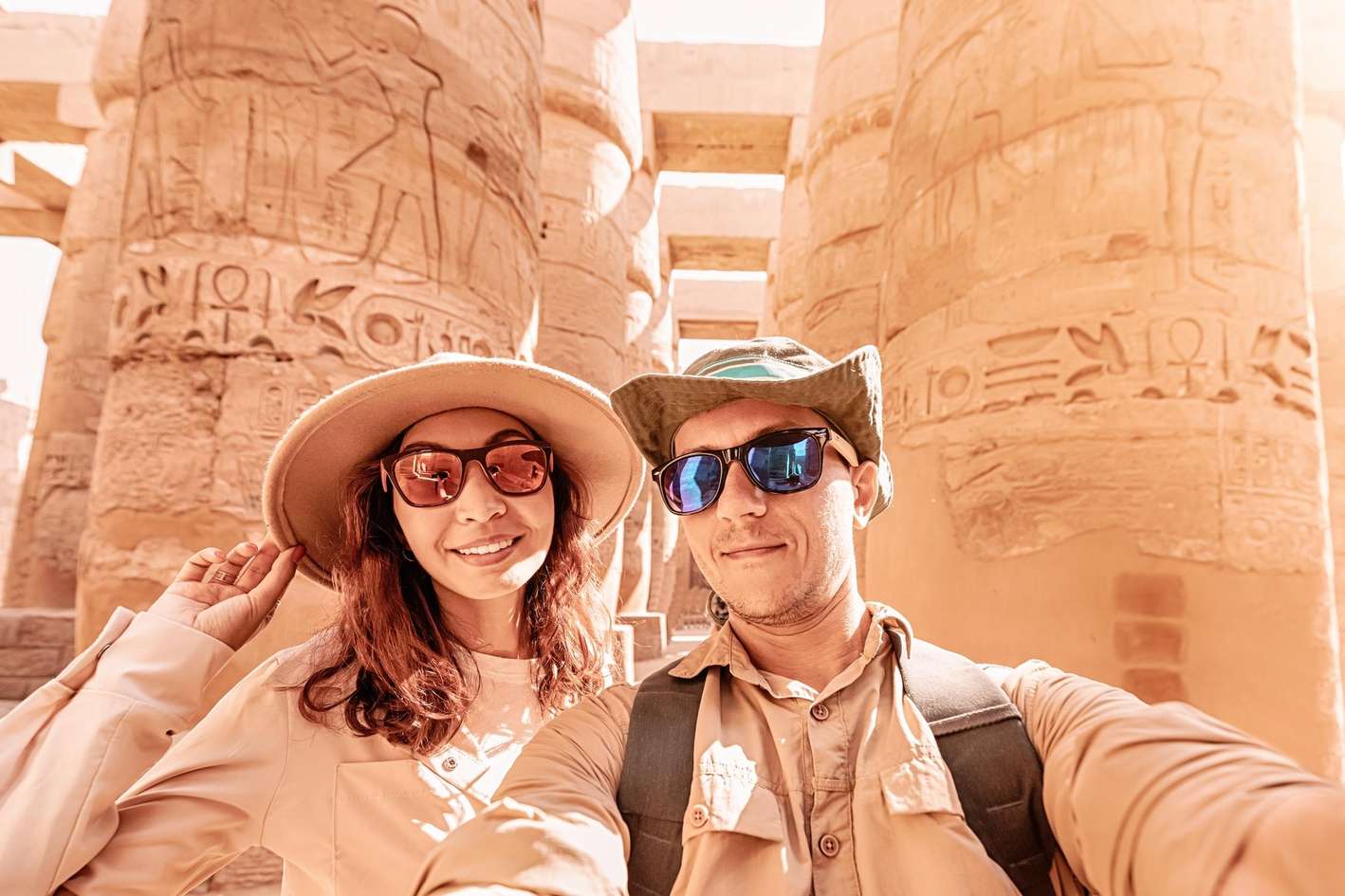
 Our top pick
Cairo: Private Luxor Day Tour with Entrance fees by Flights
Flight ticketsLunch at a restaurant in LuxorFelucca ride
From$436 /person
See dates and book Free cancellation · Hotel pickup
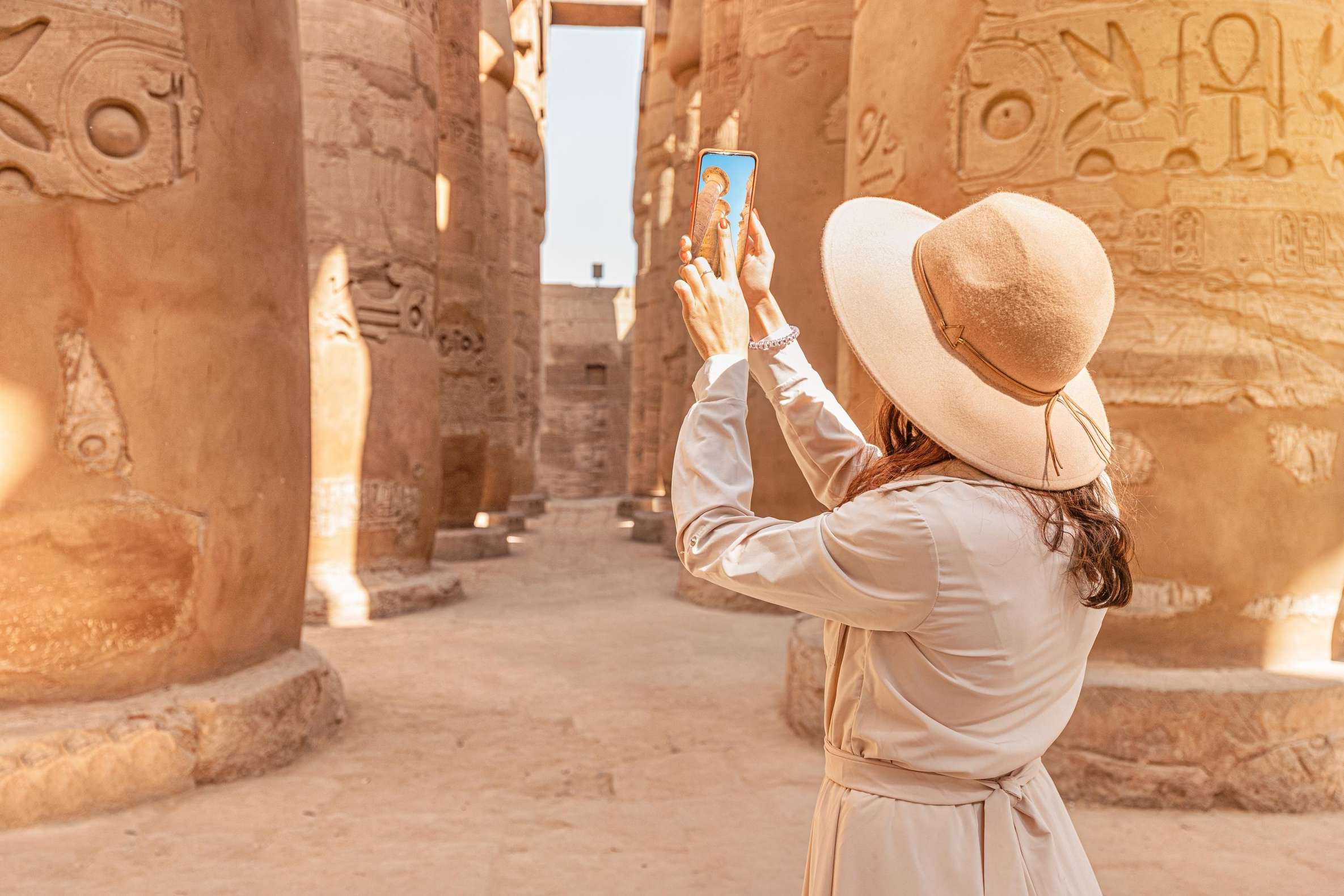
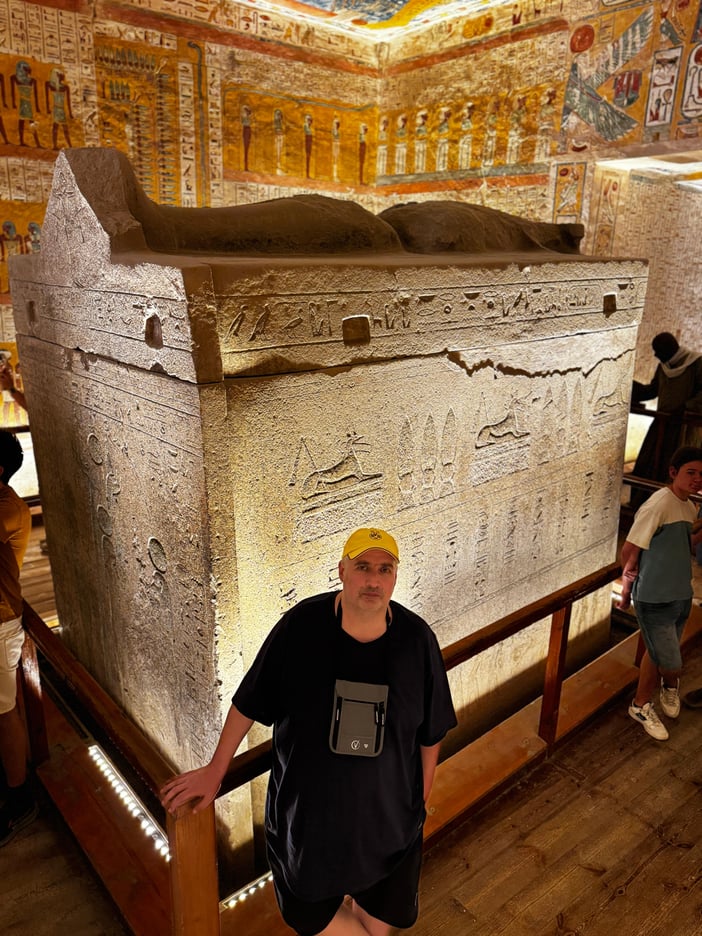
Fly south in about an hour and stand inside the Valley of the Kings by mid-morning. Four airlines run the route daily. Book a private day tour with round-trip flights, hotel pickup, entrance fees, and an Egyptologist guide included, and the only thing you plan is which tomb to enter first.
“Our guide Salma was incredibly knowledgeable about Egypt's history and every site on this tour. Super friendly and professional too. Couldn't recommend it more. 10/10”
Every tour on this page starts with hotel pickup in Cairo, flies round-trip in about an hour, and covers both banks of the Nile with a guide, transfers and entry fees handled for you.
Our top pick


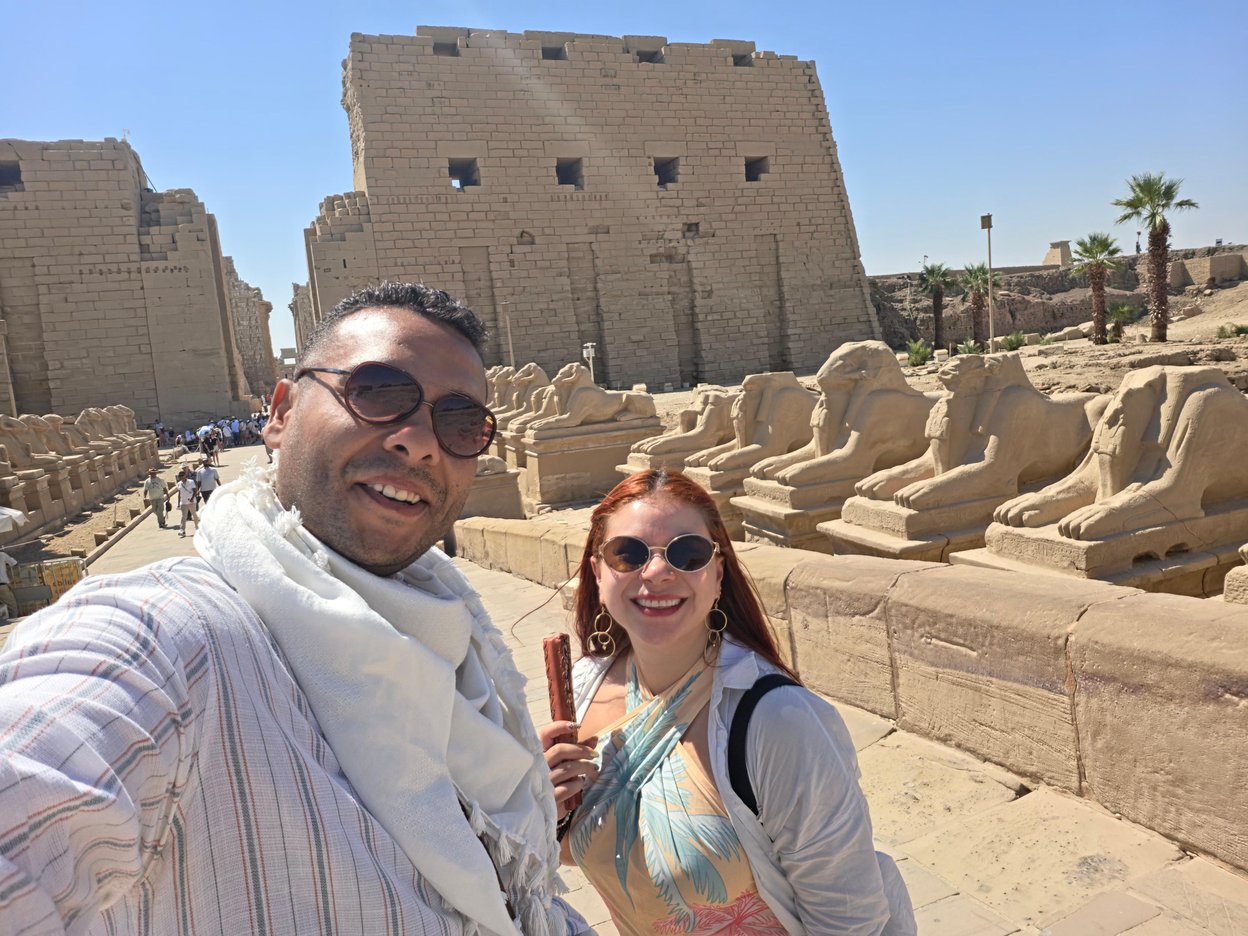






Adam made my day amazing. His knowledge and enthusiasm gave me real insight into Egyptian.
Fantastic Luxor day trip! Early start from Cairo, but worth it. Saw so many sights, never rushed. Guide Shereen was knowledgeable and honest, driver Sayed always on time. Highly recommend!
A mesmerizing day, so many sights in one trip. My guide Manel was brilliant and so knowledgeable. I insist she gets the appreciation she deserves 👏
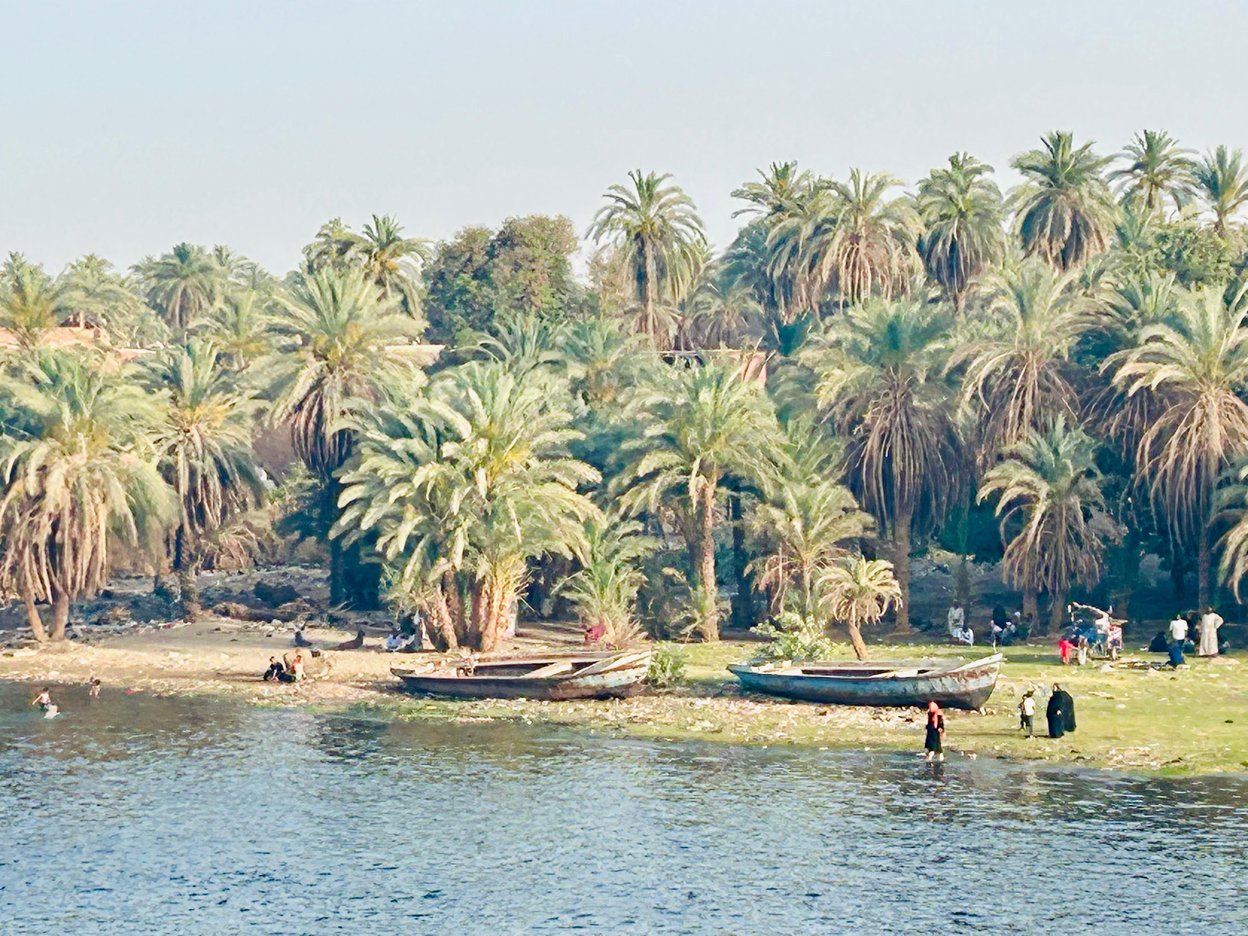
We loved this Nile cruise. Everything was very well organized, the visits, transport, and the boat staff were helpful and so attentive.
Well organised, enjoyable tour of everything we wanted. Guide Ahmed Moussa was fantastic, knowledgeable, professional, full of information, and planned.
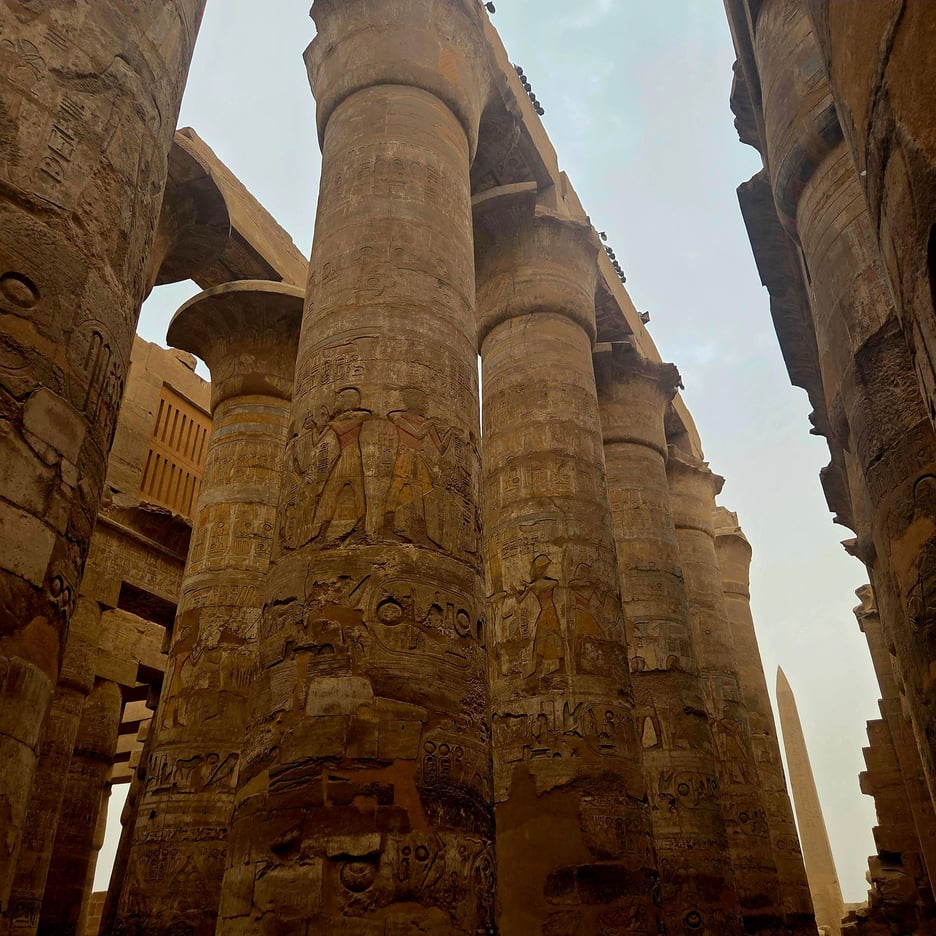
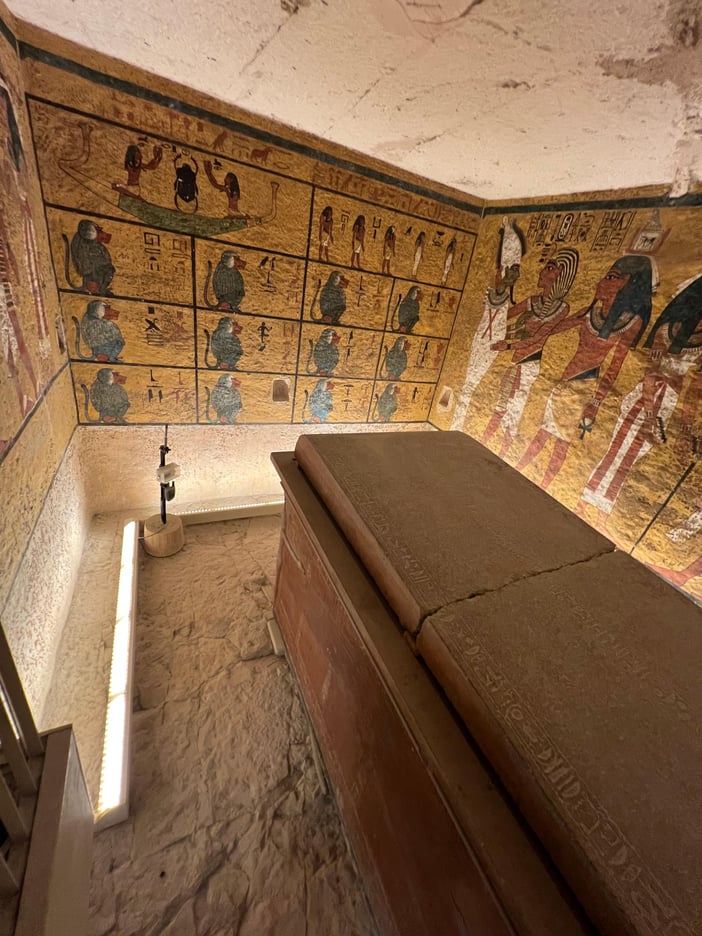
Loved the Valley of the Kings, especially Tut's tomb, and Karnak Temple 👍 Amr was a great, knowledgeable guide and Abdul an excellent driver. ⭐️⭐️⭐️⭐️⭐️ to each
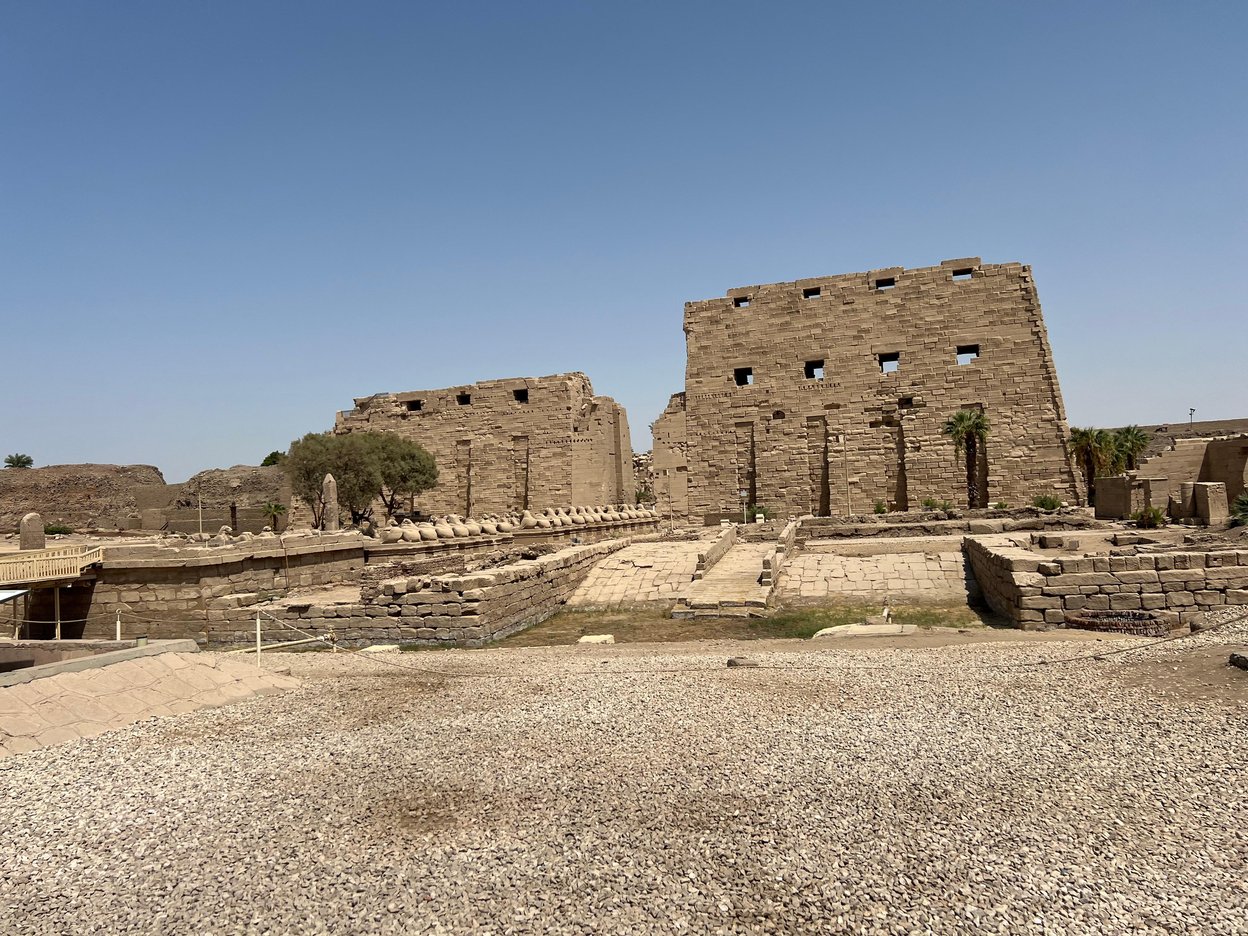
Refaie was a great guide, nice intro at each site, then free time to roam. Karnak was truly stunning. Easy booking, smooth airport transfers. Highly recommend!
Most reviewers praise their guides, naming Karnak, King Tut's tomb and the Valley of the Kings as the day's best moments.
Many did not expect the free hours before a late return flight, and loved the sunset felucca ride their guide arranged to fill them.
Several travelers wished the sightseeing packed in more, saying the tour ended early and the wait for the evening flight felt long.
Choose a date and book on the site. Cancel up to 24 hours in advance for a full refund, which gives you room to change plans if your Cairo days shift.
Most tours here run as one private day trip by plane with flights, transfers, guide, lunch and entrance fees in the price. Pick the option that matches your group and language.
After payment, the operator will contact you asking for flight information, and the tour depends on it. Have the full names and passport numbers of every traveler ready.
One day before the trip you get a message on WhatsApp and email with your pickup details. Make sure the contact details you gave at booking are correct and your phone works in Egypt.
A car or van collects you at your Cairo or Giza hotel around 6 am and drives you to Cairo International Airport, Terminal 3, for the domestic flight. Check-in counters close 30 minutes before departure.
The flight itself is short: Cairo International Airport to Luxor International Airport covers about 512 km and takes just over an hour in the air. Door to door the journey runs 3.5 to 4.5 hours once you add hotel transfers, check-in and baggage screening.
What decides your day is the departure slot. Early morning flights between about 4:30 am and 8:35 am land in Luxor between 6 am and 8 am, leaving time to walk the Valley of the Kings before the midday heat and the tour crowds.
An evening return around 7 pm or later gives you ten to twelve hours on the ground, enough for Karnak and Luxor Temple on the East Bank plus the tombs and Hatshepsut's temple on the West Bank. Later departures shorten that window, so match your flight times to the sightseeing you want before you book.
Cairo
Guided tour
Guided tour
Guided tour
Guided tour
Lunch
Boat cruise, Scenic views on the way
Guided tour
Guided tour
Cairo
Cairo, 6th of October City, Giza District, Al Haram, Giza
Cairo, 6th of October City, Giza District, Al Haram, Giza
Cairo, 6th of October City, Giza District, Al Haram, Giza
Cairo, 6th of October City, Giza District, Al Haram, Giza
Cairo, 6th of October City, Giza District, Al Haram, Giza
Guided tour
Guided tour
Guided tour
Guided tour
Guided tour
Giza, Giza District, Cairo, 6th of October City, Al Haram
Giza, Giza District, Cairo, 6th of October City, Al Haram
Giza, Giza District, Cairo, 6th of October City, Al Haram
Giza, Giza District, Cairo, 6th of October City, Al Haram
Giza, Giza District, Cairo, 6th of October City, Al Haram
Cairo
Sightseeing, Self-guided tour, Balloon flight, Scenic views on the way, Sunrise
Visit, Guided tour, Sightseeing
Visit, Guided tour, Sightseeing
Visit, Guided tour, Sightseeing
Visit, Guided tour, Sightseeing
Break time, Lunch
Sightseeing, Self-guided tour, Balloon flight, Scenic views on the way, Sunrise
Visit, Guided tour, Sightseeing
Visit, Guided tour, Sightseeing
Cairo
Egyptian domestic flights to Luxor require a passport valid for at least six months from your arrival date, and a Sinai-only entry stamp does not cover travel to Luxor.
Check your passport's expiry date before booking, and if you arrived on a free Sinai resort stamp, buy a full Egyptian tourist visa online or on arrival before flying.
Four airlines fly the route nonstop: EgyptAir, Air Cairo, Nile Air and Nesma Airlines. Departures run from before dawn to late evening, starting as early as 3 am to 5 am and continuing until 10:30 pm to 11:55 pm, so the timetable almost always has a slot that fits your day.
In the air the flight is short, about 1 hour to 1 hour 15 minutes gate to gate over a logged air distance of roughly 511 kilometers.
Straight-line maps usually put the two cities about 572 kilometers apart; the two figures count different things, air distance flown against a flat map line, and the road distance is longer again, roughly 633 to 635 km.
The schedule is shaped by day trippers. The busiest block of departures falls between 4:30 am and 8:35 am, when flights arrive in Luxor in time for a morning at the Valley of the Kings, which opens at 6 am. Later departures suit travelers planning a midday arrival and an overnight stay.
When comparing tickets, match the arrival slot to the site you care about most. Karnak and the Valley of the Kings both close at 5 pm with last entry earlier, so a morning flight protects the full day.
A late-morning arrival still works, but it pushes the tombs to the afternoon and leaves less margin if a flight slips.
Terminal 3 is the hub for domestic departures to Luxor and Aswan, with domestic gates in a separate section of the building.
Arrive from abroad on the same ticket and the connection is simple: a free automated people mover links the terminals in five minutes, and staff escort connecting passengers with a boarding pass to shuttle buses across the tarmac in about 15 minutes.
On separate tickets it is different. You must collect your checked baggage, clear immigration, and recheck at the departure terminal, which is why three hours is the safe minimum.
Security for a domestic flight skips passport control. You pass terminal door screening, where your passport and booking are checked, then check-in, security and the gate. Liquids stay under 100 ml in one clear bag, laptops go in separate trays, and foreign visitors have their original passport inspected at check-in and again at the gate.
Mind the deadlines. Airport check-in counters close 30 minutes before departure for both EgyptAir and Air Cairo. Air Cairo's online check-in closes a full four hours ahead, and its gates close 20 minutes before departure, so this carrier leaves the thinnest margin.
Departing between 4 and 7 am keeps you ahead of the heaviest departure-hall crowds, which peak between 5 and 8 am.

The carriers differ most where it counts on a packed day: luggage and what happens when a schedule slips. EgyptAir's domestic economy allows 23 kg of checked baggage and 8 kg of carry-on, with counters closing 30 minutes before departure and bags dropped an hour ahead.
If EgyptAir causes you to miss a confirmed connection, the airline rebooks you on the next available service at no extra charge, and you can opt for a refund instead.
Air Cairo is lighter: carry-on is limited to one piece of 7 kg, gates close 20 minutes before departure, and a delay over two hours entitles you to a refund or a free flight change.
Some tour packages fly on charter carriers such as Nesma instead. Charter flights skip frequent flyer miles and lounge access, seating can be more crowded, and last-minute schedule changes with several hours of delay happen more often. Travelers generally find the service simple and punctuality acceptable outside peak periods.
| Baggage allowance | Check-in deadlines | Delay handling | Ground sightseeing time | |
|---|---|---|---|---|
| EgyptAir | 23 kg checked, 8 kg carry-on | Counters close 30 min before departure | Free rebooking on missed connections | 10-12 hours |
| Air Cairo | 7 kg carry-on limit | Gates close 20 min before departure | not known | 10-12 hours |
| Guided day tour | not known | not known | Drivers track delays and wait | 6-8 hours |
A guided tour changes the calculus in its own way: the operator tracks flight delays and adjusts the ground plan, so a late arrival in Luxor costs sightseeing time, and the booking itself stands.
The flight lands in about an hour; the last few kilometers take more planning. Luxor airport has no clearly advertised direct bus, so arrivals use a taxi, a pre-booked transfer, or a taxi into central Luxor for the public ferry.
Taxis here are not metered, so agree the total price per car before you set off, including any waiting charge if the driver is staying with you for the day.
A pre-booked transfer is the calmest route. The driver meets you with a name sign, monitors your arriving flight, and the price is settled before travel.
If touts approach inside the terminal, walk straight past them to the designated parking area where your booked driver waits, or to the marked taxi rank if you are negotiating on the spot. Many Luxor hotels and cruise operators also arrange airport pickups for guests, sometimes included and sometimes for a fee.
Getting to the monuments is quick by road: the southern Luxor Bridge and the North Luxor Axis both reach the West Bank sites. Hiring a driver for the day saves flagging taxis between separate tombs, and it pays to visit East Bank temples in one block and West Bank tombs in another.
One gap to plan around: the airport has no luggage storage or lockers, so a same-day visitor carries everything or leaves the bag at a Cairo hotel.

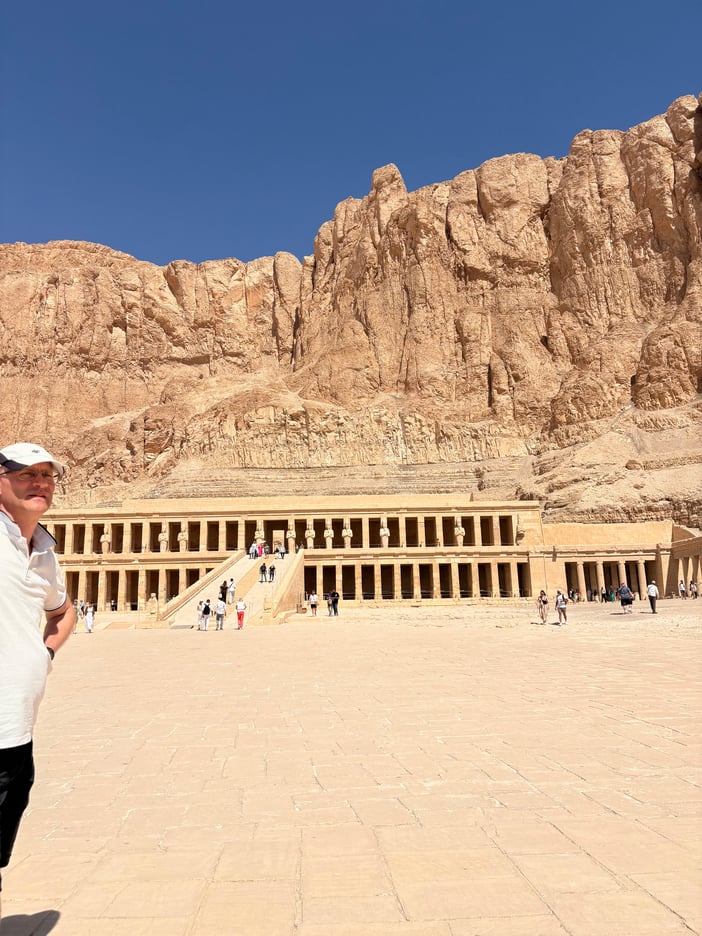
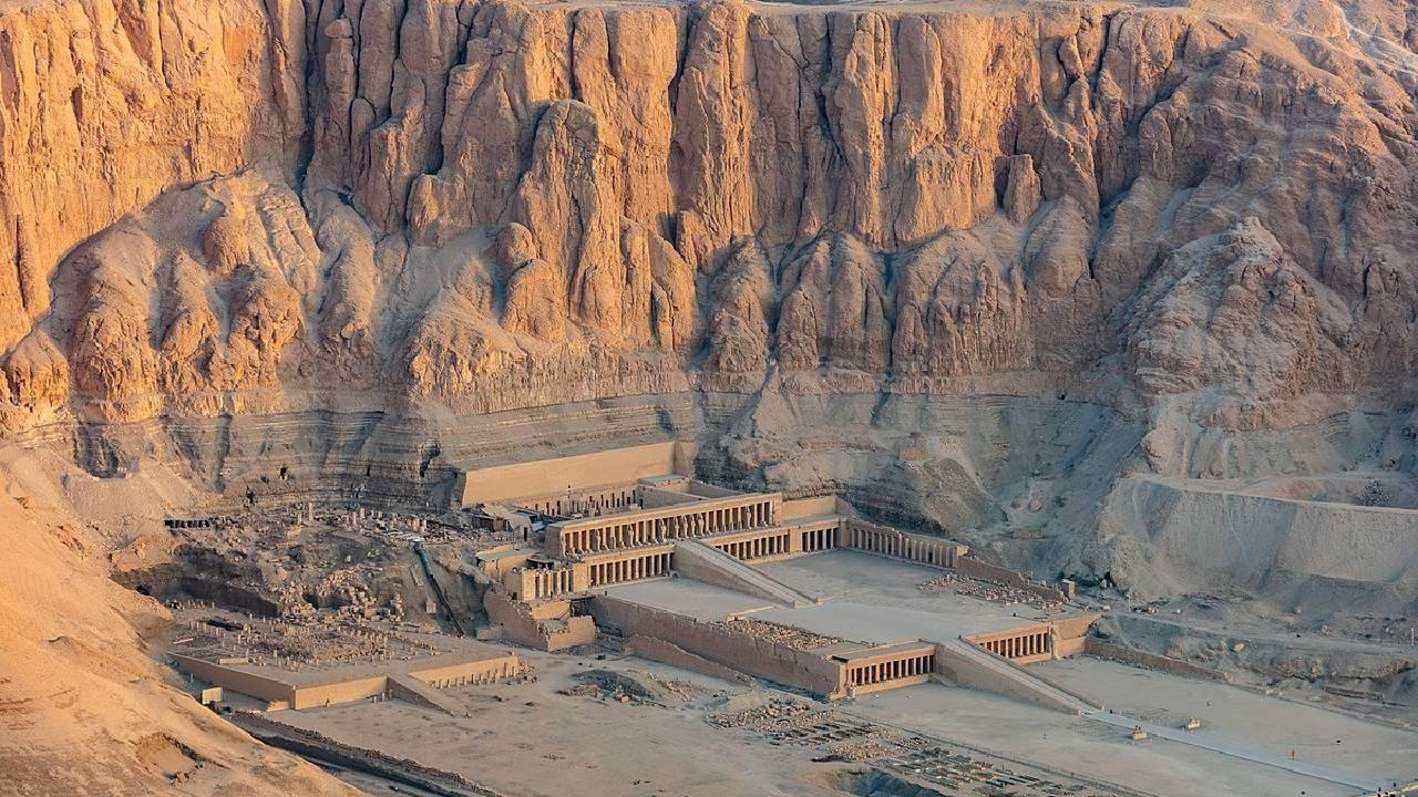
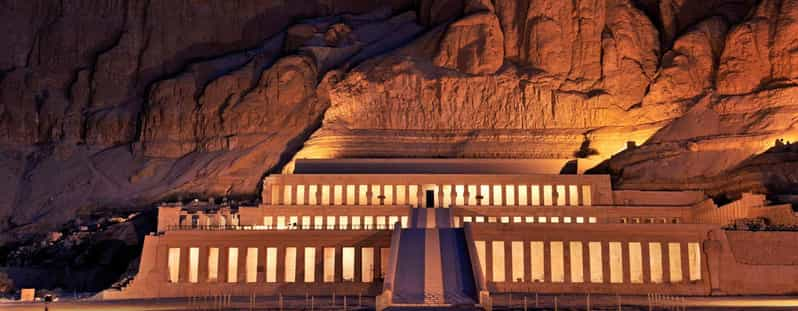
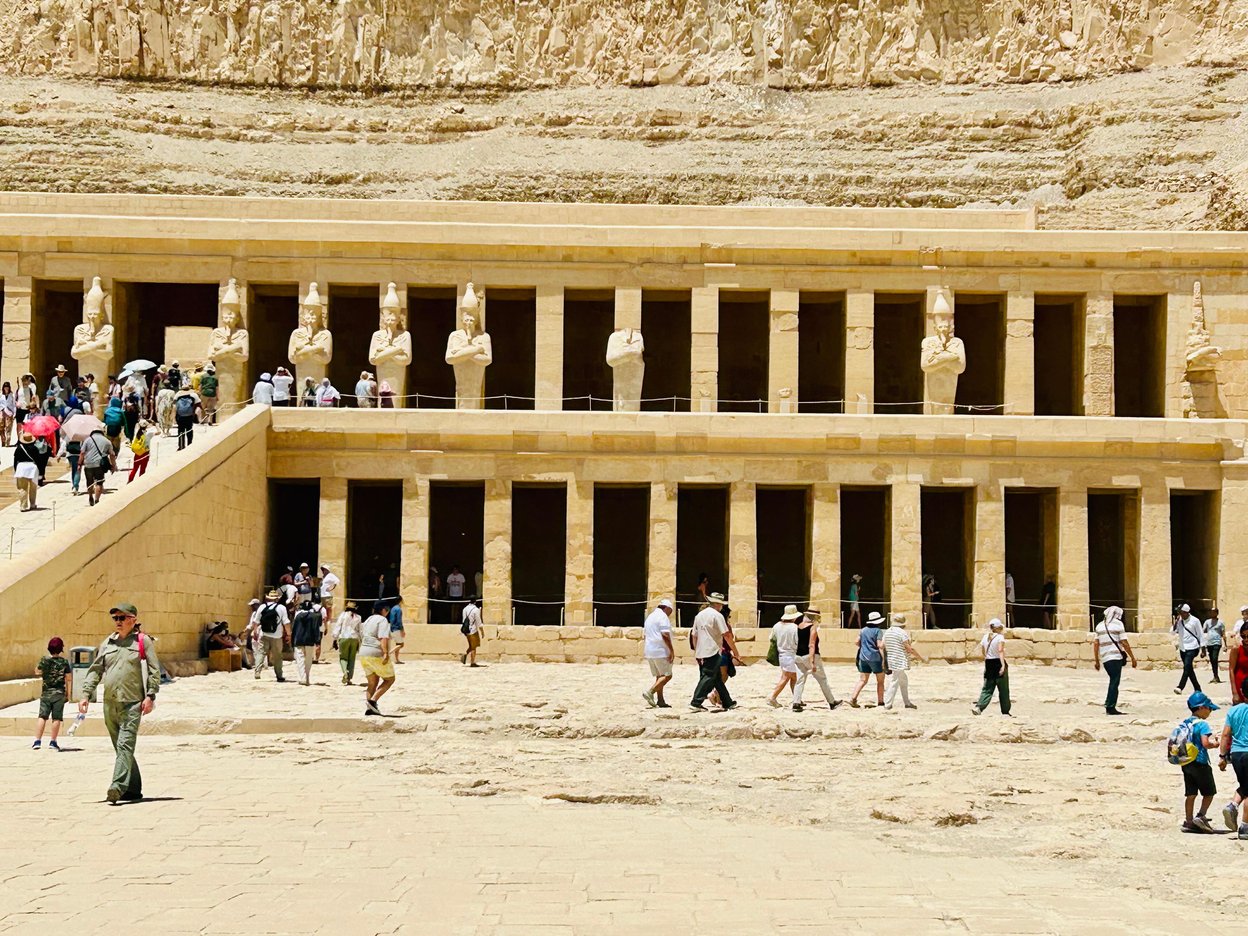
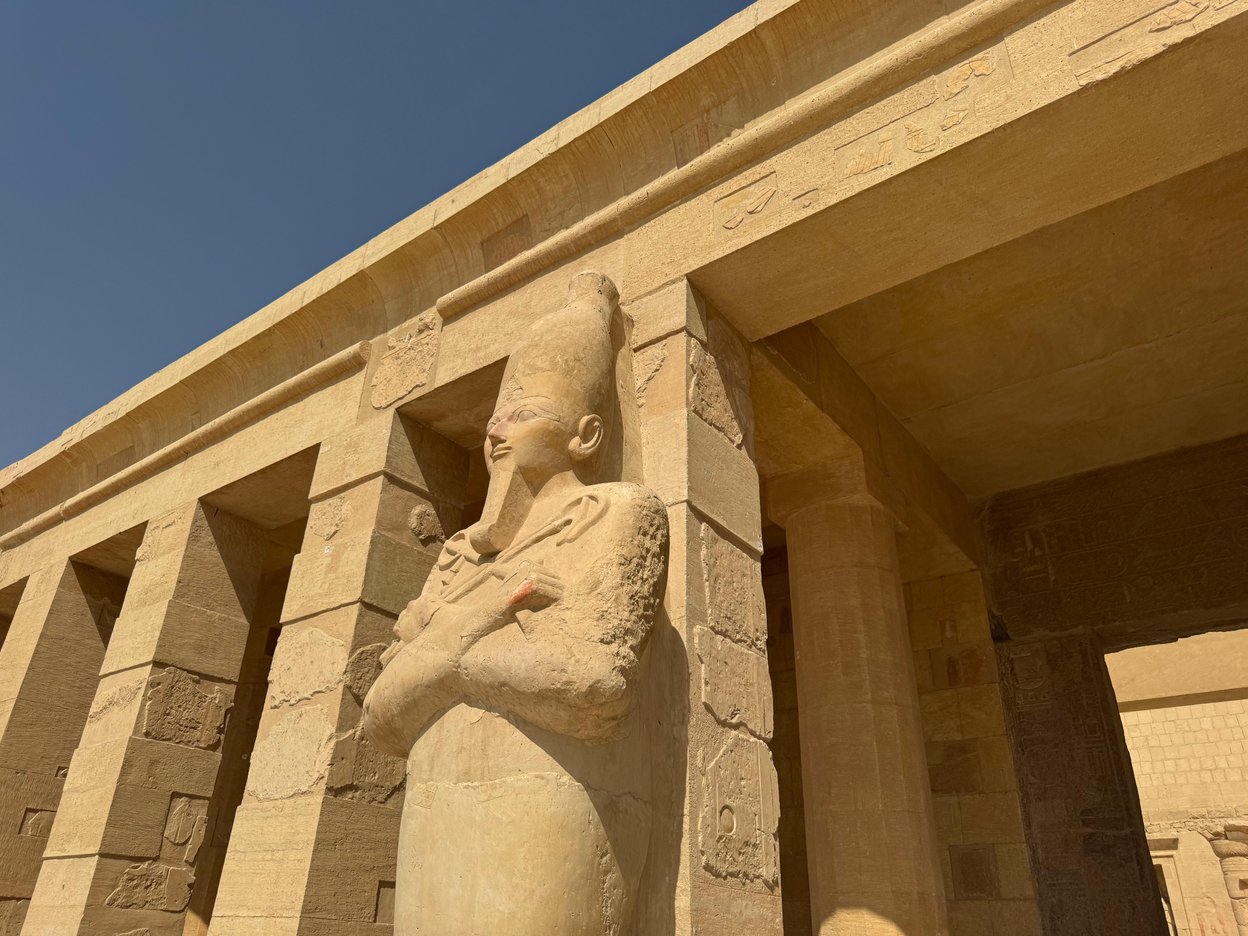
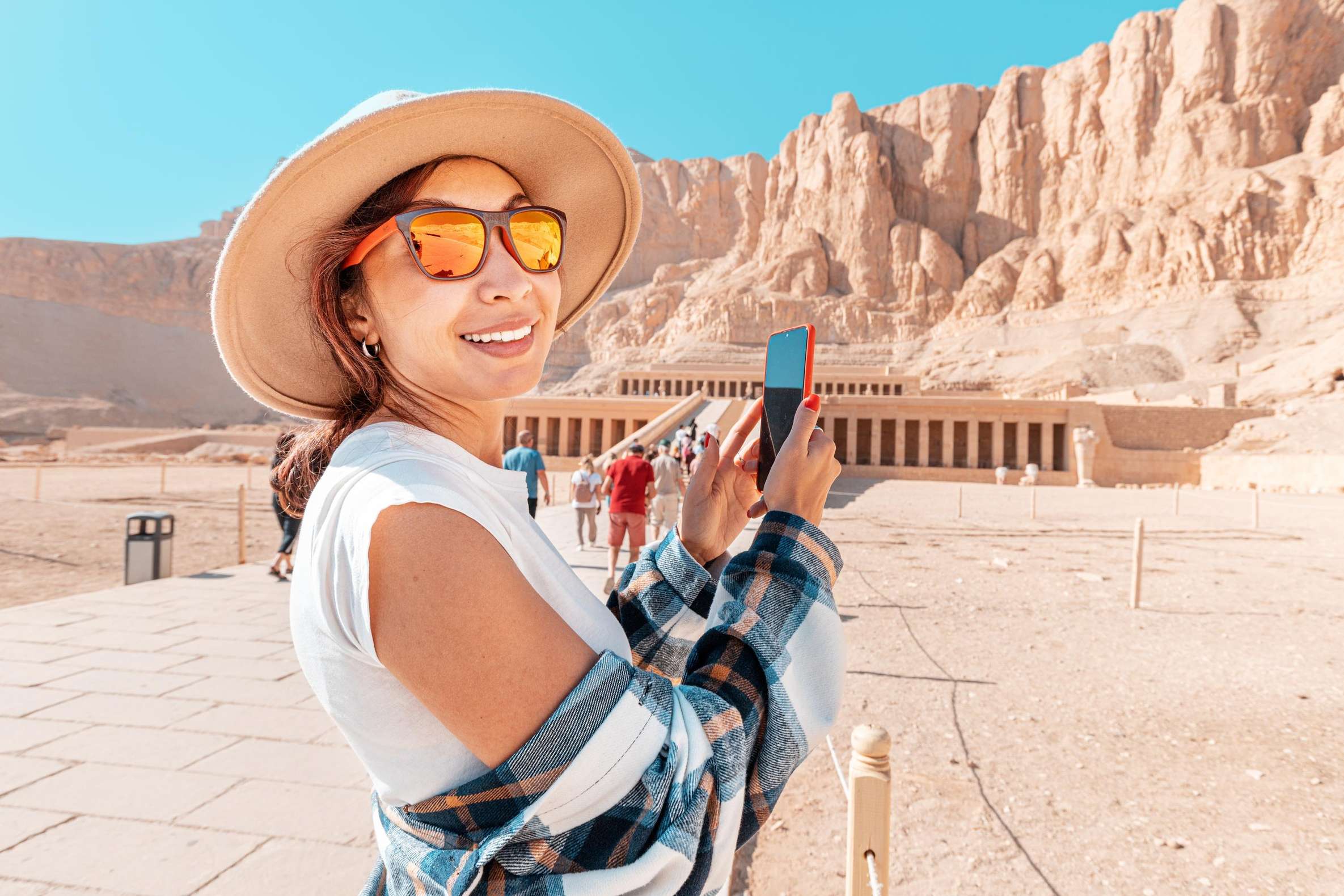
Luxor divides naturally in two. The West Bank is the place of the dead, where pharaohs of the New Kingdom cut their tombs deep into the mountains after abandoning pyramids, and where Hatshepsut's mortuary temple at Deir el-Bahari stands against the cliffs.
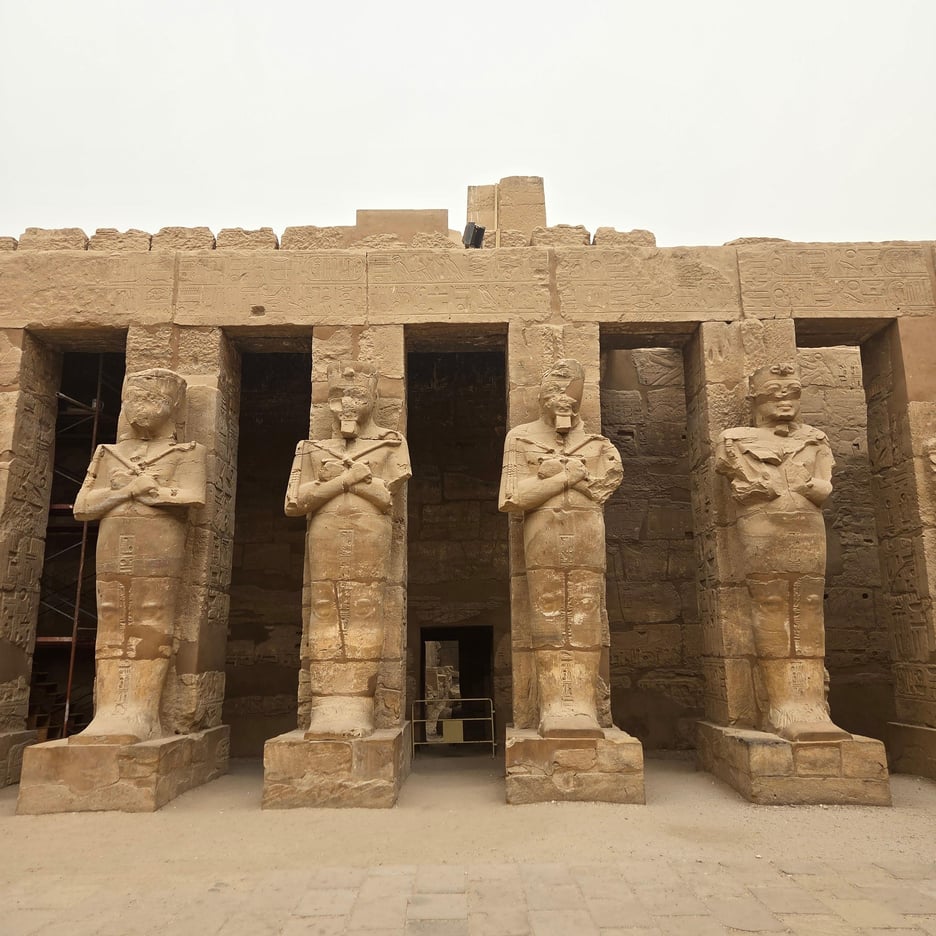
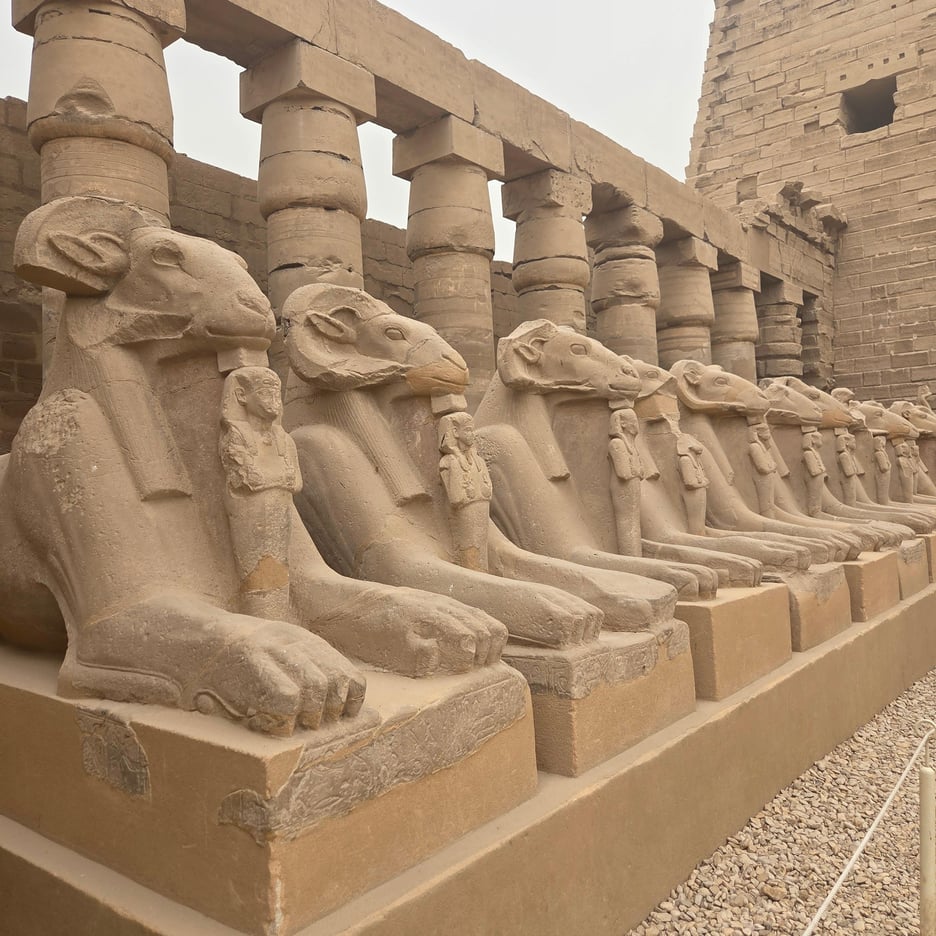
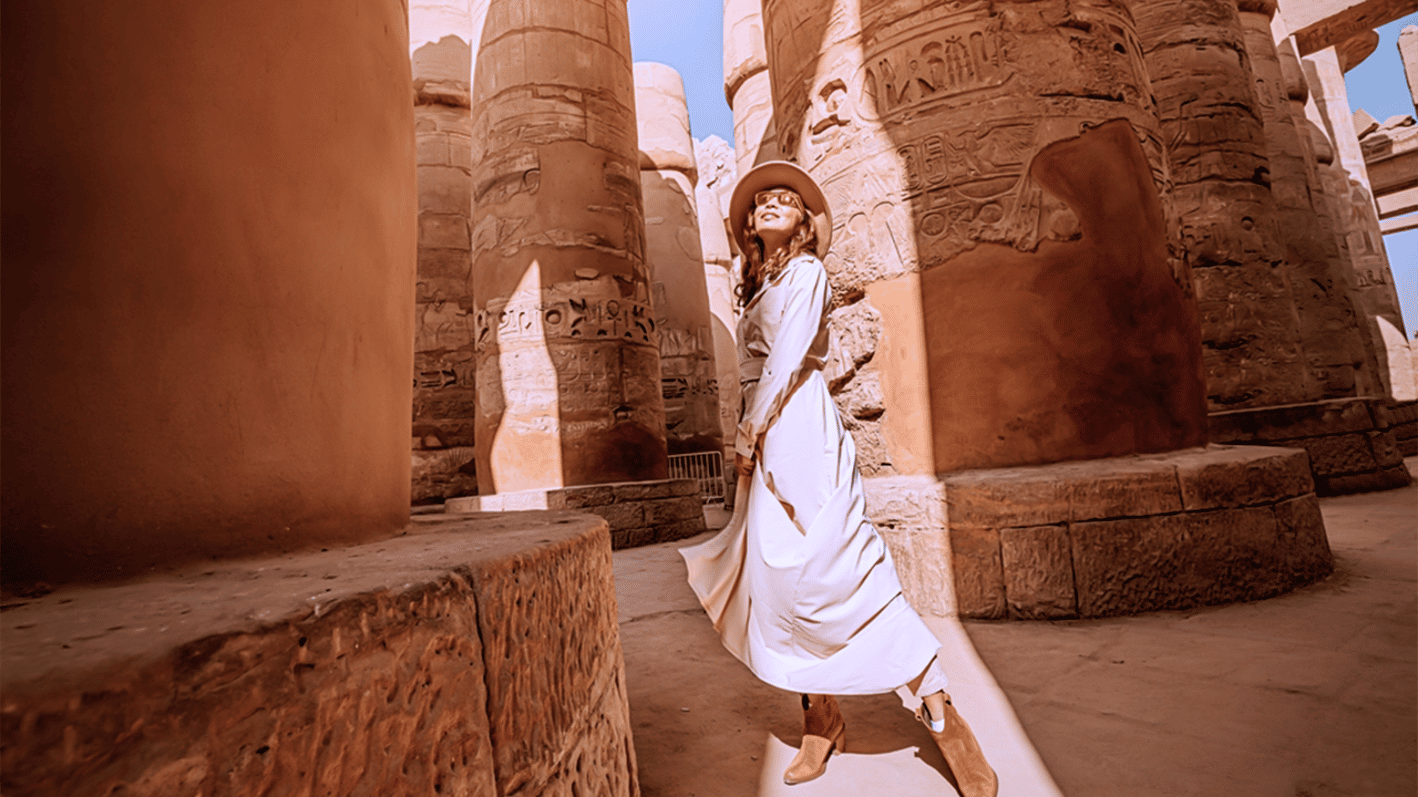
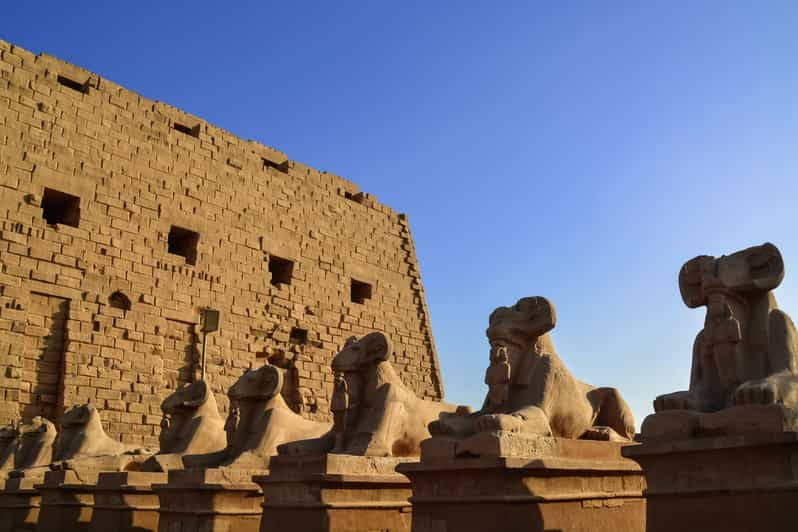
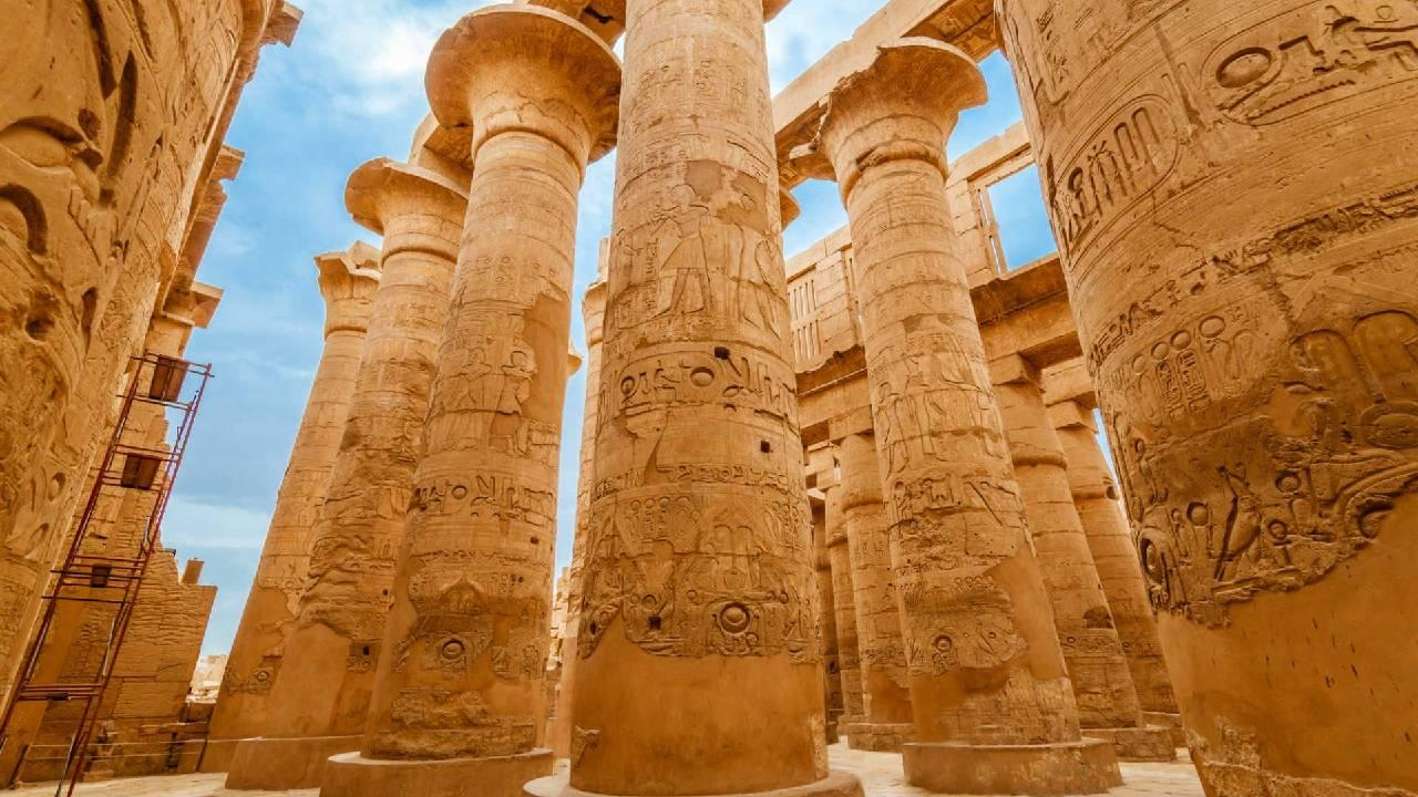
The East Bank holds the living temples of Karnak and Luxor Temple, built outward over centuries as successive pharaohs added courtyards and gateways.
A realistic single day covers four to five major monuments: the Valley of the Kings, Hatshepsut's temple and the Colossi of Memnon on the West Bank, plus Karnak and Luxor Temple on the East.
Opening hours shape the order. The Valley of the Kings opens at 6 am, Karnak at 6 am with last entry at 4 pm in all seasons, and Luxor Temple takes visitors until 7 pm.
A guided Karnak visit runs 1.5 to 2 hours; walking the 100-hectare site thoroughly on your own takes 3 to 4.
Worth the drive
Bring a bank card. Entry at Karnak, Luxor Temple, Hatshepsut's temple and the Valley of the Kings is cashless, and the self-service machines for extra tombs such as Seti I and Tutankhamun take cards only.
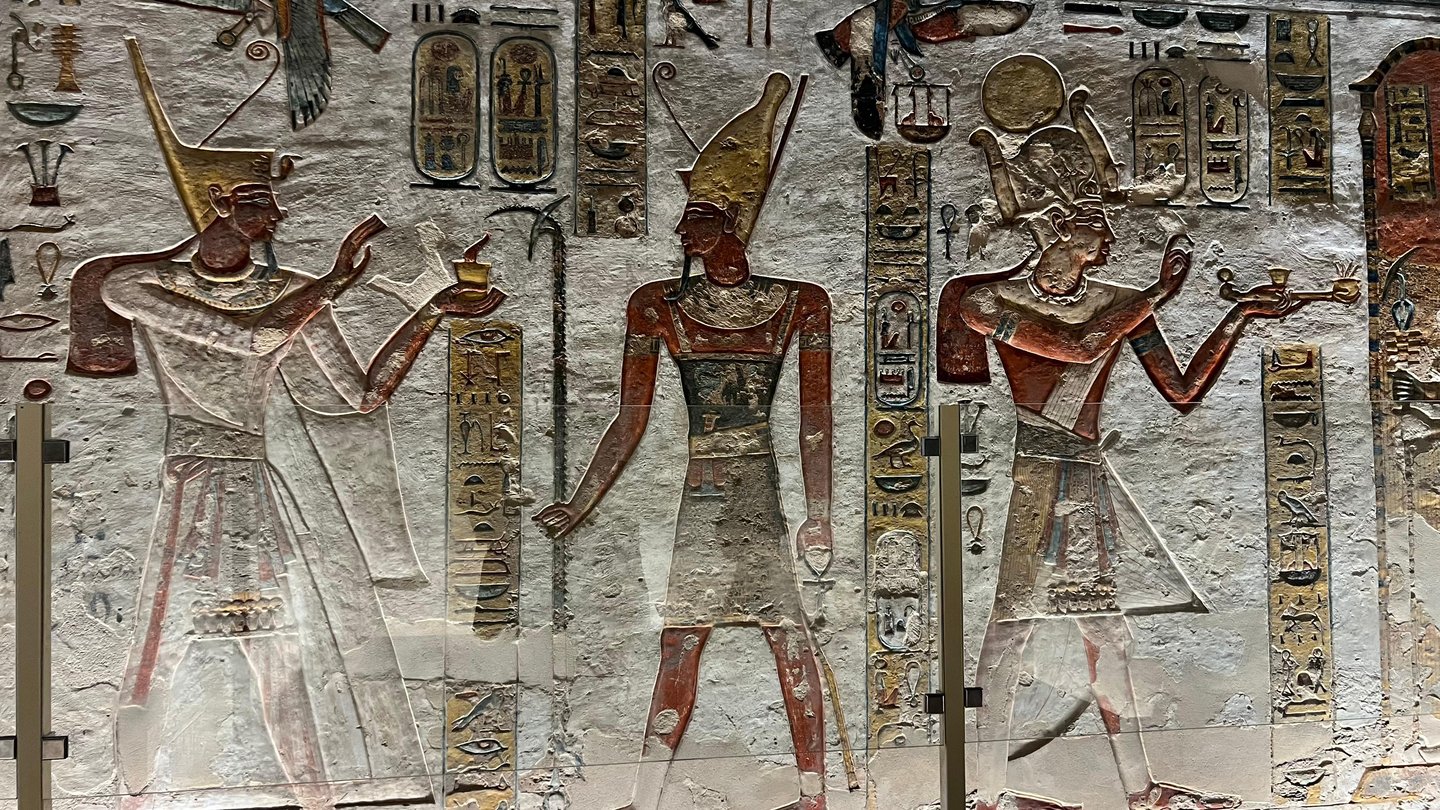
You can buy tickets online in advance to skip the window. Inside most open tombs, mobile phone photos are free, but flash is prohibited to protect the pigments.
A private Egyptologist guide does quiet double duty, reading the walls for you and keeping persistent vendors at a distance.
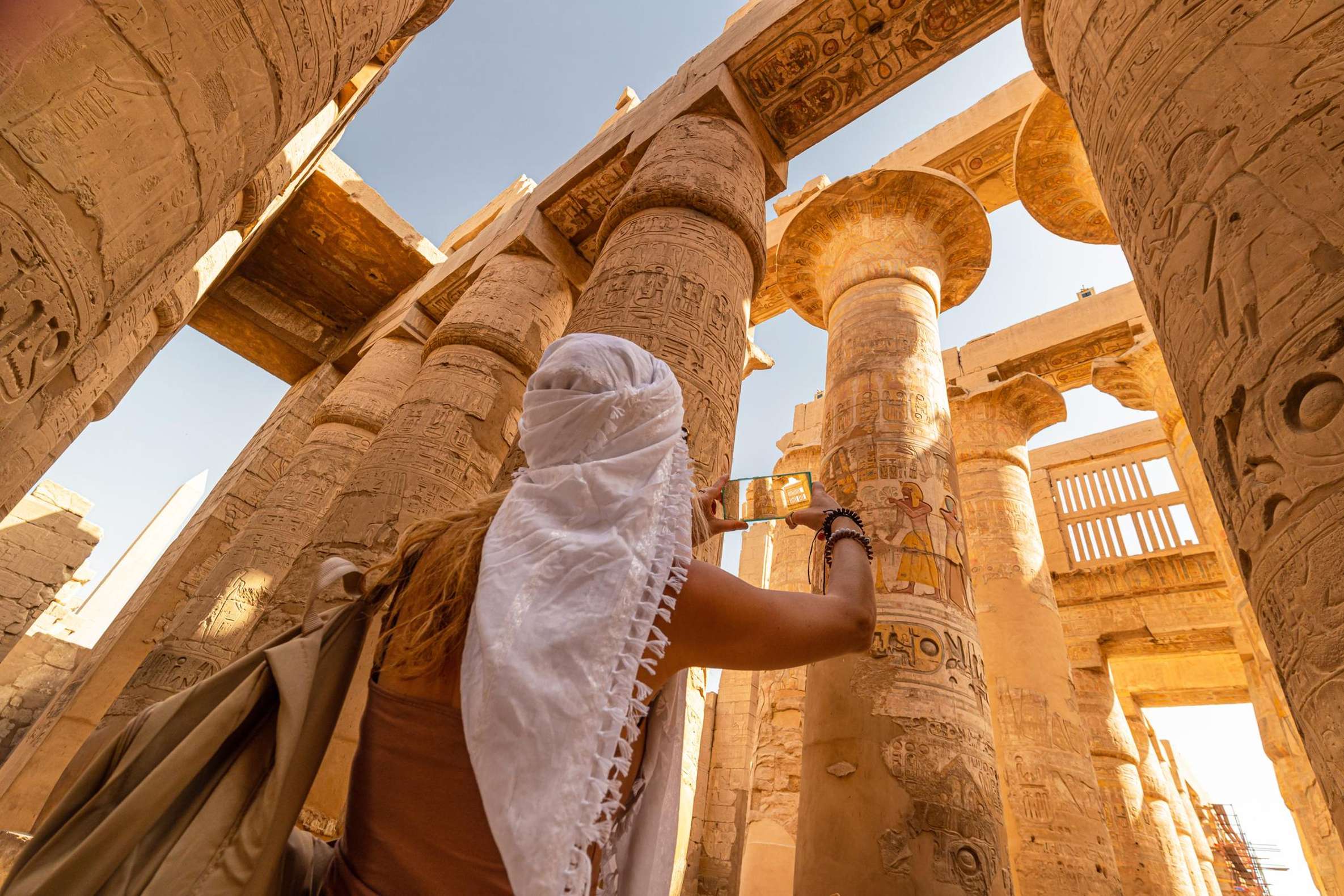
The late return is what makes the same-day trip work. Departures from Luxor to Cairo run through the evening, commonly around 6 pm, between 9 and 9:25 pm, and between 10:30 and 11:30 pm.
A return leaving between 7 and 9 pm gives you roughly 10 to 12 hours in Luxor, enough to see highlights on both banks, and sightseeing wraps up around 5 pm, comfortably before the airport run.
The full day is long. Flights take about an hour each way, but pickups from Cairo hotels start between 3:30 and 6 am and the round trip spans 15 to 20 hours door to door.
On the ground you get roughly 6 to 8 guided hours across both banks. Travelers who have done it, when time is short, consistently call it worth the early start, having taken in Karnak and the Valley of the Kings in one go without feeling rushed through them.
| If this happens | What happens then |
|---|---|
| Condition | If a return flight slips an hour or two |
| Then | **The tour's drivers track the schedule and wait at Cairo airport to finish hotel drop-offs late into the night.** A wait an independent traveler manages alone. |
That tracking is the practical argument for a flight-inclusive tour on a one-day itinerary: the ground team absorbs schedule changes, so the monuments set the pace.

Booking the day yourself means buying each piece separately: the round-trip airfare, two airport transfers, entrance fees at every gate, a driver and a guide arranged in Luxor. An all-inclusive day tour bundles those pieces.
The flight-inclusive tours here typically cover entrance fees at Karnak, Luxor Temple, Hatshepsut's temple, the Colossi of Memnon and the Valley of the Kings, plus lunch at a local restaurant, hotel pickups and all ground transfers.
| Check | Why it matters |
|---|---|
| Round-trip airfare | both legs, Cairo to Luxor and back |
| Airport pickups | both ends, in Cairo and Luxor |
| Entrance fees | Karnak, Luxor Temple, Hatshepsut's temple and the Valley of the Kings |
| Licensed Egyptologist | a guide who reads the tombs and manages the day |
Know what sits outside the bundle. Admission to King Tutankhamun's tomb is usually a separate ticket, so a visit to his actual mummy, displayed in his original tomb in the Valley of the Kings, costs extra.
Drinks and water during lunch are excluded on some tours, and tips for your guide and driver are always your own, as Luxor expects them at the end of the day. The honest comparison depends on your kind of day.
If you travel light, land early and have a Luxor driver pre-booked, separate tickets can work well. If you would rather not negotiate taxis or queue at gates, the bundle buys that calm.
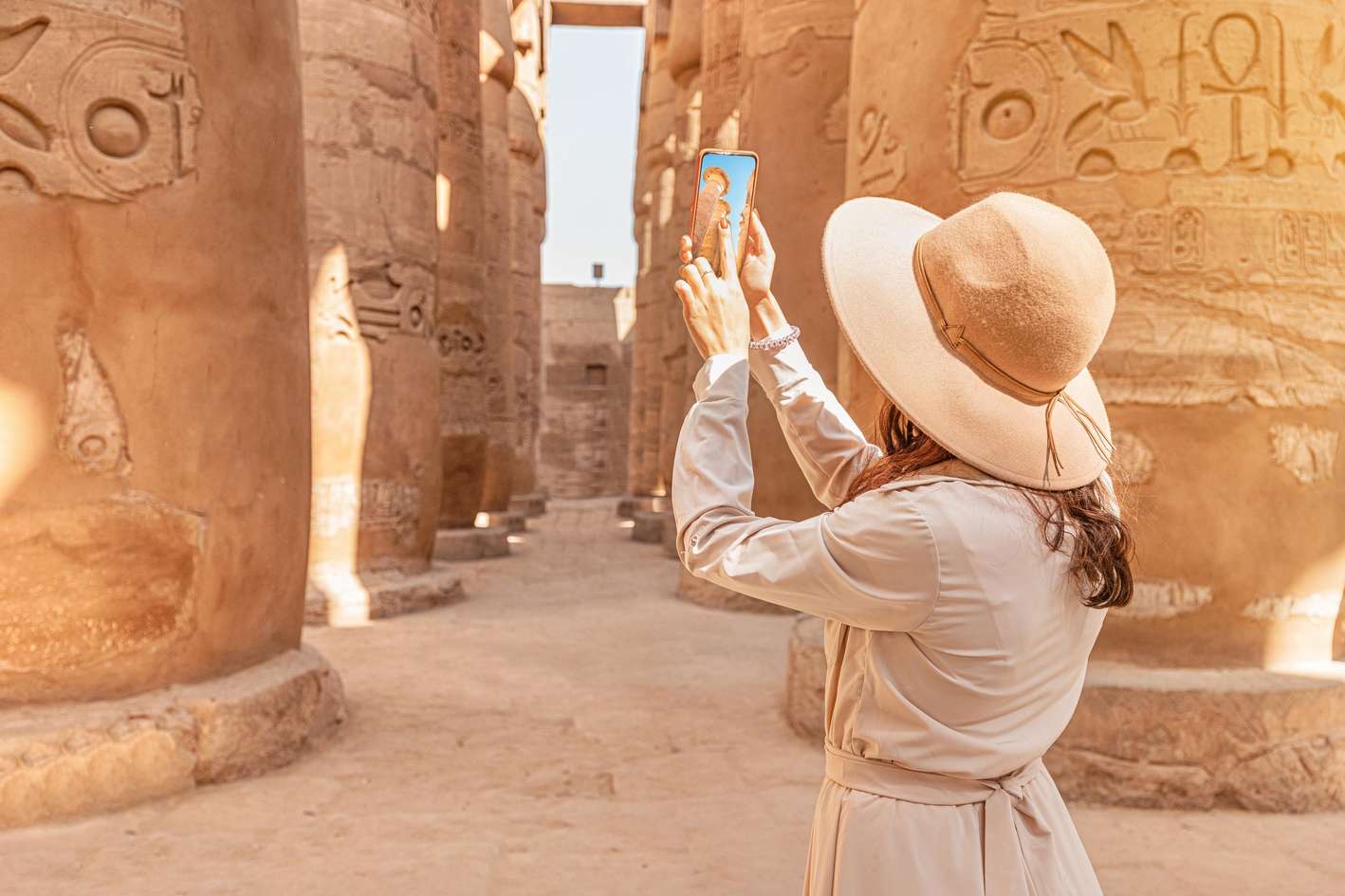

The paperwork that gets you onto the plane is worth ten minutes of checking.
Your passport must be valid for at least six months from your arrival date in Egypt, and you need a valid Egyptian tourist visa that permits travel to the Nile Valley, a standard single-entry or multiple-entry visa obtained online or on arrival.
A free Sinai-only entry stamp does not permit travel to Luxor leaving the Sinai resorts for Luxor requires a full Egyptian tourist visa
This matters most for travelers coming from the Red Sea resorts. The free stamp issued at South Sinai is strictly limited to resorts such as Sharm El Sheikh, Dahab, Nuweiba and Taba, so a flight from Cairo to Luxor on that stamp alone would fail at check-in, and leaving Sinai for Luxor invalidates it anyway.
Anyone flying in from Sharm should buy the full tourist visa first.
Keep the original passport on you on travel day. It is inspected at the terminal door, at check-in and again at the departure gate, and photocopies do not stand in for it at the roadside checkpoints along Egyptian highways.
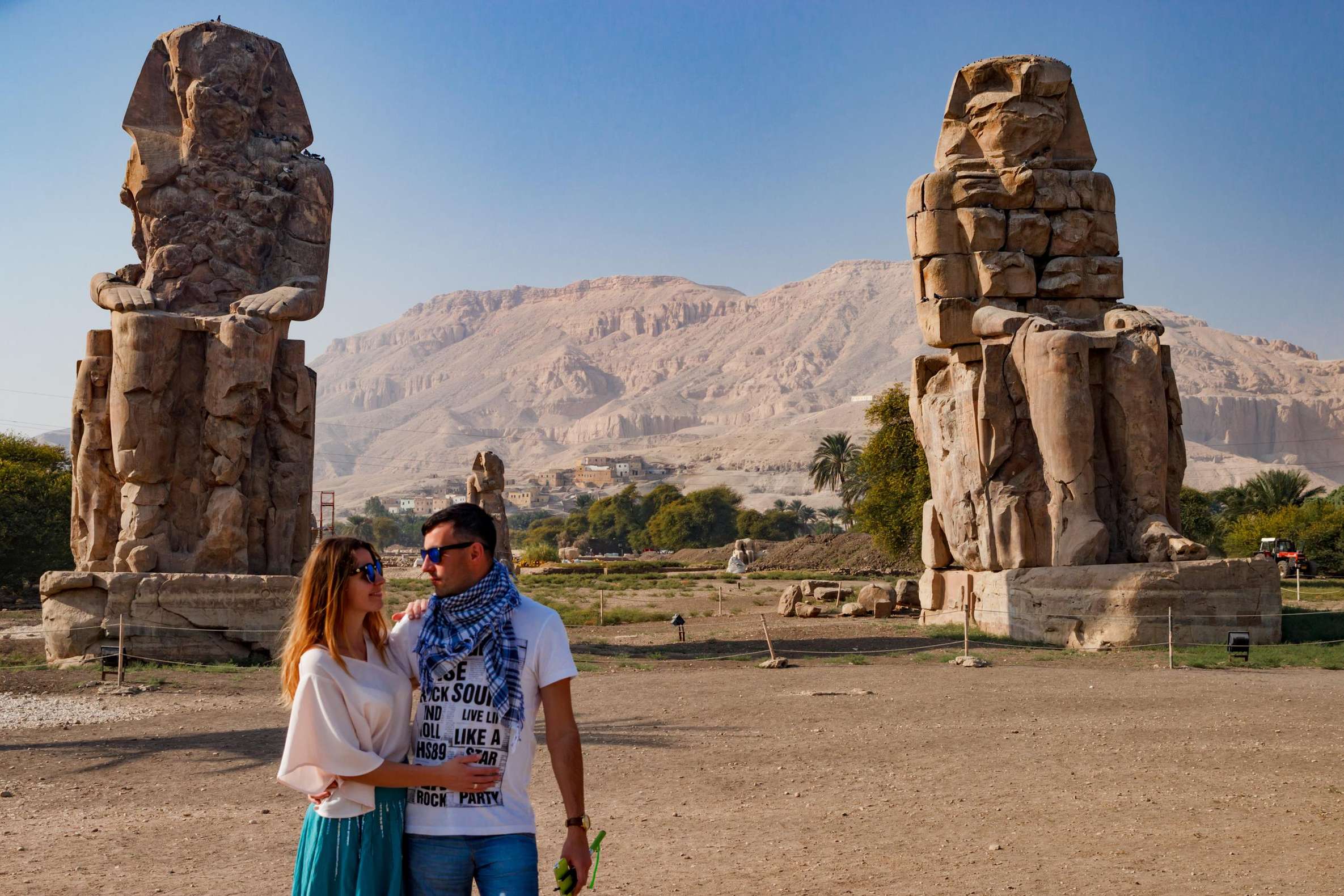
The month changes the shape of the day more than the timetable does. November through February offer the most comfortable weather for open-air sites, with November the standout for river cruising: daytime highs around 30°C, cool evenings, no rain, though it is the busiest cruising month.
January and February bring mild afternoons near 24°C and cooler walking around the temples.
Summer is a different trip. May through September bring dangerous heat, peaking from June through August when daytime highs exceed 41.6°C to 42.7°C and regularly top 40°C in the shade.
Luxor runs hotter than Cairo with far less shade, and the heat occasionally forces unprepared visitors to cut tours short. The fix is timing: aim for sites before 7 am, retreat indoors by 10 am, and keep midday for air-conditioned venues such as the Luxor Museum or Mummification Museum.
In summer it also helps to split the two banks across separate mornings, one for temples and one for tombs. Young children and older adults should sit out midday exploration in those months.
April: 5 out of 5 for how busy it gets.
Tap a month to read it.
The sites still open early, at 6 am, so a dawn flight arrival works in any season, and in summer the last entry at the Valley of the Kings sits at 5 pm versus 4 pm in winter and Ramadan.

The road route exists, and the answer is still to fly. Cairo and Luxor sit about 572 kilometers apart as the crow flies, roughly 633 to 635 km by road, a drive of about 7.5 to 8 hours each way.
Along the way are frequent security checkpoints where foreign visitors can face mandatory stops and waits for armed escorts, particularly through Middle Egypt governorates such as Minya, Sohag and Qena. At checkpoints you present the original passport; photocopies are generally not accepted.
Two further points weigh against self-driving. Night driving between Egyptian cities is strictly advised against, whether in a private car or on a bus, because accidents are more frequent and severe after dark.
And renting a car in Egypt is not recommended in any case, given inconsistent signage, congestion and the security convoys required in parts of the Nile Valley.
For independent travelers set on the road, the practical forms are the overnight bus, which takes 9 to 11 hours, or the train, with the daytime express departing Cairo at 8 am and arriving in Luxor at 6:40 pm after 10 hours 40 minutes.
Both save you the checkpoints of self-driving, though neither competes with the one-hour flight for the same-day trip.
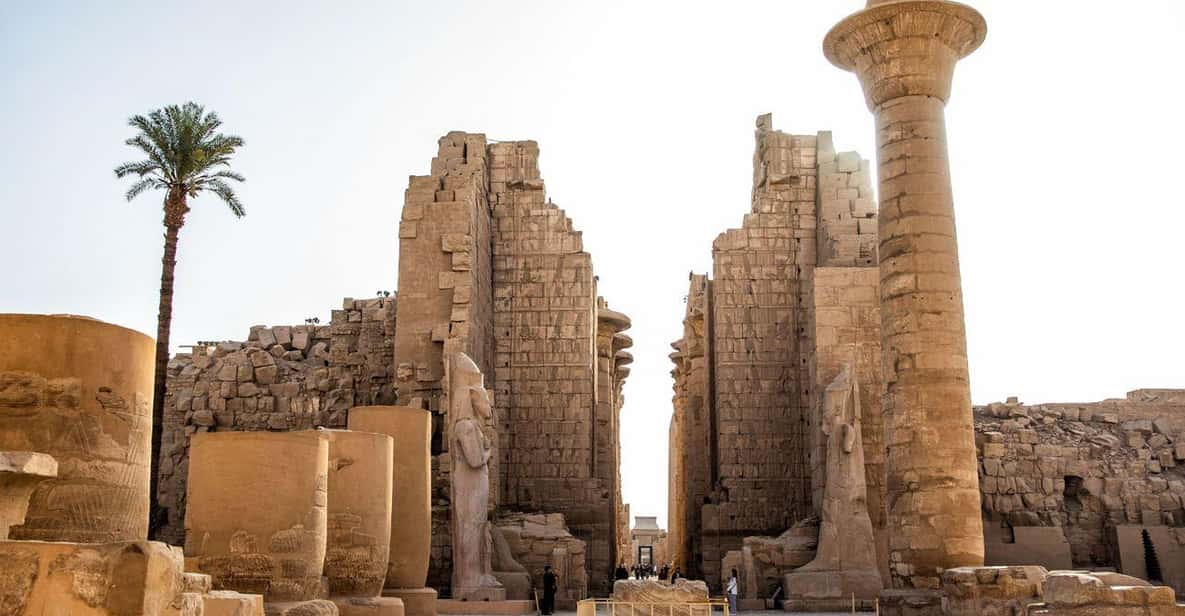
The independent day works for a particular traveler. You travel with a daypack or less, since Luxor airport has no luggage storage.
You book an early morning flight, have a Luxor driver pre-arranged with a name sign, and you are comfortable at Terminal 3 clearing security on your own with a bank card for the cashless ticket gates.
If that is you, the bare flight plus a day rate for a driver gives you the most control over pace, and a guided Karnak walkthrough of two hours leaves time to explore on your own.
The flight-inclusive tour suits everyone else, and it suits the long day best.
Pickup from your hotel before dawn, round-trip flights, both airport transfers, a private Egyptologist, entrance fees and lunch arrive as one package, and the ground team tracks return flights that slip by an hour or two, waiting at Cairo airport to finish the drop-off late at night, so you spend the day at the tombs while someone else handles the logistics.
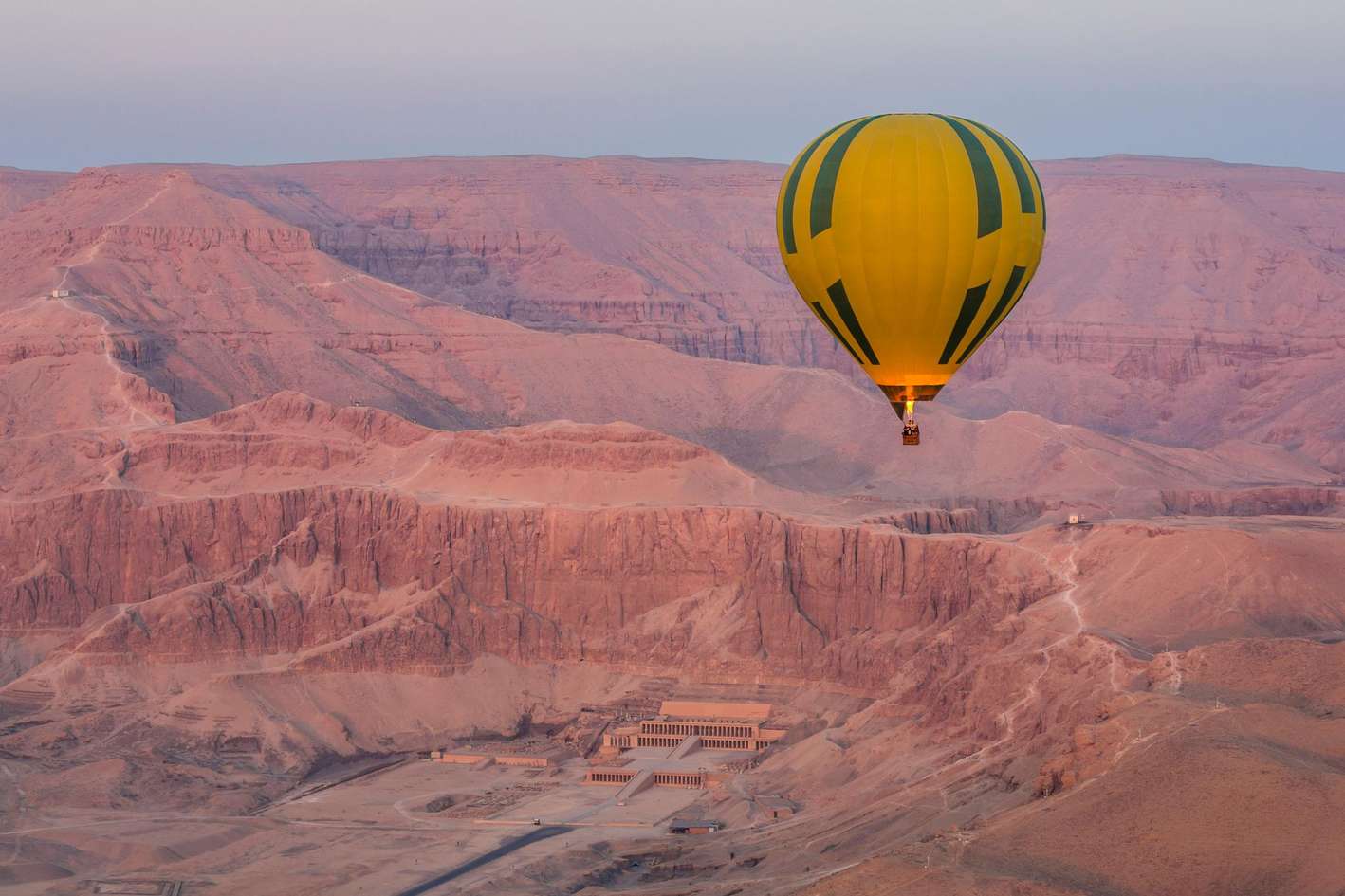
A middle option exists too: a same-day flight trip that adds the sunrise hot air balloon over the West Bank, which several of the tours here include. Wind, fog or dust can ground the balloon on any given morning, and when that happens the day's sightseeing continues as planned.
Whichever way you go, buy the full tourist visa in advance if your Egypt entry stamp is Sinai-only, and carry small Egyptian pound notes for tips at the end of the day.
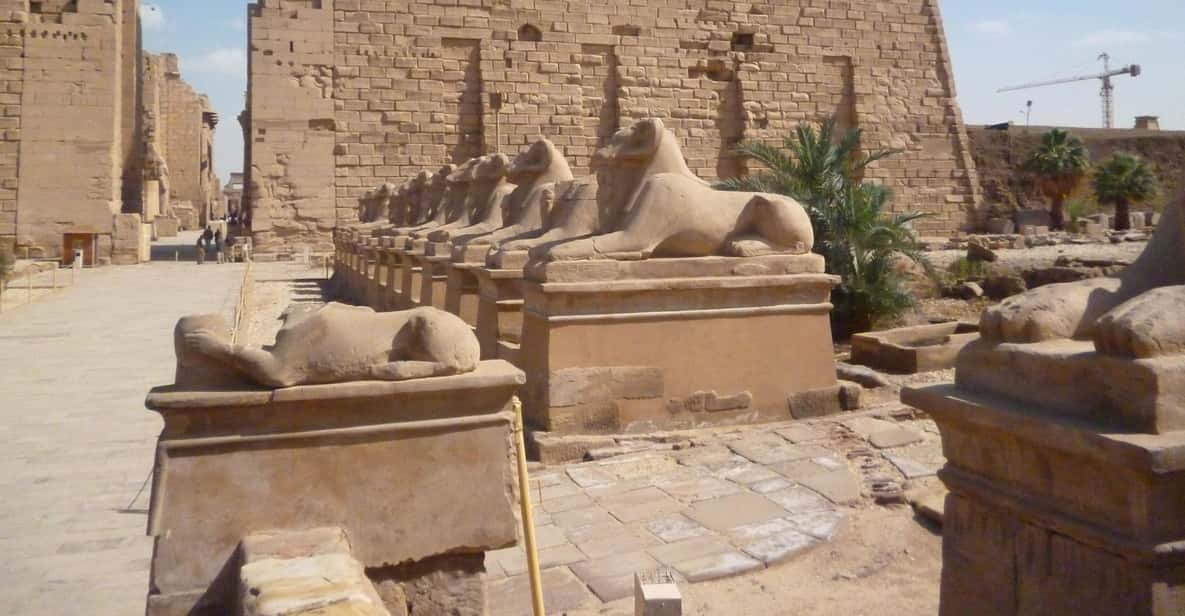
Flying Cairo to Luxor is the only way a one-day visit works: about an hour in the air against a 7.5-to-8-hour drive. The day is long, pickups from 3:30 am and back near midnight, but travelers who have done it say the early start pays off.
Book the flight yourself if you travel light and have a Luxor driver lined up. Take a flight-inclusive tour if you would rather have the transfers, entrance fees and a private guide bundled, with someone tracking a delayed return while you are still at the tombs.
Yes. EgyptAir, Air Cairo and Nile Air fly direct daily between Cairo International and Luxor International airports, with Nesma Airlines running charter flights for tour packages. Departures start from 3 am to 5 am and continue until late at night.
The flight itself takes about 1 hour to 1 hour 15 minutes, covering roughly 512 kilometers. Count 3 to 4 hours door to door with hotel transfers, check-in and security, so a round trip eats 7 to 9 hours of your day.
Four airlines serve the route: EgyptAir, Air Cairo, Nile Air and Nesma Airlines. EgyptAir is the scheduled flag carrier; Nesma operates charters on behalf of tour operators, so packages on it may have more schedule changes and no lounge access.
Departures run through the day, from around 3 am to 5 am at the earliest until 9:30 pm to midnight. The heaviest block falls between 4:30 am and 8:35 am, when day-trippers fly down.
Aim for an arrival between 6 am and 8 am to reach the Valley of the Kings before the midday heat and the tour crowds.
Yes, with a morning flight down and a return around 7:00 to 9 pm. That gives you 10 to 12 hours on the ground, enough for the Valley of the Kings, Hatshepsut's temple, the Colossi of Memnon, Karnak and Luxor Temple.
The full round trip still means a 15- to 20-hour day, with pickups from 3:30 am to 6 am.
Ticket prices vary by airline, fare class and how far ahead you book. The budgeting shortcut is to compare against flight-inclusive day tours on this site, which bundle the airfare with transfers, guiding, lunch and entrance fees for one predictable price. No price appears here because fares move constantly.
Foreign visitors need a valid Egyptian tourist visa that allows Nile Valley travel, bought online or on arrival. A free Sinai-only entry stamp does not cover Luxor or Cairo. Your passport must be valid for at least six months from your arrival date.
The right side. It flies closer to the Nile corridor, so you see the Giza Pyramids on departure, the green strip through the desert, and the West Bank cliffs above the Valley of the Kings during the descent.
Foreign visitors traveling long distances by road need authorized tourist transport, and the route passes frequent checkpoints. Driving takes about 7½ hours against roughly 1 hour in the air. Most travelers either fly or book a transfer or tour that handles the road leg properly, and night driving is best avoided.
Weigh flying against the train, the road and the river before you commit to a booking.

Sleeper trains run overnight, so you arrive rested instead of landing after a pre-dawn alarm.
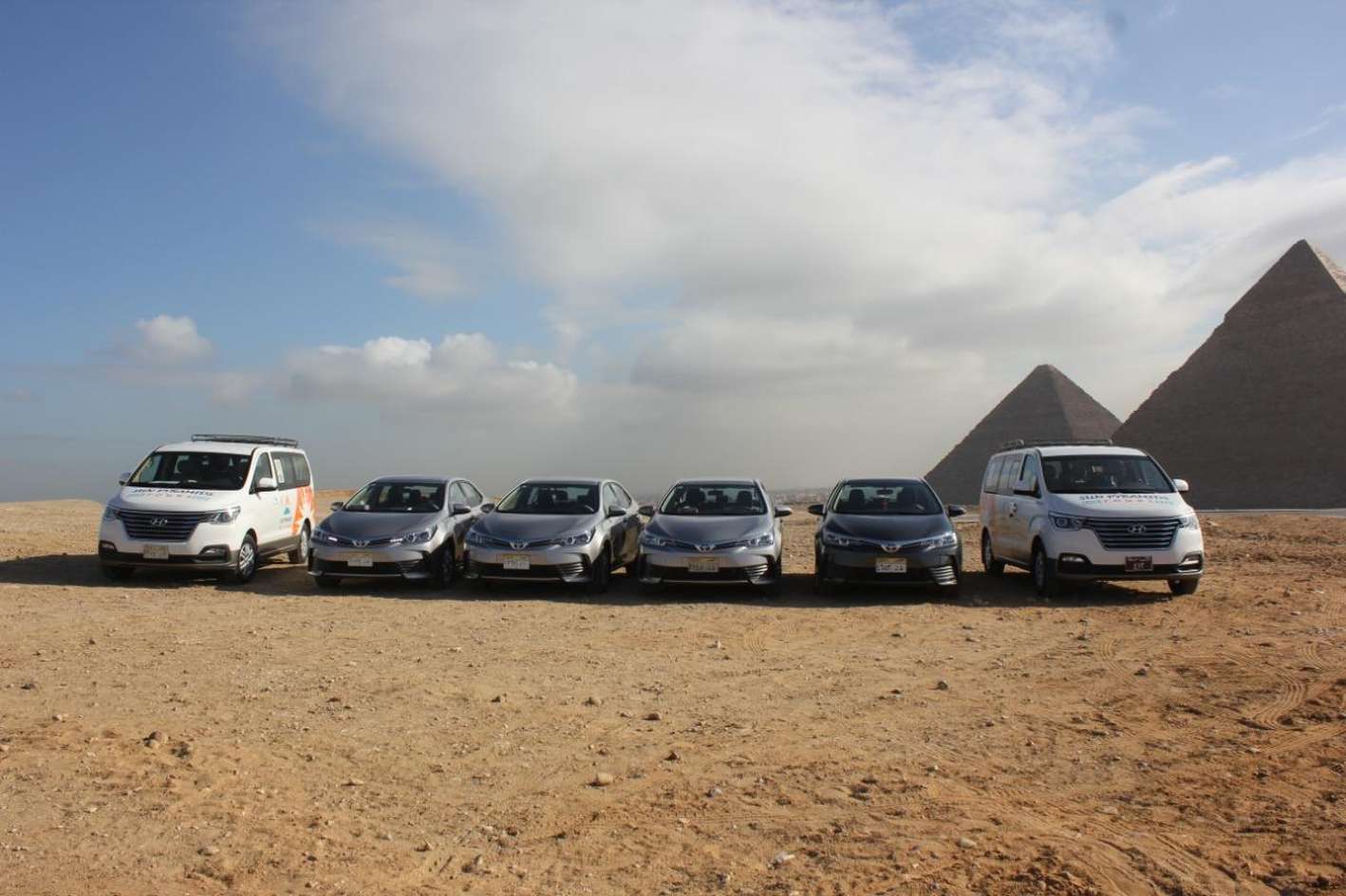
A private car takes about eight hours on the road, with daylight driving the rule.

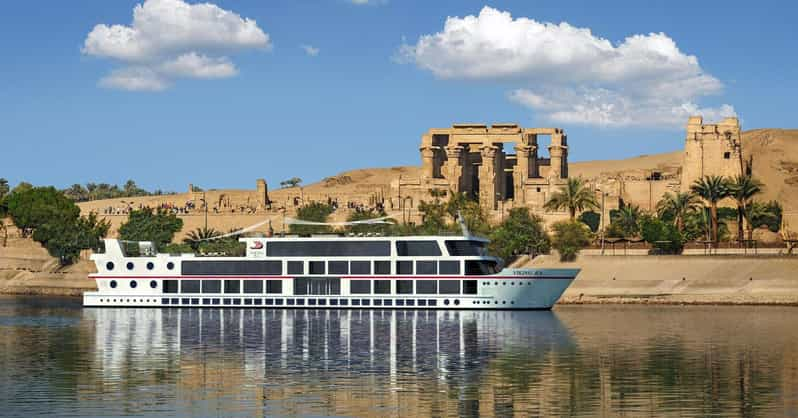
Boats do not sail straight from Cairo, so a short cruise starts with a flight south.
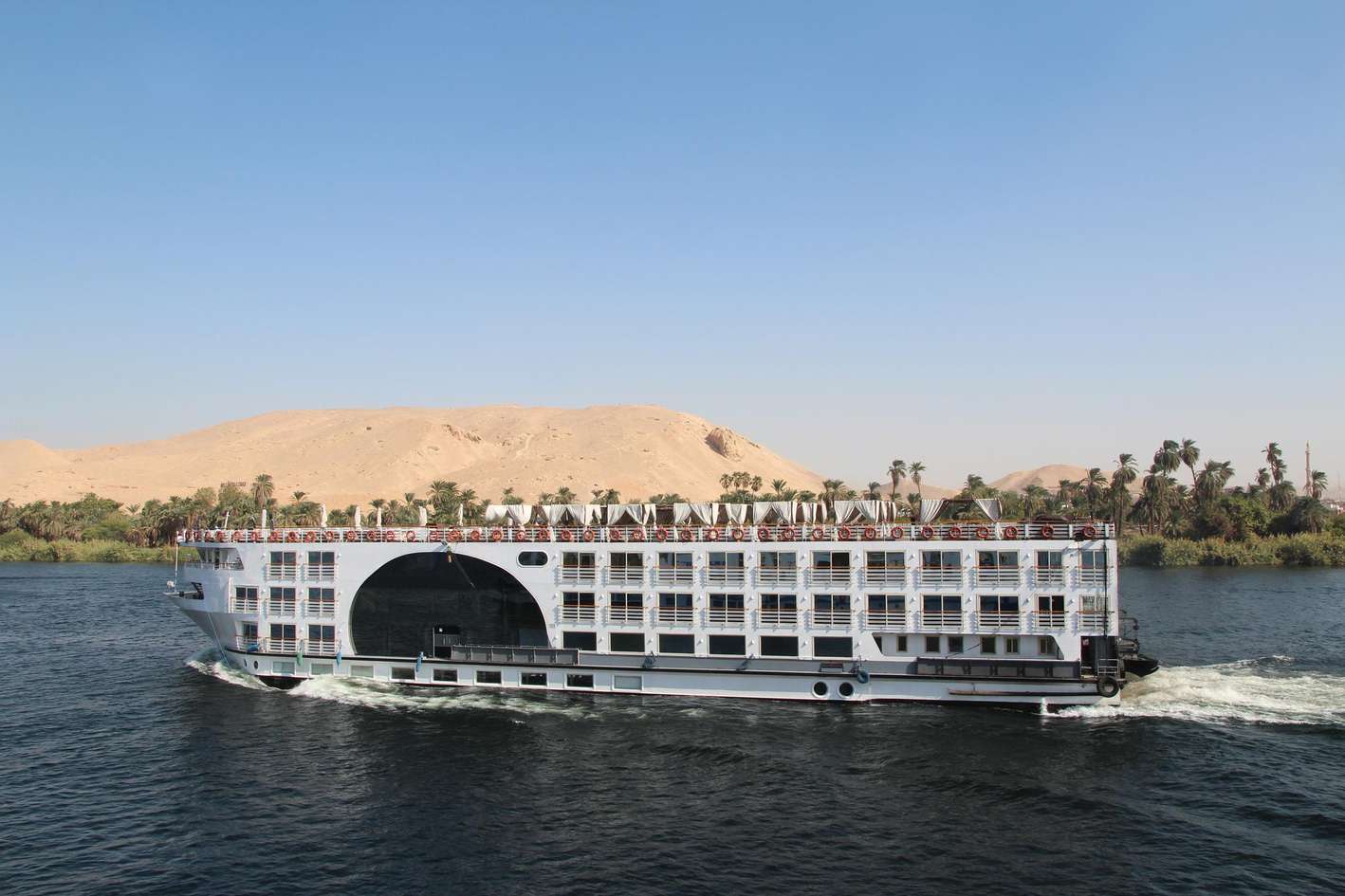
Three and four-night cruises between Luxor and Aswan pair well with your flight schedule.
Flying to Aswan adds about 25 minutes in the air compared with the Luxor run.

Downriver sailings from Aswan dock in Luxor, so you can fly one way only.

Short cruise options show how little river time a tight trip can still fit in.
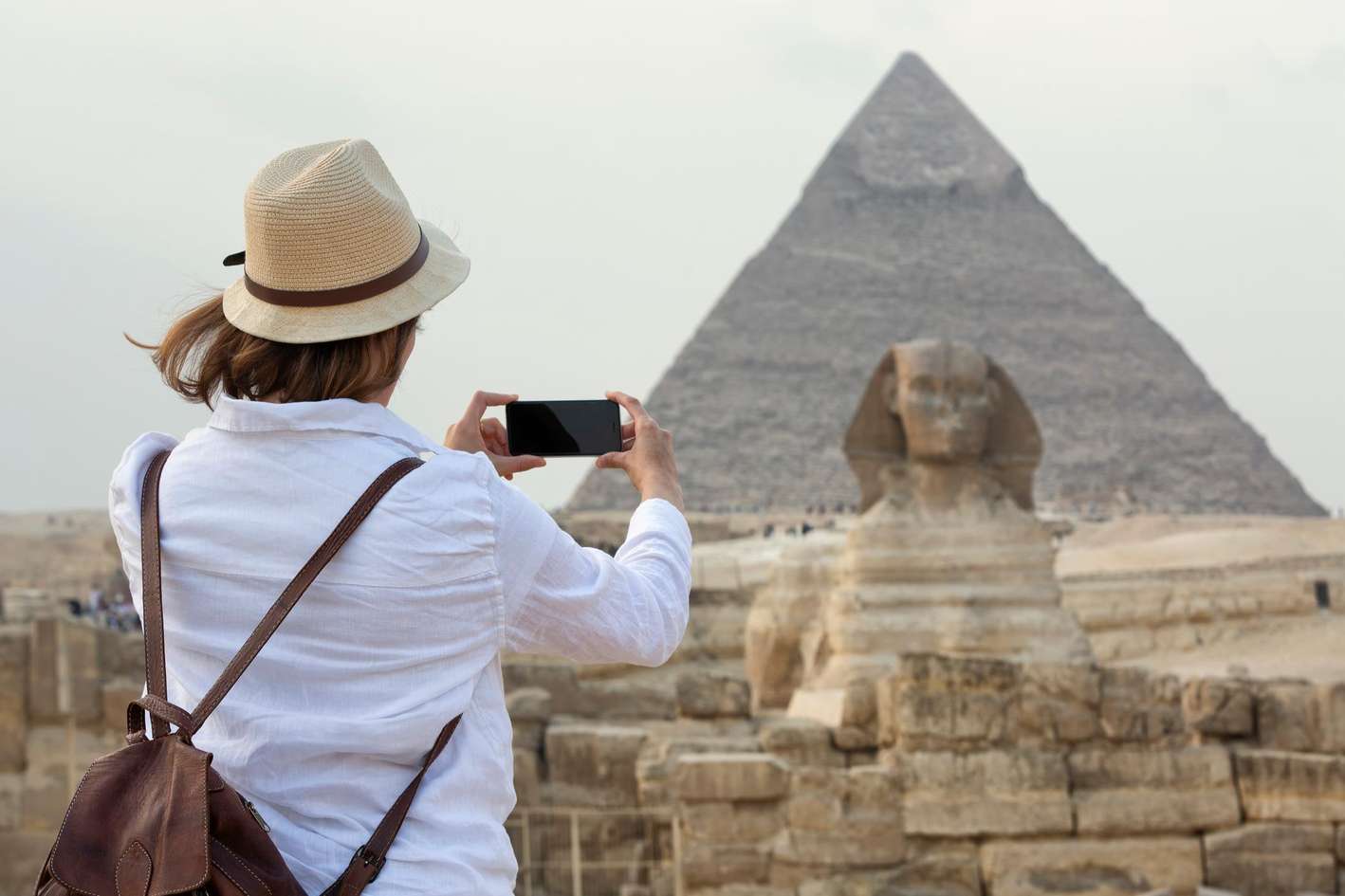
In Cairo, a two-hour dinner cruise puts you on the water without leaving the city.
Day tours bundle flights, transfers, tickets and a guide into one booking.

From Hurghada, a road day trip runs four to five hours each way to reach Luxor.
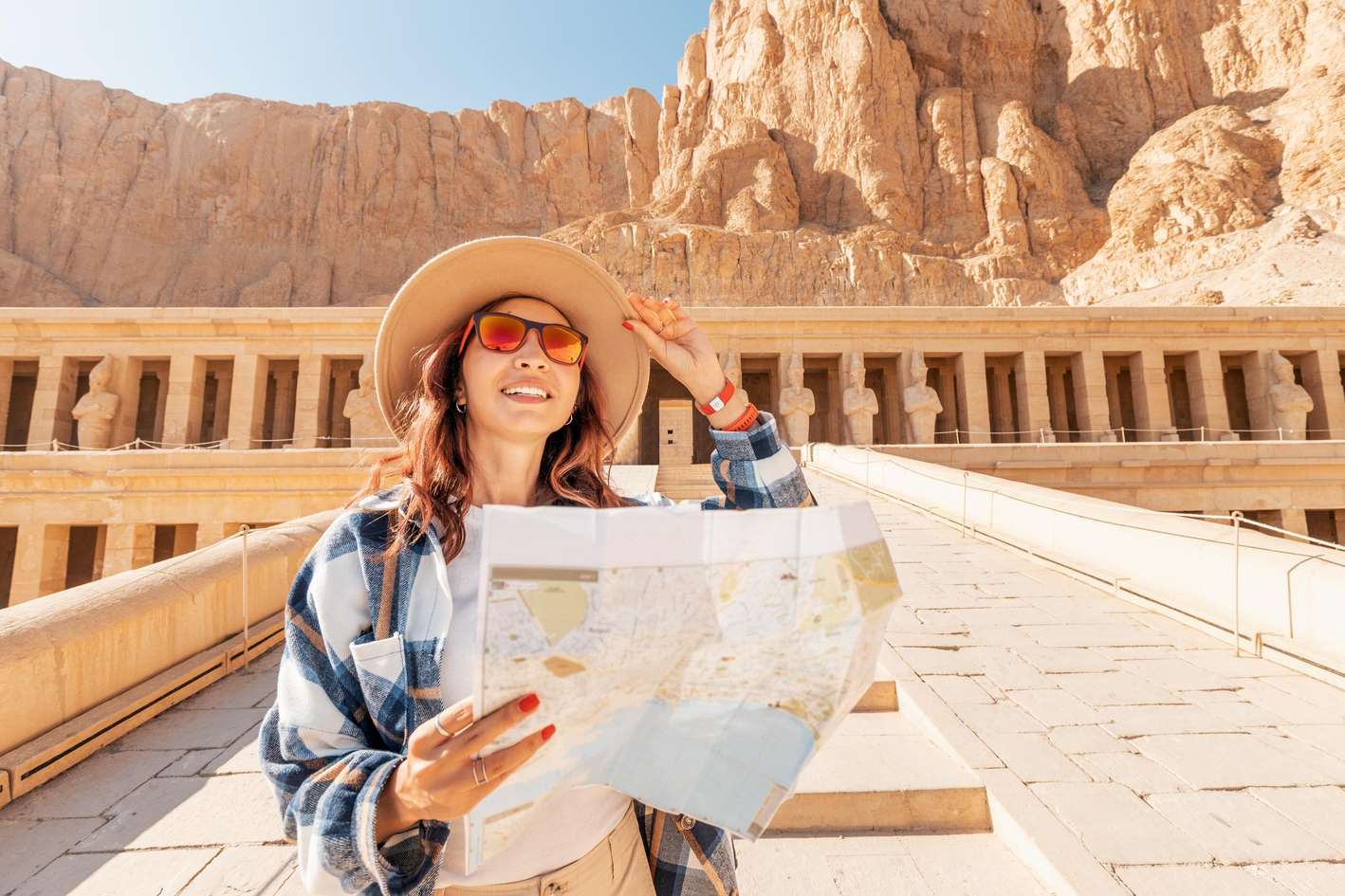
Marsa Alam trips drive north toward Qena before turning south to Luxor.

A Sinai-only stamp does not cover Luxor, so check your visa before booking flights.
Already in Luxor? A day trip south to Philae and the High Dam fills a spare day.
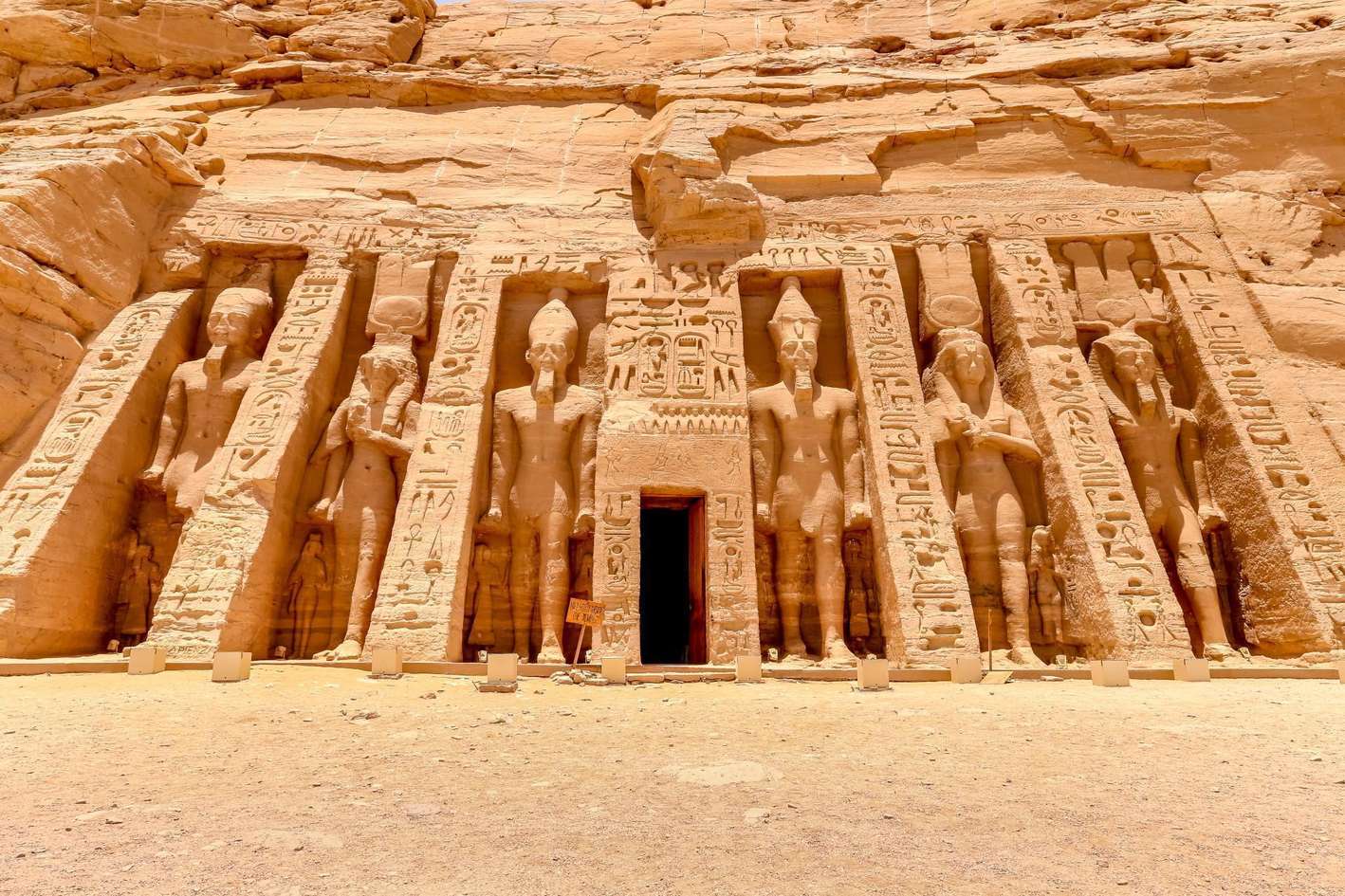
Abu Simbel sits three hours south of Luxor by road, best built into a cruise or tour.
Balloon flights lift at dawn, so an overnight in Luxor beats a same-day return.
Karnak opens at 6 am with last entry at 4 pm, year round.
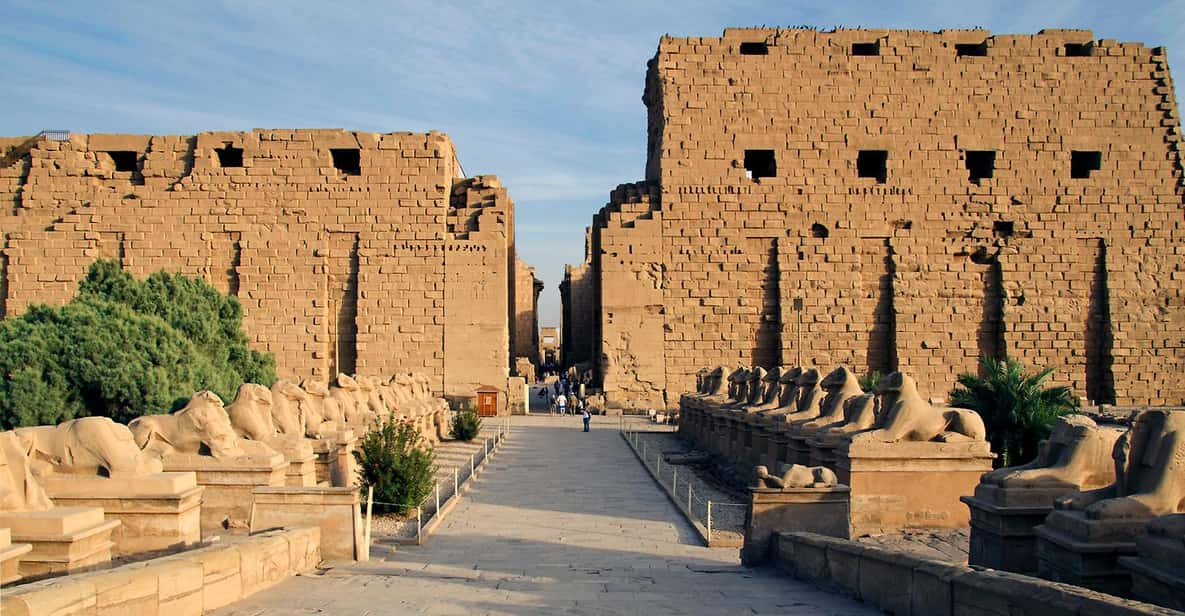
Private guide, round-trip flights, entrance fees, lunch and a felucca ride in a single day, with free cancellation up to 24 hours before you fly.