Nile Cruise from Cairo Cruise Packages and Tour Options
Book a Nile cruise from Cairo in one package - flights, hotel pickup, a 5-star ship and guided temple stops all sorted for you. Sail from Aswan to Luxor with a sunrise balloon over the West Bank and every meal on board covered. Pick your dates and start drifting.
"Ahmed Sony guided us on day one, so patient and full of explanations, you can tell he genuinely loves his job. Hoping the next guides are just like him."
4.3★average rating507traveler reviews100%free cancellation53countries travelers came from
Choosing a Nile Cruise from Cairo
No short cruise sails out of Cairo itself, so every package starts with a flight south to Aswan or Luxor, where the boats wait. The real choice is length: a four or five-day sailing between the two cities, or an eight-day trip that adds Cairo sightseeing, the Pyramids, and a return flight at the end.
VisaA standard Egyptian tourist visa covers travel to the Nile Valley, but a Sinai-only entry stamp does not, so anyone arriving through Sharm el Sheikh needs the full visa before flying south.
PassportEgyptian entry rules require a passport valid for at least six months from your arrival date.
BagsEgyptAir domestic flights allow one checked bag up to 23 kg and 8 kg of carry-on in economy.
DroneDrones cannot enter Egypt under any circumstances, so leave one at home rather than lose it at customs.
BookingReserve your cruise and domestic flights eight to twelve weeks ahead for the December to February high season, when cabins and seats fill early.
SailingThe Aswan to Luxor direction takes three nights, while sailing upriver the other way takes four.
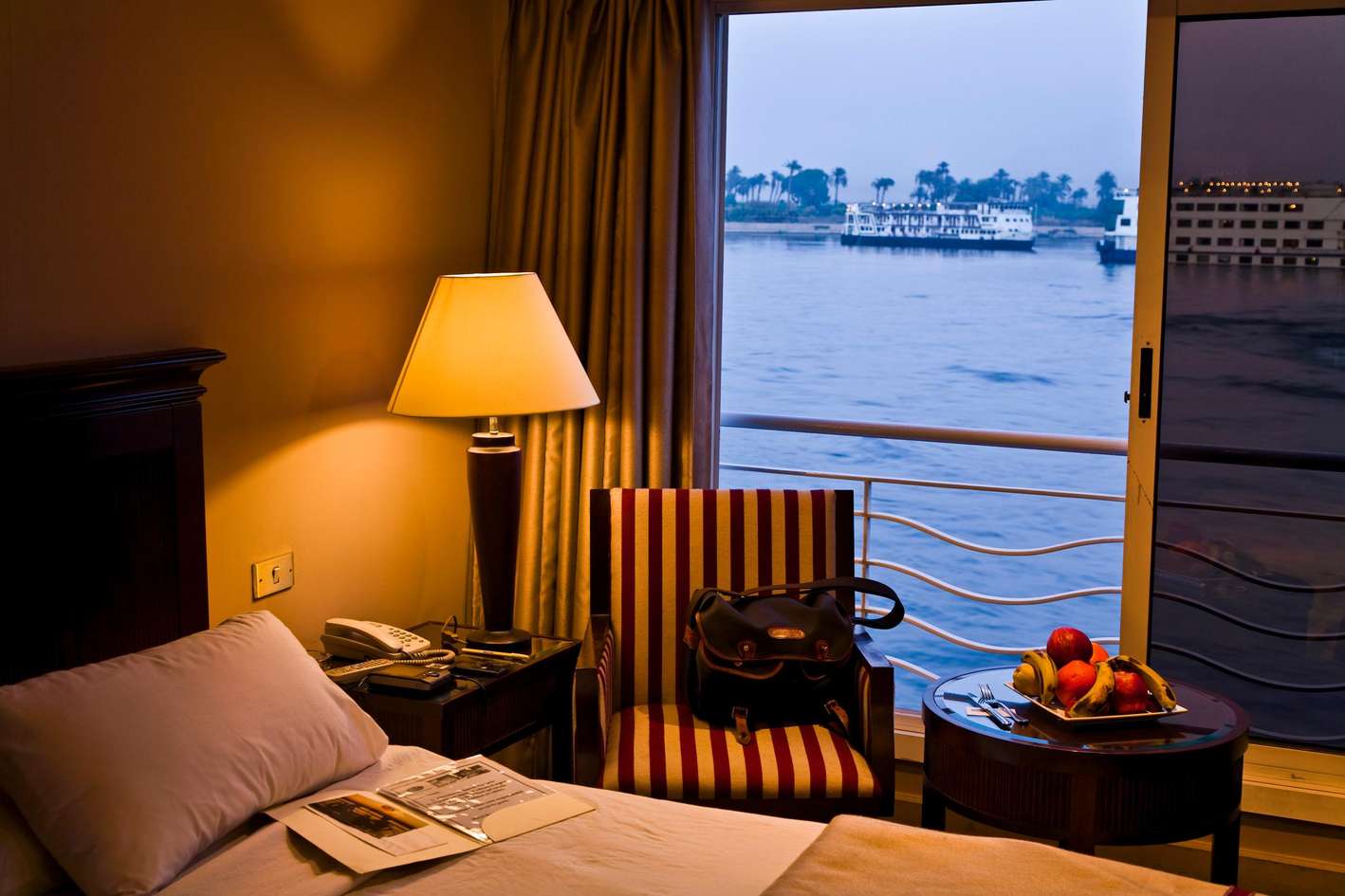
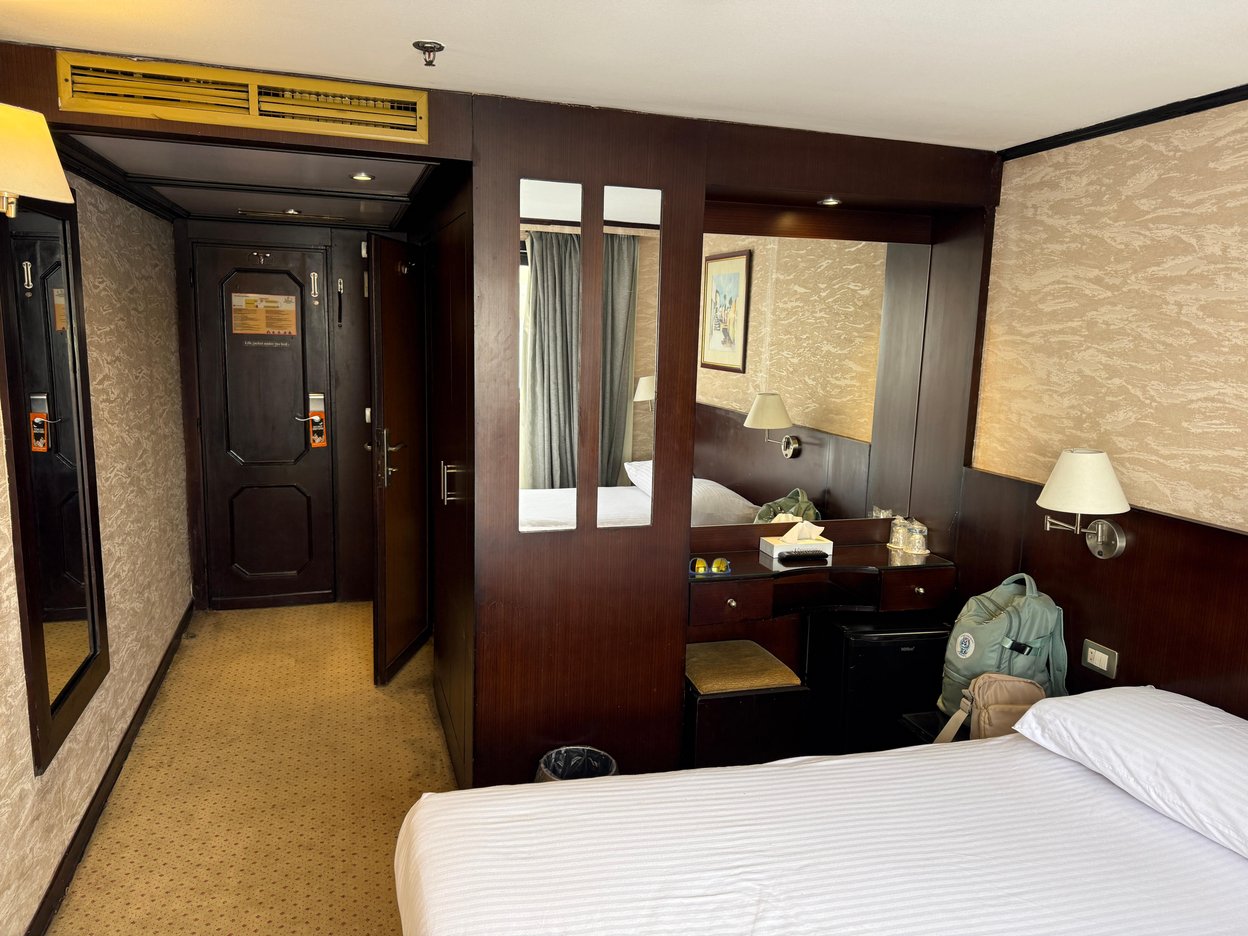
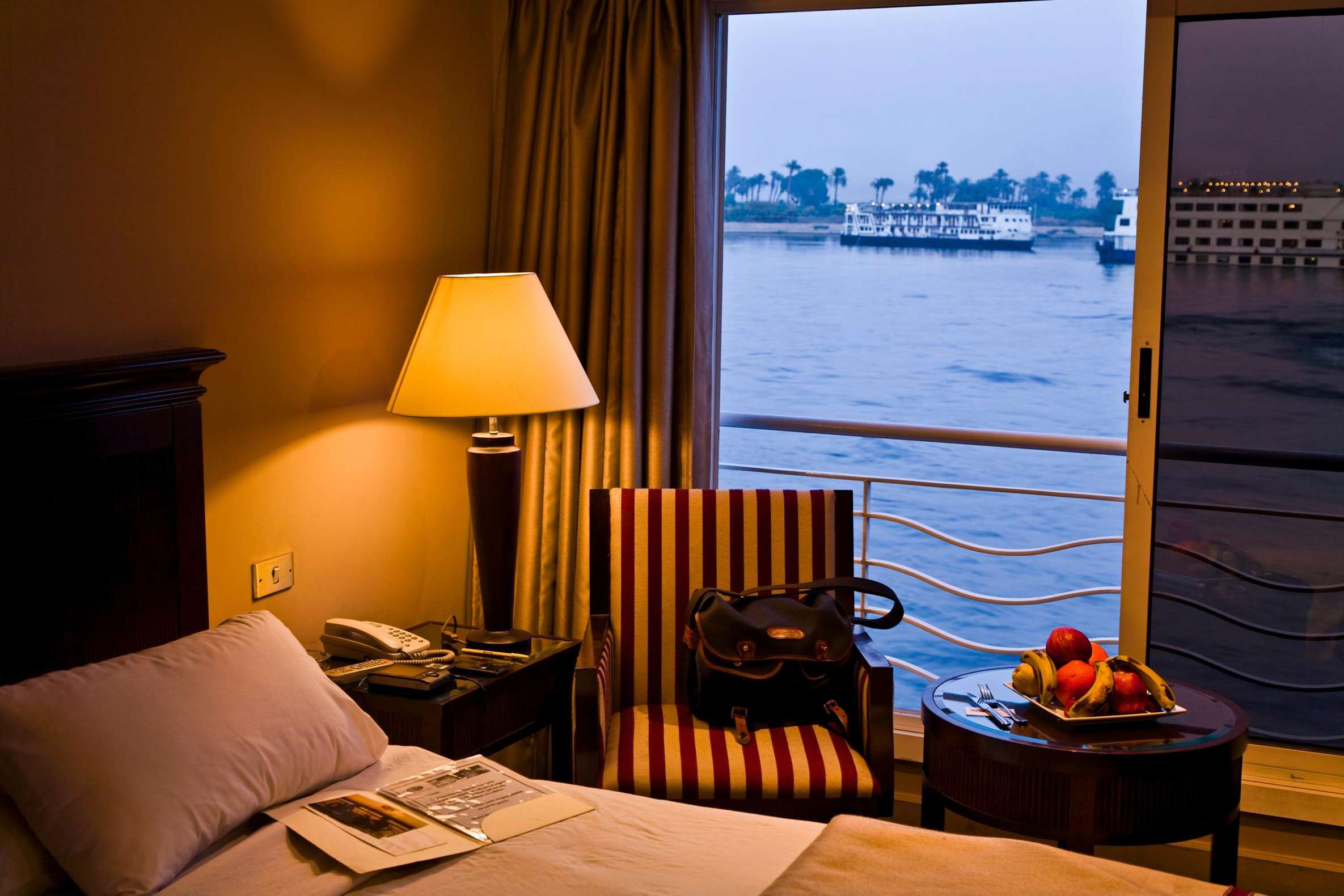
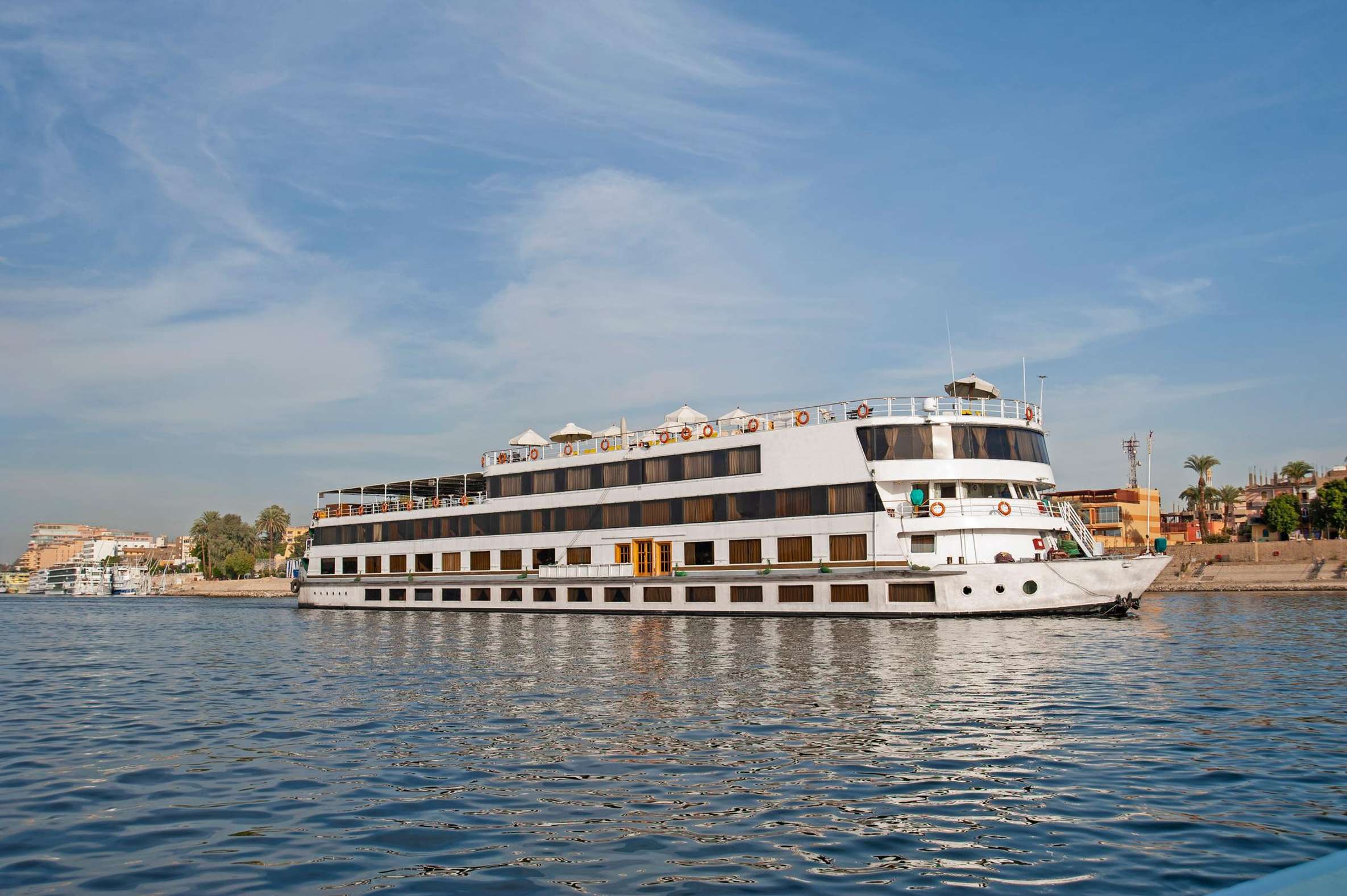
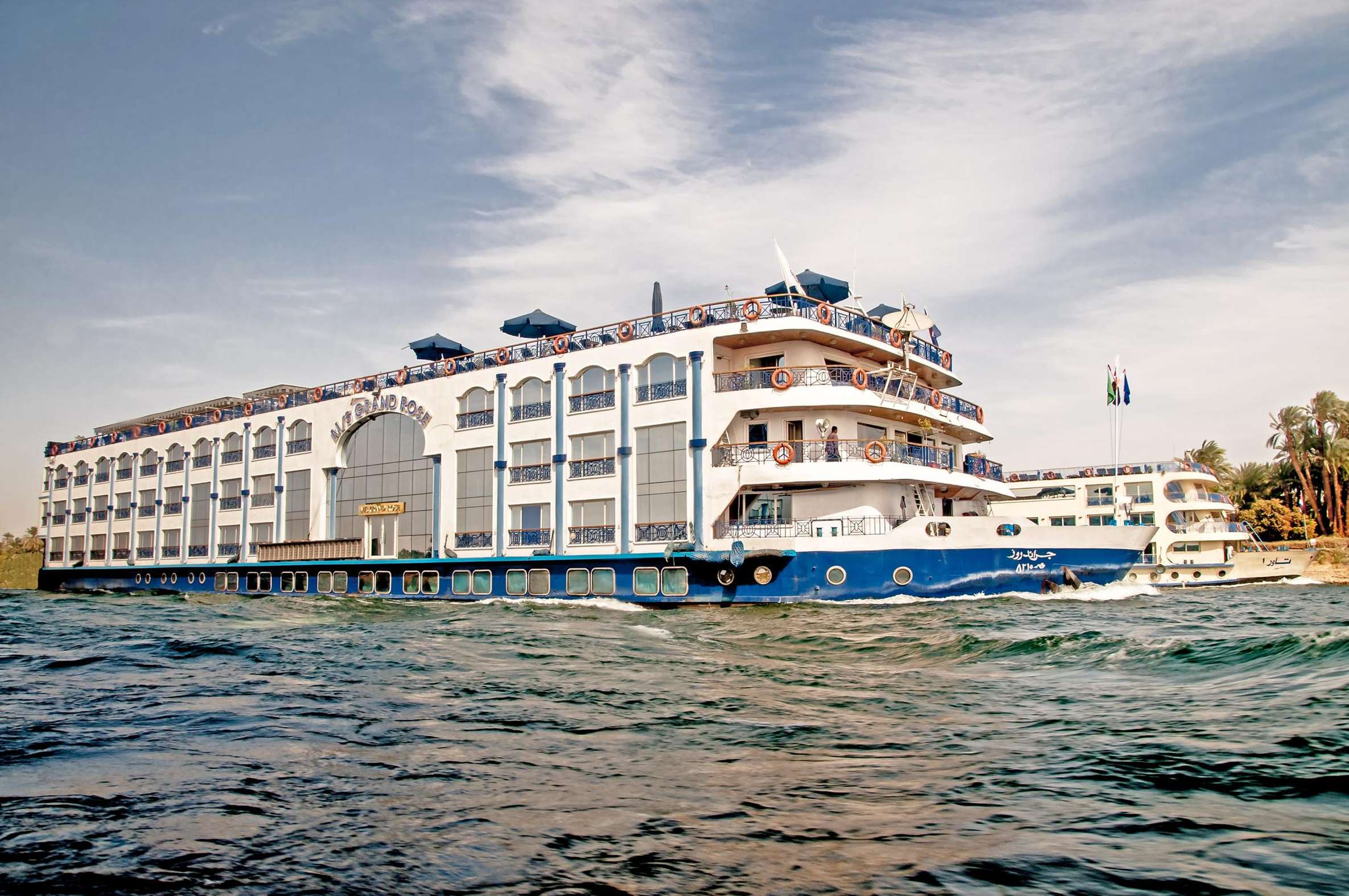
ComfortStandard cabins run about 18 to 22 square meters, and in peak months ships moor side by side, so your window may face another boat.
ExtrasOn full-board cruises, meals are covered but drinks, even water, are billed separately, and entrance fees are excluded on most packages.
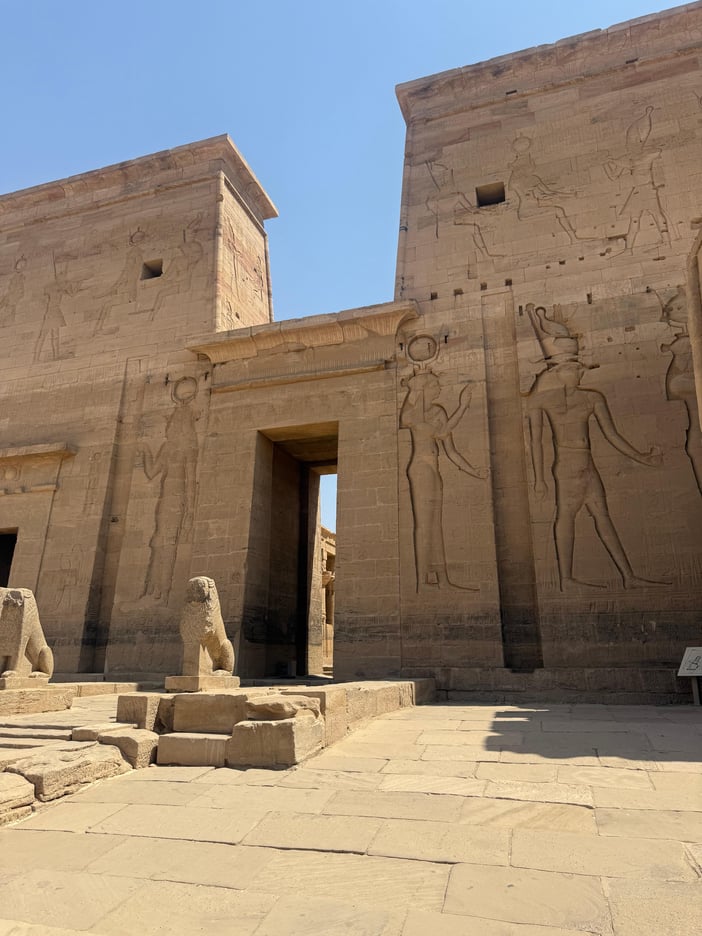
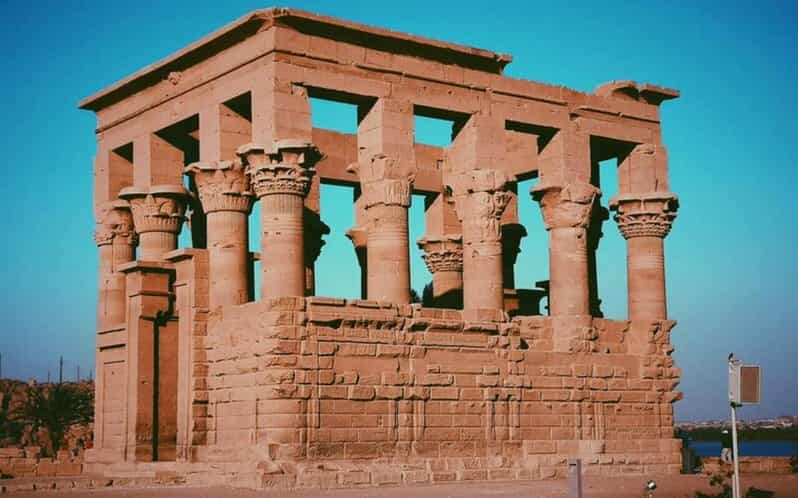
MobilityGangway steepness changes with river levels, and Philae is reached by small motorboats without ramps, where guides help passengers aboard.
documentA full Egyptian tourist visa and a passport valid for at least six months from arrival are required to board the domestic flight from Cairo to Luxor or Aswan, and a free Sinai-only entry stamp does not cover the Nile Valley.
Buy a standard single-entry or multiple-entry visa online before you fly or on arrival in Egypt, and check your passport's expiry date before booking a Nile cruise package that starts with a flight.
Which Nile cruise package fits your days
Cheapest 4 days
4 days·Arabic, English
4.5(162)
From Cairo: 4-Day Nile Cruise to Luxor with Balloon Flight
Lowest entry point at 4.4 stars from 152 reviews, with the sunrise balloon over Luxor already in the price.
Free cancellationHotel pickup includedDeparture and return flight tickets
Most nile cruise sailings between Luxor and Aswan run three or four nights, and this page sorts the choices by length, direction and route.
You board in Aswan or Luxor after a short flight from Cairo, then wake up each day beside a temple. It suits first-time visitors who want the river experience without piecing together hotels and transfers themselves.
Short cruises cannot start directly in the capital, because sailing the full river takes around two weeks, so every practical nile cruise itinerary begins with a flight south.
This page explains how that connection works, where ships moor in Aswan, and what the upriver days look like. Read it if you want the route details before choosing a direction.
Downriver is the classic direction: three nights sailing from Aswan to Luxor, with Abu Simbel, Kom Ombo, Edfu and the West Bank tombs folded into the program.
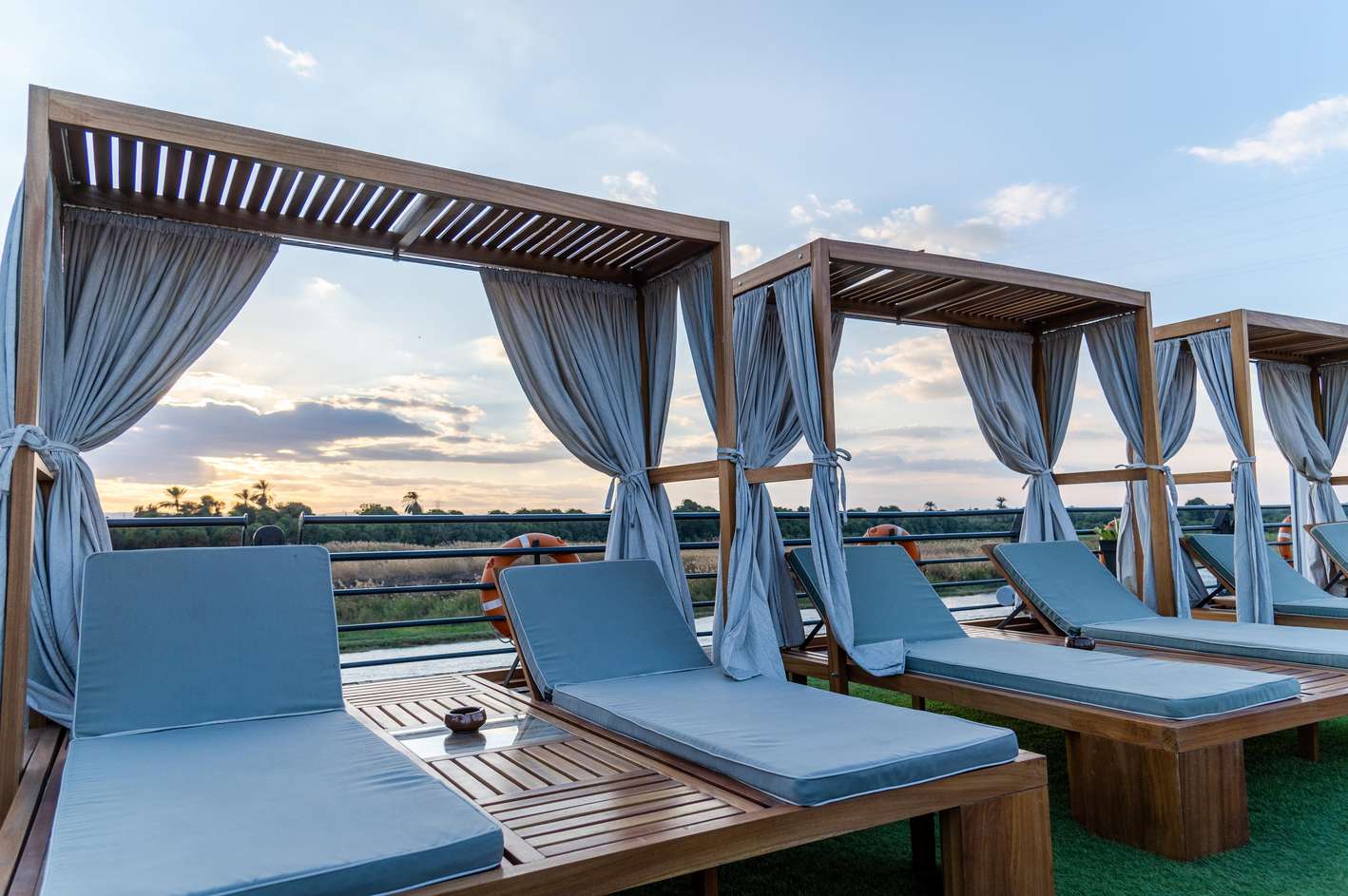
Mornings go to temples, midday to the sun deck as the banks slide past. This page compares the three- and four-day packages, including ones with a sunrise balloon flight over Luxor.
With only a few days free, a nile cruise still works: fly south, board at Aswan or Luxor, and sail two to four nights between the temples.
The compact itineraries cover Kom Ombo and Edfu without separate day trips. This page shows which short formats fit a tight schedule and how the flight connection is arranged.
No flights or days of sailing needed for this one: a two-hour evening nile cruise on the river right in Cairo, with dinner and live entertainment on board as the city lights move past.
It suits travelers with a free evening before or after their Luxor trip, or anyone who wants a taste of the river without a multi-day commitment.
Four days by flight and boat. The trip starts with an early pickup in Cairo, a short flight to Aswan, and a first afternoon of sightseeing before you board.
From there the ship becomes your hotel: three nights of full board, meals on deck, and guided stops along the river as you sail north toward Luxor.
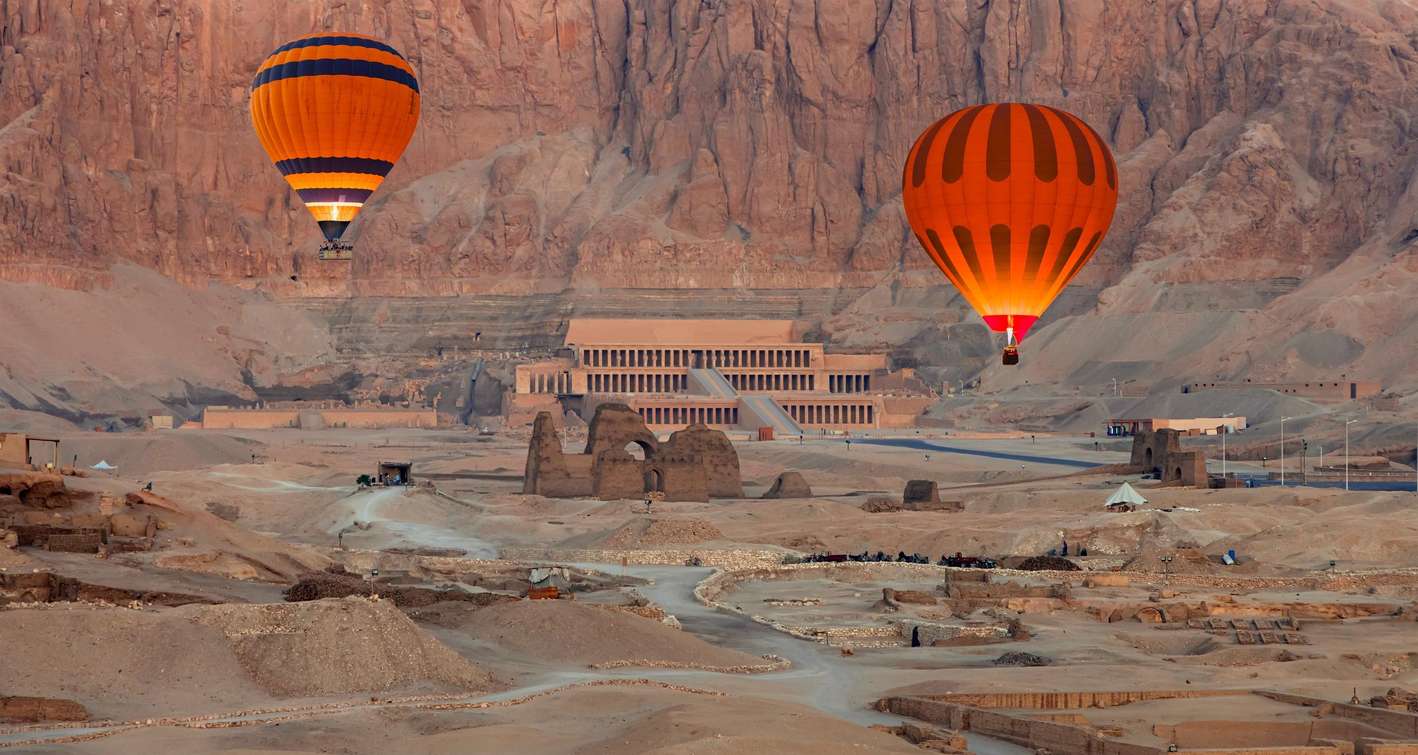
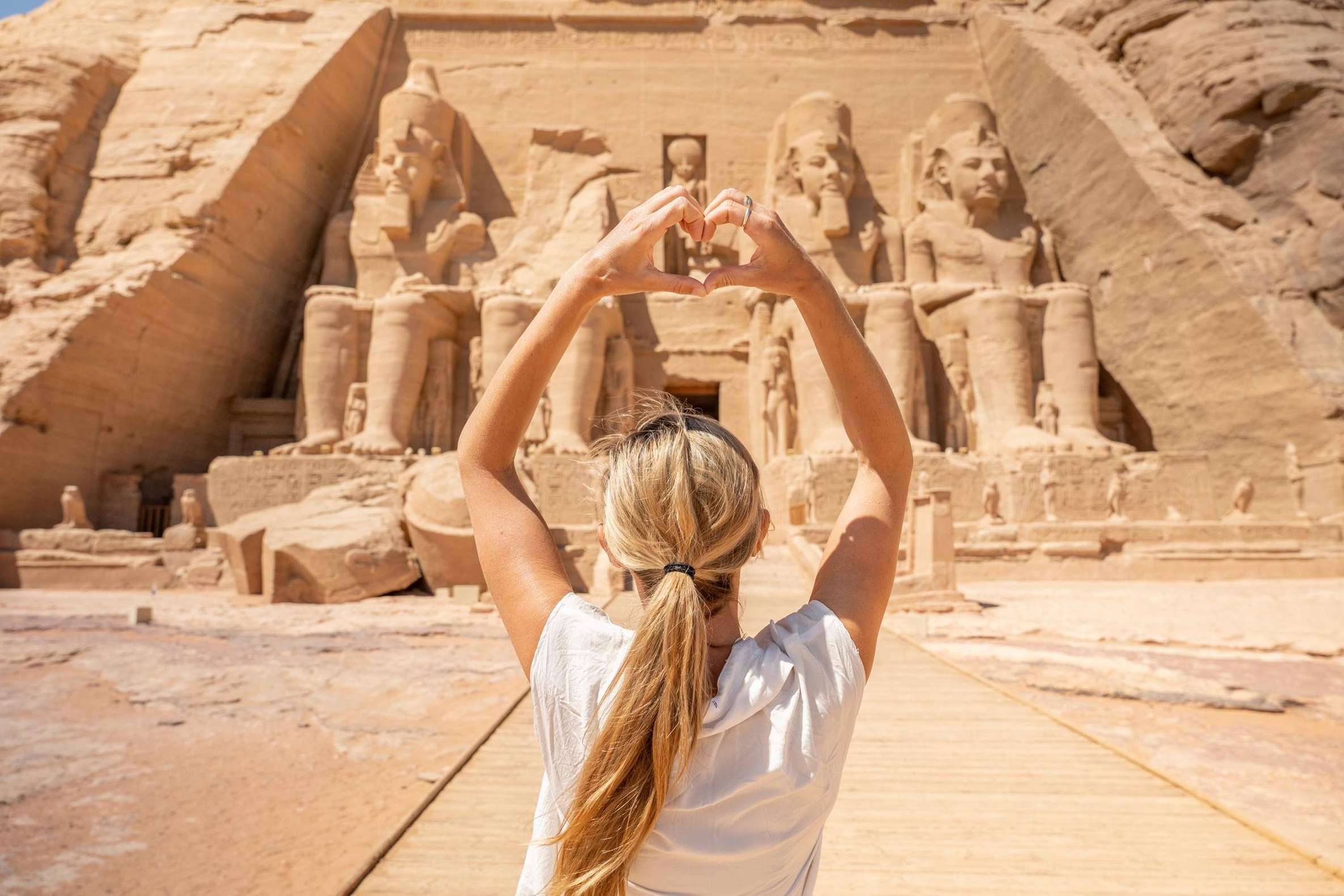
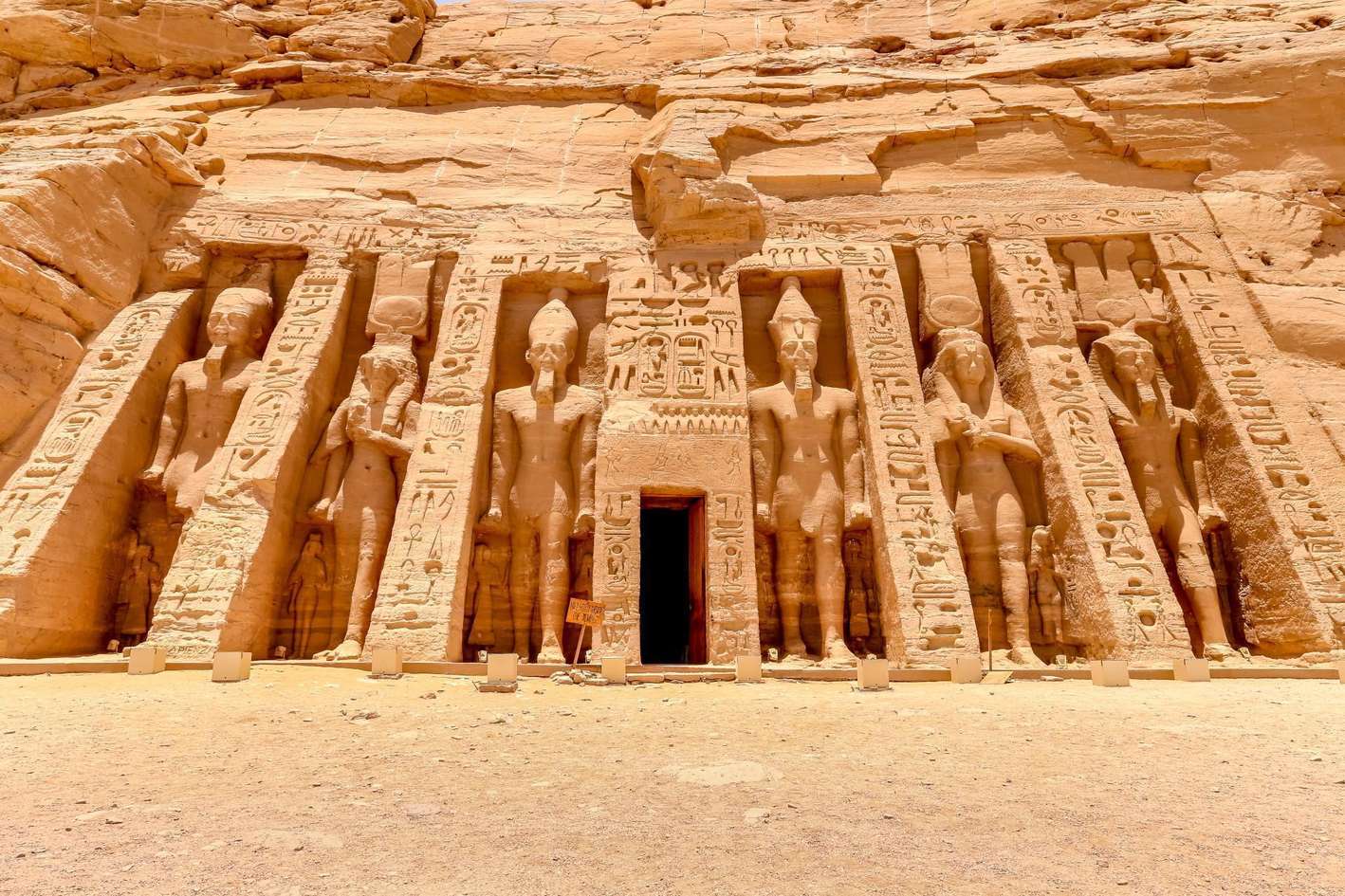
In between come the big names. Abu Simbel sits at the far end of a dawn drive from Aswan, Kom Ombo and Edfu follow as the ship moves, and Luxor closes the trip with its West Bank tombs, Karnak, and a sunrise balloon flight.
Entrance tickets and drinks are not part of the package; flights, transfers, guide, and meals are.
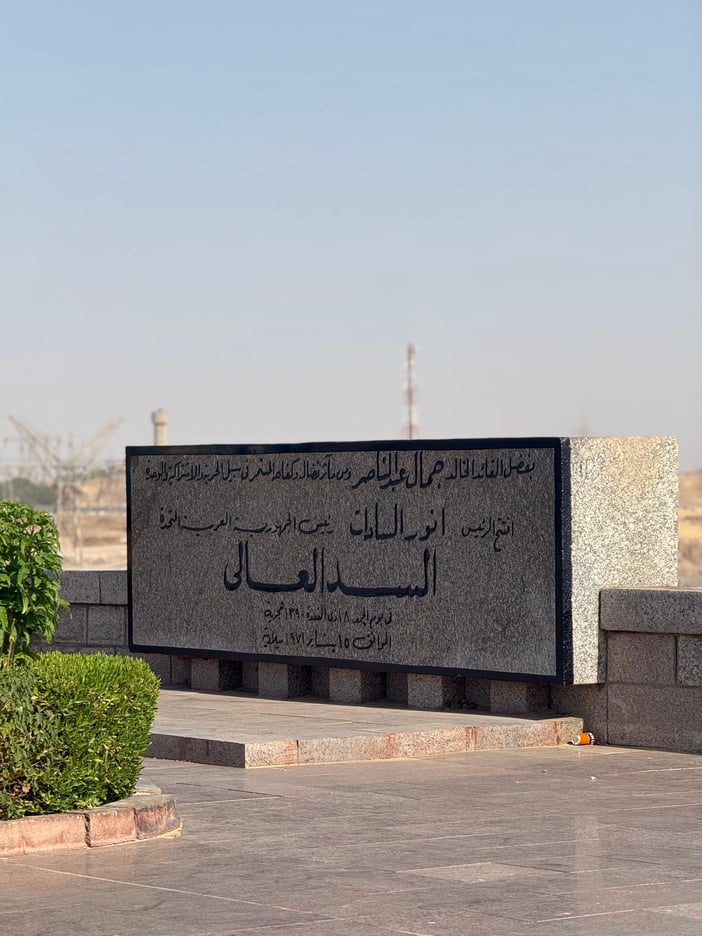
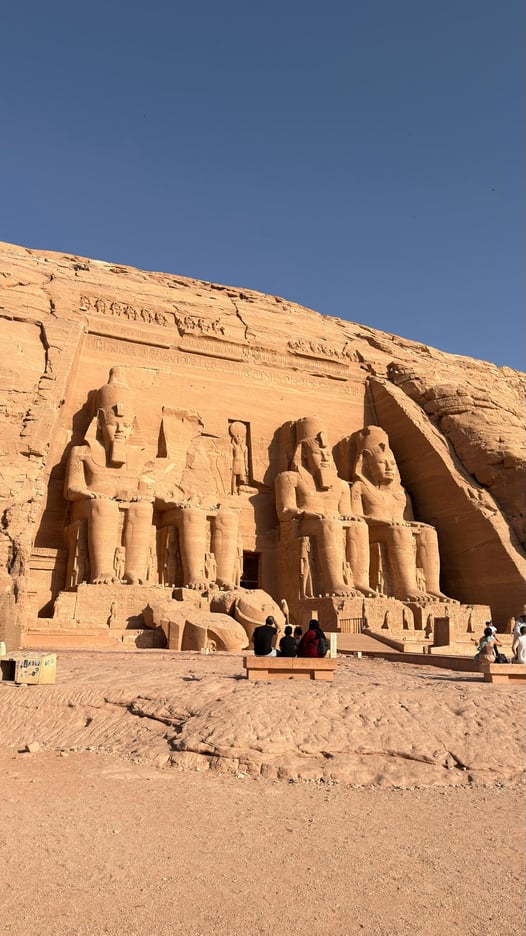
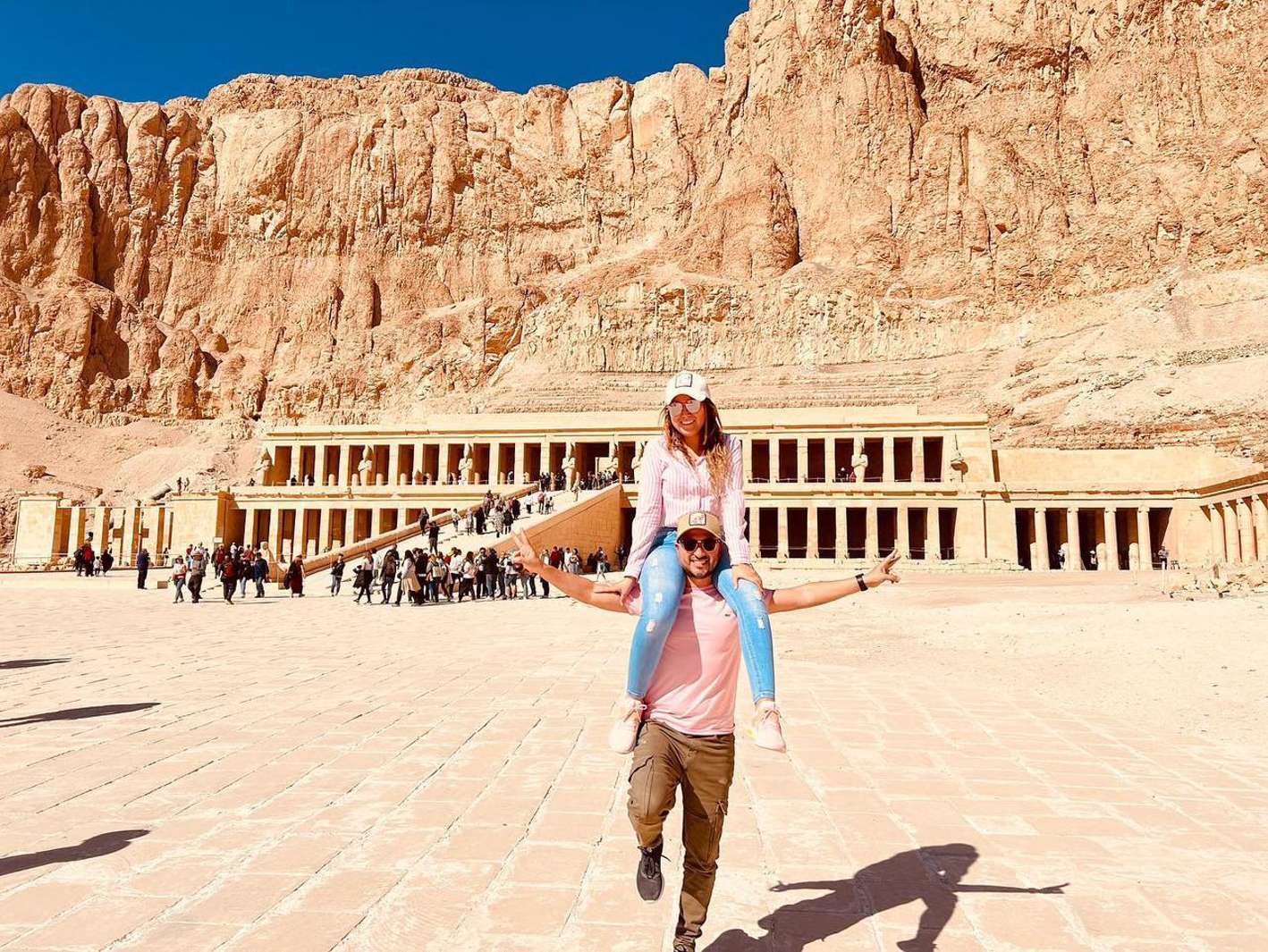
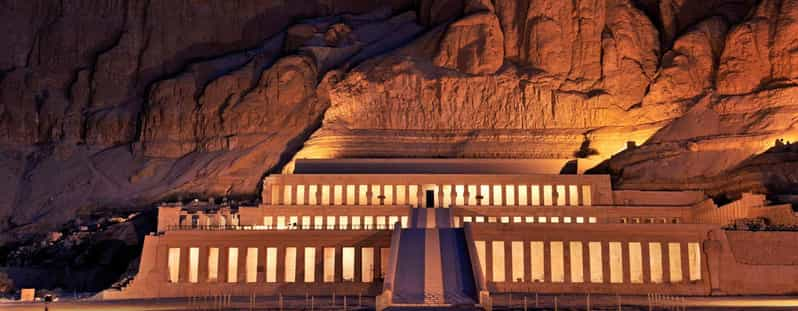
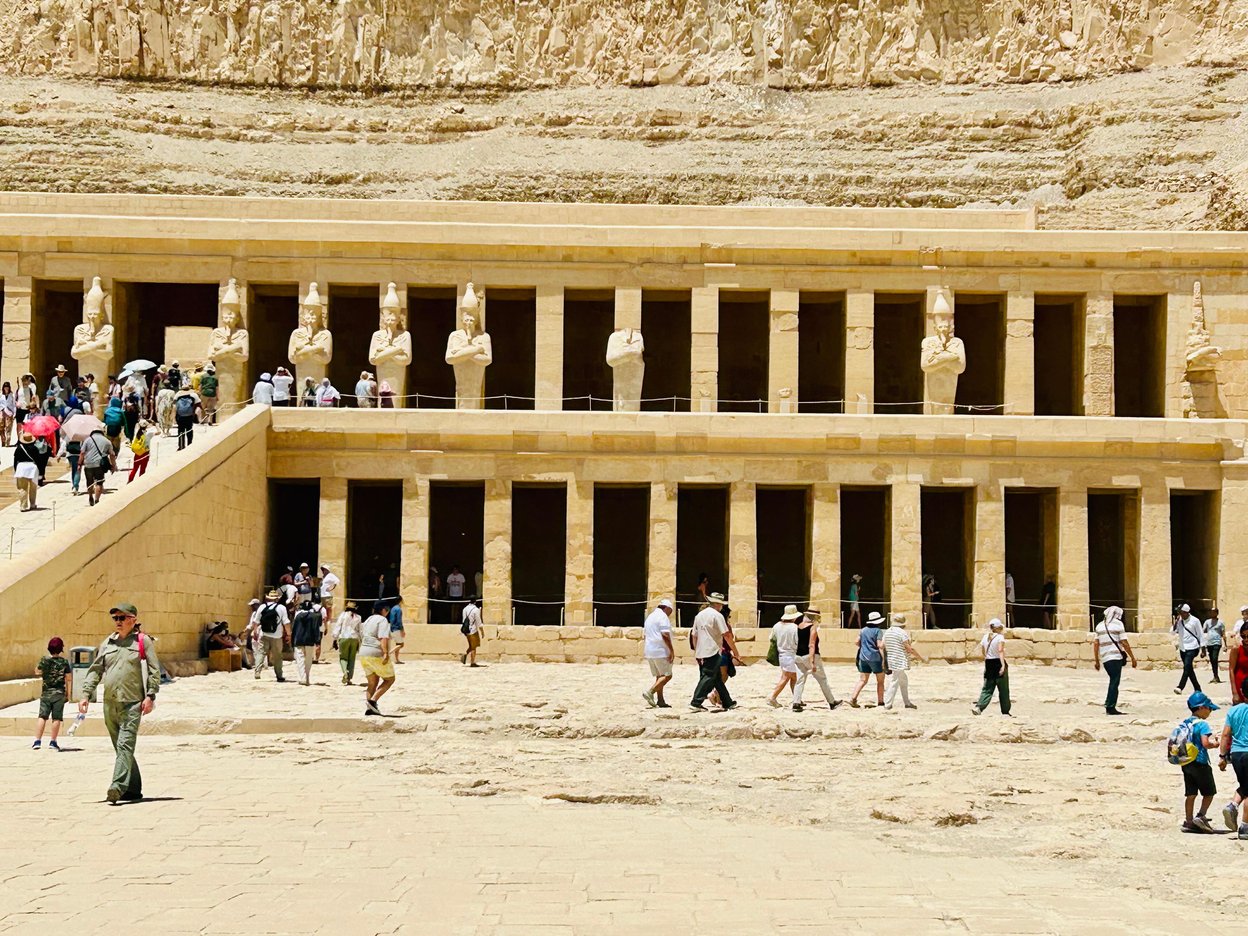
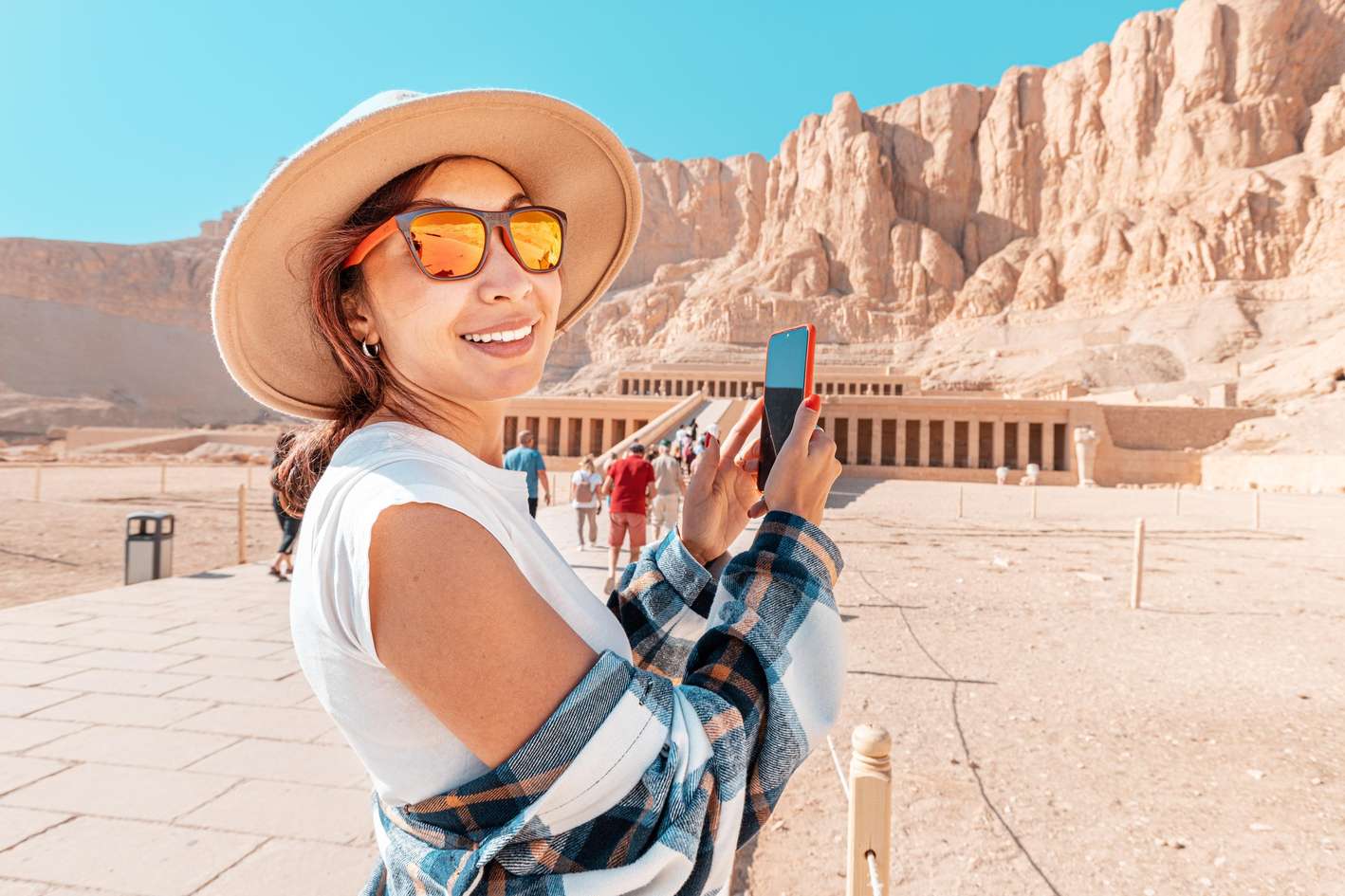
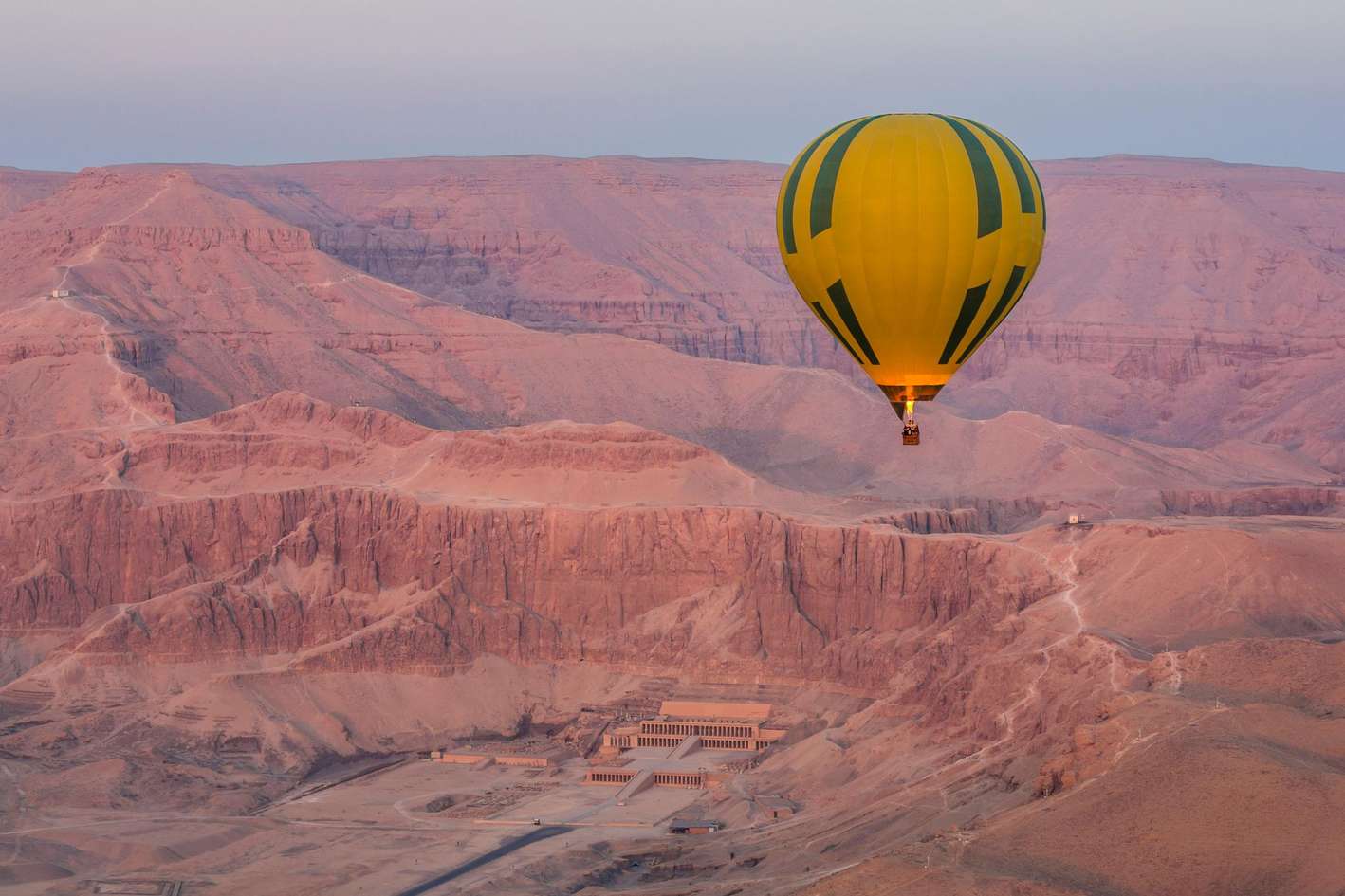
1Aswan before boarding· about 960 minYour guide and driver meet you at the airport for the High Dam, the Unfinished Obelisk, and a motorboat ride to Philae Temple, dedicated to Isis. Lunch and your first night fall on board.2Sunrise at Abu Simbel· about 960 minA 4 am start with a breakfast box from reception takes you to the rock-cut temples Ramses II built for himself and Queen Nefertari. The ship sails after lunch.3Kom Ombo and Edfu· about 1440 minKom Ombo sits right at the dock, a temple split in two for the crocodile god Sobek and the falcon god Haroeris. At Edfu a horse carriage carries you to the Temple of Horus.4Luxor, aloft and underground· about 2400 minA hot air balloon lifts you over the West Bank at dawn, then come the Valley of the Kings tombs, Hatshepsut's terraced temple, and Karnak before the flight back to Cairo.
Included
Departure and return flight ticketsHotel pickup and drop-offAccommodation for 3 nights on a 5-star cruise with full boardTransportationHorse carriage to the Temple of Horus in EdfuEnglish-speaking guide
Not included
Spanish, German, Italian, or French-speaking guide (available as an add-on)TipsEntrance ticketsAll types of Drinks Including water
Nile Cruise packages compared
Green marks the lowest price. Prices per person.
Tour
Price
Duration
Languages
Best for
Our pick
From Cairo: 4-Day Nile Cruise to Luxor with Balloon Flight
4.5★ (162)
from $1,170lowest price
4 days
Arabic, English, French
travelers who want a classic Aswan to Luxor sailing with Abu Simbel and a sunrise balloon
Most reviewers praise their guides by name, calling them knowledgeable, patient, and quick to bring every temple story to life.
Best surprise
Many did not expect the hot air balloon flight over the West Bank, and several call it the highlight of the whole trip.
Most common wish
Several wished someone had told them upfront about tips, entrance fees, and drinking water, so they could budget the full trip.
How to book a Nile cruise with a Cairo stay
01
Pick your departure day
Cruise ships sail to fixed weekly rotations, so your Cairo flights must line up with them. Most boats leave Luxor on Mondays and Aswan on Fridays, with Saturday and Thursday sailings behind them.
Pro tipTuesday and Sunday have virtually no departures, so build your Cairo days around the sailing days first.
Common mistakeBooking flights before checking the cruise calendar, then finding nothing sails that week.
02
Choose your cabin tier
Many four-day cruises list three tiers on the same boat: a standard ship, a deluxe upgrade with better cabins and dining, and a luxury tier with spacious rooms and suites. Pick the tier before you pay.
Pro tipAsk for an upper-deck cabin in the middle of the ship; it sits furthest from engine noise and away from kitchen smells.
Common mistakeExpecting a hotel room. Cruise cabins run about 18 to 22 square meters, and windows can face a moored neighbour.
03
Sort your documents
Check your passport is valid at least six months from arrival, and hold a full Egypt tourist visa. A free Sinai-only entry stamp does not allow travel to Luxor.
ImportantTravelers flying with infants or children must carry a birth certificate as proof of age at the airport.
RecommendedBook the cruise and domestic flights together, eight to twelve weeks ahead for high-season sailings.
04
Watch for the confirmation
After payment you get a voucher with pickup details. Coordinators typically message you on WhatsApp the evening before each leg, with tickets and pickup times, and a driver waits with a name board where needed.
Pro tipMost boats moor along the East Bank Corniche in Luxor, a 10 to 20 minute drive from the airport.
ImportantCancellation is usually free up to 24 hours before departure, so book early and adjust later.
05
On the day
Expect an early hotel pickup in Cairo or Giza for the flight to Aswan or Luxor. Embarkation runs from late morning to early afternoon and lands on lunch, so an early flight may mean a short wait at the dock.
RecommendedCarry small notes for tips; drinks, even water, are billed separately on most full-board cruises.
Common mistakeArriving at the airport too late. Check-in counters and boarding gates close 30 minutes before departure.
What to know before booking a Nile cruise plus Cairo
Can stop the dayGood to knowGood news
01
ChoosingWhat it is, who it suits, when to go
7
Meals
Full board covers breakfast, lunch, and dinner every day on the ship. Drinks, including water, are billed separately on most cruises. Meals are plentiful buffets that lean toward international hotel fare, so expect repetition over several nights rather than regional dishes.
Cabin
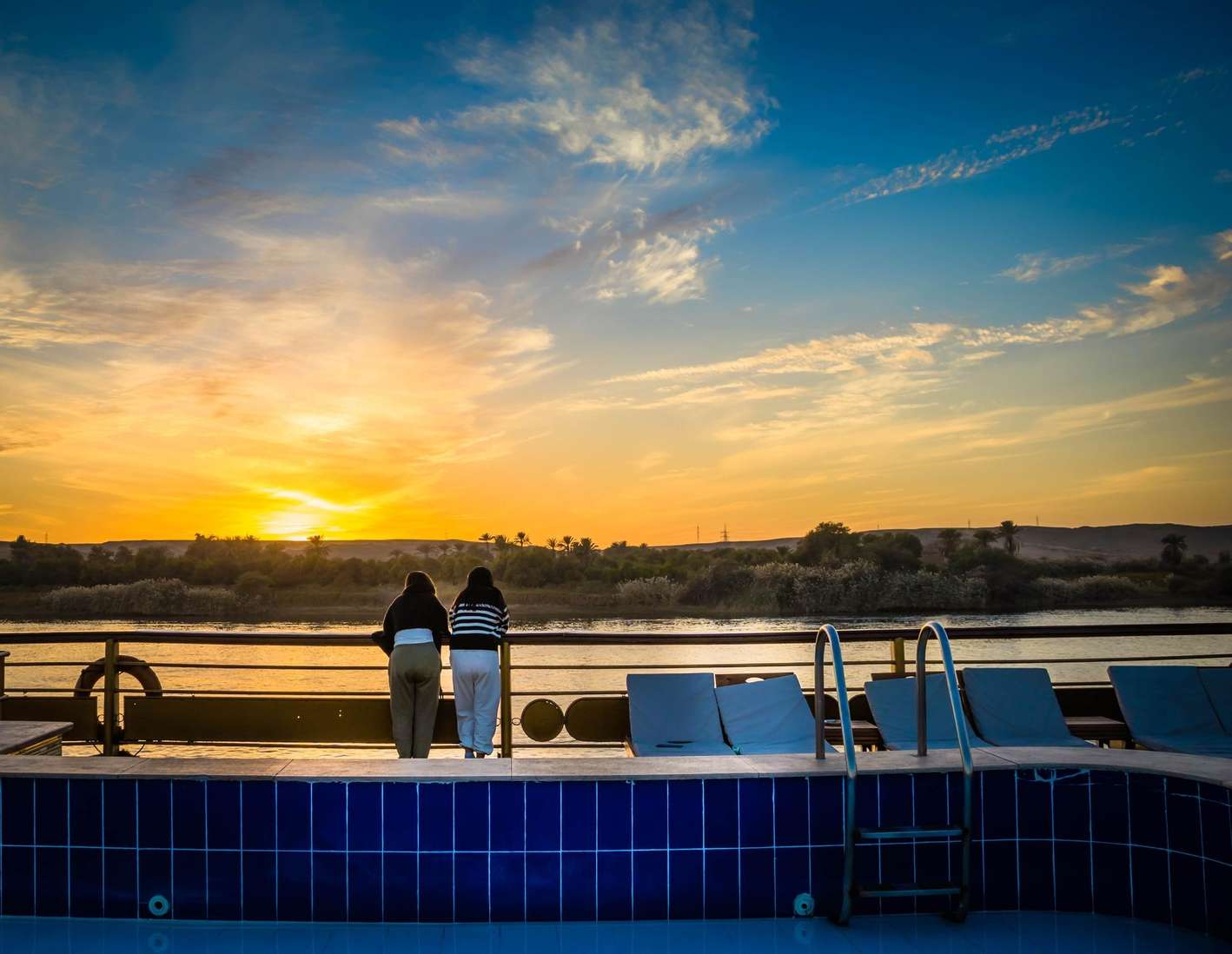
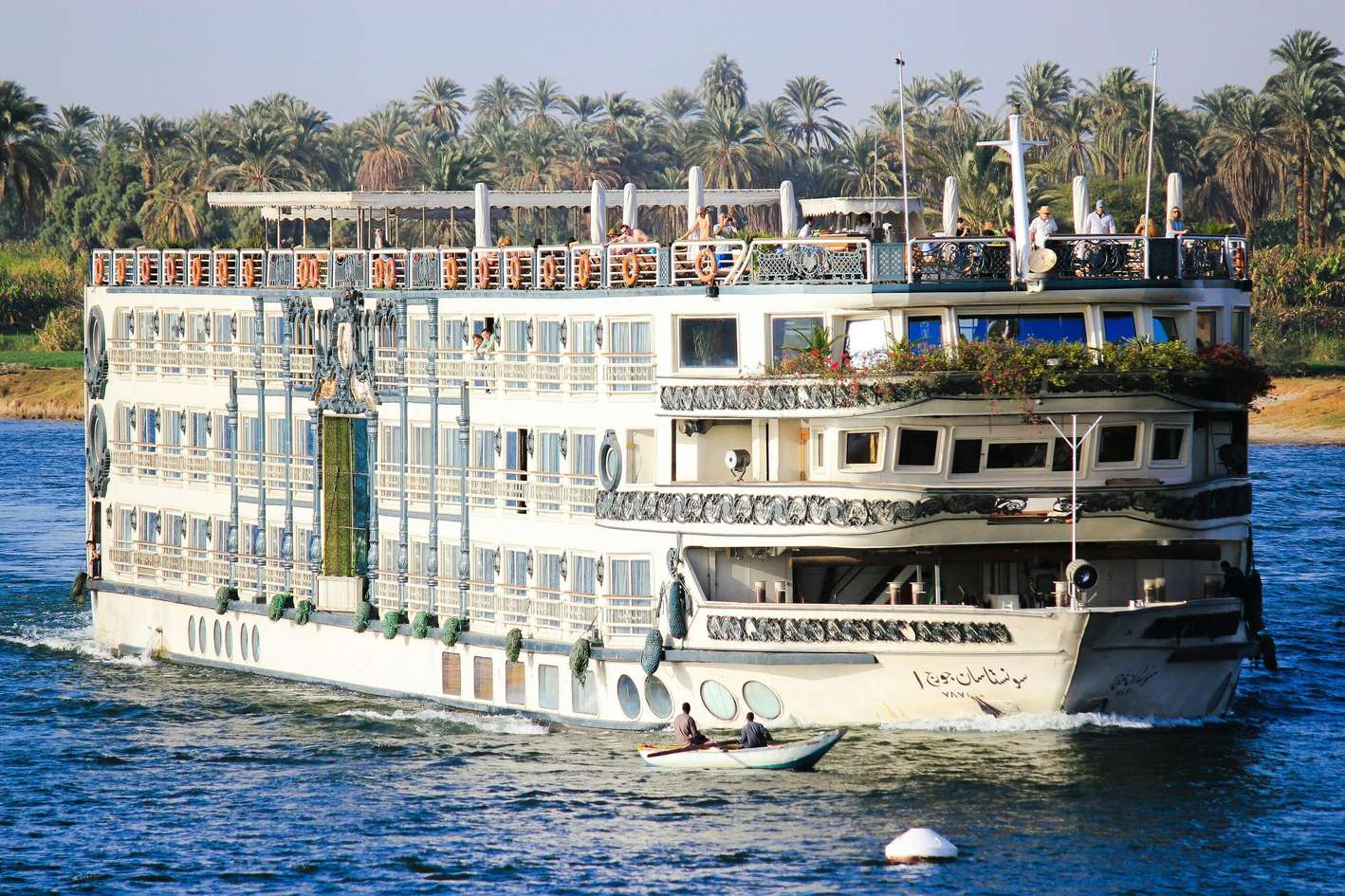
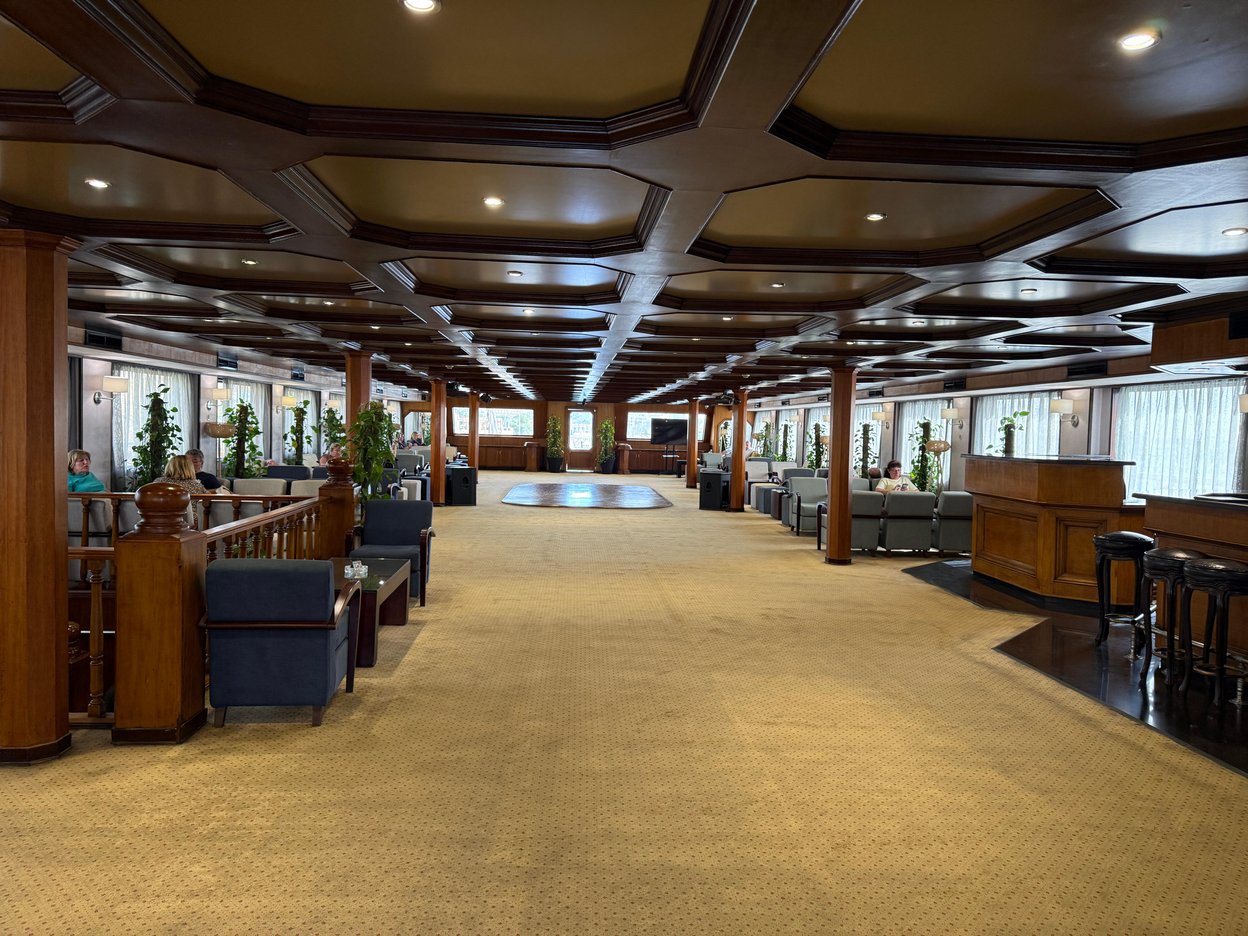
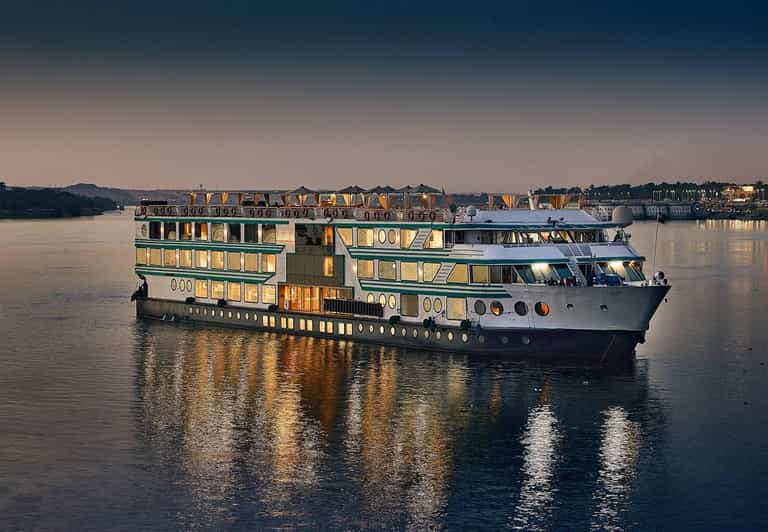
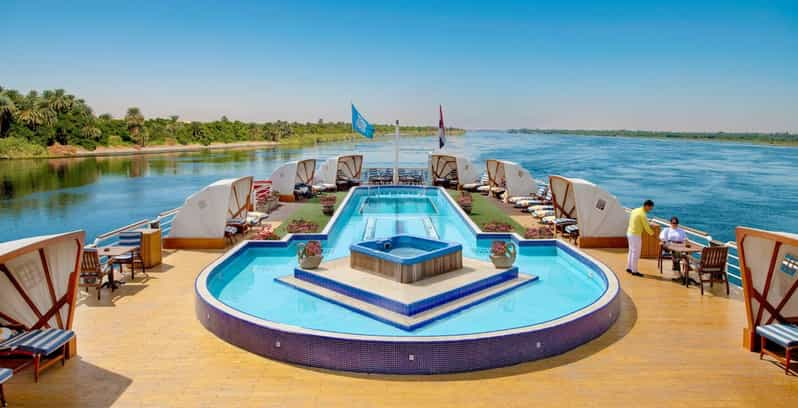
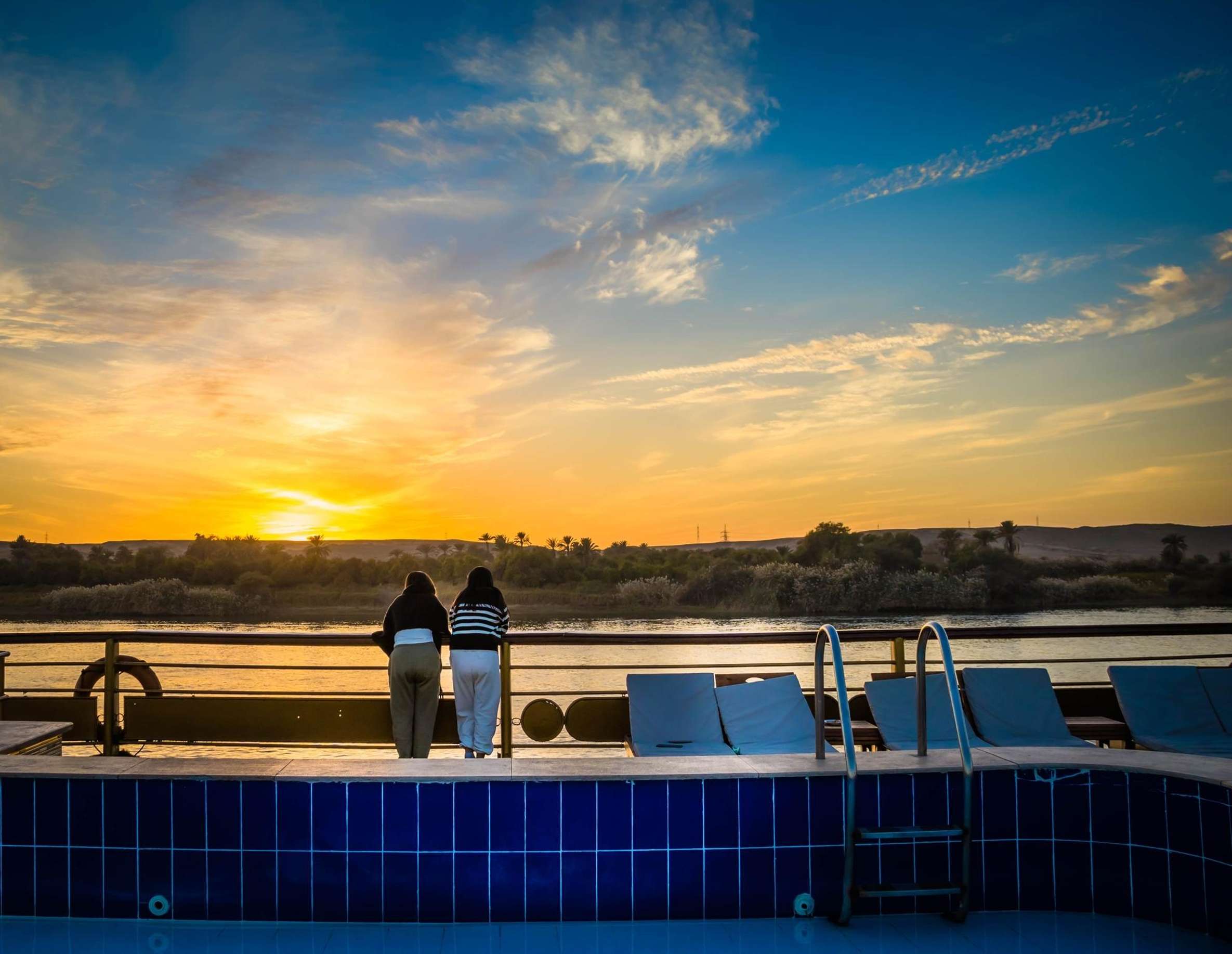
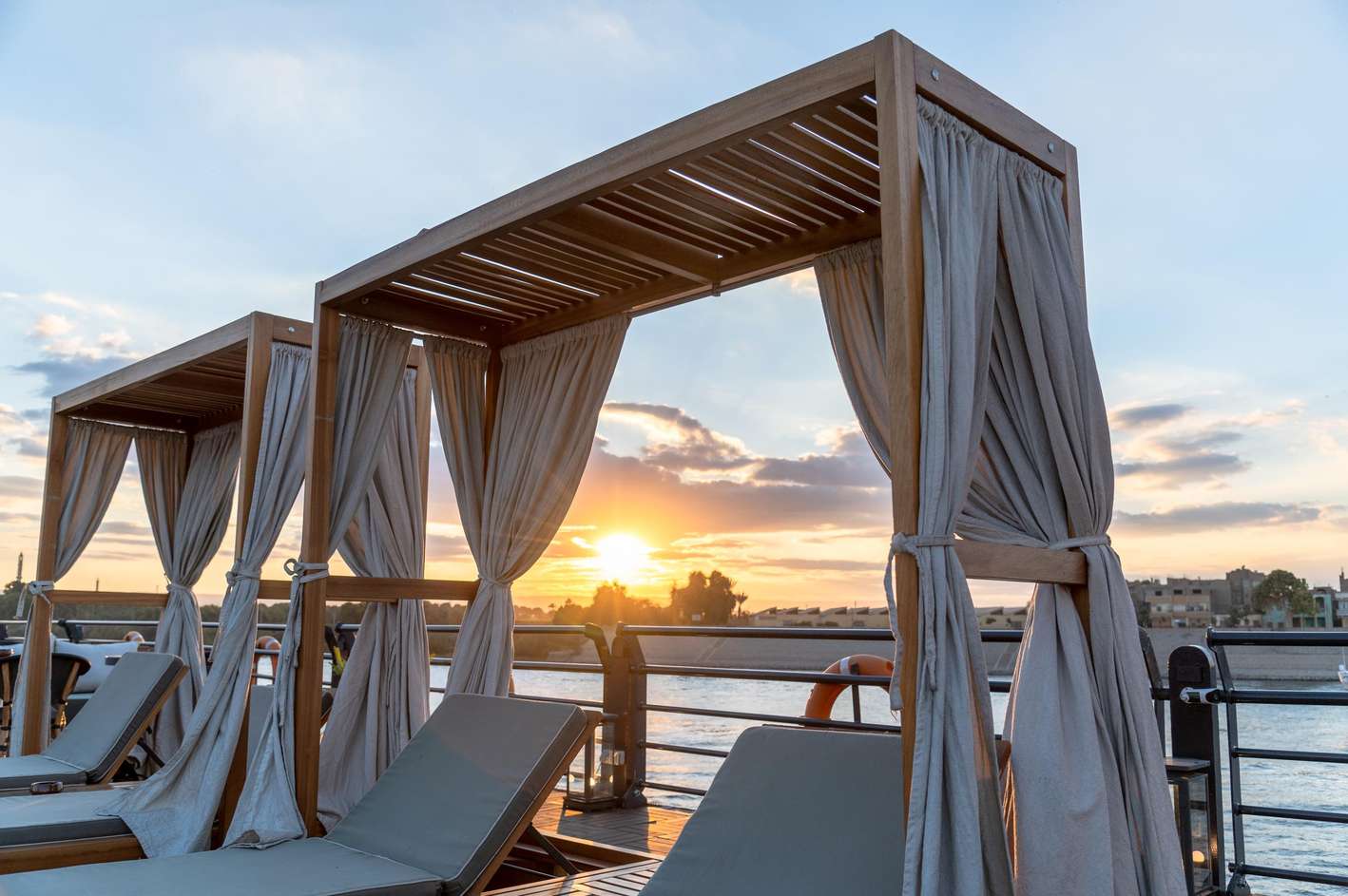
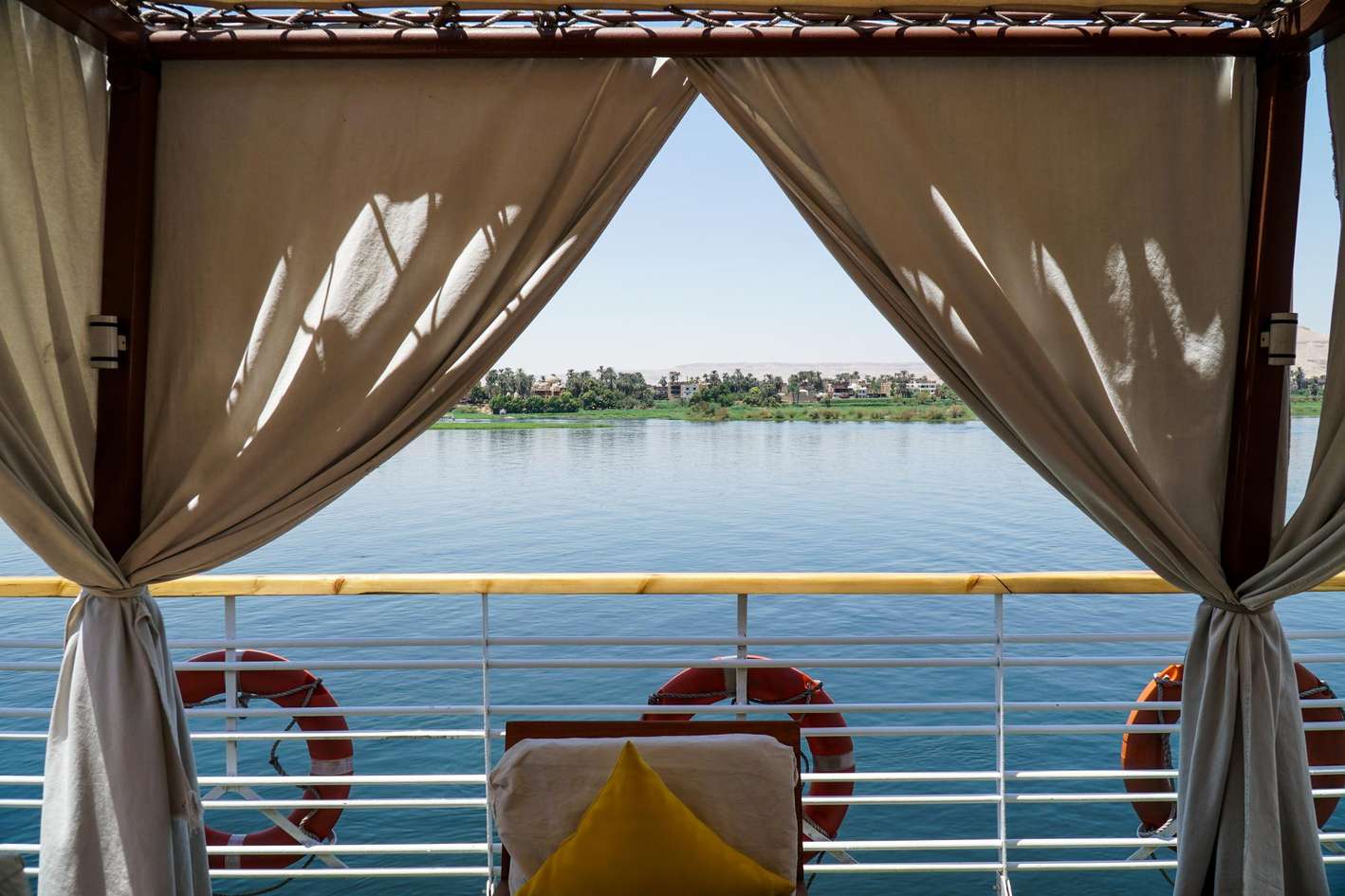
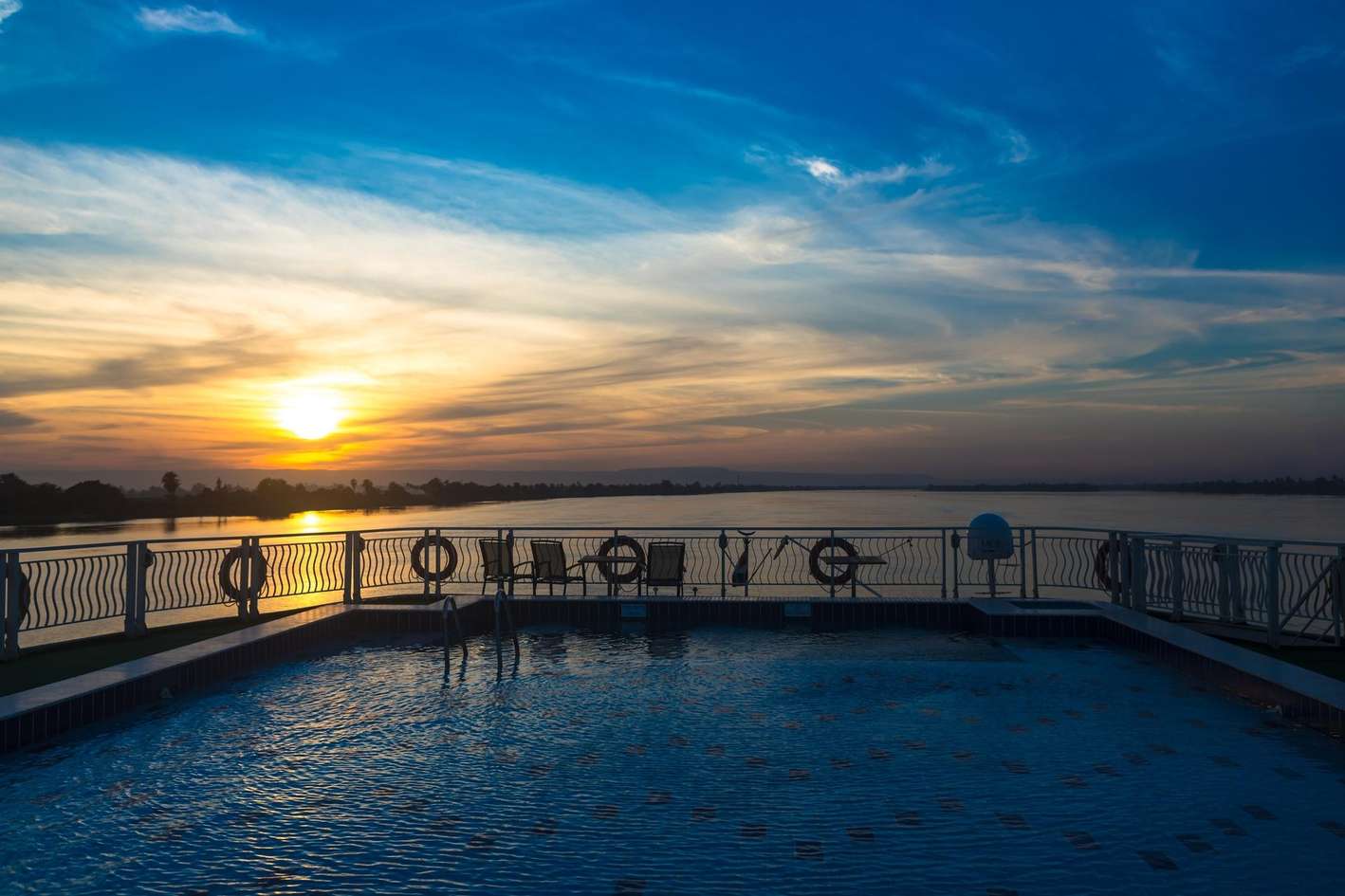
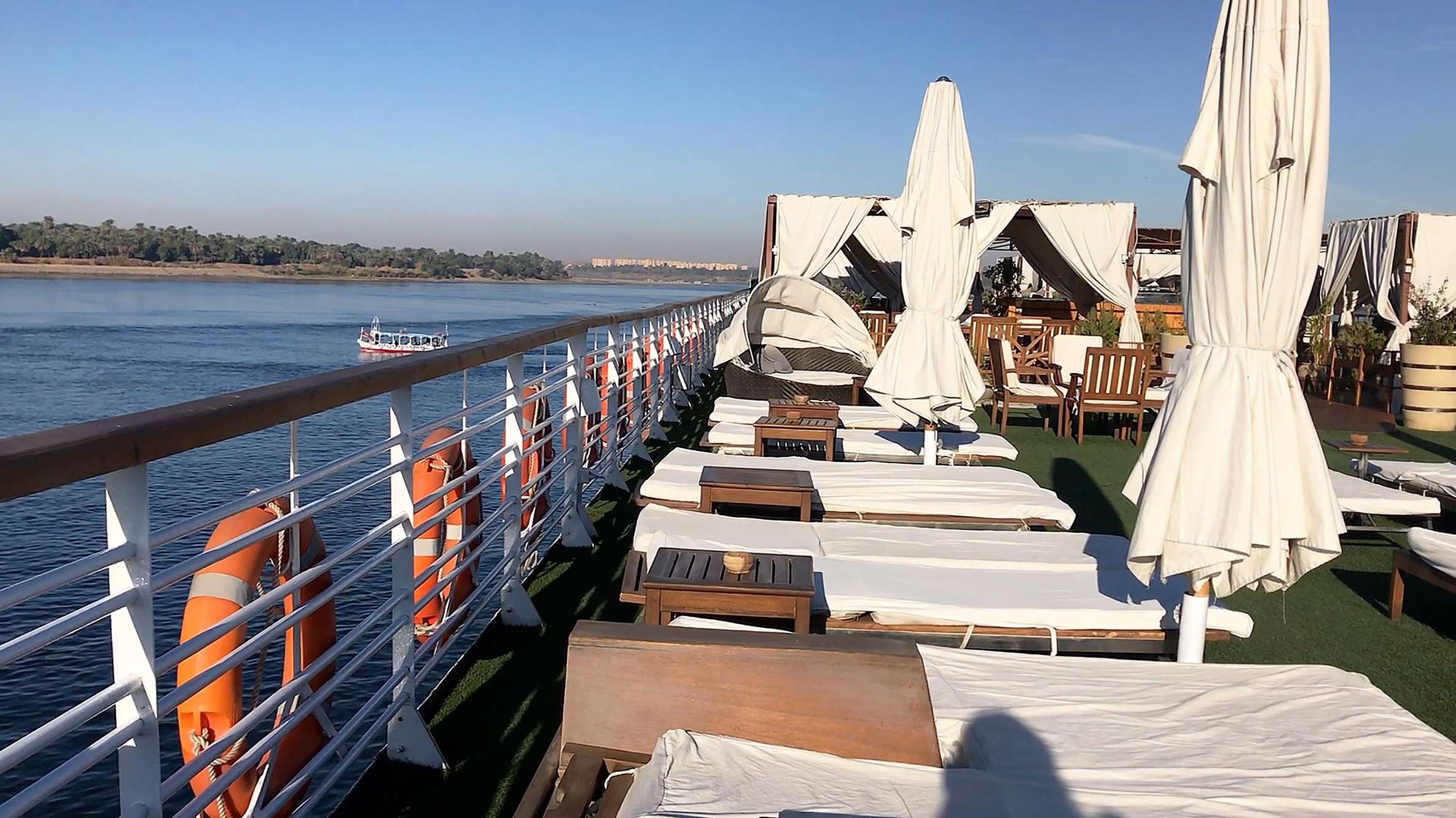
Cabins run about 18 to 22 square meters, smaller than a land hotel room, with gentle river motion underfoot. In high season ships moor several deep, so your window may face another boat and you may cross neighbouring vessels' lobbies to reach shore. Sun decks have pools and evening entertainment.
Dress code
Daytime on board is casual: shorts, T-shirts, and swimwear on the sun deck, with a cover-up indoors and in the dining room. Dinners call for smart-casual clothes, so leave the flip-flops and swimwear in the cabin. At temples, keep shoulders and knees covered in light cotton or linen.
Wi-Fi
Ship Wi-Fi exists but is slow, unreliable while moving, and rarely handles video calls. Mobile coverage along the Luxor to Aswan stretch is more dependable, though signal fades on remote reaches of the river and returns near towns. An eSIM set up before you land beats the on-board packages.
Entrance feesCan stop the day
Most cruise packages here list entrance fees as excluded, so budget them on top of the tour price. The major sites are cashless: Karnak, Luxor Temple, Hatshepsut, and the Valley of the Kings take bank cards only. Carry a card that works abroad, and a little cash for tips.
Booking ahead
For peak-season sailings between December and February, book the cruise eight to twelve weeks ahead to get a cabin on a good ship. Domestic flights to Luxor and Aswan have limited seats, so travelers reserve them together with their international flights rather than at the last minute.
Tipping
Tips are a strong social expectation in Luxor and are never included in the tour price. Your guide, driver, and cruise staff all expect something at the end of the service, and tomb guards may ask for a small note for unlocking a chamber. Keep a stack of small Egyptian pound bills for the week.
02
BookingHow far ahead, and what happens if plans change
1
Cancellation
Every cruise package on this page lets you cancel up to 24 hours before departure for a full refund. That covers the flight-and-cruise bundle as a whole, which takes the pressure off locking in dates before your Cairo stay is settled.
03
Before you goPapers, health, what to bring
1
Balloon ageCan stop the day
The sunrise hot air balloon ride over Luxor, included or optional on several of these cruises, has a minimum age of 6. Flights happen at dawn and take roughly two to three hours door to door, and bags and backpacks are not allowed in the basket. A canceled balloon still leaves a full sightseeing day.
04
On the dayWhere to be, when, and how you get there
3
Pickup
Every cruise package on this page includes hotel pickup in Cairo or Giza. A representative meets you in the lobby or outside the main entrance, then drives you to the airport for the flight south. The same driver setup waits for you at the far end.
Embarkation
Cruise check-in is planned for late morning or early afternoon to line up with lunch on board. If your flight lands in Luxor or Aswan early, you may wait at the dock for a while before your cabin is ready. Plan the first day around a midday boarding.
Sailing days
A typical day starts with an early temple visit, then four to five hours of sailing through the middle of the day, then a late-afternoon stop. Days in Luxor and Aswan itself involve little or no sailing; the boat stays moored and you tour ashore. At Kom Ombo the temple sits right at the dock.
Nile cruise planning out of Cairo
The multi-day boats never moor in Cairo; a domestic flight south connects your hotel to the water. Sailing the whole river would take two weeks, so the real choice is three or four nights between Luxor and Aswan.
Edfu
If you only remember three things
1
Sail downriver from Aswan to Luxor in 3 nights, or upriver to Aswan in 4; neither direction is better, they just spend different hours on the water.
2
Boats run on fixed weekly rotations, so build your Cairo days around a departure window; Tuesdays and Sundays have almost no sailings.
3
Pack a bank card and a stack of small Egyptian pound notes: temple tickets are cashless, while tomb guardians and attendants expect tips in cash.
Can a Nile cruise leave Cairo, or must you fly south?
The river at Cairo looks calm from the Garden City docks, where feluccas rock at their moorings and the evening call drifts over the water. You can hire one by the hour near the Four Seasons Nile Plaza, and that is the Cairo version of the Nile. The big cruise ships never moor here.
Sailing the full length of the river takes about two weeks, so no short cruise starts in the capital. Continuous Cairo-to-Aswan sailings run 12 to 14 days, on select dates only.
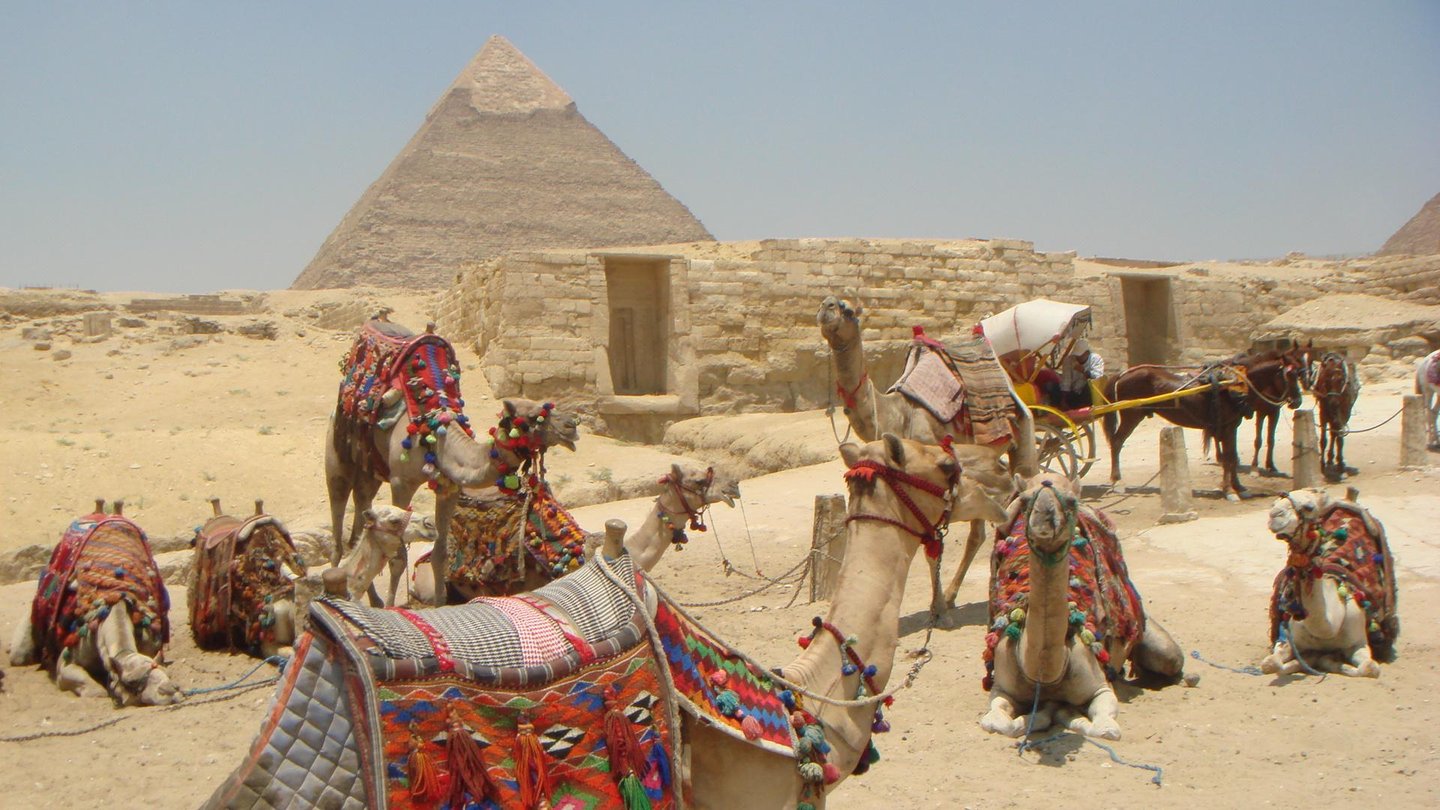
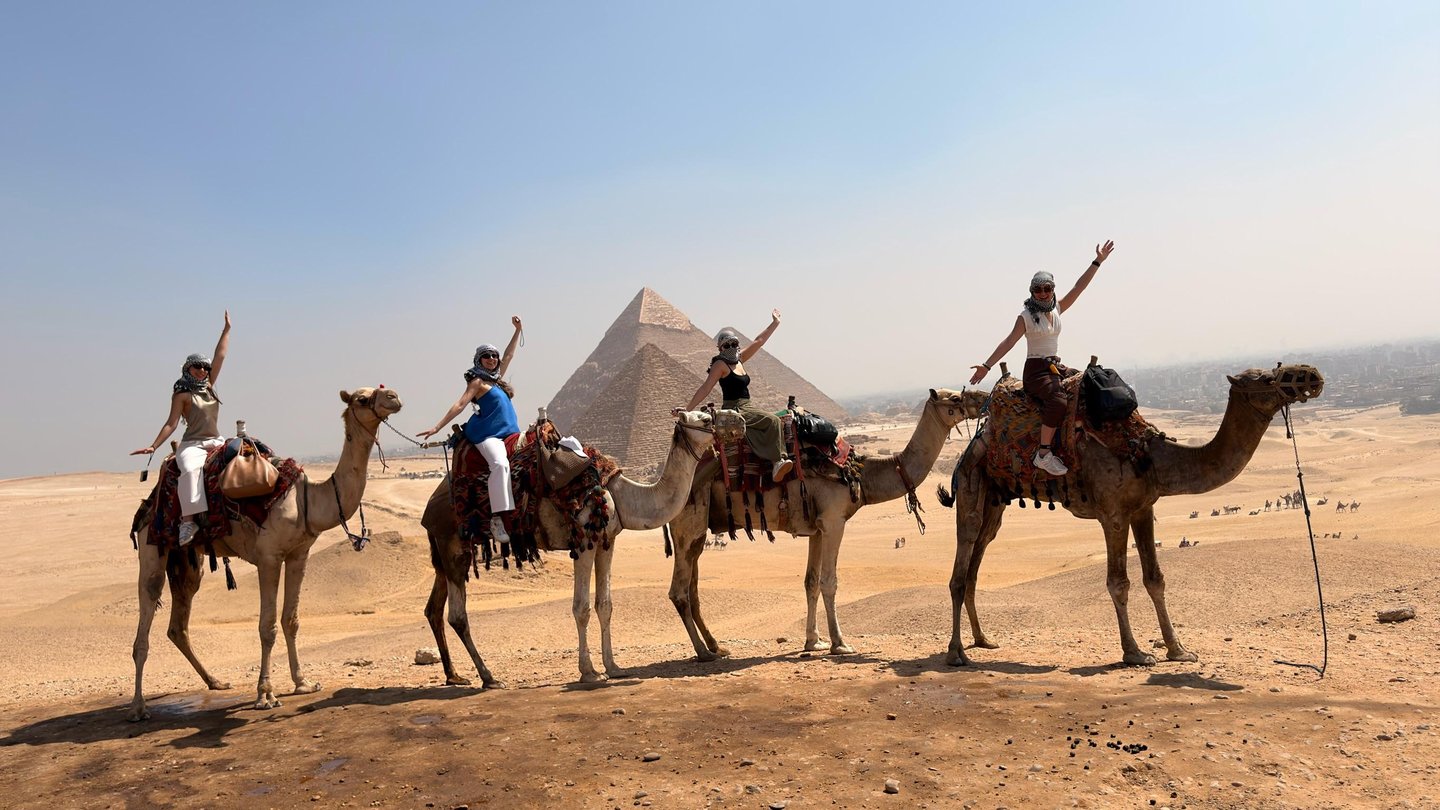
Every standard package solves it the same way: a few days at the Pyramids in Cairo, then a domestic flight south to Luxor or Aswan, where the ships wait.
What people wrongly assume
MythCruise ships depart from Cairo's docks for Luxor
Reality
No short cruise sails from the capital; multi-day boats run between Luxor and Aswan, reached by a domestic flight
MythA Nile cruise means sailing every day
Reality
Days spent in Luxor and Aswan involve little or no sailing; the middle days carry four to five hours on deck
MythAny dinner cruise can be booked instantly online
Reality
Most Cairo boat operators handle reservations by WhatsApp or email, so booking works best a step ahead
Cairo still gives you an evening on the water: a dinner cruise makes a good night on its own. Book the table direct or through your hotel concierge, which costs less than re-seller package rates, and expect to confirm by WhatsApp or email a day or two ahead.
Tour for this
From Cairo: 4-Day Nile Cruise to Luxor with Balloon Flight4.5★ (162) · 4 days · Hotel pickup · Free cancellation
Three shapes of trip cover most travelers. The classic 4-day package sails downriver from Aswan to Luxor in three nights, flights and a sunrise balloon folded in.
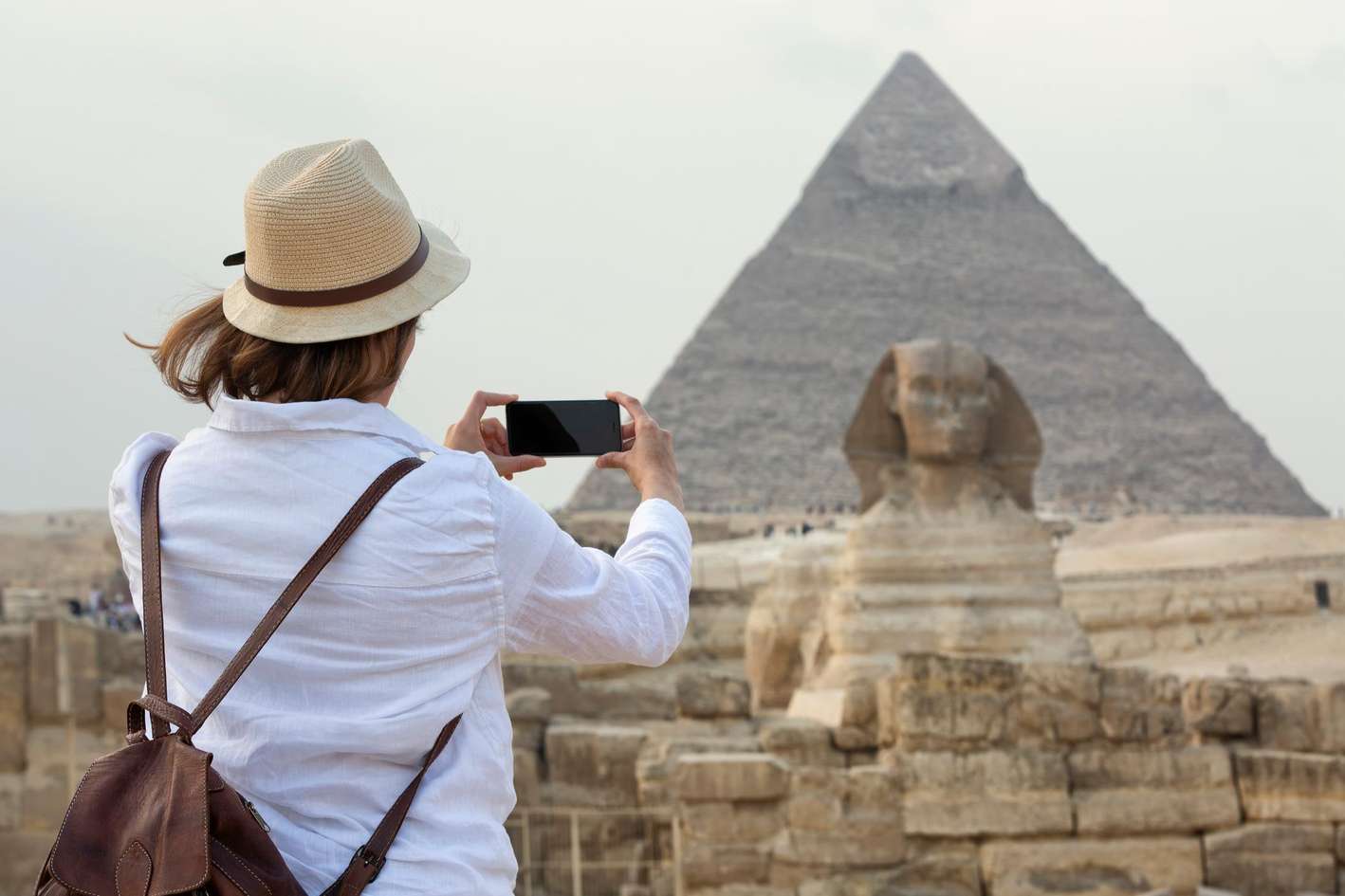
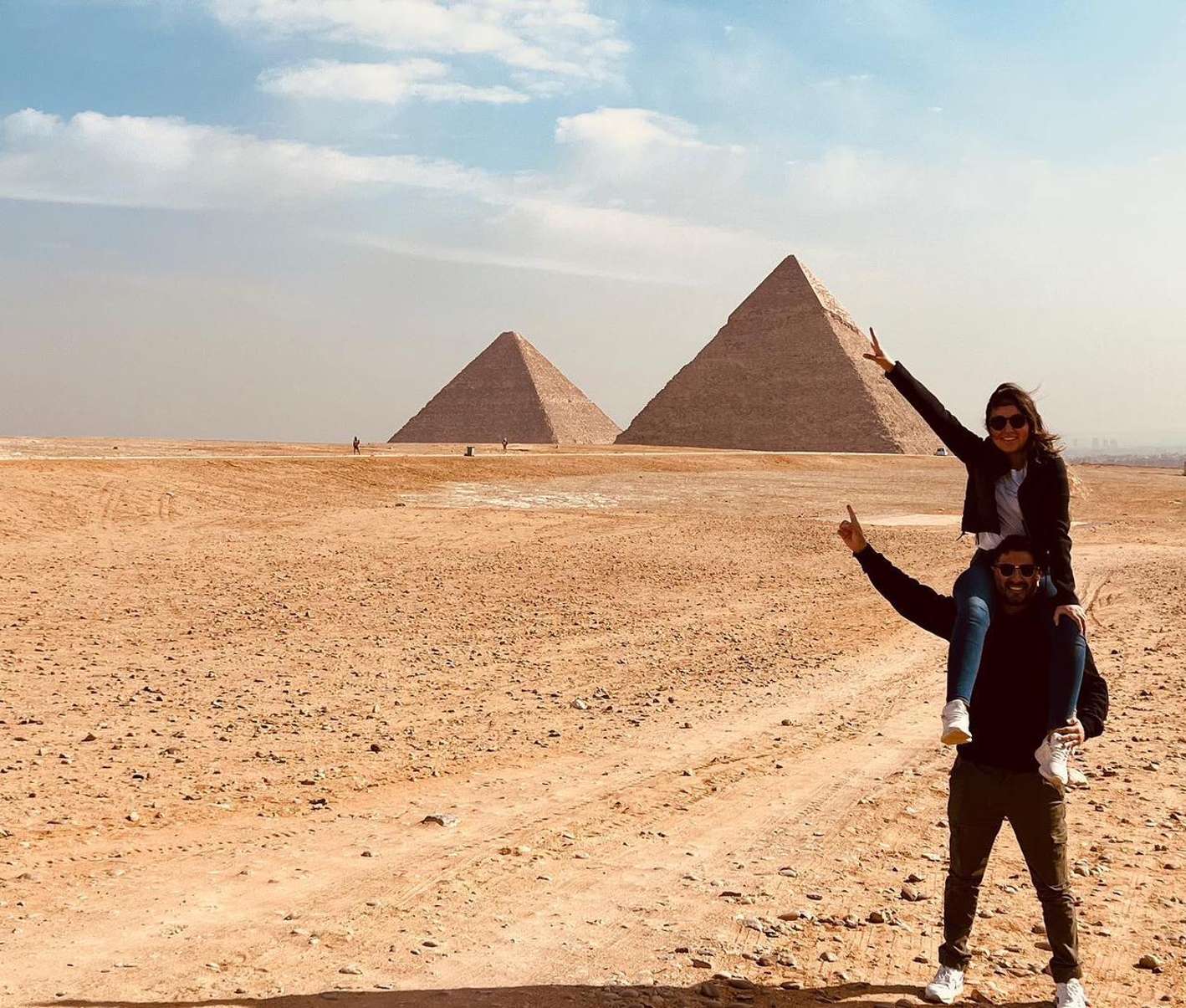
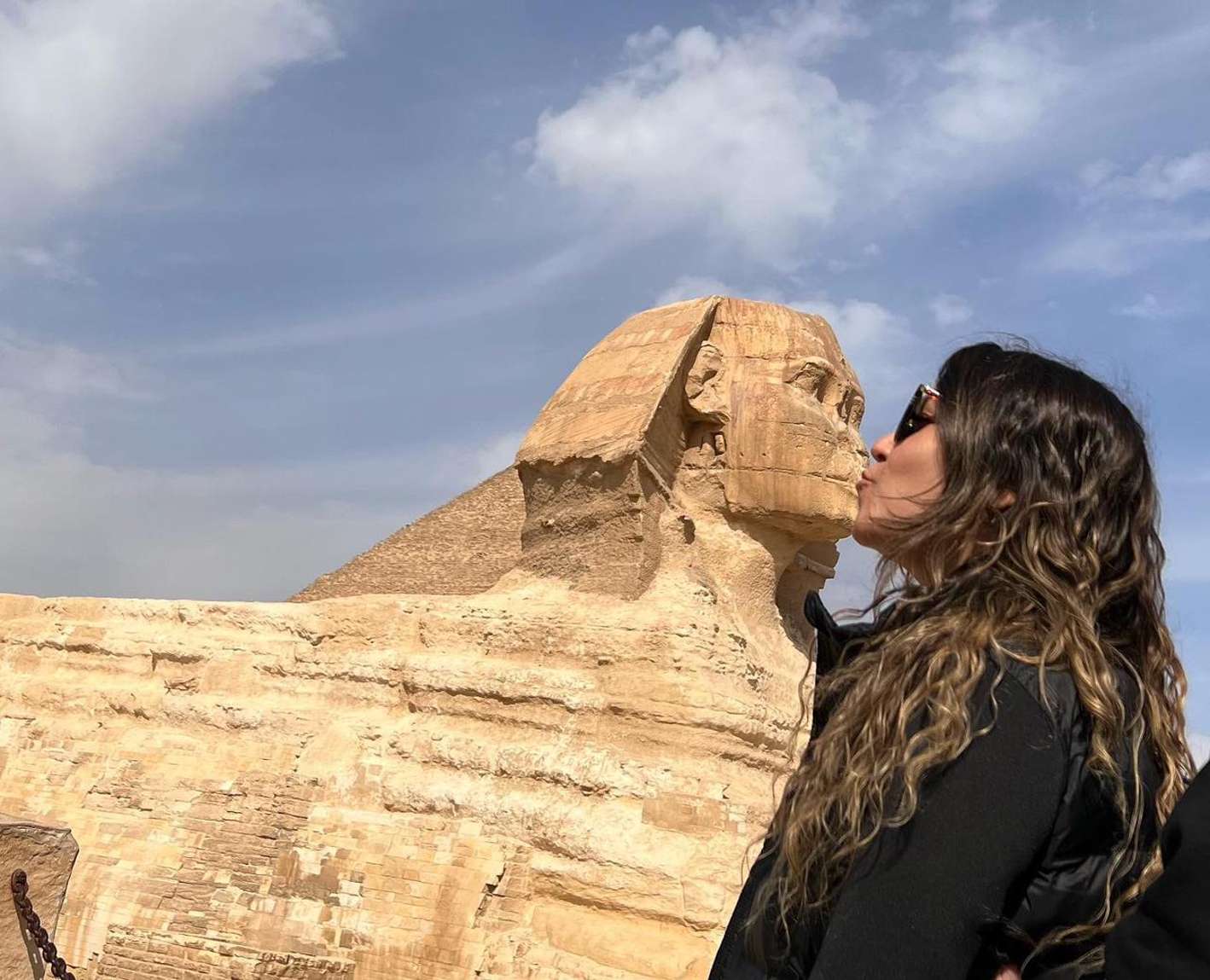
A 5-day version sails the other way, upriver from Luxor to Aswan over four nights, and boards at Karnak's doorstep on day one. The 8-day tour wraps the cruise inside a full Egypt week, starting with the Pyramids of Giza and the Sphinx in Cairo before the flight south.
From Cairo, one such tour, the 8-Day Tour of Cairo, Luxor and Aswan with Cruise, bundles a private guide, all entrance fees, three Cairo hotel nights and a four-night sailing with felucca rides at both ends.
Nile cruise packages from Cairo, compared
4-day cruise, 3 nights
5-day cruise, 4 nights
8-day tour with cruise
Sailing route
Aswan to Luxor, downriver with the current
Luxor to Aswan, upriver against the current
Luxor to Aswan after three nights in Cairo
Flights
Cairo to Aswan and Luxor to Cairo, included
Cairo to Luxor and Aswan to Cairo, included
Cairo to Luxor and Aswan to Cairo, included
Temple stops
Abu Simbel, Kom Ombo, Edfu, Philae, Karnak, the Valley of the Kings
Karnak, Luxor Temple, Valley of the Kings, Edfu, Kom Ombo
Pyramids and Sphinx in Cairo, then Karnak, the Valley of the Kings and Philae
Extras
Sunrise hot air balloon over Luxor
Sunrise balloon over the Luxor West Bank
Felucca rides in Luxor and Aswan
4-day cruise, 3 nights
Sailing route
Aswan to Luxor, downriver with the current
Flights
Cairo to Aswan and Luxor to Cairo, included
Temple stops
Abu Simbel, Kom Ombo, Edfu, Philae, Karnak, the Valley of the Kings
Extras
Sunrise hot air balloon over Luxor
5-day cruise, 4 nights
Sailing route
Luxor to Aswan, upriver against the current
Flights
Cairo to Luxor and Aswan to Cairo, included
Temple stops
Karnak, Luxor Temple, Valley of the Kings, Edfu, Kom Ombo
Extras
Sunrise balloon over the Luxor West Bank
8-day tour with cruise
Sailing route
Luxor to Aswan after three nights in Cairo
Flights
Cairo to Luxor and Aswan to Cairo, included
Temple stops
Pyramids and Sphinx in Cairo, then Karnak, the Valley of the Kings and Philae
Extras
Felucca rides in Luxor and Aswan
The sailing direction fixes your first temple, and the extra Cairo nights decide whether the Pyramids share the trip. Three nights on the water with everything ashore handled suits a tight schedule; the 8-day version suits a first Egypt visit that wants the capital and the river in one booking.
Tour for this
Cairo: 4-Day Nile Cruise to Luxor with Balloon & Flights4.2★ (19) · 4 days · Hotel pickup · Free cancellation
A cruise suits first-timers best: the classic Egypt experience with none of the logistics, since the ship is your hotel, restaurant and transport at once. Families like unpacking once and having a sun deck pool; honeymooners like the river itself. Older travelers who want the Nile without changing hotels every night also fit well.
Land-based travel wins for food lovers, since regional restaurants give a wider table than repeated ship buffets. Independent travelers who set their own pace fit better ashore too, and so does anyone chasing off-river sites like Abydos and Dendera.
Anyone worried about steep gangplanks should think hard, because ships moor side by side and you cross through neighboring lobbies to reach land.
Know the honest version of the ship. A 5-star cabin runs about 18 to 22 square meters, smaller than a hotel room, and buffets lean international.
A cabin window can face the next boat at busy quays, where vessels moor several deep, and Egyptian ratings up to five-star superior luxury do not always match European expectations.
A traveler's note
The tour went really well. Zeinab was easy to reach and sent all info on time. Guide Ahmed Majid explained the sites' history brilliantly, and the cruise crew were so accommodating.
That handover is what a package buys. The Cairo days, the flight, the dock transfer and the temple guides arrive as one booking, which is why the smaller cabin and the repeated buffets feel like a fair trade to many travelers.
Tour for this
From Cairo: 8-Day Tour of Cairo, Luxor and Aswan with Cruise4.3★ (234) · 8 days · Hotel pickup · Free cancellation
What a Nile cruise day shows between the temple stops
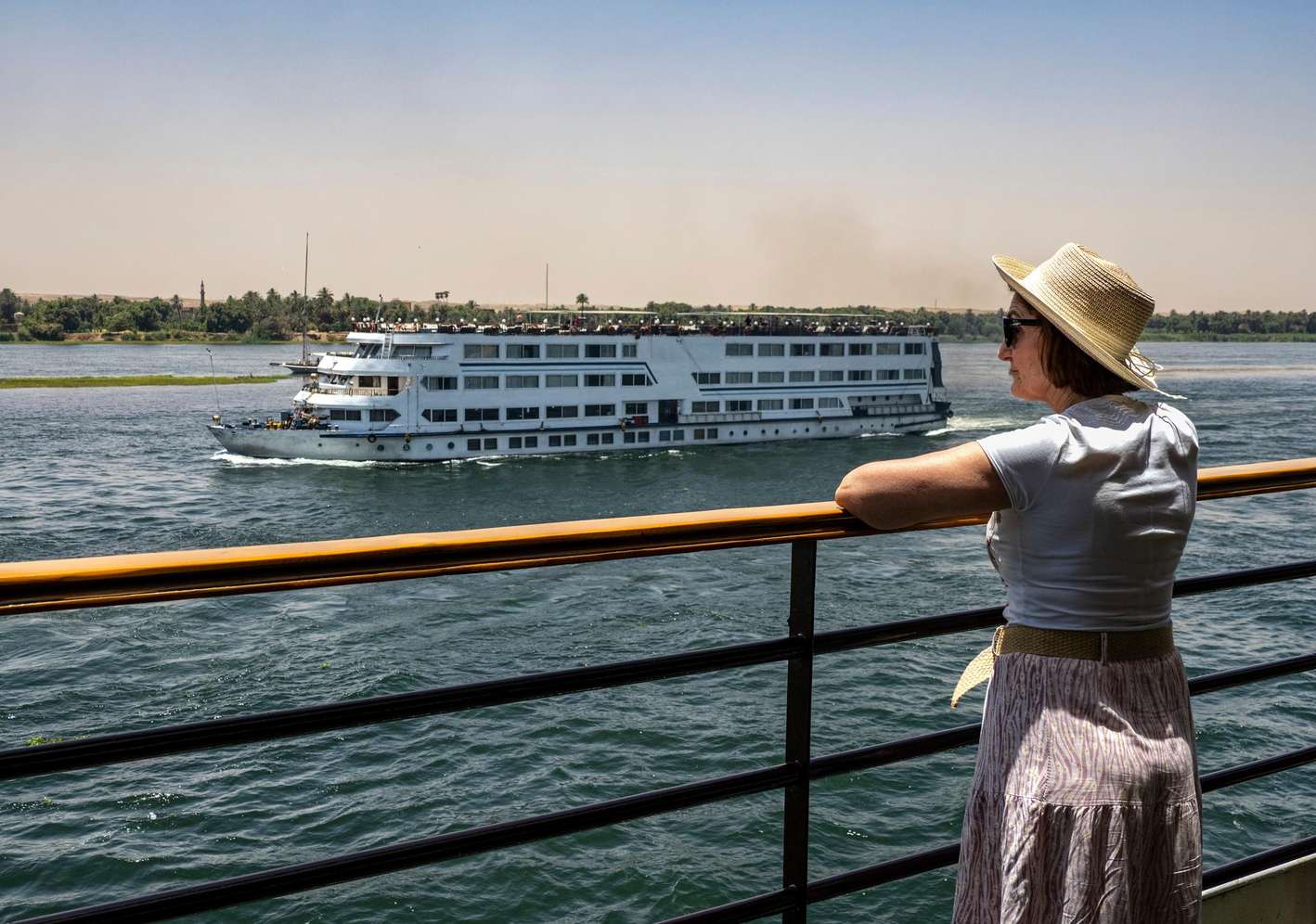
The day has a rhythm. An early guided temple visit, then four to five hours of sailing across the middle of the day, deck time while the banks slide past, then a late-afternoon stop.
On a three-night sailing toward Luxor, both banks get their day: the West Bank tombs before lunch, Karnak and Luxor Temple in the afternoon.
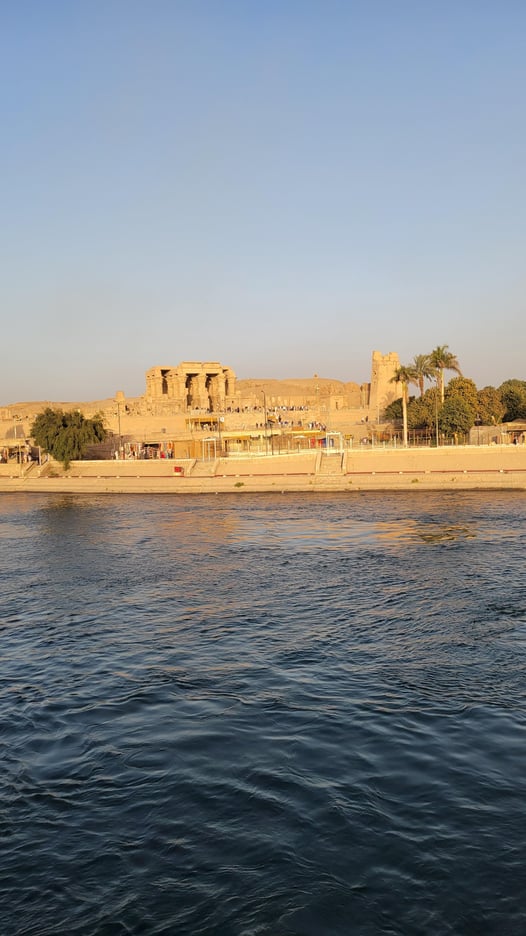
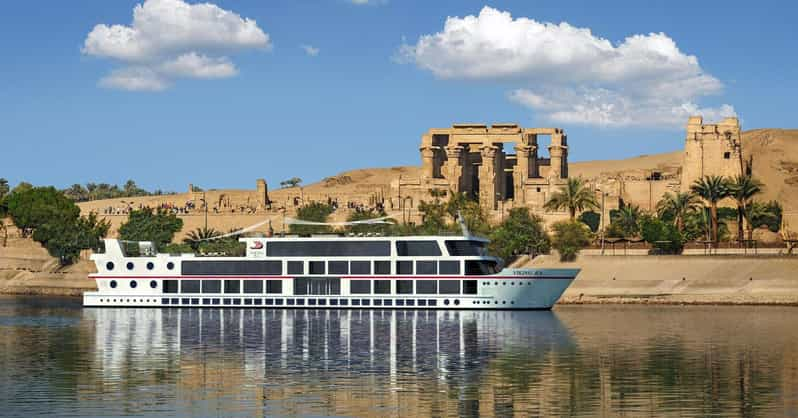
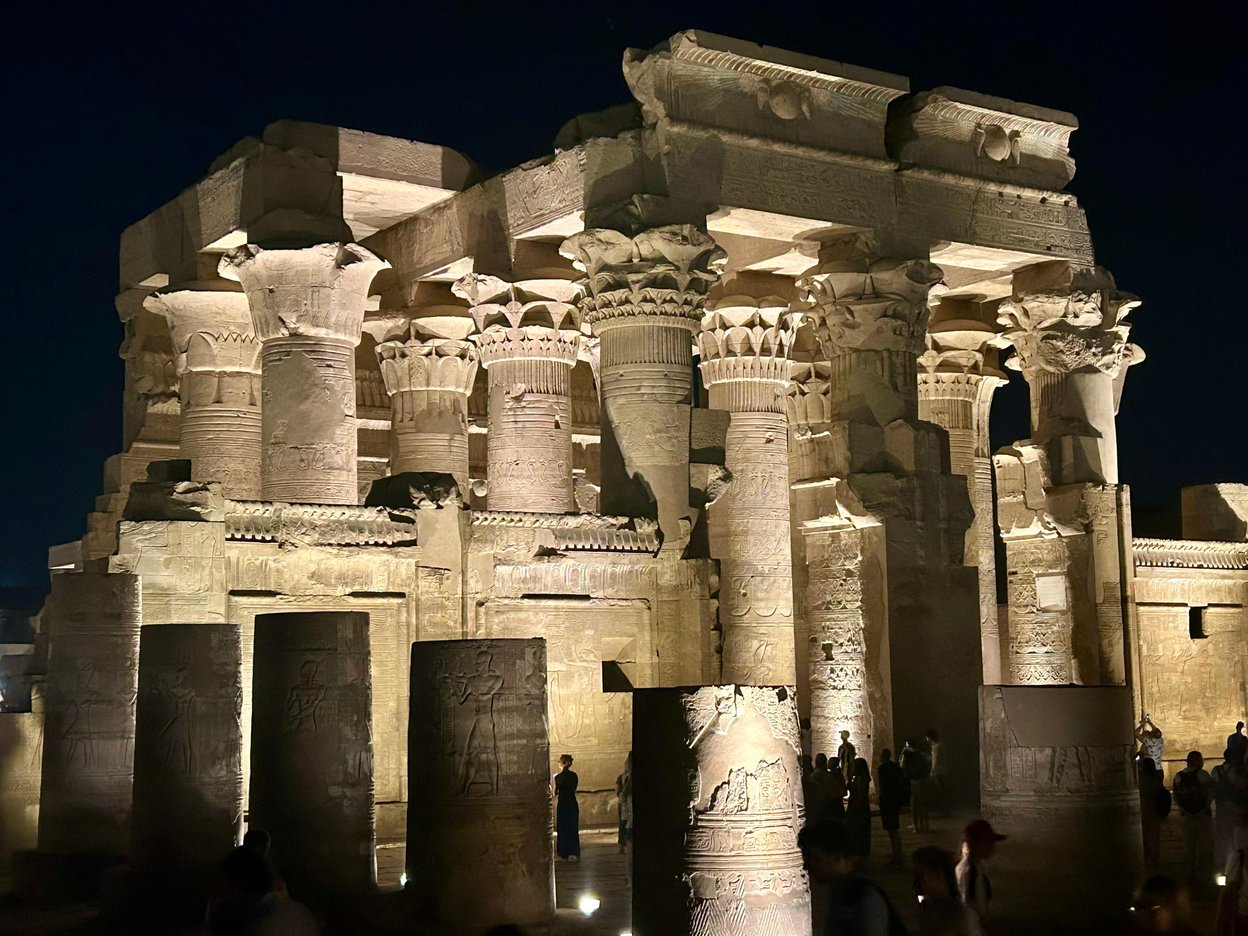
Some stops ask almost nothing of you. Kom Ombo sits right at the river landing, so you walk off the ship and into a temple split into two identical halves, one for the crocodile god Sobek and one for the falcon god Haroeris.
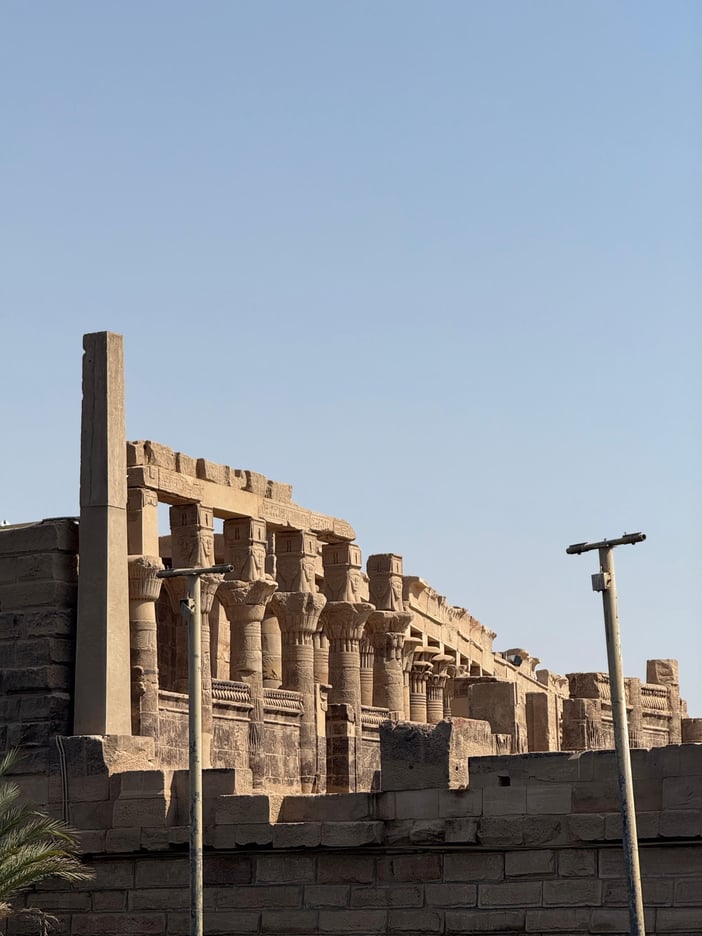
Next door, the Crocodile Museum keeps mummified Nile crocodiles in glass cases. At Edfu, the temple survived because drifting desert sand and Nile silt buried it under 12 meters for centuries; you reach it by horse carriage from the dock.
In Luxor itself, the painted tombs of the Valley of the Kings put the Giza pyramids in a new light: the pyramids' interiors are bare, while the tombs carry colors and spells on every wall.
Tutankhamun's actual mummy stays in his original tomb here; Cairo holds the gold mask. Between the two great temples, the Avenue of Sphinxes runs 2.7 kilometers along the East Bank, walkable without a temple ticket at either end.
Tour for this
From Cairo: 8-Day Tour to Luxor and Aswan with Nile Cruise5.0★ (2) · 8 days · Hotel pickup · Free cancellation
How long is a Nile cruise, and does direction matter?
Downriver from Aswan to Luxor takes 3 nights; upriver the other way takes 4. The current favors the northbound route, which is why it is the standard and slightly faster sailing.
Neither direction is objectively better: both cover the same temples and the same stretch of river. Going upstream simply buys you more hours on the water, and the prevailing north-to-south winds helped the old sailing boats work their way upriver.
A practical 4-night package looks like this: fly Cairo to Luxor on day one, board before lunch, tour the East Bank temples, spend the second day on the West Bank, then four nights of sailing toward Aswan with Edfu and Kom Ombo in between and a final flight back from Aswan.
One such tour, From Cairo by Plane: 5 Days and 4 Nights Nile Cruise to Luxor, runs exactly that shape, with an Egyptologist guide and a balloon ride over the Luxor West Bank built in.
A footnote worth knowing: most ships share near-identical dimensions and layouts, because every vessel must pass the same lock at Esna and clear the same bridges.
Tour for this
From Cairo: 3-Night Aswan to Luxor Nile Cruise with Flights4.1★ (50) · 4 days · Hotel pickup · Free cancellation
November is the sweet spot: daytime highs around 30 degrees, calm evenings near 16, and practically no rain. It is also the busiest sailing month of the year, so cabins go early. January and February trade a little warmth for quieter temple walking, with mild afternoons near 24 degrees and nights that need a fleece.
Summer is the stretch that reshapes your days. From June through August, highs run past 40 degrees, and Luxor has far less shade than Cairo.
The workable summer pattern is sites before 7 in the morning, indoors from 10 to 4, when air-conditioned places like the Luxor Museum take over. Tour routing splits by river bank across separate mornings.
Best months for a Nile River cruise
November is the peak month for Nile cruises, combining peak tour demand with ideal 30°C daytime temperatures.
HighestFeb to May, Nov
In betweenJan, Jun, Oct
LowestJul to Sep, Dec
Darker: a higher how busy it gets score, out of 5
Tap a month to read it.
August is the quietest month of the year on the river due to extreme 43°C heat and intense afternoon sun.
HighestMay to Sep39 to 42.7 °C
In betweenApr, Oct to Nov30.1 to 35.8 °C
LowestDec to Mar23.5 to 29.9 °C
Darker months: higher, from 23.5 to 42.7 °C
Tap a month to read it.
August is the quietest month of the year on the river due to extreme 43°C heat and intense afternoon sun.
HighestMay to Sep23.2 to 27.6 °C
In betweenApr, Oct to Nov16.2 to 20.6 °C
LowestDec to Mar9.9 to 14.2 °C
Darker months: higher, from 9.9 to 27.6 °C
Tap a month to read it.
January has moderate crowds and mild daytime highs of 24°C with cool 10°C evenings, making temple visits very comfortable.
HighestJan, Mar, Nov1 mm
LowestFeb, Apr to Oct, Dec0 mm
Darker months: higher, from 0 to 1 mm
Tap a month to read it.
May remains fairly busy while daytime temperatures climb to 39°C under clear, rainless skies.
HighestMar, May, Jul to Aug, Oct, Dec to Jan30.6 to 31 days
In betweenApr, Jun, Sep, Nov29.8 to 30 days
LowestFeb28.2 days
Darker months: higher, from 28.2 to 31 days
Tap a month to read it.
Sail between November and February for comfort, or in summer only if dawn starts and midday shade sound like a fair price for thinner crowds. Either way the ship stays the same; the sightseeing hours are what move.
Tour for this
From Cairo by Plane: 5 Days & 4 Nights Nile Cruise to Luxor3.6★ (40) · 5 days · Hotel pickup · Free cancellation
The fact that quietly reshapes your itinerary: cruises run on fixed weekly rotations. Most ships leave Luxor on Mondays, with Saturdays and Thursdays as the secondary days, and sail from Aswan on Fridays, backed by Wednesdays and Mondays.
Eighteen vessels work the Monday-from-Luxor and Friday-from-Aswan rotation alone, with twelve more on the Saturday and Wednesday cycle.
The consequence lands on the calendar. Tuesday and Sunday have virtually no departures at all, and your flight from Cairo has to meet a sailing day.
Build your Cairo days first, the Pyramids, the museums, the bazaar, then time the flight south so you reach the dock on a day your chosen direction actually sails. Miss the window and the same ship is a week away, which is why the departure day is worth deciding before you book anything else.
What to check before you book a Nile cruise package
Two line items separate a fair package from an expensive surprise. Entrance fees come first: some cruise packages bundle every temple ticket, others exclude them all, so read the inclusions before comparing anything else.
Drinks come second. Full board means breakfast, lunch and dinner, and even water arrives on the bill separately, which adds up over three or four nights for a family.
Run each package past the same checklist, and weigh the balloon ride against the small print: it needs its own booking on many itineraries, with a minimum age of six.
How to choose a Nile cruise package from Cairo
Check
Why it matters
Our pick
Entrance tickets
Some packages bill every temple separately, which adds up fast across a week
Not included on this package; entrance fees are paid separately on site
Drinks and water
Full board covers meals only, and drinks are billed on board
Full board with drinks excluded, stated plainly in the inclusions
Flights and transfers
Domestic seats sell out in winter, and separate booking means separate risk
Round-trip Cairo flights and hotel pickup and drop-off are bundled in
Balloon flight
Often sold as an extra, with a minimum age of six and weather cancellations
Included, flying at sunrise over Luxor before the ship sails
The featured package, Cairo: 4-Day Nile Cruise to Luxor with Balloon and Flights, scores well on the transport side and leaves the temple tickets to you, which suits travelers who prefer to pay for exactly the tombs they enter.
Tour for this
Cairo: 4-Day Nile Cruise to Luxor with Balloon & Flights4.0★ (17) · 4 days · Hotel pickup · Free cancellation
Getting from your Cairo hotel to the Nile cruise ship
The morning starts earlier than any other day of the trip. Tour pickups run between 3 and 6 in the morning at downtown and Giza hotels, and before 7 the road to the airport takes about 30 minutes from downtown, 45 to 50 from Giza.
The metro is useless here; it opens at five and stops short of the airport complex. Check-in counters close 30 minutes before departure, and web check-in closes a full 90 minutes earlier.
The flight south runs an hour and ten minutes to Luxor, an hour and a half to Aswan, about 511 kilometers of desert between them.
On arrival, your driver waits with a name board just past baggage claim, and the cruise boats moor along the East Bank Corniche, a 10-to-20-minute drive away. Embarkation lands between late morning and early afternoon, timed to lunch, so an early flight can mean a short wait at the dock.
Two small print items matter. Checked bags allow 23 kilograms and carry-on 8; power banks travel in your carry-on only, capped at 100 watts on the national carrier. Checking luggage can mean a wait of over an hour at small airports like Aswan, so cabin bags are worth fighting for.
Early morning travel times to Cairo International Airport
To Cairo International Airport · Heliopolis
1From Downtown Cairo
Taxi or ride-hailingEasiest
Fastest door-to-door trip before morning rush hour
30 minPrivate car
Guided tourGuided
Prearranged transfer included with day trip flightsSee the tour →
That pre-dawn pickup earns its keep on empty roads: half an hour from downtown before seven, and the same drive doubles once traffic builds. The quiet hour is what keeps the whole morning, and the sailing day it feeds, on schedule.
Pack for two climates in one bag. Days at the temples demand loose cotton or linen covering shoulders and knees, plus sturdy closed shoes with grip for the ramps, gravel and uneven stone underfoot.
Winter nights between November and February drop near 7 degrees, and the ship's air conditioning runs cold, so a warm layer earns its place even in December. Add a wide-brimmed hat, UV sunglasses and high-factor sunscreen for courtyards with no shade at all.
On board, the dress code splits in two: casual shorts and swimwear by the pool, and smart casual at dinner, meaning trousers or a dress and no flip-flops in the dining room. Ask for an upper-deck cabin in the middle of the ship, the position furthest from engine noise and kitchen smells.
One more expectation: ship Wi-Fi is slow, unreliable while moving and rarely carries a video call. Install an eSIM before you fly, or buy a local SIM at Cairo airport; the mobile signal beats the ship's connection and returns whenever you dock near a town.
Nile cruise essentials for Upper Egypt
Modest loose cotton or linen clothesShoulders and knees must stay covered at tombs and temples, while breathable fabrics handle intense desert daytime heat.
Closed walking shoes or sneakersArchaeological sites like Karnak and Valley of the Kings feature steep ramps, uneven stone paving, and loose gravel.
Wide-brimmed hat and UV sunglassesTemple courtyards and open sun decks have virtually no shade during long daytime visits.
High-factor sunscreenUpper Egypt has intense desert sun year-round, requiring daily reapplication during off-ship morning tours.
Warm jacket or fleece layerLuxor winter nights drop to around 7°C between November and February, and ship interiors run heavy air conditioning.
Anti-diarrheal pills and rehydration saltsDigestive upsets are the most frequent ailment; rehydration salts prevent dehydration under desert heat.
Prescription and motion sickness drugsPack all needed personal medications with prescription copies, plus motion sickness remedies for river travel and engine fumes.
Digestive upsets are the most common complaint on Nile cruises, which is why the medication line matters as much as the shoes: anti-diarrheal pills and rehydration salts go in the bag with the sunscreen.
What happens if the weather turns on your Nile cruise
The river has two known interruptions, and both come with fixes. Fog, dust storms and winds over roughly 12 knots suspend balloon flights and halt boat navigation until conditions settle.
A grounded balloon does not sink the day: past travelers have been offered a sunrise boat ride with breakfast, a camel ride or quad biking, and the full sightseeing program still runs.
The Esna lock is the second. Before each winter season one of its two chambers shuts for maintenance, so vessels traveling both directions share a single open lock and queue for their turn. Routine weekly and monthly maintenance continues through the year. Build slack into a tight connection across the lock.
A missed flight connection is the worry most travelers carry, and the airlines answer it in writing: if the carrier causes the miss, you choose between re-routing on the next available service at no charge or a refund.
A delay over two hours on the budget domestic line brings a full refund or a free change.
If the day changes
If this happens
What happens then
Fog or high winds ground the balloon and halt sailing
Balloon passengers swap in a sunrise boat ride, camel ride or quad biking, and sightseeing continues across both banks
The Esna lock closes for maintenance
Boats in both directions share the one open lock and queue, so allow extra time on a tight itinerary
A flight delay caused by the airline makes you miss the connection
You are re-routed on the next available service at no extra charge, or you take a refund
A domestic delay runs past two hours
The budget carrier owes a full refund or a flight change without fees
Every one of these has its fix written down, which is the reassurance: the day bends and does not break. Book with the balloon and the lock in mind, keep one spare morning in the plan, and a missed connection stays an inconvenience.
Making the most of Nile cruise evenings in Luxor and Aswan
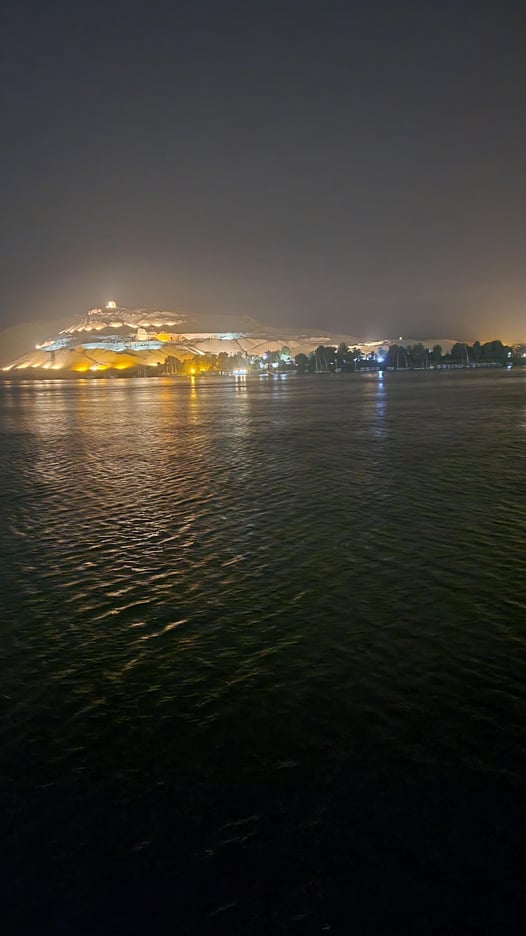
The ship's free hours are where the trip earns its character. In Aswan, the souq runs parallel to the Nile and comes alive once the heat eases, so late afternoon is the time to walk it; mornings work too, but the evening light on the river wins.
Ships moor overnight and sail south late at night or the next morning, which leaves you a whole evening on shore. In Luxor, the optional dawn balloon over the West Bank fits neatly before a sailing day.
Budget 2 to 3 hours door to door, with about half an hour in the air, and expect to be back on board around 8:30 in the morning. The ground crew expects a tip when you land, roughly 50 to 100 Egyptian pounds a person; the pilot does not.
Keep a stack of 5, 10 and 20 Egyptian pound notes for the small cash moments ashore: 5 to 10 for a bathroom attendant, 20 to 50 for a tomb guard who unlocks a chamber and lights the painted walls.
A Nile cruise from Cairo is a flight-and-sail trip, and that is the honest, easy version: days in the capital, an hour in the air, then three or four nights drifting between temples with meals on board. Match your dates to a sailing day, check what the price covers, and go.
Go ifYou want the classic Egypt route and would rather not arrange hotels, transfers and guides yourselfYou are traveling between November and February and can build your Cairo days around a fixed sailing dayYou are a family or first-time visitor who likes unpacking once with a pool and meals on board
Skip ifYou travel mainly for food and want regional restaurants instead of repeated buffet dinnersYou have mobility limits and steep gangplanks, narrow cabin doors or crossing through neighboring ships would be difficultYou want to set your own schedule or reach off-river sites like Abydos and Dendera
Our pick to book
From Cairo: 4-Day Nile Cruise to Luxor with Balloon Flight4.5★ (162) · 4 days · Hotel pickup · Free cancellation
Quick answers to the questions travelers ask before booking a Nile cruise from Cairo.
Edfu2026
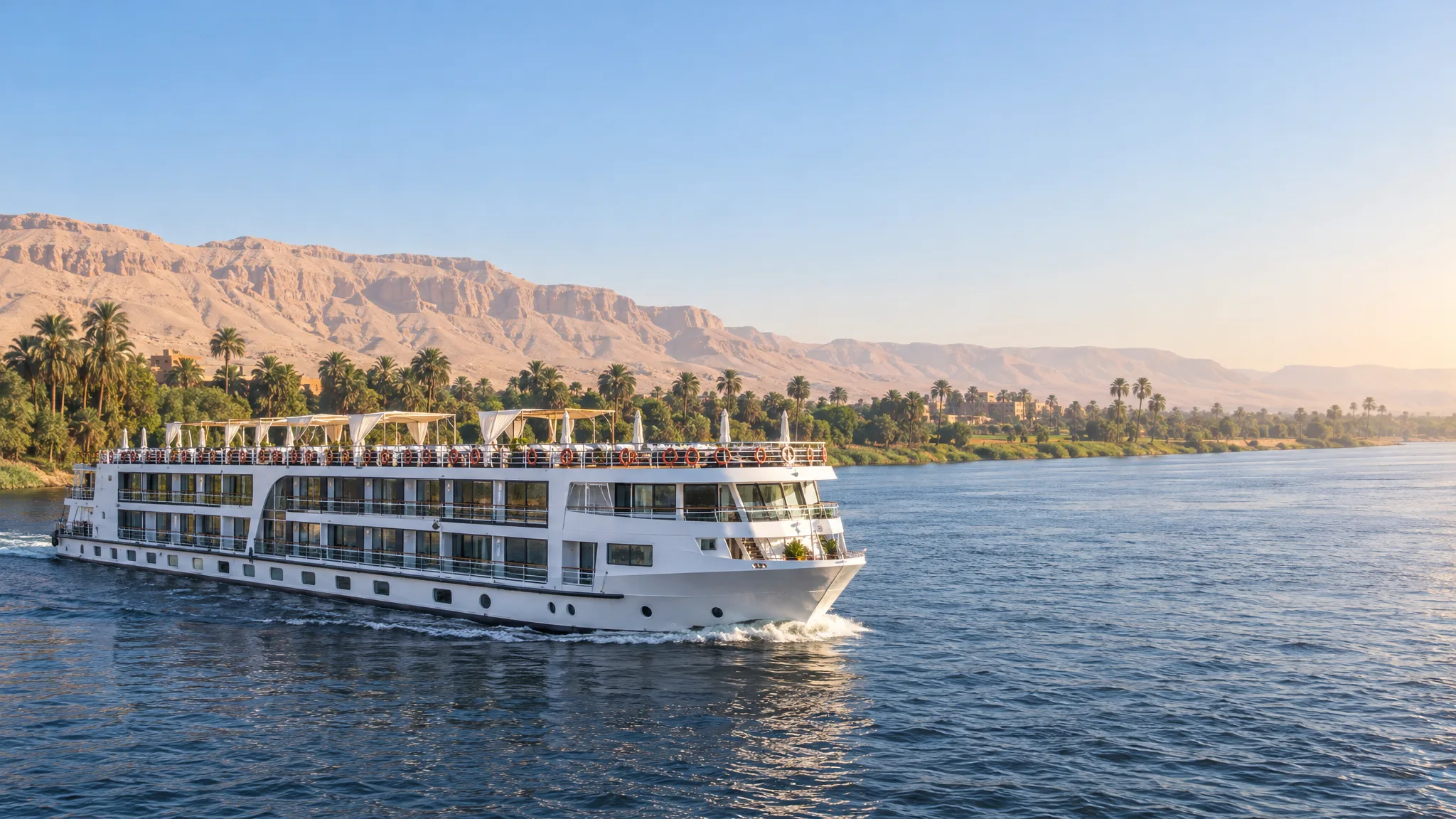
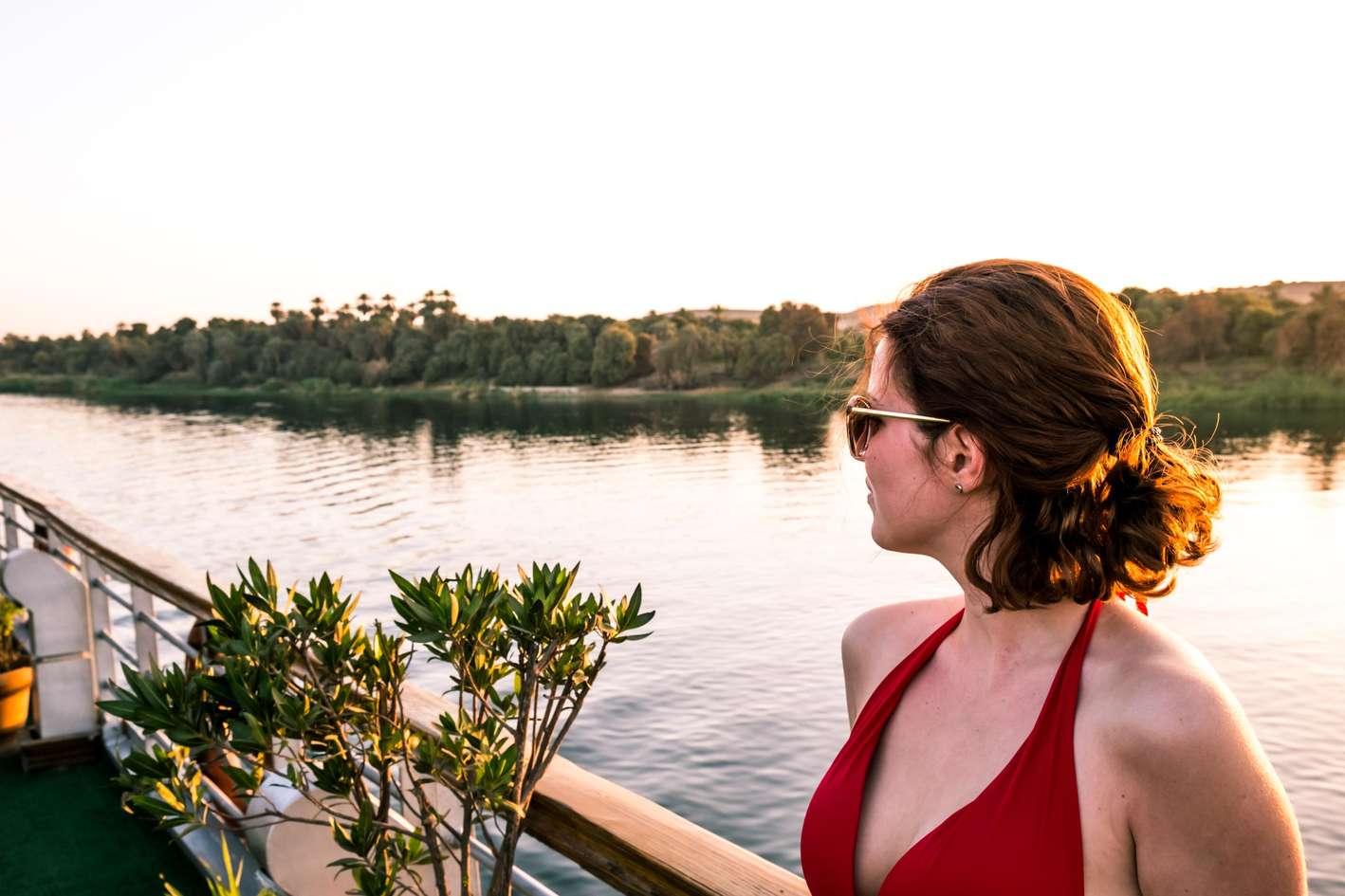
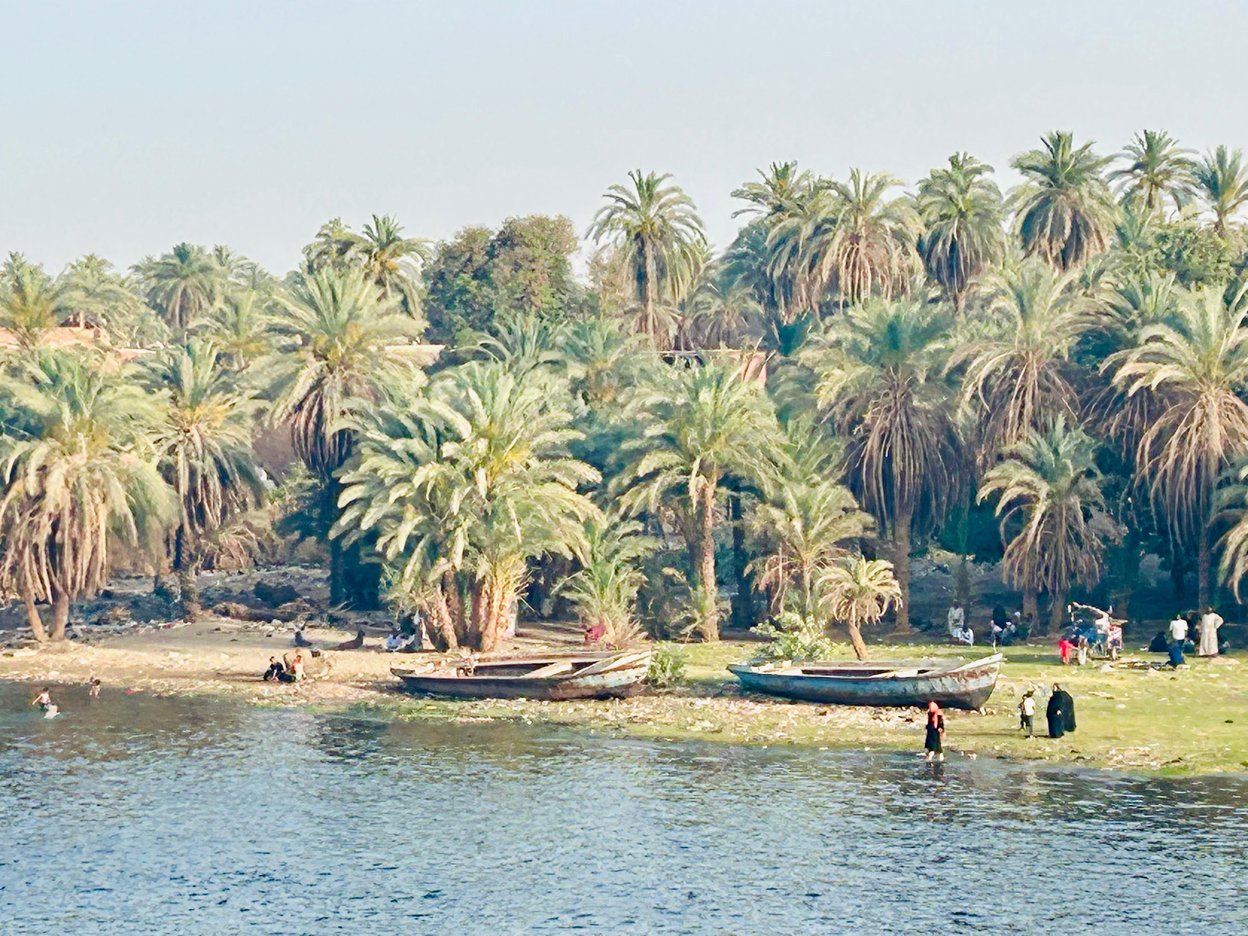
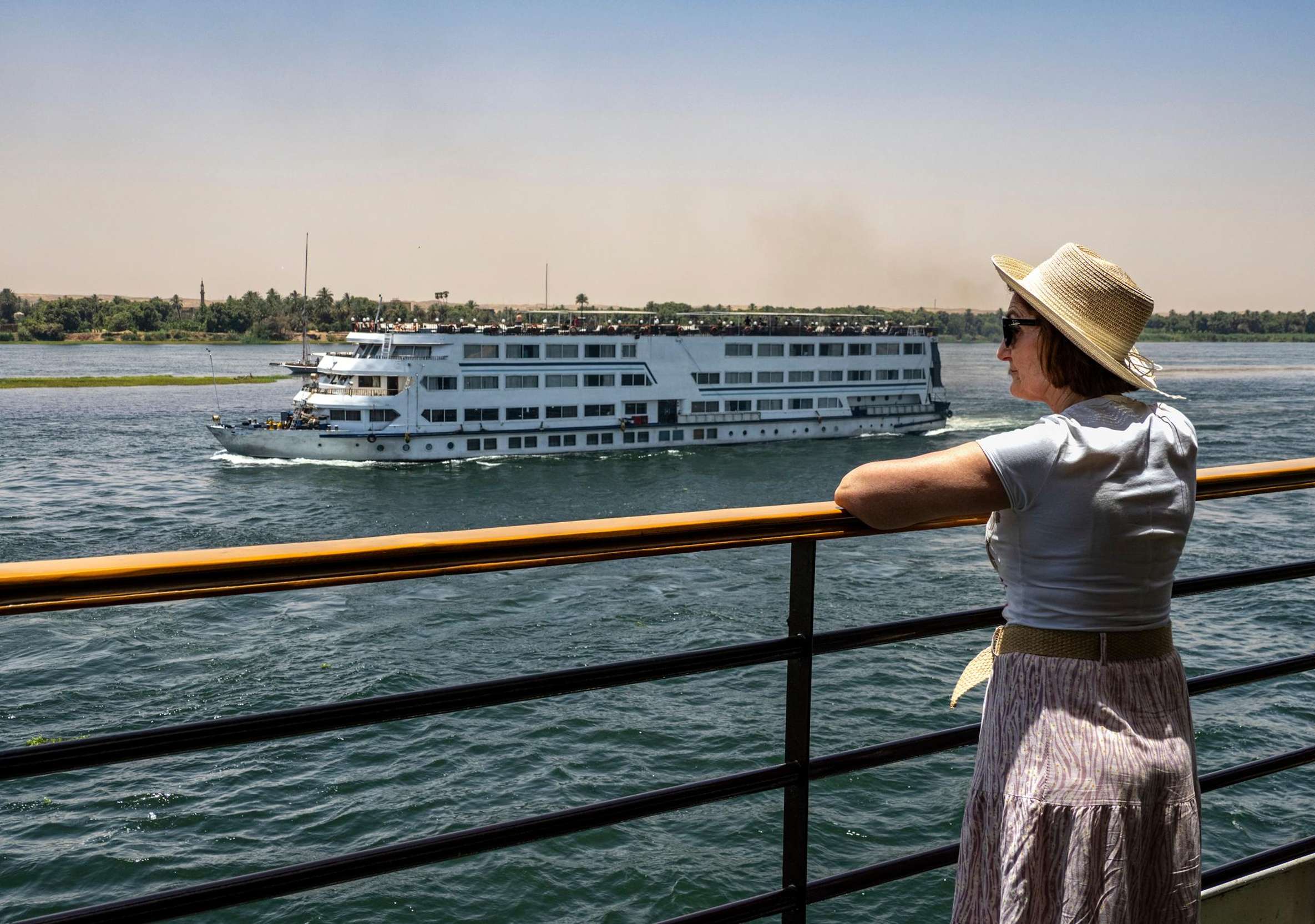
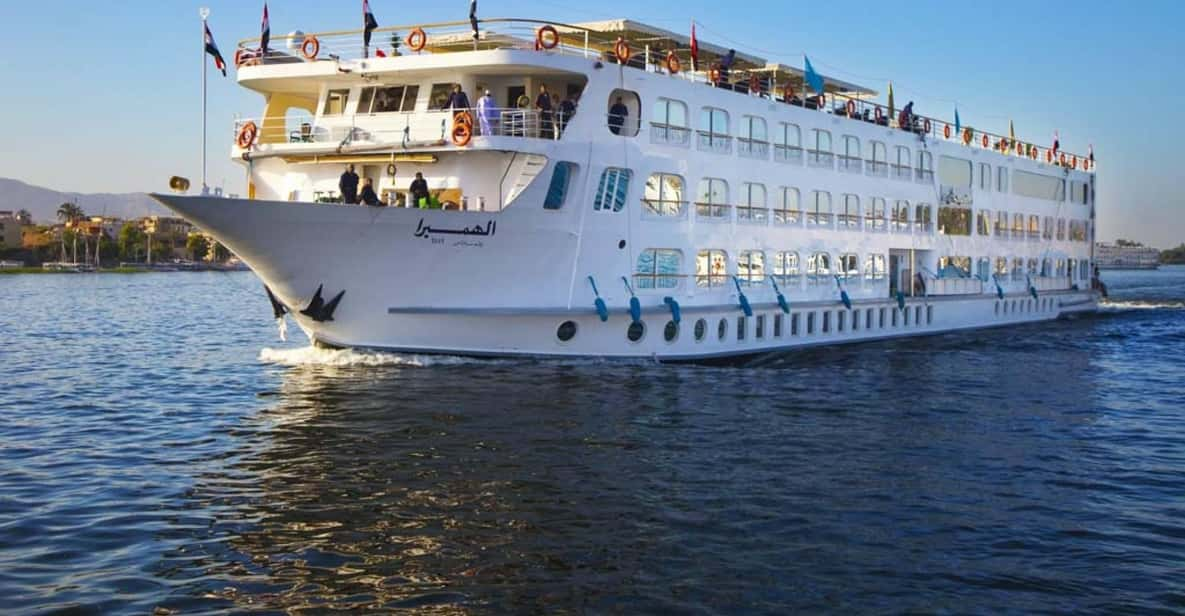
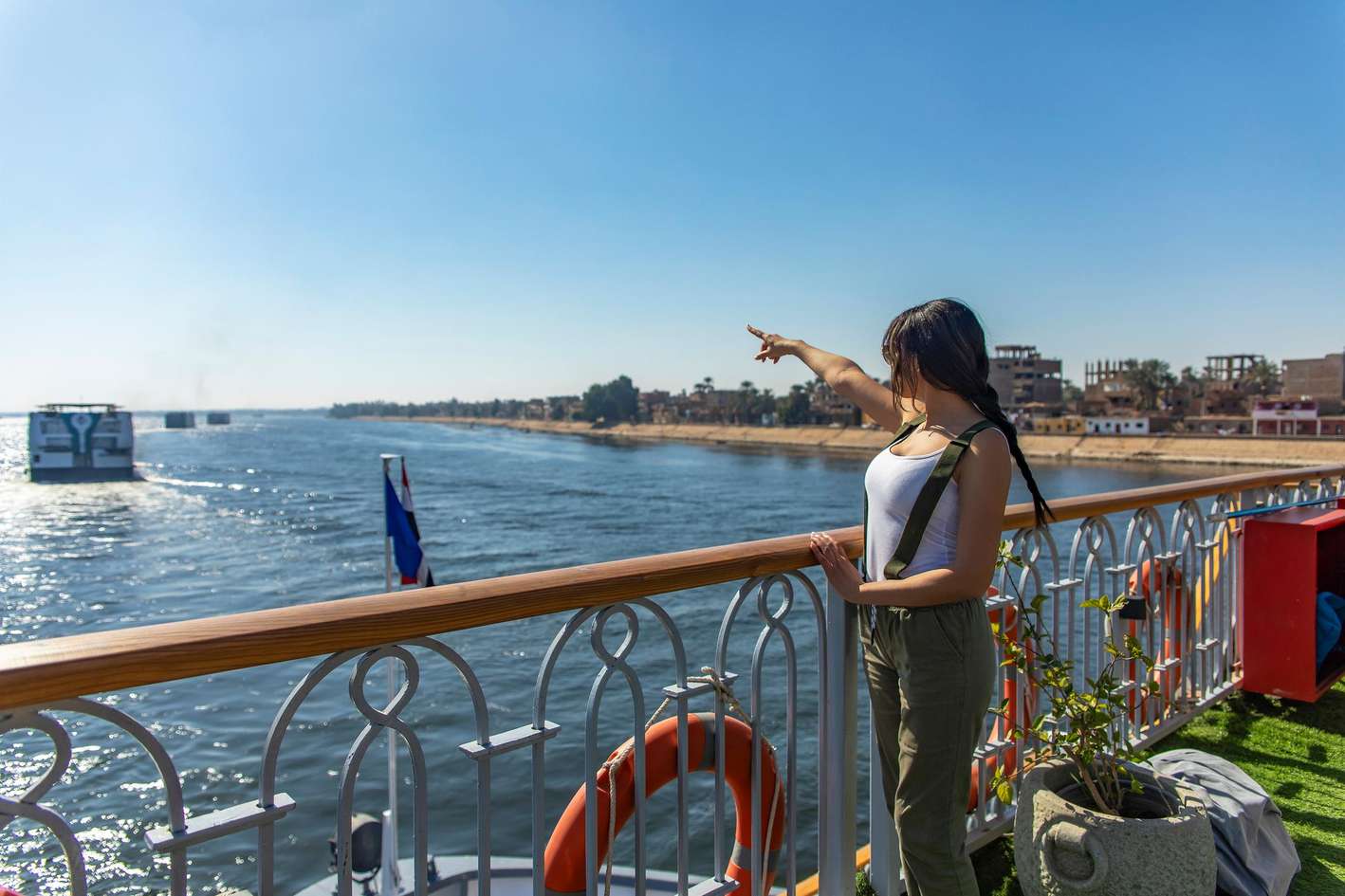
Midday on deck, temples behind, desert banks sliding past. Fly down in the morning and you sail by lunch.
Can you take a Nile cruise directly from Cairo?
Short multi-day cruises cannot sail from Cairo. The full river run south takes about two weeks, so packages fly you to Luxor or Aswan first and the cruise sails between those two cities.
How does a Nile cruise from Cairo actually start?
You get picked up at your Cairo hotel, fly south in about an hour, and board the ship between late morning and early afternoon, in time for lunch on board.
How long is a Nile cruise from Cairo?
The cruise itself runs 3 to 4 nights between Aswan and Luxor, or 4 nights and 5 days if you sail upstream from Luxor to Aswan. Packages with Cairo days before or after run longer.
How much of the day is spent sailing versus sightseeing?
A typical day starts with a temple visit in the morning, four to five hours of sailing through midday, and another stop late in the afternoon. Days in Luxor and Aswan involve little sailing and are spent ashore.
Do Nile cruise packages include entrance tickets to the temples?
Some do, some explicitly exclude them. Read the inclusions on the tour card before booking, because several of the packages listed here leave entrance fees out of the price.
What meals are included on a full-board cruise?
Breakfast, lunch, and dinner are included every day. Drinks, including water, are billed separately, so budget for drinks at the onboard bar.
Can I add a hot air balloon flight over Luxor to my cruise?
Yes. Balloon flights start at dawn and travelers are usually back by about 8:30 am, and ships in Luxor stay moored until late at night or the next morning. Several packages from Cairo include the ride.
What is the cruise ship itself like?
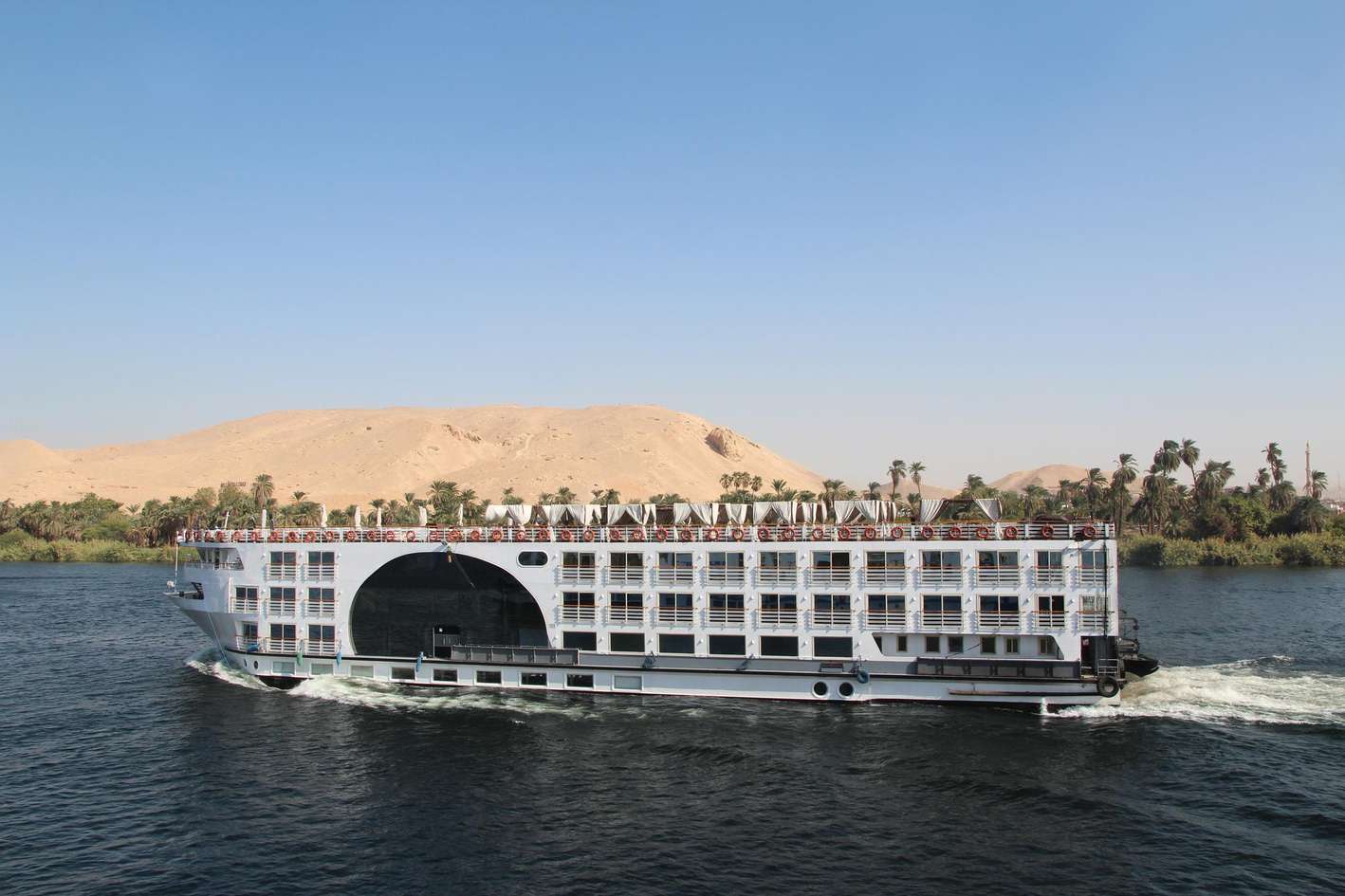
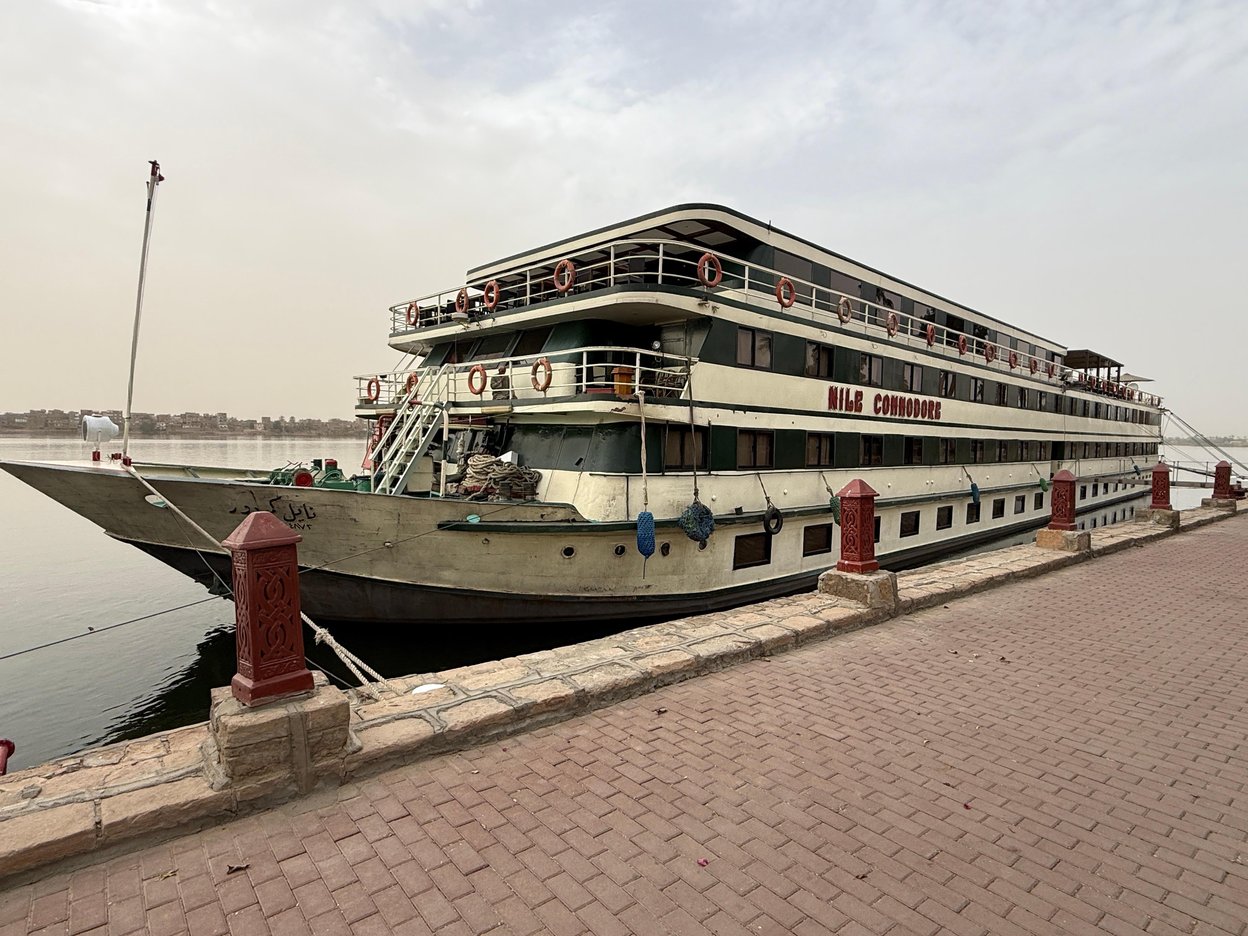
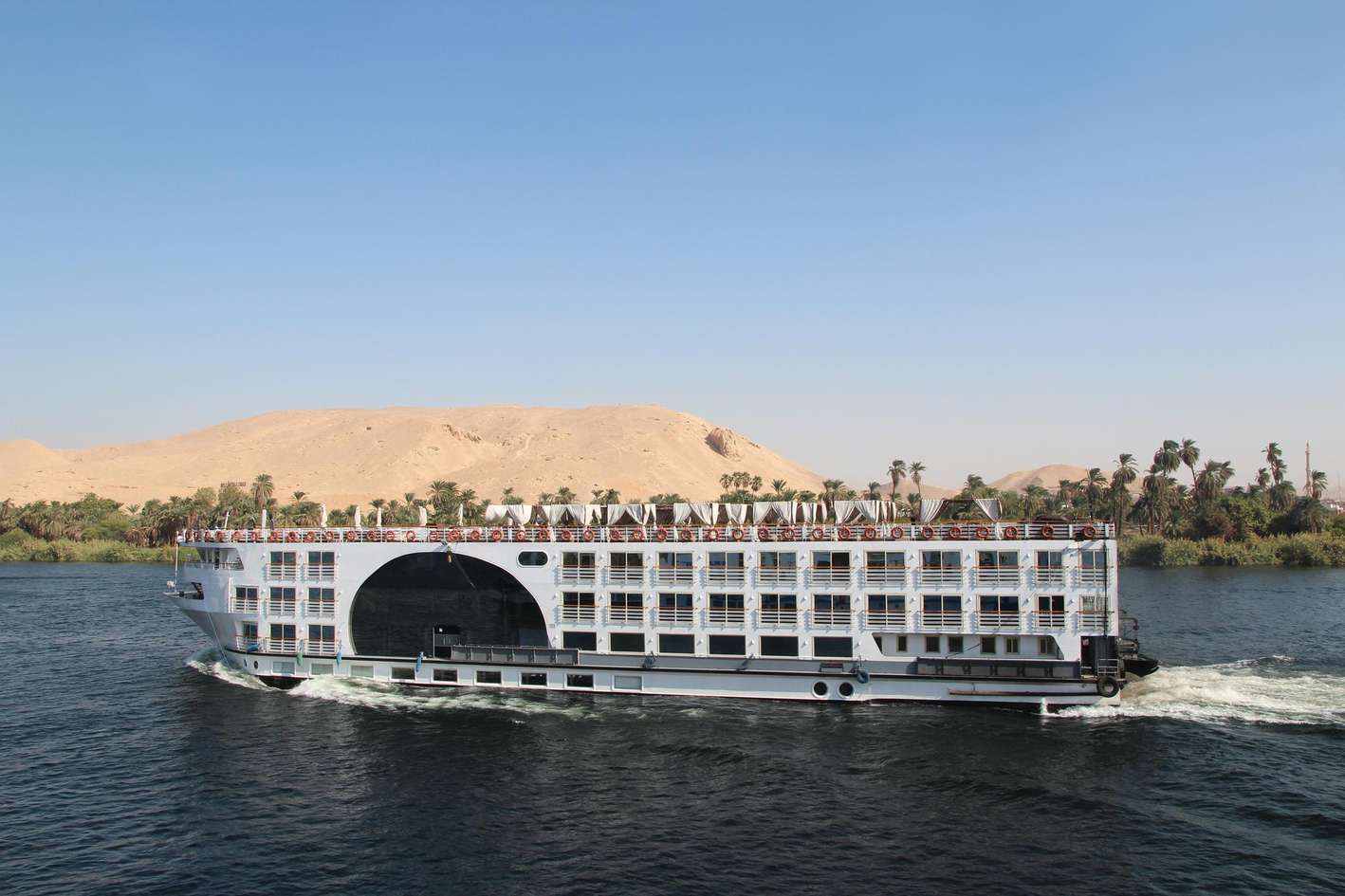
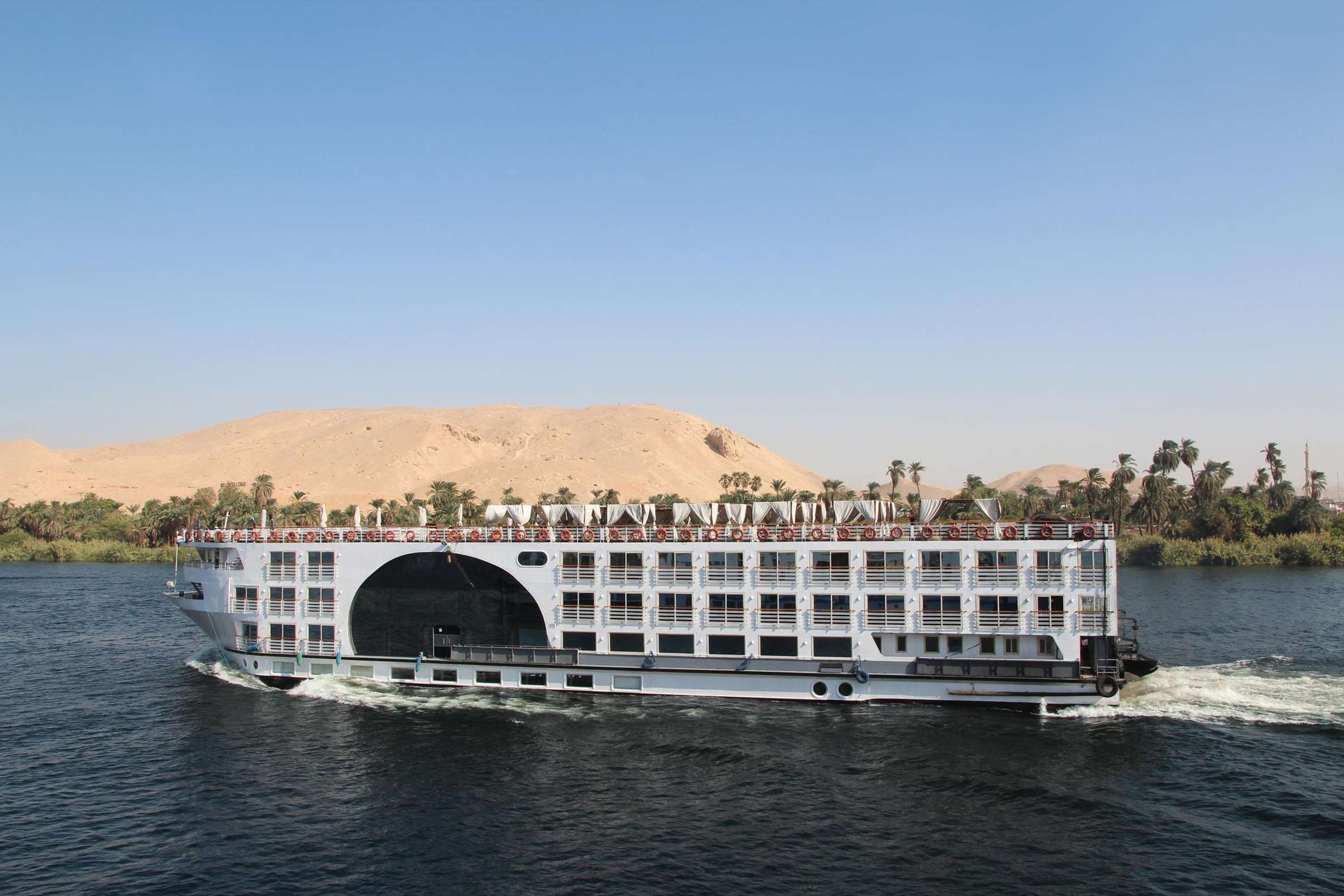
A 5-star ship has a sun deck with a pool, evening entertainment, and cabins of roughly 18 to 22 square meters. Cabins are smaller than hotel rooms, and at busy quays ships moor side by side, so your window may face another boat.
Which temples can I reach straight from the ship?
Kom Ombo sits right at the river landing, so you walk from the mooring to the temple without a coach. Philae, at Aswan, is reached by a short motorboat ride.
Is a Nile cruise from Cairo right for me?
It suits first-time visitors and families who want one floating base instead of changing hotels, and older travelers who want the river without the logistics. If you want to set your own pace or dine widely on land, a hotel-based itinerary fits better.