
Our pick
15 hours·Arabic, English
4.5(832)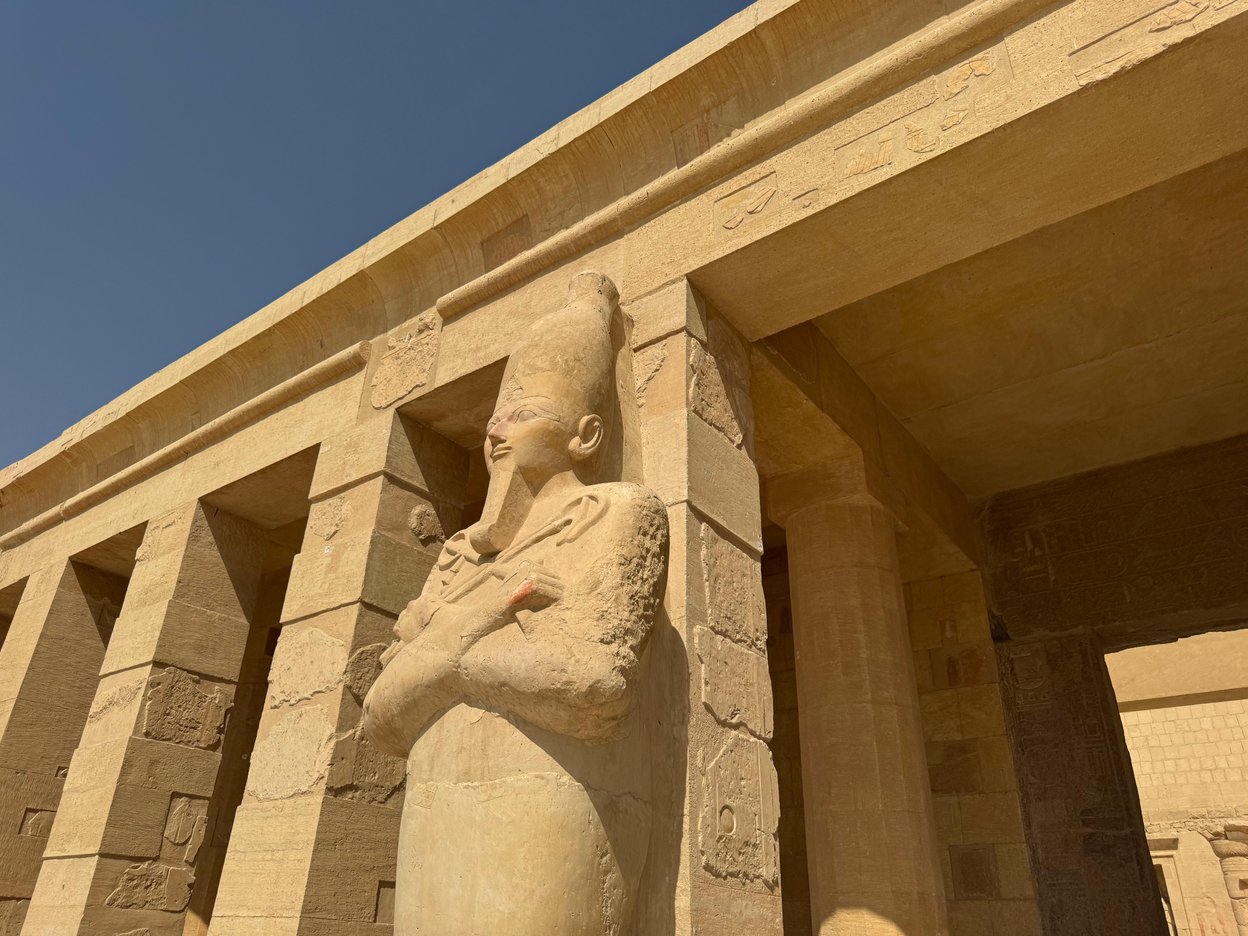
Cairo: Private Luxor Day Tour with Entrance fees by Flights
Round-trip flights from Cairo are includedMeals are included in the price of the tour
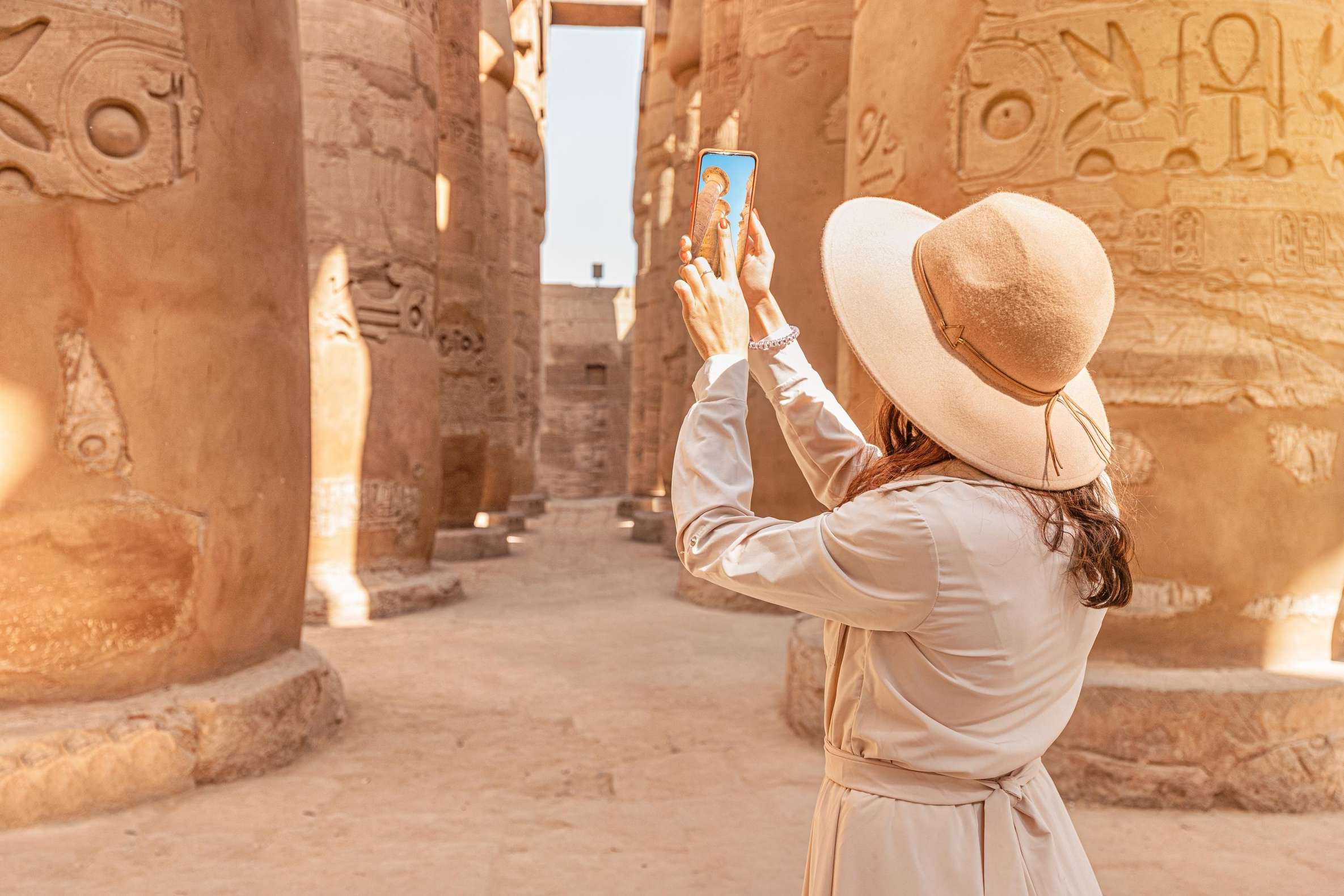
Leave the beach behind for one long day and stand where pharaohs were buried. Guided Luxor day tours with flights, private transfers, entrance fees, and lunch included, booked from one page. Early starts beat the crowds and the heat, and you are back the same evening.
A day trip to Luxor is doable on one long day, but every guided tour sold on this page starts from Cairo and Giza hotels, not from Marsa Alam resorts. To join one, you arrange your own ride from the coast to Cairo first, a trip of roughly five hours each way by road.
The closest match is Cairo: Private Luxor Day Tour with Entrance fees by Flights, a 15-hour private day with round-trip flights, all entrance fees, lunch and a felucca ride covered. You see the Valley of the Kings and Hatshepsut's temple with an English-speaking guide.
A Luxor day tour that starts from Marsa Alam is not on sale on this page, so this is the option we recommend instead: a 15-hour private day tour that begins with hotel pickup in Cairo or Giza at about 6 am and covers everything a first Luxor visit needs.
It gets you to Luxor by a one-hour flight, with tickets included, and hands you to a private air-conditioned vehicle on the ground.
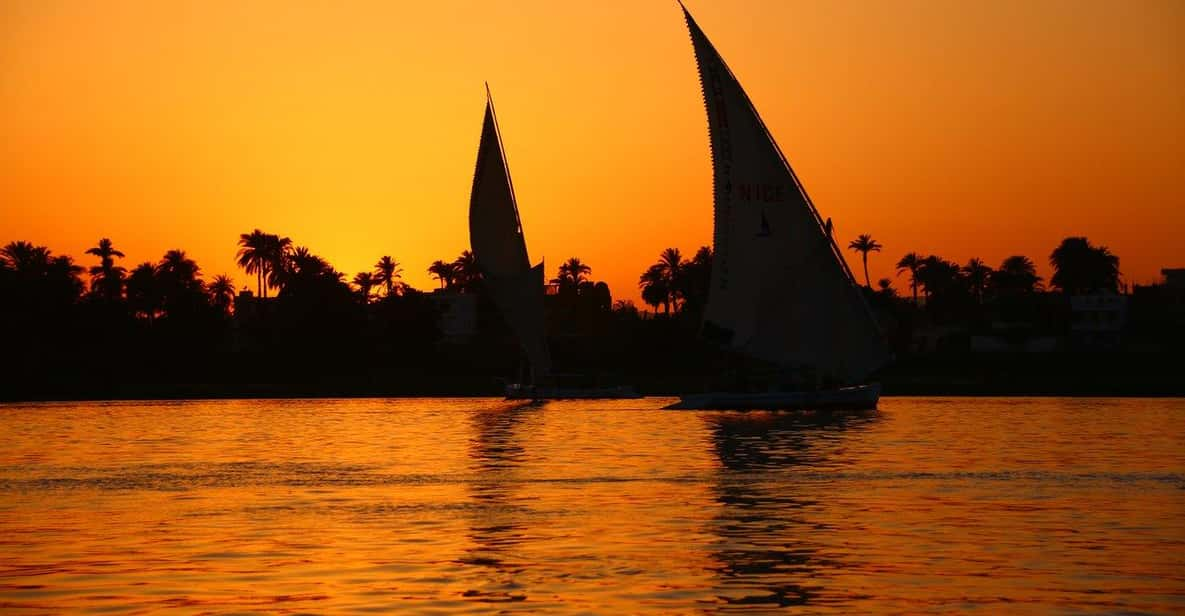
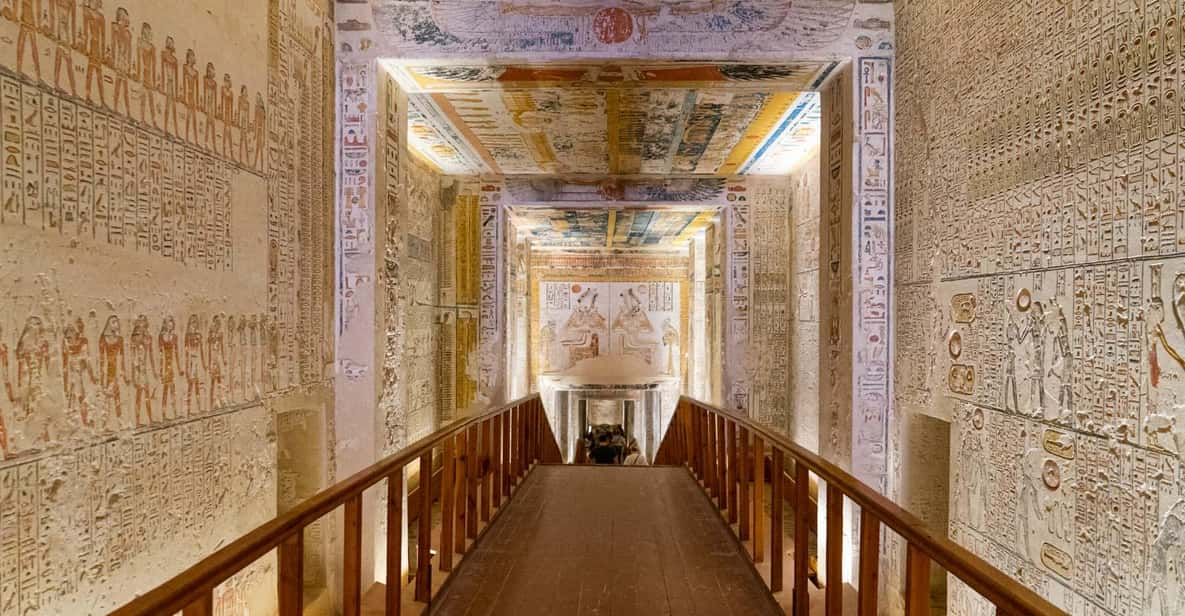
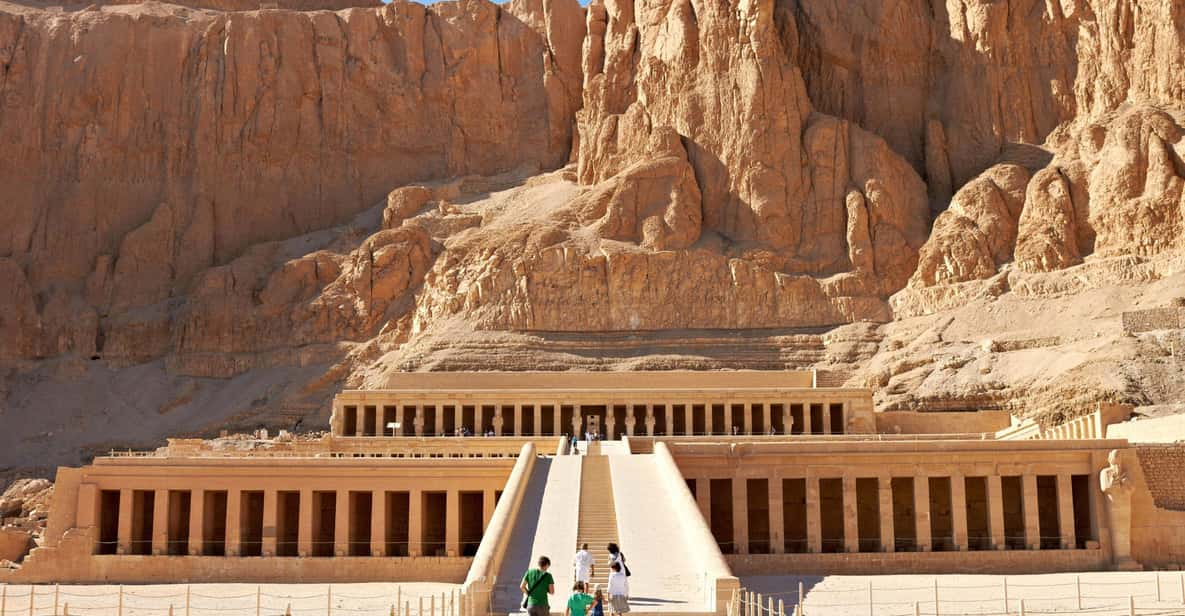
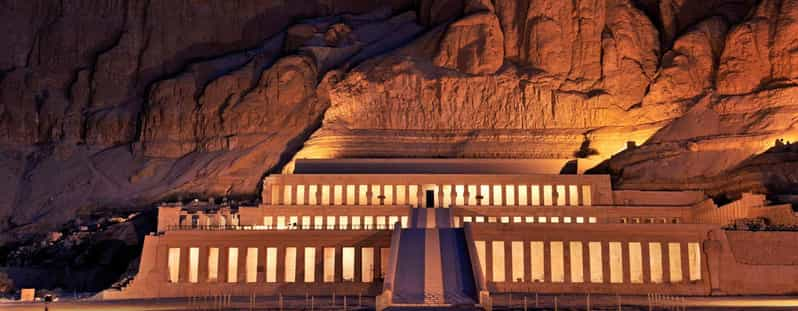
The day runs across both banks: the Valley of the Kings, the Mortuary Temple of Queen Hatshepsut, and a felucca ride on the Nile, with lunch at a restaurant in Luxor included. Entrance fees to all historical sites, all transfers, and your professional guide are also in the price.
That is the same core sightseeing a full guided day from the coast would give you, with the biggest costs of an independent trip, tickets and transport, already handled.
It suits travelers who have already moved north to Cairo or plan to, and who want one organized day covering the West Bank temples and royal tombs. Worth knowing before booking: the operator asks for your flight details promptly after booking, and you can cancel up to 24 hours in advance for a full refund.
Green marks the lowest price. Prices per person.

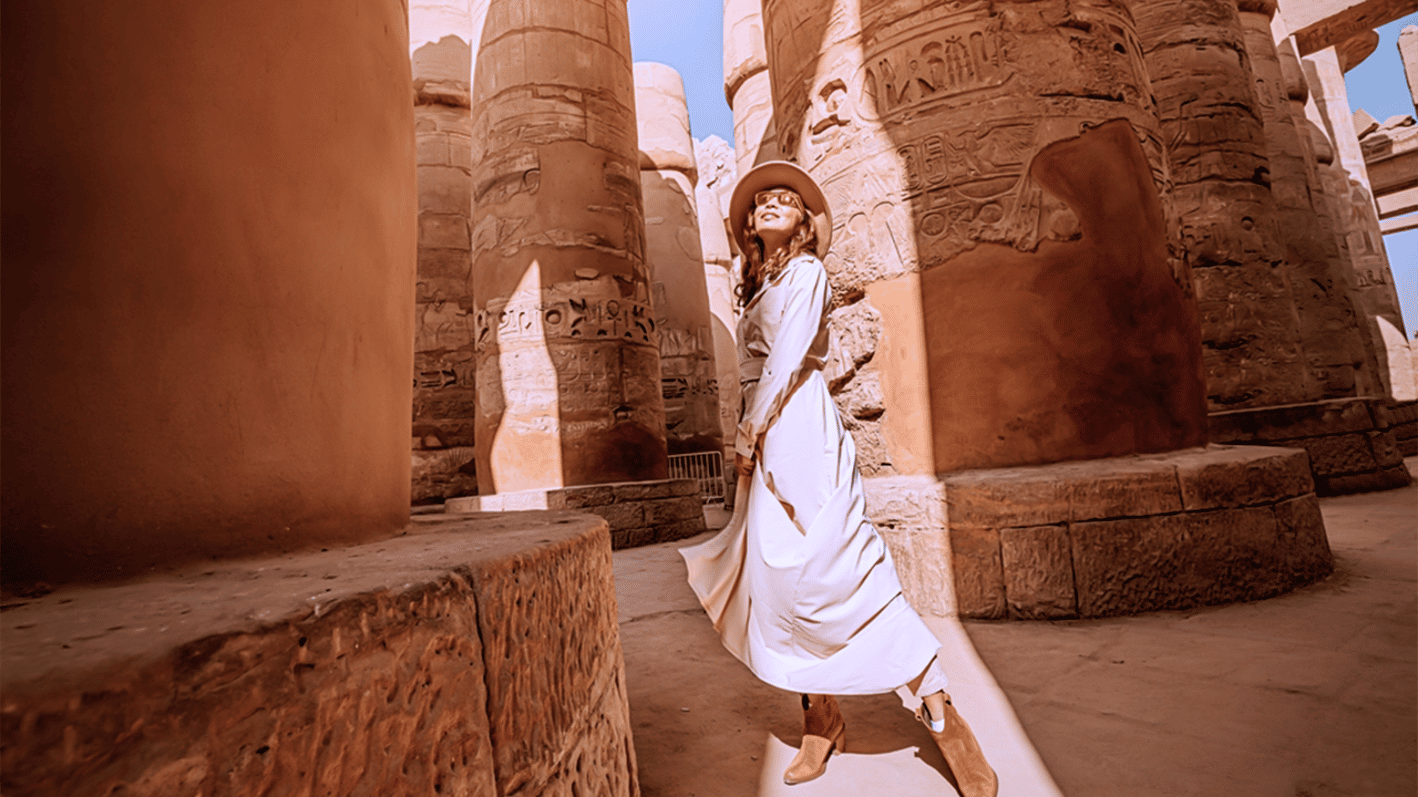
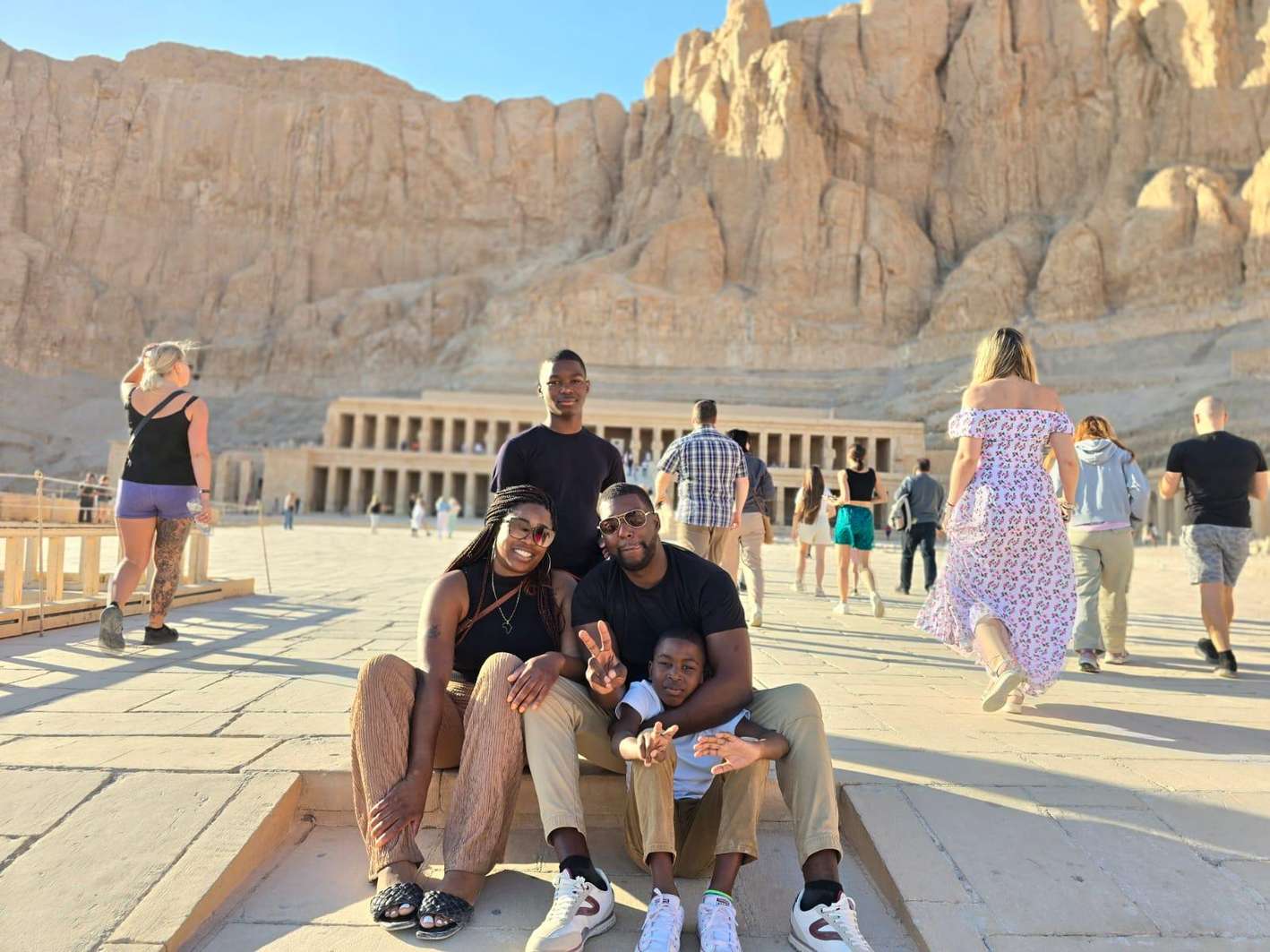
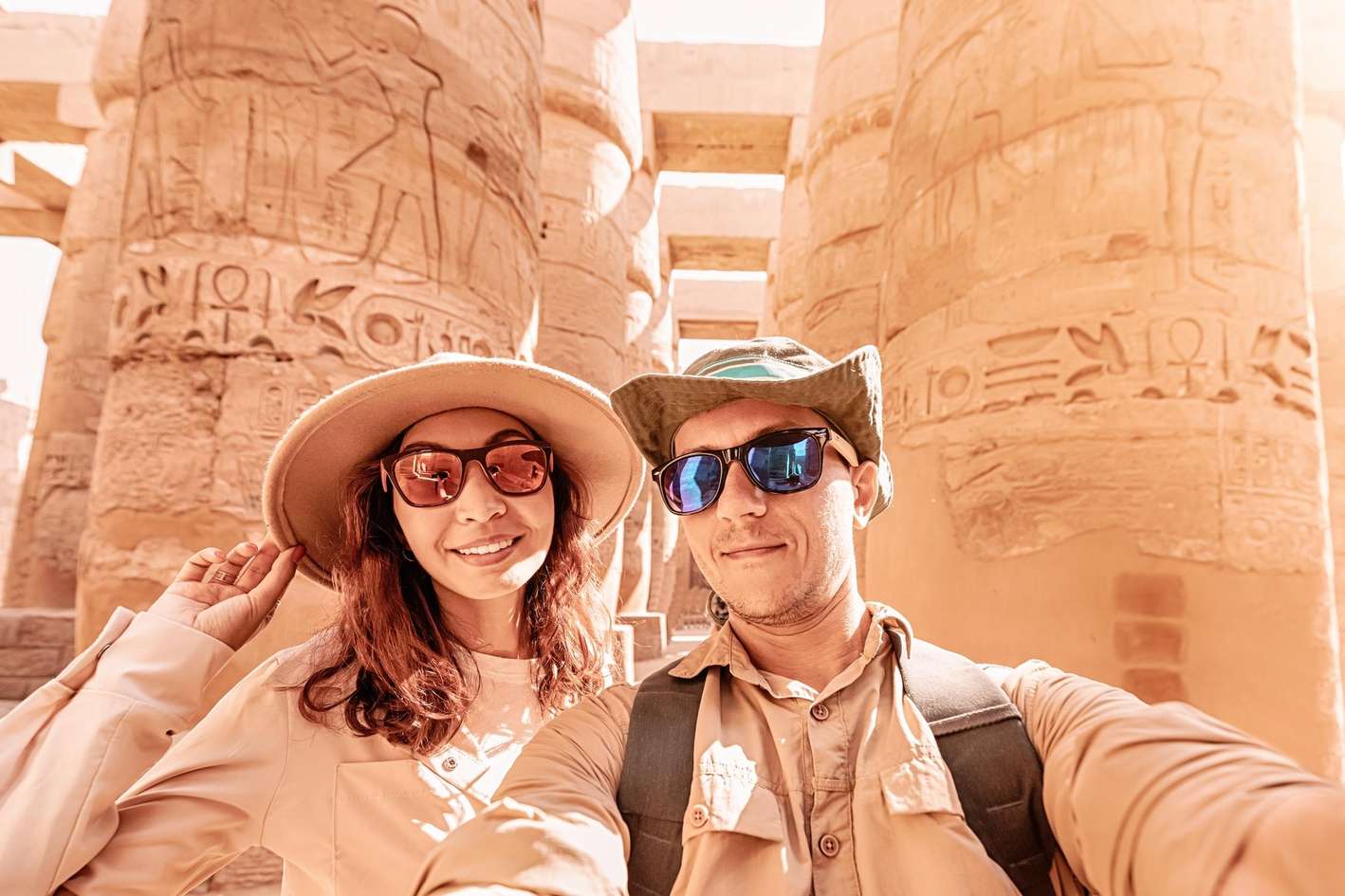
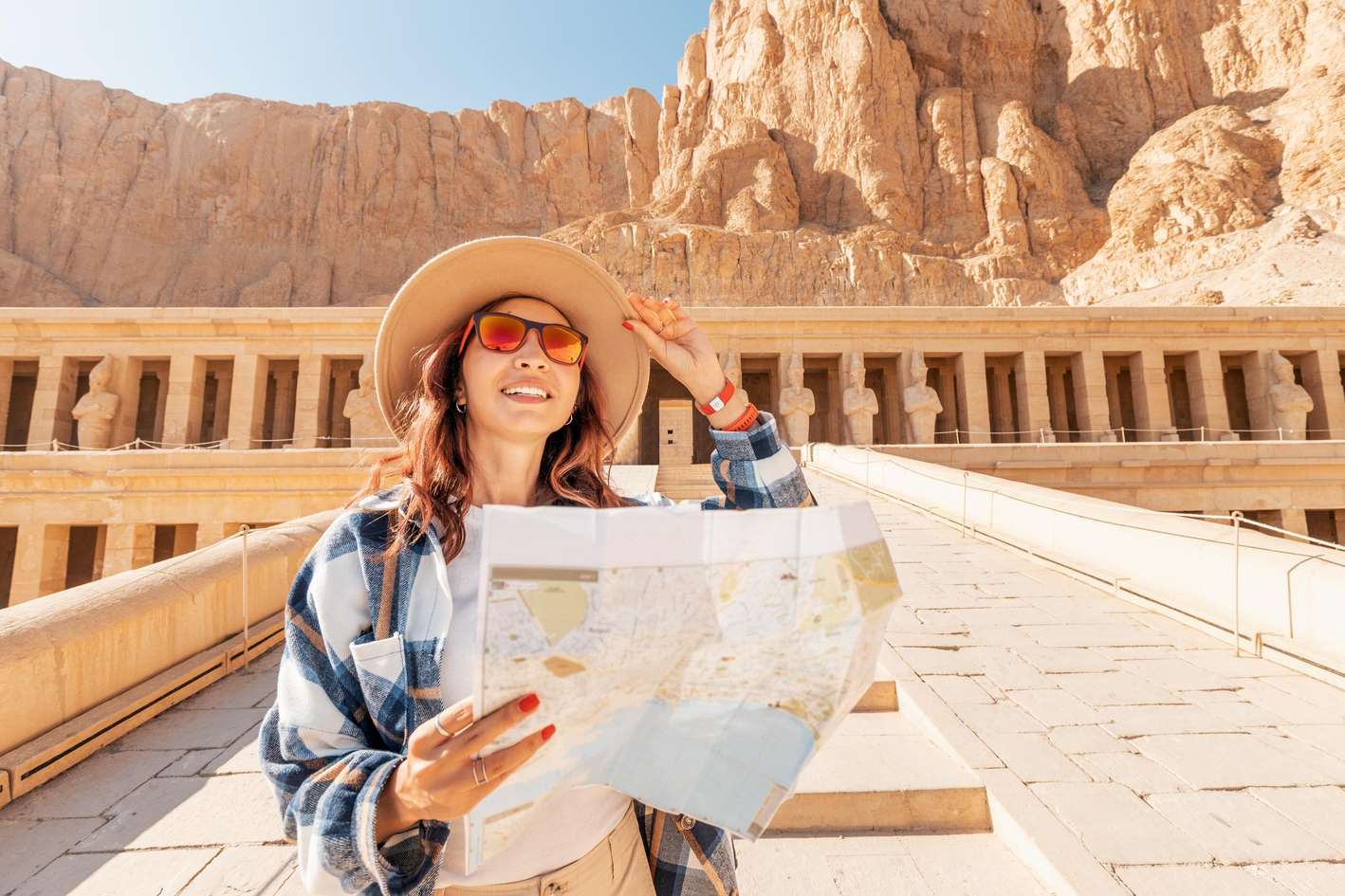
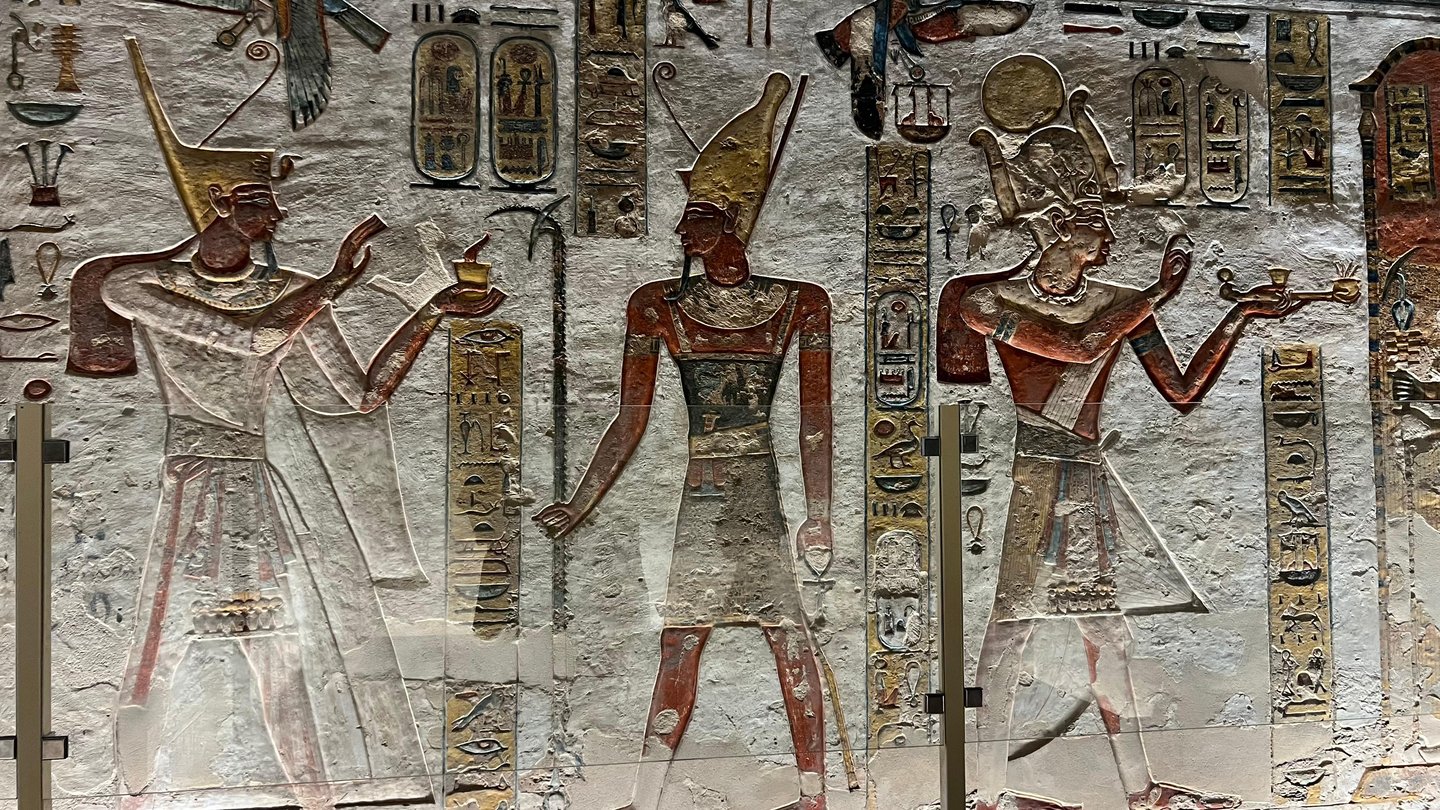
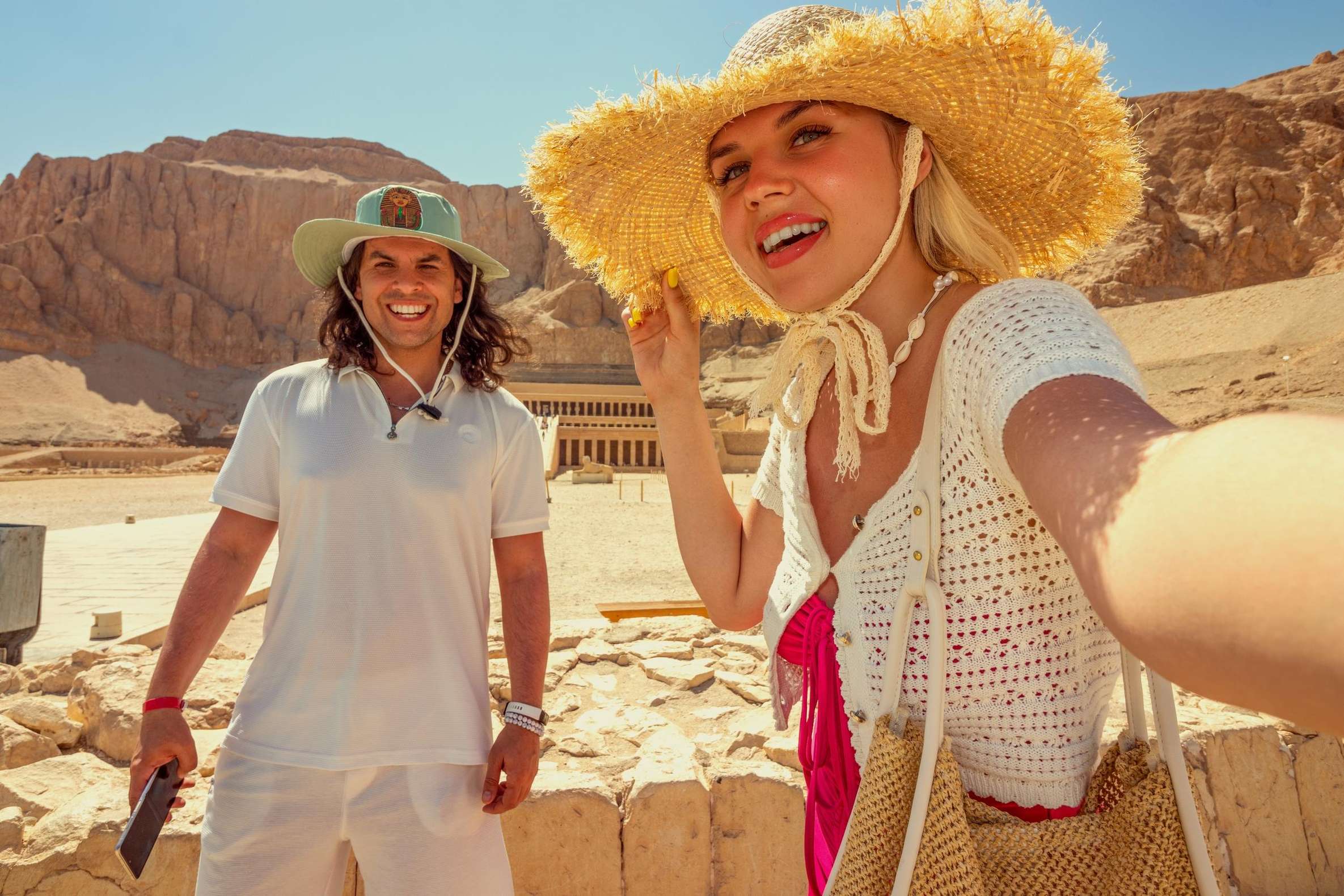
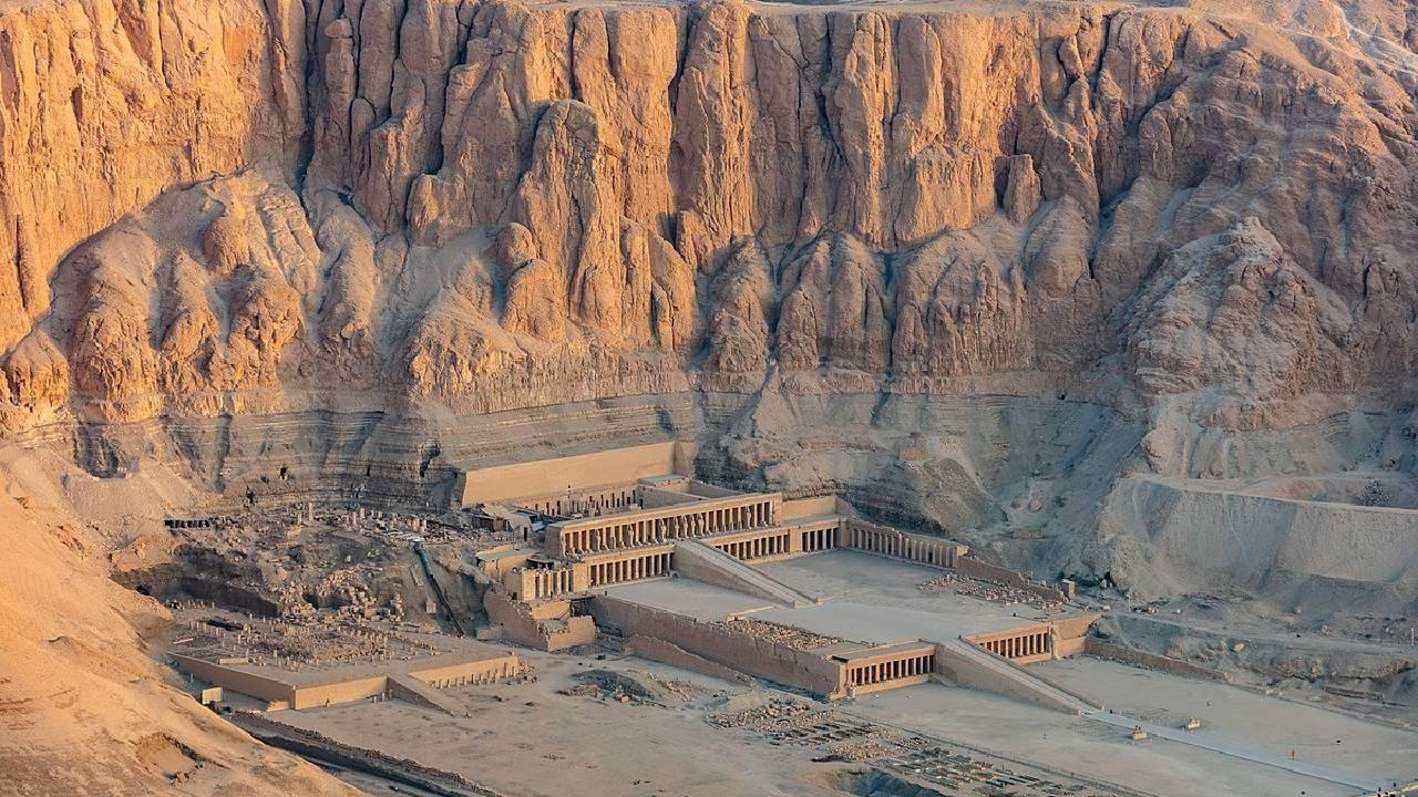
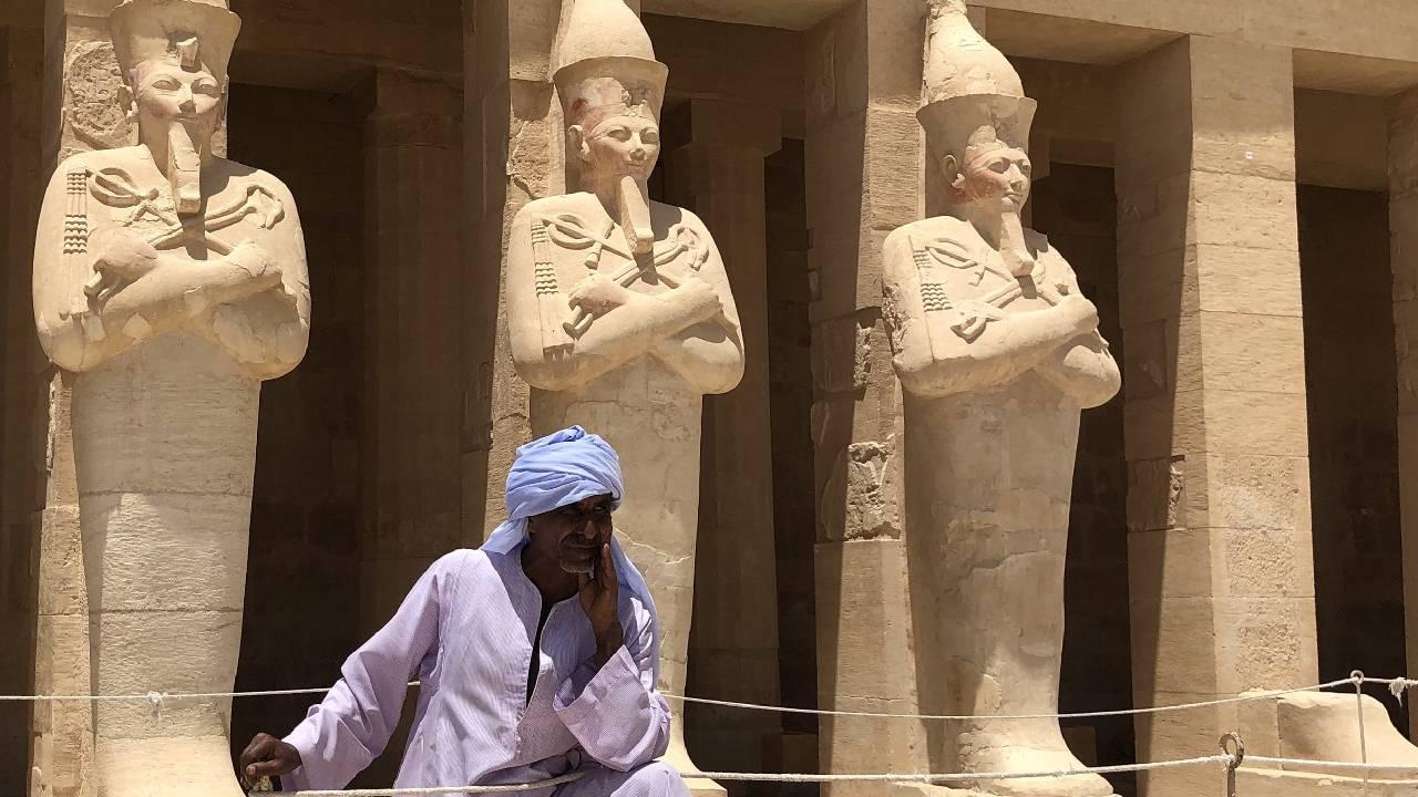
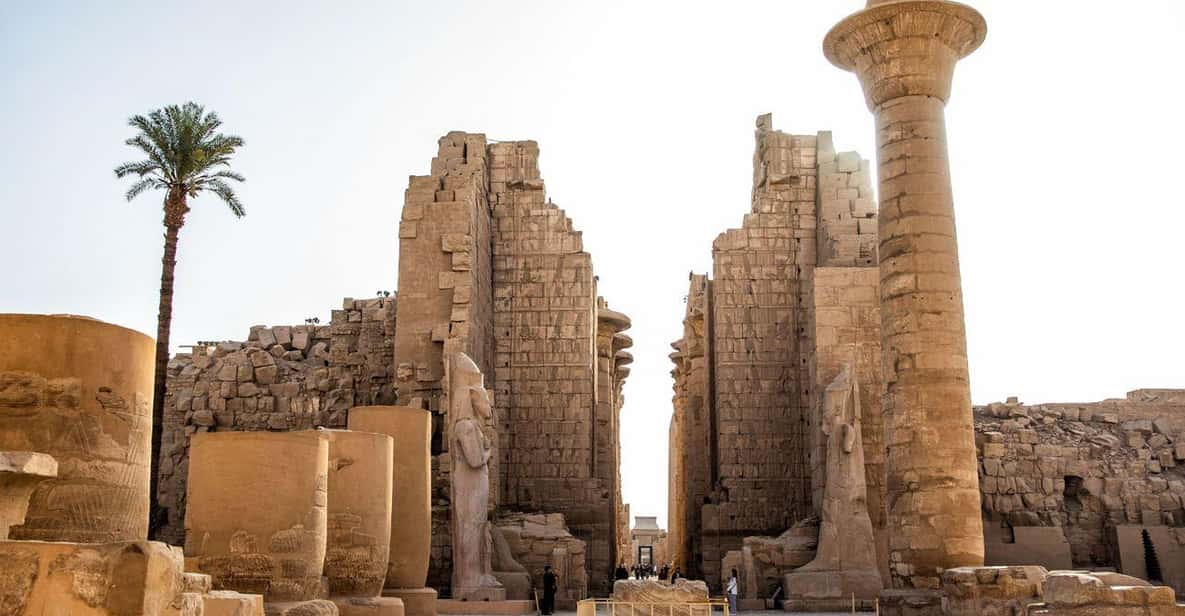
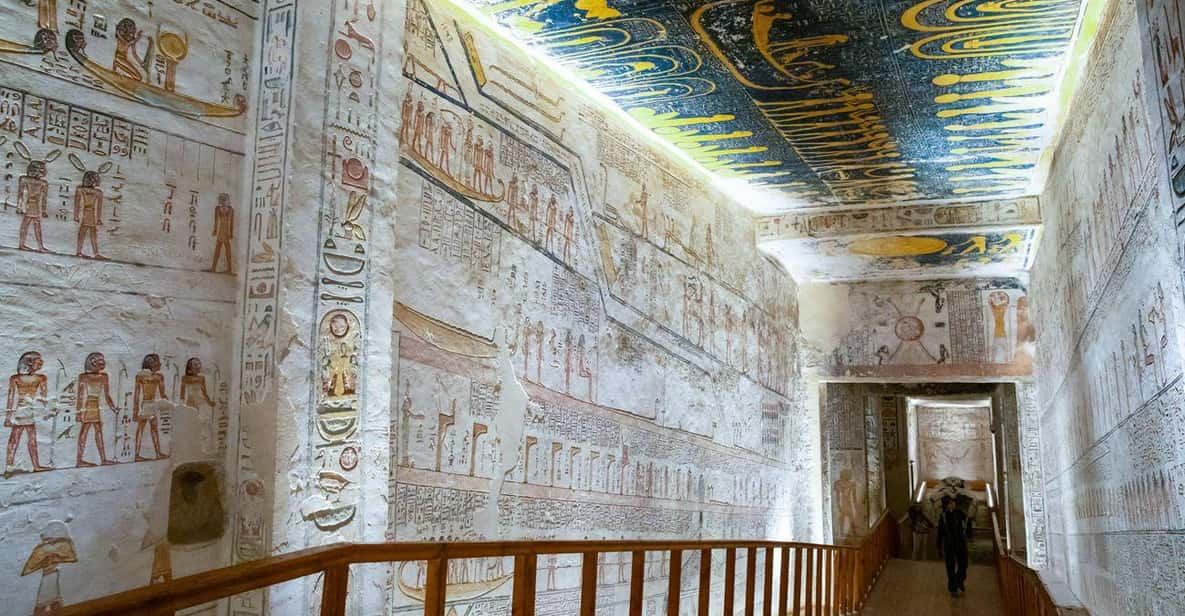
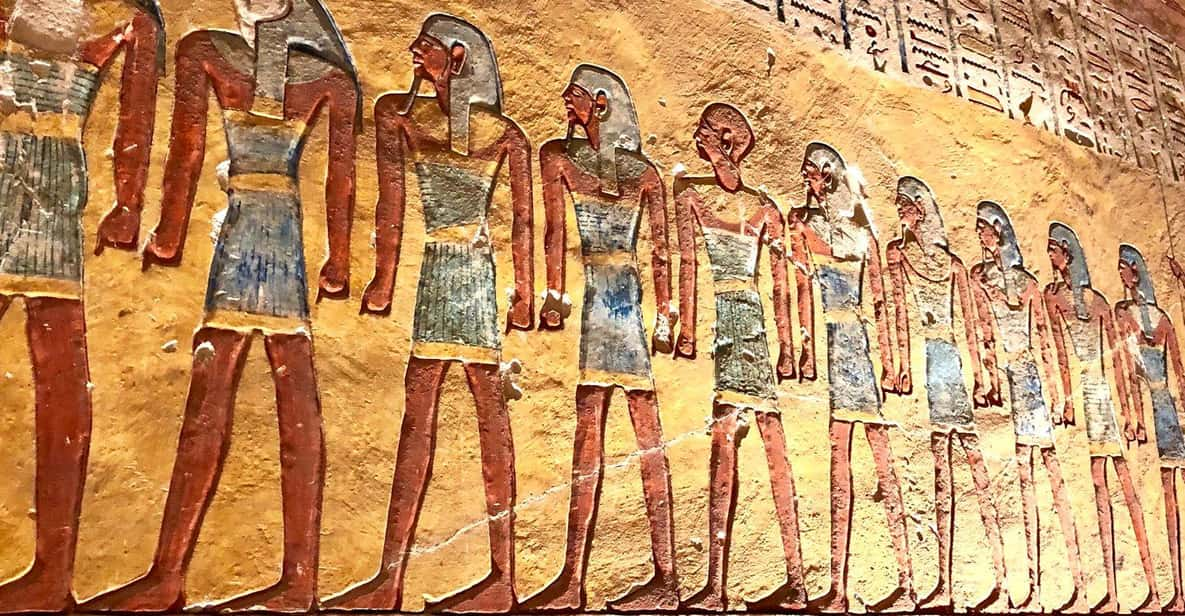
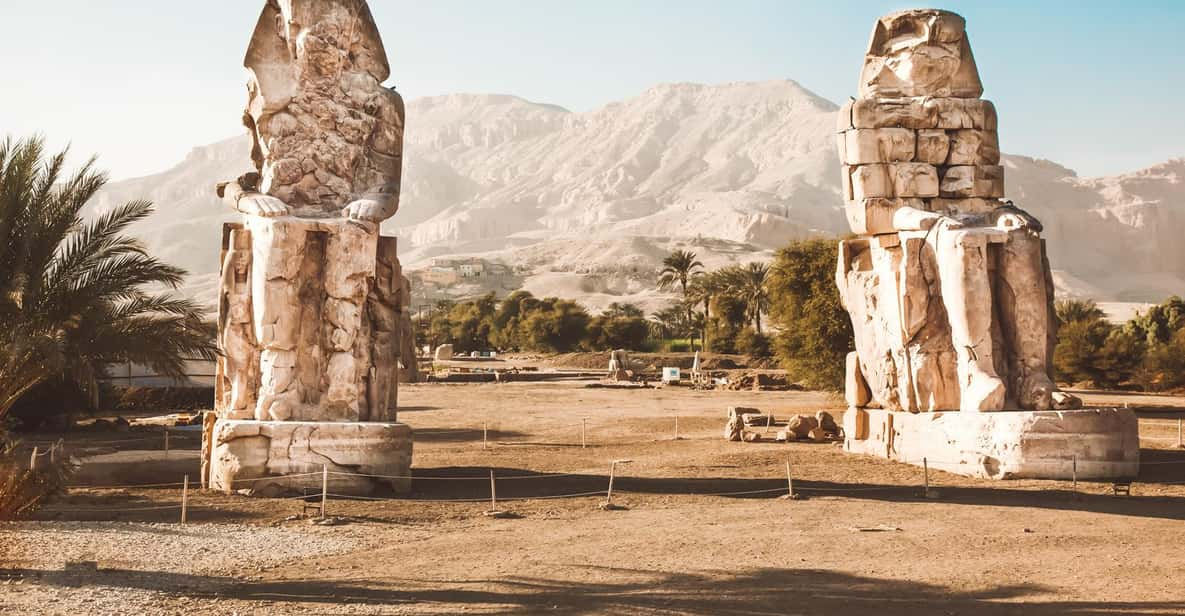
The day runs through Luxor's two banks in order. It starts underground in the Valley of the Kings, where the New Kingdom pharaohs cut their tombs into the desert rock, then climbs to the terraces of Hatshepsut's temple and pauses at the two seated Colossi of Memnon before lunch.
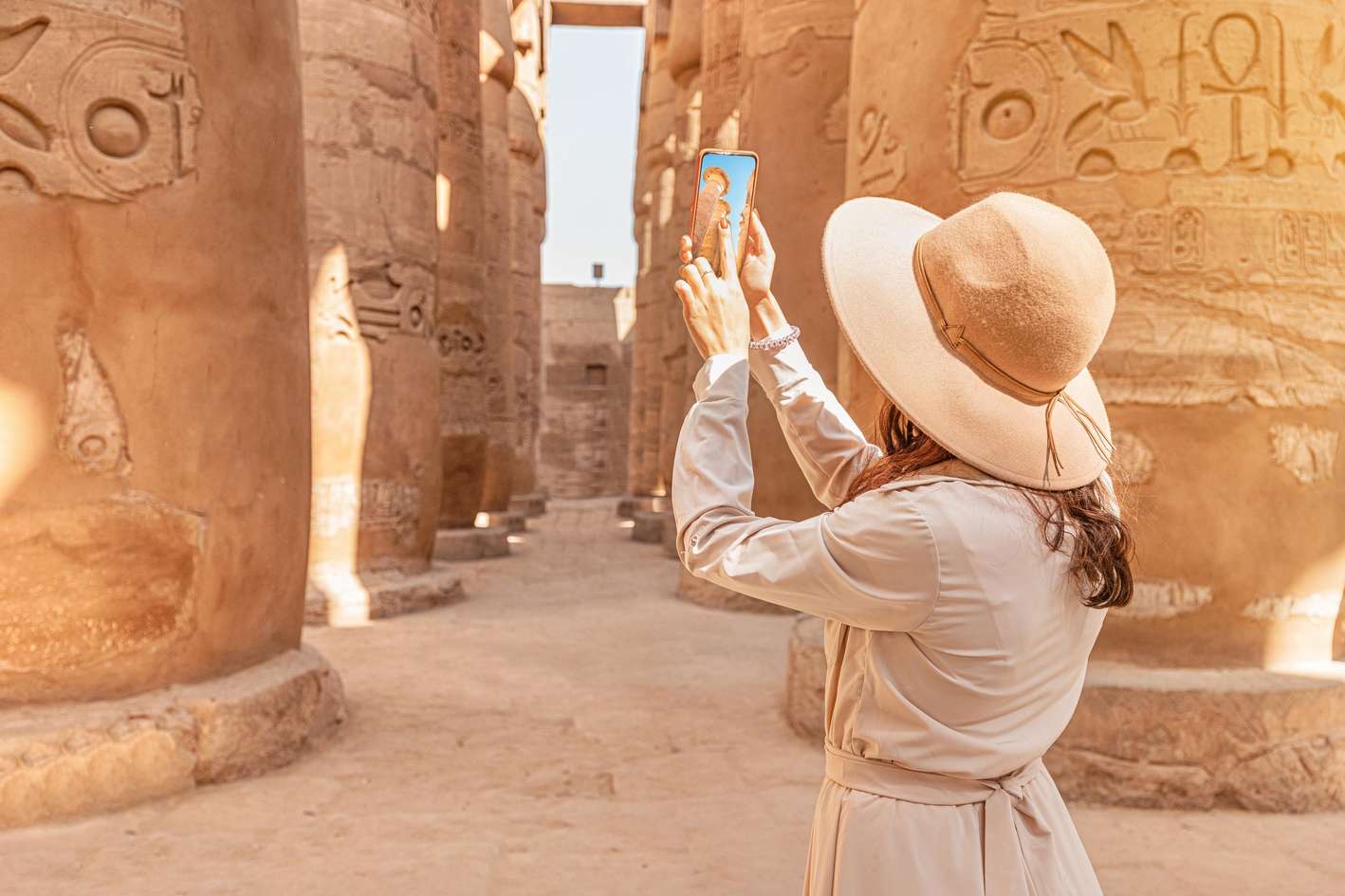
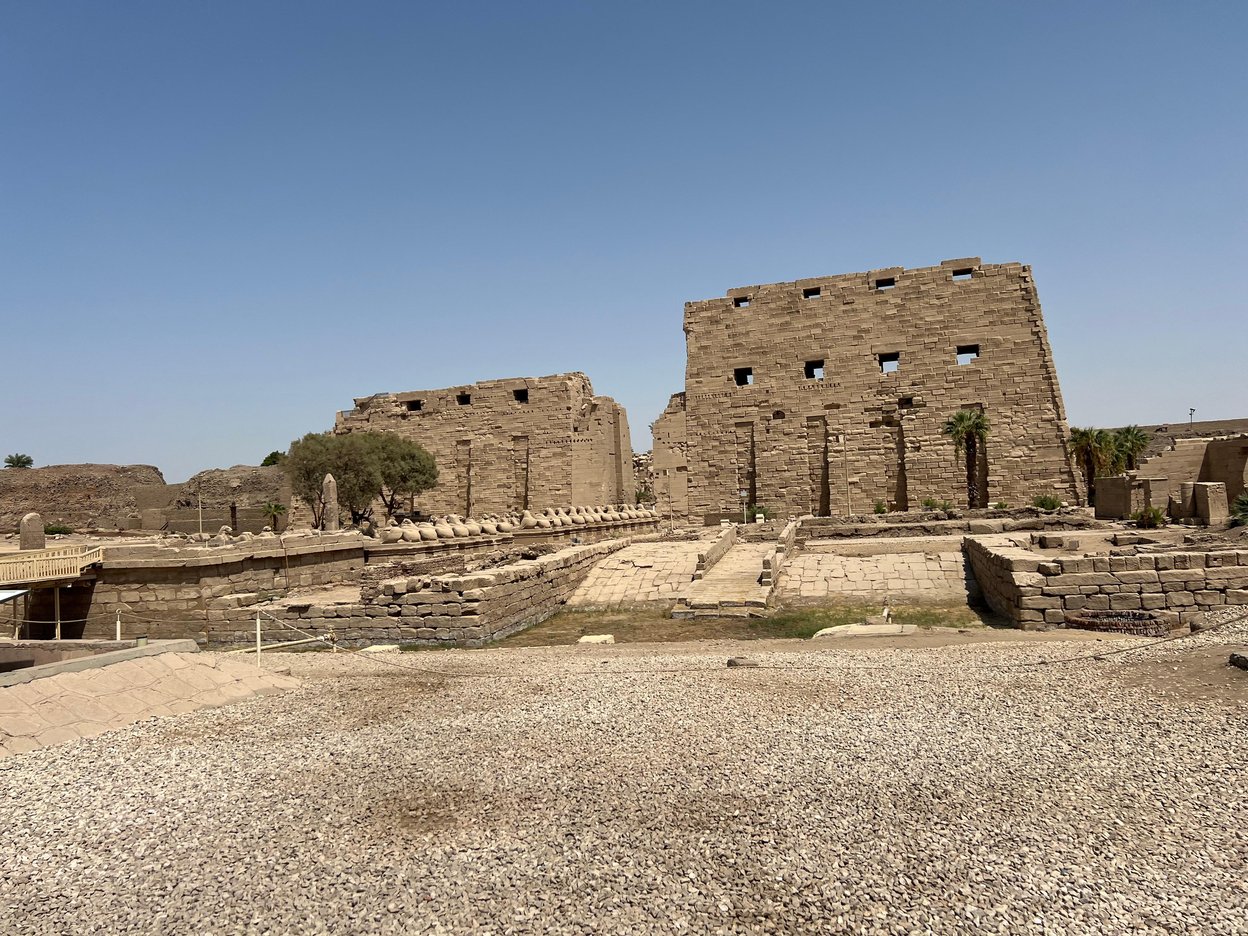
Afternoon moves to the East Bank: a short sail on the Nile, the columns of Karnak, and Luxor Temple as evening light falls on the granite statues of Ramses the Great.
Round-trip flights, entrance fees, transfers, a guide and lunch are all included, so the only thing to carry is your passport and a bank card for the gates.
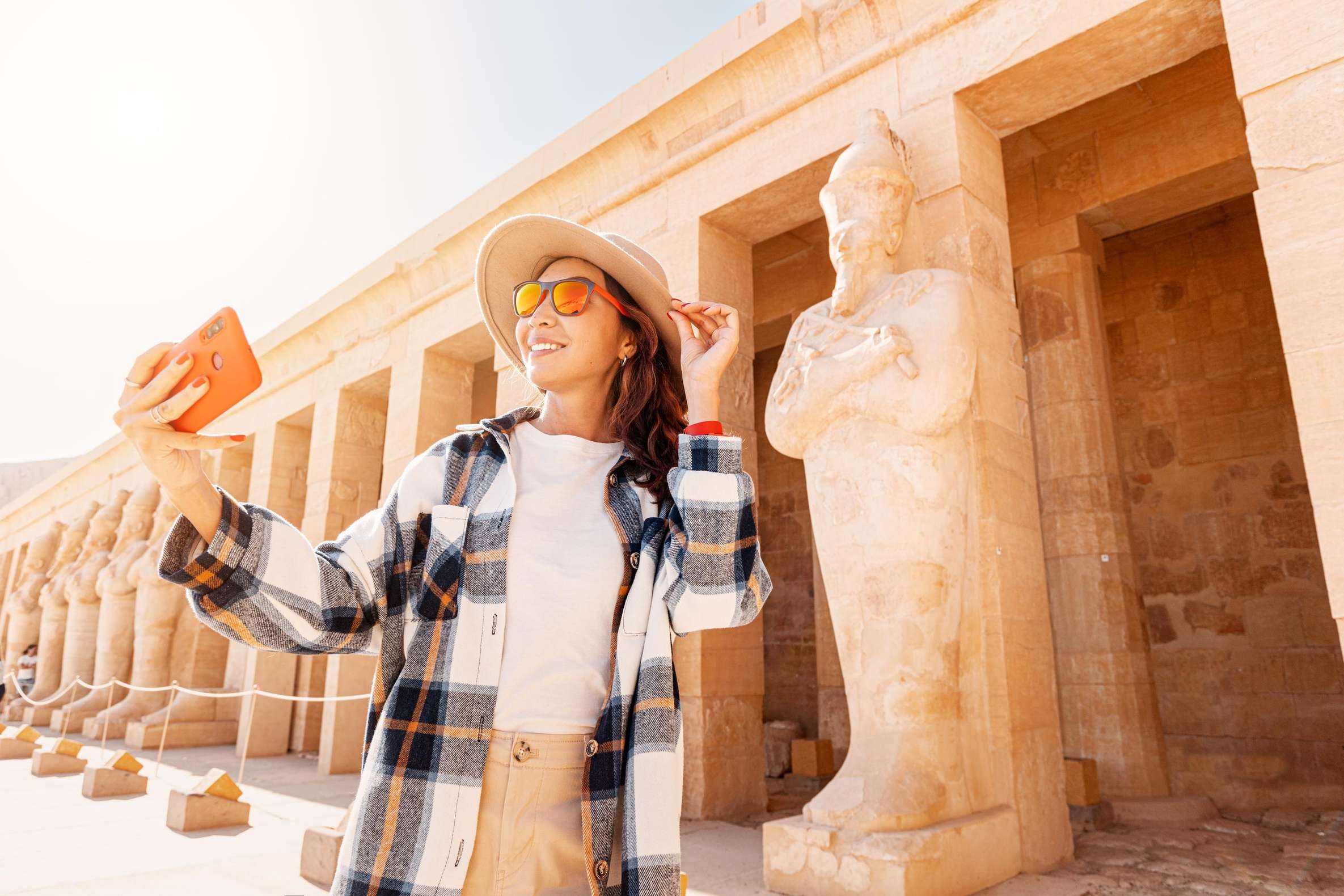
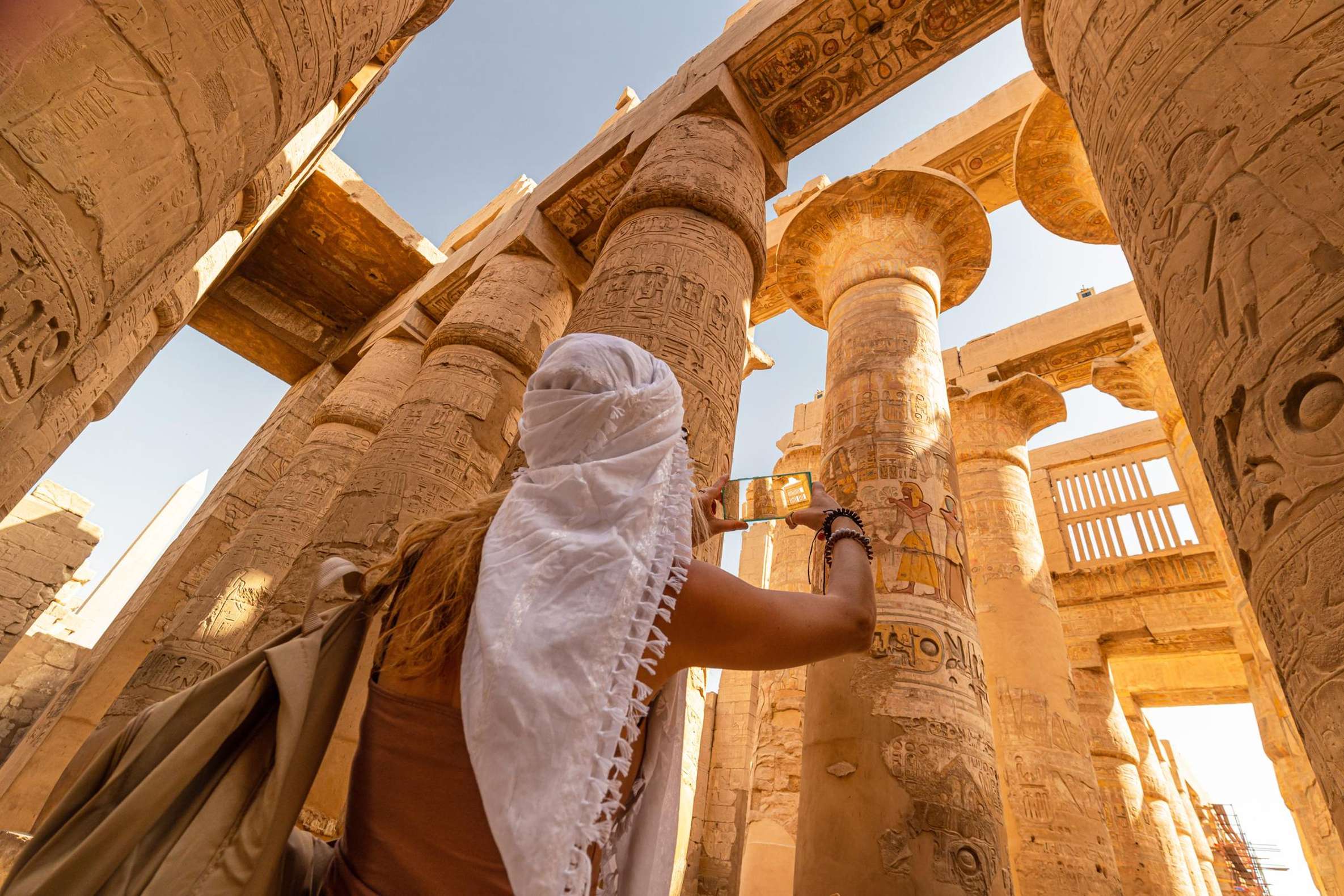
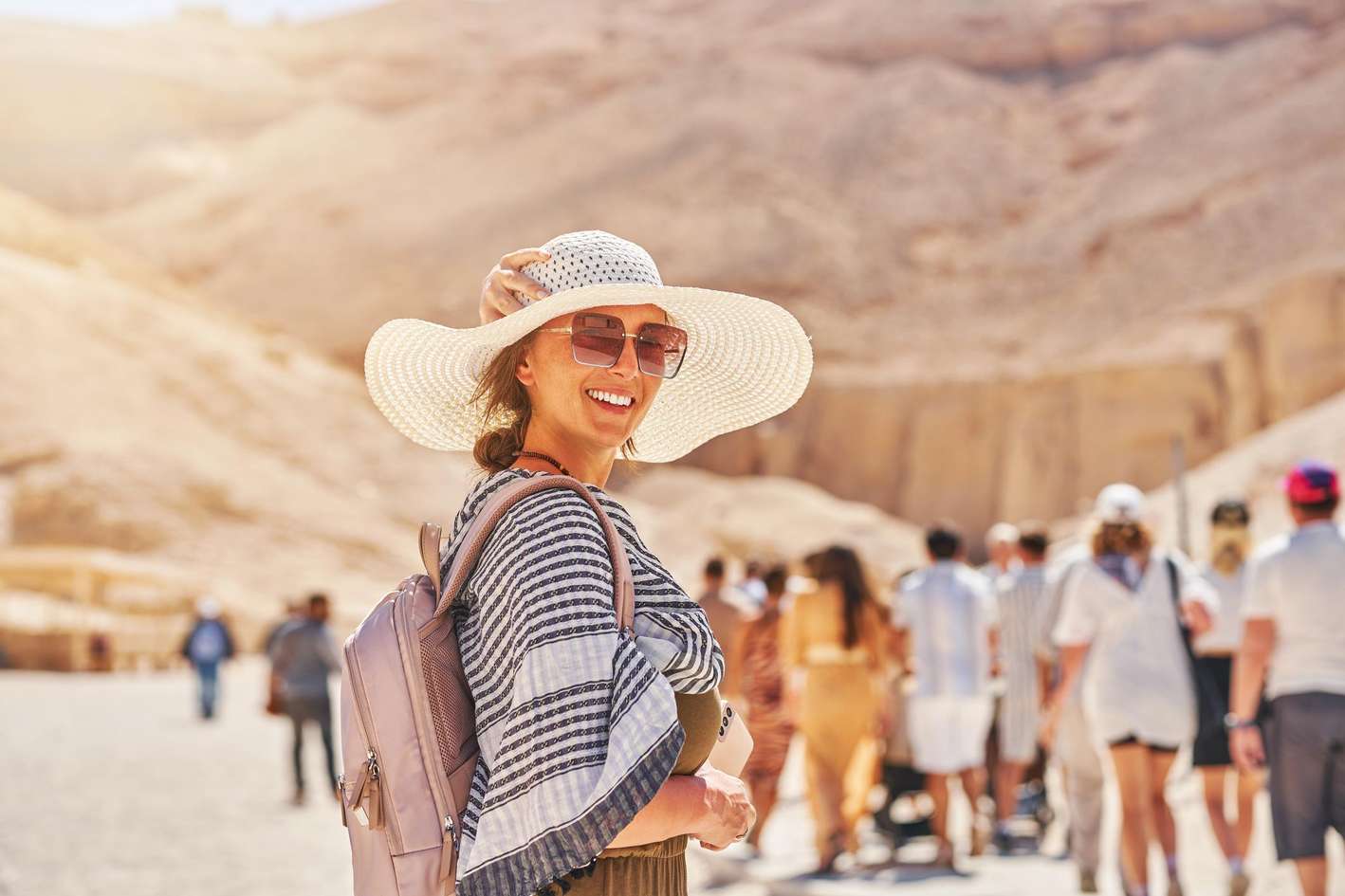

My tour guide was Hasan. He was great, very informative, and I'd recommend it to.
Refaie was a wonderful guide, kind and helpful. Great intro to each site, then time to explore alone. Karnak especially was stunning.
Beautifully organized tour with a driver taking us around all the Luxor monuments.
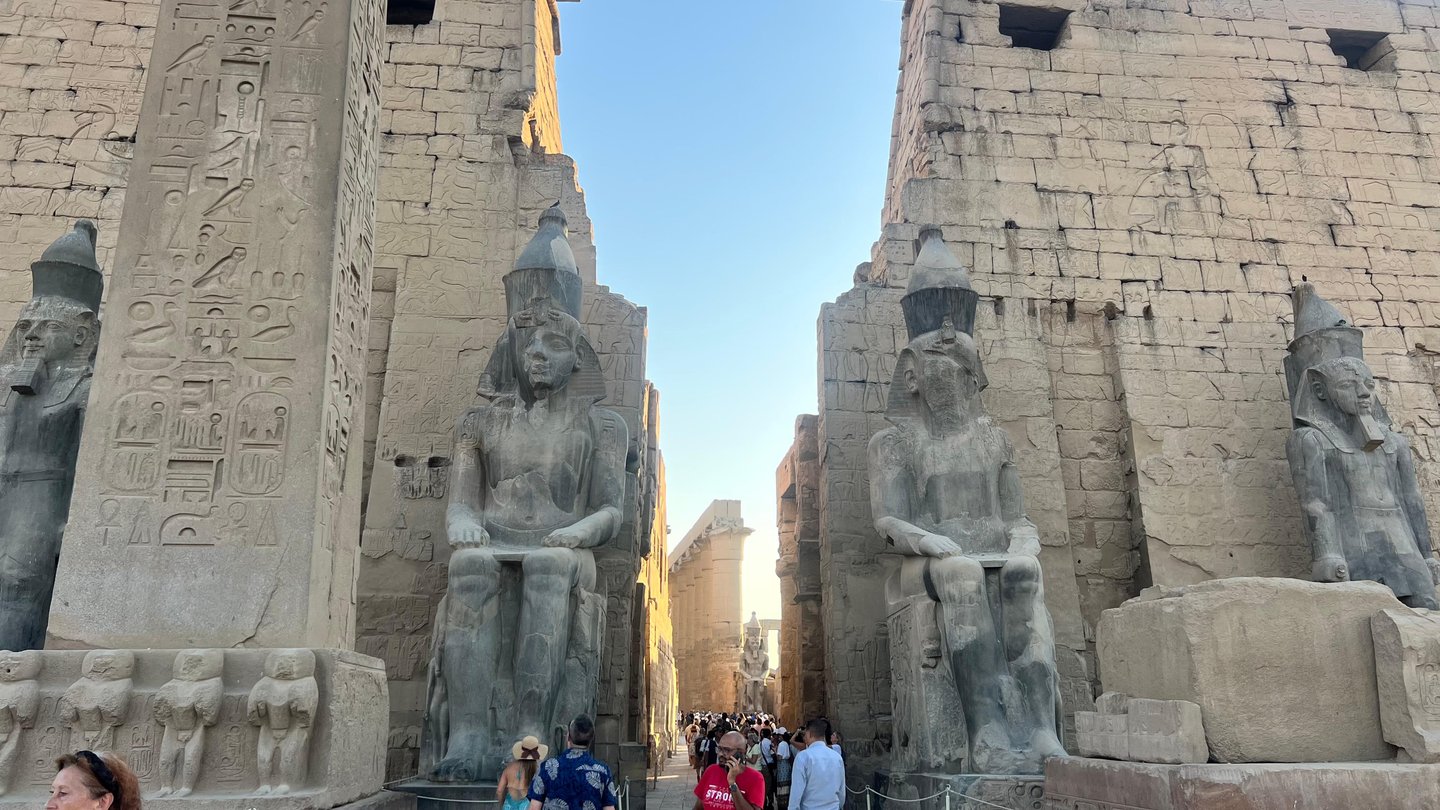
The best experience ever! Our guide and driver were both lovely, and the company really took care of us, everything perfectly organized.
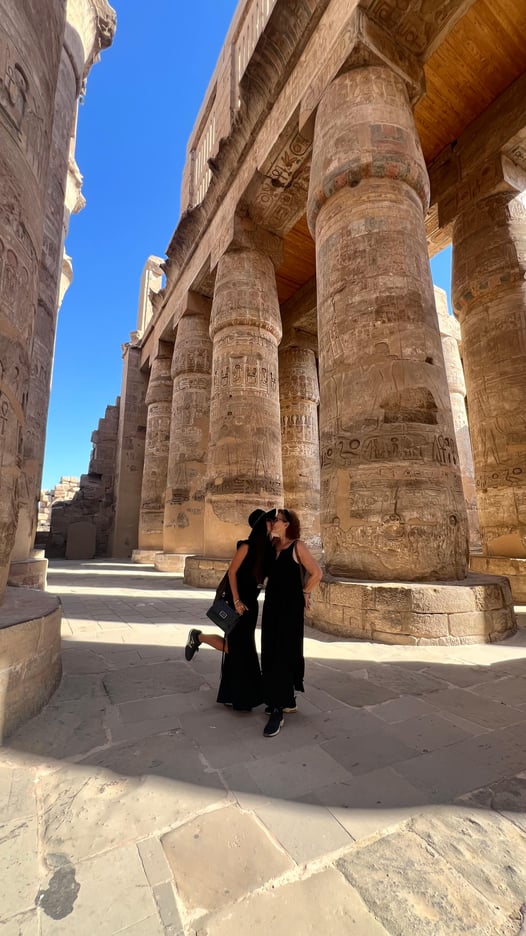
Salma was our guide today, so knowledgeable about Egyptian history and every site on this tour.
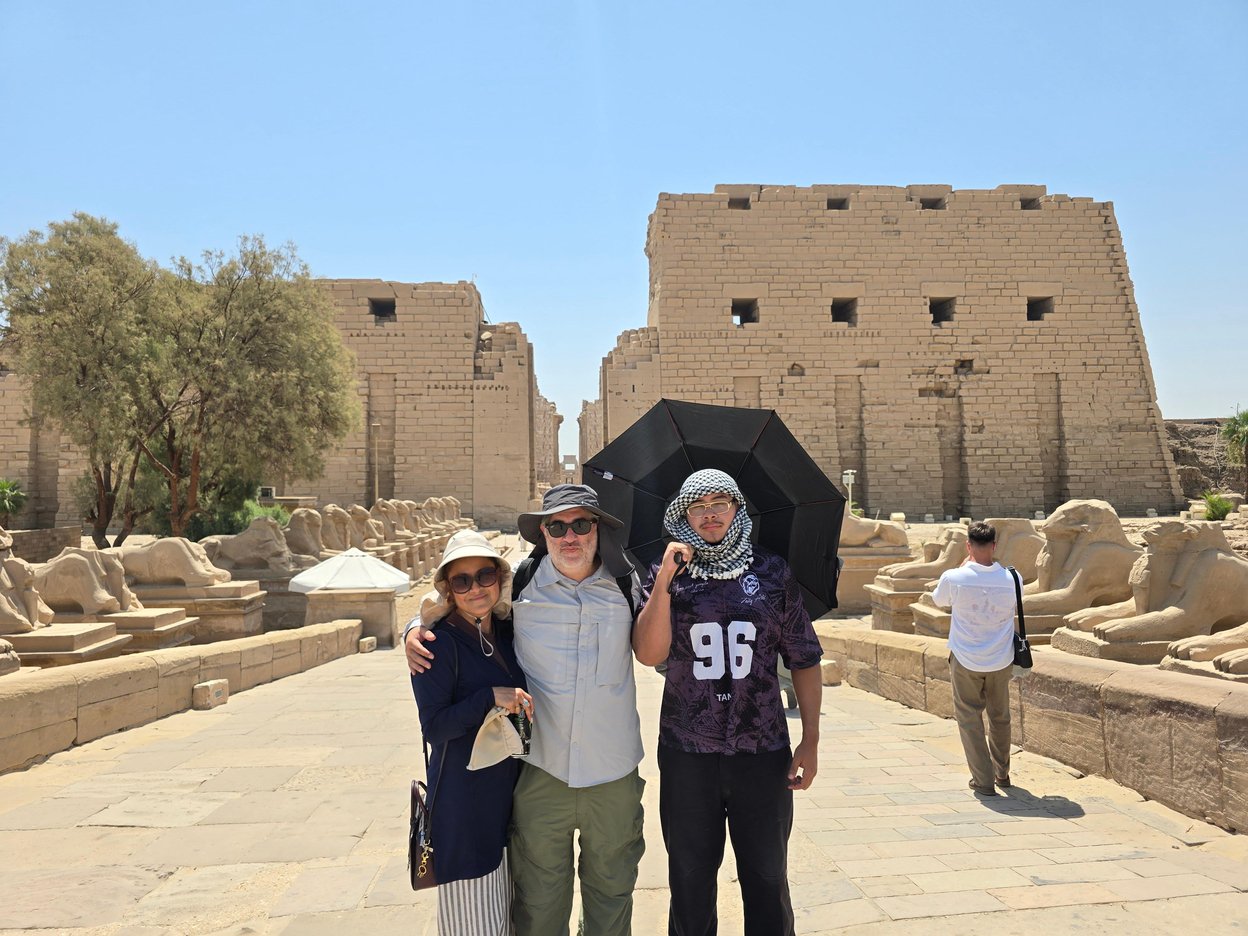
Adam was an amazing guide. We spent a full day together and had a great time. He knows everything about Egyptian history and we learned so much.
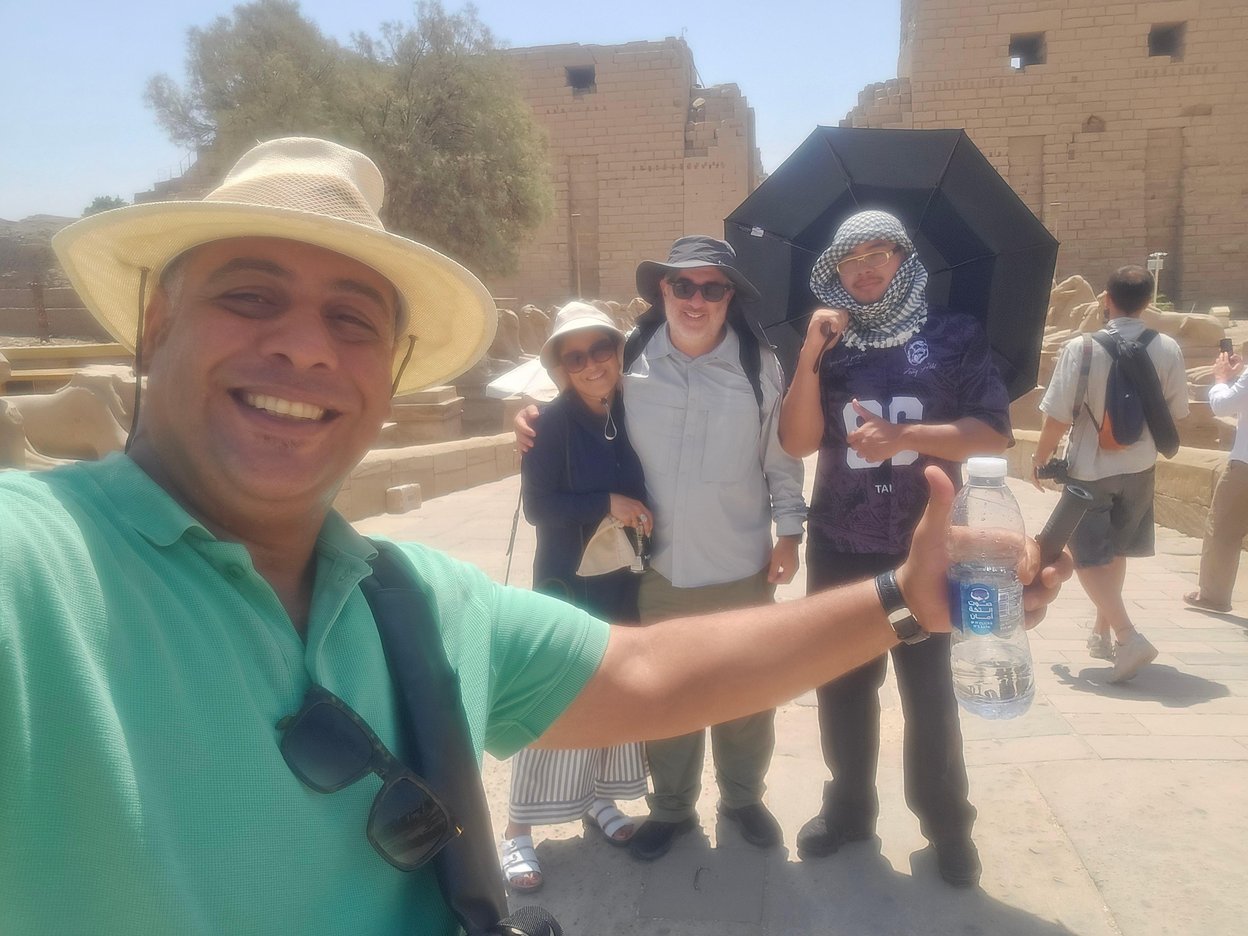
My tour guide was Hasan. He was great, very informative, and I'd recommend it to anyone visiting Luxor.
Most reviewers name their guide by name and say the guide's deep knowledge of Luxor's history made the day.
Several travelers got an unexpected sunset felucca ride that filled the long gap before their late flight home.
A few travelers wished the itinerary had stretched further to fill the spare hours before the evening flight.
Choose a day early in your resort stay, because the tour takes a full 15 hours and you first need to get yourself from Marsa Alam to Cairo. Book at least a couple of days ahead so the operator can secure flight seats.
This tour runs as one option with an English-speaking guide. If you need a guide in Spanish, German or French, select the add-on option, which costs extra. Decide before checkout, since language add-ons are arranged at booking.
After payment, the operator contacts you to request flight passenger information. Reply promptly with full names and passport details for everyone, because without them your Cairo to Luxor flights cannot be issued and the tour cannot be confirmed.
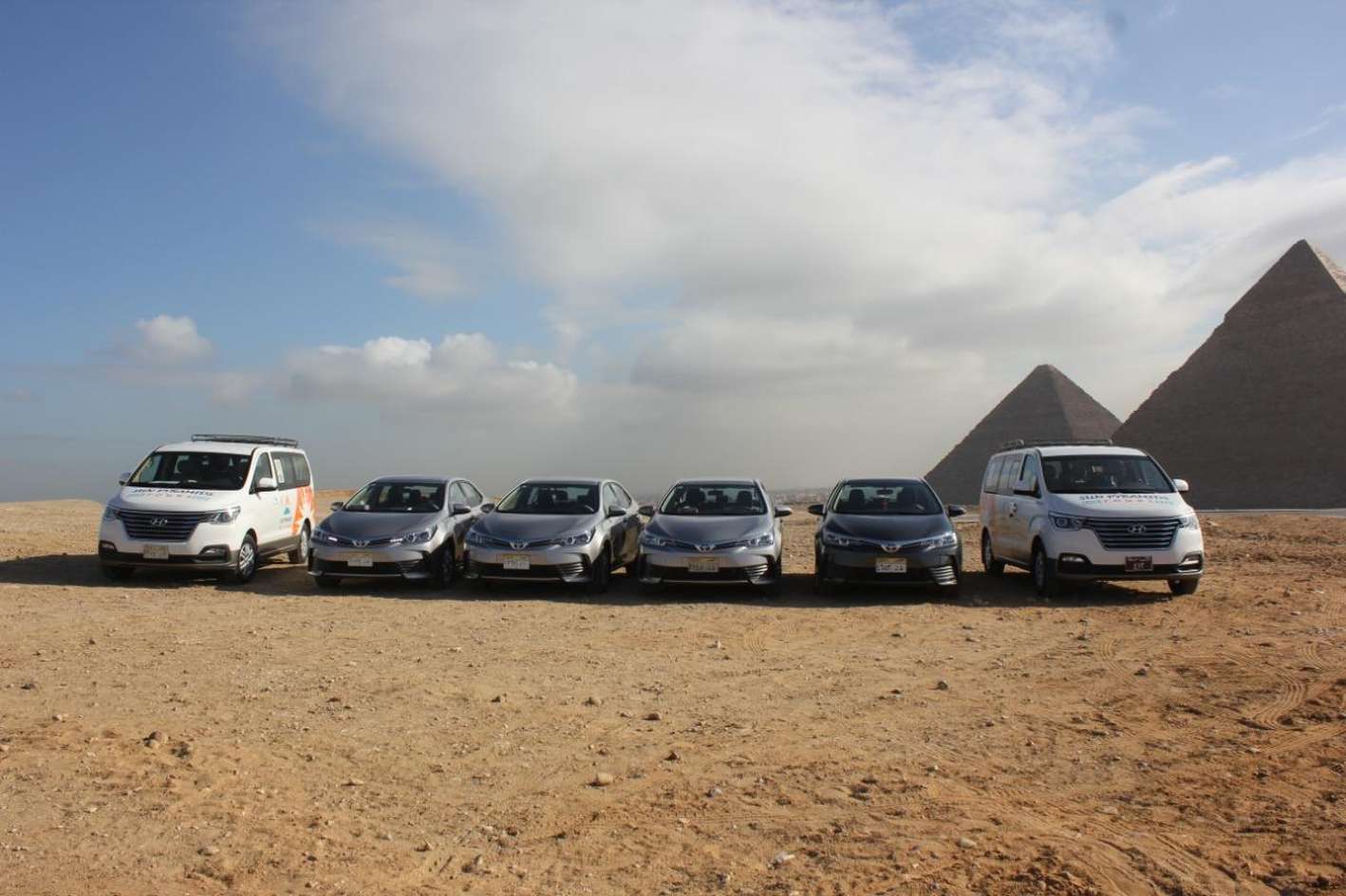
The day before the tour, expect a WhatsApp or email message with your pickup time and vehicle details. A driver collects you from your Cairo or Giza hotel at about 6 am in a car or van carrying the operator's logo, then drives you to Cairo International Airport for the one-hour flight to Luxor.
Pack your passport, since airports in Egypt check it, and set out small notes for tips, which are not included. Breakfast and lunch come with the tour, and the operator messages you any last changes, so charge your phone before an early night.
You ride in a private air-conditioned car or van from your hotel to the airport, and again on the ground in Luxor. One tour operator marks its vehicles with a logo and sends the details by WhatsApp or email the evening before.
These are private tours, so it is your party in the vehicle and at the temples with your own guide. There is no coach full of other guests and no long round of pickups before the sightseeing starts.
Flights, all transfers, a private guide, lunch and entrance fees come included, along with a felucca ride and service charges on most options. Costs extra: tips, drinks with lunch, King Tut's tomb ticket on one tour, and pickup from outlying Cairo districts like Heliopolis or 6th of October.
The standard day tour collects you from your Cairo hotel around 6 am and runs 15 hours door to door. Monuments open at 6 am, so an early start buys the cooler, quieter hours among the tombs before midday.
Most of these day tours let you cancel up to 24 hours ahead for a full refund. Packages built around flight reservations are the exception and count as non-refundable once booked, except when the operator cancels.
Book at least 48 hours ahead where flights are involved, and send full names and passport numbers promptly after booking. Operators confirm a place only once the flight seats are secured.
The temples set no legal dress code, but Upper Egypt custom calls for covered shoulders and knees. Loose cotton trousers and closed-toe shoes handle the uneven stone floors and the sun.
Mobile phone photos are free inside most open tombs, and cameras no longer need a permit in the Valley of the Kings. One tour bans cameras outright, and tripods require a ministry permit, so keep the kit small.
Carry your physical passport. Officers at desert and airport checkpoints want the document itself, and photocopies are generally not accepted. Your visa must cover Luxor; a Sinai-only entry stamp does not.
The tours on sale here start with door-to-door pickup from a hotel in Cairo or Giza. If your base is a Marsa Alam resort, you arrange your own way to the capital and stay the night before to make the early departure.
Tips for your guide and driver are not included and are expected at the end of the day. Keep small notes handy; many visitors also tip a tomb guard who unlocks a chamber or lights the painted walls.


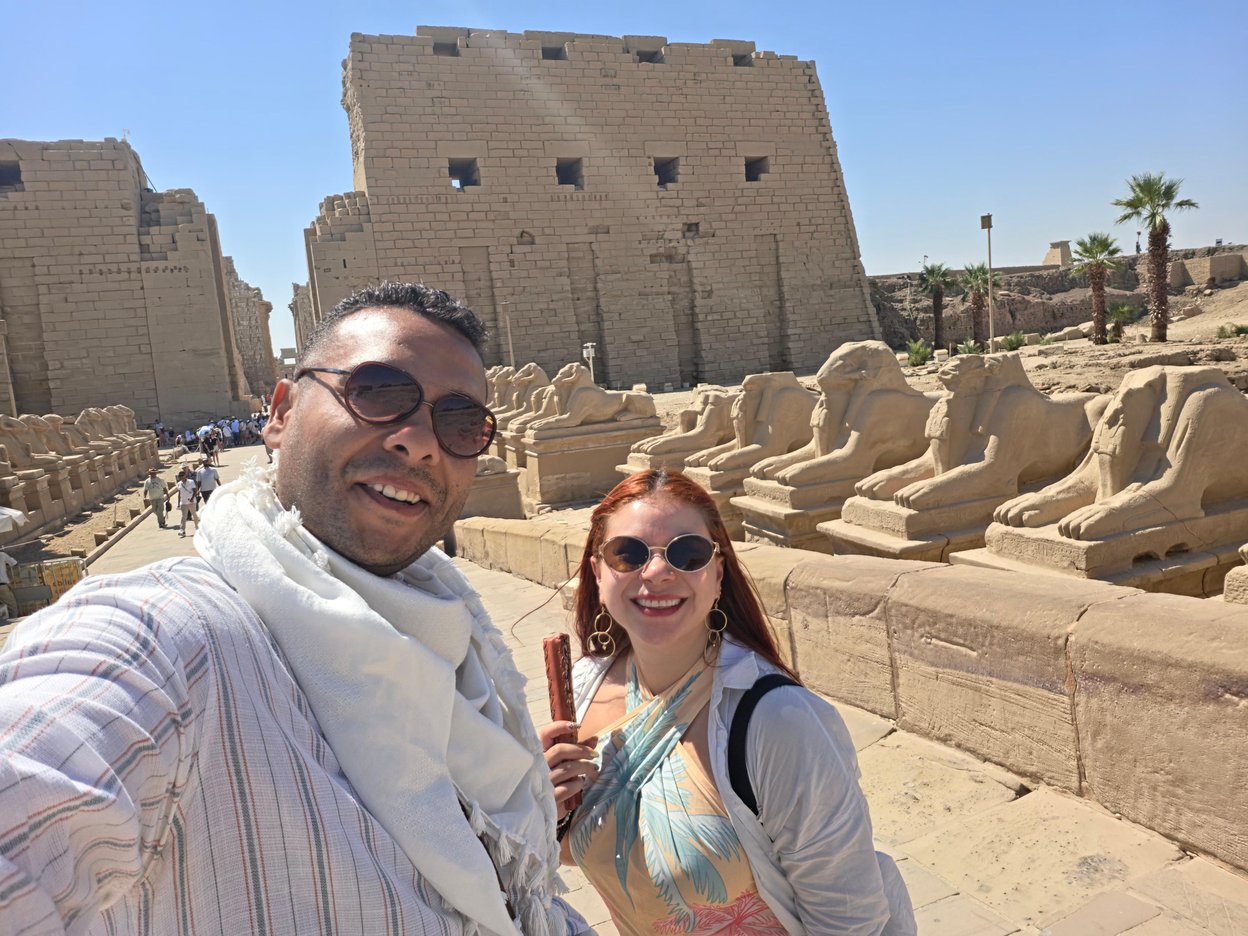
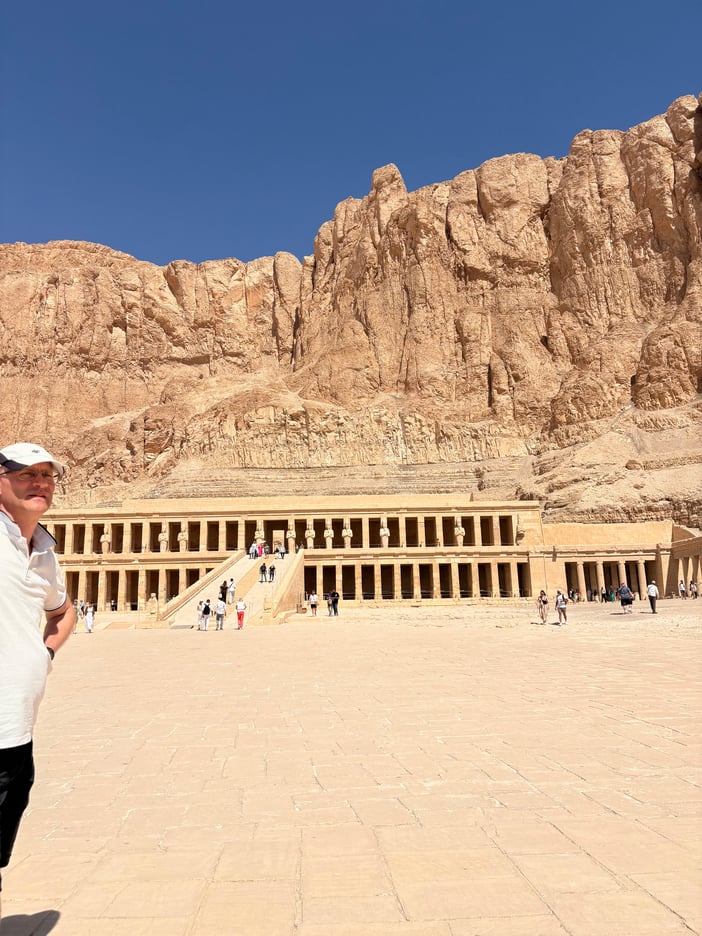
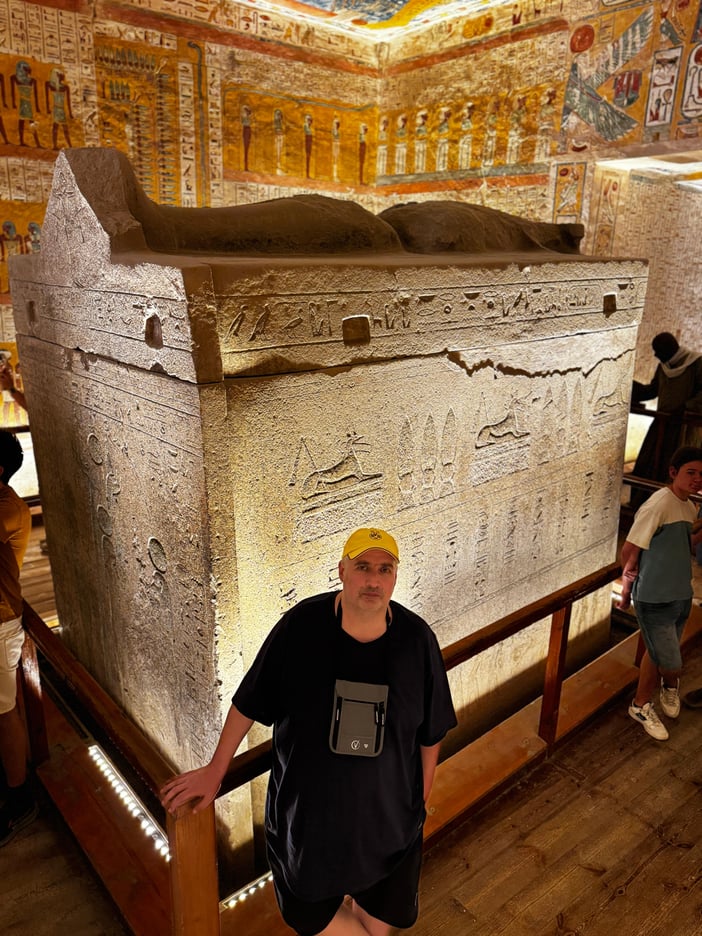
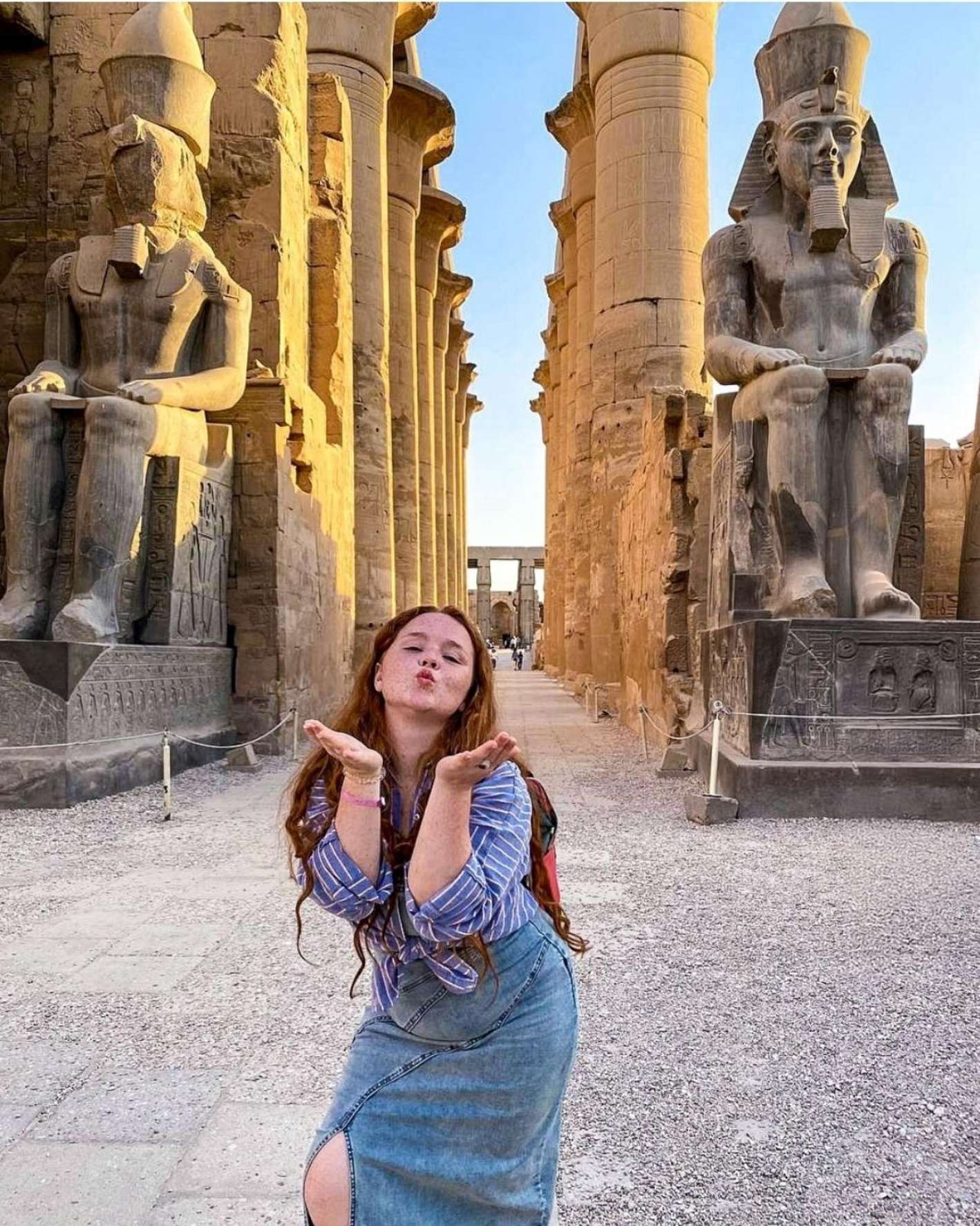
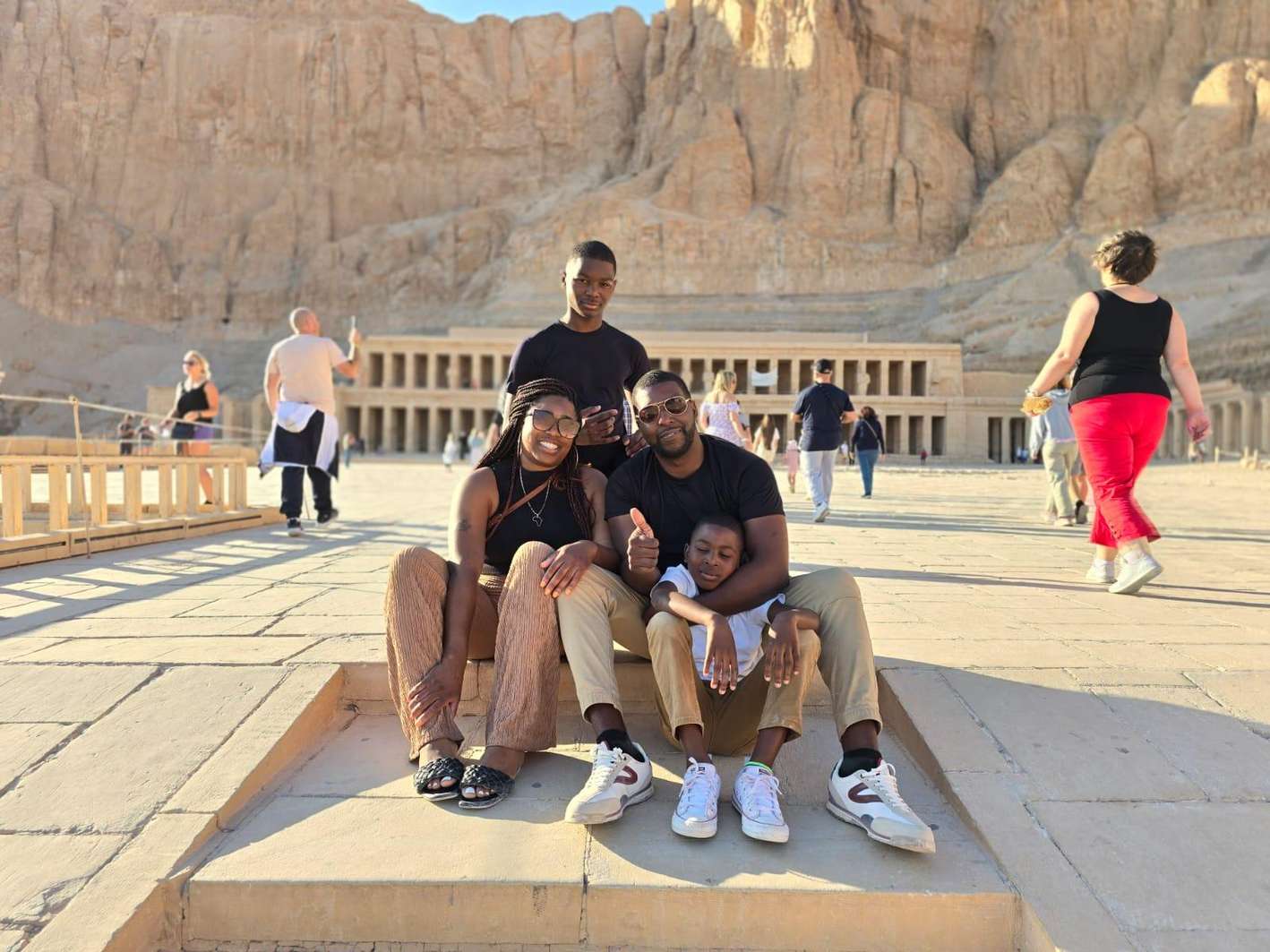
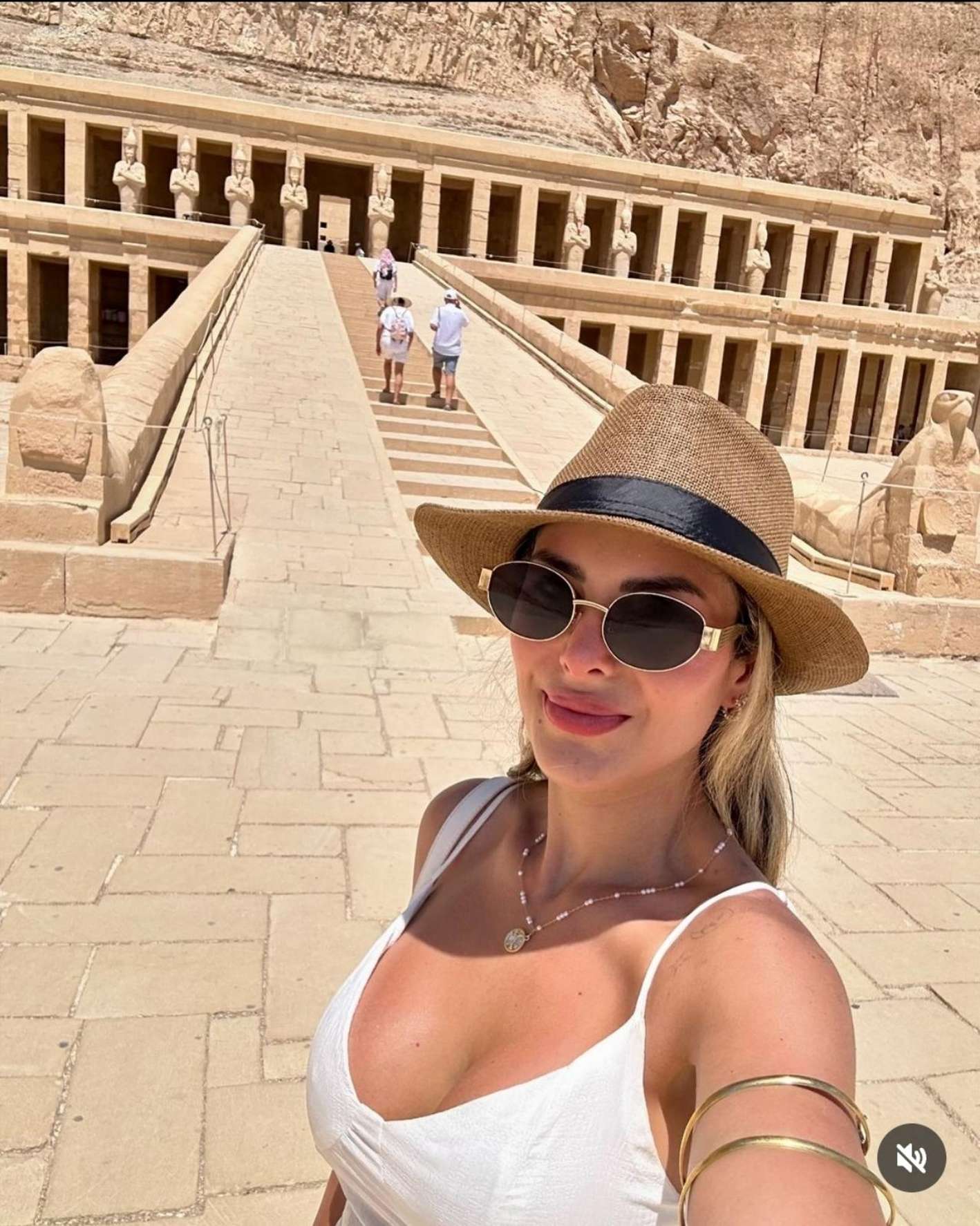
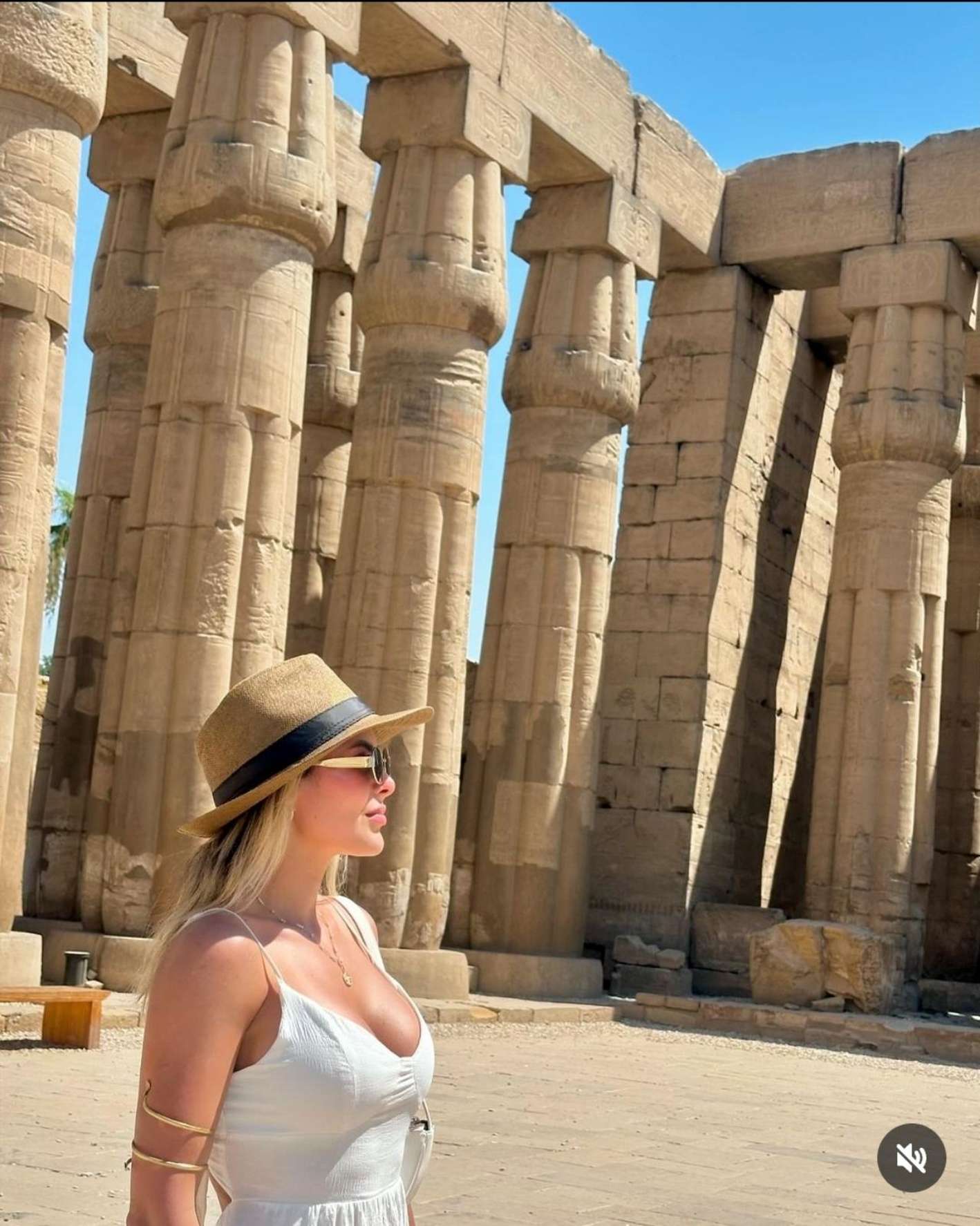
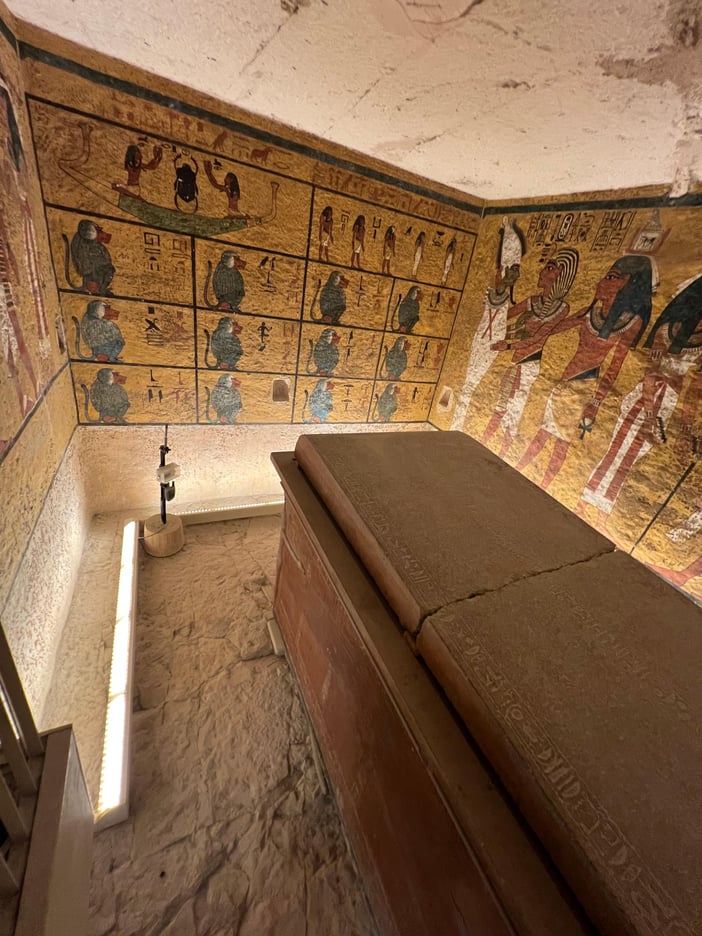
The Valley of the Kings sits a full desert day from the Red Sea coast, and every tour sold here departs from Cairo. The closest option has to earn a day that long.
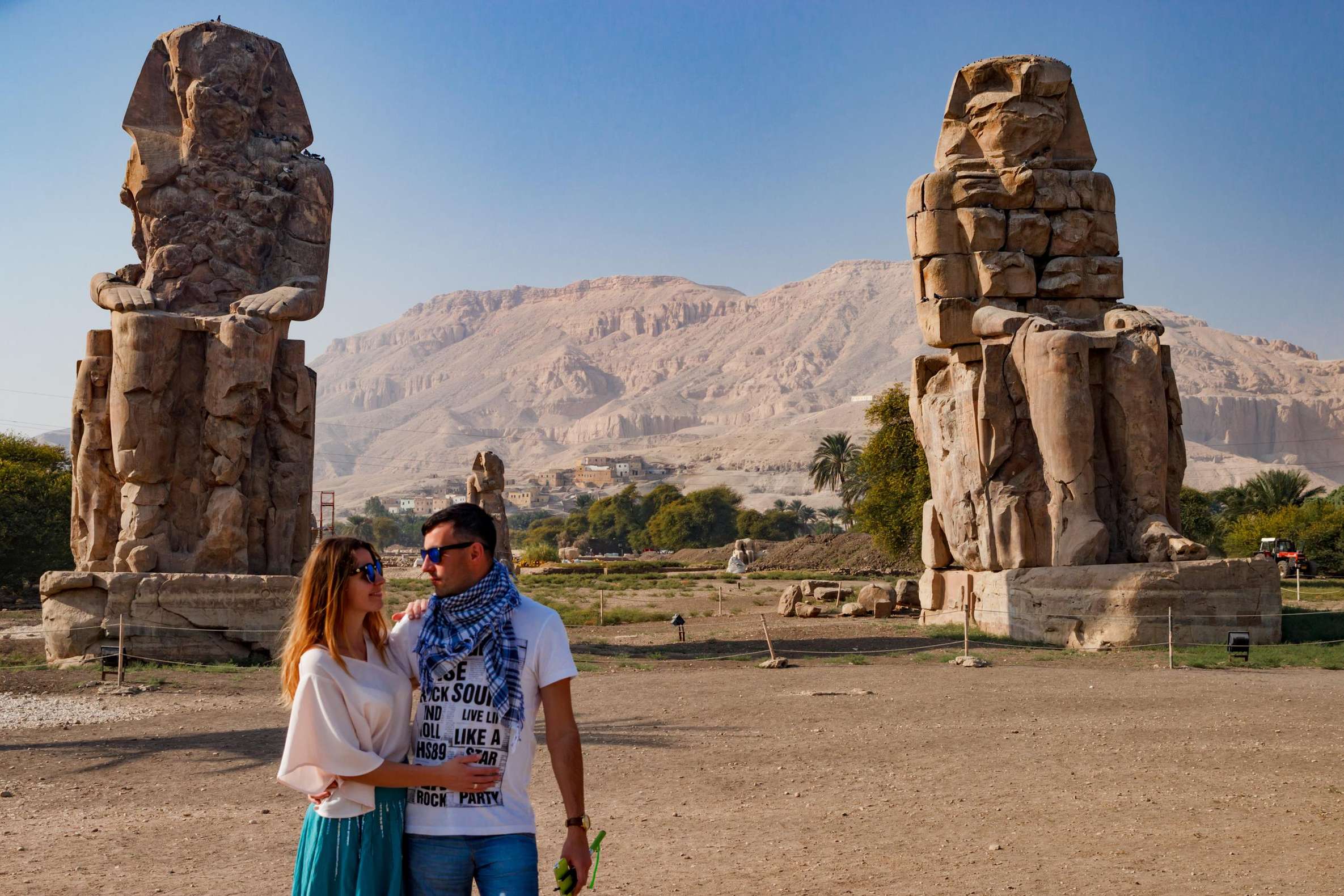
Day trips from the coast leave around 4 am, with private vans covering the desert in about 4 to 5 hours each way.
Checkpoint gates close at 6 pm, so the return leg must clear the desert before dark.
Count 14 to 18 hours door to door, private transfer versus shared coach.
Four in the morning, and the resort strip is still dark. A van idles outside reception, breakfast box on your lap, and the desert highway runs west toward the Nile. The tombs open at 6 am, and the drivers who know the road time the crossing around them.
The honest answer first. Yes, the day is doable, but no tour on this site departs from Marsa Alam. Every organized option sold here starts in Cairo, with pickups from Cairo and Giza hotels before a one-hour flight south. To join one you arrange your own coast-to-Cairo leg first.
So the practical route runs through what is actually sold, and one flight day stands out on its inclusions.
No scheduled airline serves the route, and occasional charters run only once or twice weekly without same-day return The road is the only same-day way across: private transfer or taxi, about 4 to 6 hours each way by the approved route
That settles transport but leaves the real choice open. What decides the day is who picks you up, whether you sleep in your own bed, and how much sightseeing the package packs in.
On those three, the Cairo: Private Luxor Day Tour with Entrance fees by Flights leads the shortlist: a 15-hour private day with flights, lunch, entrance fees and a felucca ride all inside one price.
Pickup comes around 4 am at Marsa Alam hotels for one tour operator's day trip, and the first hours belong to the highway.
A private van cuts the drive to roughly 4 to 5 hours each way, against 5.5 to 6 for a shared coach that rounds up resort after resort. Every hour saved on the road is another hour at the tombs.
The monuments set your pace anyway. Karnak, Luxor Temple and the Valley of the Kings all open at 6 am, and the tombs close by 5 pm, so the touring window belongs to the morning and early afternoon. Between the West Bank tombs and an East Bank lunch, a boat crossing takes about five minutes.
Private vans leave flexible, shared coaches run a fixed window
Best light and thinnest crowds in the first two hours
The boat ride takes about five minutes
Tourist transit runs only in daylight
One more thing the road gives you: a private day is self-paced, with your own guide and no forced souvenir stops, while a coach runs a fixed script. In a day this long, that slack is worth real rest, and the pre-dawn start is what buys it.
The first thing this reader weighs is who does the carrying. Here the gap says it plainly: nothing on sale picks up in Marsa Alam.
The nearest thing to door-to-door service in this inventory is the Cairo tours, which collect you at your hotel in Cairo or Giza and hand you to a guide who meets the flight at Luxor airport, all in one chain.
Even with a local operator, the resort strip has a sting in it. Complimentary pickup ends at Marsa Alam town, so travelers staying south of it, at bases like Gorgonia, Hamata or Wadi Lahami, pay an extra transfer supplement and get a call earlier still.
From those southern hotels the drive stretches to 407 to 476 km, about 5.5 to 7 hours each way.
The consolation is how tight the Cairo-based coordination is. Representatives meet you in the lobby, flight details move by WhatsApp the evening before, and a driver waits at Luxor airport with a sign. Every handoff of a Marsa Alam day trip to Luxor, once you reach the start line, is done for you.
This is where the arithmetic decides.
A private run makes the trip in a 14- to 16-hour day, a shared coach pushes it to 17 or 18, and the desert checkpoints cap the whole plan: intercity tourist transit runs in daylight only, so the return must clear the Eastern Desert before 6 pm Your resort night stays yours either way.
No overnight bag, no hotel switch, no forfeited booking on the coast.
Families with young children often land on exactly this answer for that reason: a single day beats repacking for an overnight in Luxor.
The honest counterweight is what a day cannot hold. Luxor's big sites spread across two banks of the Nile, and travelers who see them properly give it two days, one per bank. Three full days is the usual figure for the highlights without rushing.
One day from Marsa Alam buys you the headline tour, Valley of the Kings, Hatshepsut, Karnak, and nothing spare. Book it for the tombs themselves, and let the coast have the rest.
This is where the tours on sale compete on merit, and the shortest one punches hard. From Cairo: Trip to Luxor By Flight and King Tut's Tomb Visit runs 8 hours on the ground, with an Egyptologist guide, Karnak Temple, the Valley of the Kings, and Hatshepsut's temple in the same outing.
Options let you add Tutankhamun's own tomb, and the operator sets which three open tombs a standard ticket covers.
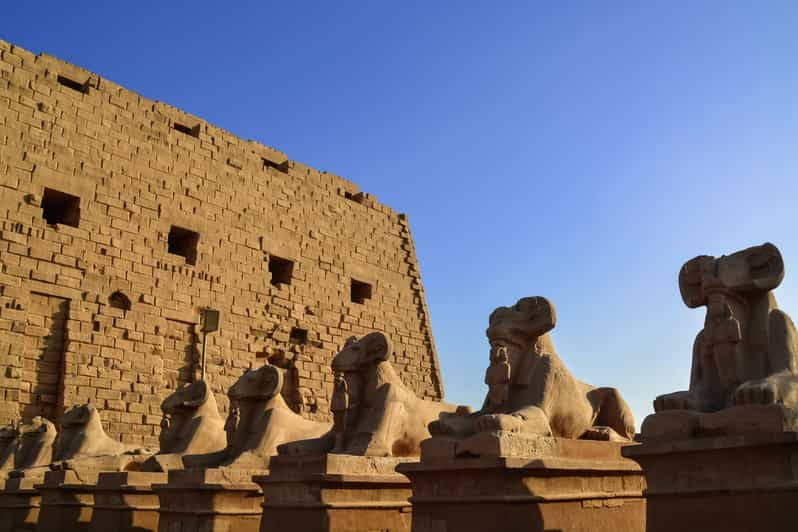
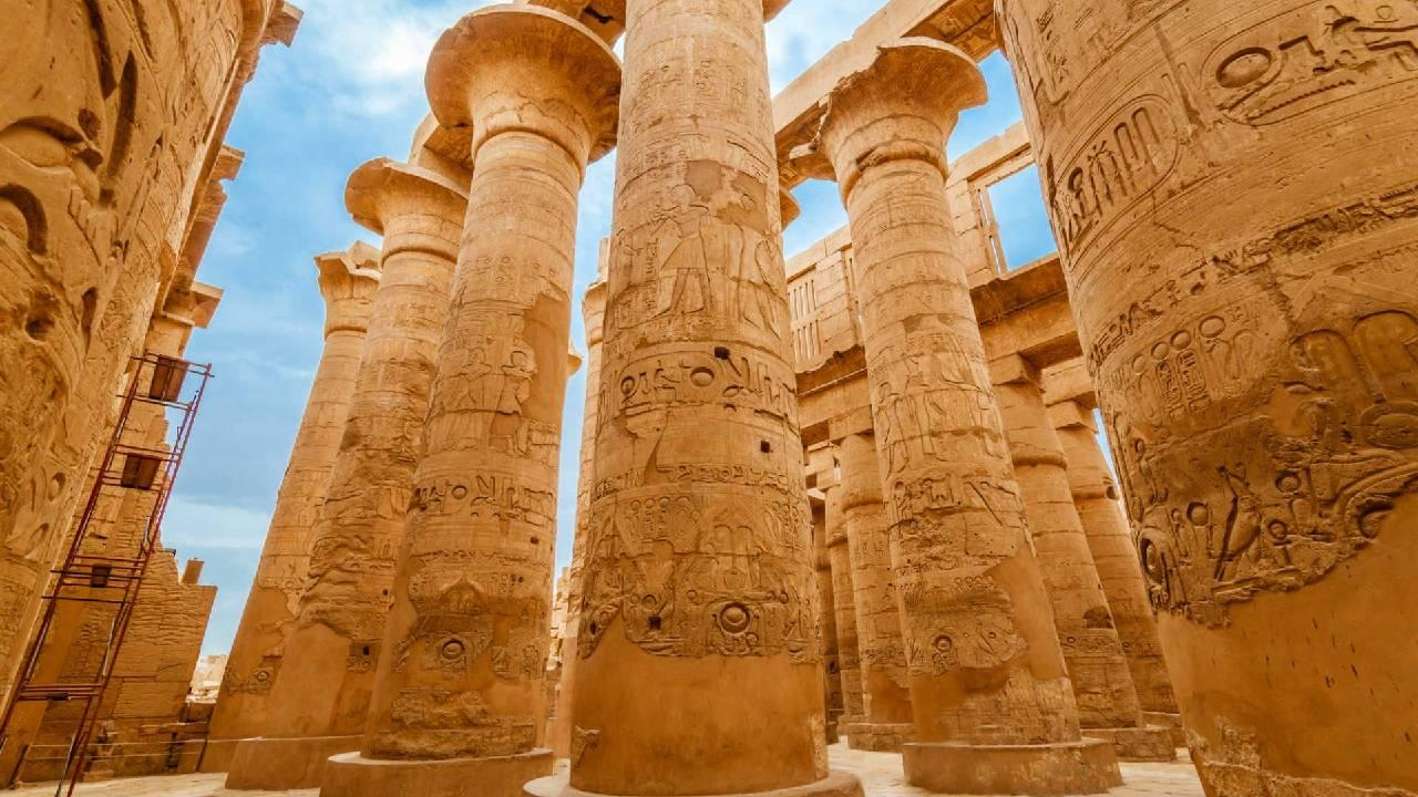
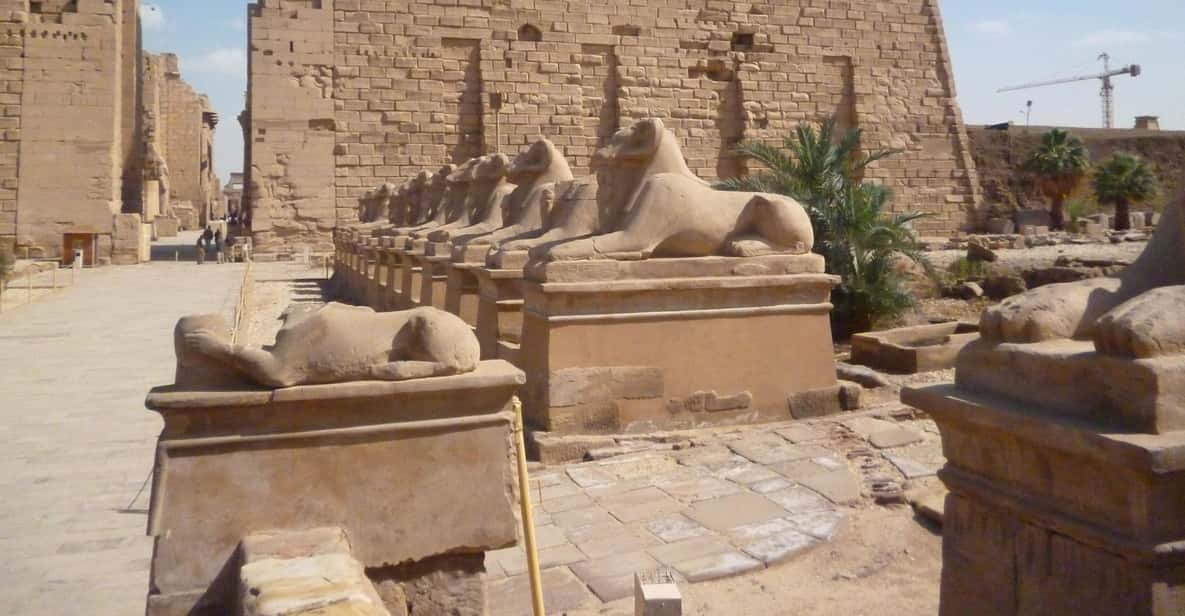
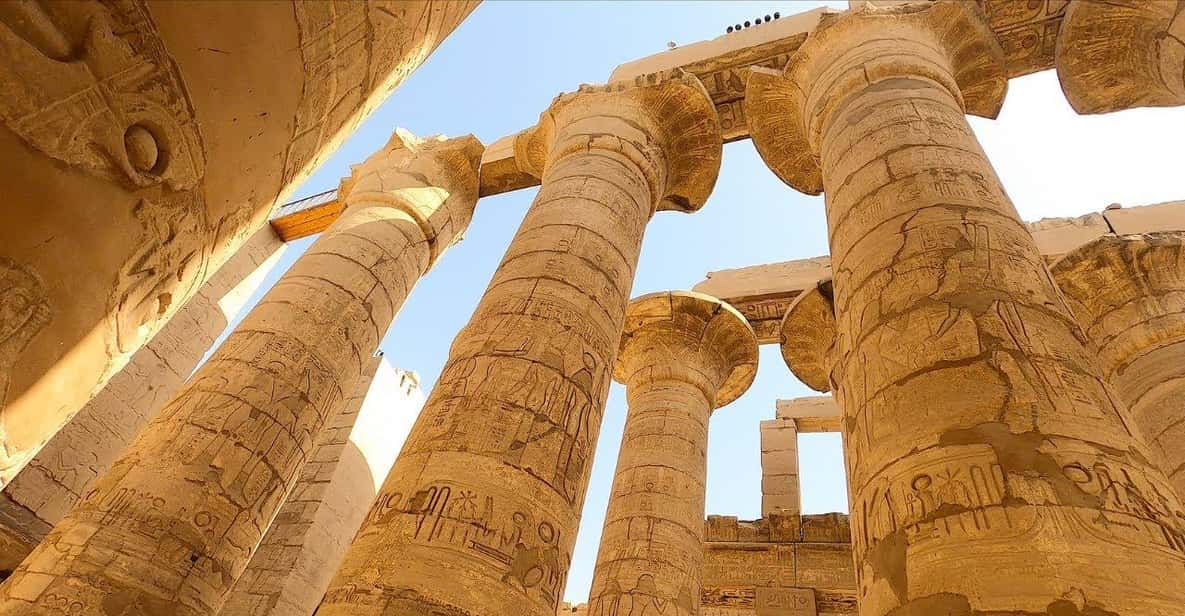
A proper Luxor day needs a spine, and Karnak is it. A guided walk through the Avenue of Sphinxes, the Great Hypostyle Hall and its 134 columns takes about 1.5 to 2 hours; wandering the whole 100-hectare site alone takes three or more. With a guide, you get the stones and the story.
Fragile paintings rest between openings, so the board at the site, not a fixed list, decides what you can enter
No two visits see the same valley, and your guide steers you to the day's best
And the valley does not end at the tomb gates. Hatshepsut's mortuary temple sits seven minutes' walk from where the tours start, El Qurn nine, the Ramesseum about twenty-one.
Those names matter for pacing. If your ticket runs out of tombs early, a short drive adds the Karnak open-air museum or the mortuary temples along the West Bank, and none of it costs a second trip.
Noon in an open courtyard decides this chapter. Stand in Karnak's Great Court at one o'clock in July and the heat does the talking for you.
May through September is the season that bends the day. Daytime highs average 39 to 42.7°C, against 23.5 to 24.8°C in winter, and anything above 38°C puts young children and older adults at real risk of heat exhaustion.
The summer fix is early starts: sites open at 6 am, outdoor West Bank touring wraps by early afternoon, and the comfortable morning window lasts about ninety minutes.
Winter inverts it. From November to February the whole afternoon stays walkable, sites run to 4:00 or 5 pm, and the day breathes.
February: 4 out of 5 for how busy it gets. Pleasant 24°C temperatures allow relaxed all-day exploration during one of the year's busiest months.
Tap a month to read it.
August: highs around 42.7°C. Tour bookings drop sharply as temperatures peak at 43°C, confining outdoor activity to early mornings.
Tap a month to read it.
The pattern is plain: summer pairs punishing heat with steady crowds, while August and September thin the visitors but keep the heat. For a day this long, November through February is the window, warm mornings, mild afternoons, and light worth photographing.
When the departures all start in Cairo, the comparison happens one layer down, between the packages that survive a day this length. Duration, inclusions, guide and cancellation terms are the four checks that matter, because a 15-hour commitment leaves no slack for surprises.
Run them against the leading option. The Cairo: Private Luxor Day Tour with Entrance fees by Flights carries everything inside one price: flights, private transfers, lunch in Luxor, entrance fees at every site, a felucca ride, and cancellation up to 24 hours ahead for a full refund.
The immersive day tour nearby charges King Tut's tomb separately and bars cameras outright. The all-inclusive plane tour packs a 10-hour day and books flights only 48 hours ahead, which trims your window.
| Check | Why it matters | Our pick |
|---|---|---|
| Total door-to-door hours | A 15-hour day needs slack, check what eats it | 15 hours, with transfers and flights handled end to end |
| Entrance fees inside the price | Card-and-cash gates get slower when you queue to pay | All historical sites included |
| Guide and language | The day is mostly guide time | English included, other languages as a paid add-on |
| Cancellation terms | Weather and flights move | Full refund up to 24 hours before |
Score the tours you are weighing on those four and the pick makes itself. The leading private flight tour wins on inclusions, the 8-hour King Tut option wins on brevity, and the immersive tour trades cameras for depth. Only you know which trade suits the day.
Some readers would rather hold the wheel. The permit question clears first, and it is simpler than most assume: foreign tourists need no travel permit for the Marsa Alam to Luxor route, they just have to take the approved road.
That road runs north up the coast past El Quseir to Safaga, inland through Qena, then south into Luxor, much of it dual carriageway in good condition. The direct desert shortcuts, such as El Quseir to Qift, stay closed to tourists, and the southern inland road toward Idfu runs into frequent checkpoint scrutiny.
The distances you will see quoted differ because they count different roads. About 355 km is the direct line between the two cities, roughly 4 hours 50 minutes at speed; the approved tourist route adds the swing up the coast, running 380 to 450 km in 4.5 to 5 hours.
Plan on the longer figure, because the shortcut is the road closed to you.
The picture that matters: a private transfer down the approved highway is the workable road, and no railway links the coast to the Nile at all.
Of the two drivable roads, the coastal highway through Qena wins on regulation, and the permit worry is settled: self-drivers need none on this route. Fuel is the other constraint.
The desert stretches are sparse, with stations in El Quseir, Safaga, just after the Safaga-Qena checkpoint, and in Edfu, plus an 80-km dry gap on the coast road. Top up at every town, because the map lies between them.
The trip is won at reception the evening before. Excursions leaving before 7 am require an advance breakfast-box order, and at some Marsa Alam hotels the deadline is 8 pm the night before. Miss it and the 4 am departure runs on an empty stomach.
Dress for two climates and one culture. Luxor's monuments carry no formal dress code, but Upper Egypt does: shoulders and knees covered at highway rest stops and markets as much as at temples, loose cotton or linen against the sun, closed shoes for uneven stone. ::tip pro-tip Say 'No shops.
No alabaster. Only the tombs.' to your driver before departure, and book extra tomb tickets like Seti I online or at the valley's card-only kiosk to skip the queues
Wallet work comes last, and both kinds matter. Luxor's ticket gates have gone cashless, Karnak included, so a bank card is what buys entry, and the extra Seti I tomb ticket takes cards only. And the passport travels in the vehicle, originals only, because checkpoint officers inspect the entry stamps and photocopies do not count.
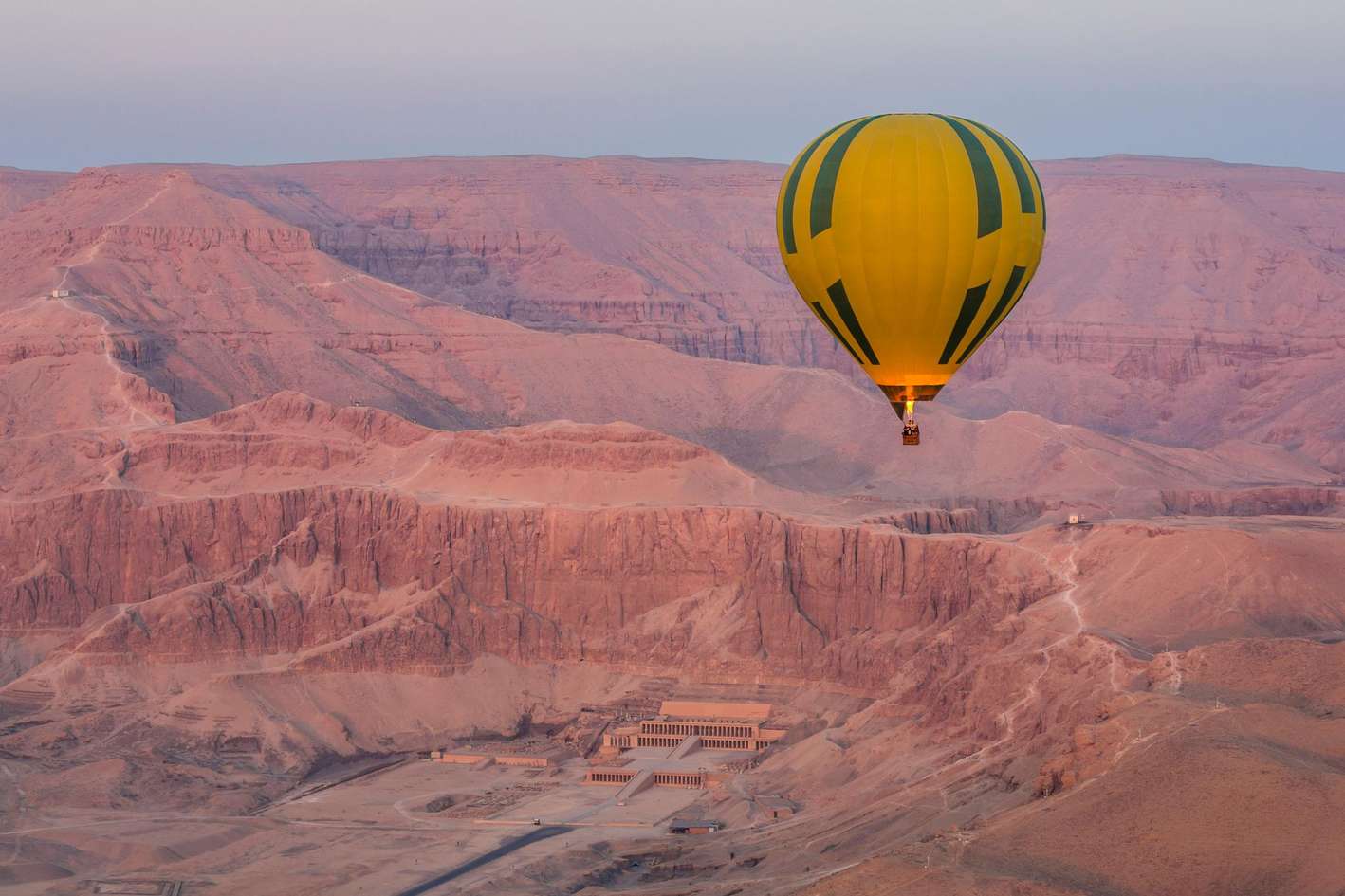
A day this long earns its fears, so rehearse them now. The most common break is weather: river fog, dust storms or winds over roughly 12 knots ground the dawn balloon flights and halt Nile boats until conditions settle.
The day still runs. Operators past a grounded flight have reshuffled into a sunrise boat ride with breakfast, a camel ride or quad biking, and sightseeing on both banks carries on in full.
The flight legs have their own logic. Book with slack, and know the difference between a delay you caused and one the airline caused: on EgyptAir and Air Cairo, a carrier-caused missed connection gets re-routed or refunded at no extra charge, while a no-show on your side can cancel the onward booking.
| If this happens | What happens then |
|---|---|
| Fog or winds above about 12 knots ground a morning flight or suspend boats | The sightseeing day reshuffles into alternate activities and still covers both banks |
| A carrier-caused missed connection | Rebooking on the next available service or a refund, at no extra charge |
| A missed flight you caused | Rebooking or changes come at your own cost |
| Change of plans before the day | The leading private tour refunds in full up to 24 hours ahead |
Cancel early, that is the whole insurance policy. The 24-hour refund window on the recommended tour exists precisely for a week like this one.
The road first, because it scares people most. Tourist vehicles on Egypt's desert corridors run under real regulation: a speed limiter and GPS tracked in real time by the Ministry of Tourism, drivers bound by mandated rest periods, and regular technical inspections by specialist engineers. On the renewed inspection, limiters are capped at 90 km/h.
At the monuments the picture holds. Luxor keeps a heavy police presence at major sites, serious crime against visitors is rare, and Karnak and the Valley of the Kings are well patrolled and secure.
Violent crime in Luxor is low and the sites are heavily policed
Solo female travelers report Luxor as relatively safe, and a trusted guide eases every approach
The real friction is touts, overpricing, carriage drivers and fake guides
The last point carries the practical weight. A pre-booked private guide absorbs most of the vendor pressure, which matters most for solo women on the West Bank, and the honest leftover is cash discipline: agree fares before boarding, and treat every unlocked tomb or shown photo spot as a tipping moment.
Back at the resort, the week opens up again. One heavy culture day earns a light one, and the Marsa Alam day trip to Luxor sits naturally inside a coast that does desert and sea in equal measure.
Inland, Wadi El Gemal National Park spreads over 7,450 square kilometers of desert valleys, mangroves and coastline, and the emerald mines of Mons Smaragdus hide an ancient rock temple a drive inland.
Closer to the hotels, quad bikes and camel rides run into evening Bedouin camps. Port Ghalib's yacht harbour lines its quay with restaurants and launches the liveaboard dive boats.
Then the water. Abu Dabbab is a sandy bay where green sea turtles and dugongs feed in seagrass beds, close enough to shore that snorkellers watch from the surface. Samadai Reef, known as Dolphin House, gathers spinner dolphins in a protected reserve.
North of town, El Quseir keeps an Ottoman citadel, mosques and working markets for a half day of older Red Sea history. The pattern that works: the tombs on one day, the desert or the reef on the next, and nothing rushed.
Adam was an amazing guide. We spent a full day together and had a great time. He knows everything about Egyptian history and we learned so much.
A Luxor day trip from Marsa Alam is a full, road-bound day: 14 to 18 hours door to door, with the desert checkpoints closing the return at 6 pm.
No tour on this site starts at the resort, so the nearest sold option is a private flight day from Cairo, best matched by the 15-hour tour with flights, lunch and entrance fees included. Go in the cool months, carry cards and small notes, and book for the tombs.
Short answers on the road south, the desert checkpoints, and how a long day of temple sightseeing actually runs.
 Luxor2026
The drive runs about 4 hours 50 minutes to 5 hours each way, covering roughly 355 kilometers. Count close to 10 hours of round-trip driving without stops, so a day in the temples makes for a very full day.
The approved tourist route runs north along the coast to Safaga, turns inland through Qena, and heads south to Luxor. Direct desert shortcuts such as the El Quseir to Qift road are closed to foreign travelers, so drivers stick to the paved highway.
Yes. Checkpoints across the Eastern Desert allow intercity tourist transit only in daylight, between 6 am and 6 pm. Your return journey has to clear the last desert checkpoint before 6 pm, which is why these trips start well before sunrise.
You can. Foreign tourists driving themselves need no travel permit for the route through Safaga and Qena. The stretch between Safaga and Qena closes overnight and opens only in daylight, so plan your crossing times around that.
The tourist route is mostly dual carriageway in good condition. Egyptian tourist vehicles carry a speed limiter set at 90 km/h and a GPS unit tracked by the Ministry of Tourism, and licensed tourism transport goes through regular technical inspections by specialized engineers.
It does. Standard pickup arrangements generally end at Marsa Alam town, so hotels further south mean an earlier morning pickup and an extra transfer supplement. Bases such as Hamata or Wadi Lahami add from about 40 minutes to over two hours of one-way driving.
Often, yes, but it depends on the hotel's own policy. If your departure falls before 7 am, ask reception in advance; some Marsa Alam hotels take breakfast box requests a day ahead, by the evening.
For many families it is the easier choice. A single-day trip means no overnight bags and no switching hotels, so the children keep their booked rooms on the coast and you all sleep in your own beds that night.
Say it up front. Agree on the itinerary and a clear no shopping stops rule before you set off, and state your destination and fare before boarding any taxi or carriage. Early starts help too, since the shop pitches near the ticket gates are mostly empty at 6 am.
Tipping is a strong expectation in Luxor, and the driver and guide are tipped separately rather than as one amount. Hand each tip over in cash directly to the person at the end of the day, ideally with the right hand or both hands, and leave the sum to your judgment.
From May through September, daytime highs average 39 to 42.7 degrees Celsius, against 23.5 to 24.8 degrees in winter. Summer touring therefore compresses into the early morning, starting when the monuments open at 6 am, with the outdoor sites wrapped up by early afternoon.
Fuel stations are sparse on the desert sections, clustered in larger towns. You find them in El Quseir and Safaga, just after the Safaga to Qena checkpoint and in Qena itself, and mostly around Edfu on the southern stretch. Plan toilet and coffee breaks around those towns.
See how the Cairo flight tours pace a full Luxor day, from early pickup to the Valley of the Kings and Karnak.
Weighs the Red Sea desert drive against the Cairo flight tours sold here, so you can judge what a long day demands.
Breaks down the flight logistics behind a same-day Luxor return, the core of the Cairo tours on this site.
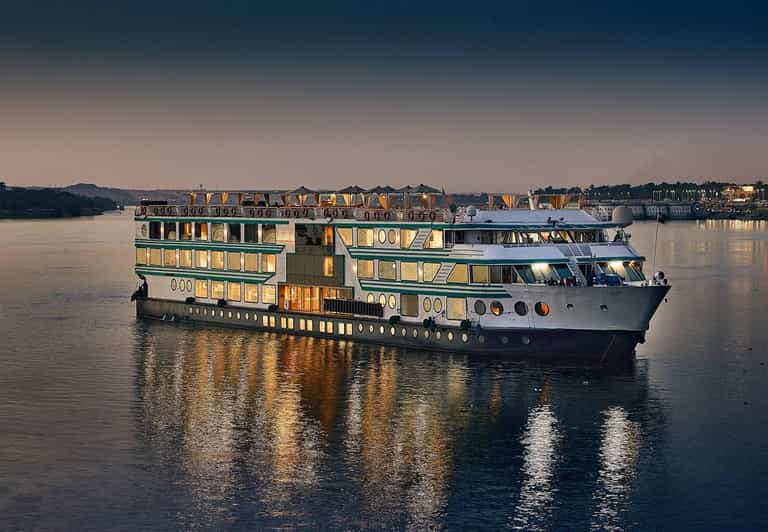
Covers the two-day add-on from Luxor for when one Cairo day tour is not enough for Upper Egypt.
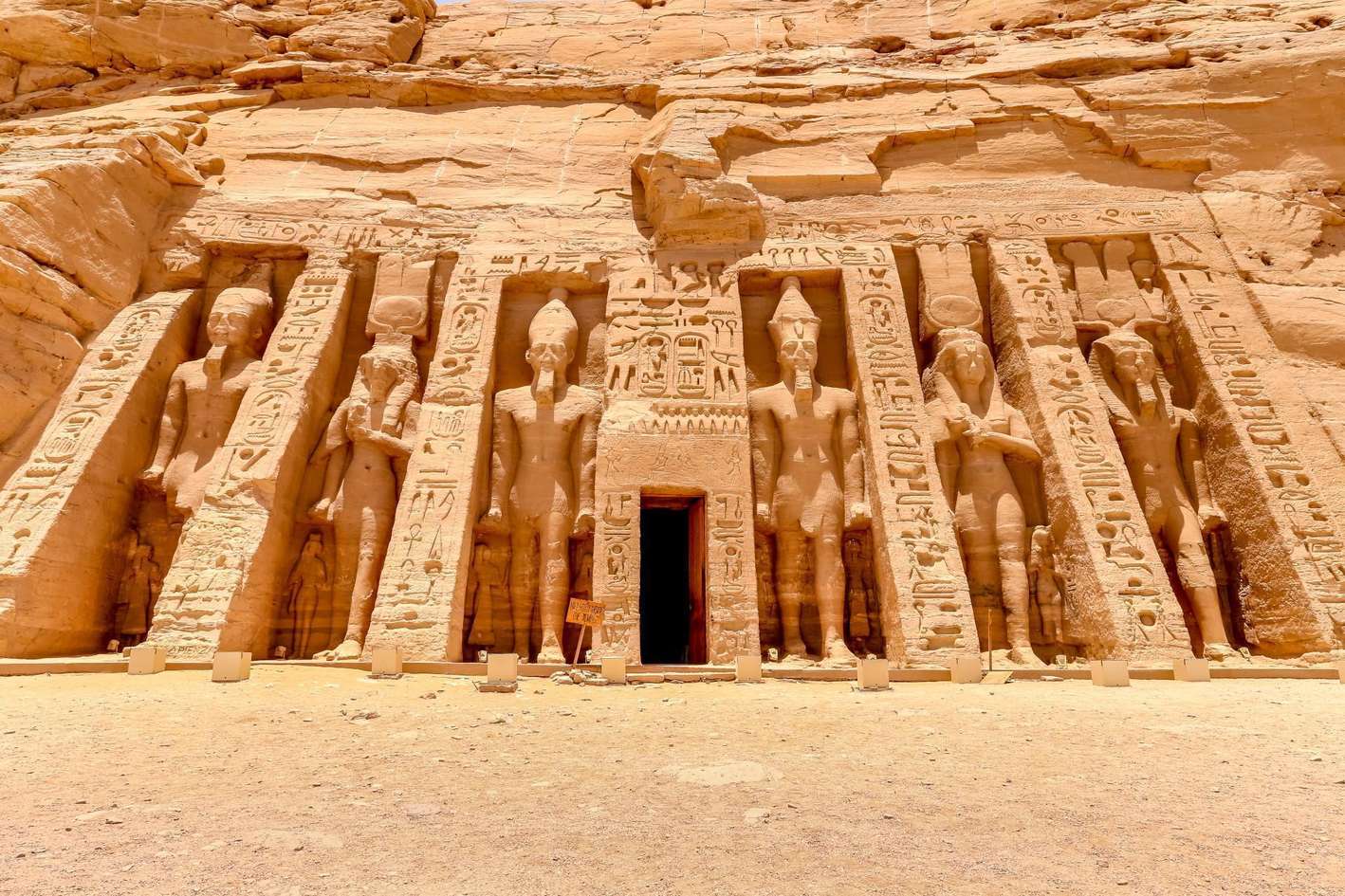
Details how the two-day Cairo tours fold Abu Simbel in, for readers who want more than Luxor alone.
Explains what a private Egyptologist adds over the fixed pacing of the Cairo day tours.
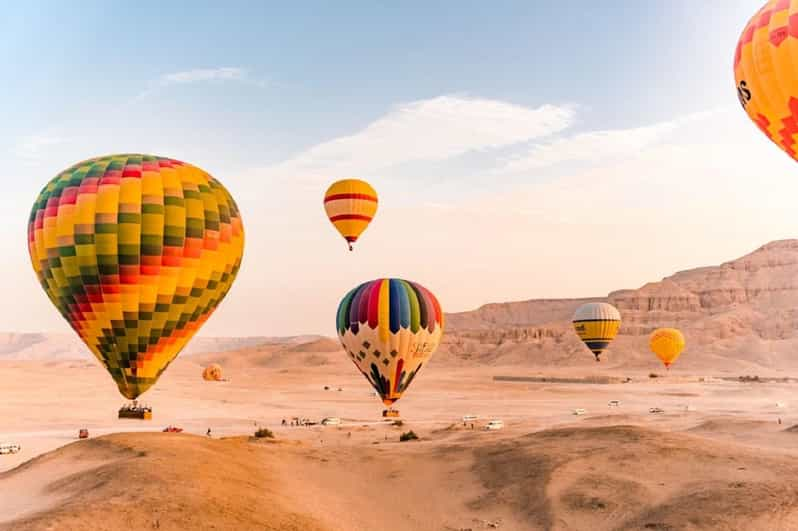
Sets out the cruise packages that start with Cairo sightseeing before flying south to board the boat.
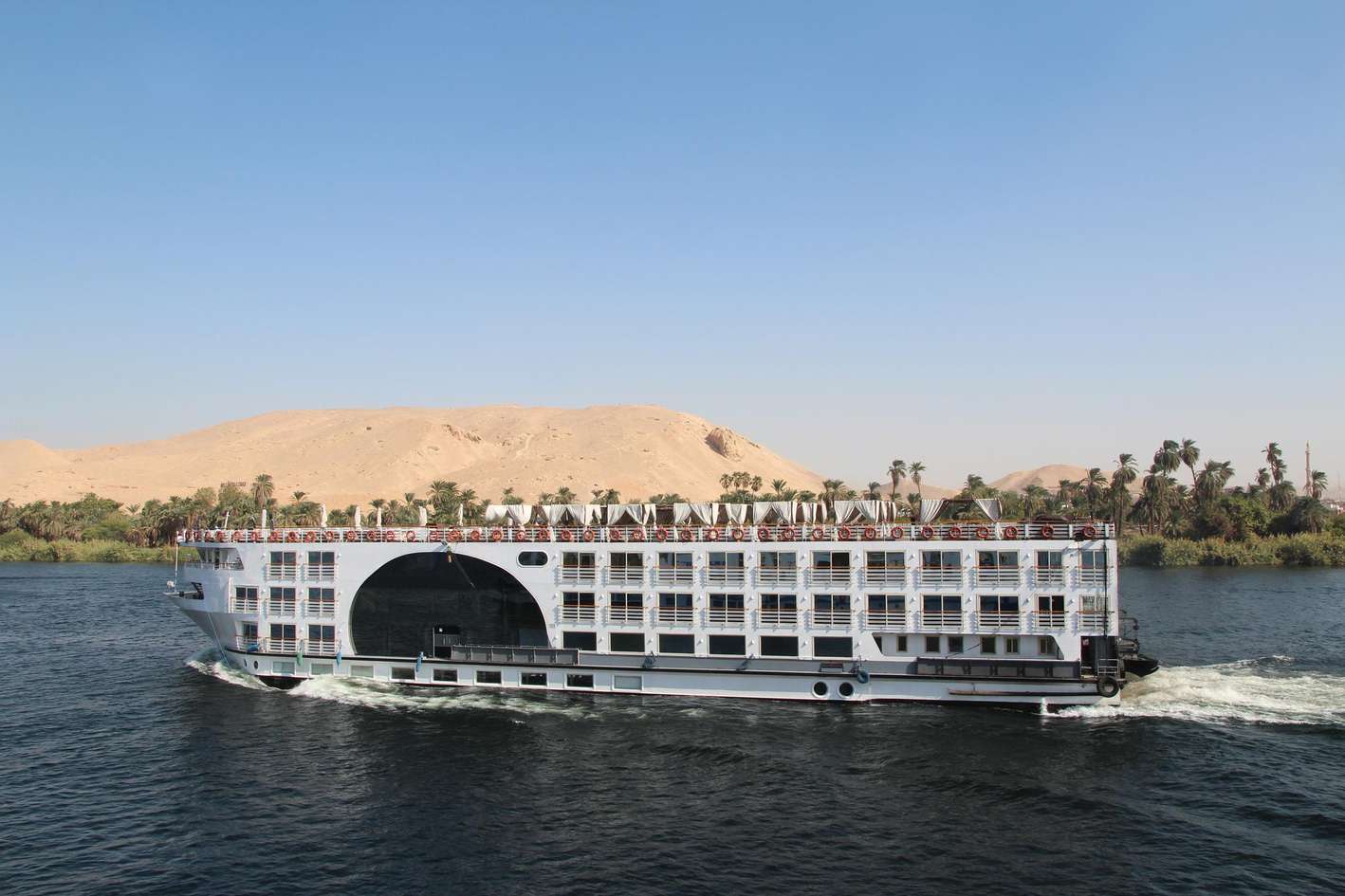
Compares the 3- to 5-day cruises linked to Cairo by flight, an alternative to one very long day.
Shows how the longer sailings pair Cairo flights with boarding at Aswan.
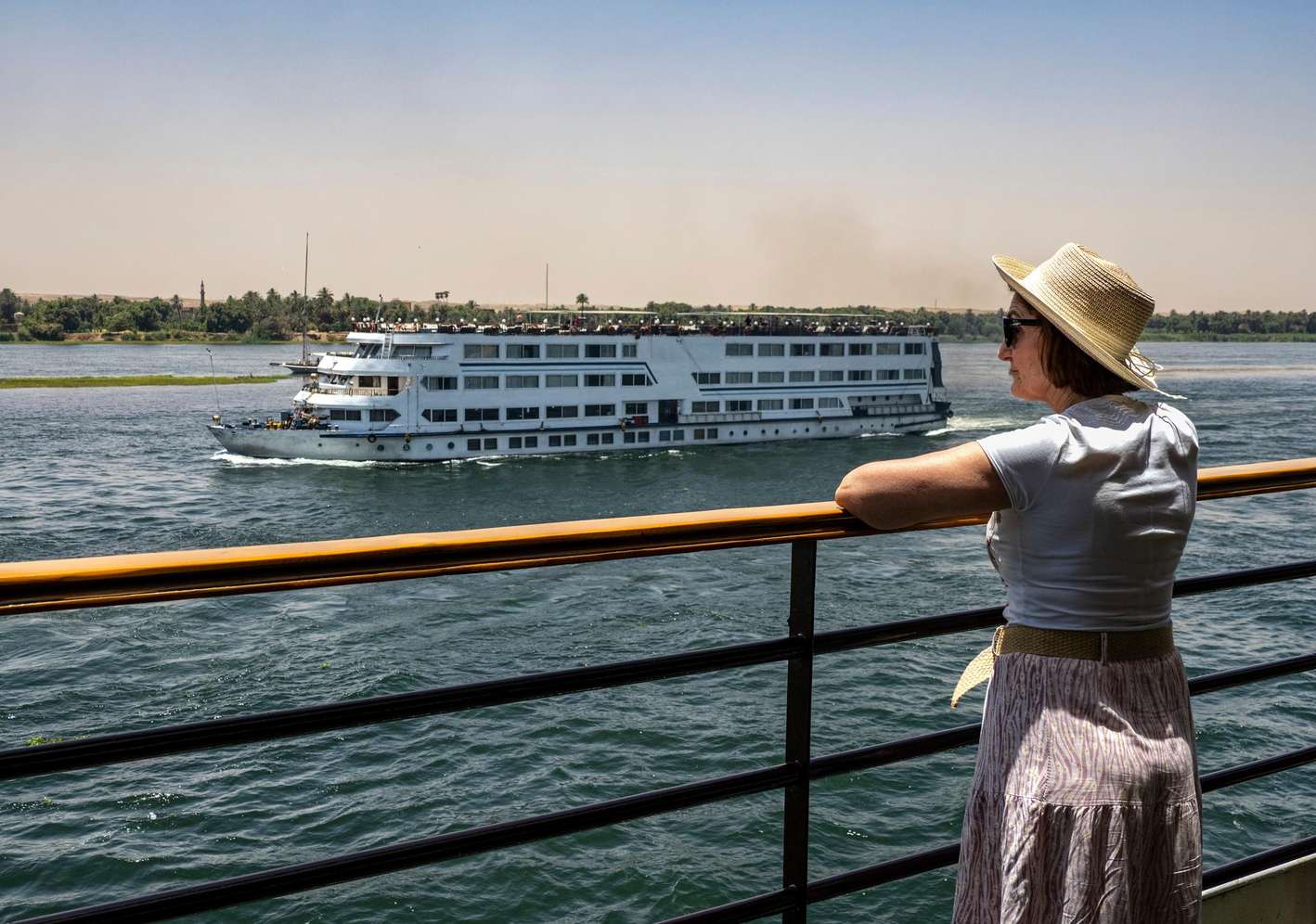
Describes the classic 3- and 4-night downriver sailings, with Abu Simbel and balloon options.

Sorts out how a short cruise fits a brief trip, measured against a one-day flight tour.
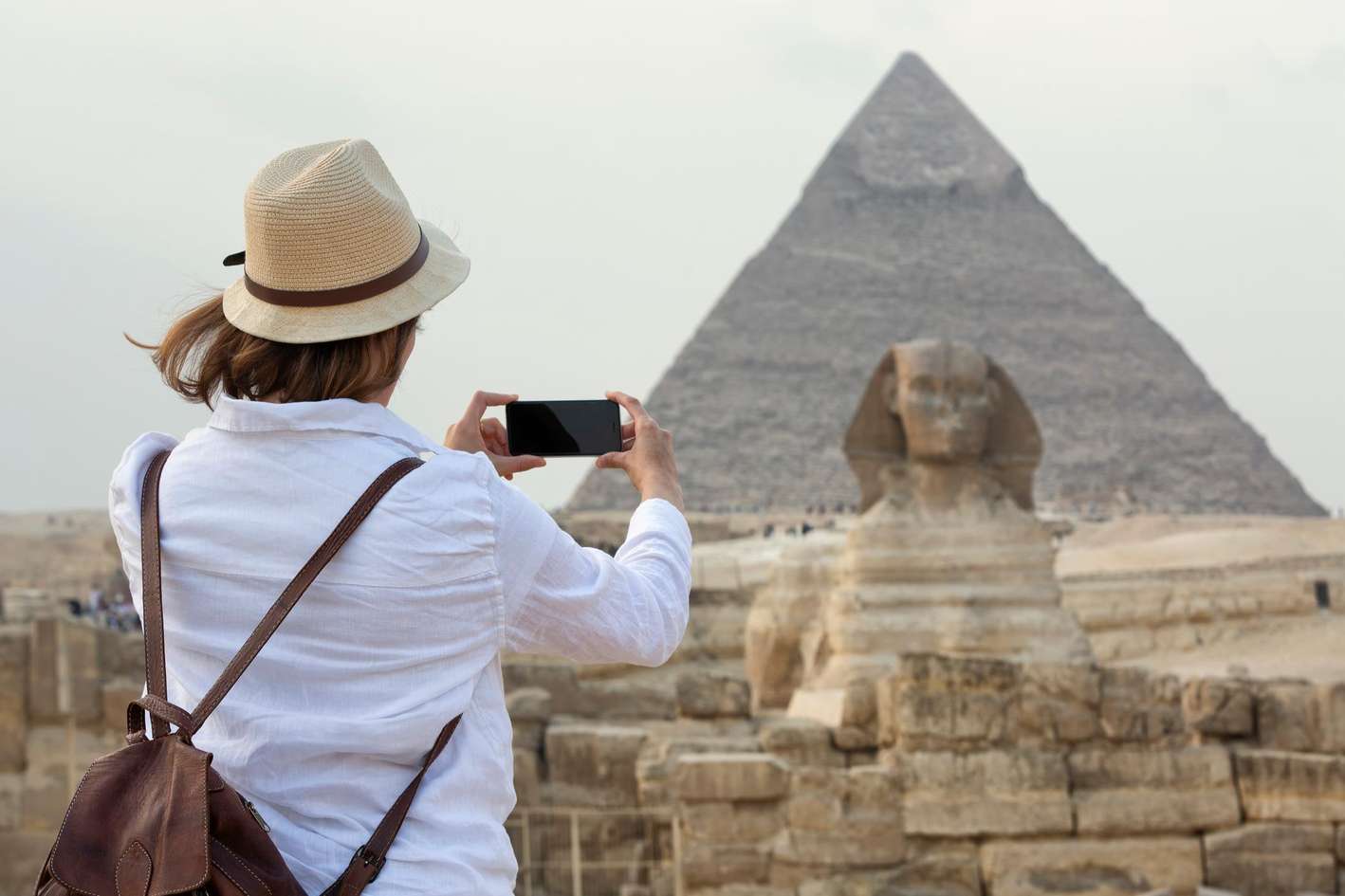
Covers a two-hour evening on the Nile in Cairo, an easy add-on around a Luxor day.
Compares flight, sleeper train and road times for the leg every Cairo tour here depends on.
Lists airlines, schedules and the one-hour flight length the Cairo day tours rely on.
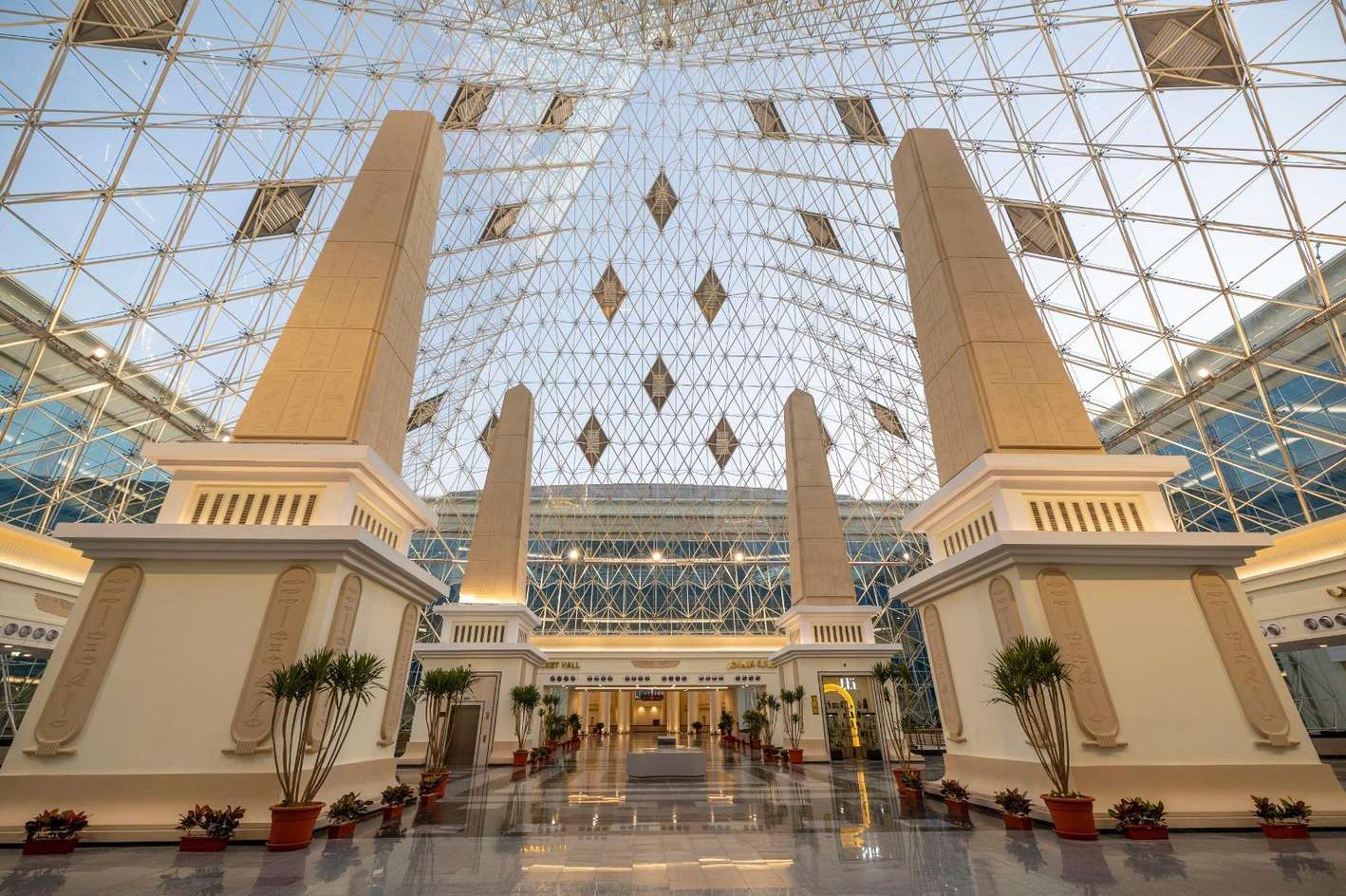
Explains the overnight train as a slower alternative to the flight tours sold here.
Details direct road transport times, useful context for the desert distances on this page.
Covers the sunrise balloon the Cairo flight tours bundle in, with age and health limits.
Gives opening hours, card-only ticket rules and sound show times for the temple on every Cairo itinerary.
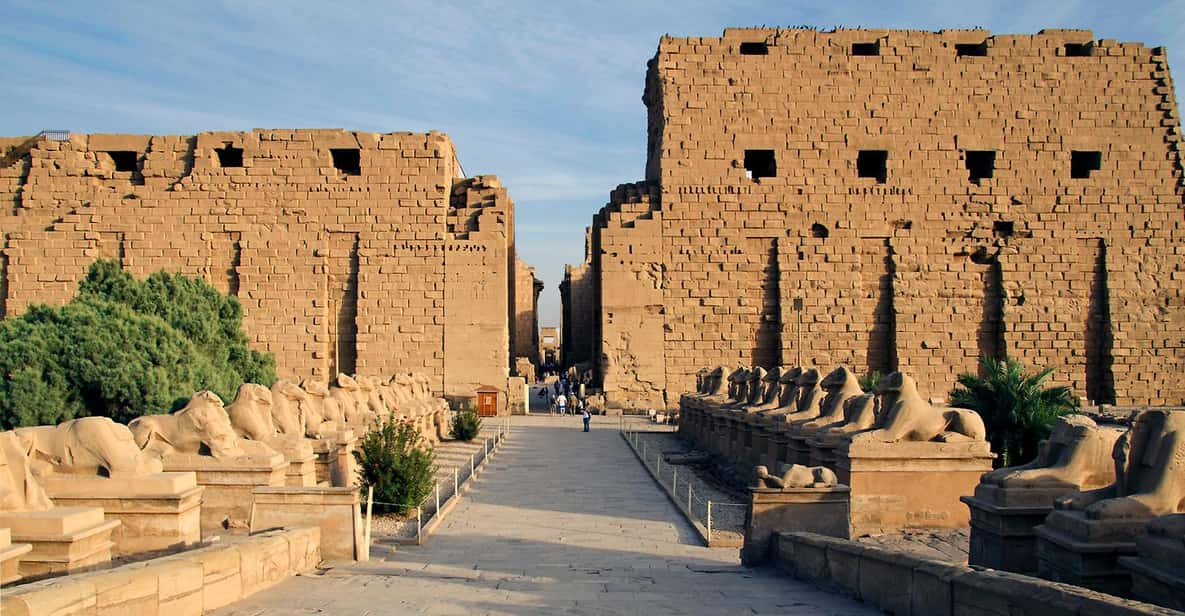
Fly from Cairo to the Valley of the Kings, Karnak and a felucca ride on one private day, with pickup included and free cancellation up to 24 hours ahead.