
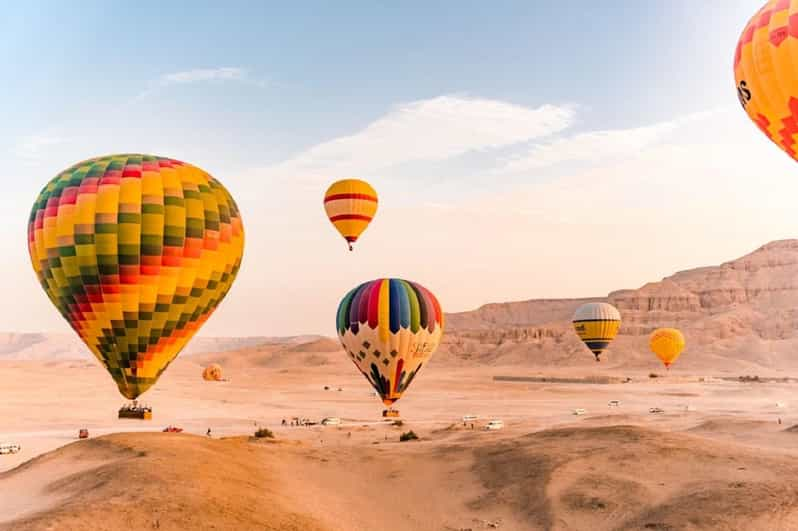
 Our top pick
From Cairo: 4-Day Nile Cruise to Luxor with Balloon Flight
Departure and return flight ticketsHotel pickup and drop-offTransportation
From$1,170 /person
See dates and book Free cancellation · Hotel pickup
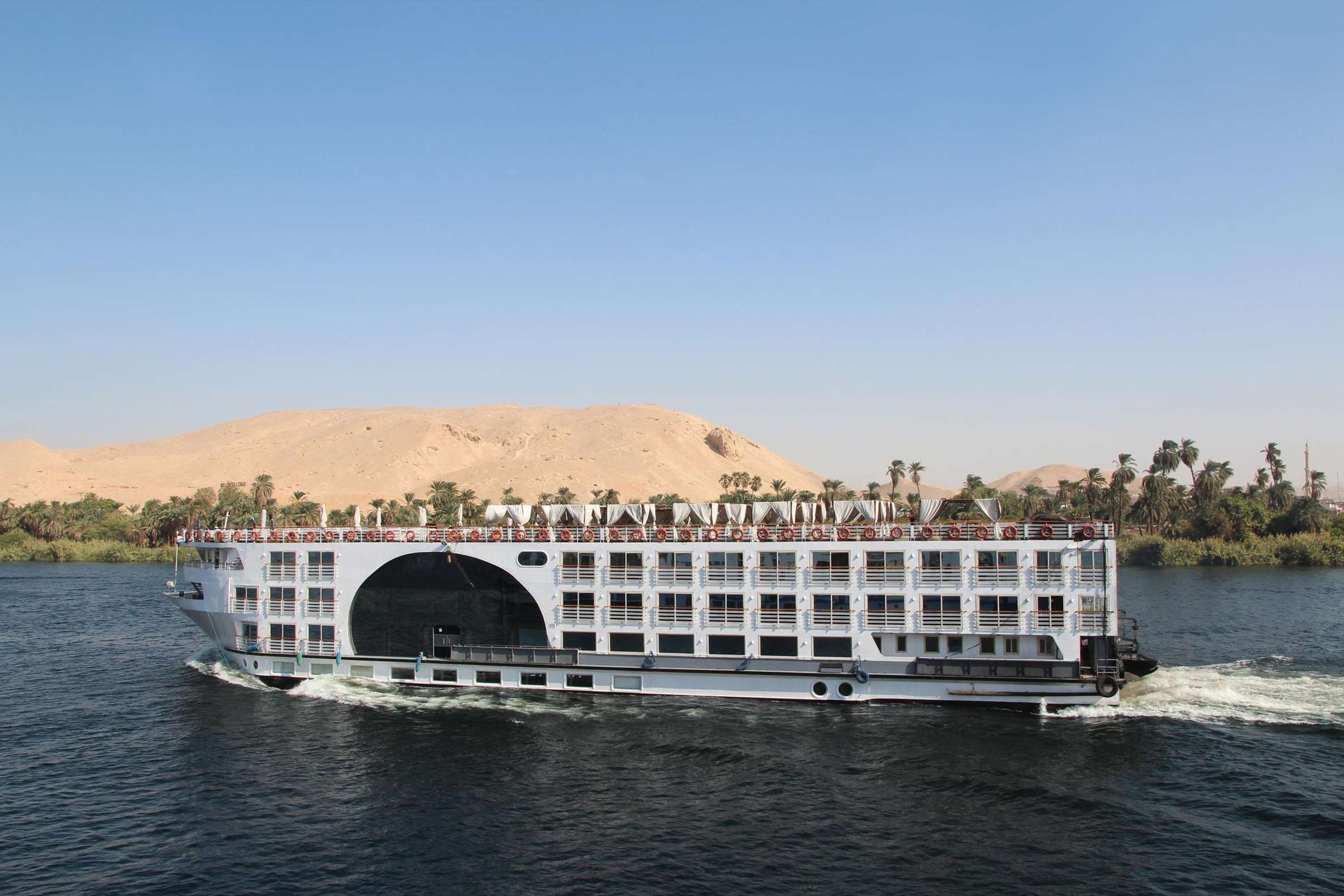
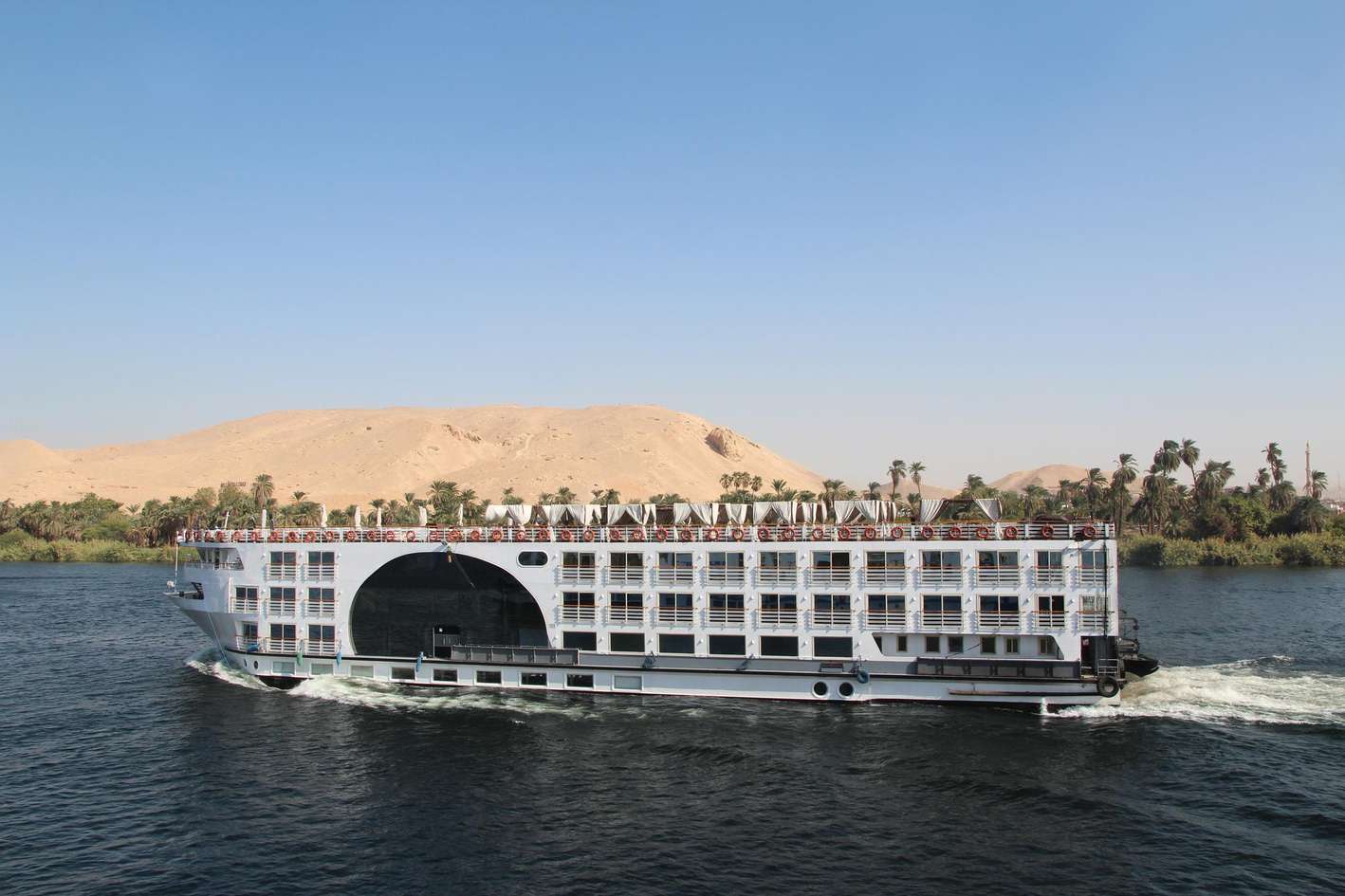
Wake up on the Nile with Karnak and the Valley of the Kings on your doorstep. Sail a 5-star ship from Aswan to Luxor with flights, transfers, full-board meals and an Egyptologist guide all arranged. Book your 4-day Cairo-to-Luxor cruise today.
“Our tour of Awsam with Ahmed Sony and Jerjes was great. Friendly, fun guys who really knew the sites.”
Every package here starts with hotel pickup in Cairo, flies you south to Aswan or Luxor, and puts you on a five-star riverboat for three or four nights with all meals on board.
Our top pick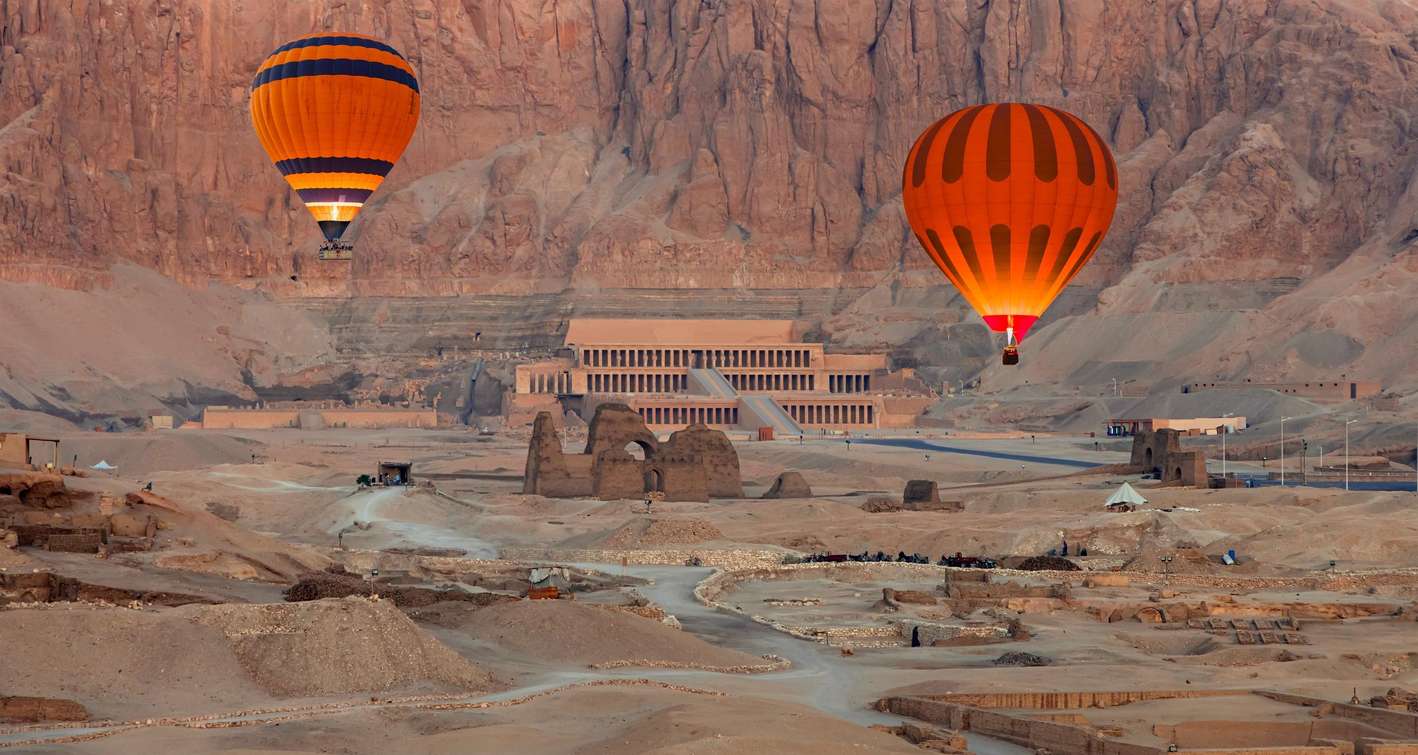
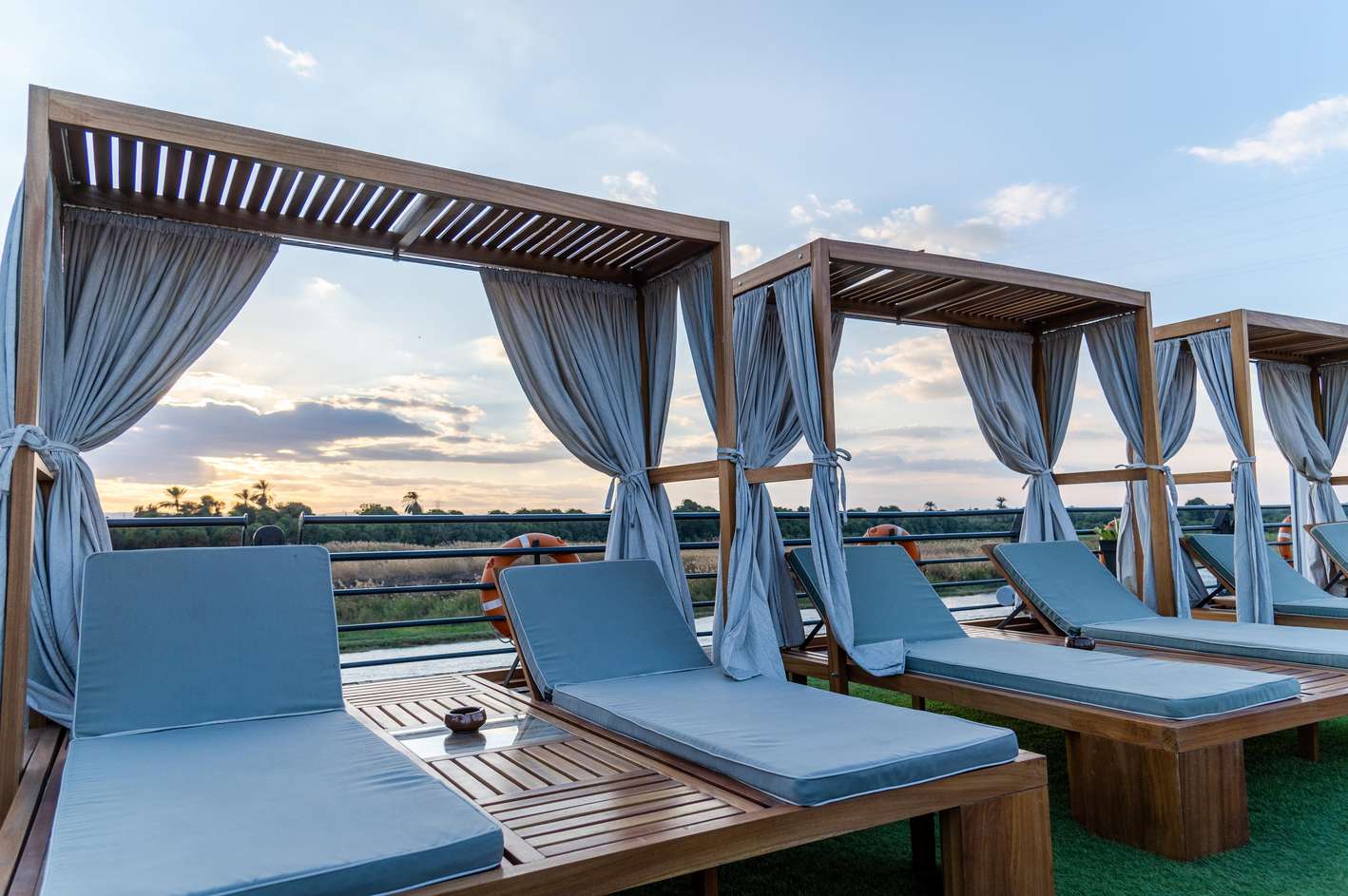
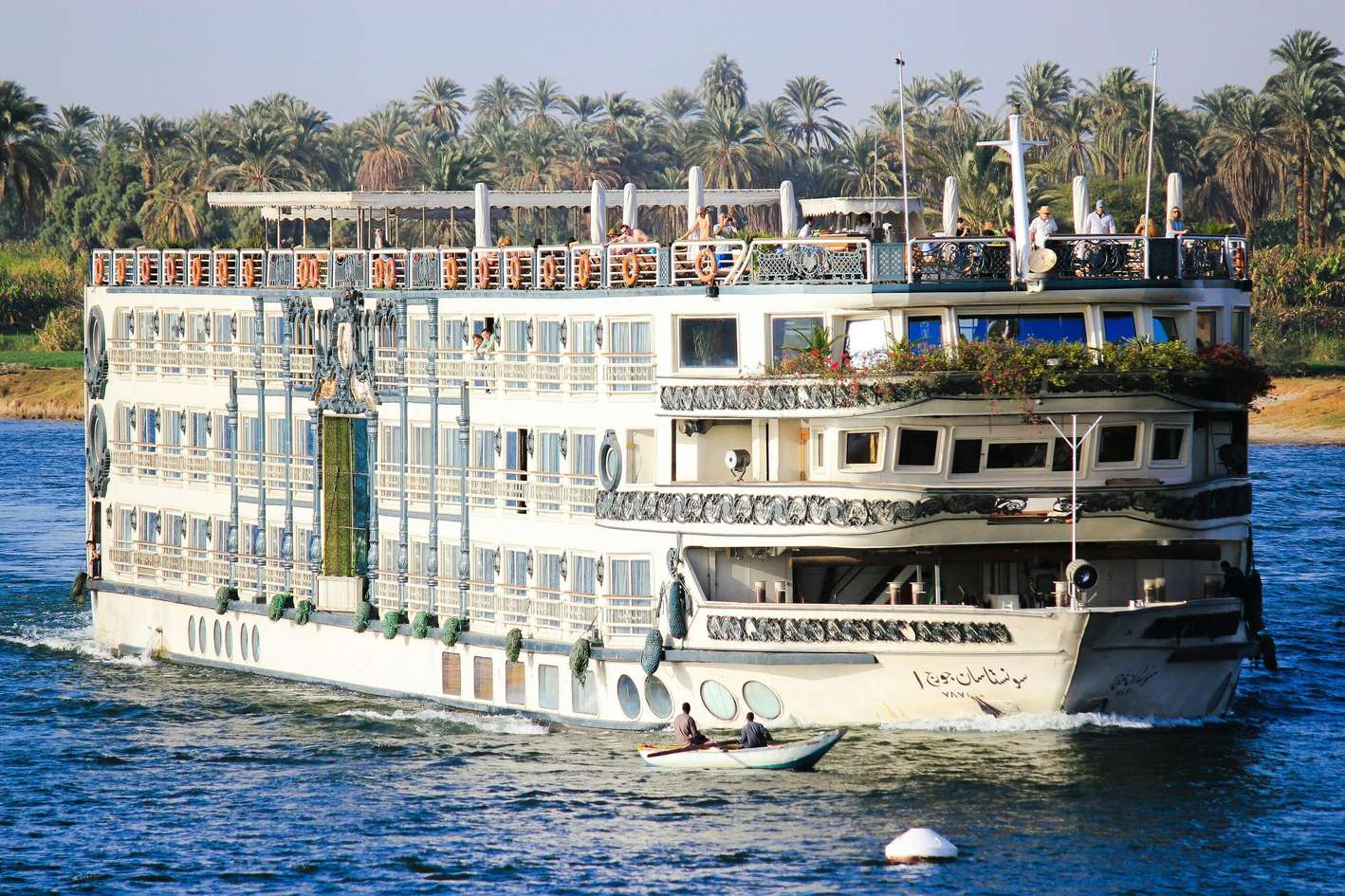

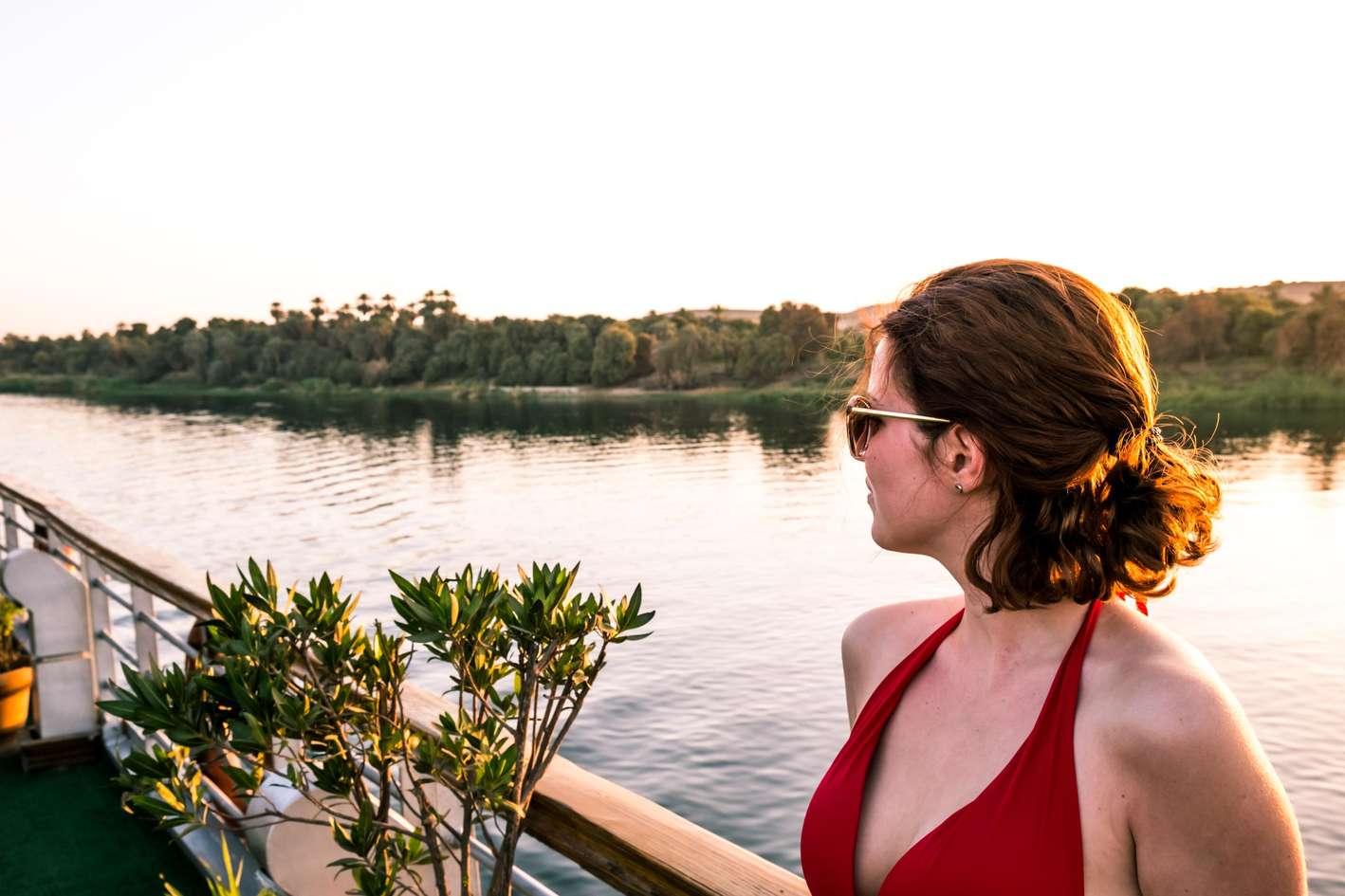
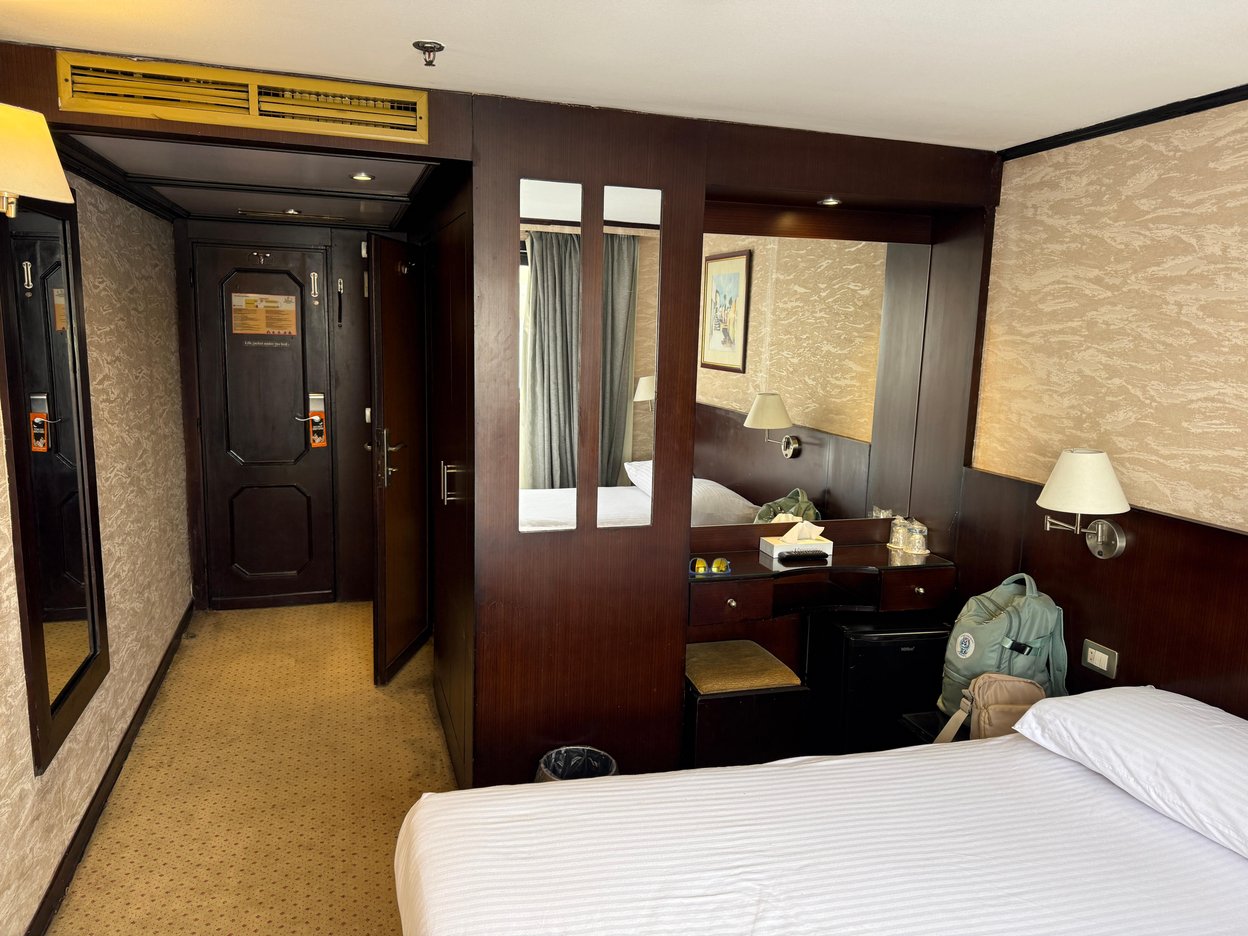
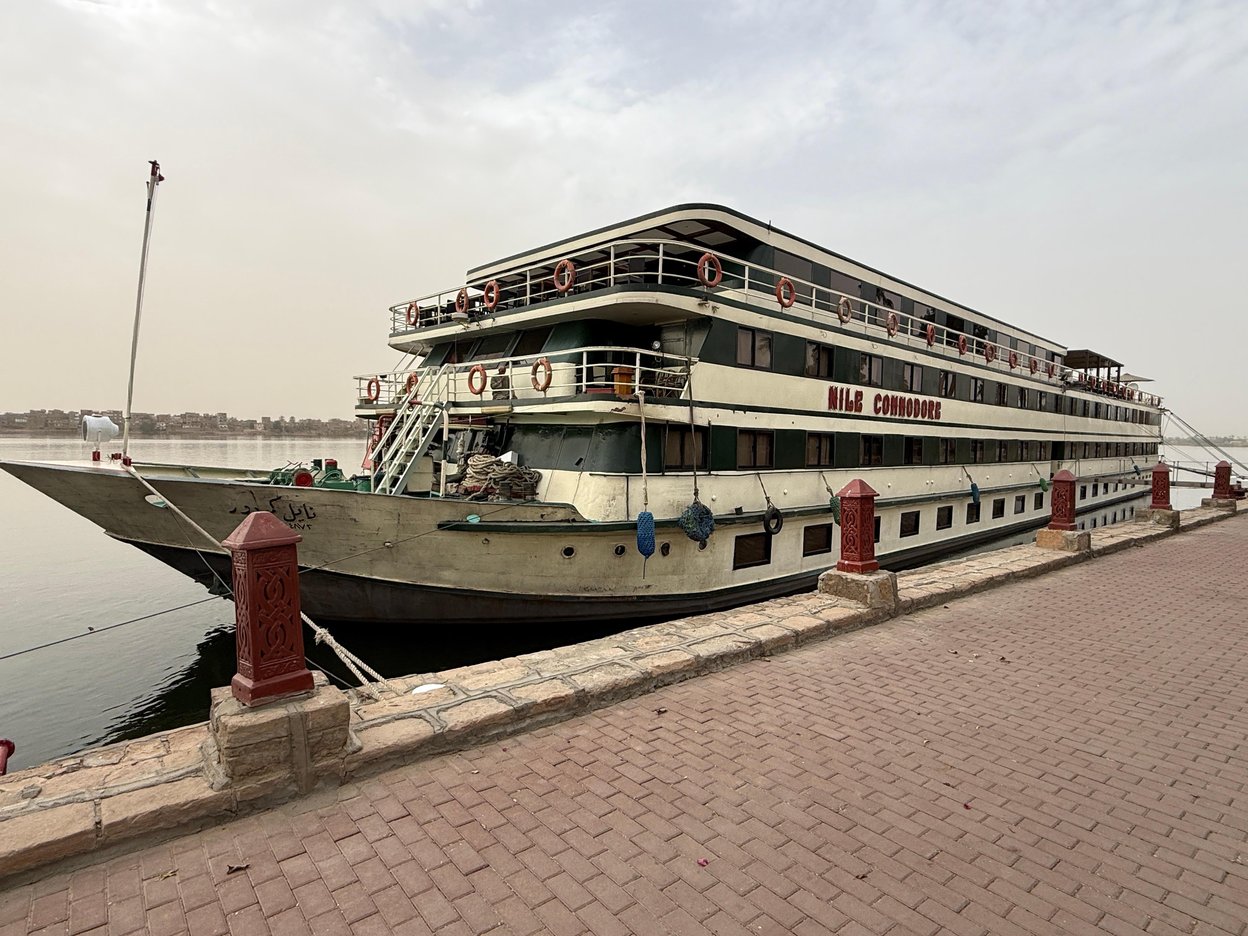
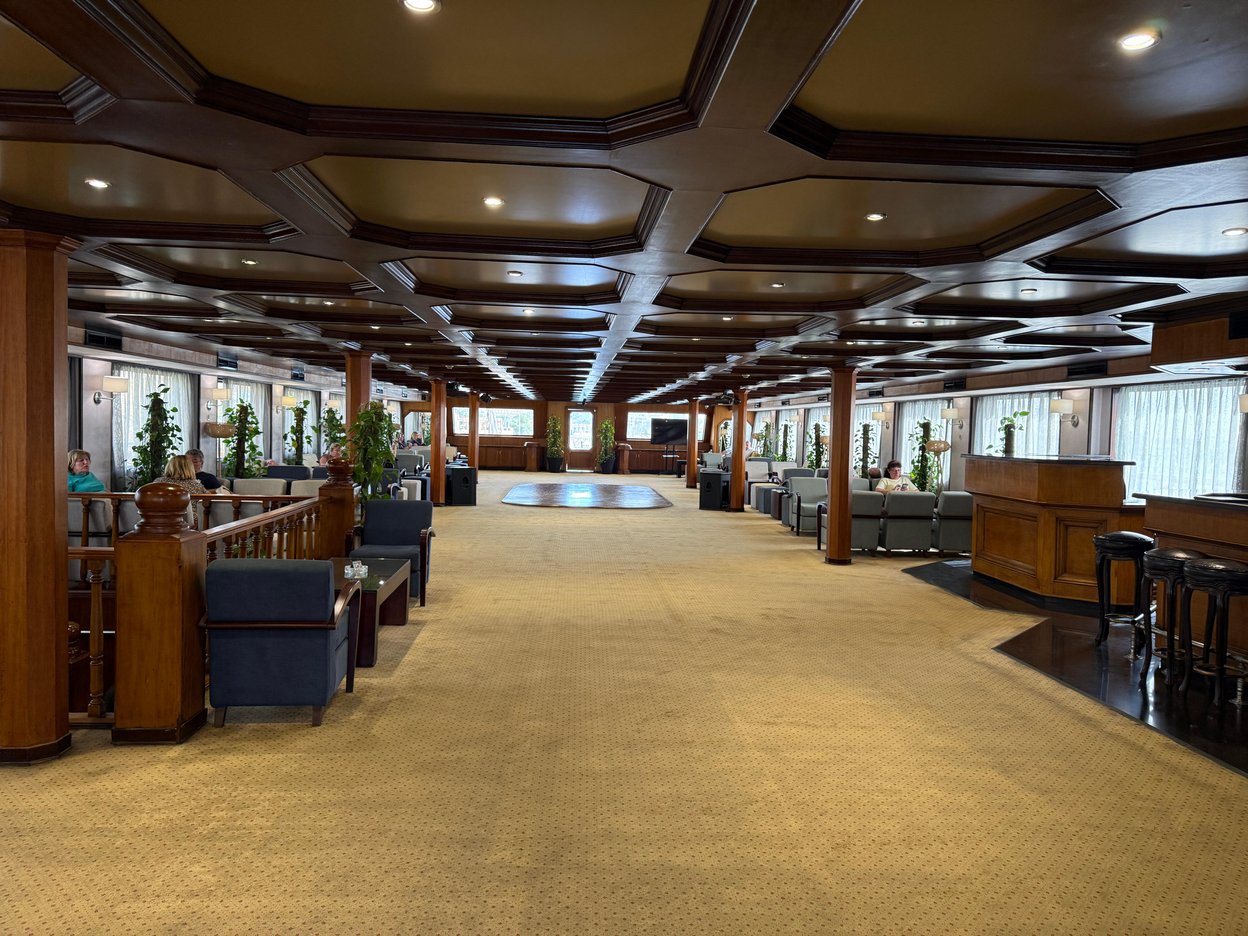


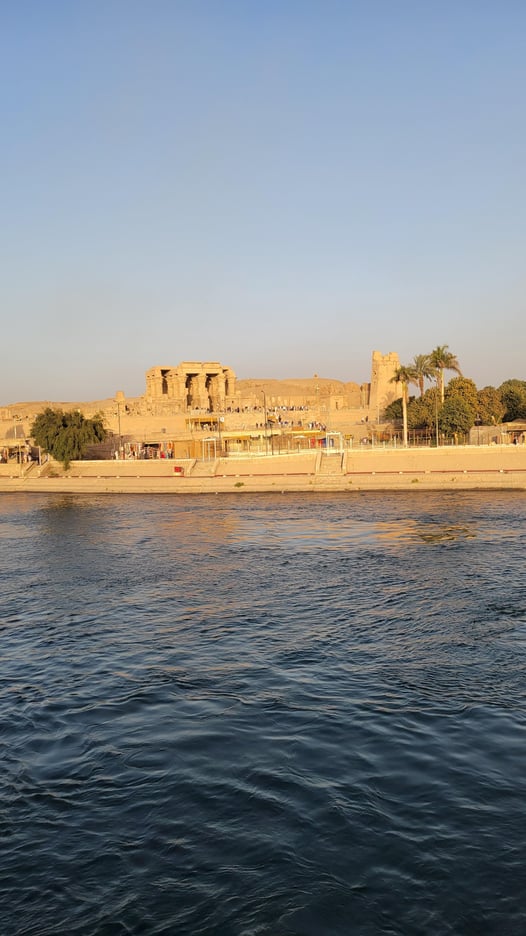
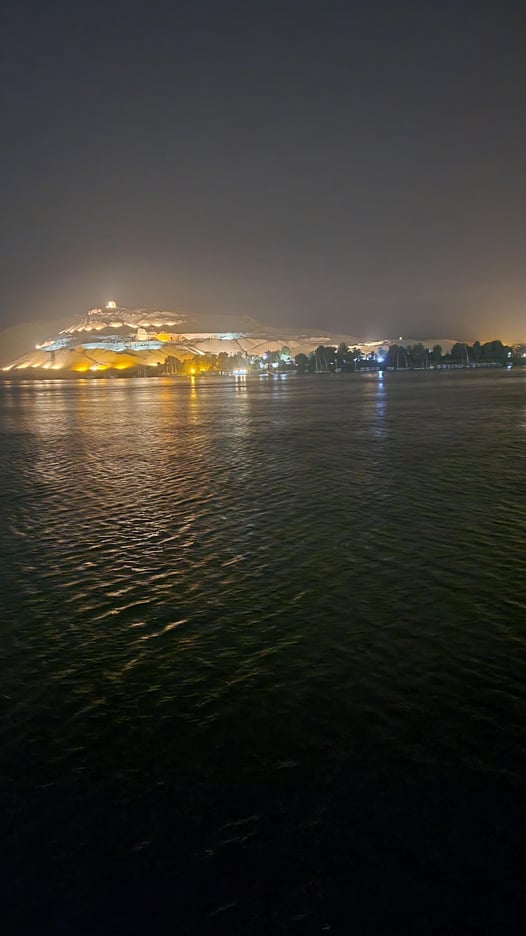
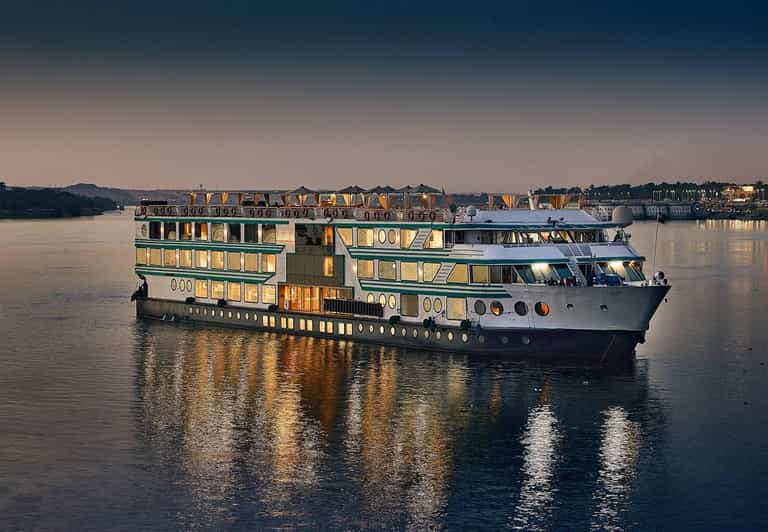
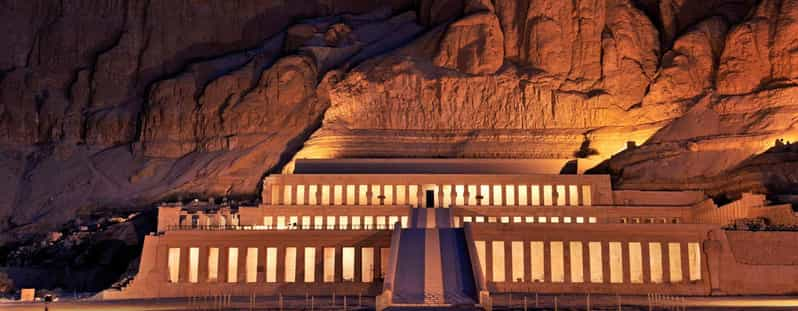
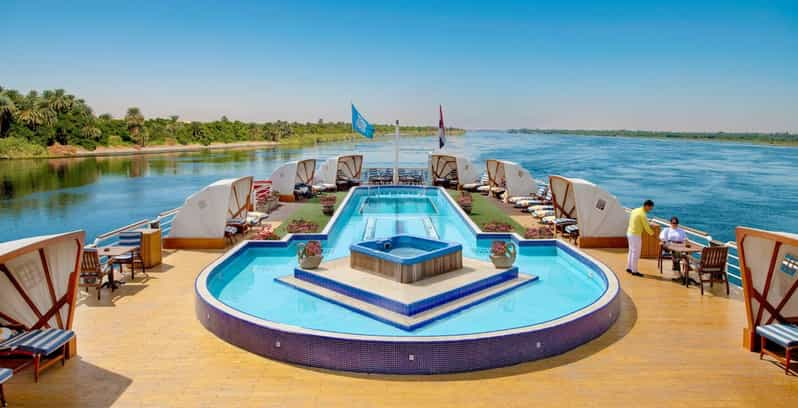
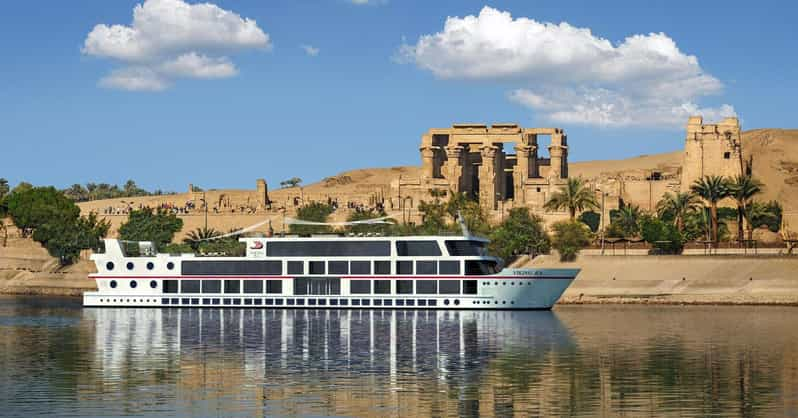
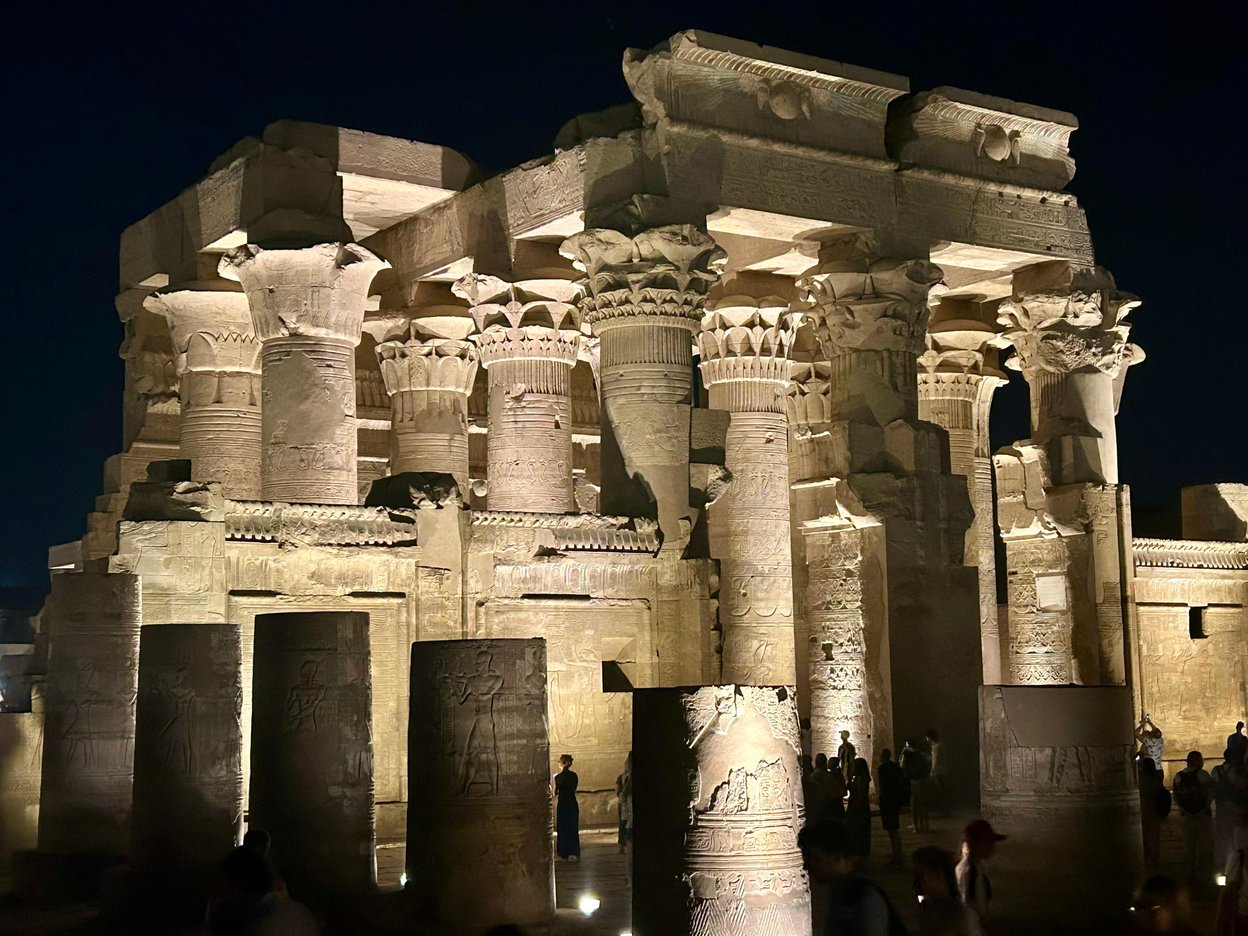
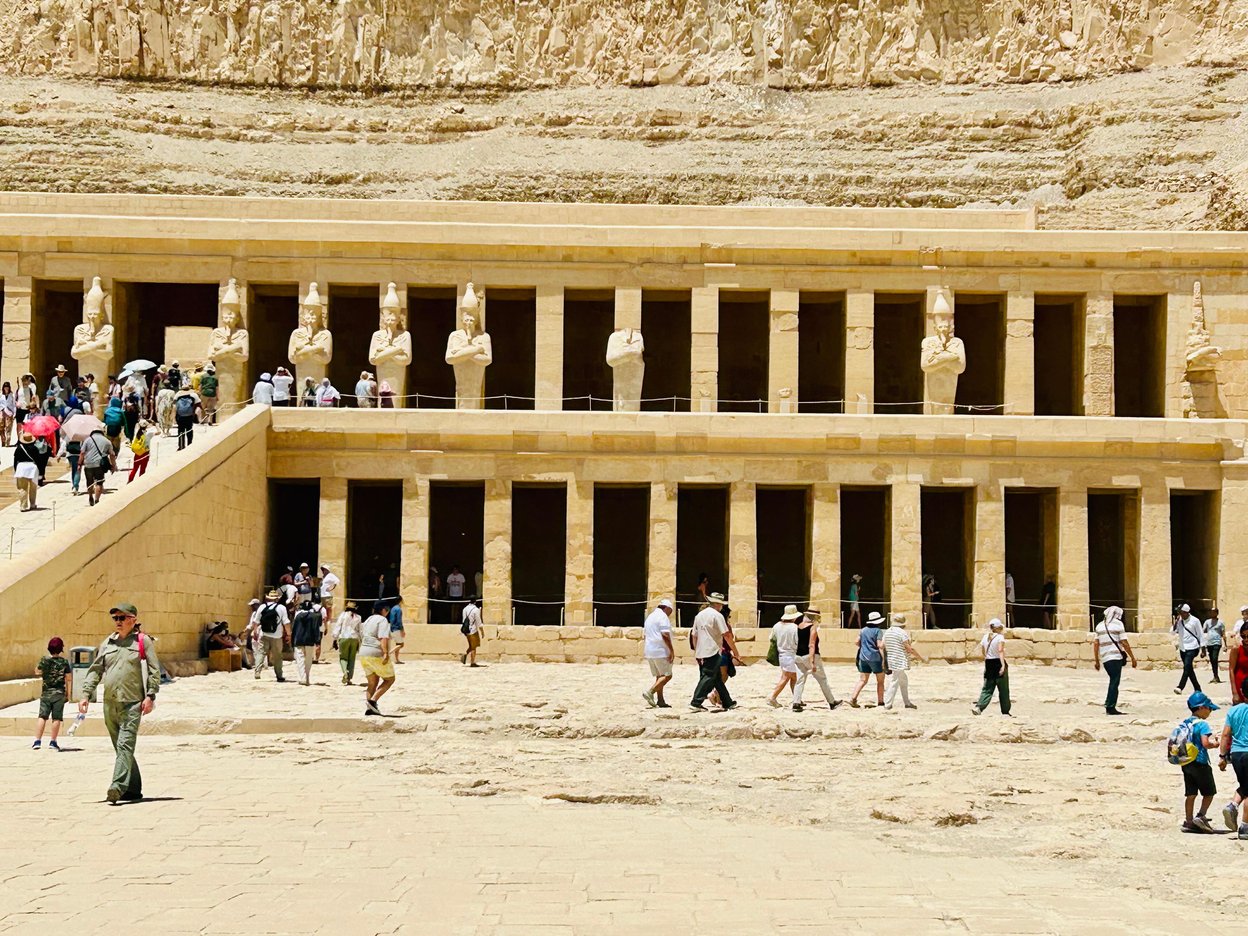
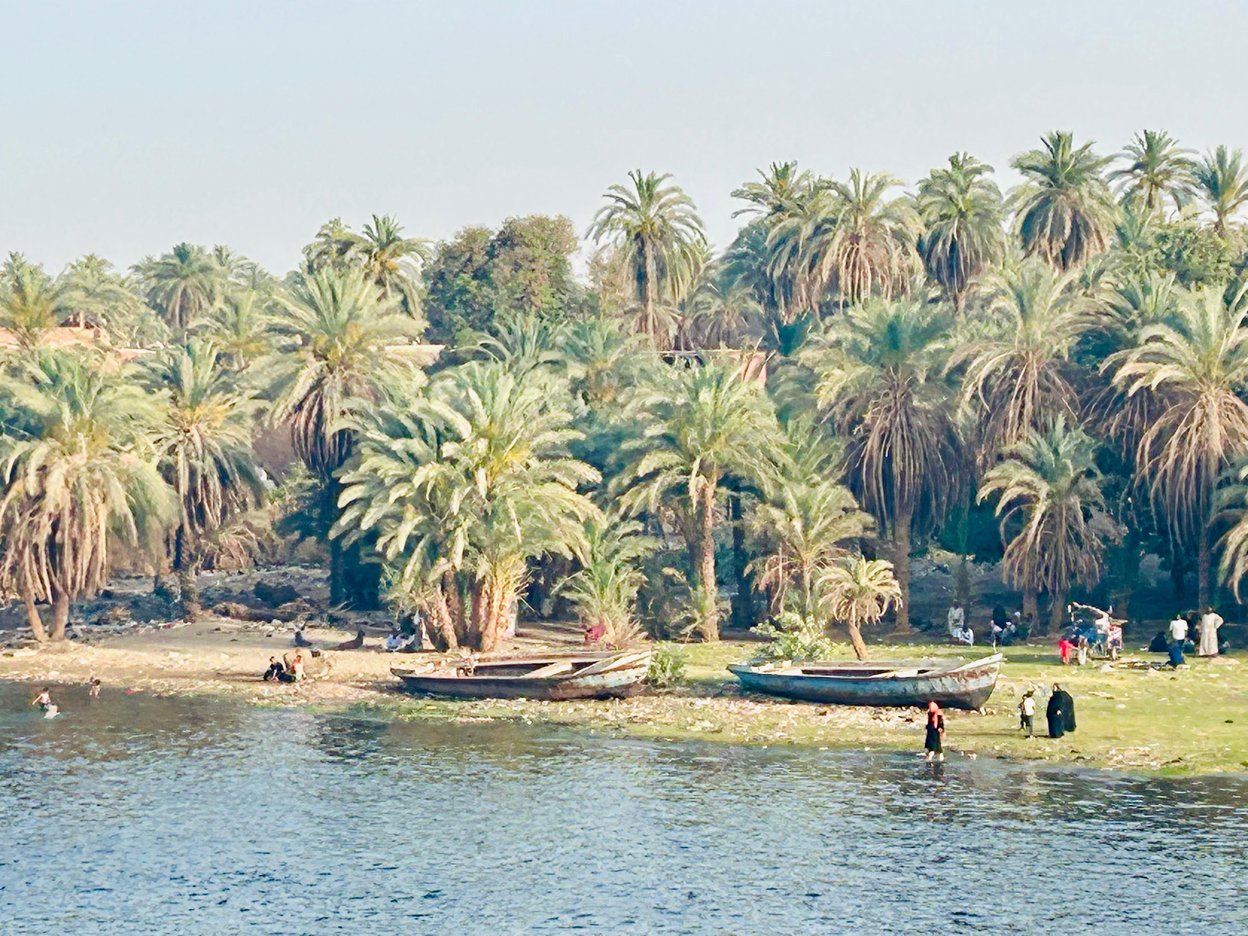
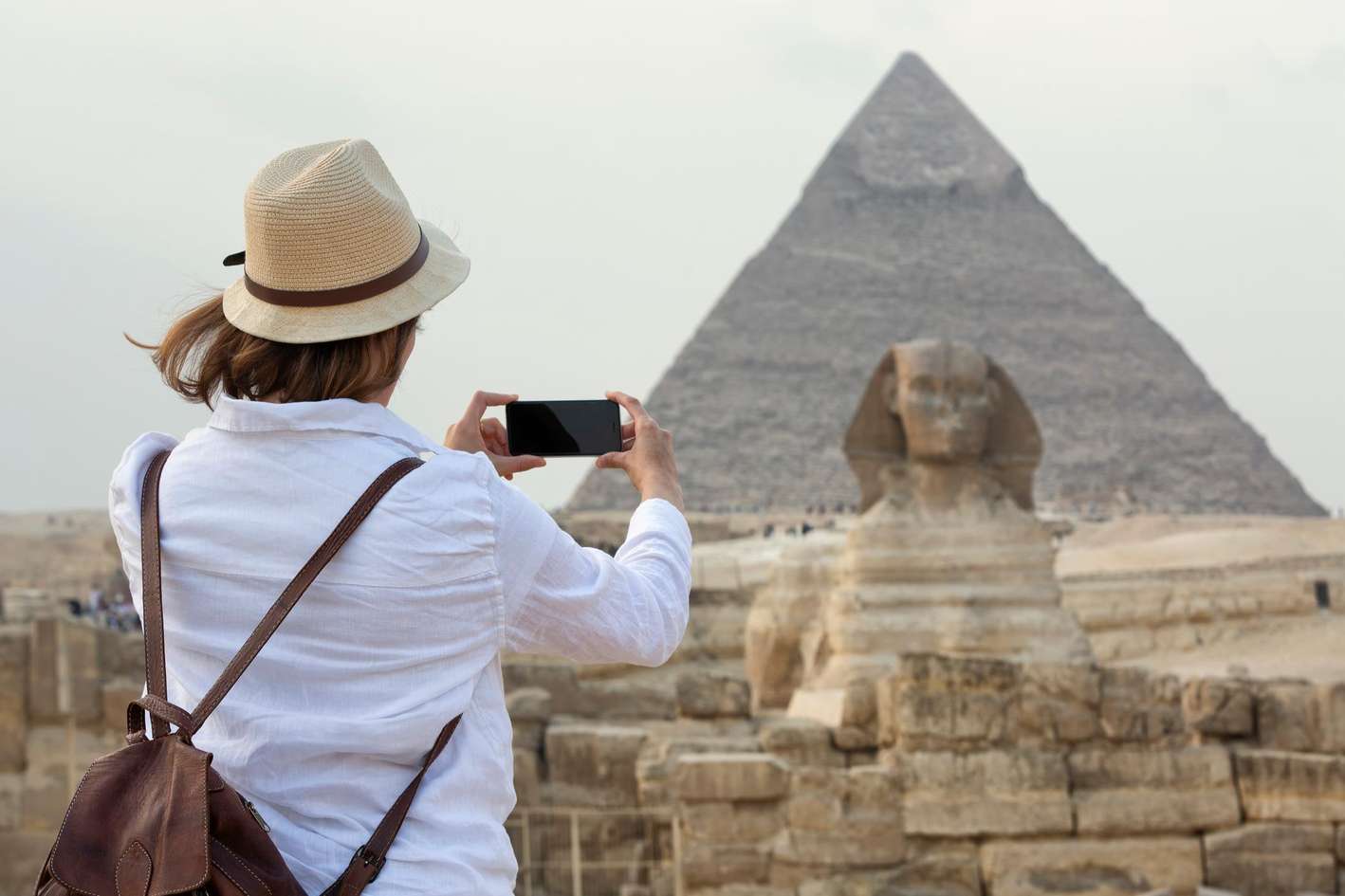


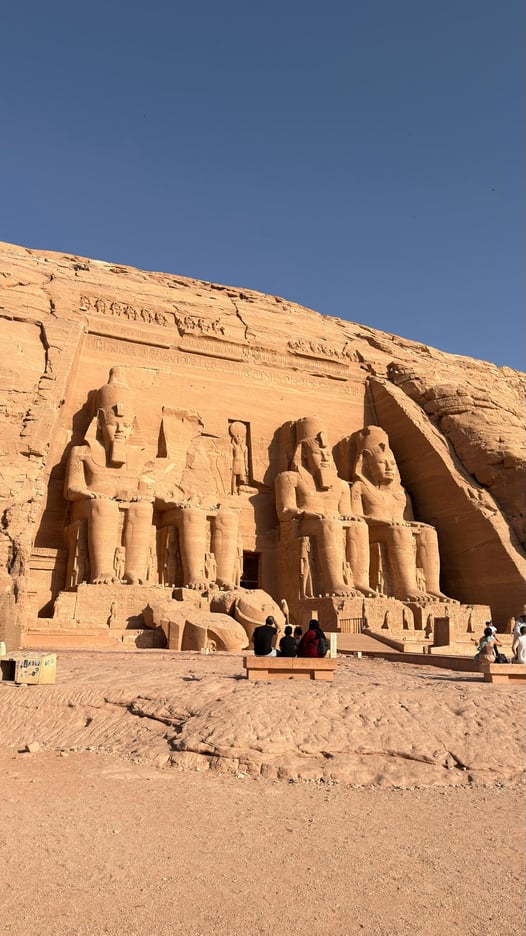
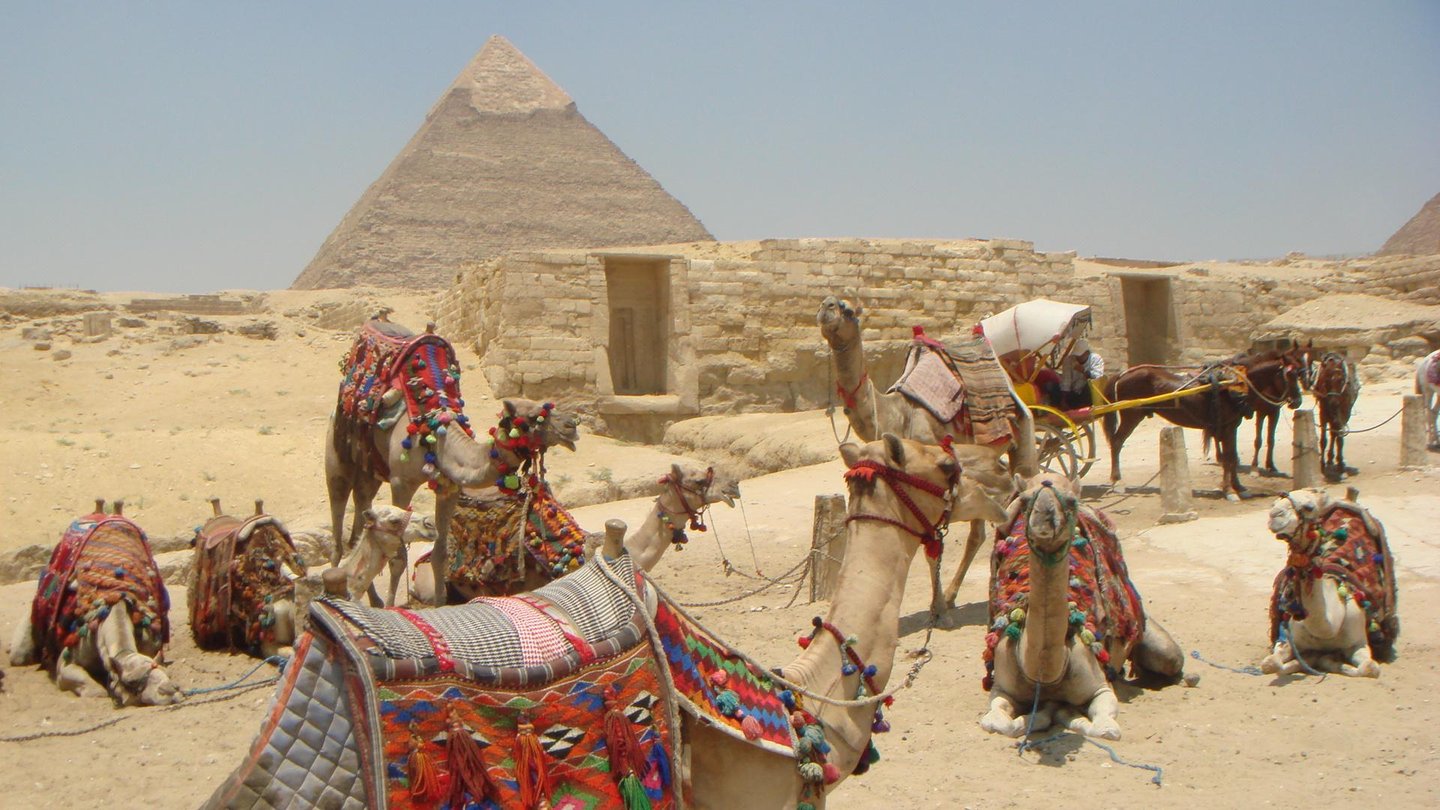
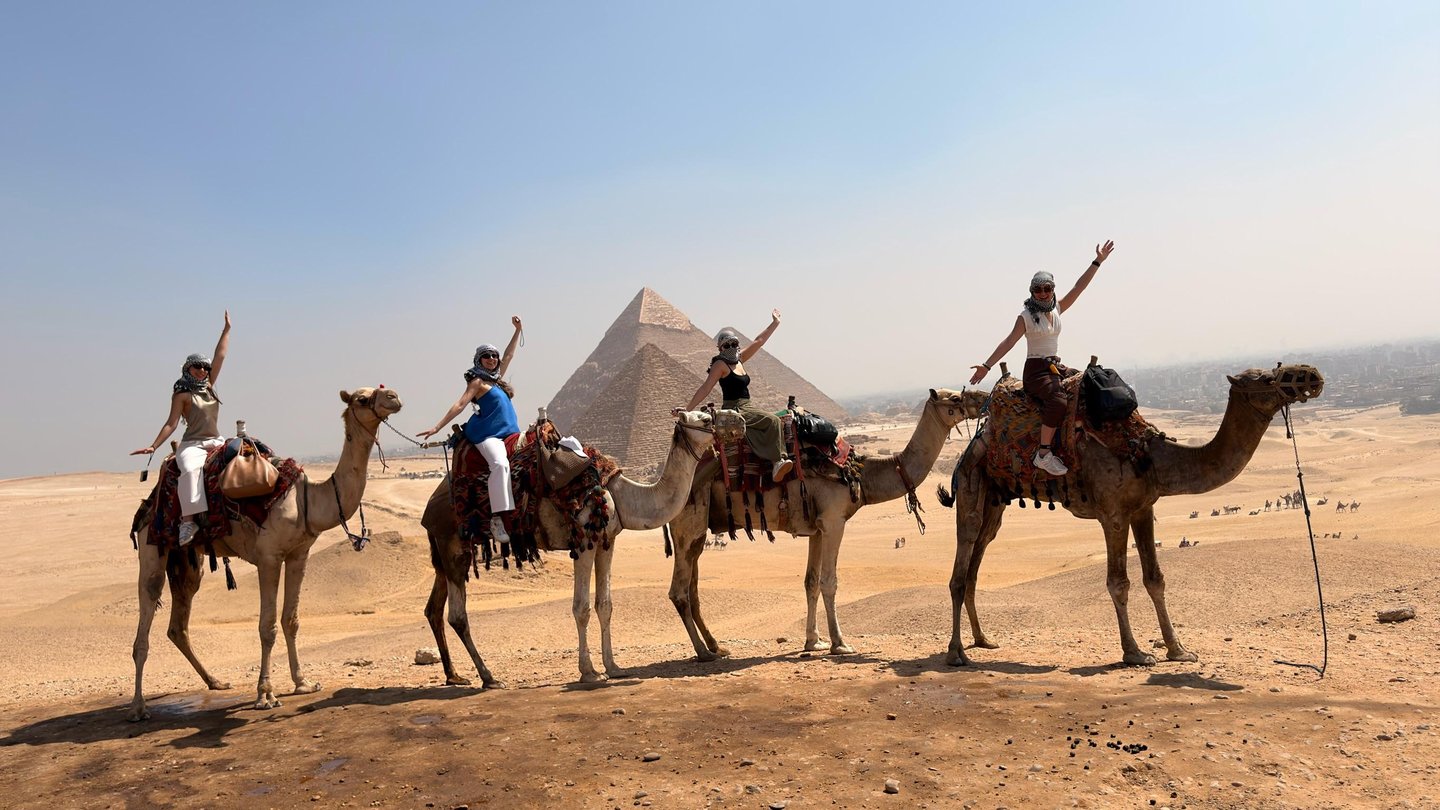
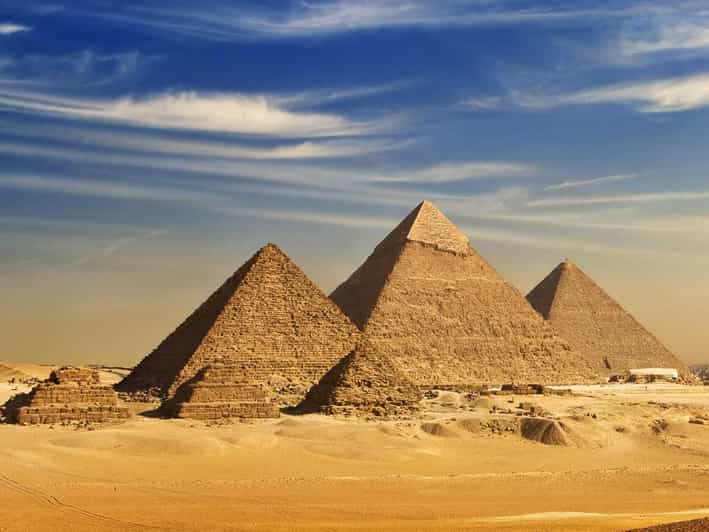
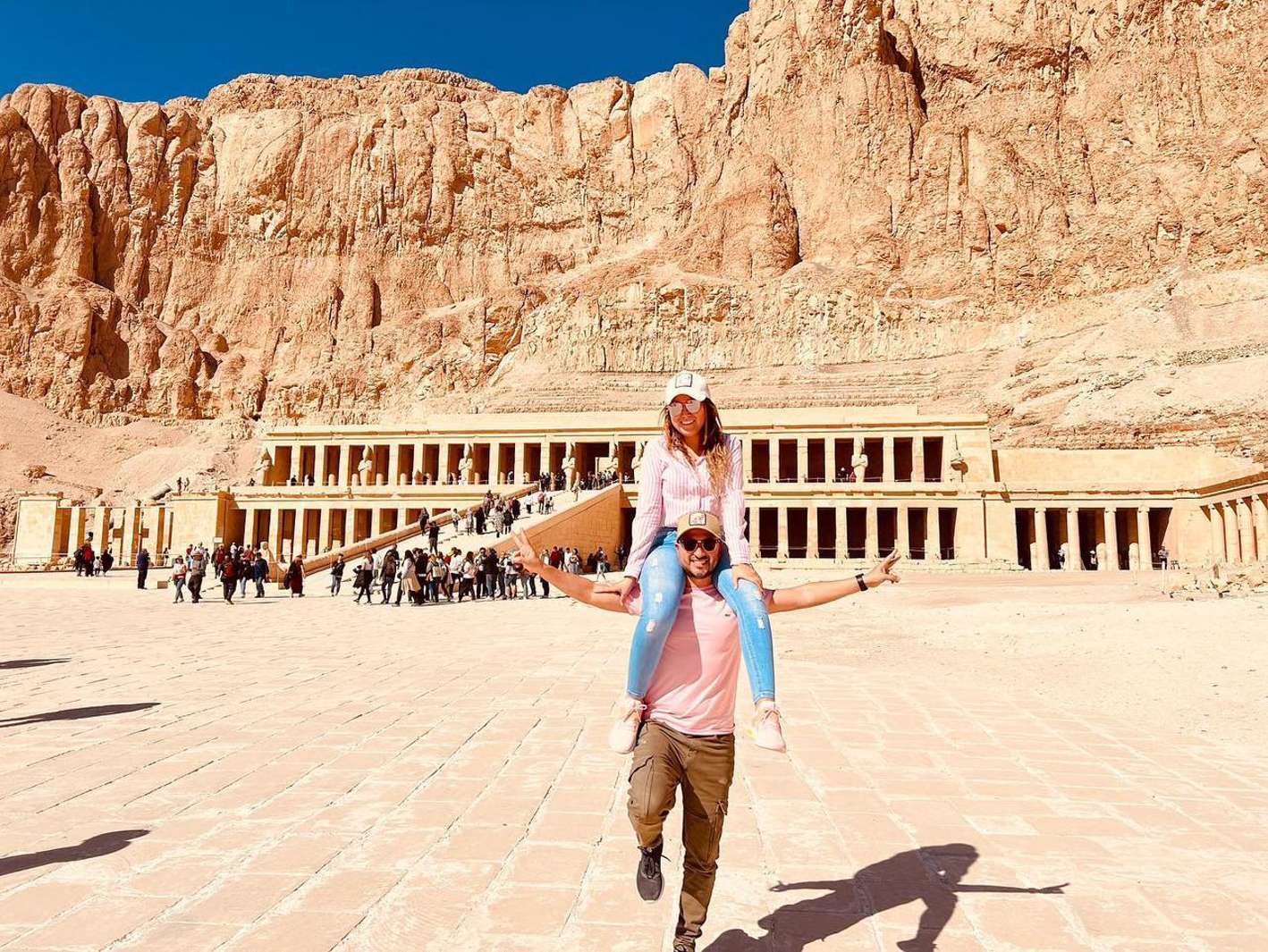
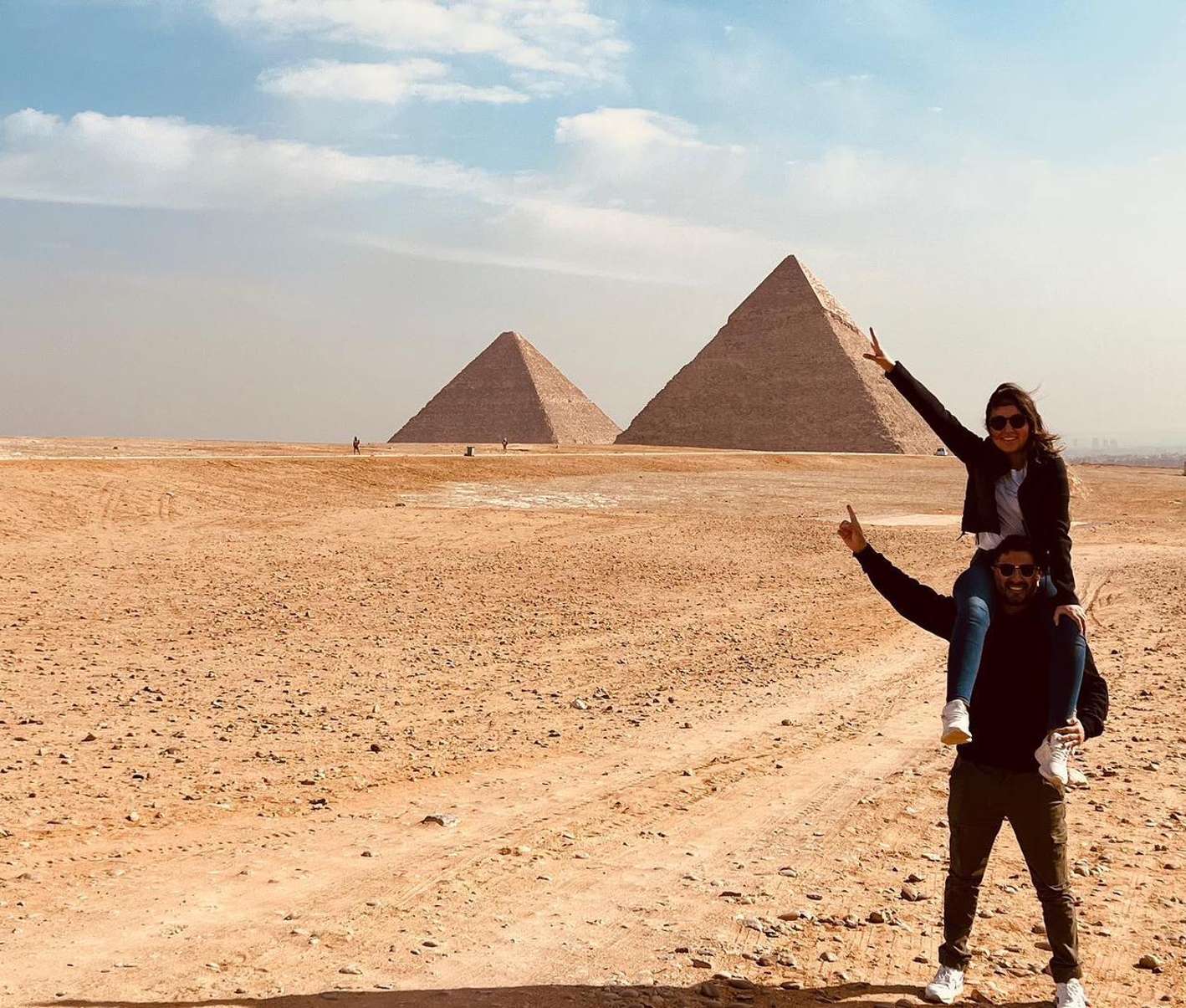
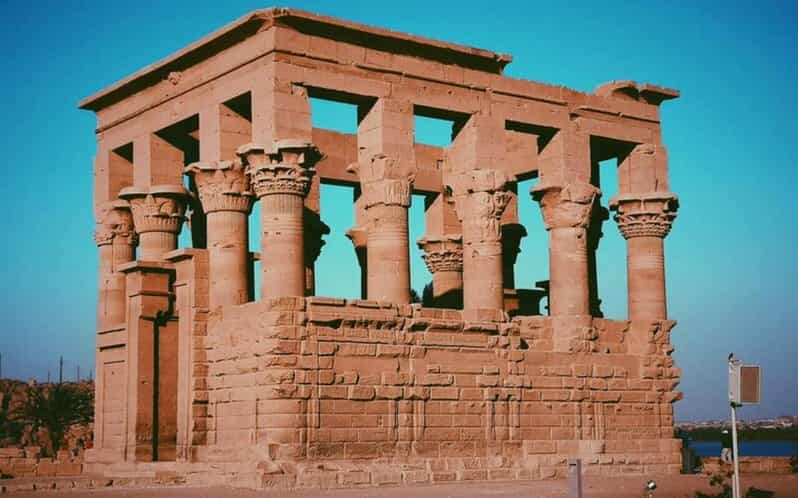
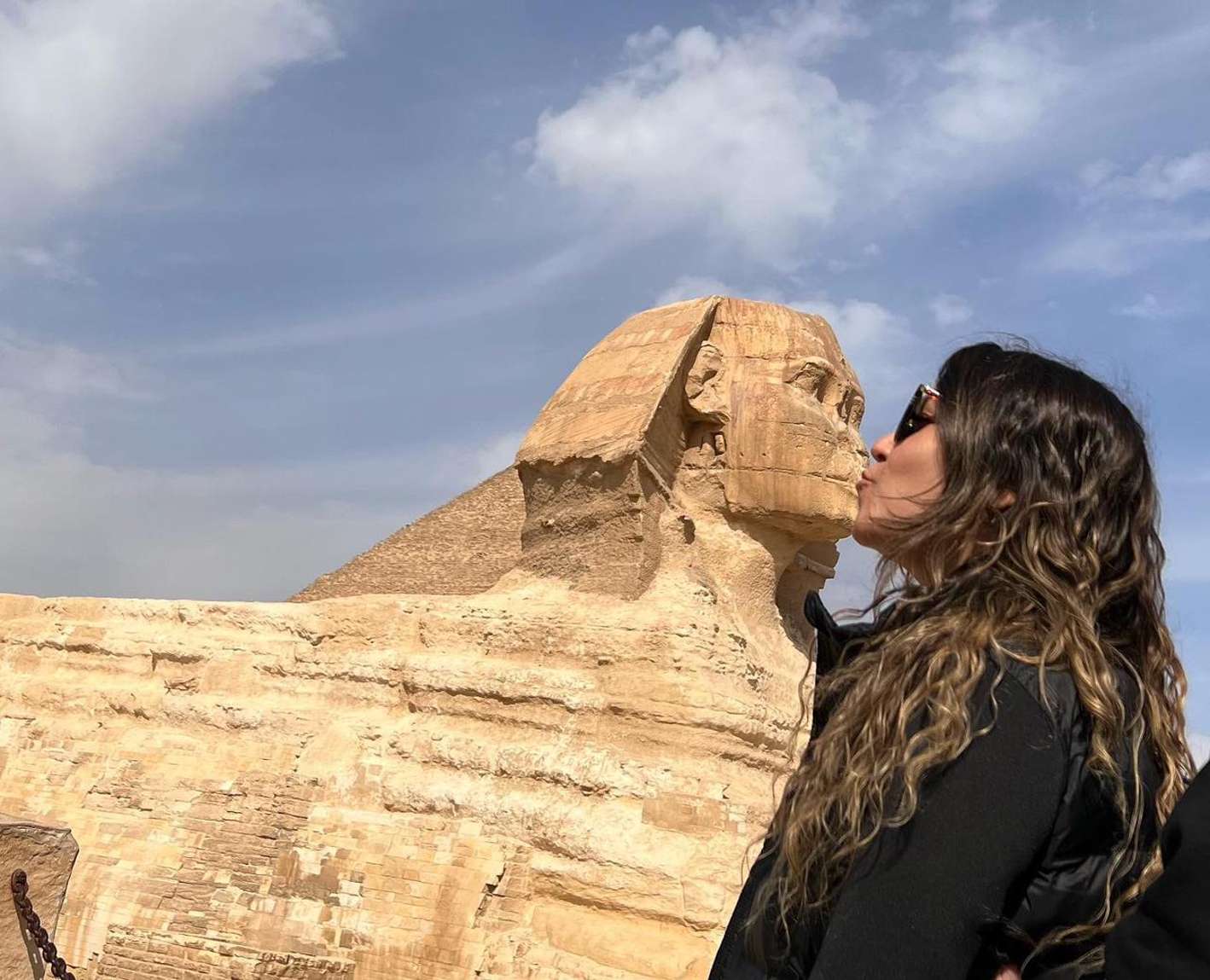
7 unforgettable days in Egypt, visiting the country's most famous monuments.
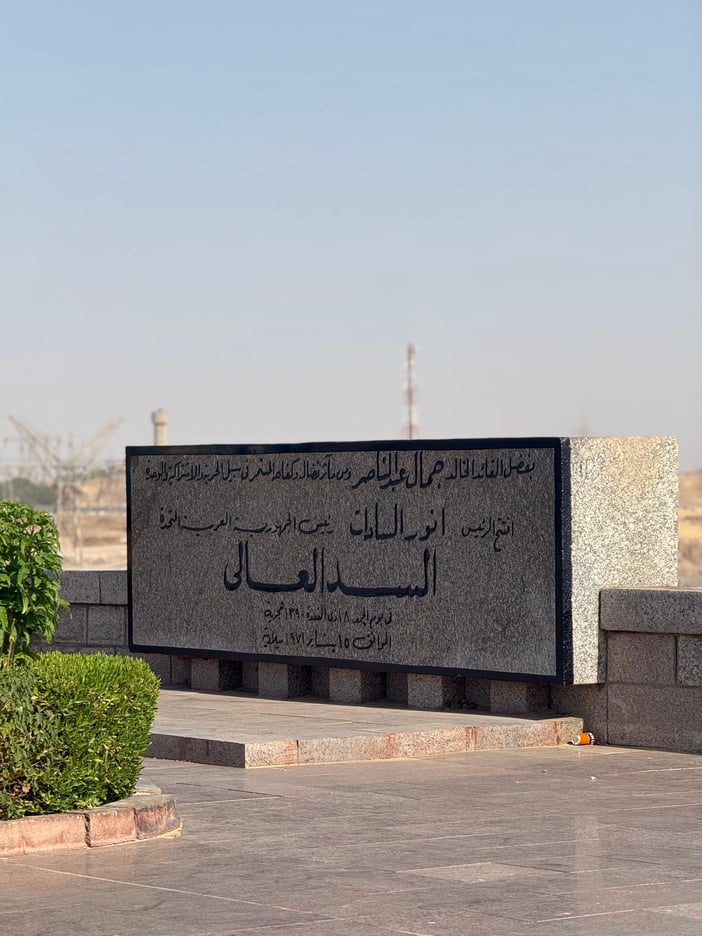
The tour went really well. Zeinab was easy to reach and gave info in time, always checking up on us. Guide Ahmed Majid explained the history brilliantly. Lovely cruise, polite staff. Brilliant tour!
Mohammed the guide was so kind and professional. We had so much fun, the cruise and rooms were clean, staff were kind, activities were interesting. Highly recommend this experience!
We loved this Nile cruise, everything was very well organized: the visits, transport, and the boat staff were helpful and so attentive.
Thanks to the agency, especially Zeinab, for her availability, organization, and efficiency in making this trip an exceptional, enchanting adventure..
Amazing experience from Cairo to Aswan. Knowledgeable guides like Hader, Asmara, Mostafa answered all my questions. They contacted me daily and followed up after. Everything promised, even more. One of my best tours.
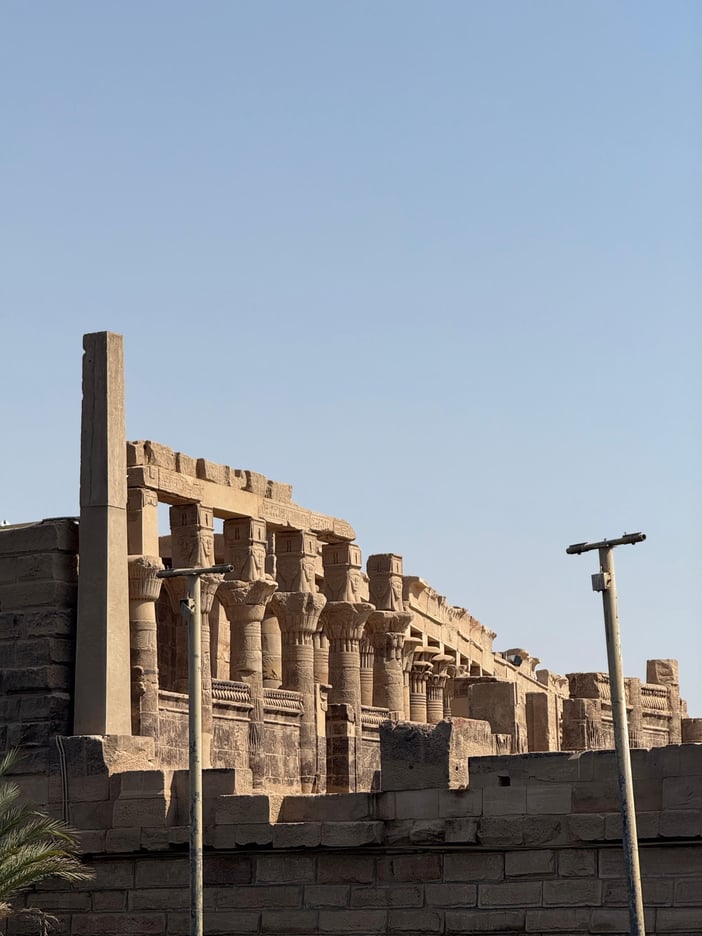
The best experience, so many beautiful things and everything taken care of. Guide Ahmed Sony knows so much, makes funny jokes and puts you at ease. Driver Mine got us everywhere safely. Lovely trip!
Most reviewers credit their guide by name, saying Ahmed Sony, Mohamed Gobran and Heba made the temples come alive.
Several travelers call the sunrise balloon over the West Bank the highlight they did not see coming.
Many wished the cruise office shared the day-by-day plan, balloon times and drink rules before they flew.
Decide on your travel window first, because flights and cabins fill up. These 4-day packages run by included domestic flights to Aswan, so both the plane seats and the boat cabins need to be free on the same dates.
Each 4-day package comes with a standard, deluxe, or luxury 5-star ship. The touring program stays the same across options; what changes is the cabin comfort and onboard dining.
After payment you receive a booking confirmation with the tour details. Coordinators typically send daily updates, flight tickets, and pickup details the evening before each excursion, often by WhatsApp.
You fly Cairo to Aswan on an included ticket, so carry a passport valid six months beyond arrival and a full Egyptian tourist visa. A Sinai-only stamp does not cover Luxor or Aswan.
Hotel pickup in Cairo or Giza is included, with a driver and representative meeting you for the airport transfer. Day one starts early for the morning flight to Aswan, where your guide waits to start the touring.
Cairo sits about 641 km north of Luxor by road, and no short cruise sails that stretch. Every package on this page solves it the same way: a domestic flight carries you south in about an hour, and you board a riverboat in Aswan or Luxor for the classic Upper Egypt sailing.
Which direction you sail matters. The 3-night route runs downstream from Aswan to Luxor at a quicker daily pace, while 4-night sailings start in Luxor and cruise upriver with more sundeck time.
Either way you stop at Kom Ombo and Edfu, with Karnak, Luxor Temple and the Valley of the Kings at one end or the other.
Book two to three months ahead for winter sailings, when reputable boats fill first and domestic flights have limited daily seats.
During the winter high season, cabins on the most popular Nile cruise ships are often fully reserved 8 to 12 weeks before departure.
Pick your dates first, then book the cruise and the Cairo flights together at least two to three months ahead, especially over Christmas, New Year, or Easter.
The boats moored along Luxor's corniche never start their sailing there for Cairo travelers. River traffic out of Cairo itself tops out at dinner cruises and felucca sails, and a continuous voyage down the whole river takes 12 to 14 days and runs only on scattered dates.
So the trip people call a Cairo to Luxor cruise is really two things joined together: a domestic transfer south, then the classic Luxor-Aswan voyage on its Upper Egypt stretch.
Every package works the same way: the Pyramids days happen in Cairo first, then an early flight or overnight train carries you to Luxor or Aswan to board. Sightseeing starts on arrival day, so no day is wasted on the transfer alone.
| Cairo to embarkation | Cruise nights and direction | Temples visited | Booking lead time | Paid extras aboard | |
|---|---|---|---|---|---|
| Flight, 3-Night Cruise | ~1-hour flight to Luxor or Aswan | 3 nights, Aswan to Luxor | Karnak, Luxor, Hatshepsut, Edfu, Kom Ombo, Philae | 12-14 weeks ahead | Drinks and entry fees excluded |
| Flight, 4-Night Cruise | ~1-hour flight to Luxor | 4 nights, Luxor to Aswan | Karnak, Luxor, Hatshepsut, Edfu, Kom Ombo, Philae | 12-14 weeks ahead | Drinks and entry fees excluded |
| Sleeper Train Cruise | ~10.5-hour overnight sleeper train | 2 train nights plus 3-4 cruise nights | Karnak, Luxor, Hatshepsut, Edfu, Kom Ombo, Philae | not known | Drinks and entry fees excluded |
| Direct Long Cruise | Boards in Cairo, no transfer needed | 12-14 days, Cairo to Aswan | Middle Egypt stops, Luxor by day 11 | not known | not known |
The flight options and the sleeper-train option all ride the same 3 to 4 night sailings, and the direct long cruise is a different animal, a two-week expedition with Middle Egypt stops that touches Luxor around day 11. For a Cairo-based visitor with a week of vacation, the fly-in route is the only realistic cruise.
Those figures settle it: the river between Cairo and Luxor is a 900 km voyage, but the commercial sailing you will actually board covers 3 or 4 nights. The transfer is what turns it into a week.
The flight takes just over an hour in the air to Luxor and about ninety minutes to Aswan, and the schedules leave most of a day for sightseeing on arrival.
The cost is the airport morning: counters close 30 minutes before departure, web check-in closes 90 minutes out, and bags run one 23 kg checked piece with 8 kg in the cabin. Arriving international, allow three hours to connect at Terminal 3, where the domestic gates sit in their own wing.
The sleeper train trades a morning for a night. It leaves in the evening, from Bashtil Station in Imbaba, and rolls the about 10.5 hours to Luxor overnight in private lockable two-berth compartments, with dinner and breakfast served at your door.
Travelers love the adventure of it and also mention loud track noise and shaking through the night. The fittings are dated and the toilets are shared per carriage.
Boarding is simple but has edges: show your ticket PDF at the gate, walk the platform to your carriage, and arrive 45 minutes early, because Bashtil holds no left luggage. Everything travels with you.
The choice is really about what the transfer morning costs you. The flight buys a full arrival day of sightseeing in Aswan or Luxor. The sleeper buys romance and saves a hotel night, at the price of shaking bunks.
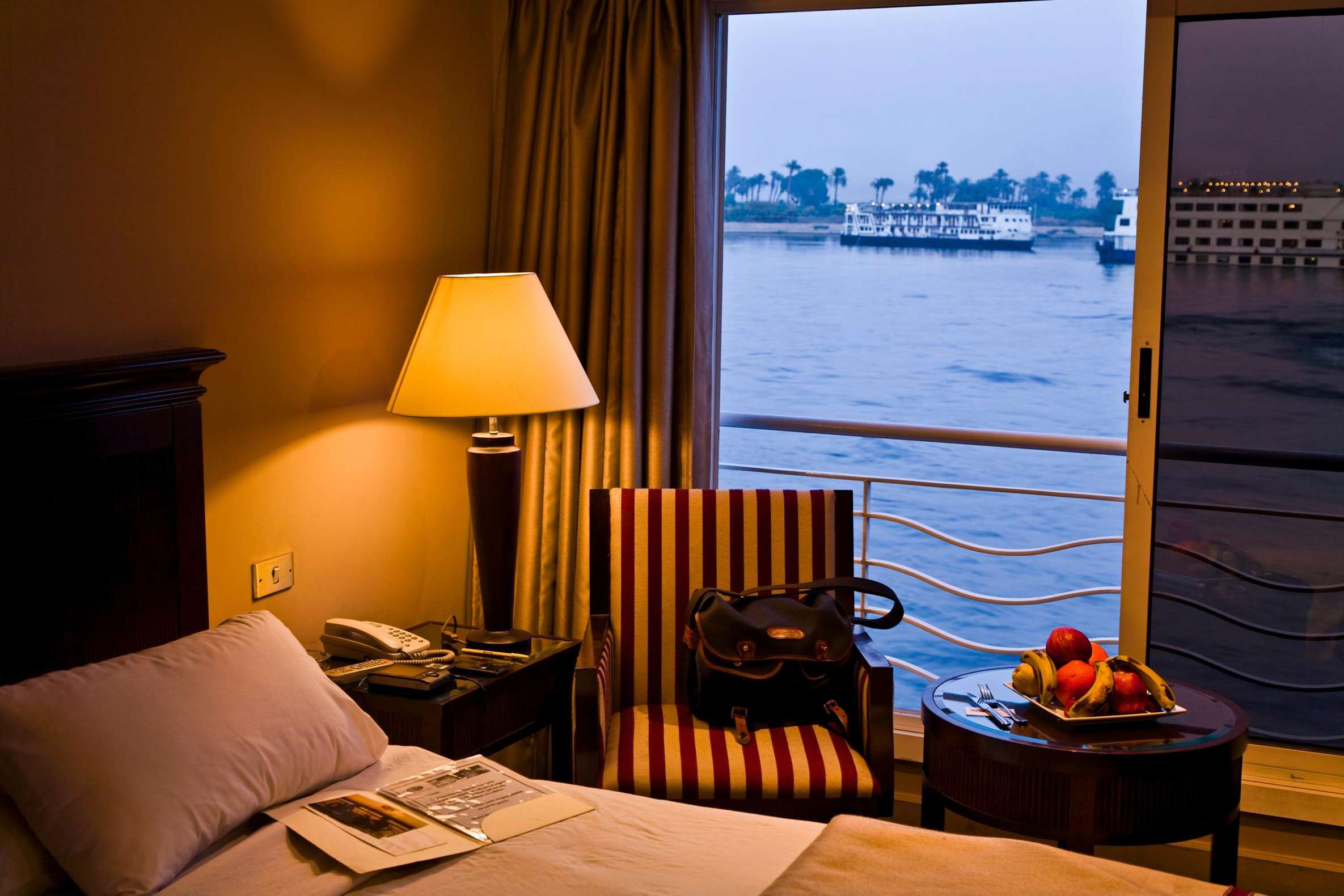
The desert highway south runs some 650 km and takes about 7.5 to 8.5 hours of driving, longer with a bus at nearly nine. It is doable, and travelers building a wide land itinerary through Middle Egypt use it.
But for this trip it ends oddly: a car delivers you to a dock, not a sailing, because the cruise boards in Luxor or Aswan regardless of how you arrive.
What the road adds is friction. Police checkpoints along the route expect the original passport, and photocopies generally fail the inspection, so officers may turn over the stamps page closely. Egypt also caps tourist-vehicle speed at 90 km/h and enforces driver rest rules, which is why the timetable stretches.
Almost everyone in this story flies. The road earns its place only when the drive itself, with its oasis stops and desert horizons, is part of the itinerary you want.
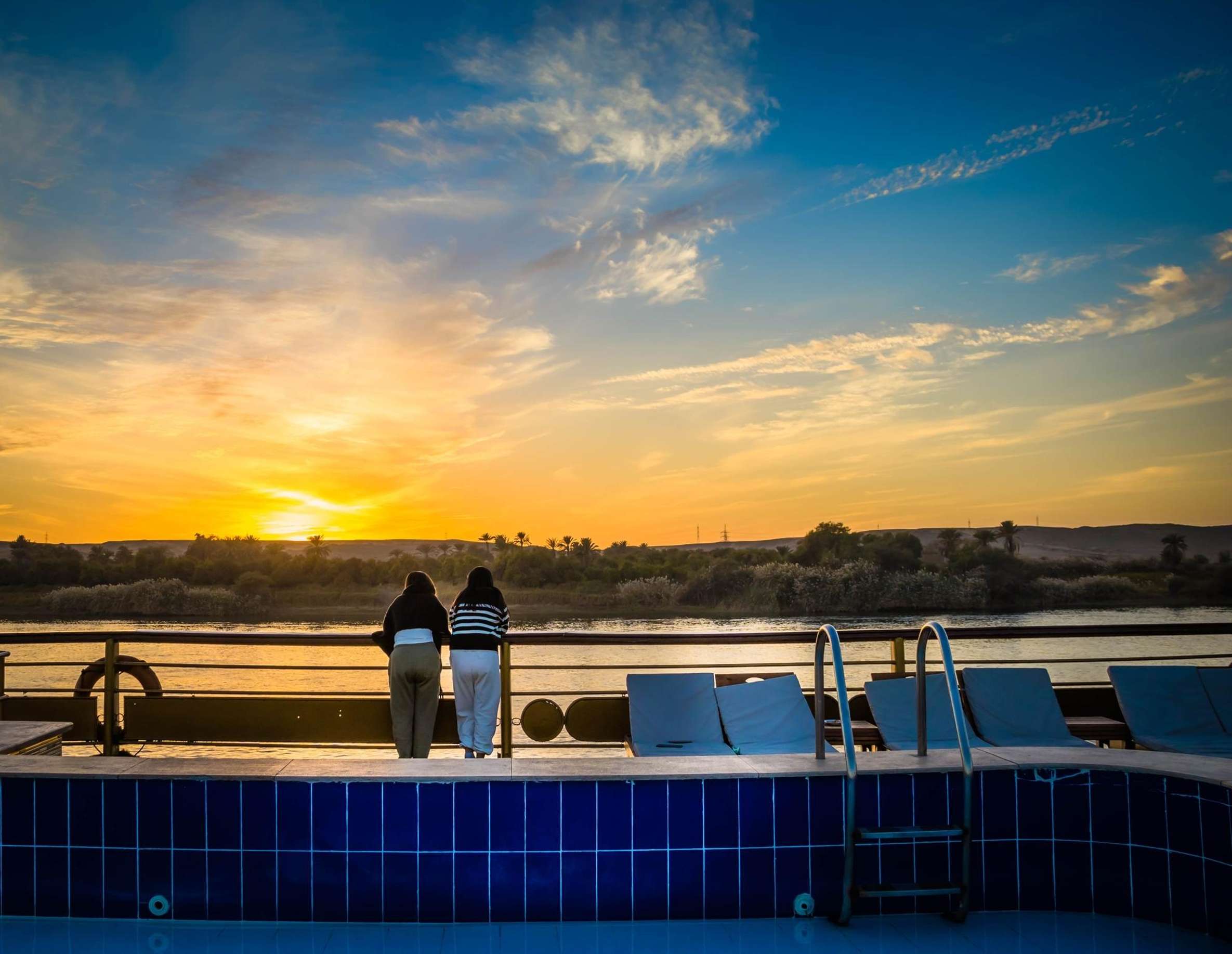
Direction is the real decision. The 3-night sailing runs downstream from Aswan to Luxor: check in before lunch on day one with the High Dam and Philae, Abu Simbel at dawn on day two, Kom Ombo and Edfu in between, and Luxor's great sites stacked into the final day.
On that last day the West Bank comes before lunch, Karnak and Luxor Temple after, which makes for a dense, satisfying finish.
The 4-night route sails upstream from Luxor with the same temples spread across a roomier pace, and the sundeck time to go with them.
The two figures are the same river at two speeds: the 3-night version compresses Luxor's sights into the final day, while the 4-night gives every stop more air.
Boats alternate directions through the season, and a ship can even swap a route for maintenance, so read the day-by-day itinerary carefully. One itinerary checks in at lunch and tours Karnak by late afternoon; another starts an excursion day around 4 am
A 7 to 8 night dahabiya exists too, if you want the slow wooden-boat version, and the upstream 4-night sailing leaves the most deck time between temples.
Most Cairo readers do this as one package, and one tour operator runs exactly the downstream version: the From Cairo: 4-Day Nile Cruise to Luxor with Balloon Flight bundles round-trip flights, hotel pickup, three nights of full board on the water, and the sunrise balloon over the West Bank.
It turns a two-week fantasy into a long weekend.
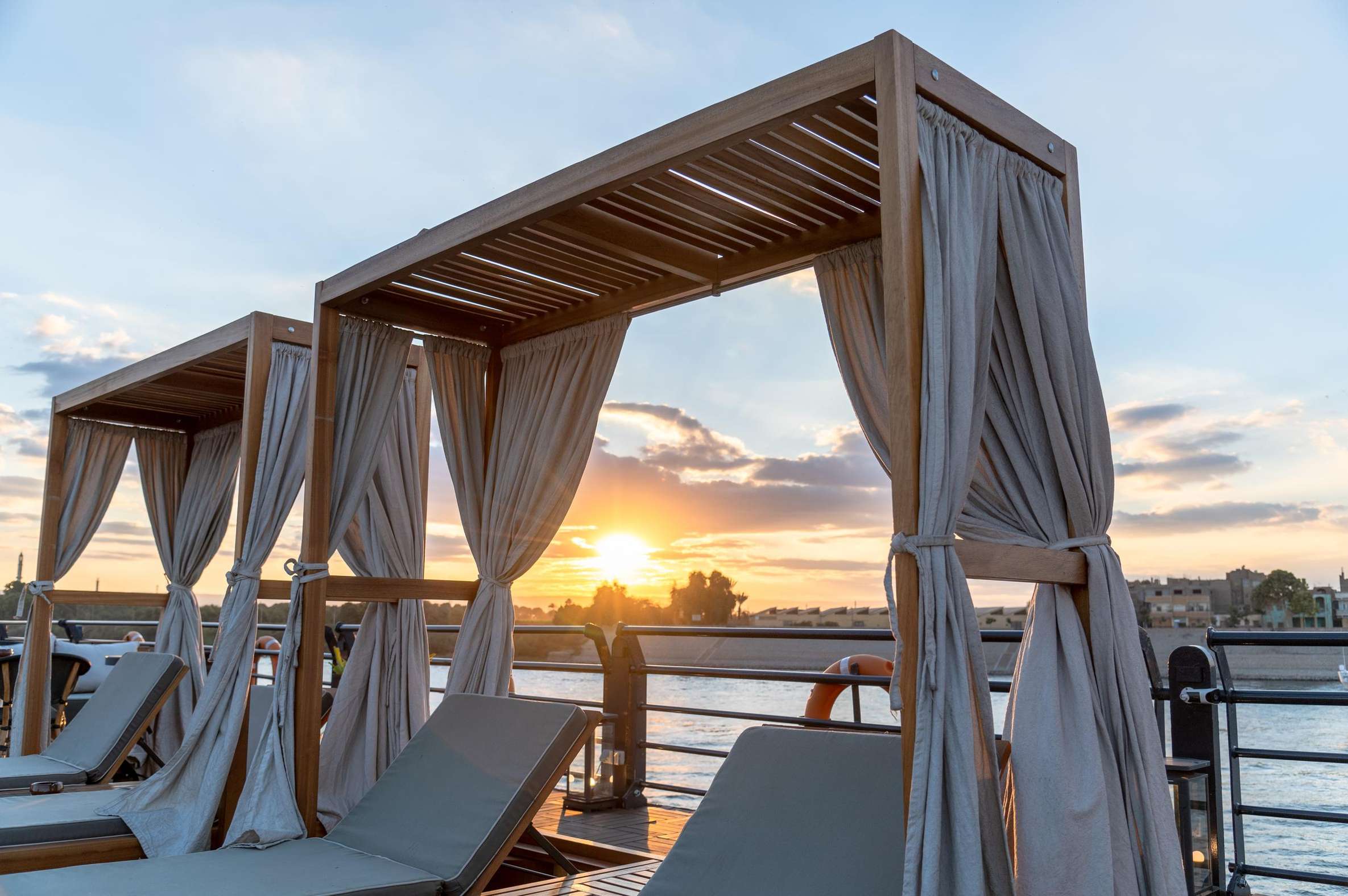
The ticket buys a lot of riverbank. A standard 3-night sailing covers Karnak, Luxor Temple, Hatshepsut's terraced temple, the Temple of Horus at Edfu, Kom Ombo and Philae. Edfu and Kom Ombo are the shared stops every boat makes, reached by horse carriage and mooring respectively.
Kom Ombo rewards the walk. The ship ties up and the temple's twin sanctuaries stand right at the landing, one for the crocodile god Sobek and one for the falcon god Haroeris, and the little museum next door holds mummified Nile crocodiles.
Karnak deserves its time. A guided walkthrough runs 1.5 to 2 hours through the Great Hypostyle Hall and the Avenue of Sphinxes, and the site spreads over 100 hectares, so independent wanderers can add another hour or two.
One quirk catches first-timers: Karnak and Luxor Temple take separate tickets, even though the restored Avenue of Sphinxes links them and can be walked without either.
It never moved to Cairo, and the painted tomb walls there outshine the bare interiors of the Giza pyramids
You walk straight from the ship's mooring to the temple door
A 1.5 to 2 hour guided visit covers the landmarks, then leave time for the 100 hectares on your own
The Avenue of Sphinxes between them is free to walk its full length
What the river never shows you is Abu Simbel, which sits 300 km south of Aswan and is always a separate excursion. That is chapter six's business.
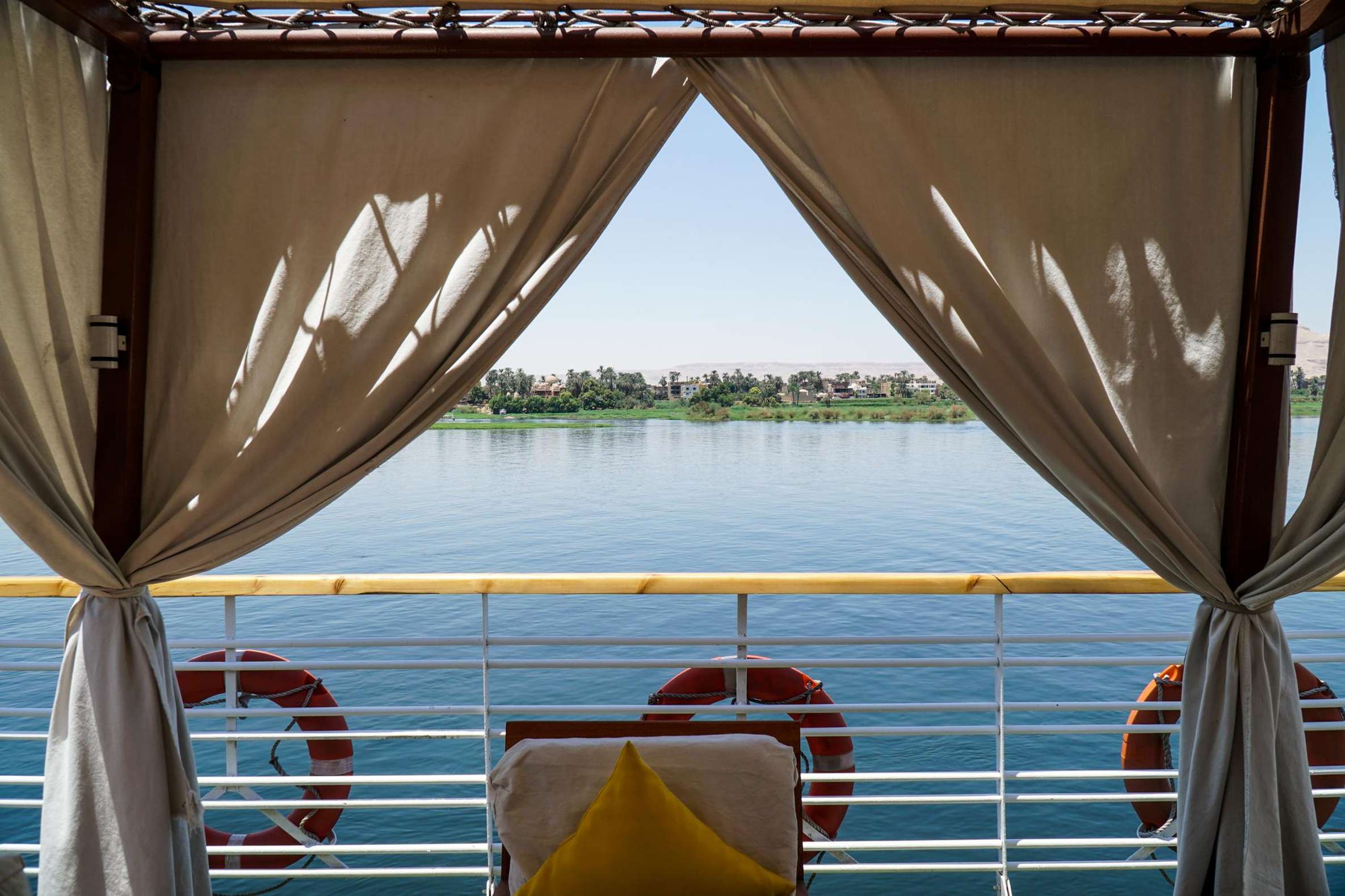
Two upgrades sell these packages, and both come with rules worth knowing before you pay. The balloon lifts at dawn over the West Bank, and from pickup to drop-off it takes about 2 to 3 hours of your morning for roughly 30 to 45 minutes in the air.
Children fly from age six on most operations. The basket has no door, so boarding means climbing over the side, and anyone with limited mobility, or a knee that will not brace for landing, sits this one out.
Leave bags, purses and backpacks behind entirely: nothing but you goes up.
Abu Simbel cannot come by boat. Short cruises between Luxor and Aswan never sail there, so the temples of Ramses II and Nefertari are a road excursion from Aswan, starting around 4:30 am and arriving near 8 am. On the flight packages this shared small-group visit is usually bundled already.
Weather is the wildcard, and the authorities manage it tightly: fog, dust storms and winds above roughly 12 knots ground the balloons and can pause boat traffic until conditions settle.
| If this happens | What happens then |
|---|---|
| Fog, dust or winds above about 12 knots | Civil aviation and river authorities suspend balloon flights and can halt boat navigation until visibility and wind stabilize |
| Your morning balloon is canceled | The full day of Luxor sightseeing still runs, and operators have offered a sunrise boat ride with breakfast, a camel ride or quad biking instead |
| The airline causes you to miss a confirmed connection | You are rebooked on the next available flight or rerouted at no extra charge, or you can take a refund |
A package that bakes the balloon in removes the coordination. The Cairo: 4-Day Nile Cruise to Luxor with Balloon & Flights includes the flights both ways, the transfers, the full-board cruise and the balloon as one booking, with Abu Simbel on the itinerary.
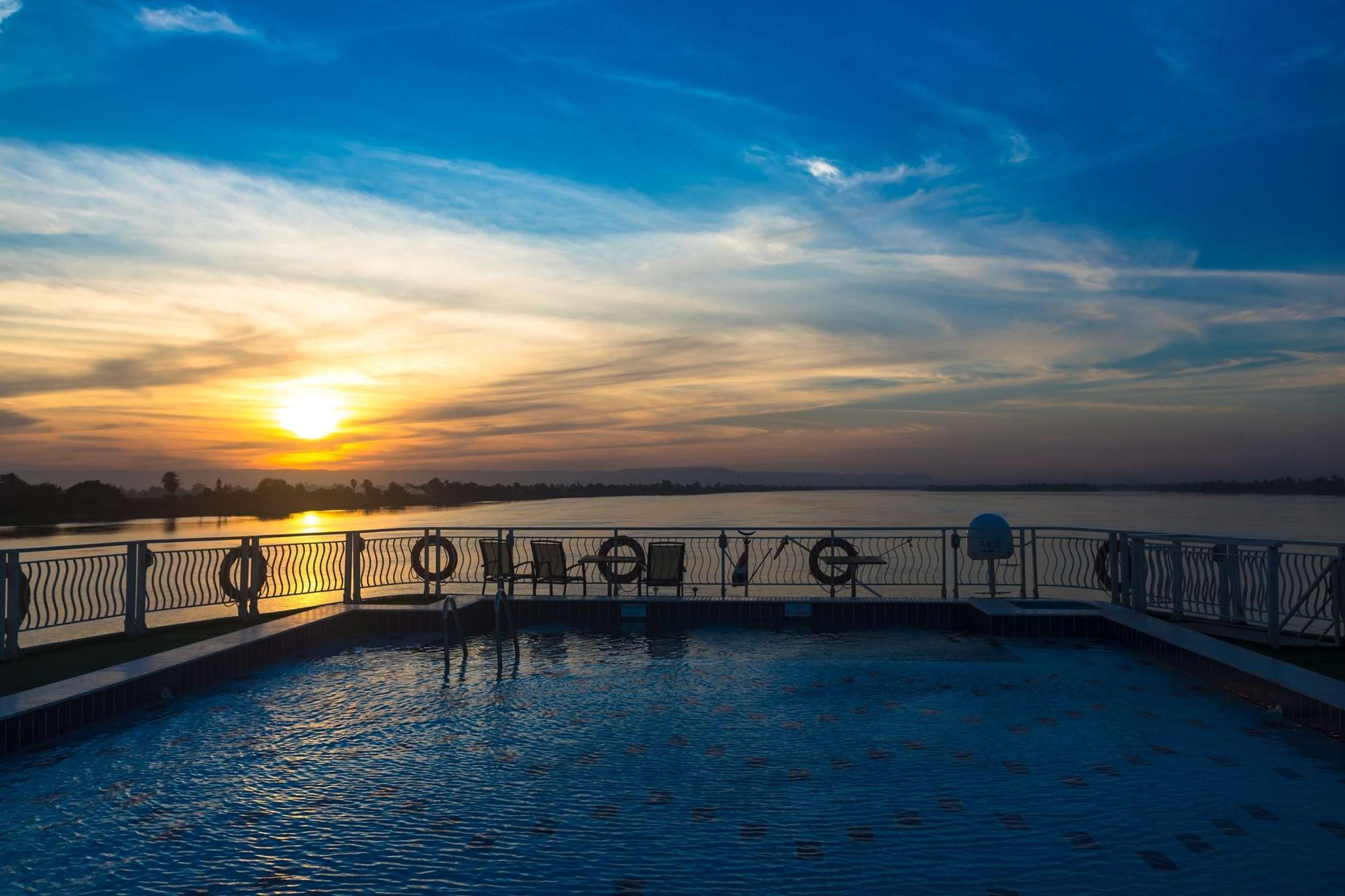
Somewhere north of Edfu, the schedule meets plumbing. The Esna Lock drops the ship the height difference of the river: sailing toward Luxor, the chamber drains until the vessel sits at the downstream level, then the gates open.
On quiet days the wait is short. On busy days boats queue, and the queue can hold up a schedule by an hour or more, which comes straight out of the time you have ashore.
Maintenance adds a seasonal wrinkle. Before winter, one of the two locks closes for its annual overhaul, and every vessel in both directions funnels through the single working chamber. Weekly and monthly servicing continues year-round, and repairs happen whenever a fault appears.
So read any itinerary timestamp south of Luxor with slack built in around it. If a temple visit matters to you, book the shore time early in the day and leave the afternoon free.
The ships that moor overnight in town tend to absorb the delay gracefully; the ones racing a same-evening departure feel it most.

The five stars on a Nile boat are an Egyptian measurement. Regulations set a five-star floating cabin at a minimum of 21 square meters including the bathroom, and require clean, maintained exteriors and shared spaces.
A ship can carry a five-star superior luxury rating and still feel different from what a European hotel star suggests, so judge by the cabin tier description and the deck plan. An upper-deck cabin amidships keeps you furthest from engine noise and away from galley smells, since the kitchen sits on the lowest deck.
Meals run on full board: breakfast, lunch and dinner covered, and everything you drink, water included, billed separately at the bar. The kitchens themselves work under computerized food-hygiene audits, which is why cruise meals treat travelers better than street food does.
Do not plan on ship Wi-Fi. Most boats offer it, but it runs slow, throttled or expensive, and it drops on remote stretches between towns. Mobile signal behaves better, fading on empty reaches and returning as the boat nears Luxor, Esna, Edfu, Kom Ombo and Aswan.
Install an eSIM before you fly and the data works the moment you land; a physical SIM at the airport kiosks needs your passport for registration.
The bundle usually covers the heavy items: round-trip domestic flights, hotel and airport transfers, three or four nights of full board, and an English-speaking Egyptologist through every shore day.
What sits outside varies by package, and this is the line to check before booking: some include every entrance fee in the program, some list temples and sightseeing tickets as exclusions. Drinks, even water, and tips sit outside almost all of them.
The second line to check is payment. Egypt's antiquities sites have gone cashless. Karnak, Luxor Temple, Hatshepsut, the Valley of the Kings, the Luxor Museum and the rest take bank cards, and the Ministry requires cards, including pre-paid Meeza cards, at its ticket gates.
Cash buys you nothing at Karnak's booth, and the self-service machines for extra tombs, Seti I included, are card-only. One exception flips the rule: the Luxor Pass itself takes cash only, in dollars or euros.
Tips, meanwhile, are a social expectation with no fixed table. Small notes cover the small hands.
Budget the card for gates, the cash for people, and the extras stop being a surprise.
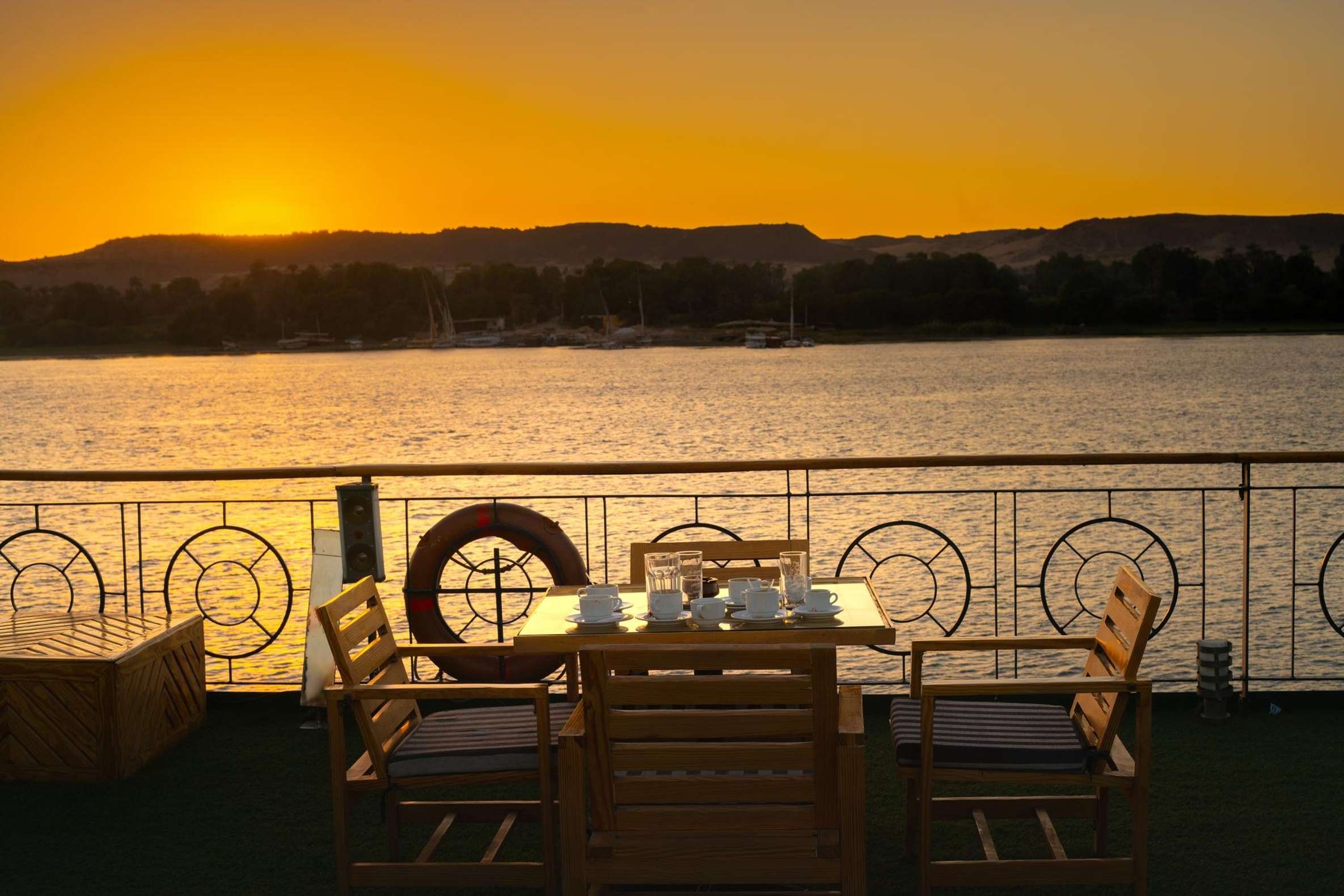
Departure morning starts in the lobby: representatives meet guests in the hotel lobby or outside the main entrance, in Cairo or Giza, and ride with you to the airport. Before that, three documents decide whether you board.
Your passport needs six months of validity from arrival. You need a full Egyptian tourist visa, bought online or on arrival, that covers the Nile Valley.
And if you entered Egypt through the Sinai resorts on the free entry stamp, that stamp stops at the resorts: it does not cover Luxor, Aswan or Cairo, and flying south on it is not possible. The full visa is the fix.
Bags follow the domestic rules: one checked piece up to 23 kg, carry-on up to 8 kg. Power banks travel in your carry-on only, never in the hold, one per passenger on the major domestic carrier at up to 100 watts, with the capacity printed on the case, and no charging on board.
A free Sinai-only entry stamp does not cover Luxor or the Nile Valley If you entered Egypt through a Sinai resort, buy a full Egyptian tourist visa before attempting to board any flight south
Timing does the rest. Check-in counters and boarding gates both close 30 minutes before departure, web check-in closes 90 minutes out, and arriving from an international flight, give yourself three hours to connect. Pack a warm layer for the deck evenings, since November through February nights on the river drop to 8 to 15 degrees.
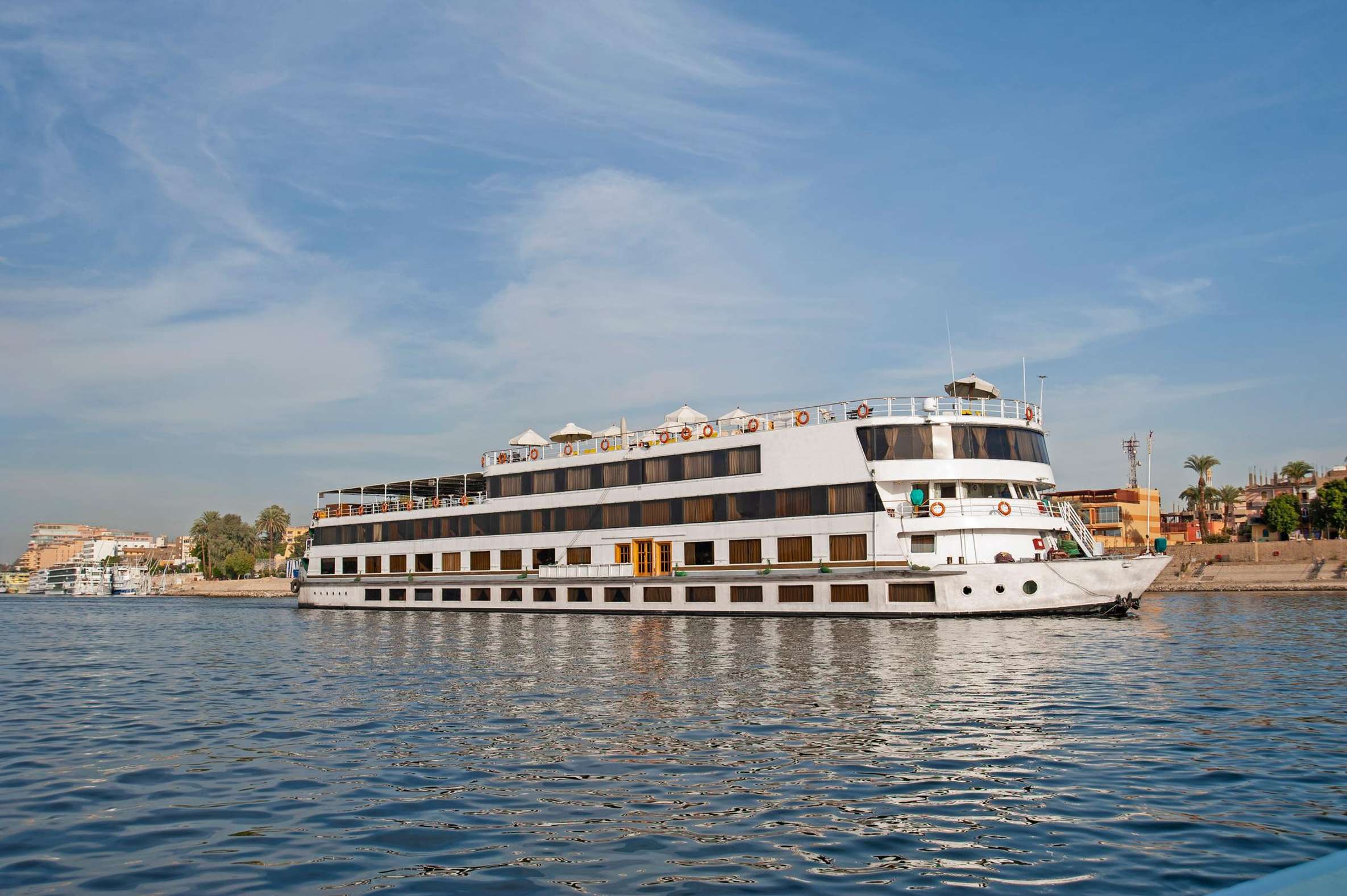
The calendar picks the trip. November through February carry the pleasant days, with highs from the mid-20s to about 30 degrees and cool nights near 10 to 16, and rainfall close to nothing.
November is the sweet spot: around 30 degrees by day, 16 at night, calm winds, and the busiest river of the year. January and February walk the temples at a milder 24.
By April the average high reaches 35.8, and summer is another country: June through August average above 40 in the shade, and unprepared visitors cut tours short with heat exhaustion. Sightseeing in those months belongs before 7 am
November: 5 out of 5 for how busy it gets.
Tap a month to read it.
August: highs around 42.7°C.
Tap a month to read it.
August: lows around 27.6°C.
Tap a month to read it.
January: 1 mm of rain.
Tap a month to read it.
Comfort runs from November to February, the shoulder months of March and October still work with early starts, and the summer block becomes a season of sunrise tours and indoor afternoons.
All these sailings share the same best window, from November to February, so the season chooses itself; what varies is how far ahead you must commit.
Booking lead time is the second constraint. Reputable boats are frequently sold out 8 to 12 weeks ahead in peak season, and domestic flights should be booked the moment international tickets are, because tour groups take the daily capacity. For Christmas, New Year or Easter travel, plan 12 to 14 weeks out.
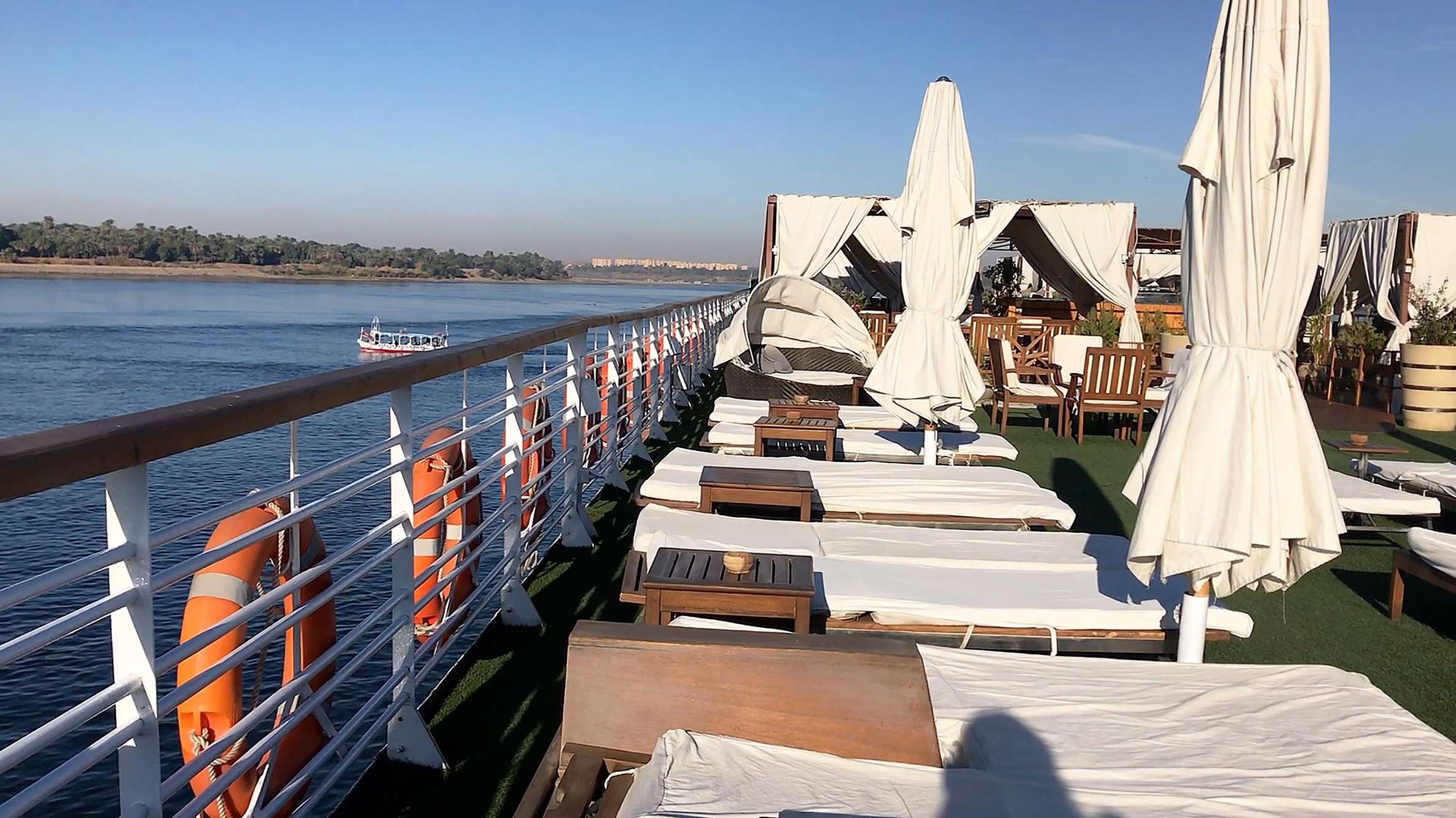
The honest comparison comes down to coordination risk. A bundled package puts the flights, the transfers, the ship and the guiding in one booking with one number to call, and it removes the failure points: the missed connection, the station taxi at midnight, the balloon operator nobody vouched for.
First-timers, families with fixed windows, and anyone with under a week of vacation get the most from it, and one booking can carry the balloon and Abu Simbel as well.
Going alone rewards a different traveler: flexible dates, a longer Egypt stay, and the appetite to assemble flights, a boat cabin and site tickets by hand. It works, and it suits a 10 to 12 night ground trip where Cairo and the cruise are two land bases joined by one flight.
Either way, keep the first day in Upper Egypt free of major sightseeing, and leave buffers around flight days, because even a short domestic hop eats half a day with check-in and transfers.
Two cautions apply to both paths.
A busy sailing does not suit very young children or anyone who struggles with long stretches of steps and uneven surfaces, and accessibility varies: many larger ships run lifts between decks, but only one fully wheelchair-accessible vessel is known to sail the river, gangways steepen with water levels, and peak-season moorings often park ships side by side over small steps.
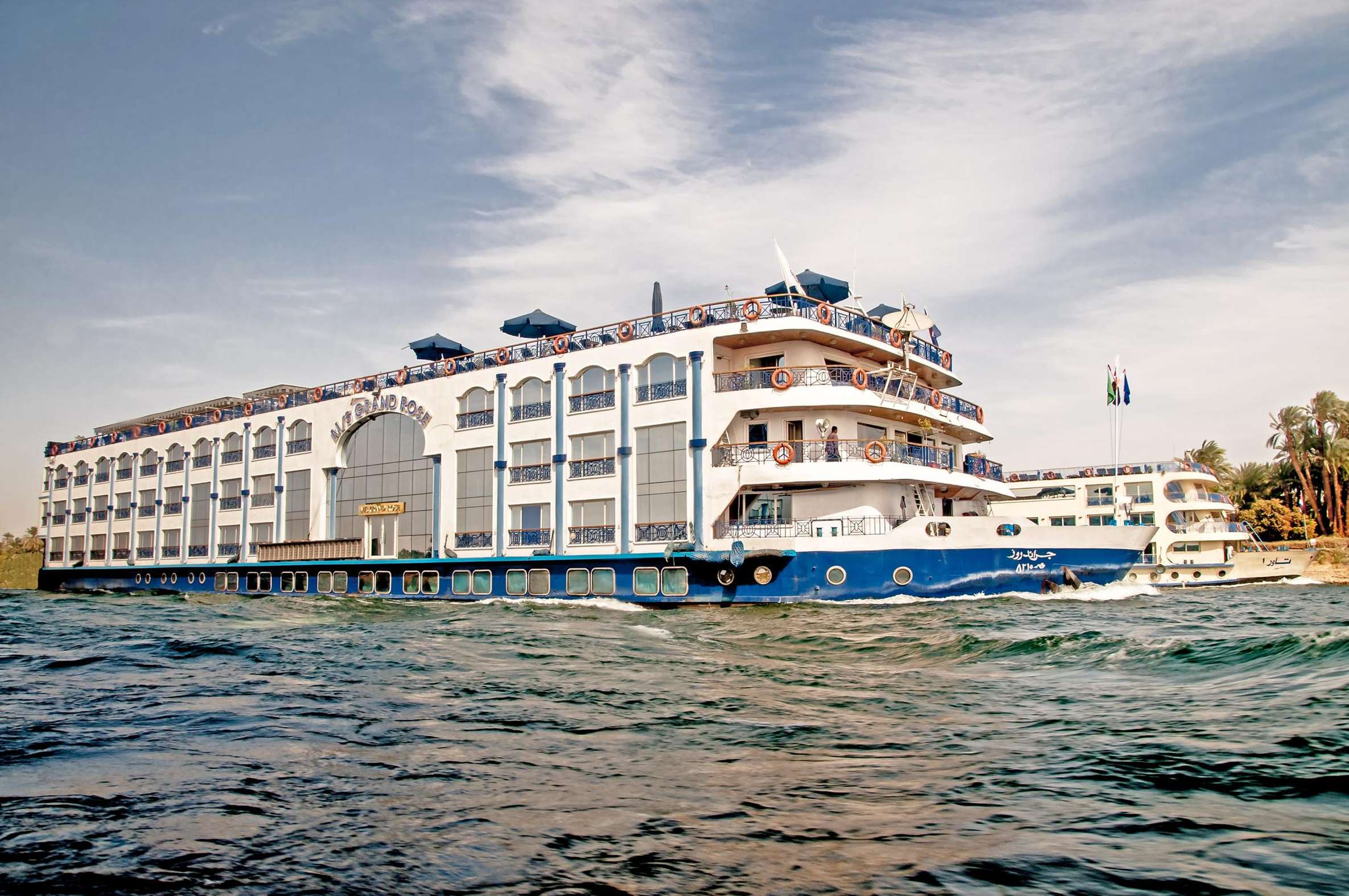
Take a package if Cairo is your base and the week is short: the bundled flights, transfers and full-board sailing turn a two-week voyage into four days and put one team on call for everything.
Go on your own if you are building a longer Egypt trip and want to pick the boat, the cabin tier and the pace yourself.
Either way, book the winter season early. Reputable boats fill 8 to 12 weeks ahead, flights go the moment your international ticket is bought, and small notes and a bank card cover the extras at the gate.
A boat sailing every kilometre of the river between Cairo and Luxor takes about 12 days and 11 nights, and it runs only on select dates. The short 3- and 4-night cruises you can actually book sail between Luxor and Aswan, so packages connect you by domestic flight instead.
You fly from Cairo to Aswan or Luxor, board the ship, and sail the Luxor, Aswan stretch before flying back. Sightseeing starts on arrival day and continues through departure day, so a 4-day package still covers the full route.
A 3-night downstream sailing from Aswan to Luxor covers every major temple stop, though days move quickly. The 4-night upstream version from Luxor to Aswan covers the same sites with more time on the sundeck.
A standard 4-day sailing includes Karnak, Luxor Temple, Hatshepsut's Temple, the Temple of Horus at Edfu, Kom Ombo and Philae. At Kom Ombo you walk straight from the mooring to the temple. Abu Simbel comes as a separate road excursion from Aswan, and several packages from Cairo include it.
It depends on the package: some include every site fee, others leave them out. Check the inclusions before you book, and budget for a bank card at the gates, because Egyptian temples now sell admission by card only.
For travel between October and April, especially Christmas, New Year and Easter, book 12 to 14 weeks ahead. Reputable boats fill up 8 to 12 weeks before departure, and the domestic routes have limited daily capacity.
Fog, dust storms and high winds can ground the dawn flights. When that happens, a full day of temple sightseeing on both banks still goes ahead, and past travelers have been offered a sunrise boat ride or a camel ride instead.
Yes, breakfast, lunch and dinner are all served on board. Drinks, including water, are billed separately on most boats, so carry small Egyptian pound notes and a card for the bar tab.
A busy sailing is a poor match for young children and for anyone who struggles with steps and uneven stone. You climb into balloons over the basket's side, and temple ramps, gangways and side-by-side moorings all ask for steady legs.
See which Cairo packages bundle flights, cabins, and temple tours into one booking.
Follow the full river route south and learn why ships sail the Upper Egypt stretch instead.
Compare the classic downriver sailing day by day, from Abu Simbel to Karnak.
Find out how a river cruise fits into a one- to four-night trip from Cairo.
Trade the ruins for an evening on the water with Cairo's dining cruise options.
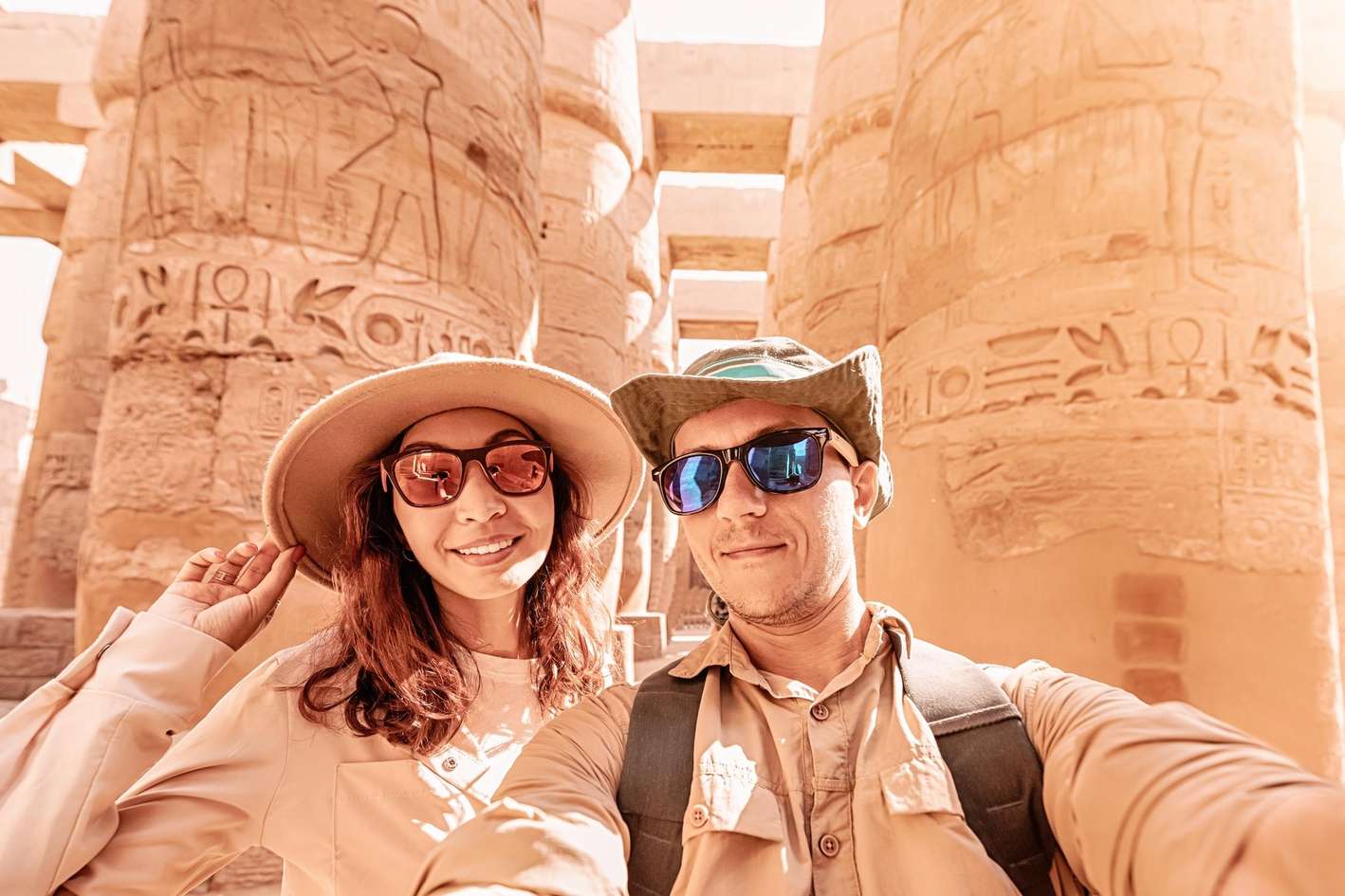
Check whether a single flying day really covers the Valley of the Kings and Karnak.
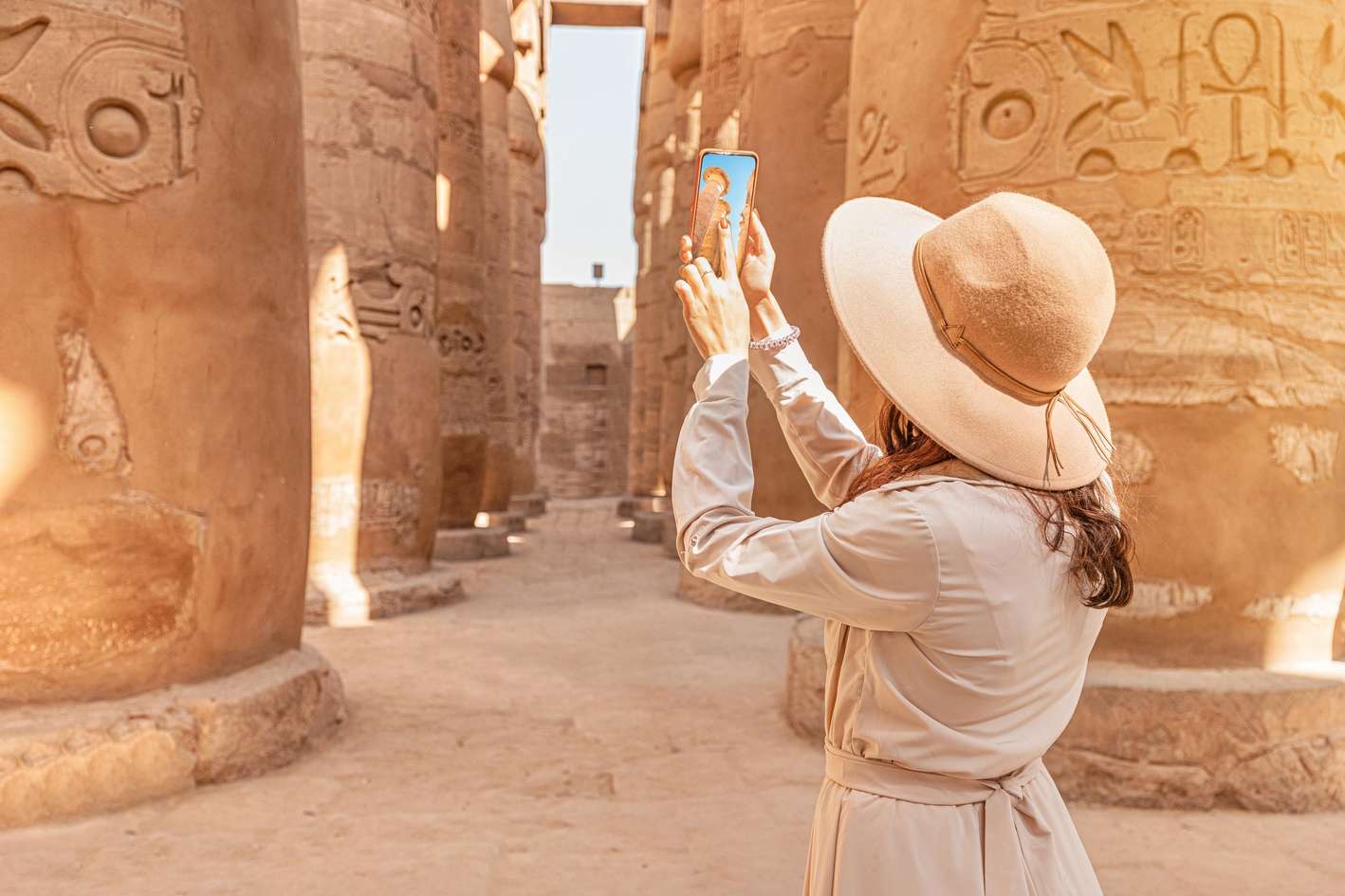
See how Red Sea resort travelers reach Luxor by plane or coach for a day of temples.
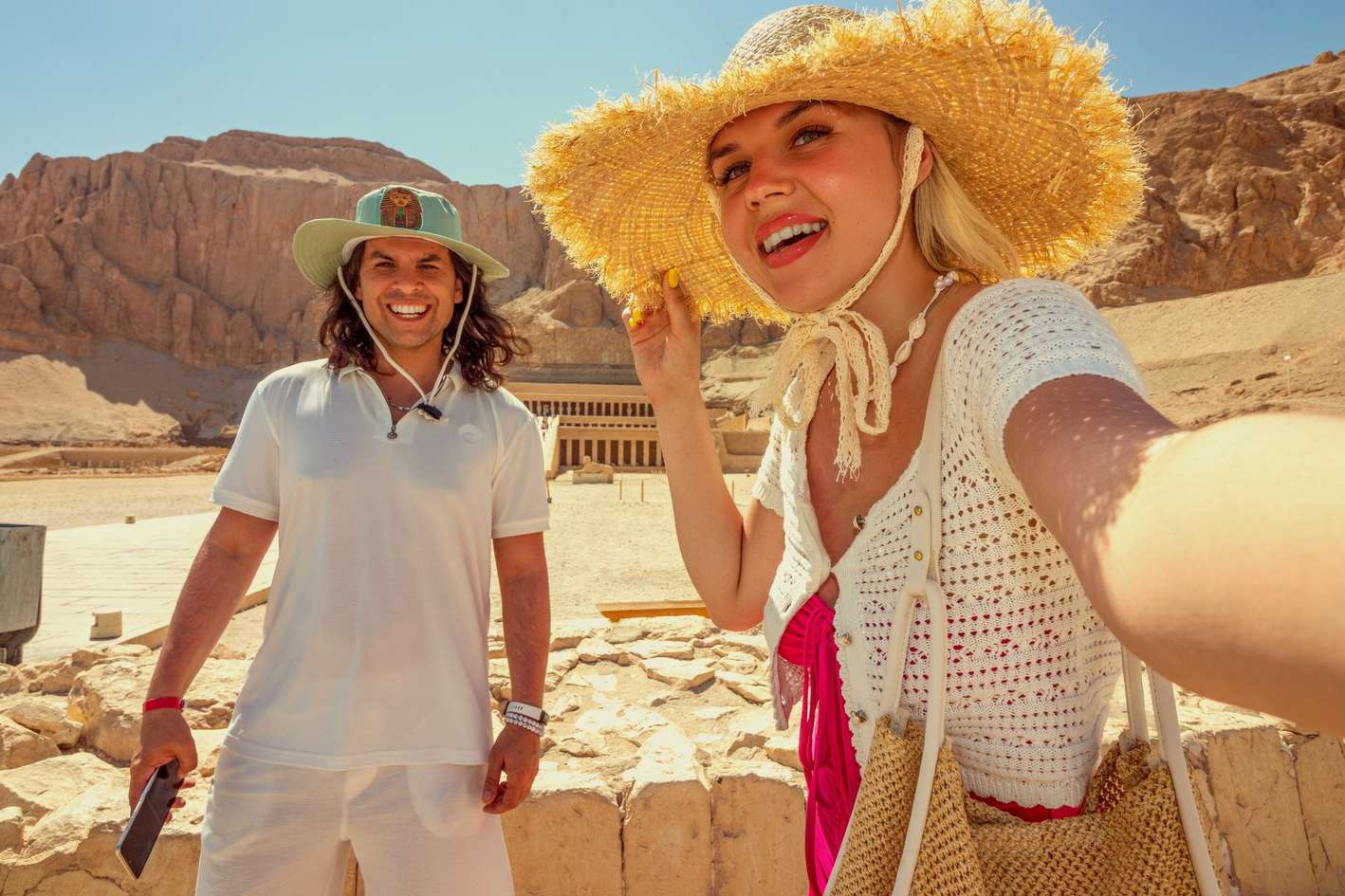
Plan a Marsa Alam day out with realistic drive times and monument pacing.
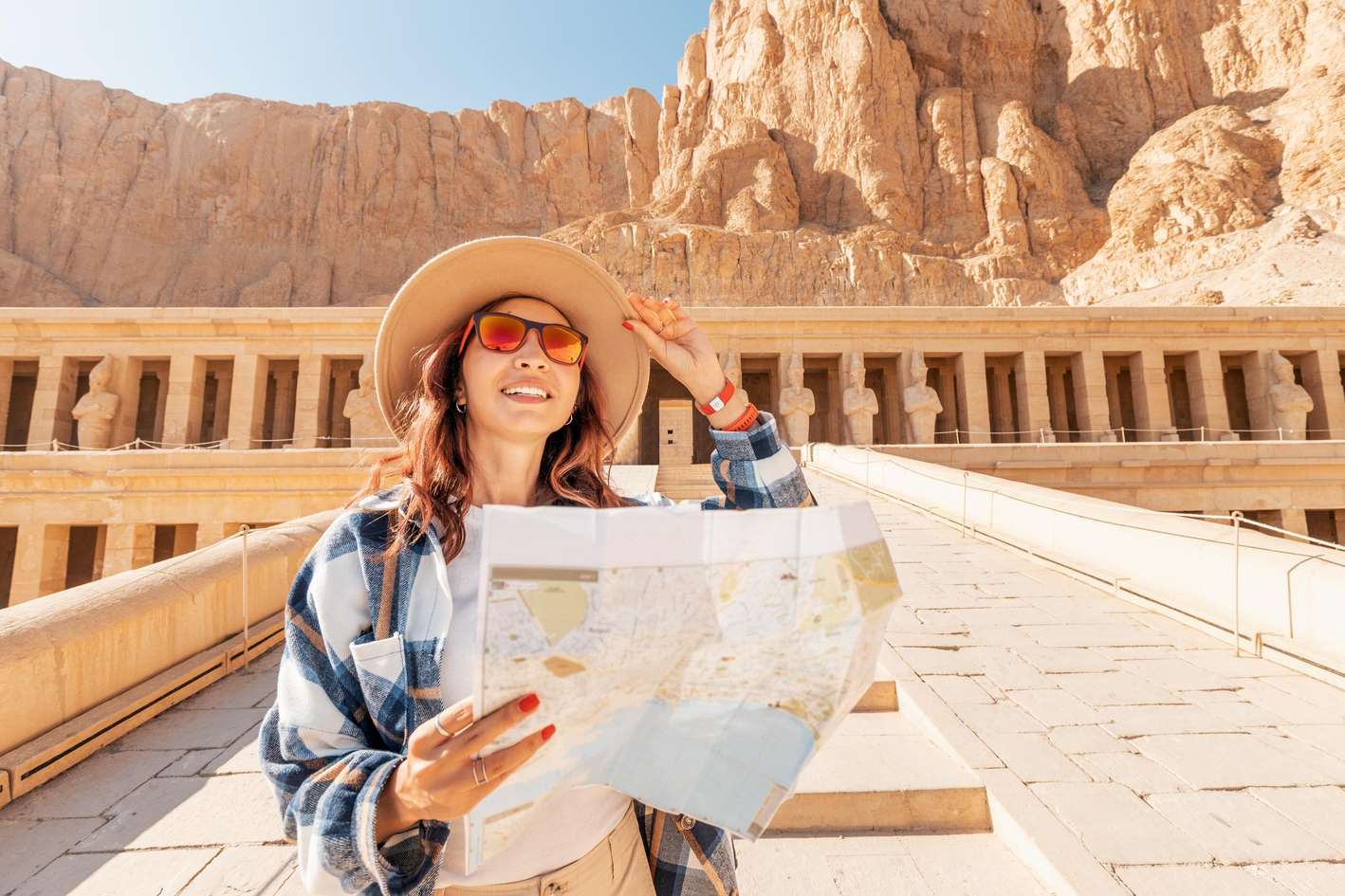
Learn the visa rule that applies when you leave Sharm el Sheikh for Luxor.
Add Philae, the High Dam, and Aswan's islands without changing hotels.
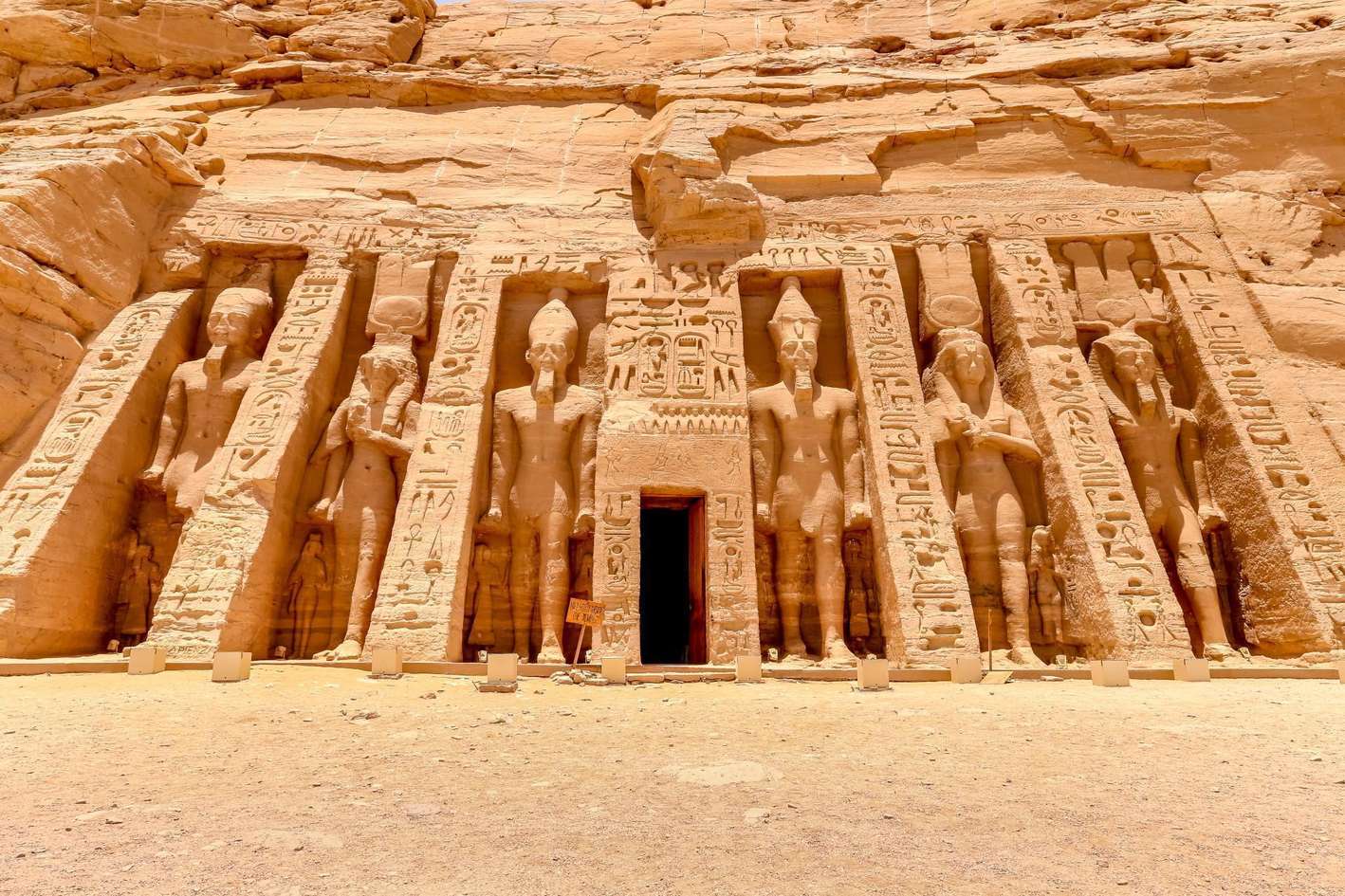
Work out how the Abu Simbel temples fit a day trip or a cruise excursion.
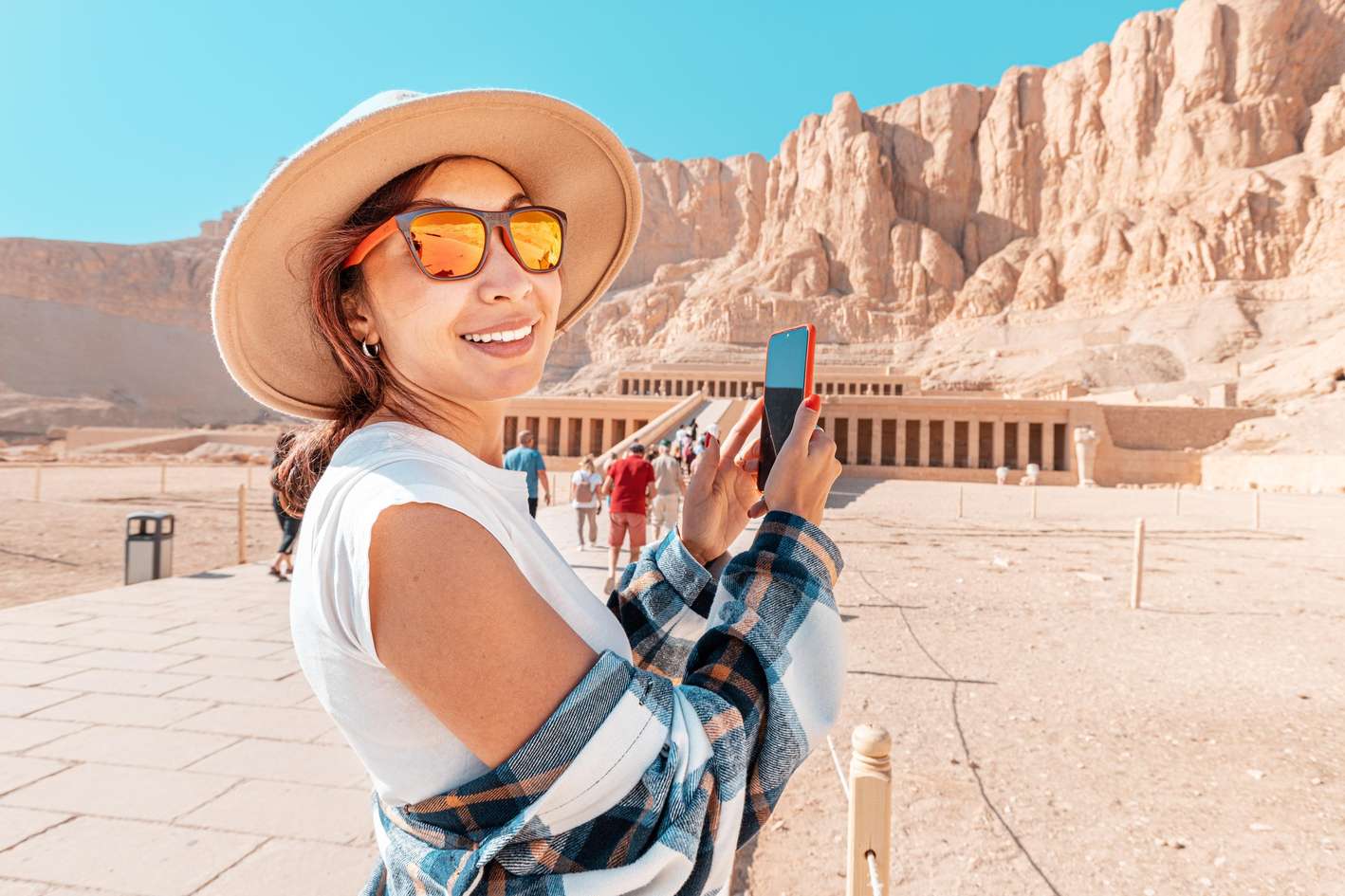
Weigh boat, train, and flight for the Cairo to Luxor journey end to end.
Get the schedules, terminals, and booking rules for domestic flights south.
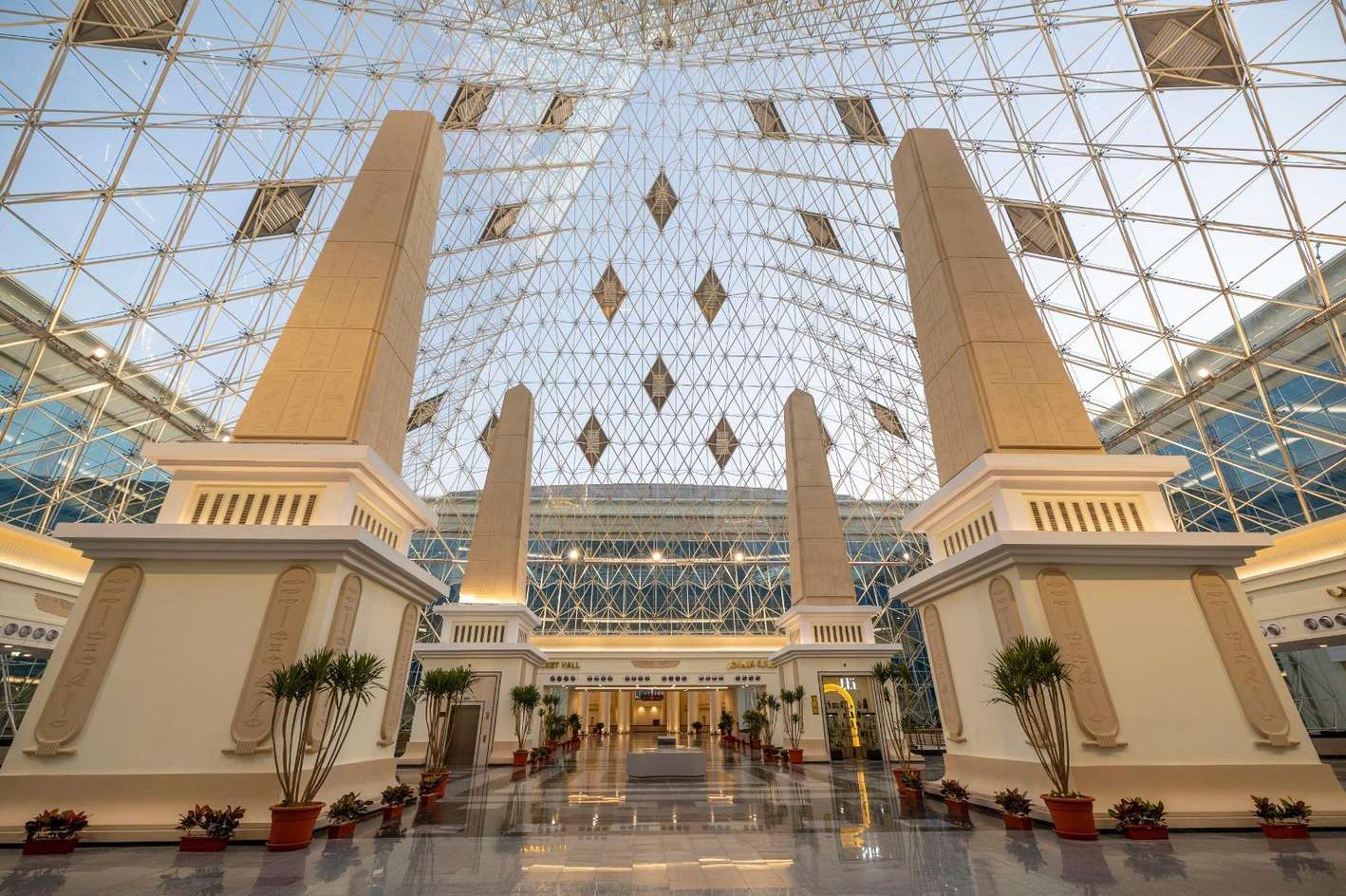
Read what the overnight train cabin is really like and how to board at Bashtil Station.
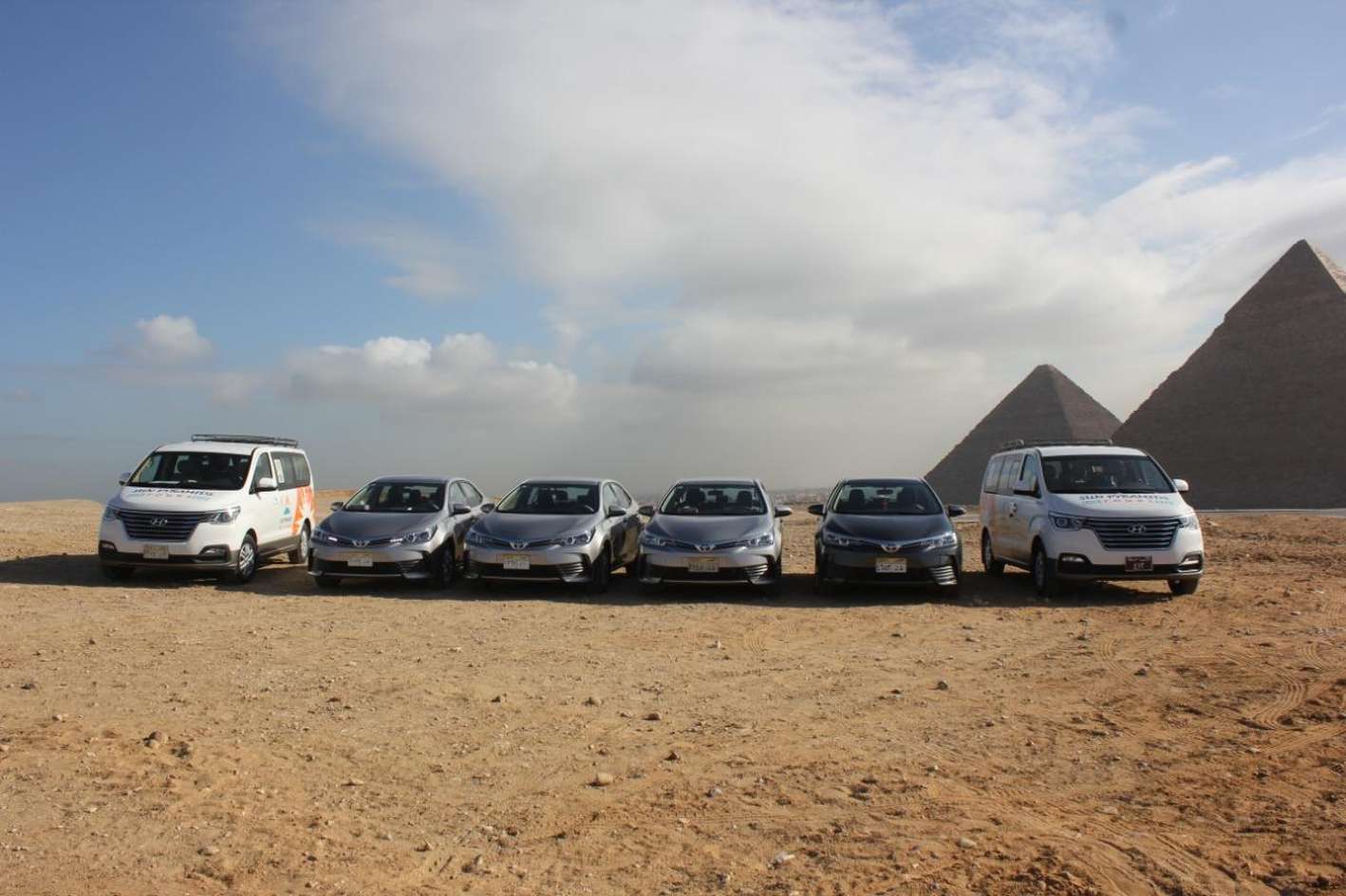
Compare private transfer options for a direct, door-to-door road journey.
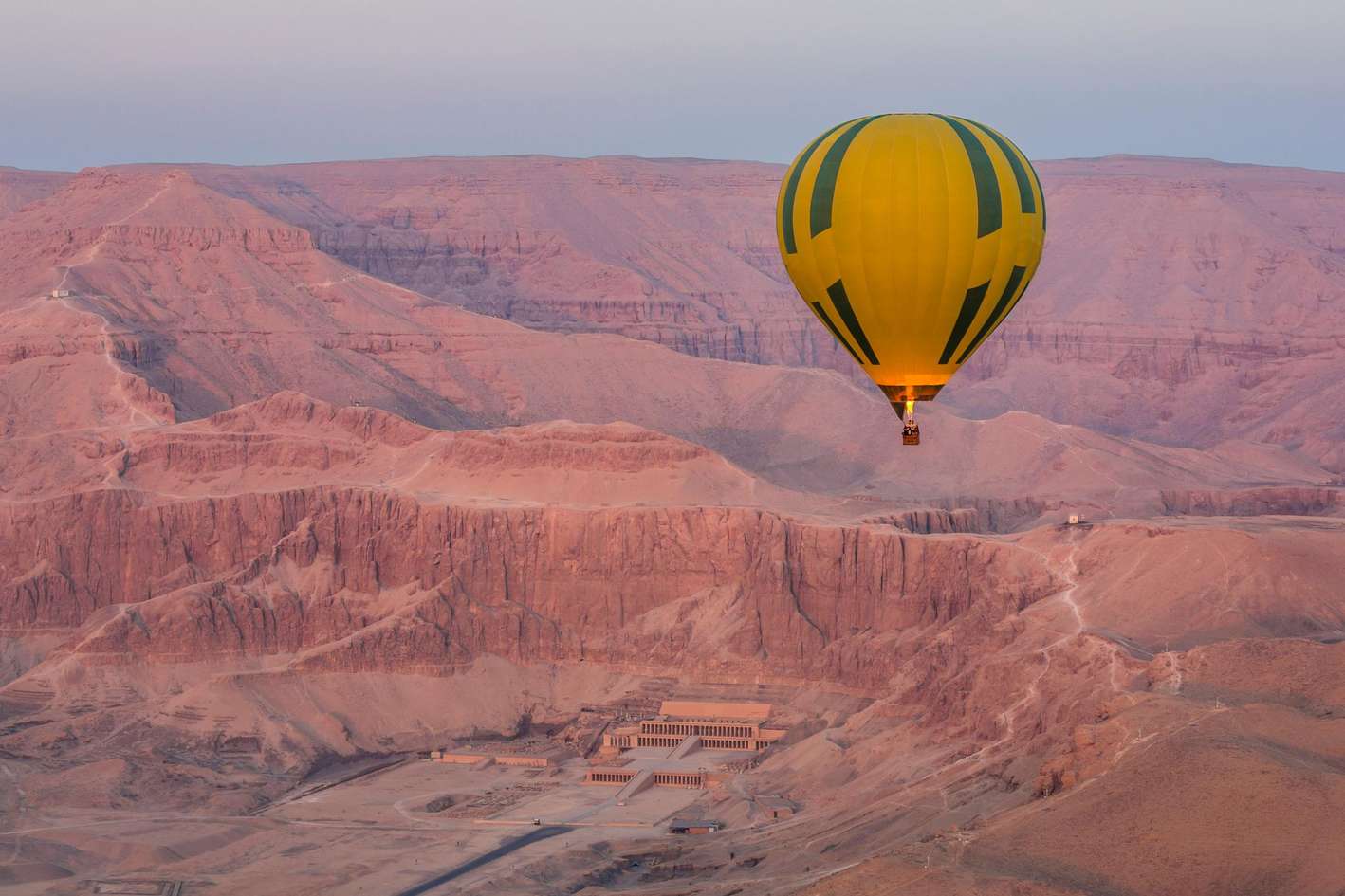
See when balloon flights fly, what they cost beyond the cruise, and who can ride.
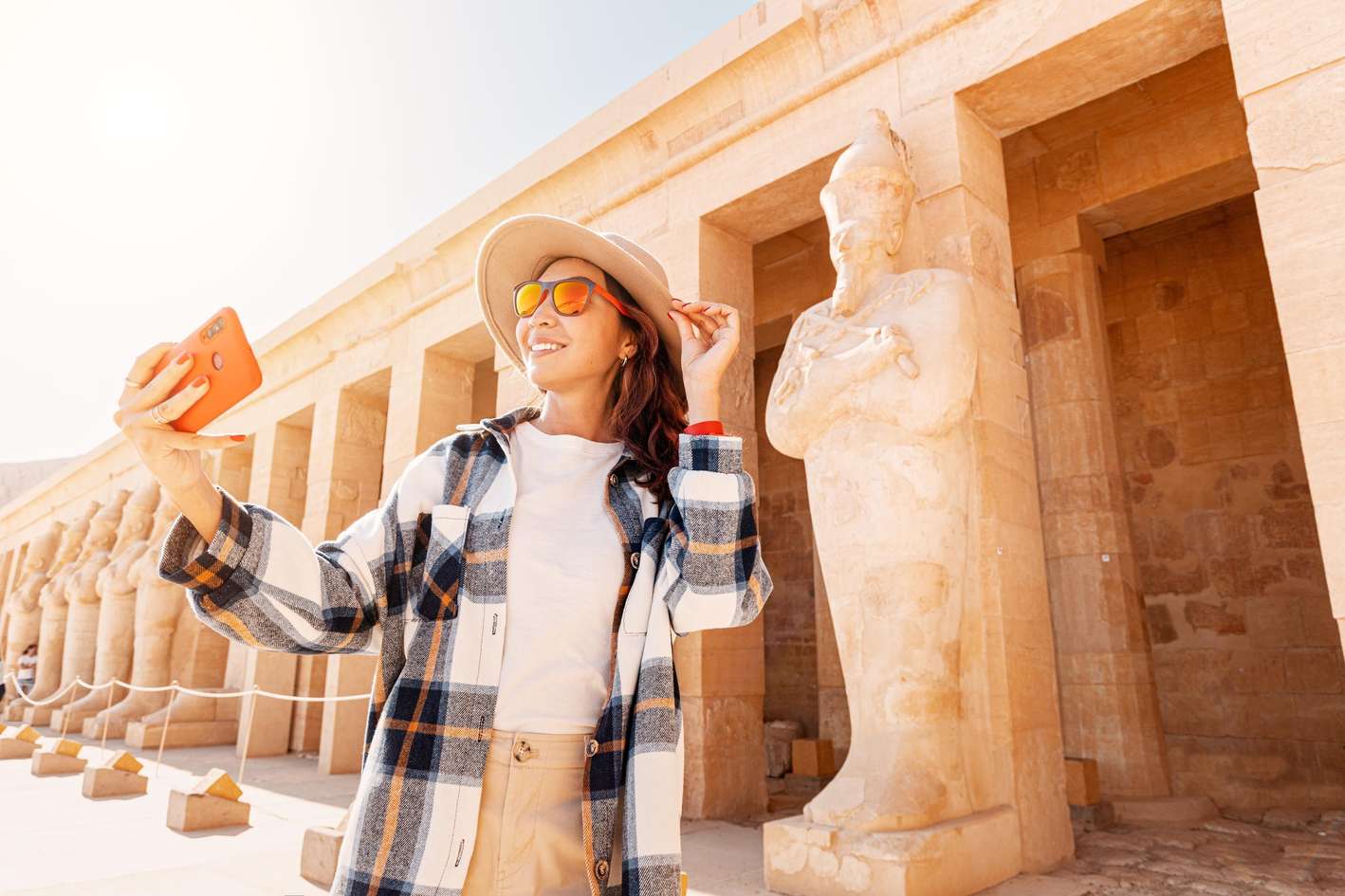
Plan your Karnak visit with hours, ticket rules, and sound and light show times.
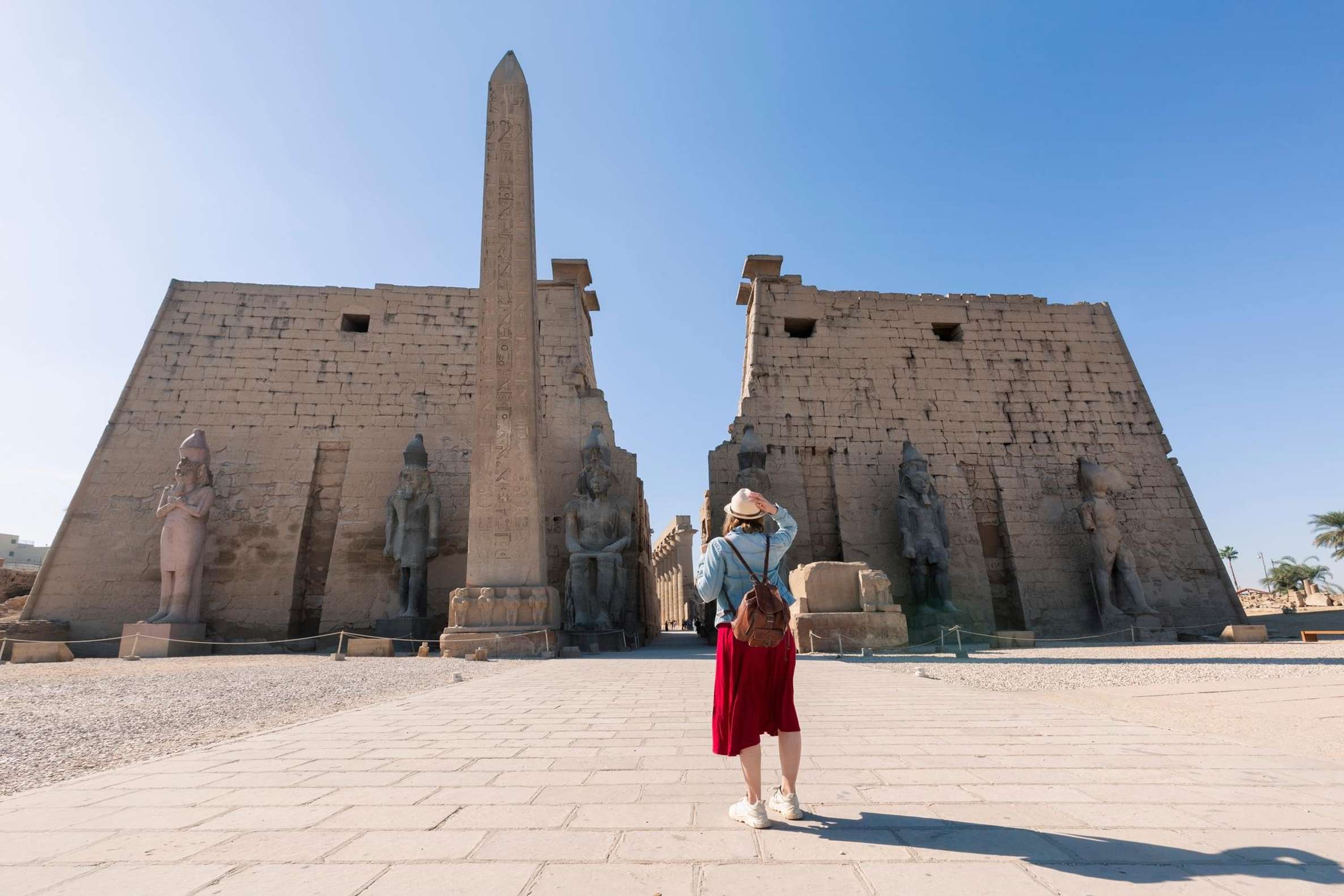
Flights, transfers, three nights of full board on a 5-star ship and a sunrise balloon over Luxor, all in one booking with free cancellation up to 24 hours ahead.