 Our top pick
From Cairo: 4-Day Nile Cruise to Luxor with Balloon Flight
Departure and return flight ticketsHotel pickup and drop-offTransportation
From$1,170 /person
See dates and book Free cancellation · Hotel pickup
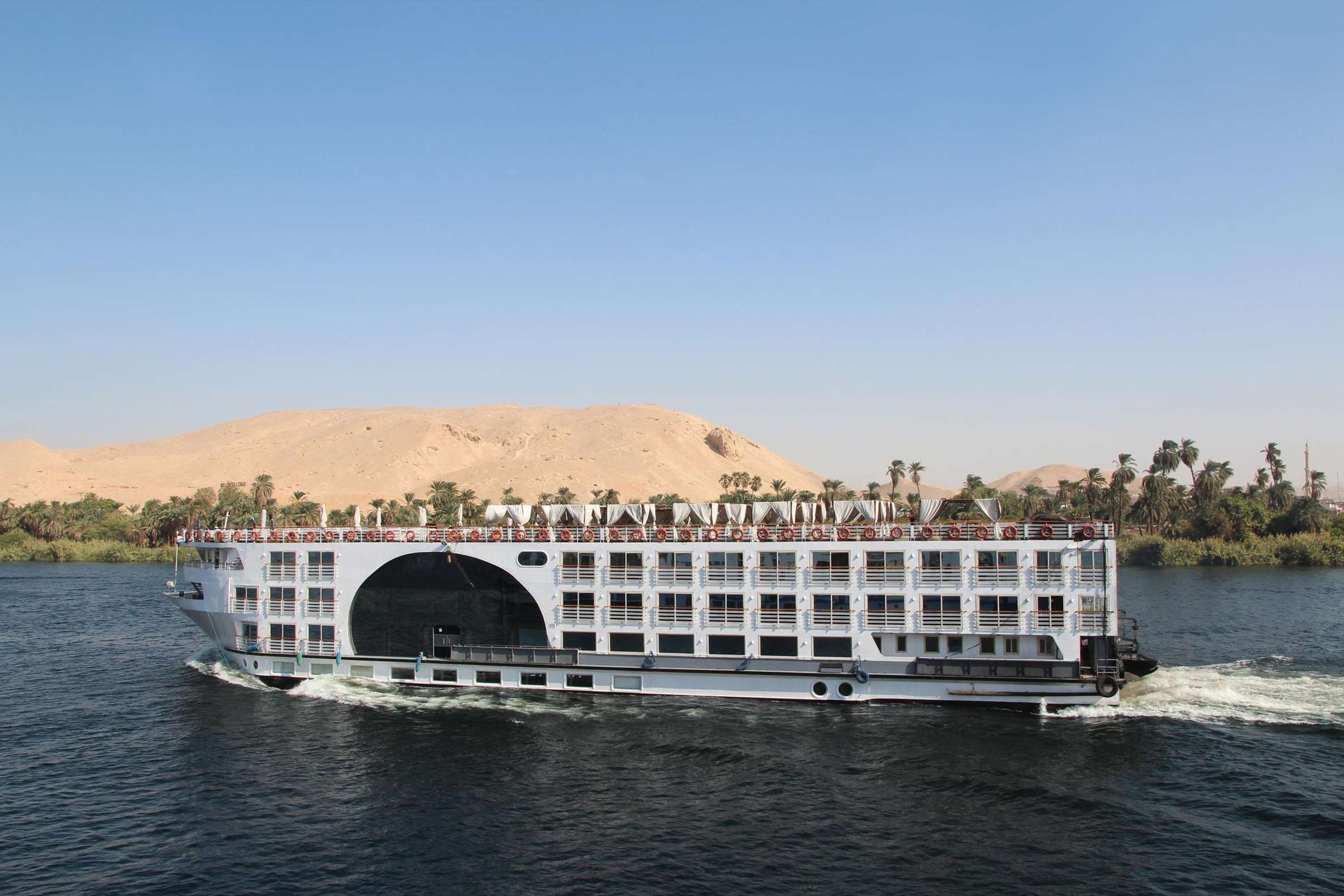
Sail downriver with the current and see Egypt's great temples from the water. Book a Nile cruise from Aswan to Luxor with Cairo flights, a 5-star ship, all meals, and guided stops at Abu Simbel, Kom Ombo and Edfu. Sunrise balloon over the West Bank included.
“The tour went smoothly. Zeinab was easy to reach and kept us informed, always checking in. Guide Ahmed Majid explained the sites' history really well. The cruise was lovely, everyone so accommodating. Brilliant tour!”
Every cruise here starts with hotel pickup in Cairo, includes the domestic flights south and back, and puts you on a 5-star ship for three nights of full board. You sail downriver from Aswan to Luxor with Abu Simbel, Kom Ombo and Edfu worked into the days.
Our top pick


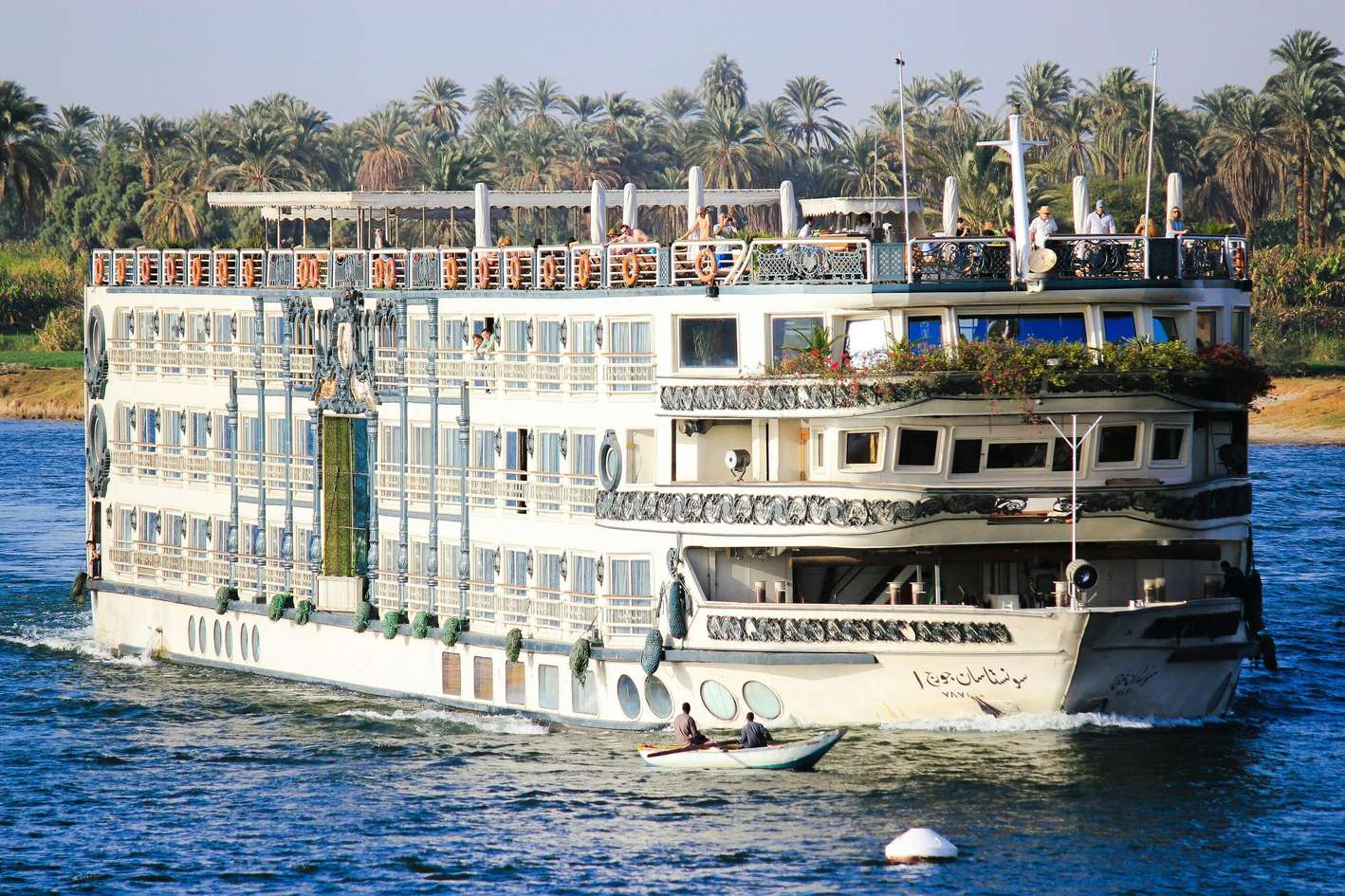
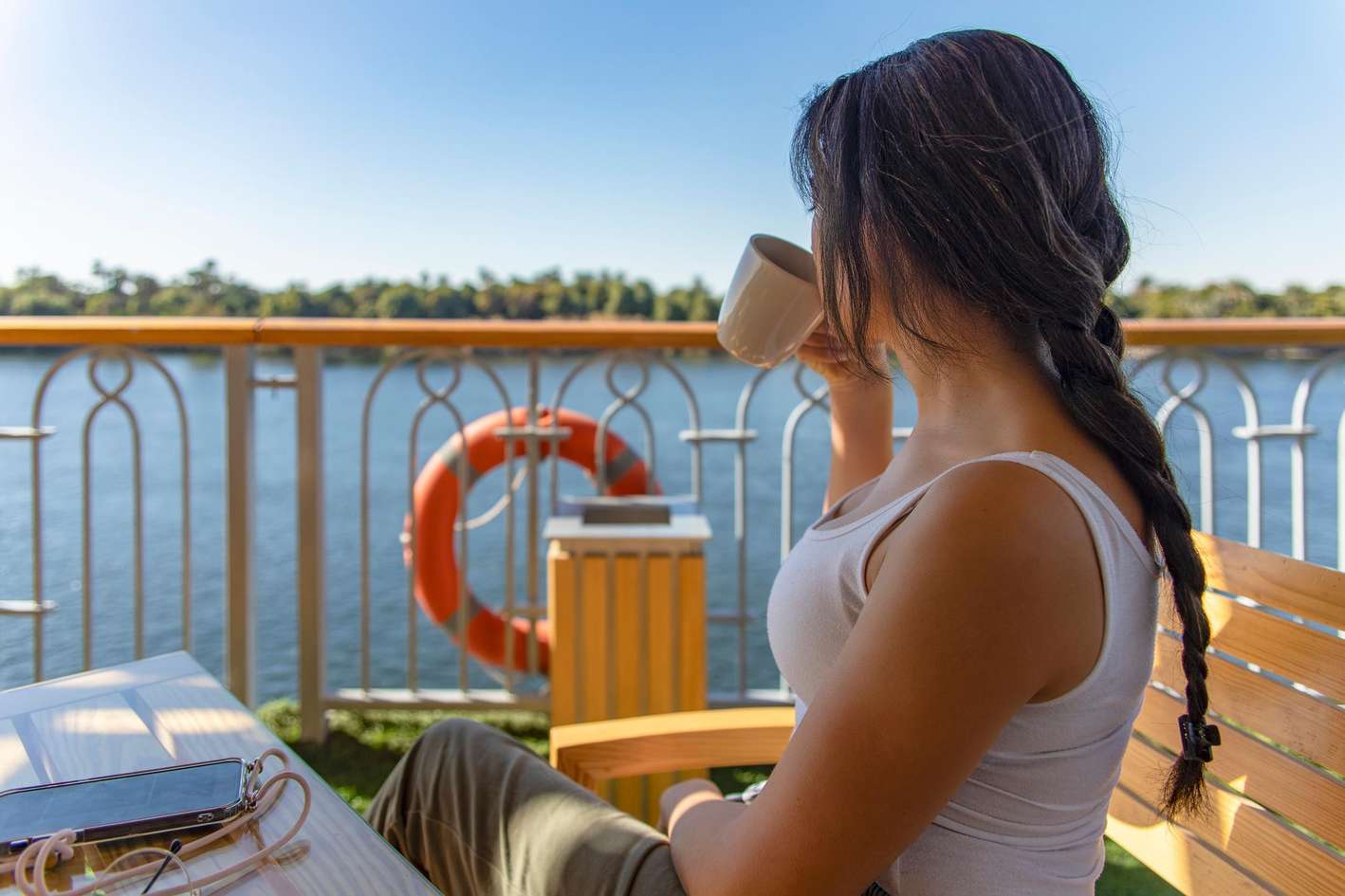
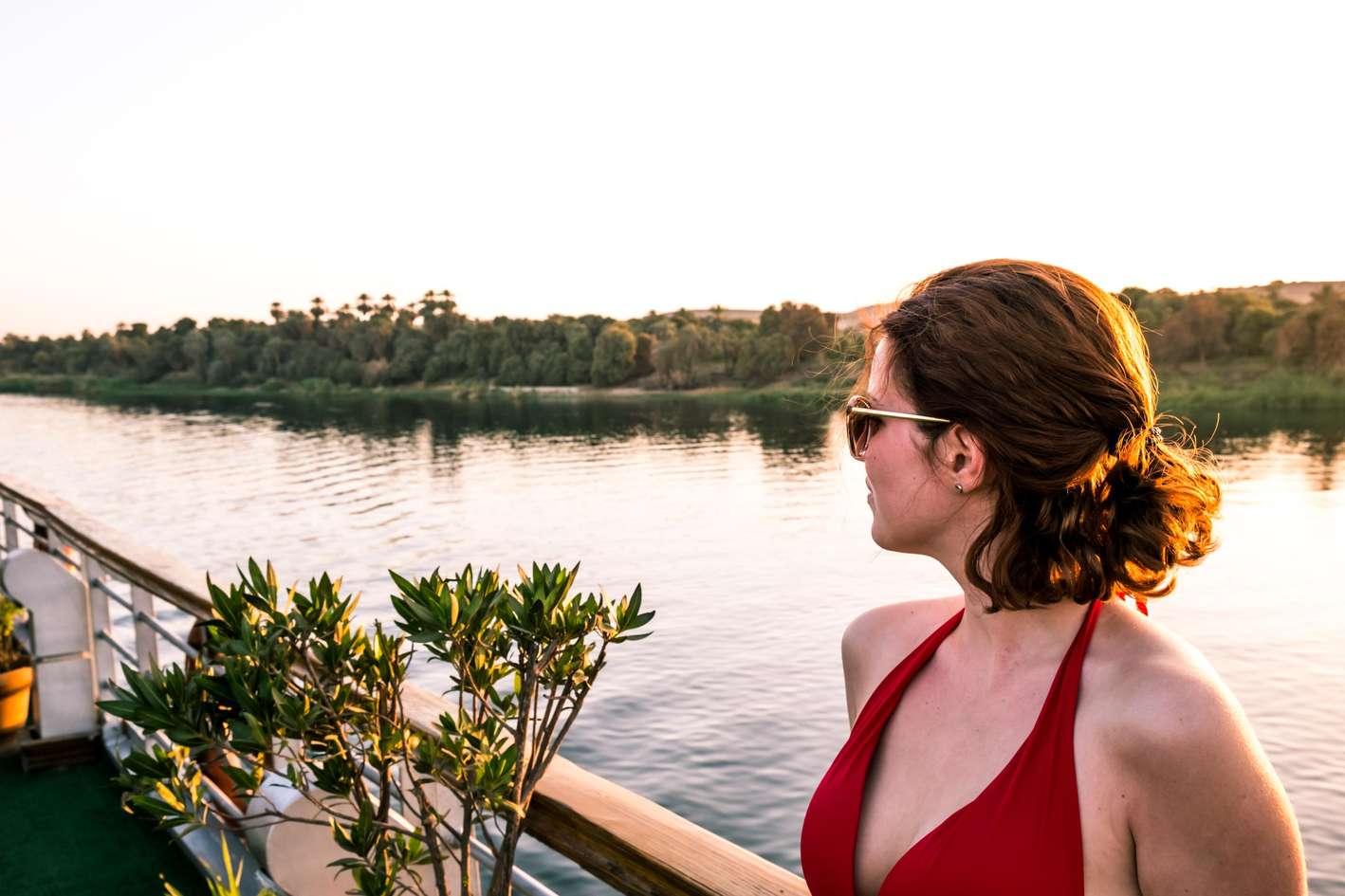
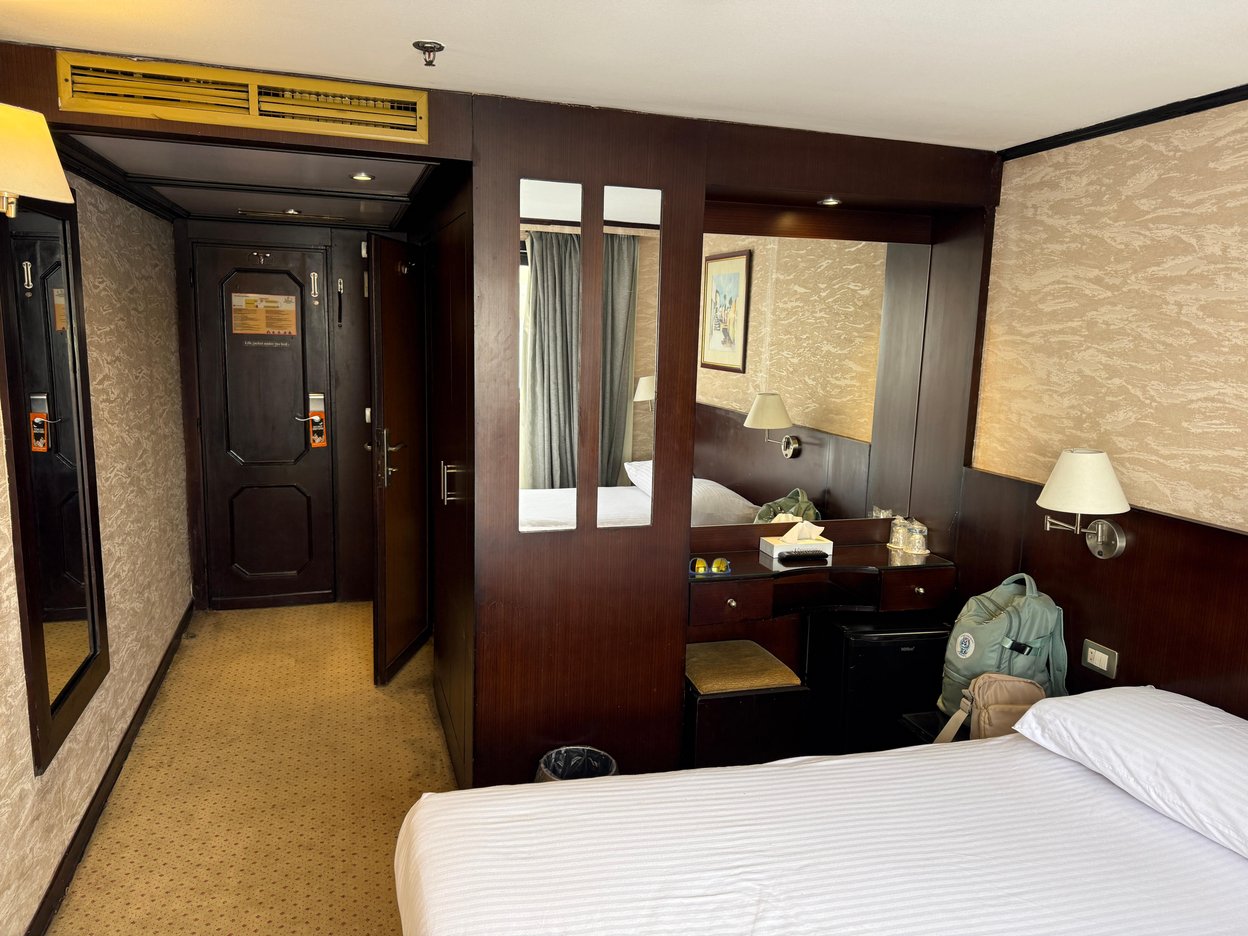
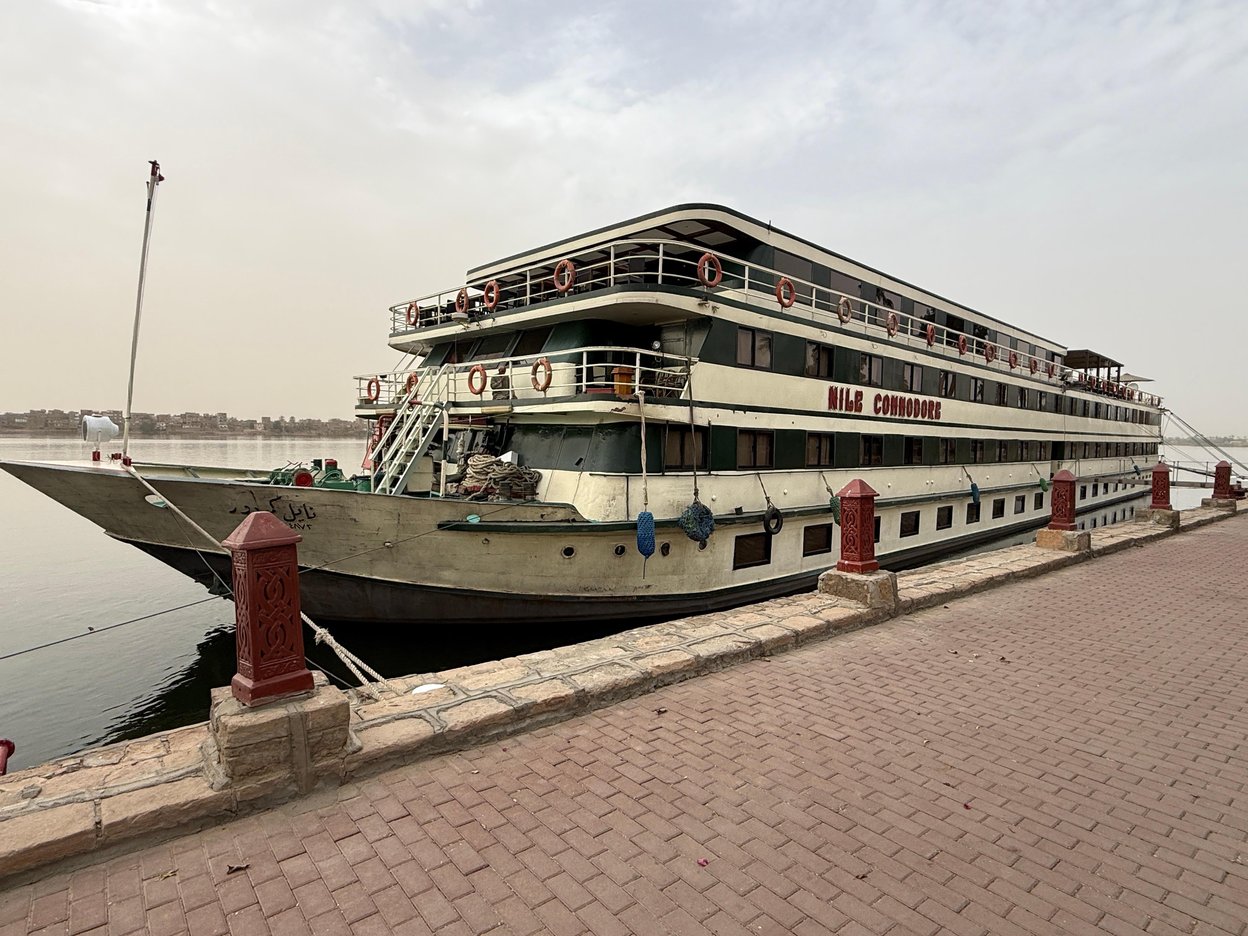
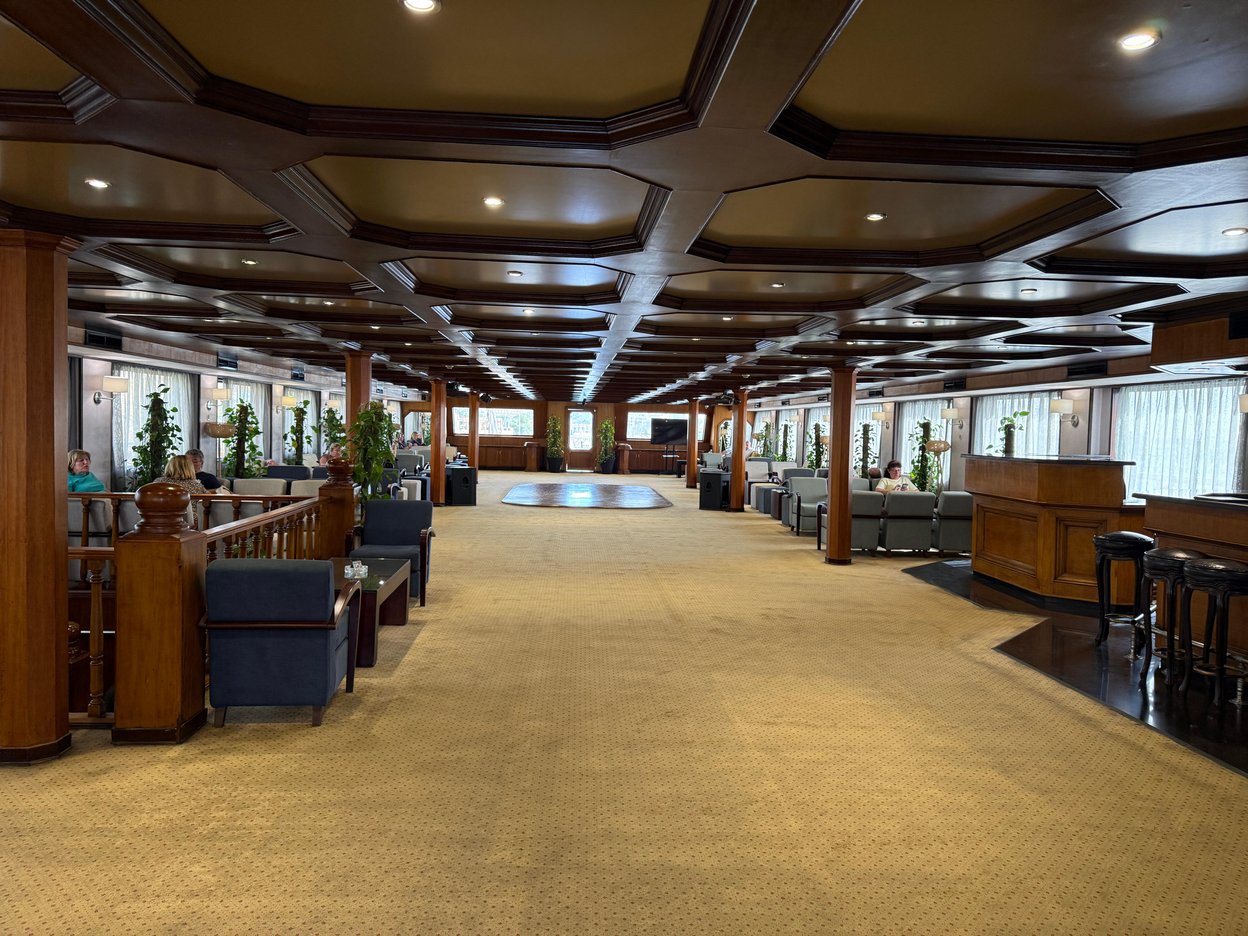
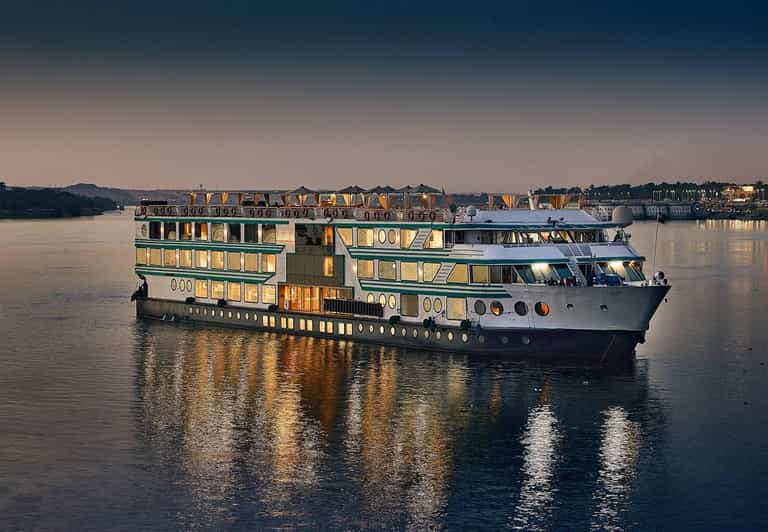
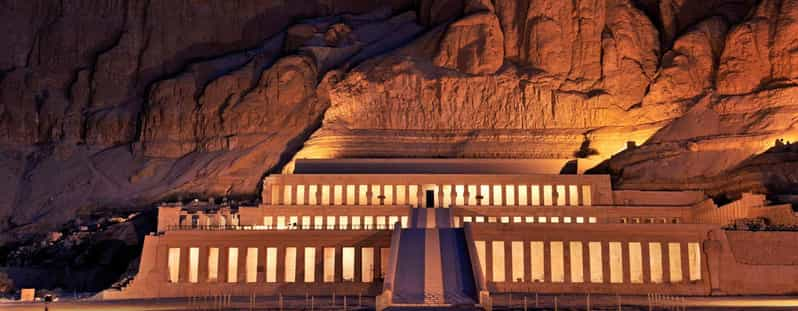
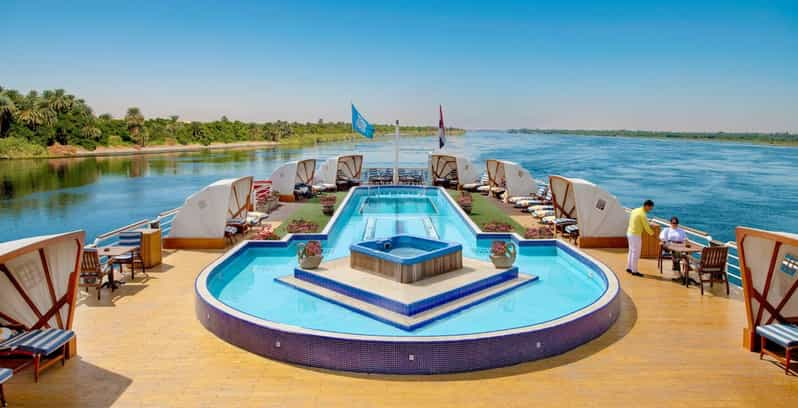
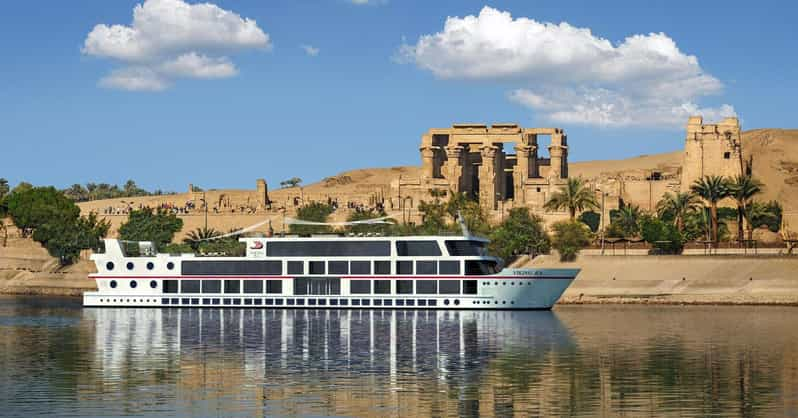
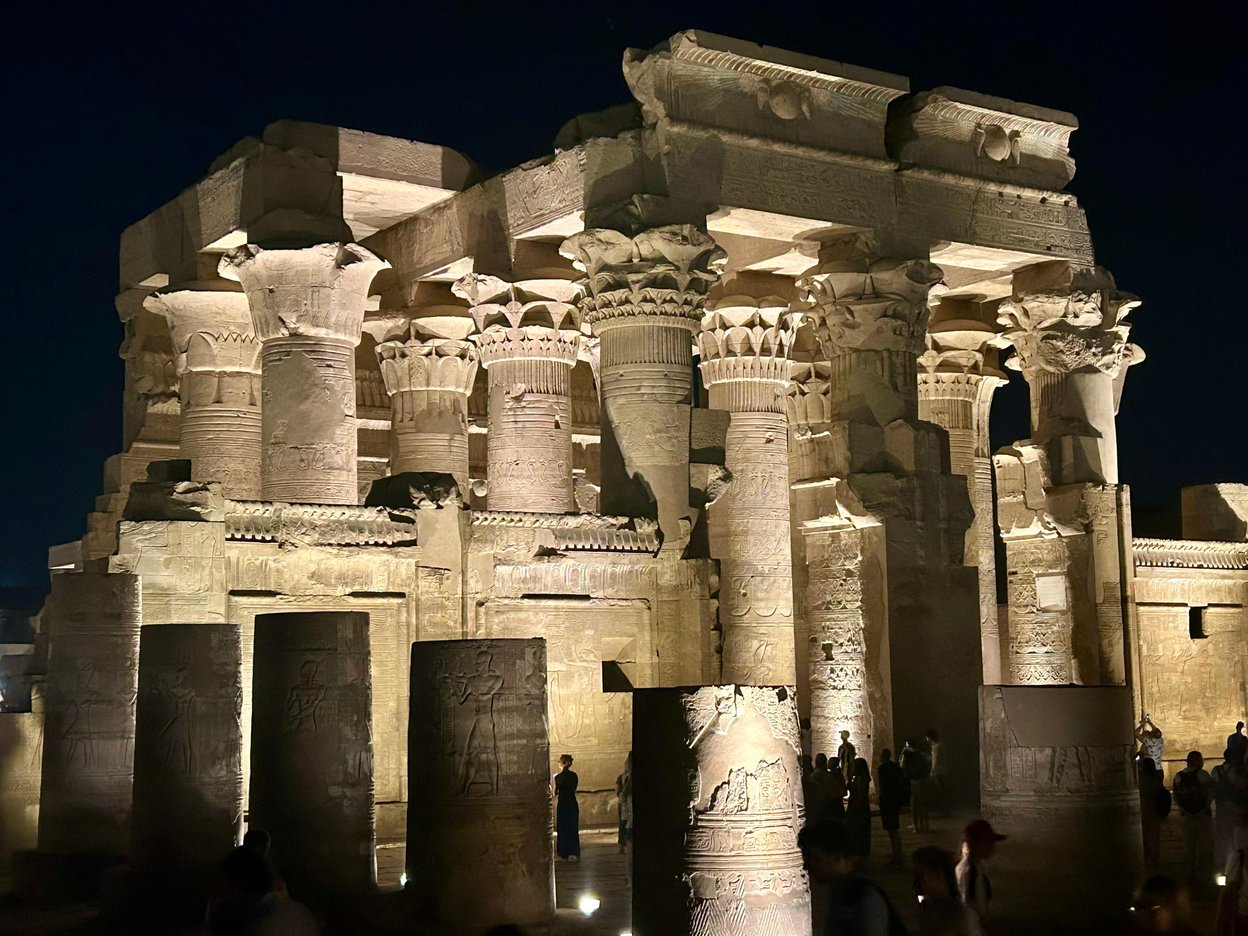
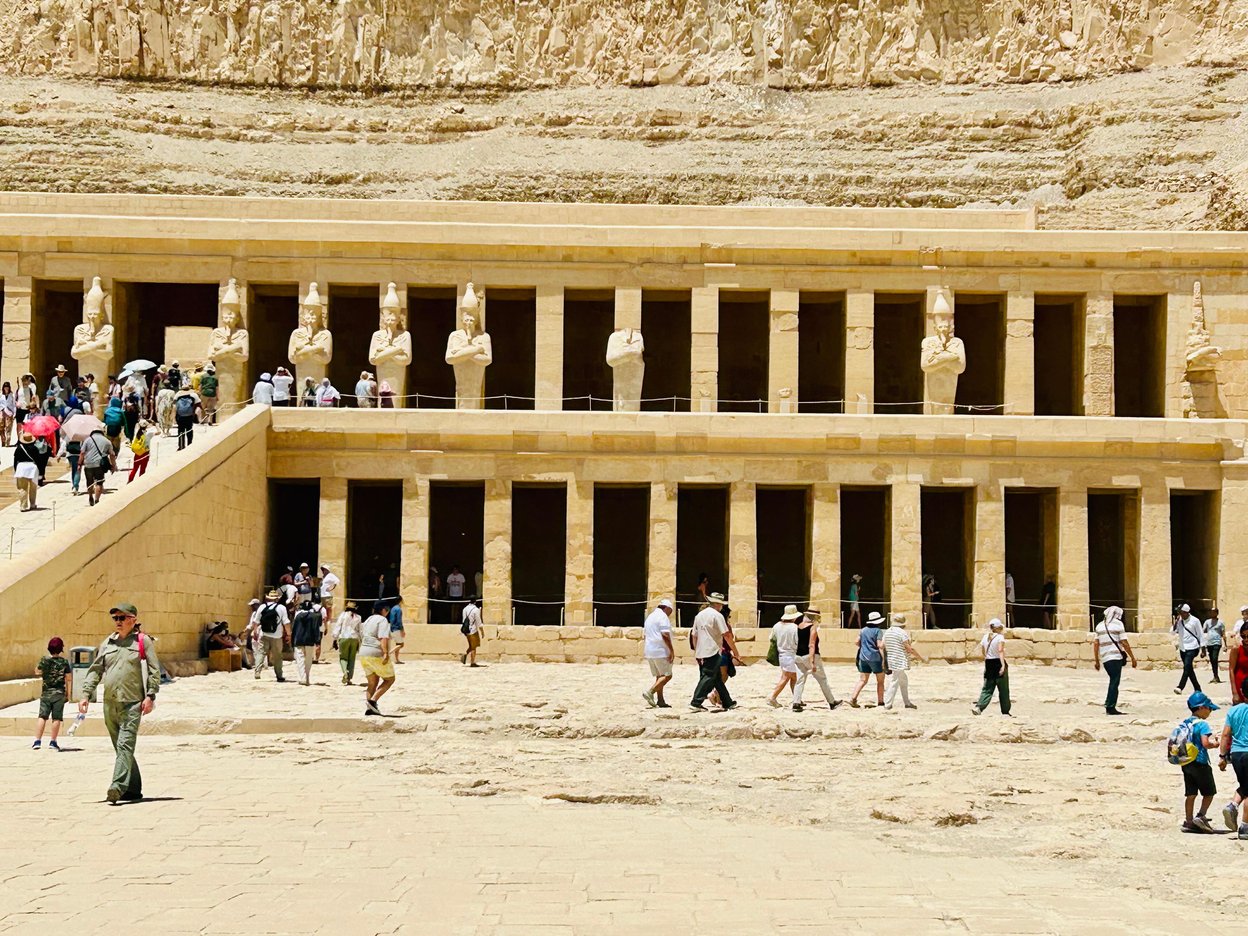
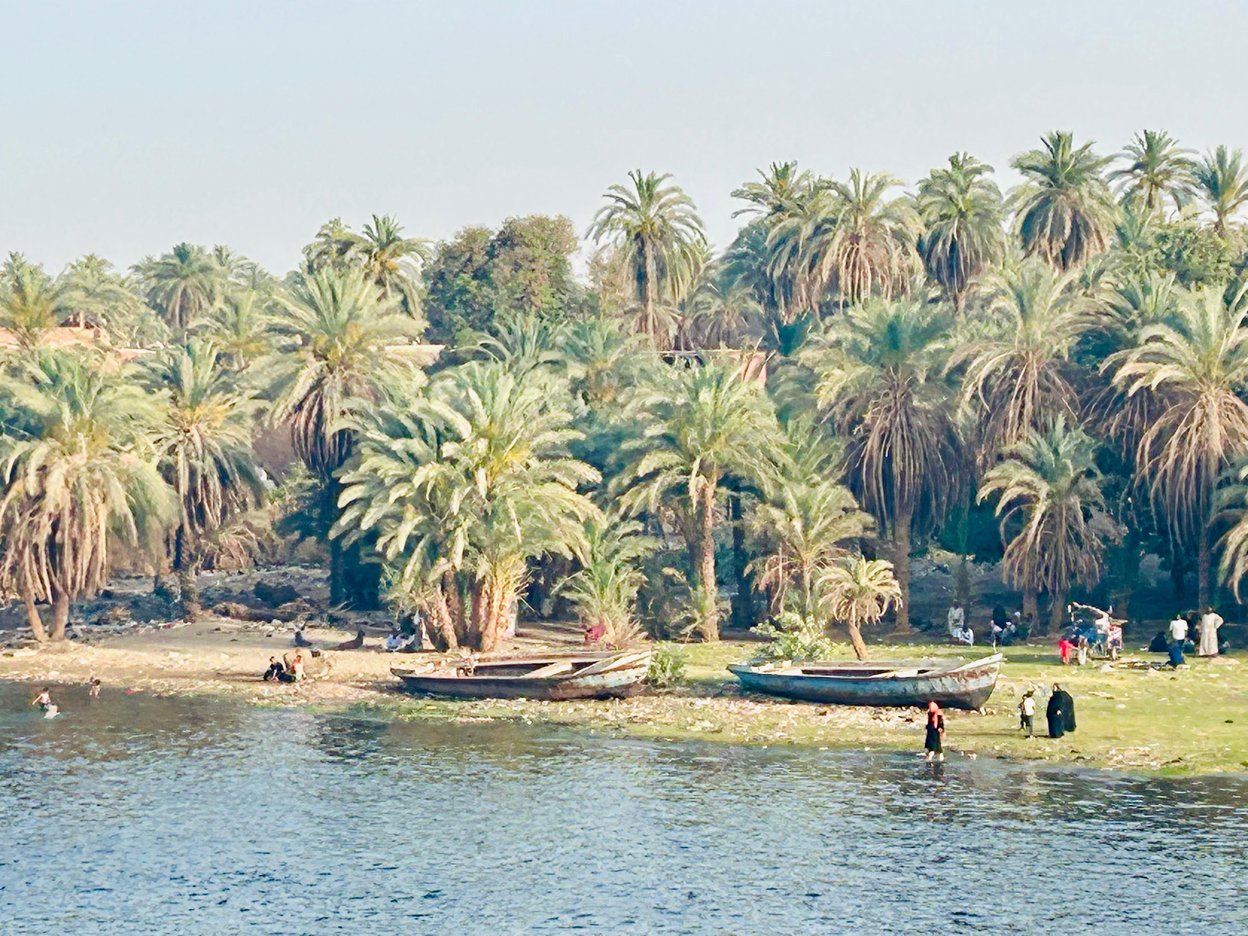
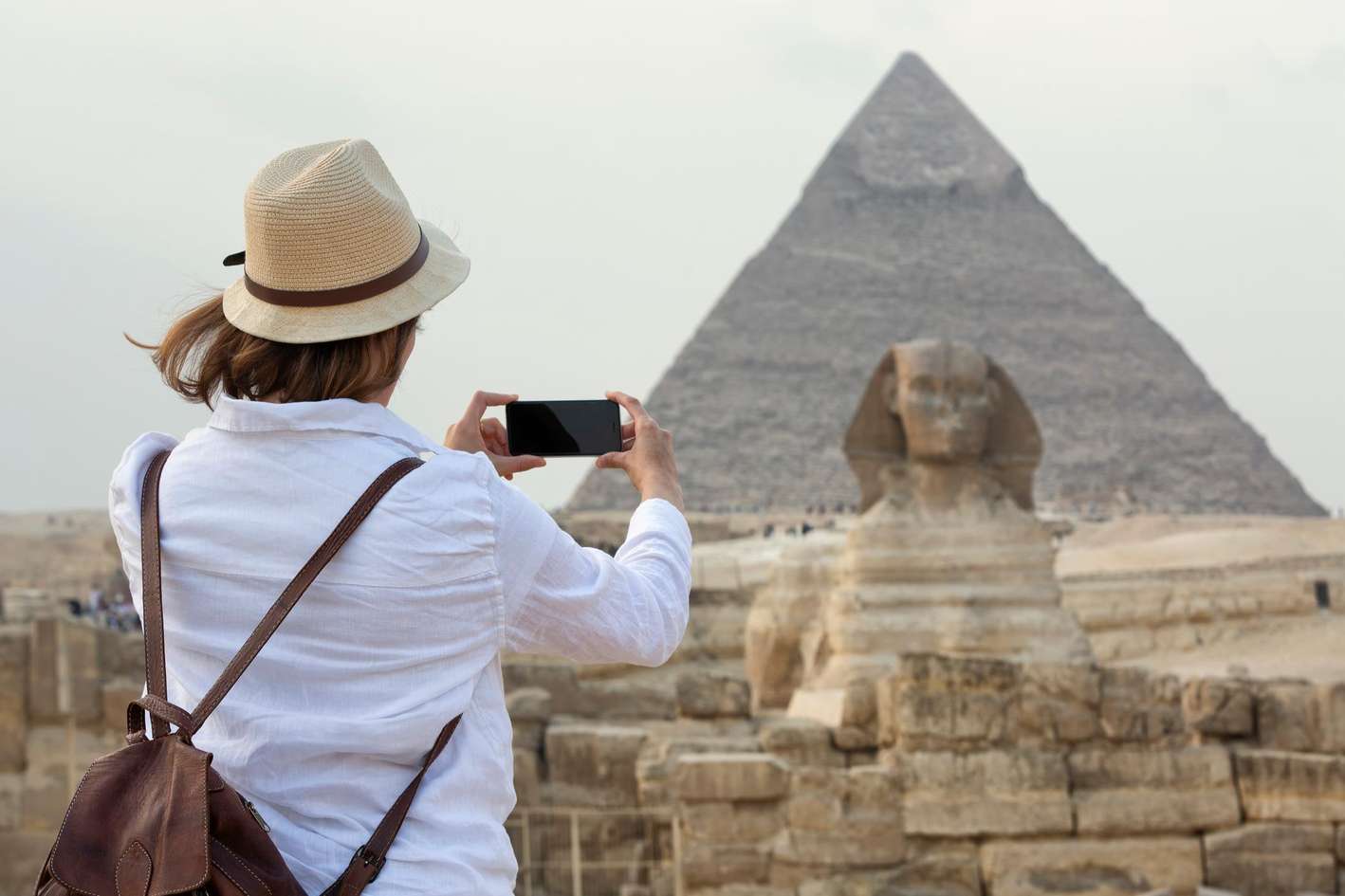


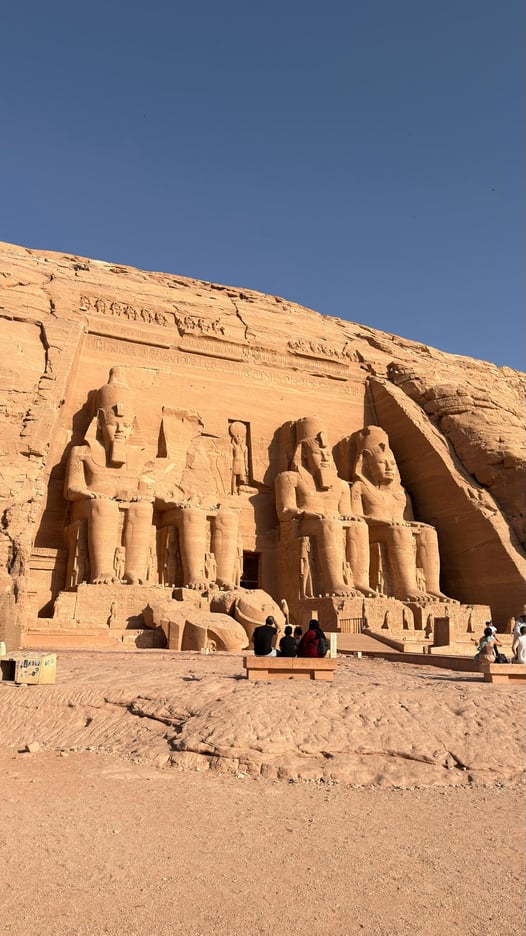
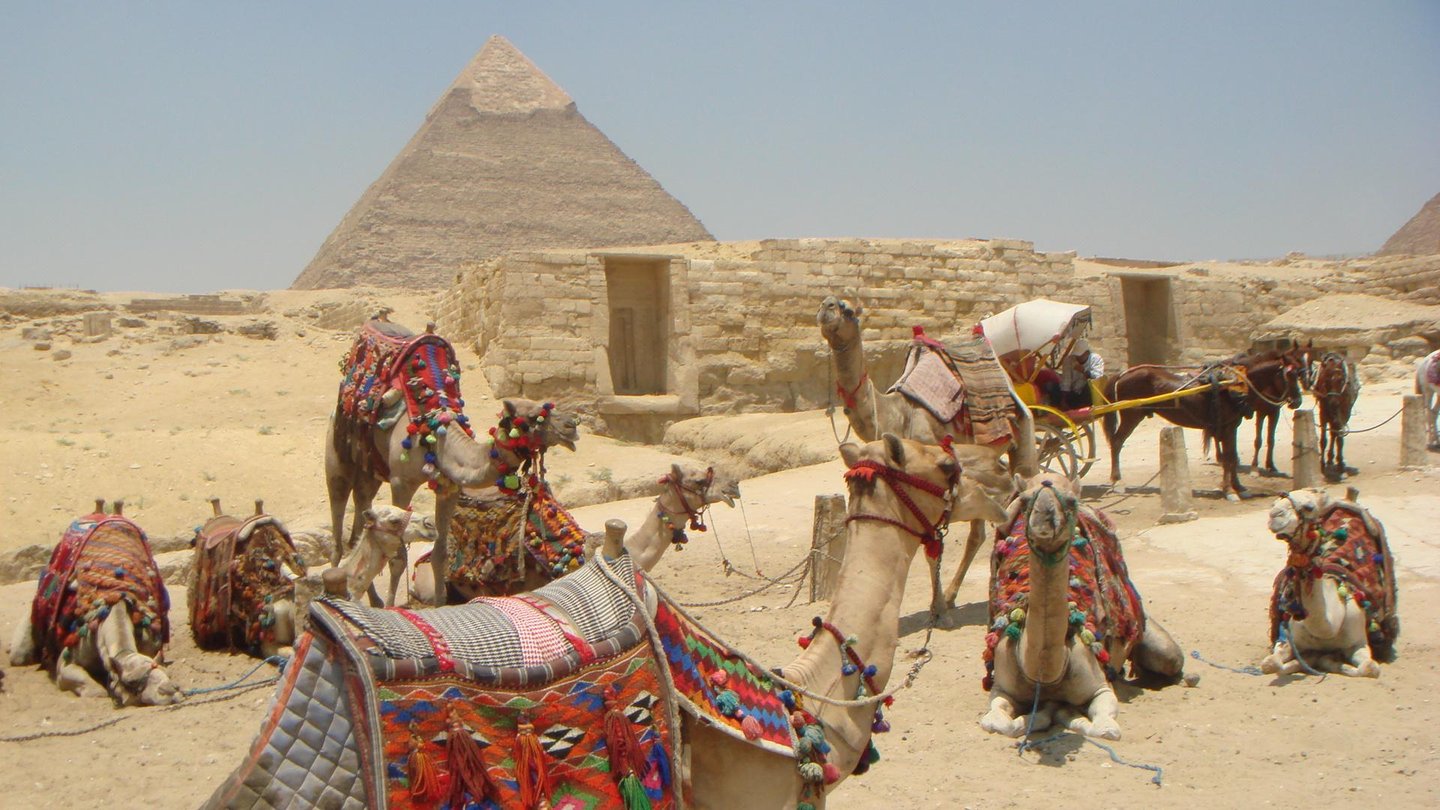
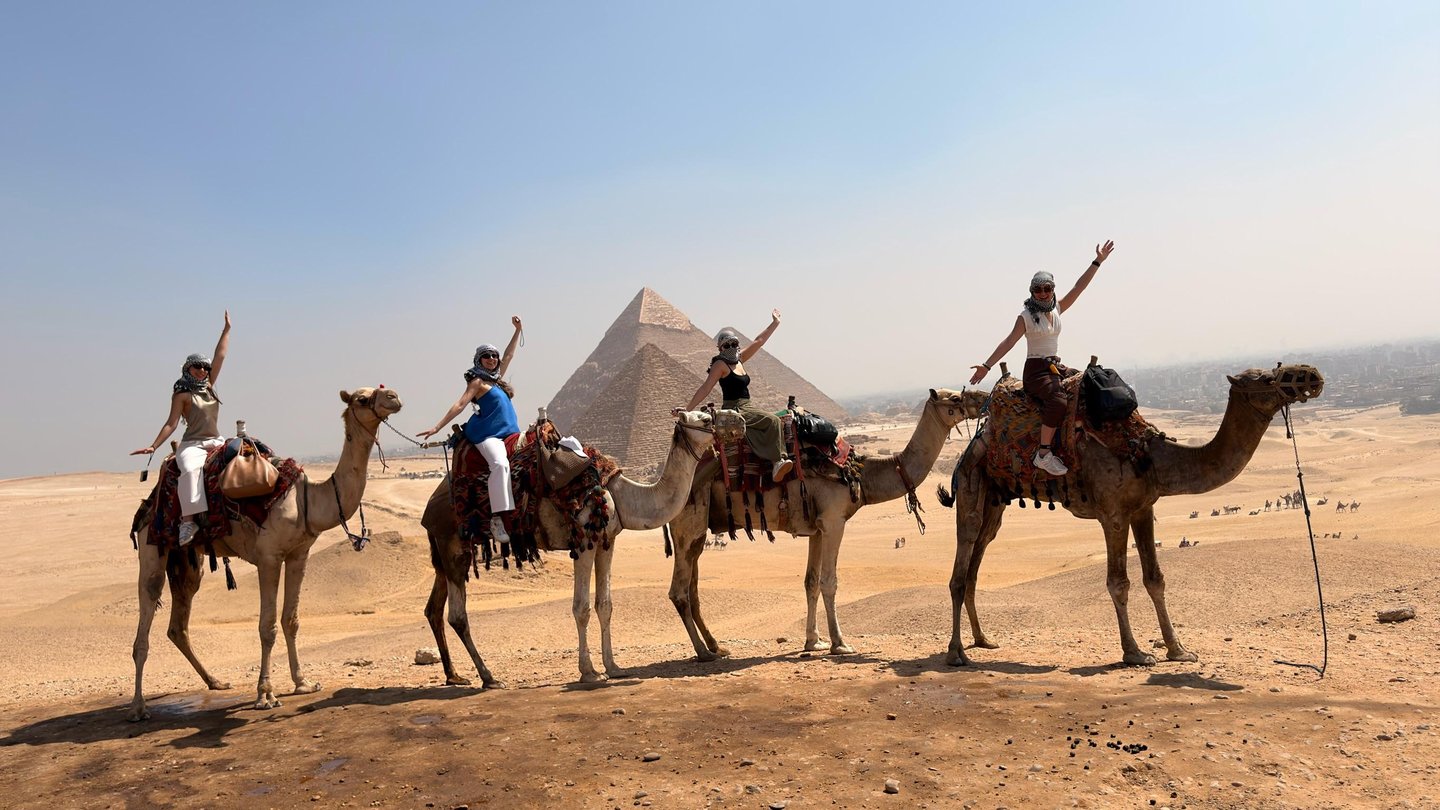
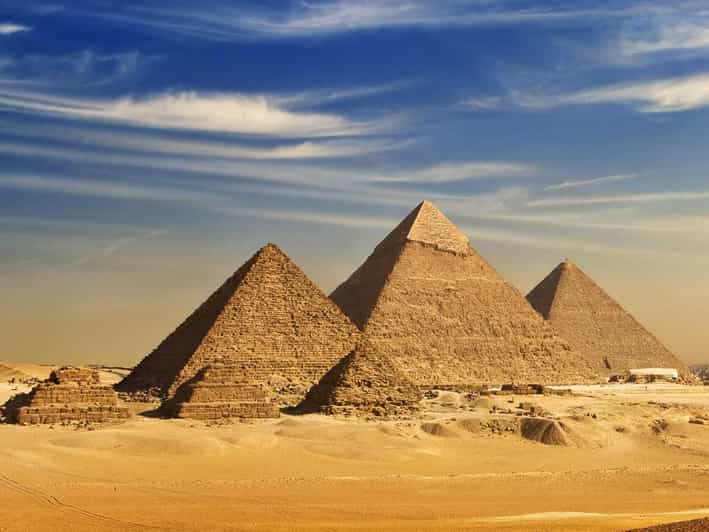
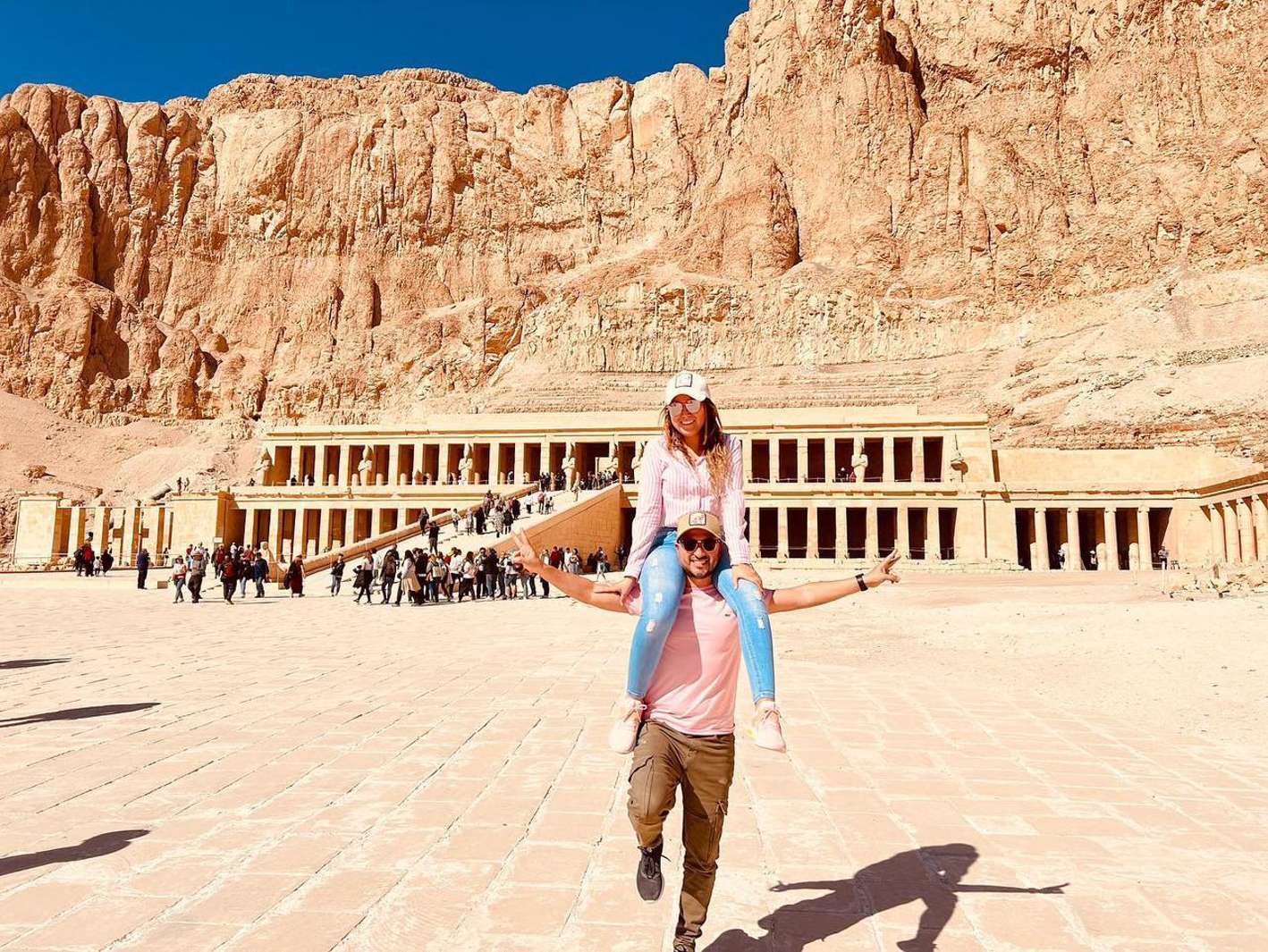
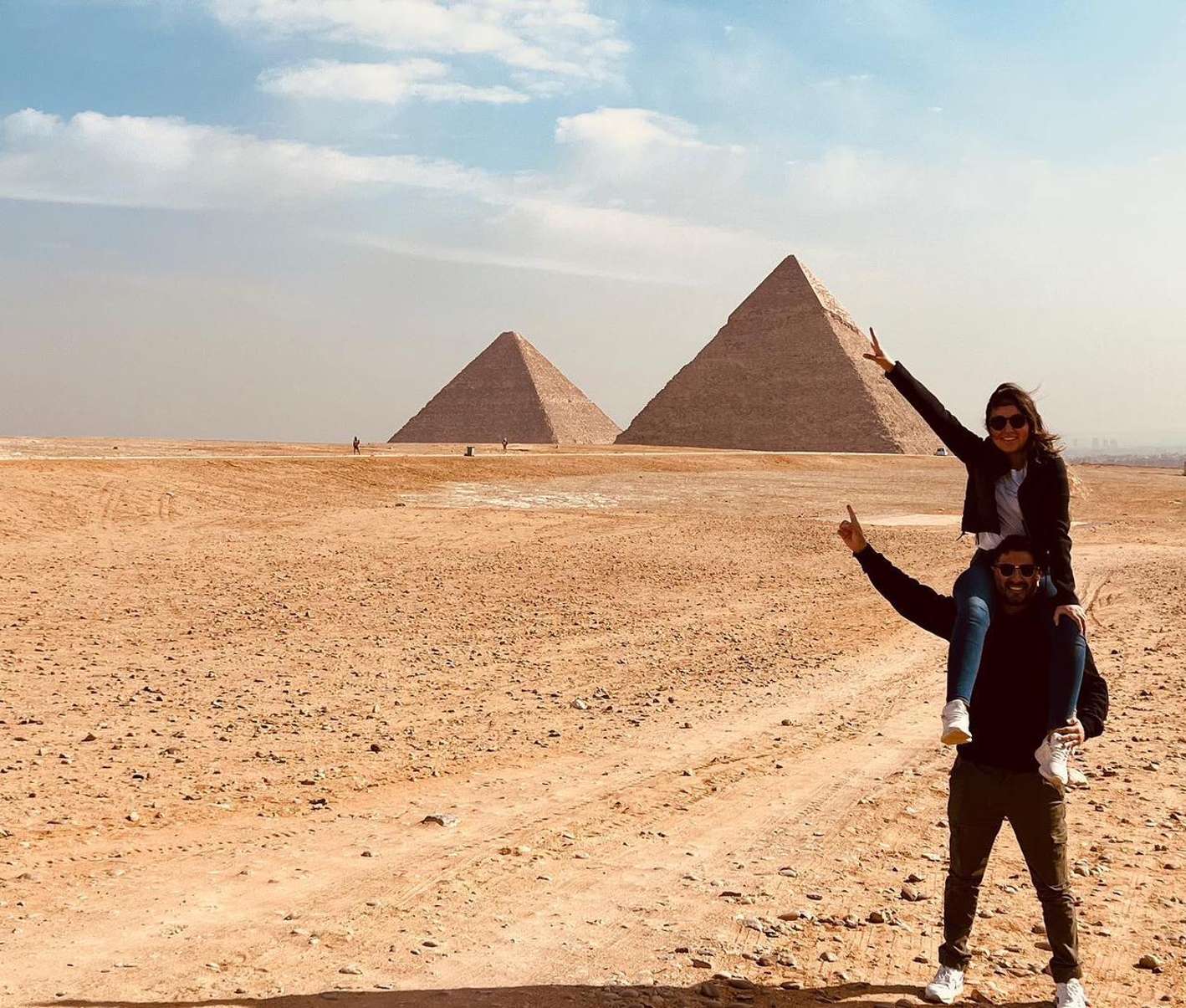
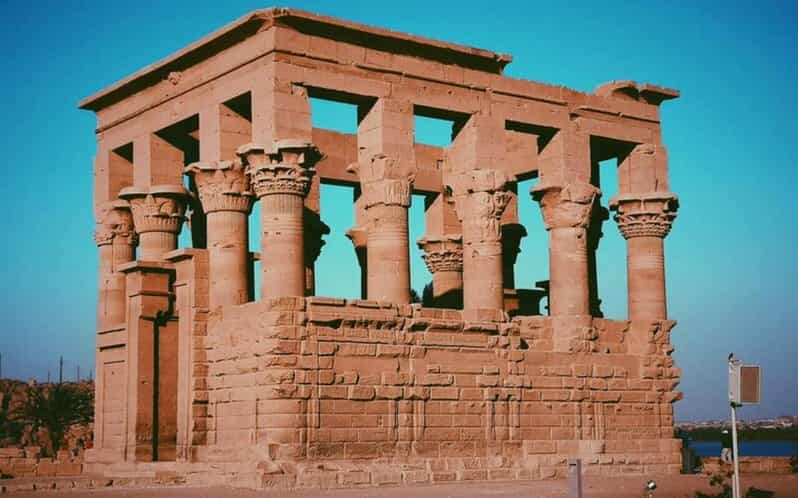
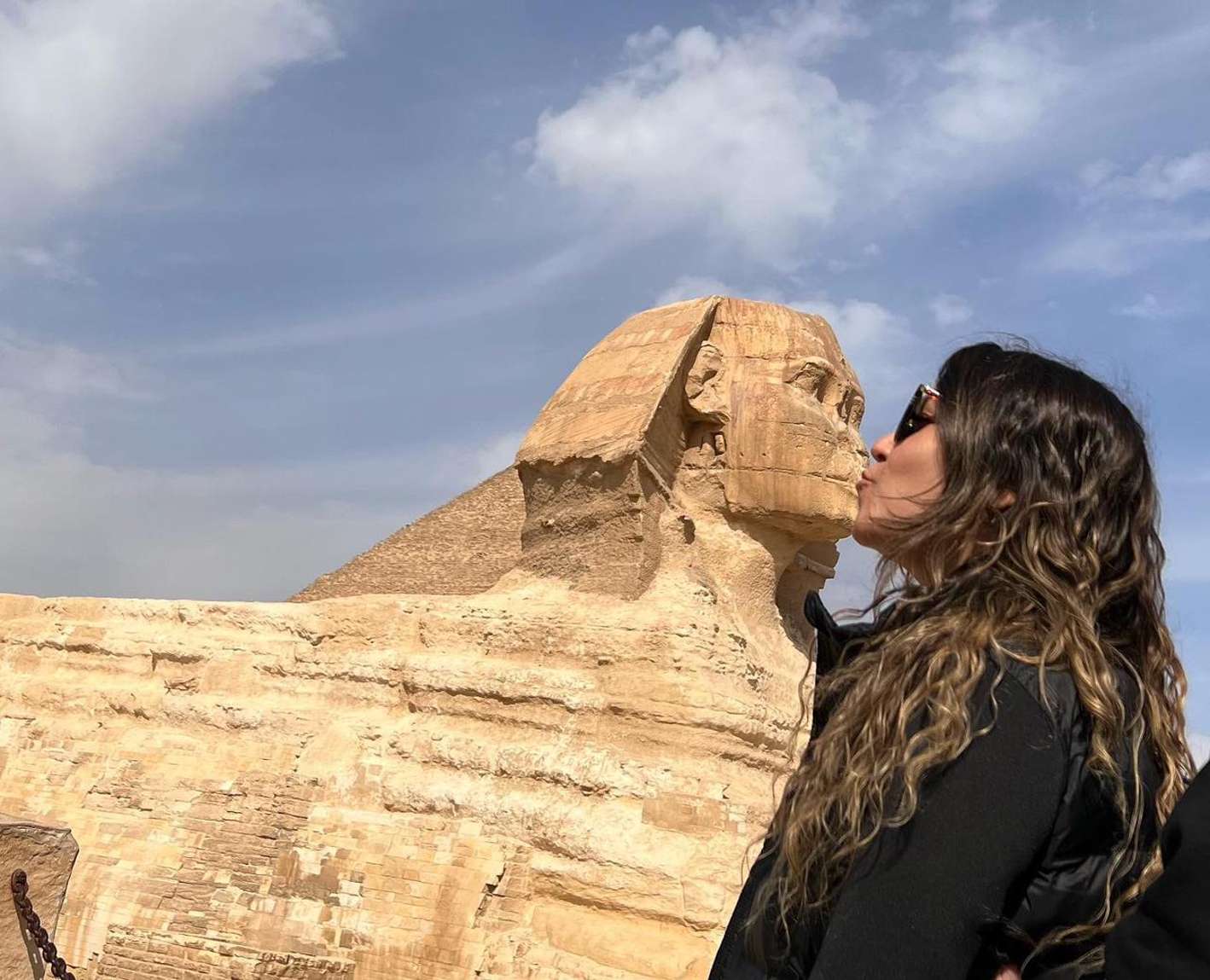
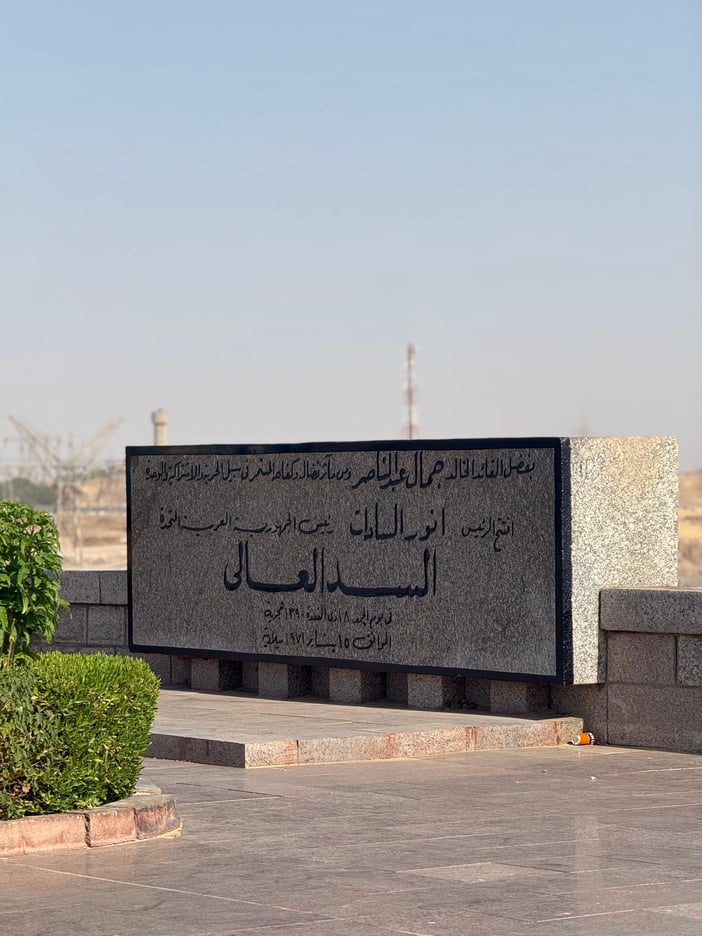
Mohammed was so kind and professional, we had so much fun.
Mohammed was so kind and professional, we had so much fun. Clean cruise and rooms, staff were lovely, activities were interesting. I really recommend this experience.
Thank you to the agency, especially Zeinab, for her availability, organization and efficiency, making this trip exceptional and enchanting. Thanks to the guides, drivers and boat crew for their kindness and little attentions.
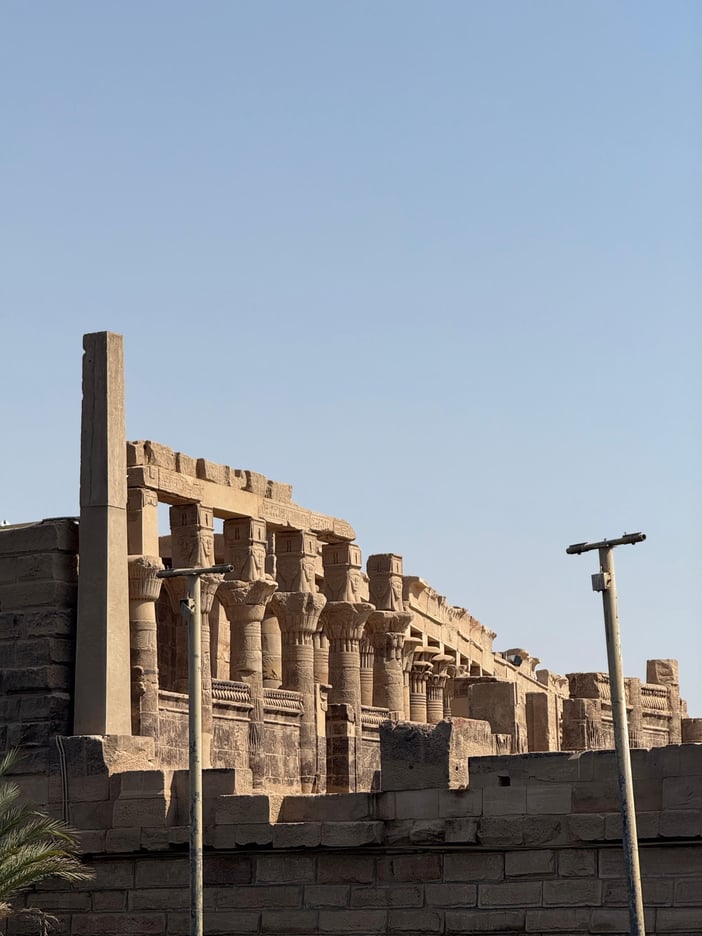
The best experience, so many beautiful sights, everything taken care of. Our guide Ahmed Sony knew so much, made funny jokes and comforted us. Driver Mine got us safely everywhere. Lovely trip, thank you!
Guide Ahmed Shawky Ali was superb, excellent English, perfect explanations of the temples. Highly recommend her. The tour matched the description.
George was an excellent guide, professional, friendly, always going the extra mile. The Aswan tour through Nubia was great, he was supportive and welcoming, speaks perfect English. The best!
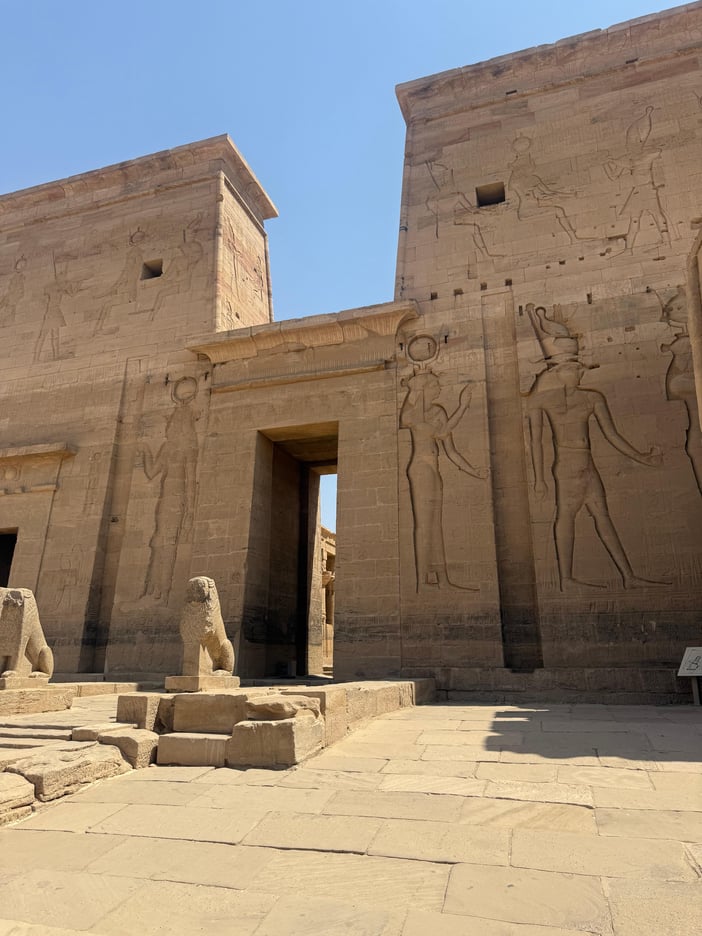
What a wonderful experience. Picked up at my hotel by Heba, a very knowledgeable guide who can actually read hieroglyphics! She knew the history of the whole city. I may never leave 😅
Their Egyptologist guide carried the whole trip, with several naming their guide and coming back for more.
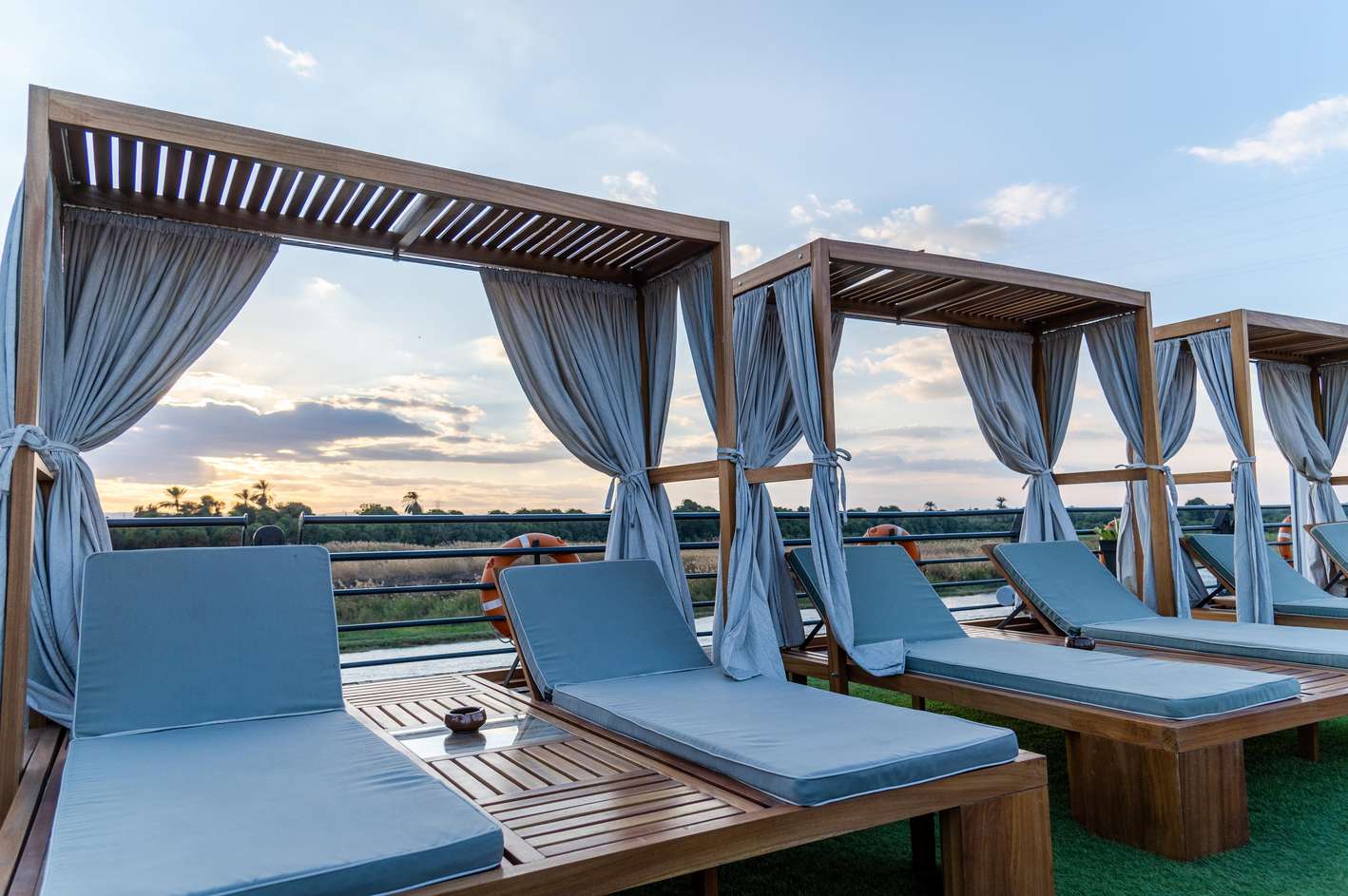
Several travelers found sailing the Nile from the top deck, sun overhead and towns drifting past, better than any single sight.
A few reviewers wished someone had explained the daily schedule and the extra costs, tips and entrance fees, before departure.
Choose a travel window and book early. Domestic flights between Cairo and Aswan run on limited capacity, and winter departures fill first, so lock in the sailing at the same time as your international flights.
Most four-day cruises sell standard, deluxe, and luxury versions of the same ship and itinerary, with the same guided tours on each tier. Pick the tier that matches your budget and comfort wishes.
After payment you get a confirmation voucher. Expect the operator to send pickup details and flight tickets the evening before each excursion, usually over WhatsApp. Reply to confirm you received them.
Flights land around midday and boarding is planned for late morning to early afternoon, in time for lunch on board. If your cabin is not ready yet, the crew looks after you in the lounges until it is.
Day two starts around 4 am, with a shared group transfer south for the roughly three to three and a half hour drive each way. Ask cruise reception the night before for a breakfast box to take with you.
Aswan sits about 214 km south of Luxor. Driving takes around five hours without traffic, but the river is the reason you came, and the ship makes the trip its own way.
Downriver is the standard direction. Sailing with the current takes three nights, one fewer than the route in reverse.
Most cruises start with a pre-dawn Abu Simbel excursion from Aswan, then sail north past Kom Ombo, where you walk up from the dock in minutes, and Edfu, where a horse carriage covers the short ride inland.
All ships pass the Esna lock, usually at night on this route. That leaves your final day for Luxor itself: the Valley of the Kings on the West Bank, then Karnak and Luxor Temple before you fly back to Cairo.
Before each winter season, one of the two locks at Esna shuts for maintenance, so every cruise ship on the river has to share the one open lock and waits there can stretch your sailing schedule.
The lock usually passes ships at night between Edfu and Luxor on this route, so the timing rarely costs you sightseeing time. Still, keep one spare hour in your final Luxor day, and if your dates fall in autumn, ask the tour operator how lock maintenance is affecting departures before you book.
The river flows north, and so do the boats. Cruising downriver from Aswan to Luxor runs typically three nights on board, against four for the same trip in reverse, because the ship rides the current instead of fighting it.
That speed has a cost in pacing. On the three-night route, Luxor's biggest sites, the Valley of the Kings, Hatshepsut, Karnak and Luxor Temple, all land on one day, usually the last.
The four-night itinerary from Luxor spreads them over two mornings and gives the giant temples your freshest hours. Downriver compresses the middle instead: Kom Ombo fills a morning, Edfu the same afternoon.
The route has one fixed feature every ship shares, the lock at Esna, passed on this direction between Edfu and Luxor, usually at night while you sleep. All of it, the boarding in Aswan, the desert drive, the riverside stops and the lock, happens across a four-day, three-night window.
The package that maps this exact shape is From Cairo: 3-Nights Nile Cruise Luxor, Aswan by Flights, four days with flights, full board and the balloon ride folded in.
Aswan sits the far end of the route, more than 210 km further from Cairo than Luxor. A domestic flight south takes about 1 hour 30 minutes, against roughly 1 hour 10 to reach Luxor, which is why most cruises start here and finish at the closer airport.
The flight leaves from Terminal 3 at Cairo International, where domestic gates sit in their own section. Coming in from an international flight, allow at least three hours to connect, and note that bags do not check through between the two.
Airport counters close 30 minutes before departure and online check-in closes 90 minutes ahead, so an EgyptAir web check done the night before buys real margin.
Weight limits run one checked bag of 23 kg and 8 kg of carry-on in economy. Power banks ride in your carry-on only, one up to 100 watts, never in the hold.
The papers matter more than the packing. Passports need six months of validity from arrival, and a standard Egyptian tourist visa covers the Nile Valley. A Sinai-only entry stamp does not.
The free Sinai-only entry stamp does not cover Luxor, Aswan or the Nile Valley Arrive through Sharm el Sheikh on a full Egyptian tourist visa, and carry a passport valid six months from arrival
Sort the visa before you fly south. The boarding gate is the wrong place to learn the stamp in your passport is the wrong one.
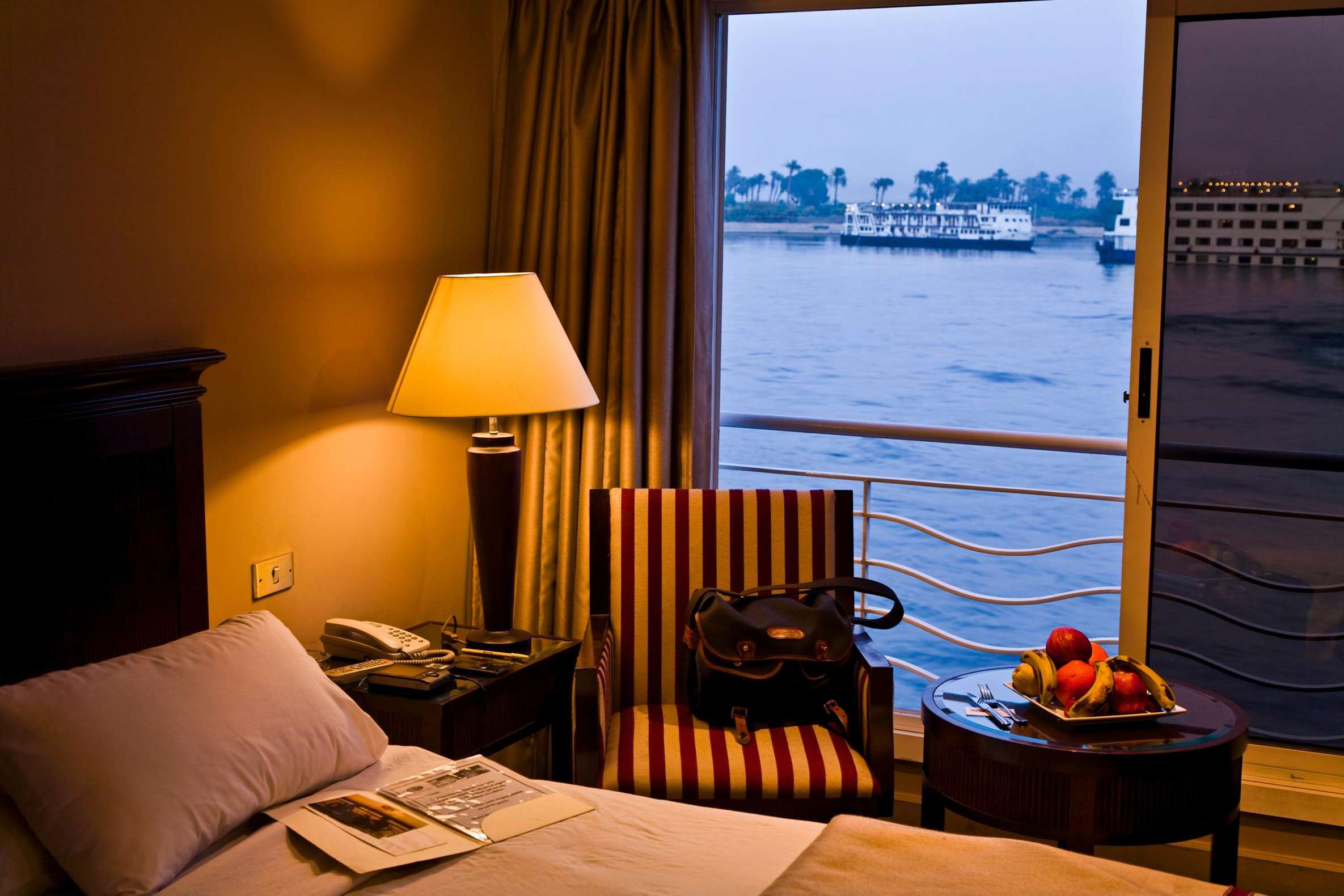
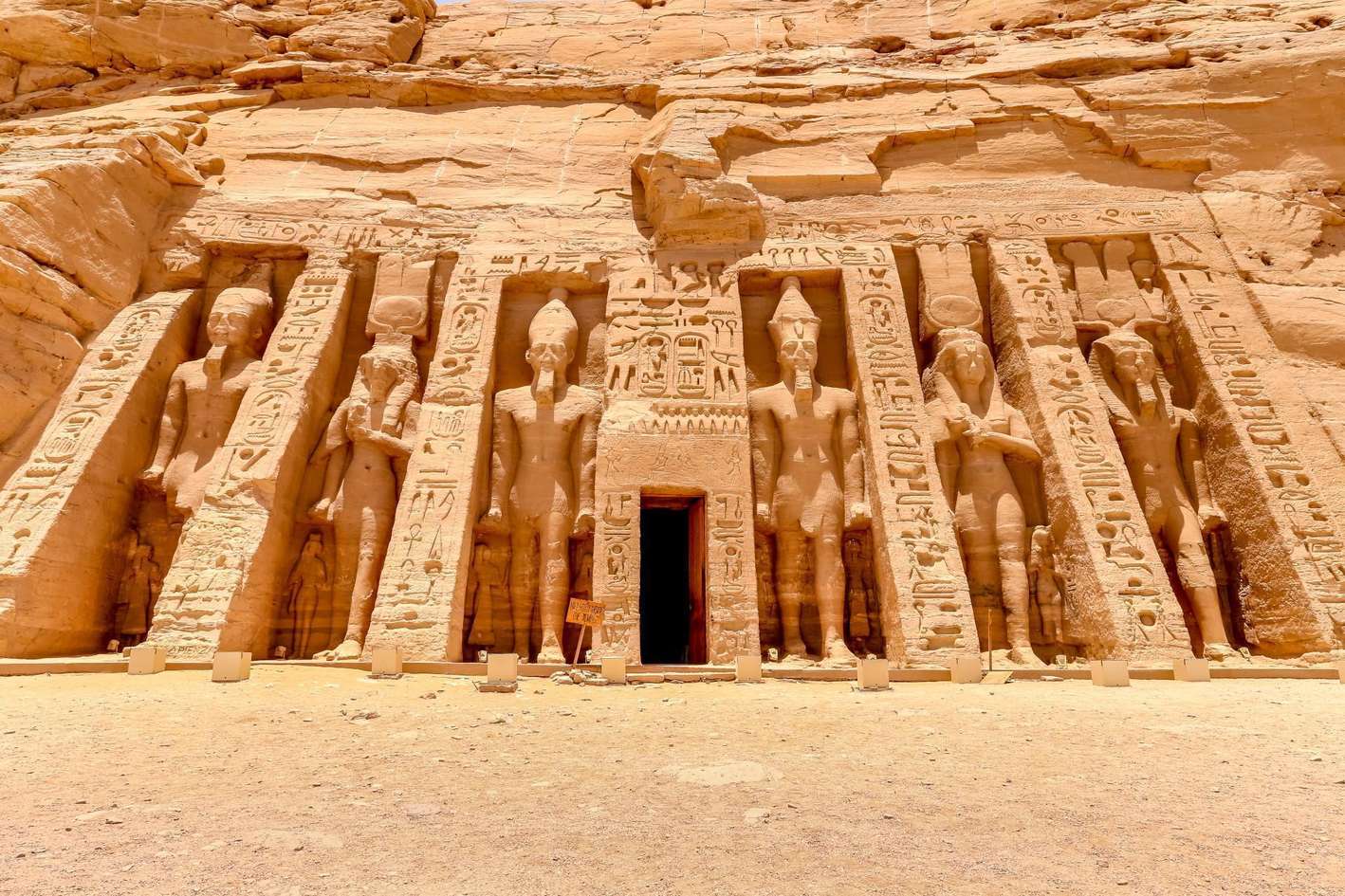
Abu Simbel is the reason Aswan works as a starting point. The temples sit about 280 km south, and the only way to fit them before the ship sails is to go early.
Road tours roll out of bed between 3:00 and 4:30 am for the three-to-three-and-a-half-hour desert drive, reaching the temples by mid-morning and Aswan again by early afternoon.
The flight shortcuts it. Nonstop services from Aswan take 45 minutes, with the first departures just before 7 am and a second wave mid-morning. Either way, you are back with time to check in and eat lunch on board before sailing.
At the temples themselves, one ticket covers both the Great Temple of Ramses II and the Temple of Nefertari. Photography with a phone is free and flash is banned inside.
The practical detail: the ticket desk takes bank cards only, cash is finished there, so the card you need at Karnak is the same one you need here.
Go at dawn and you get the statues before the coach crowds and the midday heat, which is exactly why the tours leave in the dark.
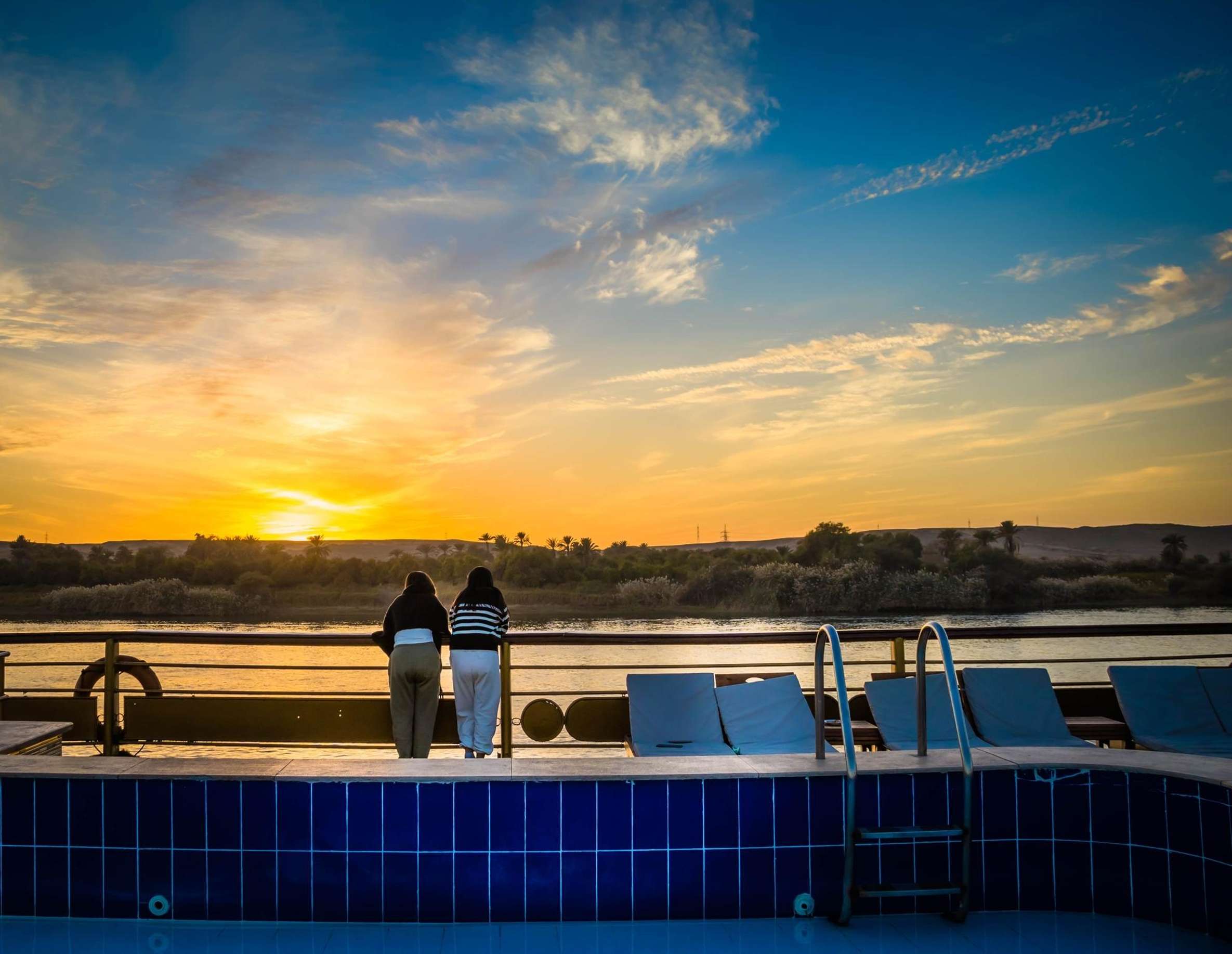
There is no cruise terminal in Aswan. Ships moor along the east bank of the Nile, upmarket ones in central Aswan just south of Elephantine Island, tied up in rows, two or three deep. Reaching an inner vessel can mean walking through the lobbies of the ship in front of it.
So do the one thing that saves the day: before travel, get the vessel's name, the local representative's phone number, a description of the mooring and your pickup details from the cruise operator. Docking positions change between sailings, and drivers often need the ship's exact berth, so a wave toward the corniche is not enough.
You may cross another vessel's gangways and lobby to reach your own, so know your ship's name and mooring before you set out
If your cabin is not ready at check-in time, you are looked after aboard in time for lunch
The engine sits low at the stern and the galley on the lowest deck, so the upper middle keeps both noise and kitchen smells out of your night
Boarding runs late morning into early afternoon, timed for lunch on day one. Arrive hours early and the lounges absorb you until the cabin opens.
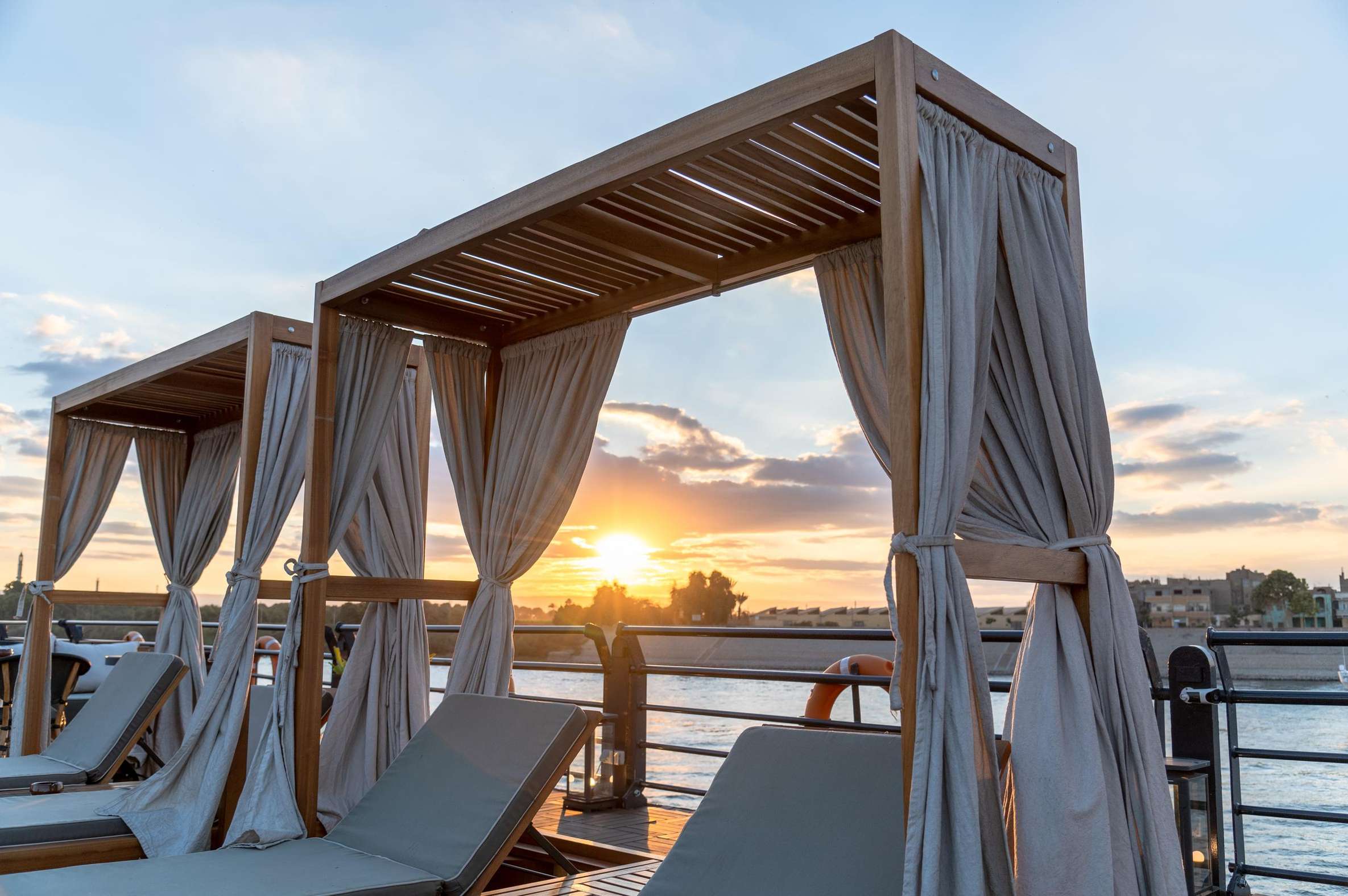
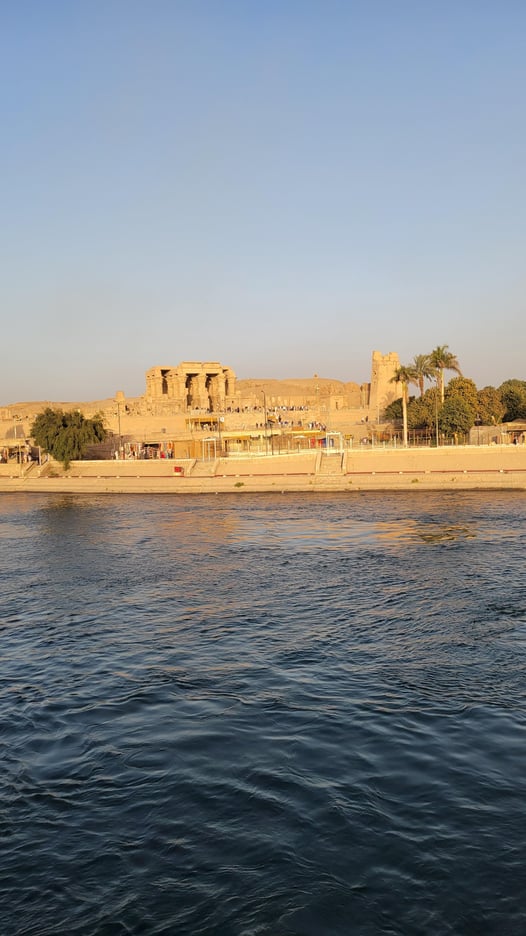
One day carries both riverside stops on the three-night route: Kom Ombo in the morning, Edfu in the afternoon. Kom Ombo is the easier of the two. Ships dock against the riverbank promenade, and a paved incline brings you to the temple doors in two to five minutes, no transport needed.
The temple is a twin sanctuary, built for two gods at once, crocodile-headed Sobek to the south and falcon-headed Haroeris to the north. Next door, the Crocodile Museum holds the mummified Nile crocodiles found on site.
Edfu takes more doing. The Temple of Horus sits inland from the mooring, and the transfer is a horse-drawn carriage, the caleche, waiting at the dock. On an organized excursion you are given a carriage number; hold on to it, because the same driver brings you back.
Hiring on your own, agree the round-trip fare up front and pay on return. Walking the road is not advised, and no ride-hailing apps operate here.
Mind the mooring rows here too: reaching the bank can mean passing through a neighboring ship.
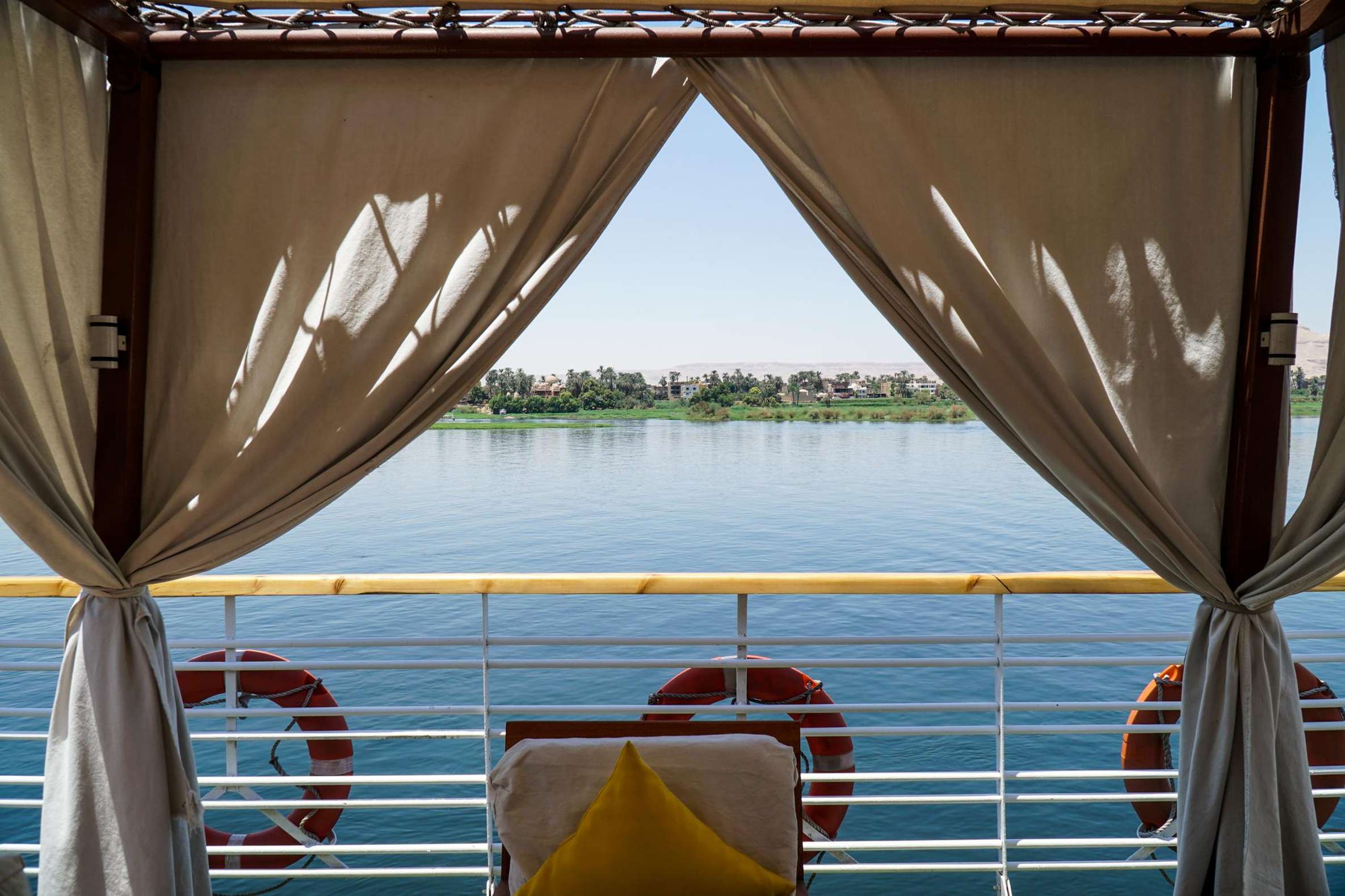
Somewhere between Edfu and Luxor, usually in the night, your ship stops. Every Nile vessel on this river must pass the same lock at Esna, and going downstream the chamber is emptied of water so the ship descends to the river level ahead.
Watching the walls rise past the deck rails is one of the trip's quiet spectacles, best taken from the top deck at midnight.
The wait is the variable. Queuing can add anything from under an hour to several hours on busy days, and every lost hour comes out of the time you have ashore in Luxor. The three-night route absorbs this better than most, because the Luxor sightseeing sits on the final full day with slack around it.
Two things tighten the window further. Before each winter season, one of the two locks closes for maintenance and all traffic shares the single open one.
Weekly and monthly servicing continues year-round, and repairs happen whenever a fault appears. None of this changes where you are going. It just decides whether Karnak gets three hours or two.
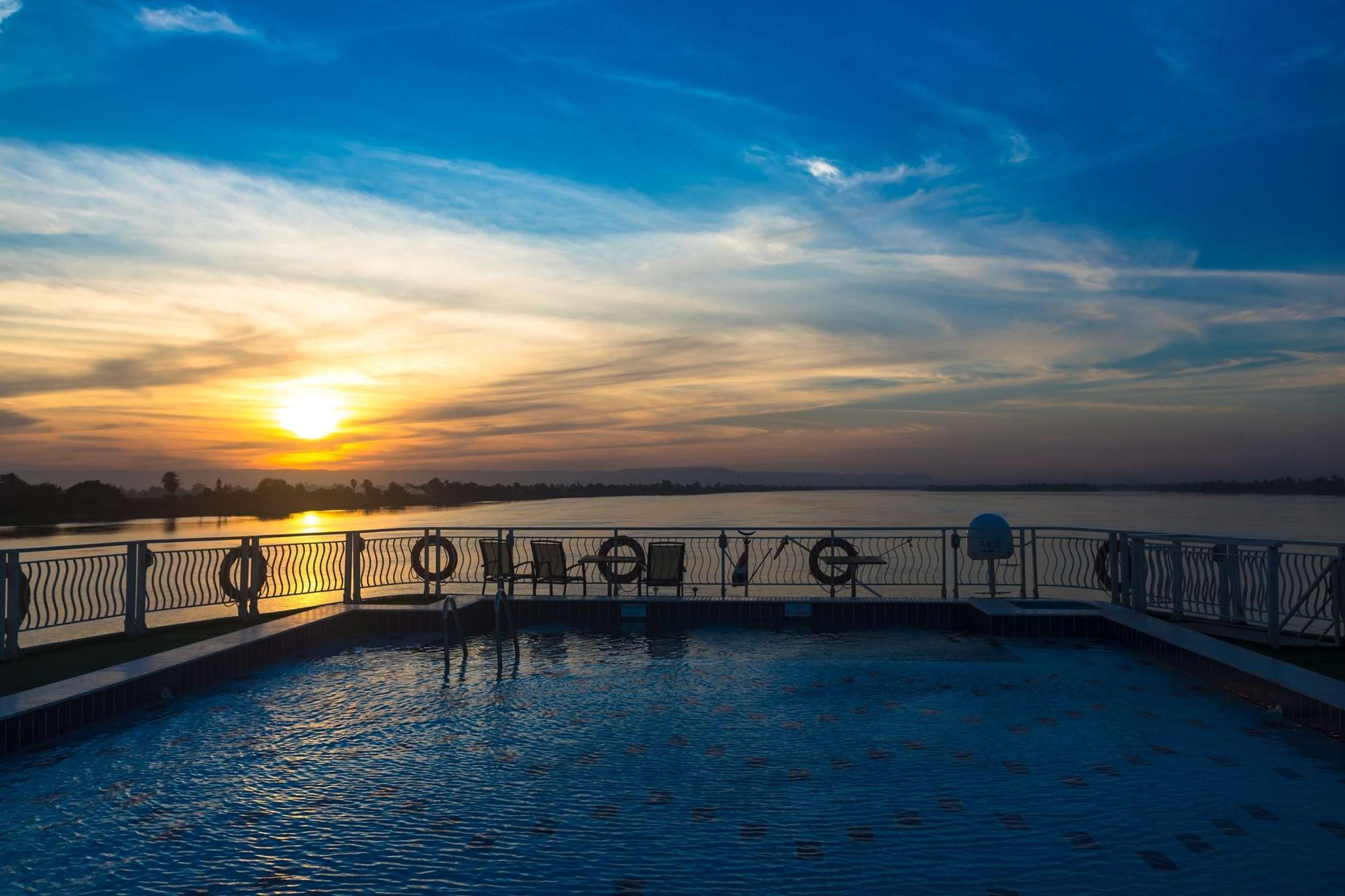
Disembarkation morning is the heaviest day of the cruise. On the three-night northbound itinerary, the West Bank comes first, before lunch, then the East Bank in the afternoon: Valley of the Kings and Hatshepsut at dawn, Karnak and Luxor Temple after.
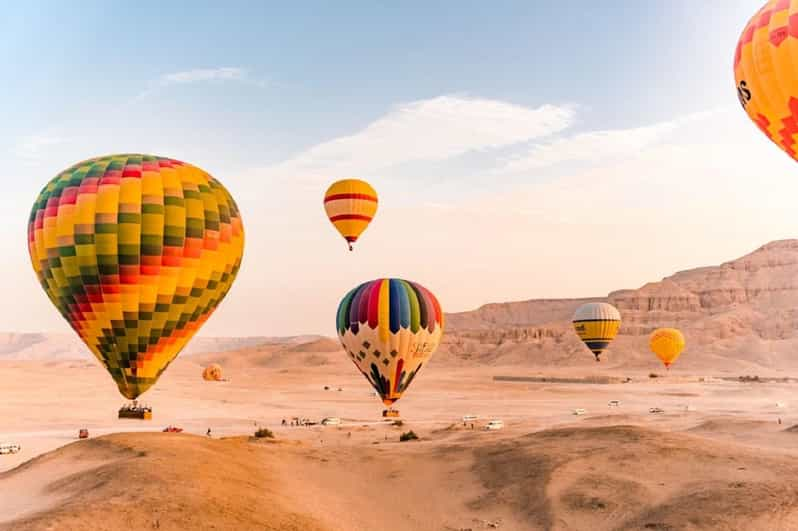
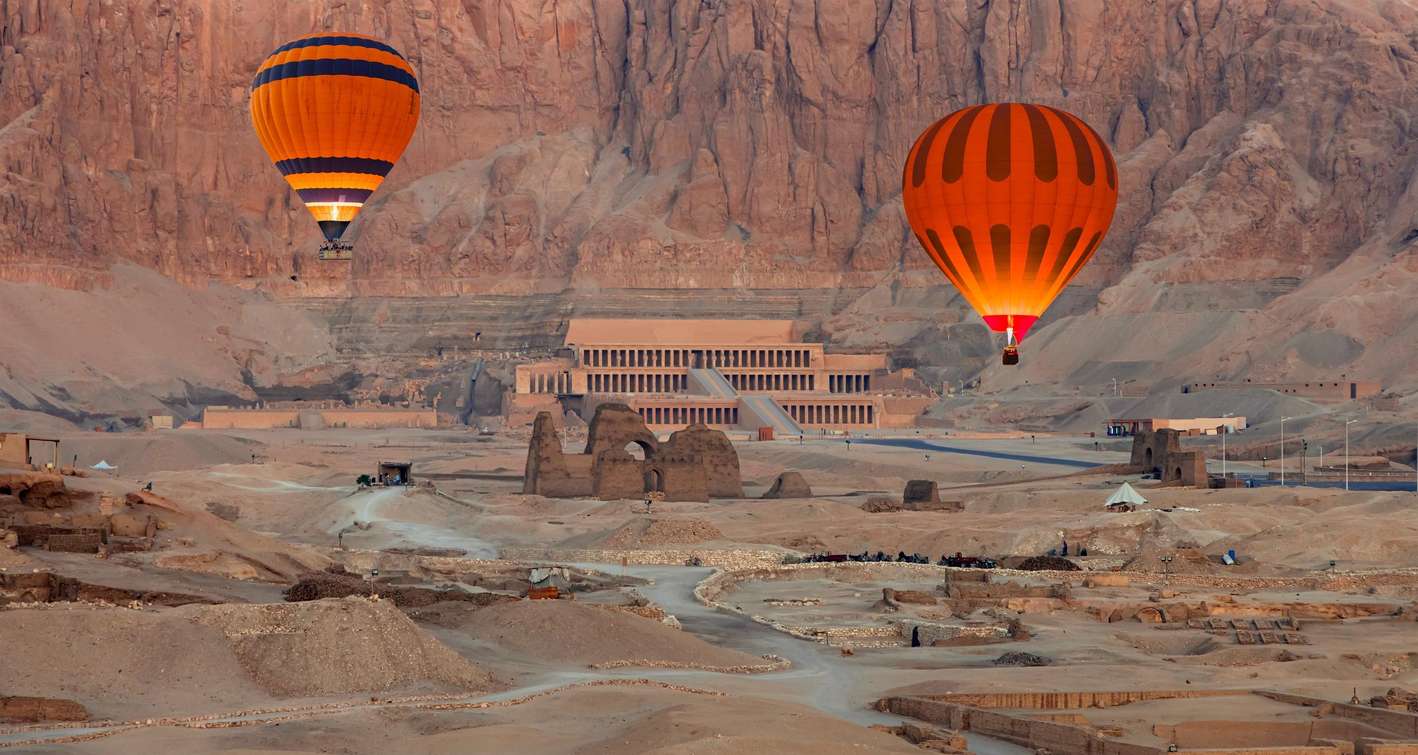
A balloon flight slots in ahead of it. Flights lift at dawn and travelers are back at their hotels around 8:30 am, so the ride fits neatly before the tombs.
Budget two to three hours door to door, of which 30 to 45 minutes are in the air. Wind or fog cancels it, and the day's sightseeing still runs.
The practical bits decide the morning. The Valley of the Kings and Karnak both open at 6 am, Karnak's last entry at 4 pm.
Buy the standard ticket and any extra tombs, Tutankhamun, Seti I, Ramses V and VI, online in advance at egymonuments.com, or use the self-service kiosk on site, which takes bank cards only. Phone photos are free in most open tombs, flash is banned, and tripods are turned away without a permit.
Tutankhamun's tomb drops sixteen steps, so leave the stroller at the ship.
Some travelers would rather cover the 214 km overland and skip the boat. The options split cleanly. Trains take about three hours, the fastest way, with express and VIP services running daily.
Buses match the timing at three hours on scheduled coach routes. A private car or taxi needs around five and a quarter hours of direct driving along the Nile.
The fourth option is the one worth naming: a guided transfer that turns the drive into the sightseeing, stopping at Kom Ombo and Edfu on the way, six to seven hours door to door. It is the overland version of the cruise day, minus the cabin.
Carry your physical passport in the vehicle. Checkpoints along the route ask foreign travelers for the original document, and photocopies are generally not accepted.
Tourism vehicles are regulated in your favor: speed limiters set at 90 km/h, GPS tracked in real time by the Ministry of Tourism, and regular technical inspections. Do not plan the drive at night, foreign governments advise against intercity travel after dark here.
It works. What it lacks is waking up on the river.
The itinerary covers the headliners, so spend your spare time on what it skips. First, Tutankhamun himself: the king's actual mummy rests in his original tomb in the Valley of the Kings, far from the Cairo museum displays.
And if you came from the pyramids, the tombs here are the counterargument, walls dense with paint, spells and detailed scenes where the pyramid interiors are bare.
Second, the Avenue of Sphinxes. You can walk its full restored length between Karnak and Luxor Temple without a ticket at all; only entering each temple costs its own separate admission, bought at the respective gates.
Third, the evening. Karnak runs a sound and light show with an English performance at 7 pm most nights. Regulars find it a bit stiff and say daylight visits beat it, so treat it as an optional extra.
And if the schedule stretches: two full days cover both banks properly, one each, and three days give Luxor real room. The cruise's single day is only a sampler.
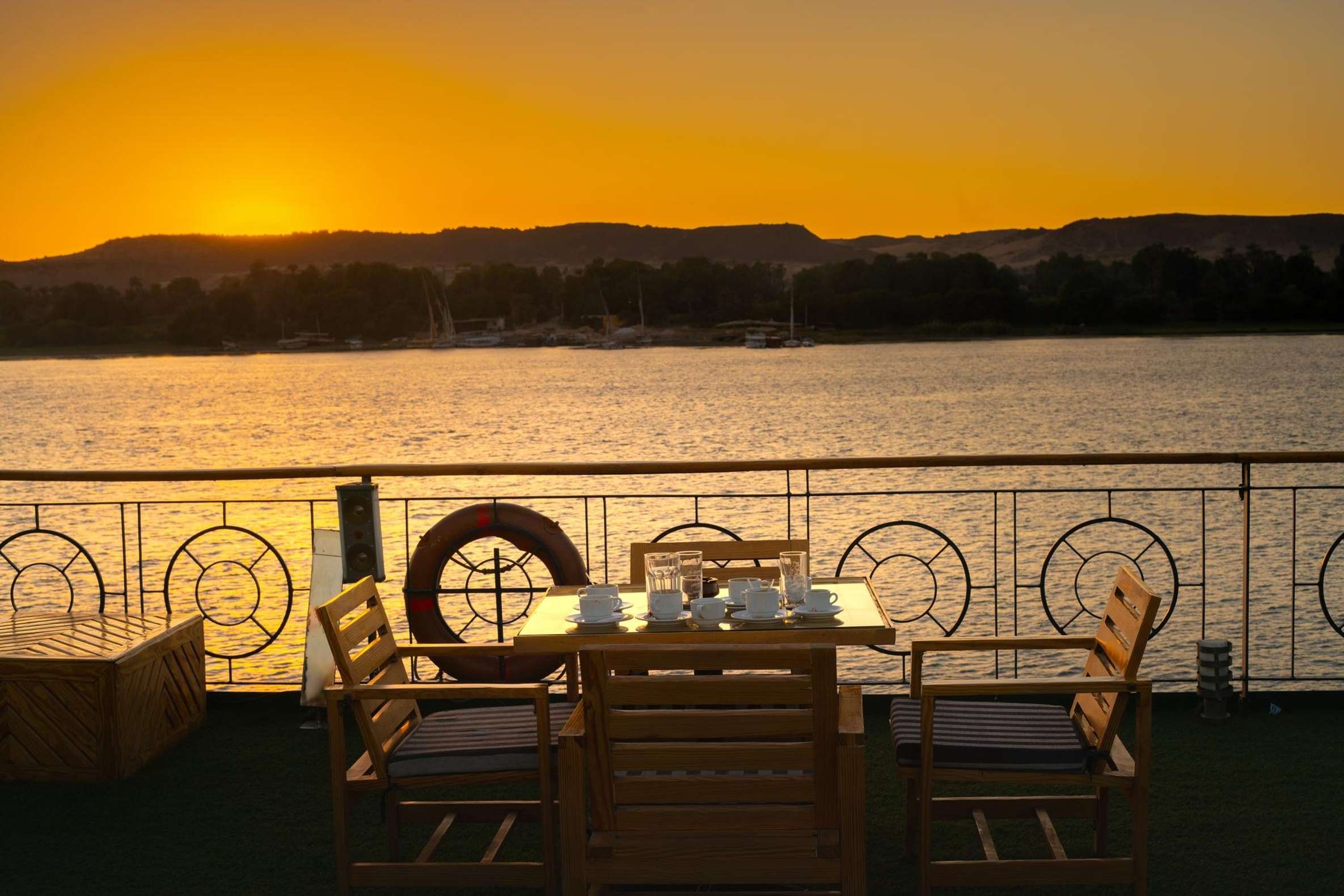
November is the month the river was built for. Daytime highs sit around 30°C with calm winds and near-zero rain, the most comfortable cruising weather of the year, and the reason it is also the busiest month on the water. Book such a sailing eight to twelve weeks ahead.
January and February are the quieter compromise, afternoons near 24°C, mild enough for long walks around open-air temples, with cool nights that want a fleece on deck.
May through September is the window to avoid. June to August pushes Luxor past 40°C regularly, and Aswan's exposed sites like Philae turn scorching enough to confine sightseeing to sunrise. The river empties accordingly, and commercial balloon flights are suspended from June through August.
November: 5 out of 5 for how busy it gets.
Tap a month to read it.
Read the calendar this way: a winter sailing trades crowds for comfort, a summer one trades comfort for near-empty decks and a very early alarm. April already touches 36°C. The sweet spot is short, and it fills first.
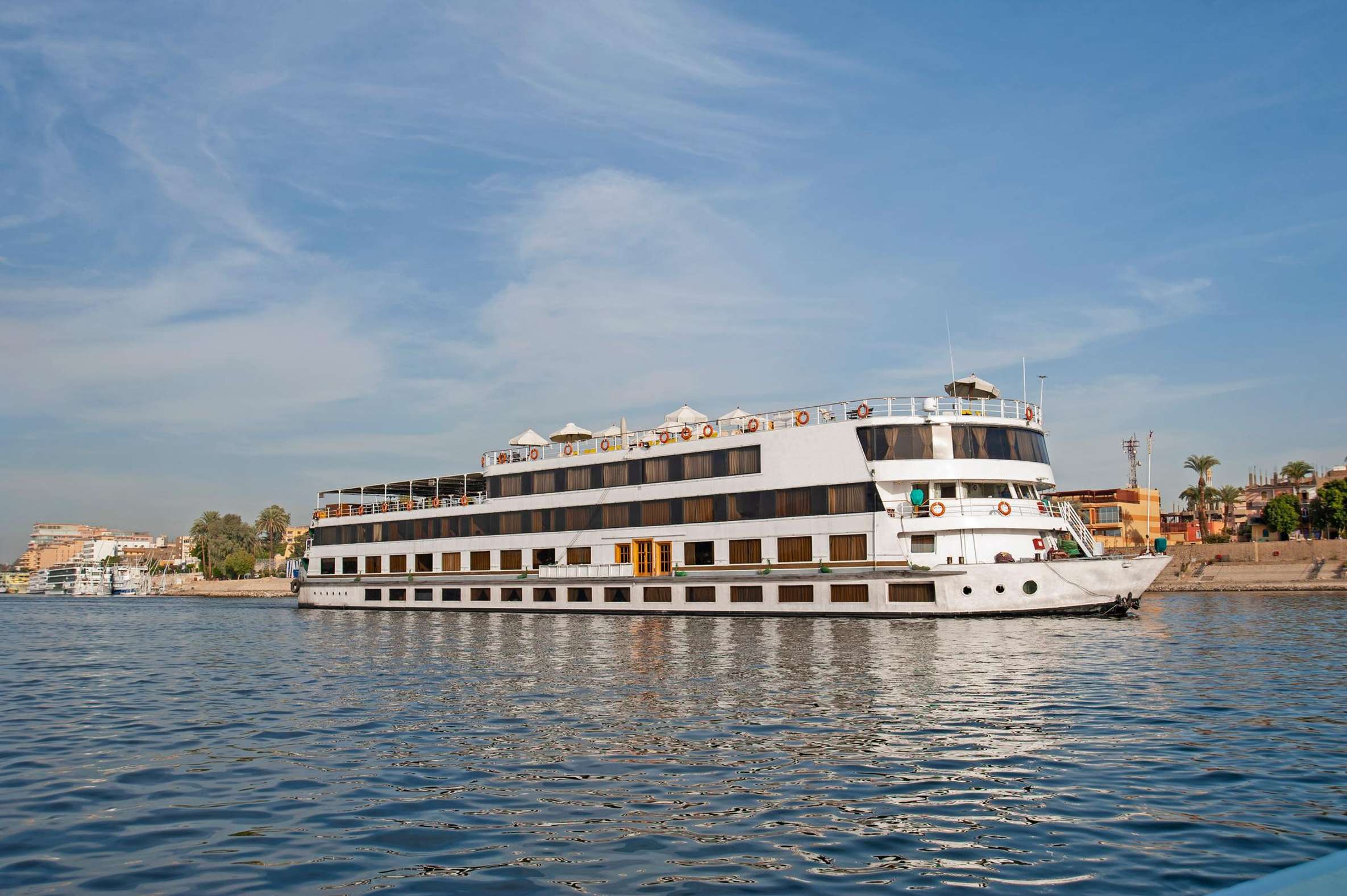
The bundle earns its keep on logistics. A package like Cairo: 4-Day Nile Cruise to Luxor with Balloon & Flights carries the flights both ways, transfers, the ship, an Egyptologist guide and the balloon in one booking, which is exactly the chain a missed link breaks.
Doing it independently means negotiating each piece, and the ship does not wait.
Know what the cabin price hides before you compare. Drinks, water included, are billed separately on full-board cruises. Entrance fees may be in or out depending on the package, and every monument gate now wants a bank card.
Tips for guides and drivers are a standing expectation in Luxor, so budget for them however you book.
| If this happens | What happens then |
|---|---|
| A delayed Cairo flight causes you to miss a confirmed connection | The airline rebooks you on the next available service or reroutes you at no extra charge, or refunds the ticket |
| The dawn balloon flight is grounded by wind or fog | Operators swap in alternatives such as a sunrise boat ride with breakfast, and the full Luxor sightseeing day still runs |
| Fog, dust or winds above about 12 knots stop river navigation | Boats hold until visibility and wind stabilize and the schedule shifts |
Book the package if you are new to Egypt or short on days. Drive the route yourself only if you already know the country and want the temples without the ship.
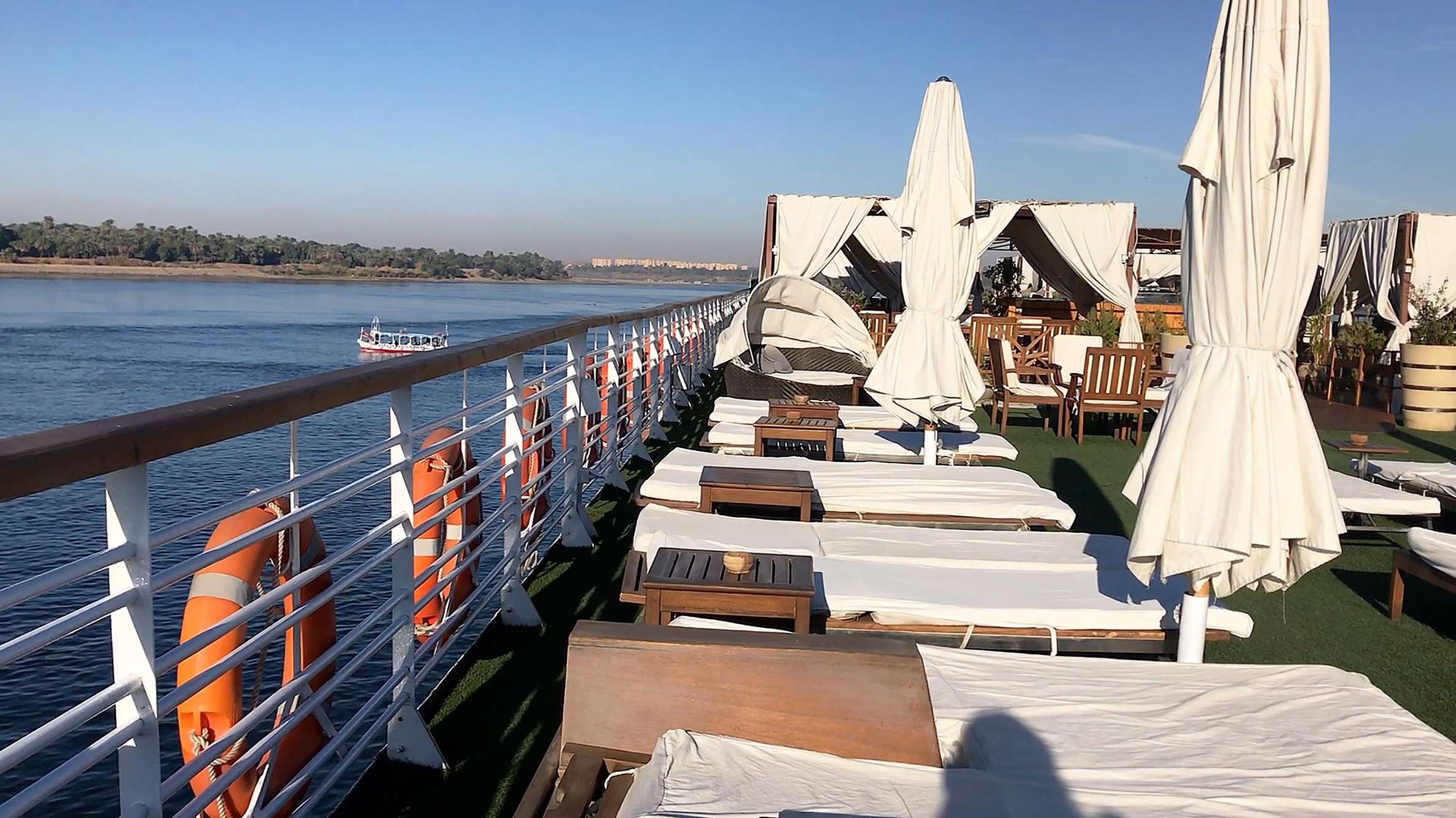
Take the packaged three-night cruise if Cairo is your base and the days are few: flights, transfers, guide, ship and balloon come under one booking, and the ship sails on time without you.
Go independent only if you have already traveled Upper Egypt and want Kom Ombo and Edfu by road, your own pace and no fixed cabin. Either way, the card, the visa and the pre-dawn Abu Simbel start are yours to arrange.
The downriver trip runs 3 nights over 4 days, usually as a 4-day, 3-night itinerary. Sailing with the current is the faster direction, so the same route upstream from Luxor takes 4 nights.
No. Cruising the full river from Cairo takes about two weeks, so short multi-day cruises start in Aswan or Luxor. Standard packages fly you south from Cairo to board the ship.
Ships sail north with the flow, so the route from Aswan to Luxor is the standard one. Downriver cruises reach Luxor sooner, which compresses the sightseeing into fewer days on the water.
On a 3-night cruise from Aswan, ships usually transit the Esna lock at night between Edfu and Luxor, so you can watch the chamber lower the ship to the river ahead or simply sleep through it.
Abu Simbel lies about 280 km south of Aswan, roughly 3 to 3.5 hours each way by road. Day tours leave between 3 and 5 am, most often around 4:30 am, and return by early afternoon, in time for the ship to sail.
At Kom Ombo, ships tie up along the riverbank promenade and you walk up a paved incline to the temple in two to five minutes. At Edfu, the boat moors on the west bank but the Temple of Horus sits inland, so you transfer by horse-drawn carriage or motorized transport.
Day 1 covers Aswan sights and boarding in time for lunch on board. Day 2 starts with the early Abu Simbel trip, then an afternoon stop at Kom Ombo. Day 3 combines Edfu in the afternoon with evening sailing toward Luxor, and day 4 tours Luxor's East and West Banks.
On the 3-night route, the Valley of the Kings, Hatshepsut, Karnak, and Luxor Temple all fall on one day, and Kom Ombo and Edfu share a single morning and afternoon. It is a full program, so the early starts matter.
Boarding is planned for late morning to early afternoon, in time for lunch on the first day. If you reach the dock earlier, crew look after you in the lounges until the cabin opens.
Full-board plans cover breakfast, lunch, and dinner daily. Drinks, including water, are billed separately, so budget for them at the bar.
Some cruise packages include all entrance fees and some exclude them, so check what your fare covers. Bring a bank card either way: Karnak and several other Upper Egypt sites no longer accept cash at the ticket office.
Ship Wi-Fi exists but is often slow, throttled, or sold as an extra, and signal fades on remote stretches of river. A local eSIM or SIM card gives you steadier data, and coverage returns when the boat nears towns like Kom Ombo, Edfu, Esna, and Luxor.
What changes when you sail from Cairo instead of Aswan, and which packages bundle the flights.
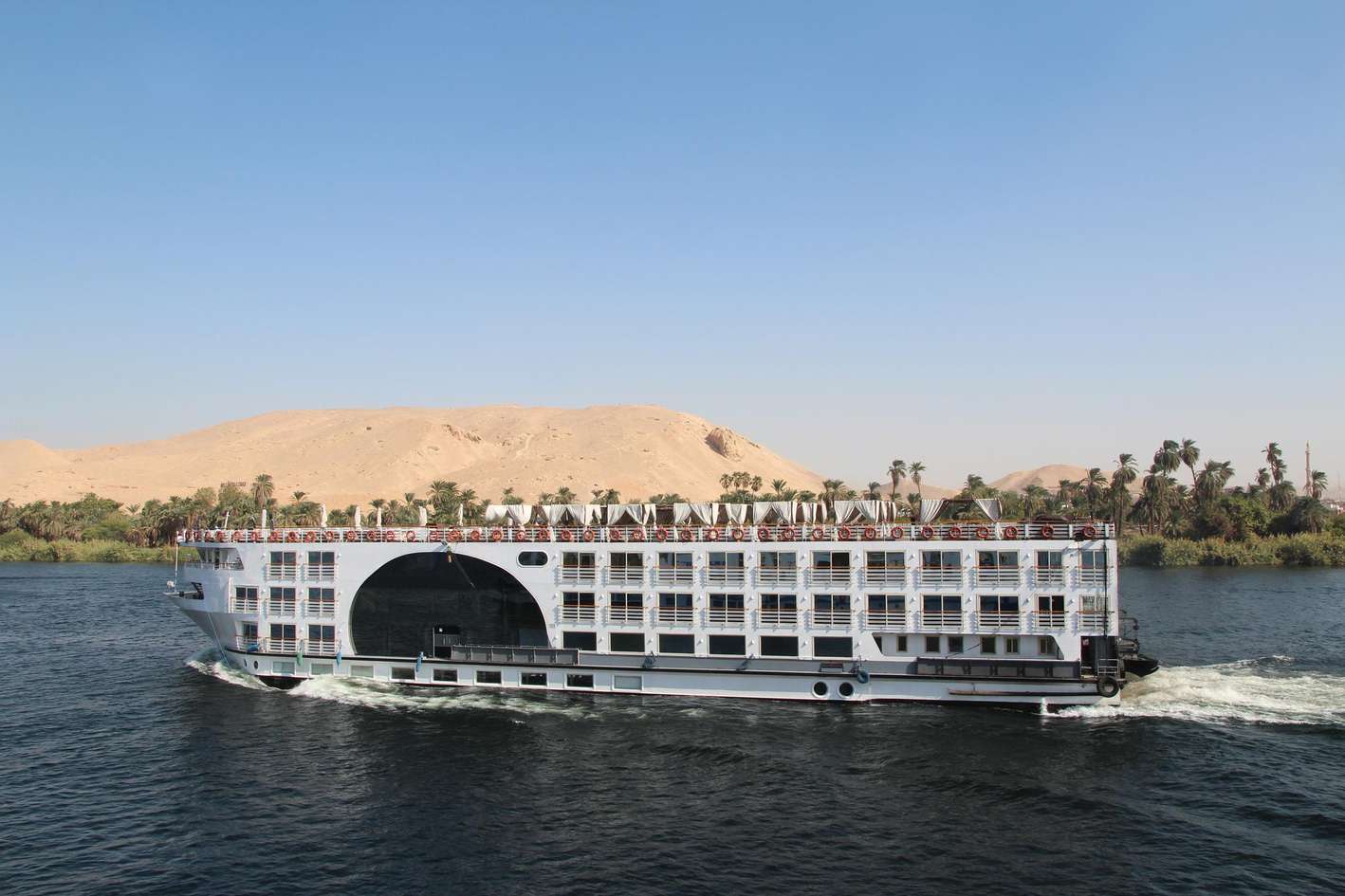
The Luxor-to-Aswan stretch in detail, including why the upriver sailing needs an extra night.
Whether ships ever sail the full Cairo-to-Aswan route, and what that two-week trip looks like.
One-day and one- to three-night sailings that fit a short stay in Cairo.
A two-hour evening on the water in Cairo, with dinner and live music, for a taste of the river.
If you only have one day, how a flight tour from Cairo covers Luxor's temples and tombs.
Day trips to Luxor straight from the Red Sea resorts, by plane or in a small group.
How the long day trip from Marsa Alam runs, and when to start to beat the heat.
Flying from Sharm el Sheikh to Luxor for a guided day among the tombs and temples.
Already docked in Luxor? See how an Aswan day trip to Philae and the High Dam works.
Add Abu Simbel to a Luxor stay: the route south, the early start, and the timings.
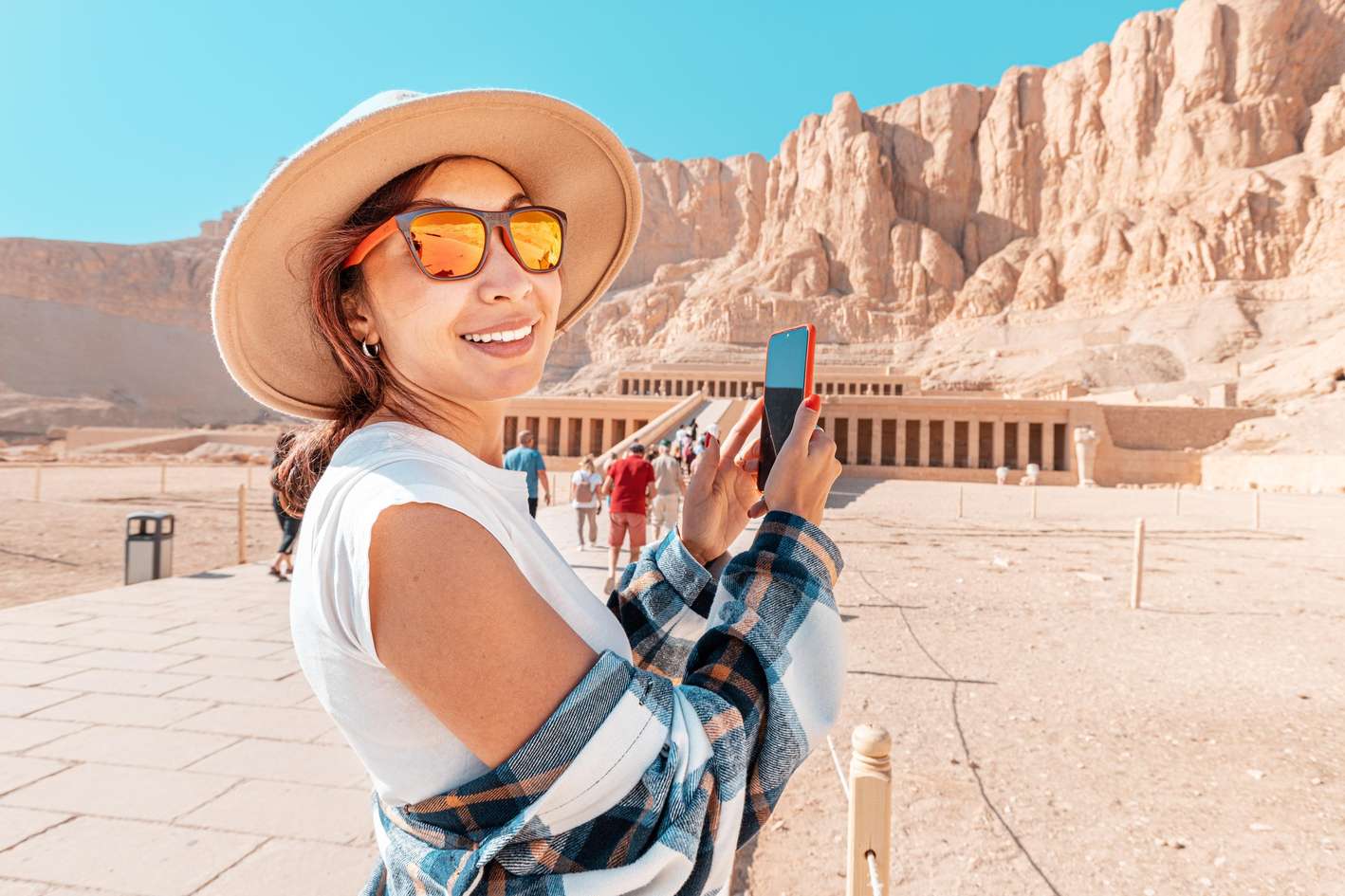
Flight, sleeper train or road: the honest comparison for getting from Cairo to Luxor.
Which airlines fly the Cairo-Luxor route, when the planes leave, and how long they take.
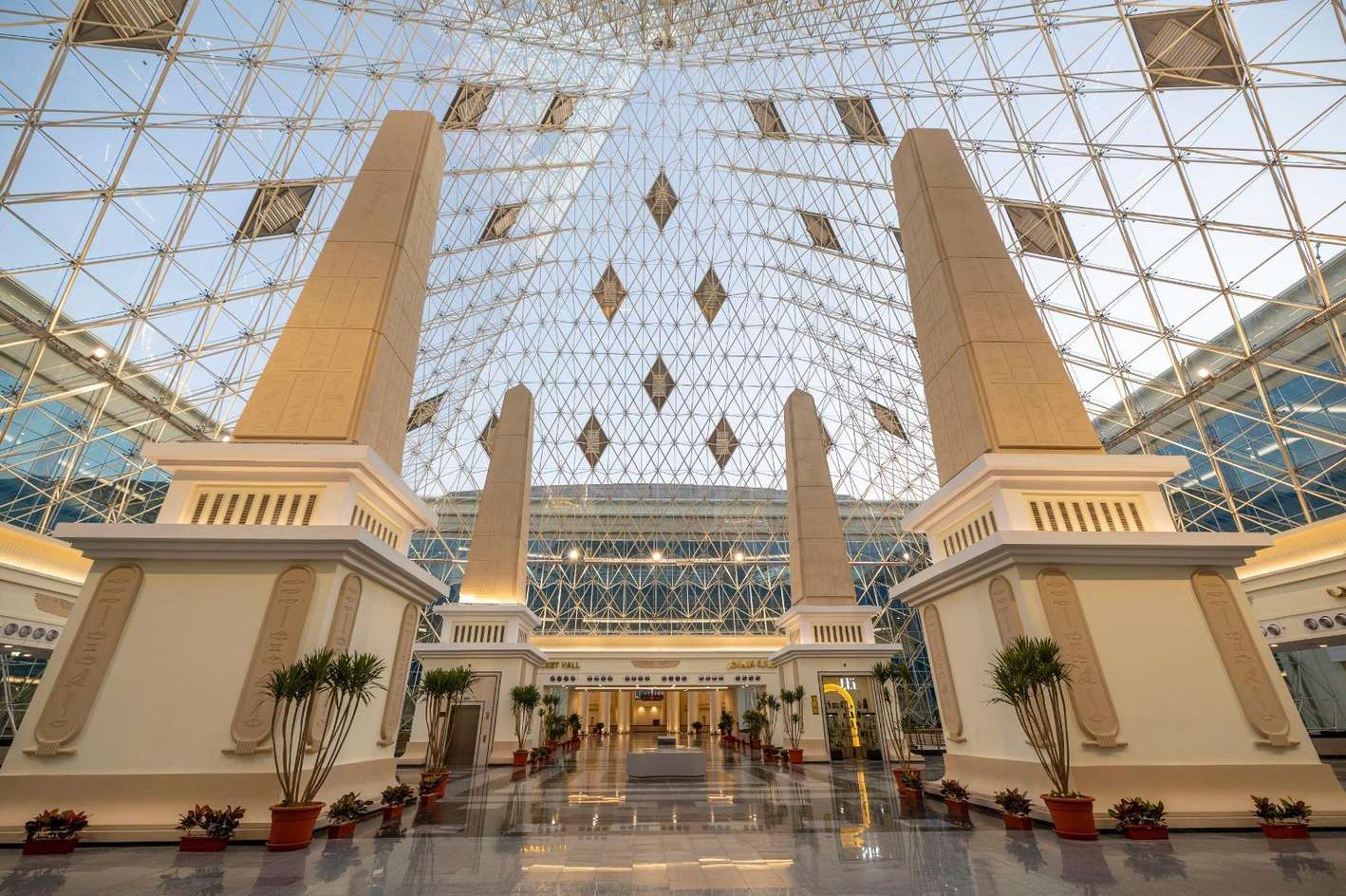
The overnight sleeper train to Luxor: cabins, schedules, and how booking works.
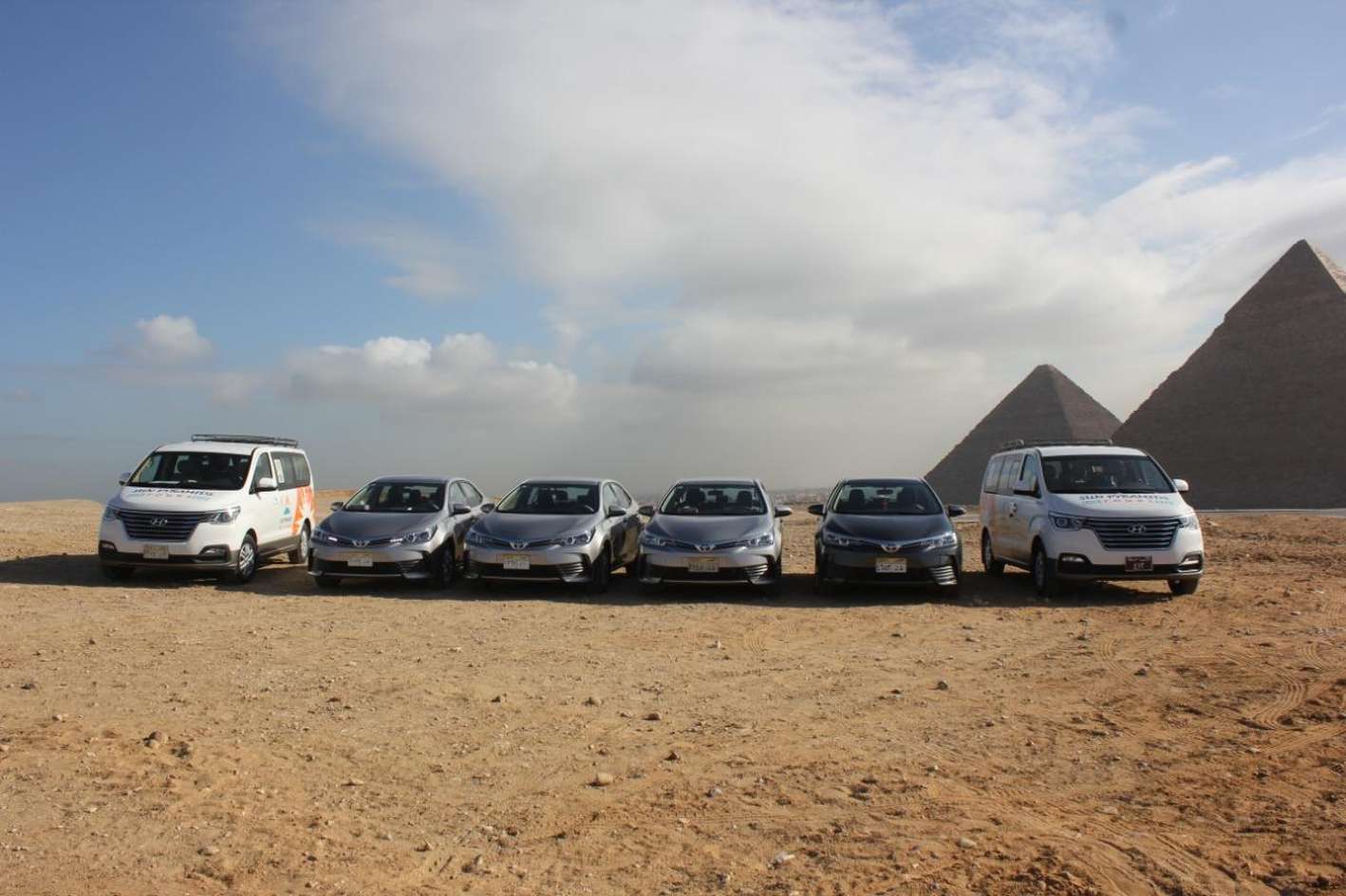
When a private car transfer between Cairo and Luxor makes sense, door to door.
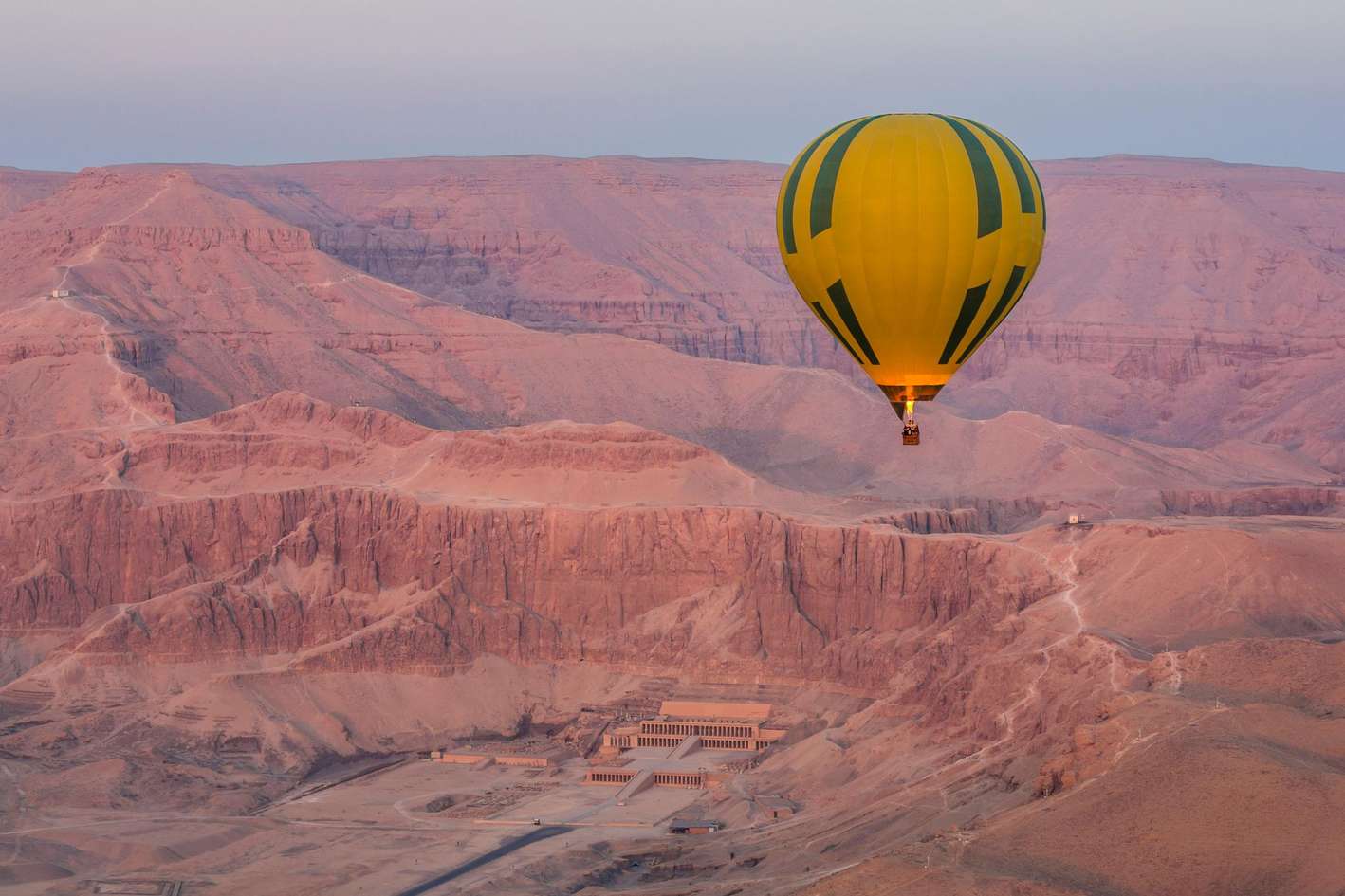
The sunrise balloon flight over Luxor's West Bank: how to book and what it costs.
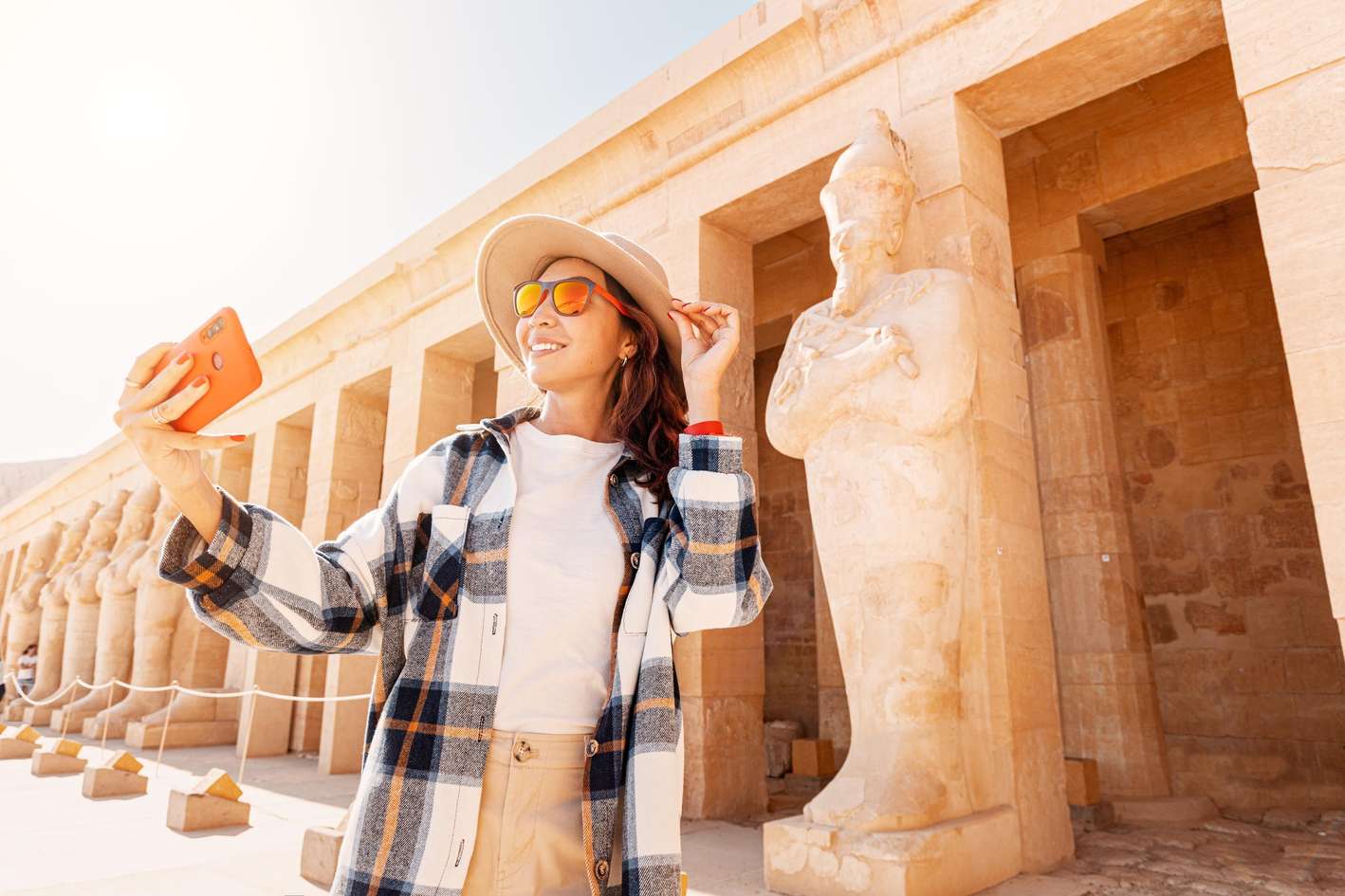
Karnak Temple in depth: opening hours, ticket rules, and the evening sound and light show.
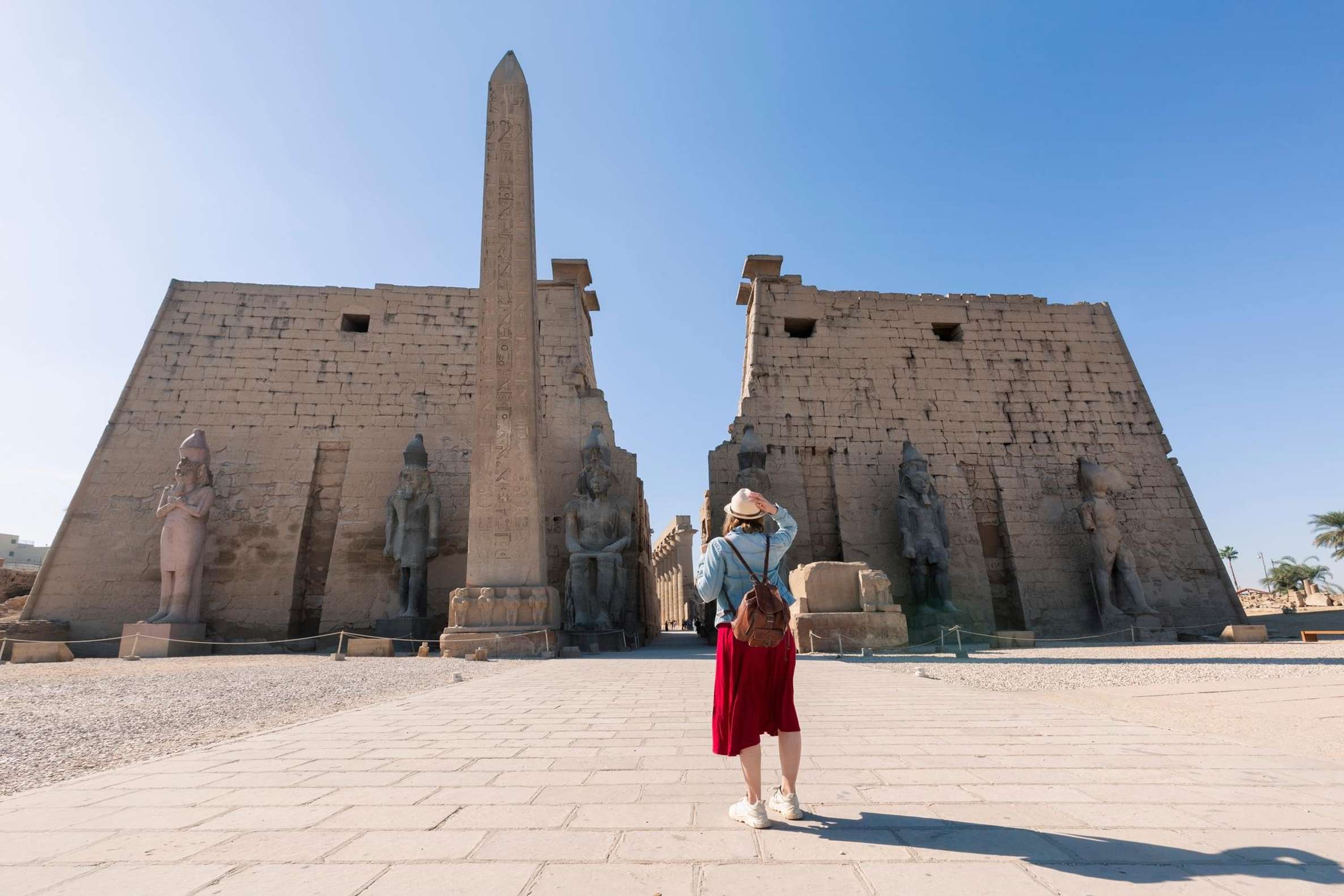
Book this 4-day Nile cruise from Aswan to Luxor with flights, full board and the sunrise balloon over Luxor, and cancel free up to 24 hours before you sail.