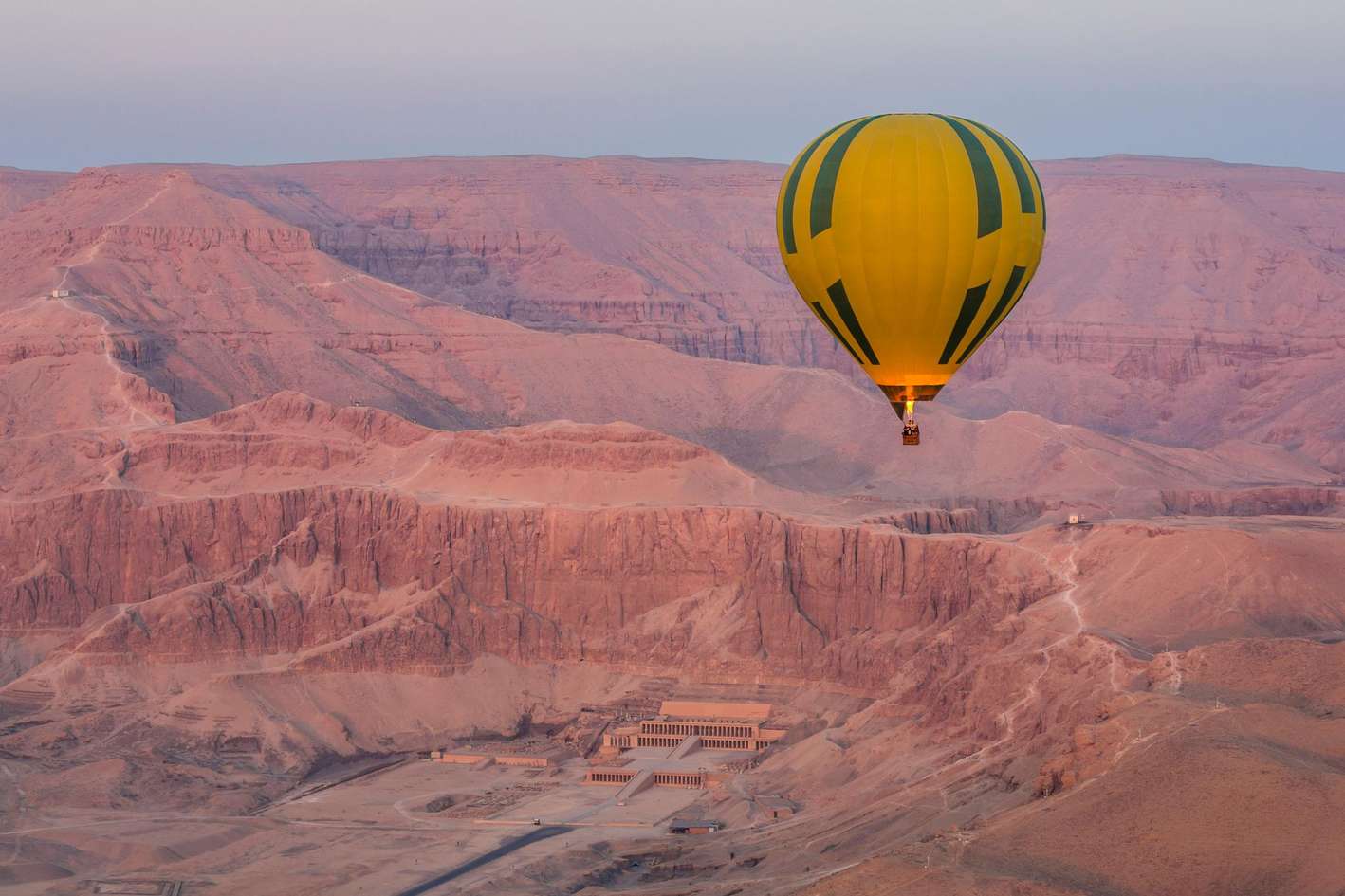
4.31,989 walked the Valley of the Kings before the tour buses
Luxor Day Tour from Cairo Full-Day, Half-Day and Temple Tours
See Luxor in one day, not one week of logistics. Fly south with a private guide, entrance fees, lunch and every transfer included, from hotel pickup before sunrise to the temples of both banks. Pick a day tour from Cairo and let the flights, tickets and timing be handled.
"Beautifully organized tour. Driver picked us up for all the Luxor monuments. Our guide Asma was fantastic, she looked after me when dehydration hit while still showing the group everything.."
4.3★average rating1,989traveler reviews100%free cancellation66countries travelers came from
Choosing your Luxor Day Tour - A quick start
A Luxor day tour from Cairo comes in two shapes: a one-day flight trip that packs both banks of the Nile into a single long day, or an overnight trip by train or plane that spreads the same sights over two or more days. The flight day suits travelers with one free day in Cairo. The overnight versions suit anyone who wants a slower pace and a night on the ground.
PassportBring your actual passport. Egypt requires it to be valid for at least six months from your arrival date, and you will need it for domestic airport security.
VisaA full Egyptian tourist visa covers travel to Luxor. A Sinai-only entry stamp does not allow travel there, so visitors arriving through Sinai resorts need the full visa.
DocumentsMost flight tours ask for copies of passports or passport numbers in advance, sometimes up to two days before departure, so the operator can book the seats.
CardsEntry gates at Karnak, Luxor Temple, Hatshepsut's temple, and the Valley of the Kings now take bank cards only, so carry a card as well as cash.
BookingSome flight tours need at least 48 hours notice to secure seats, and one operator cancels with a full refund if the flight fills up.
TimingPickups for flight day trips can start as early as 3:30 am, with the return flight landing you back in Cairo late at night.
DressTemples have no formal dress code, but modest clothing covering shoulders and knees fits local custom and protects against the sun.
TippingGuides and drivers expect a tip at the end of the day, so keep a stack of small Egyptian pound notes.
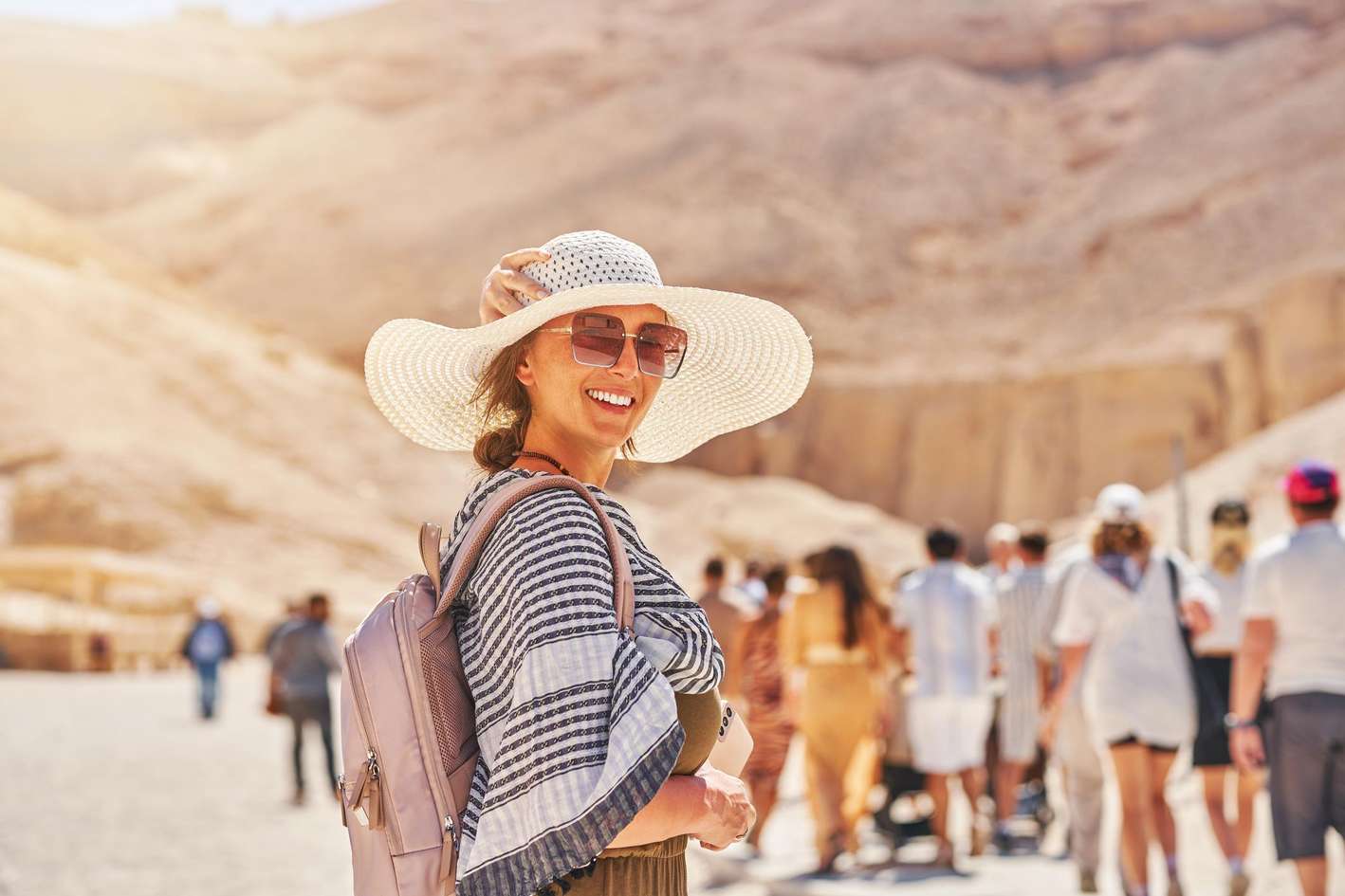
SunPack a hat, sunglasses, high-factor sunscreen, and closed walking shoes for sandy and uneven temple ground.
DronesLeave drones behind. Egypt prohibits them entirely, and customs confiscates unauthorized drones on arrival.
Picking a day tour in Luxor that fits your trip
Answer a few quick questions and get the tour that matches your day.
1Who's coming?
2What's your budget?
3What kind of trip?
Your best match
match
Cairo: Private Luxor Day Tour with Entrance fees by Flights★ 4.5 (832) · 15 hours
Solo travelers, families with kids, friends and couples. 93% of solo travelers and 90% of families gave it 4 or 5 stars.
Booked 4 times yesterday
The most complete day: flights, entry fees, lunch and a felucca ride all included.
documentA physical passport is required from every traveler on a Luxor day tour, both to board the domestic flight and to buy entry tickets at the sites.
Check that your passport is valid for at least six months from arrival in Egypt, and carry the original, since checkpoints accept no photocopies. Send full names and passport copies to the tour operator in advance, as they need them to book the flights.
Luxor Day tours by plane, train and cruise, compared
Most popular
10 hours·English, Spanish
4.4(287)
From Cairo: Private All-Inclusive Tour of Luxor by Plane
The busiest choice among these flight tours, with 271 reviews and a 4.4 rating, and the lowest starting price at 420.
Enjoy a private guided tourVisit Luxor and Karnak TempleVisit Valley of Kings
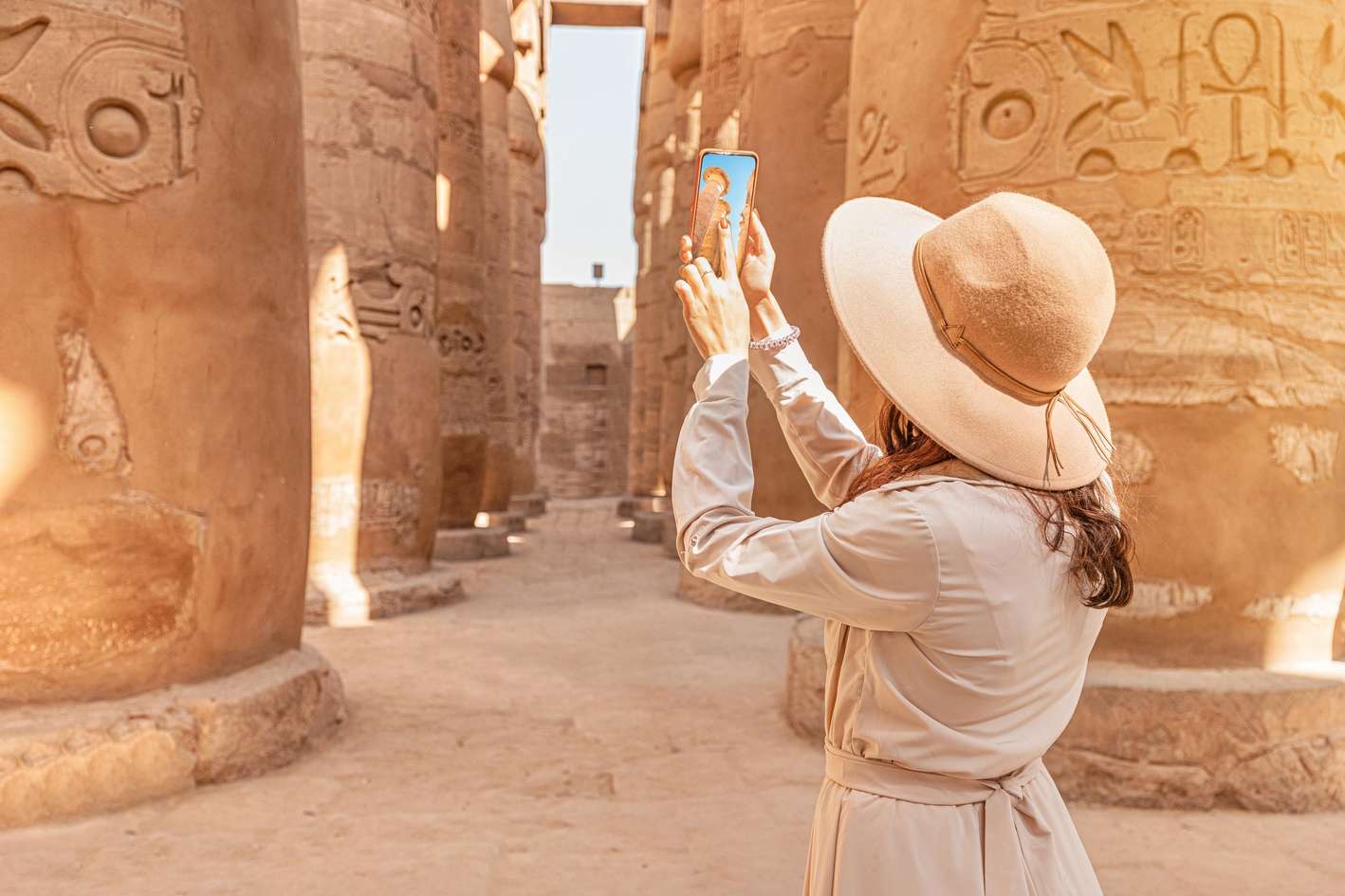
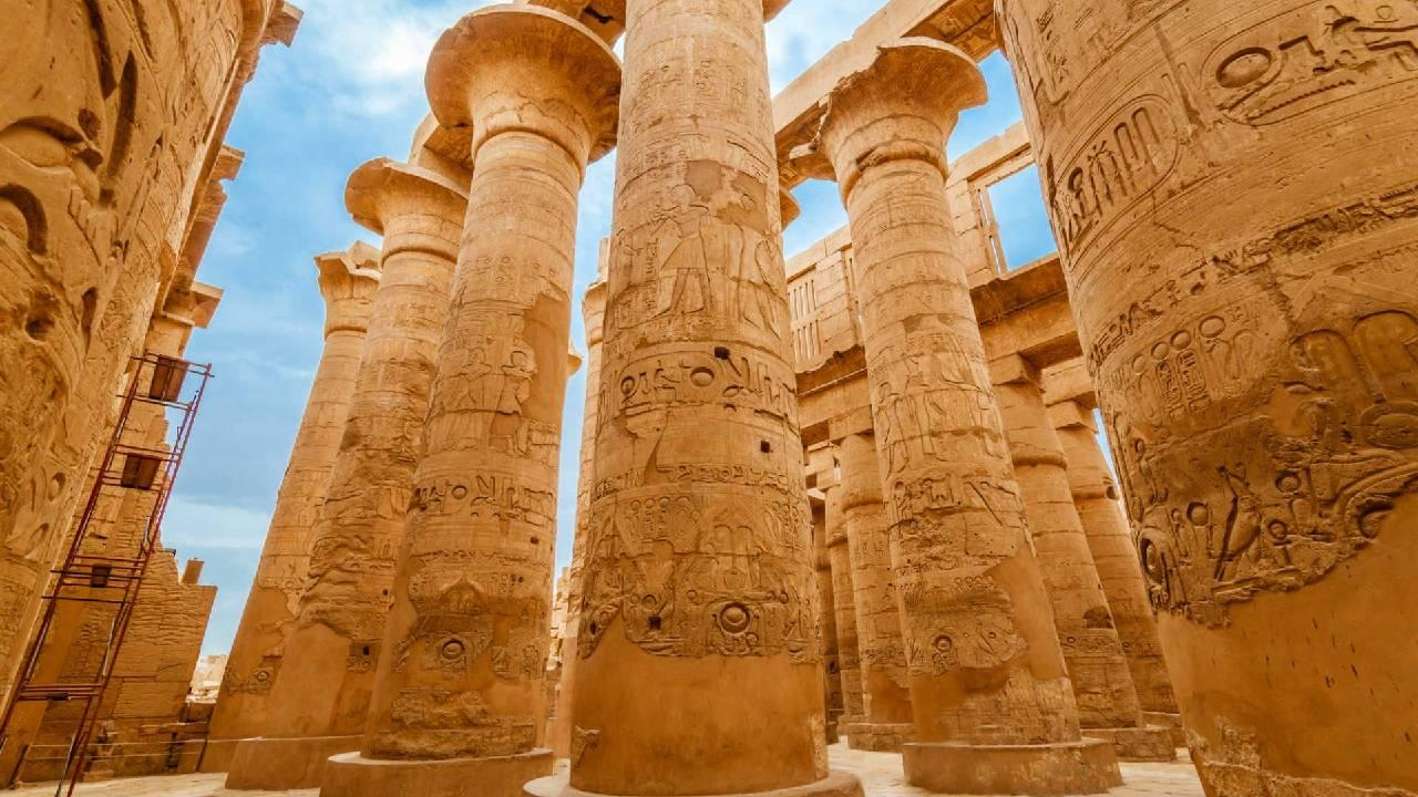
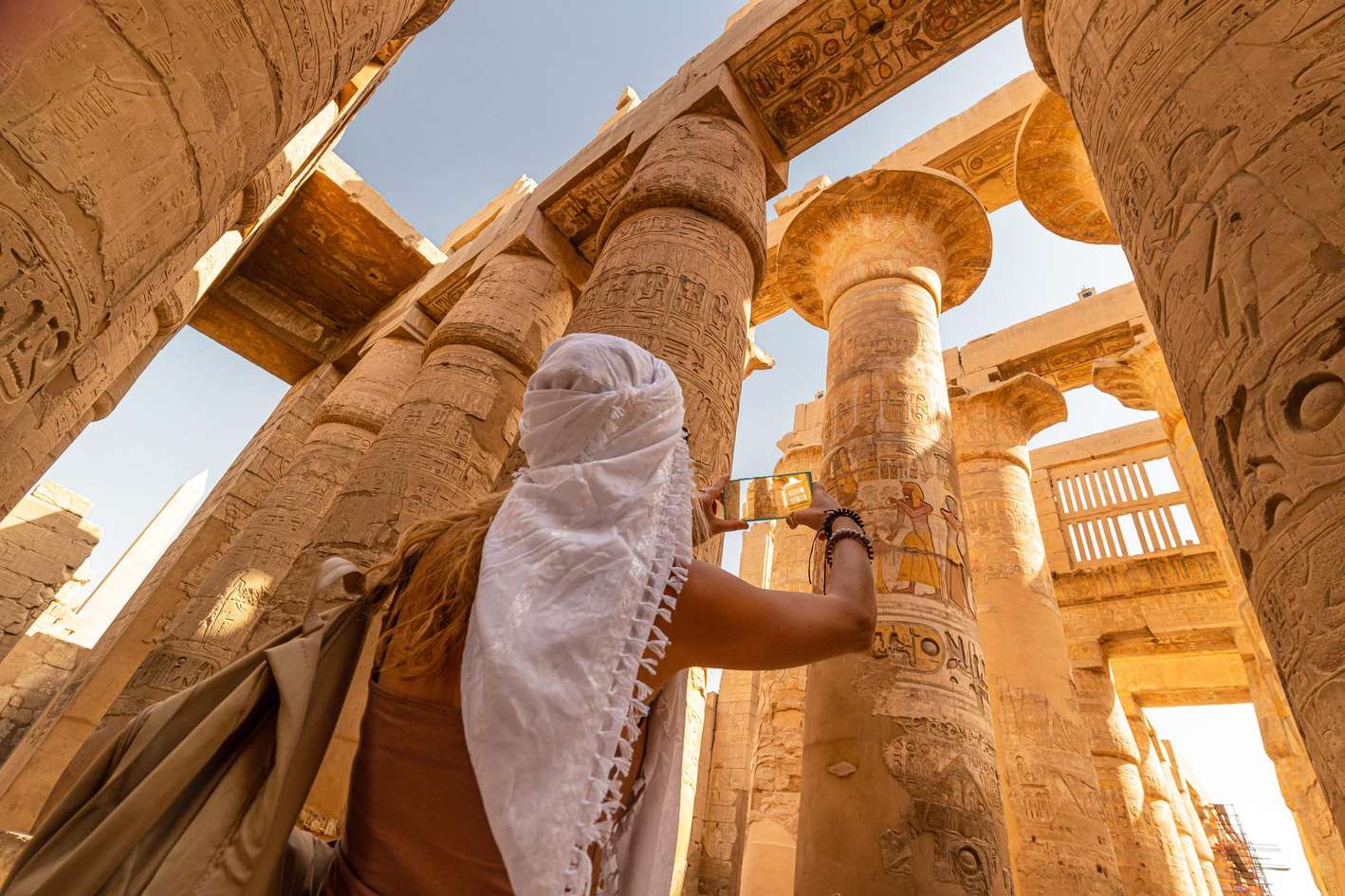
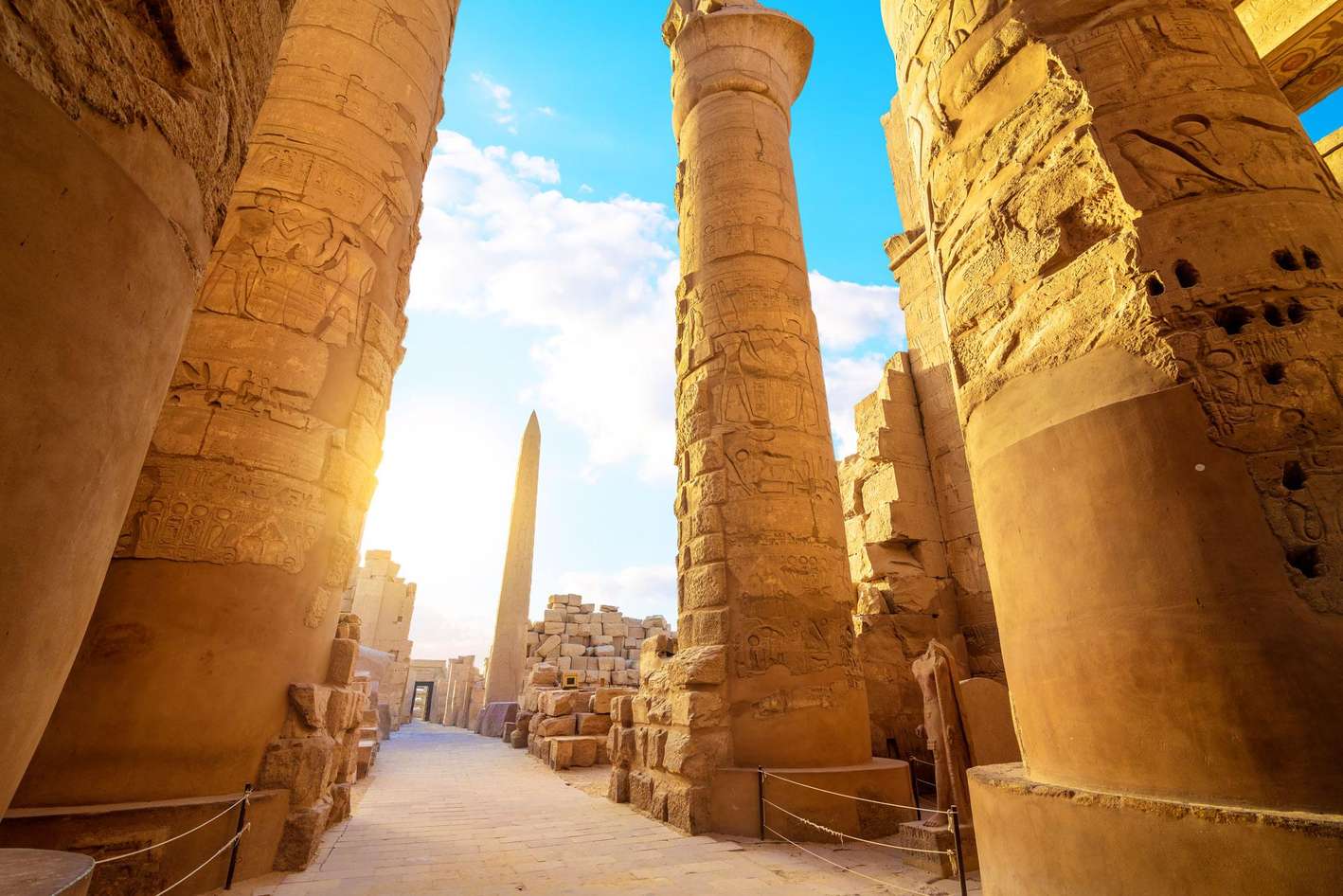
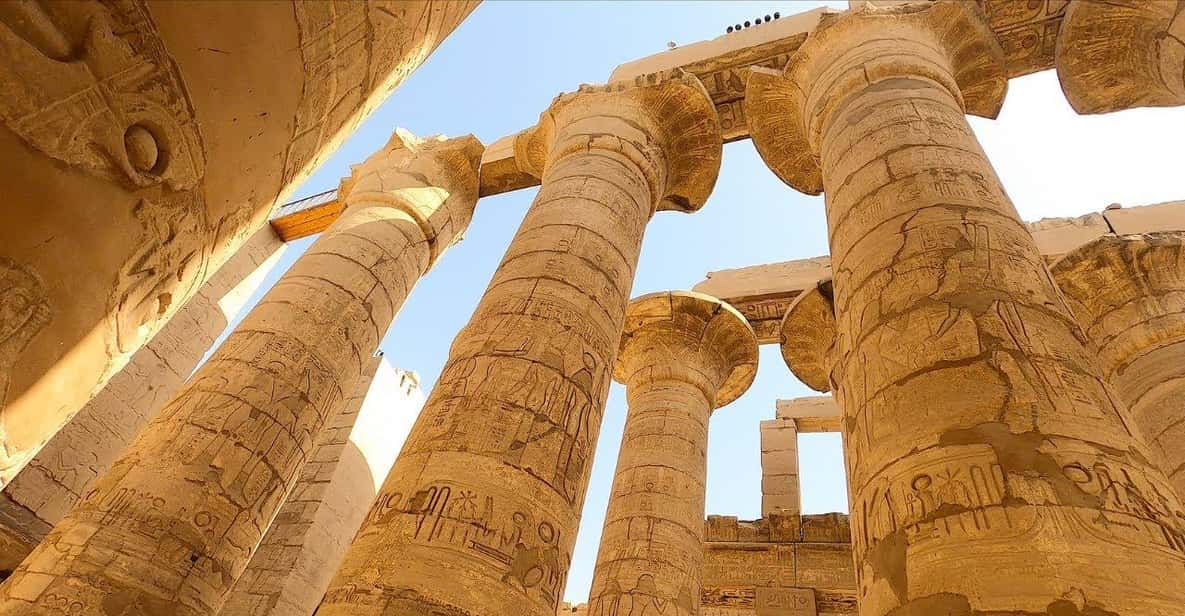
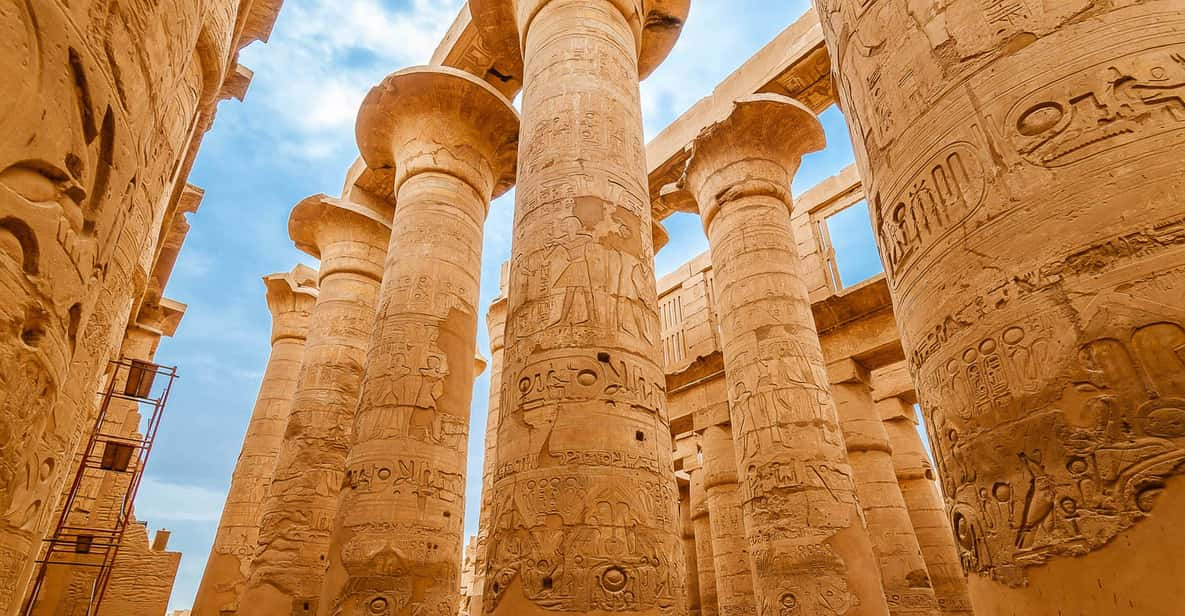
On a private full day tour in Luxor, an Egyptologist guide and driver work to your own pace instead of a coach timetable. You decide how long to linger in the painted tombs of the Valley of the Kings, how much time Karnak's Hypostyle Hall deserves, and where lunch fits.
It suits travelers who know what they want to see, families with slow walkers, and anyone who wants a guide's full attention for the day.
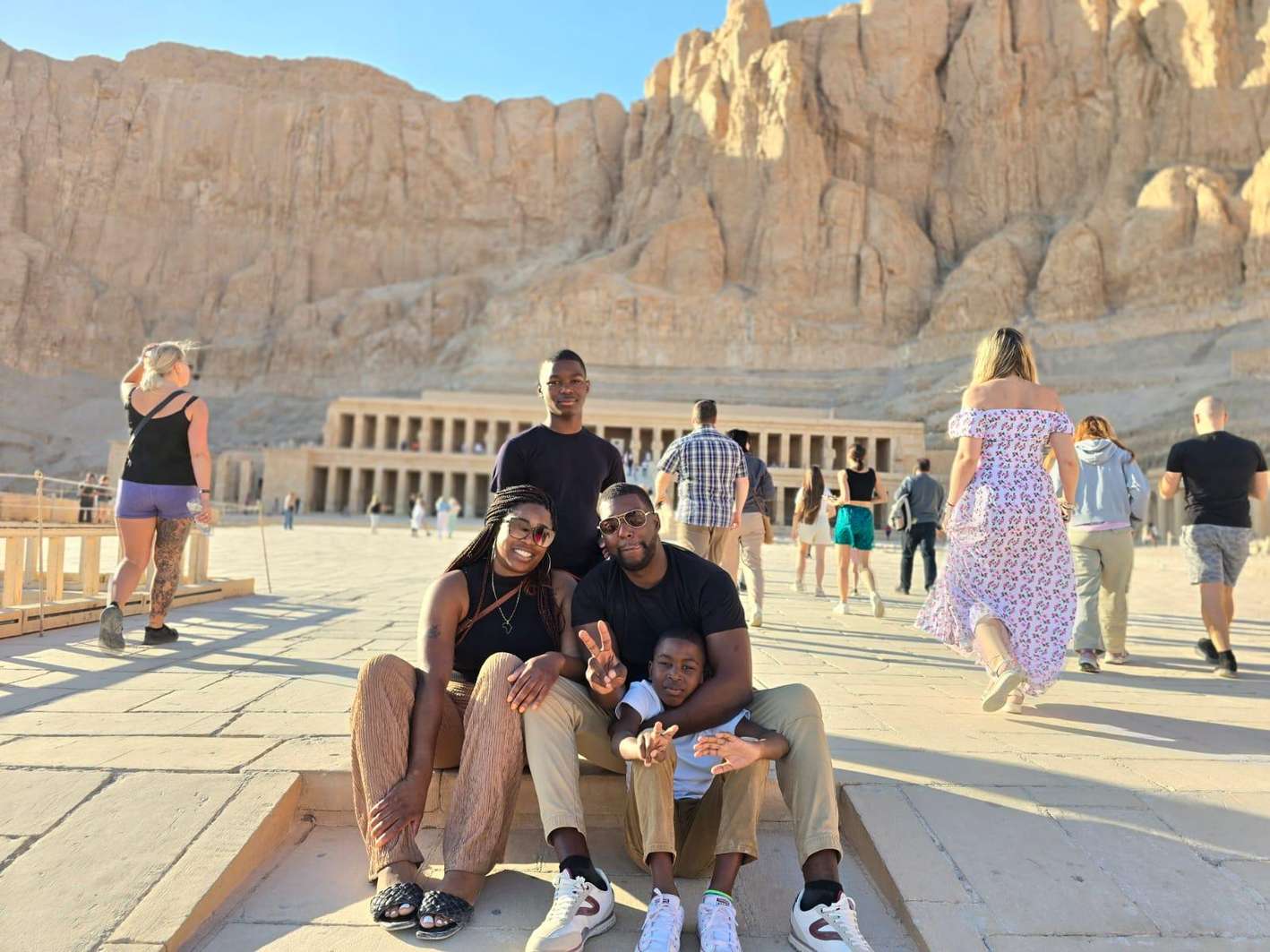
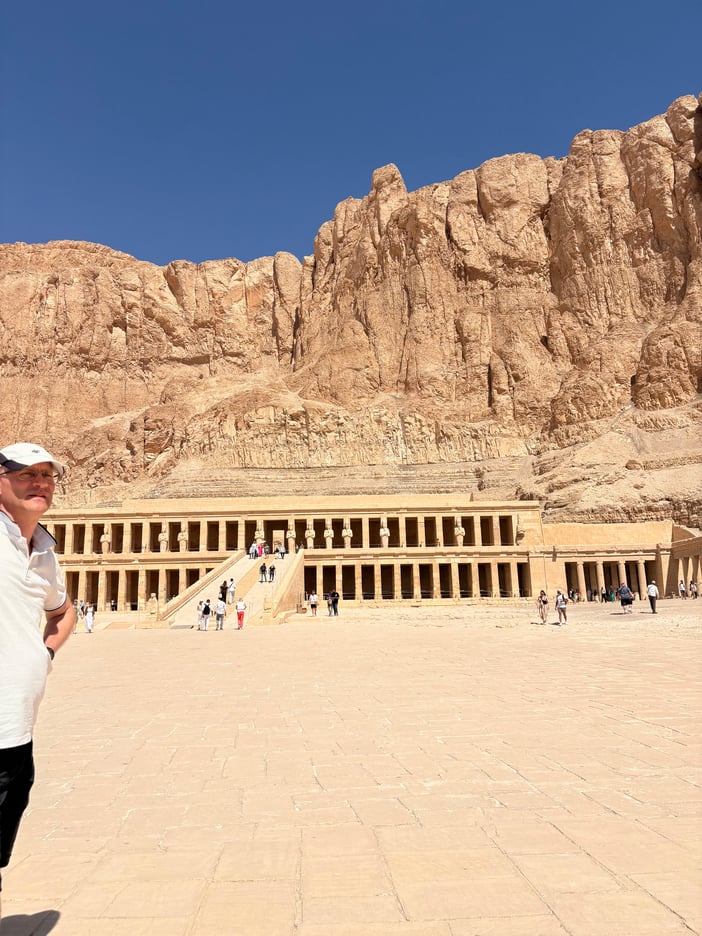
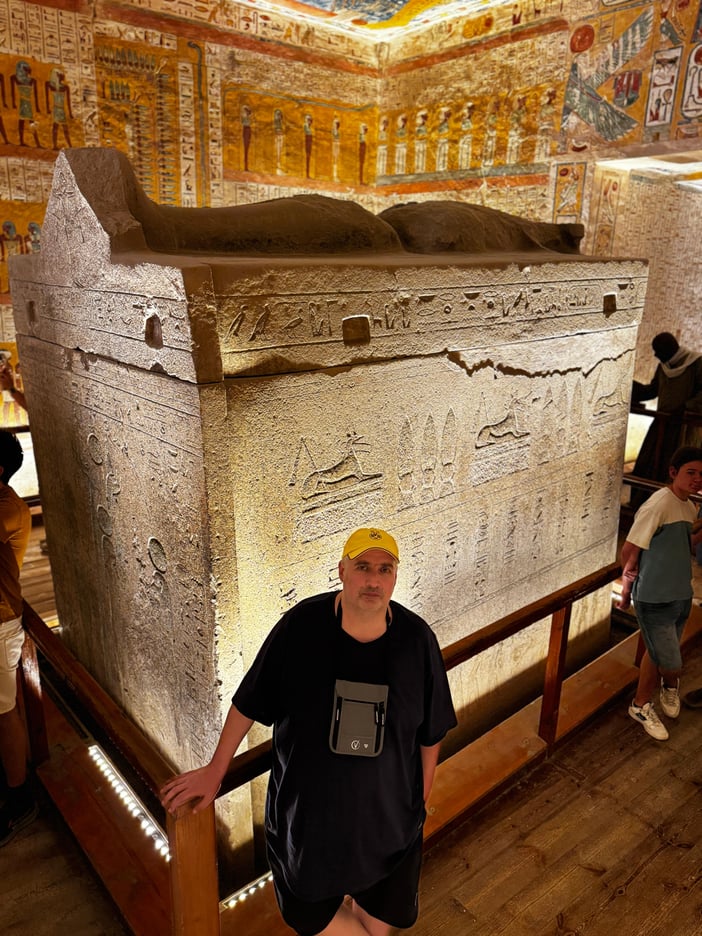
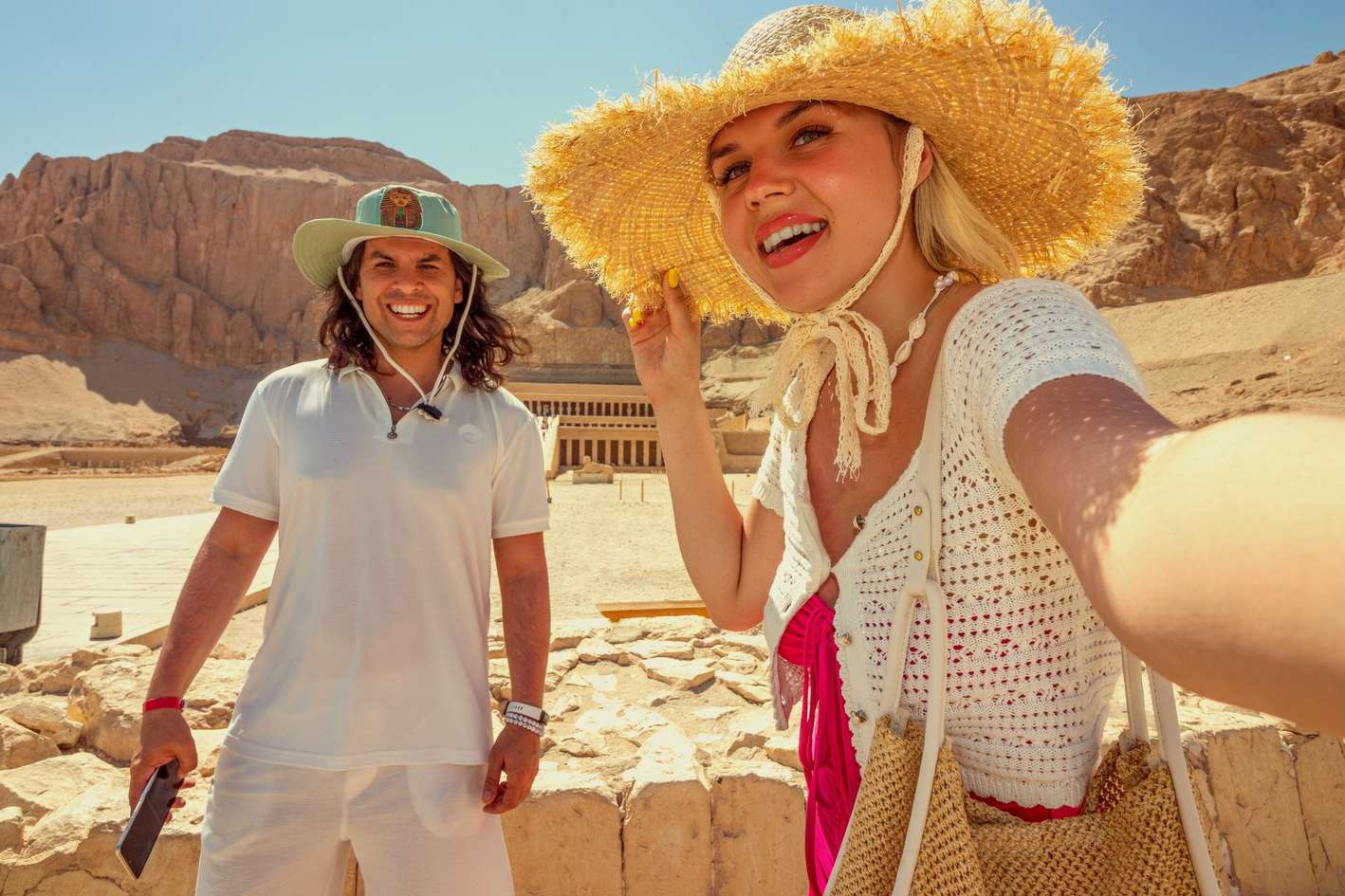
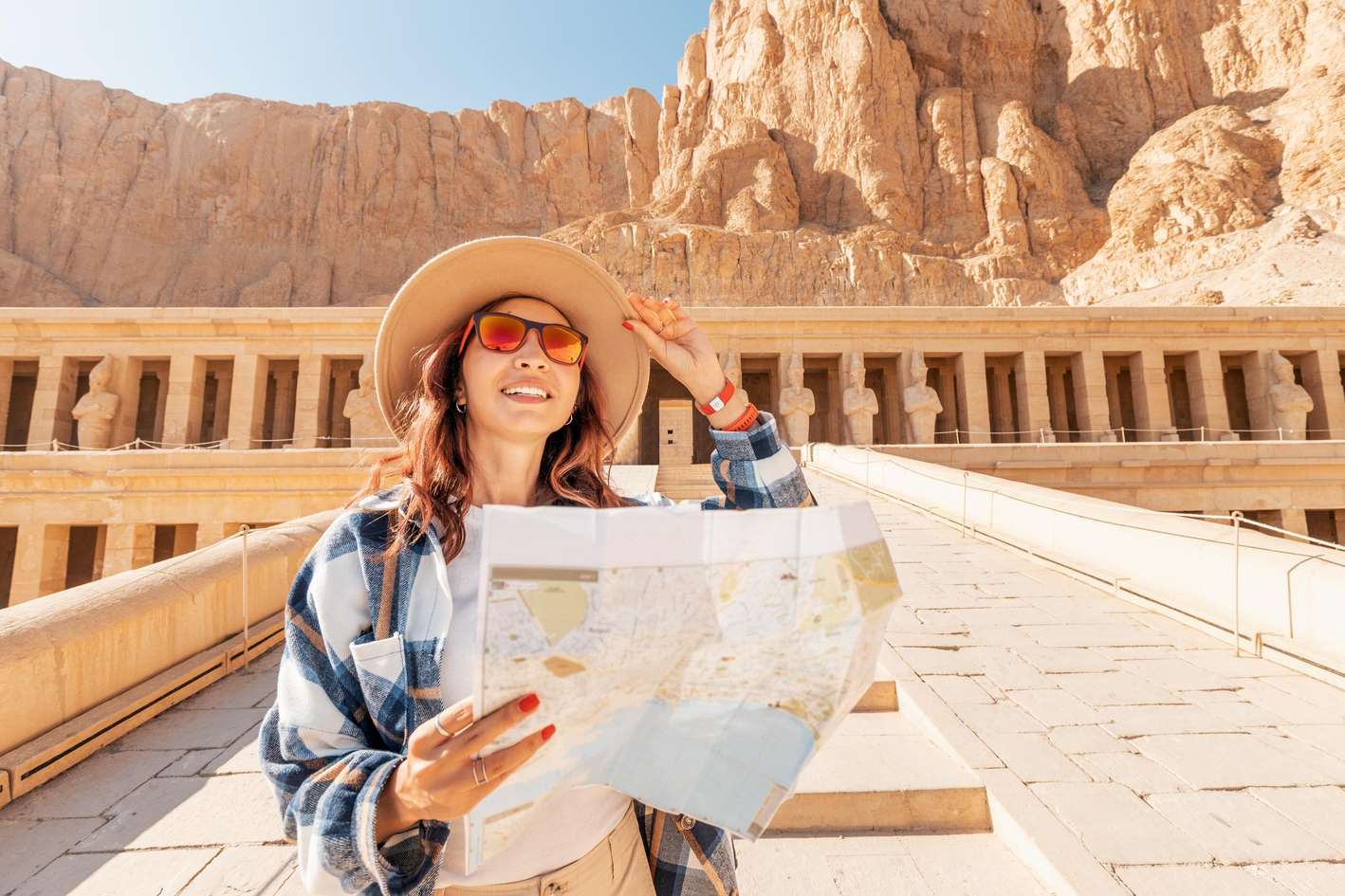
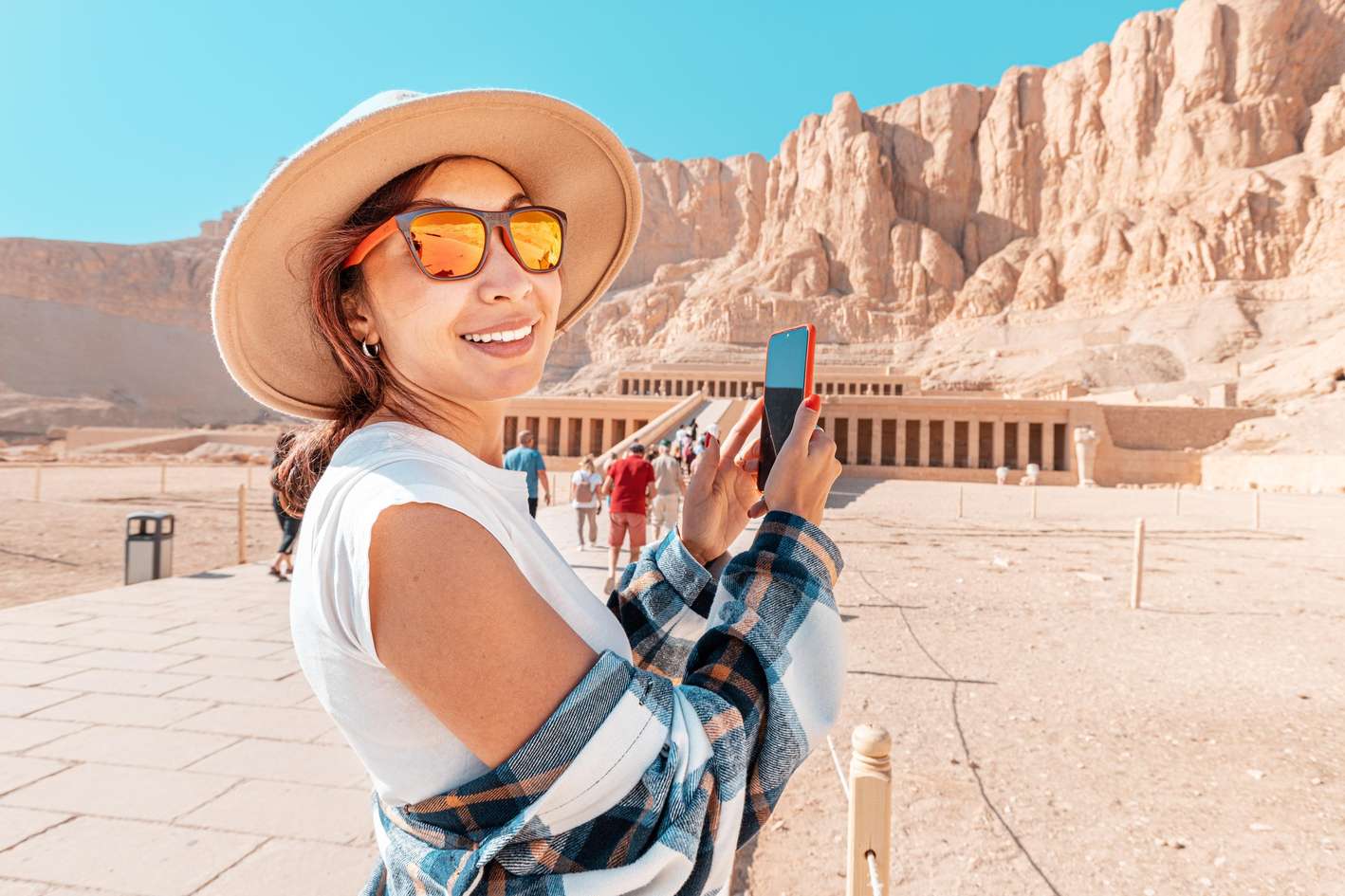
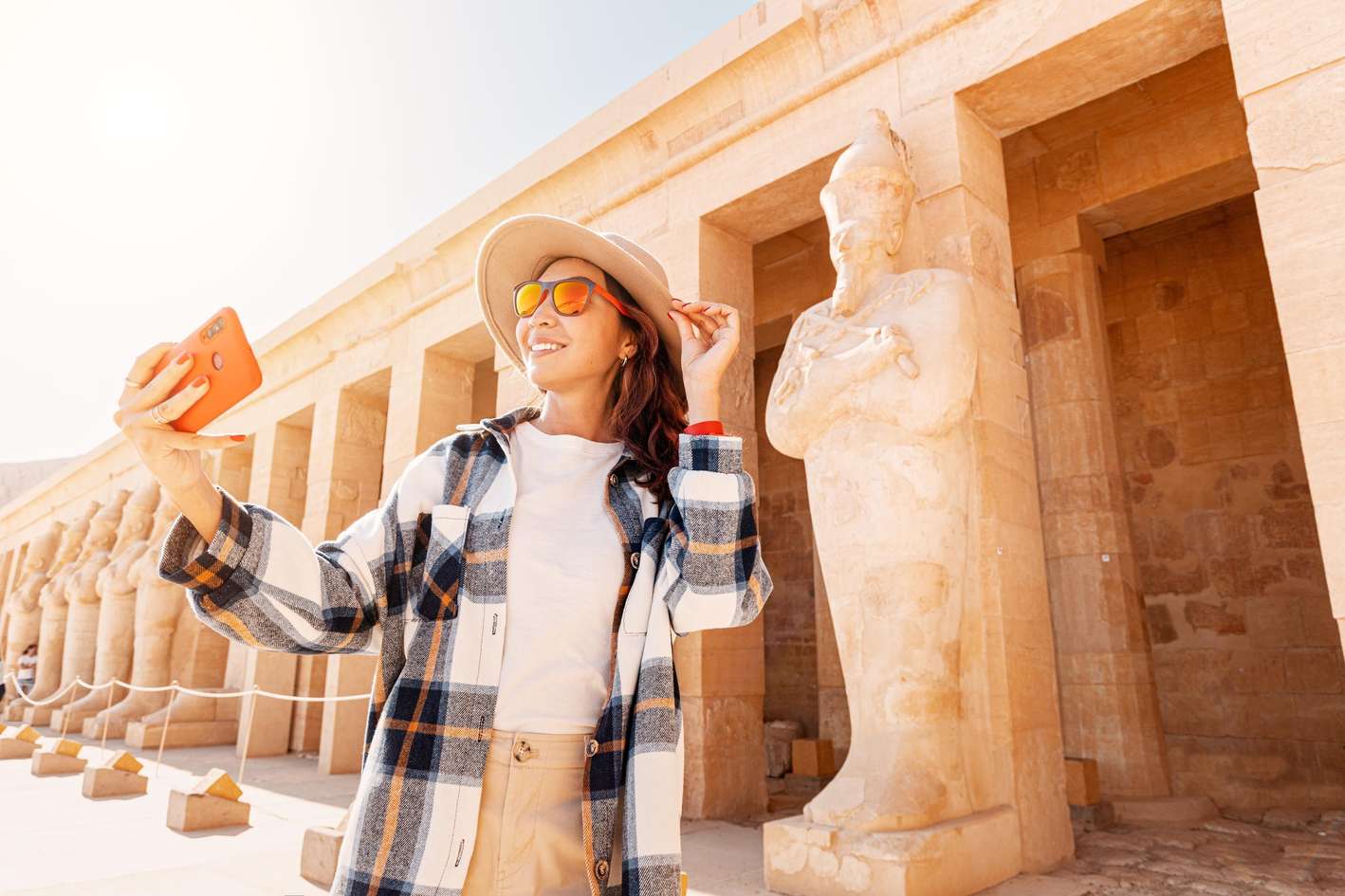
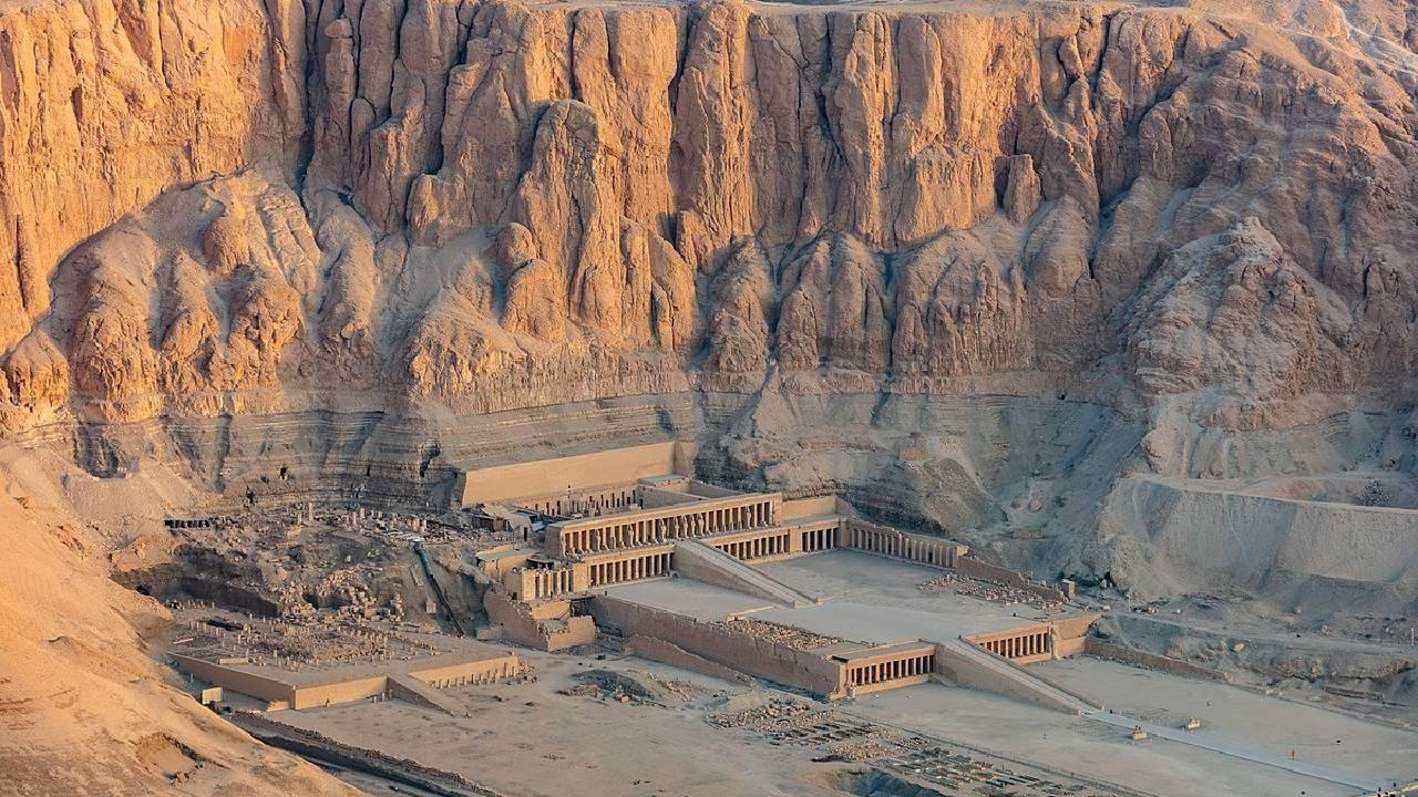
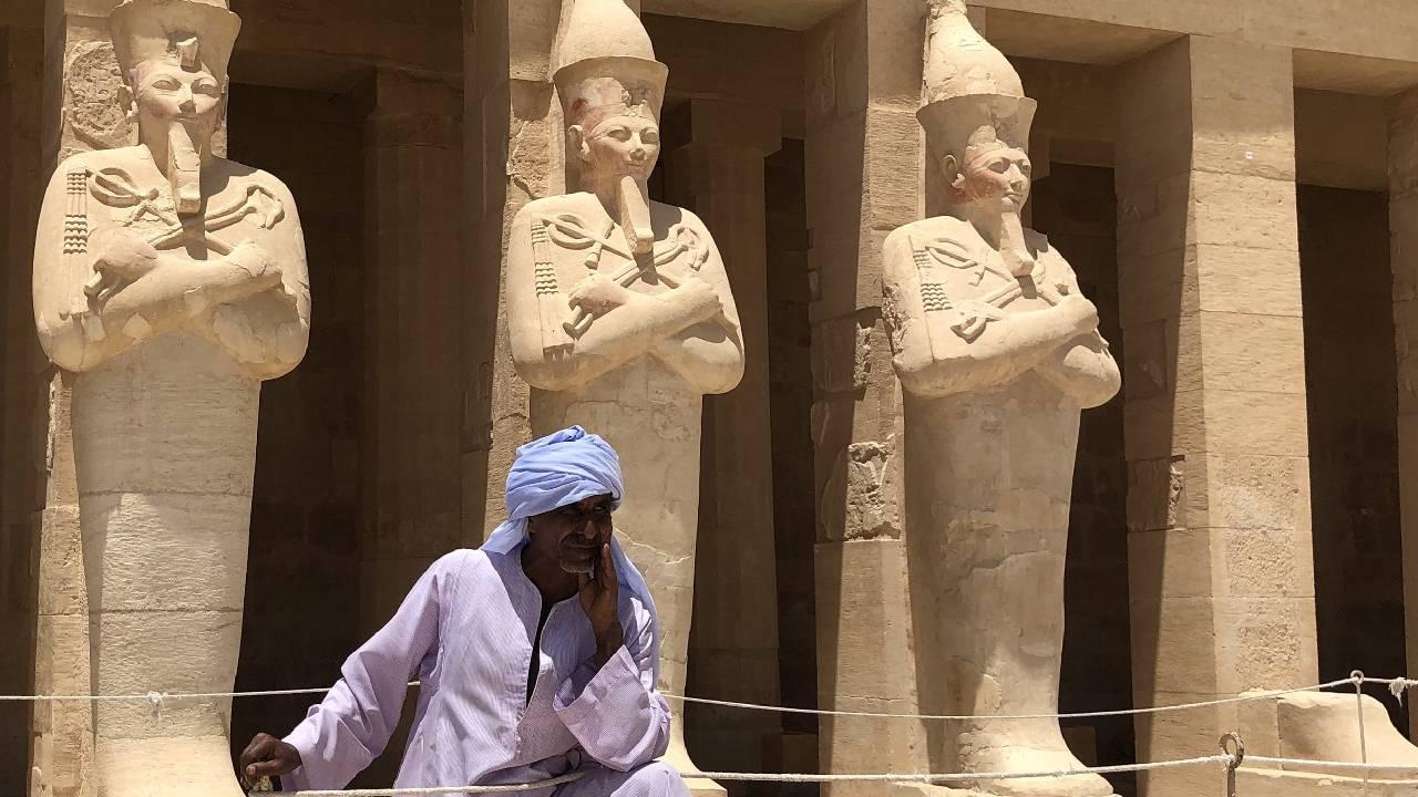
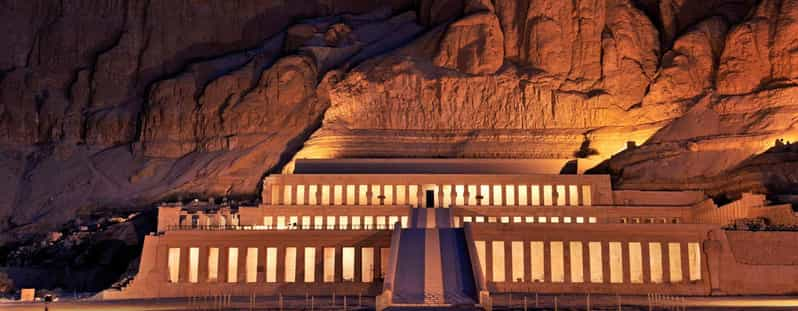
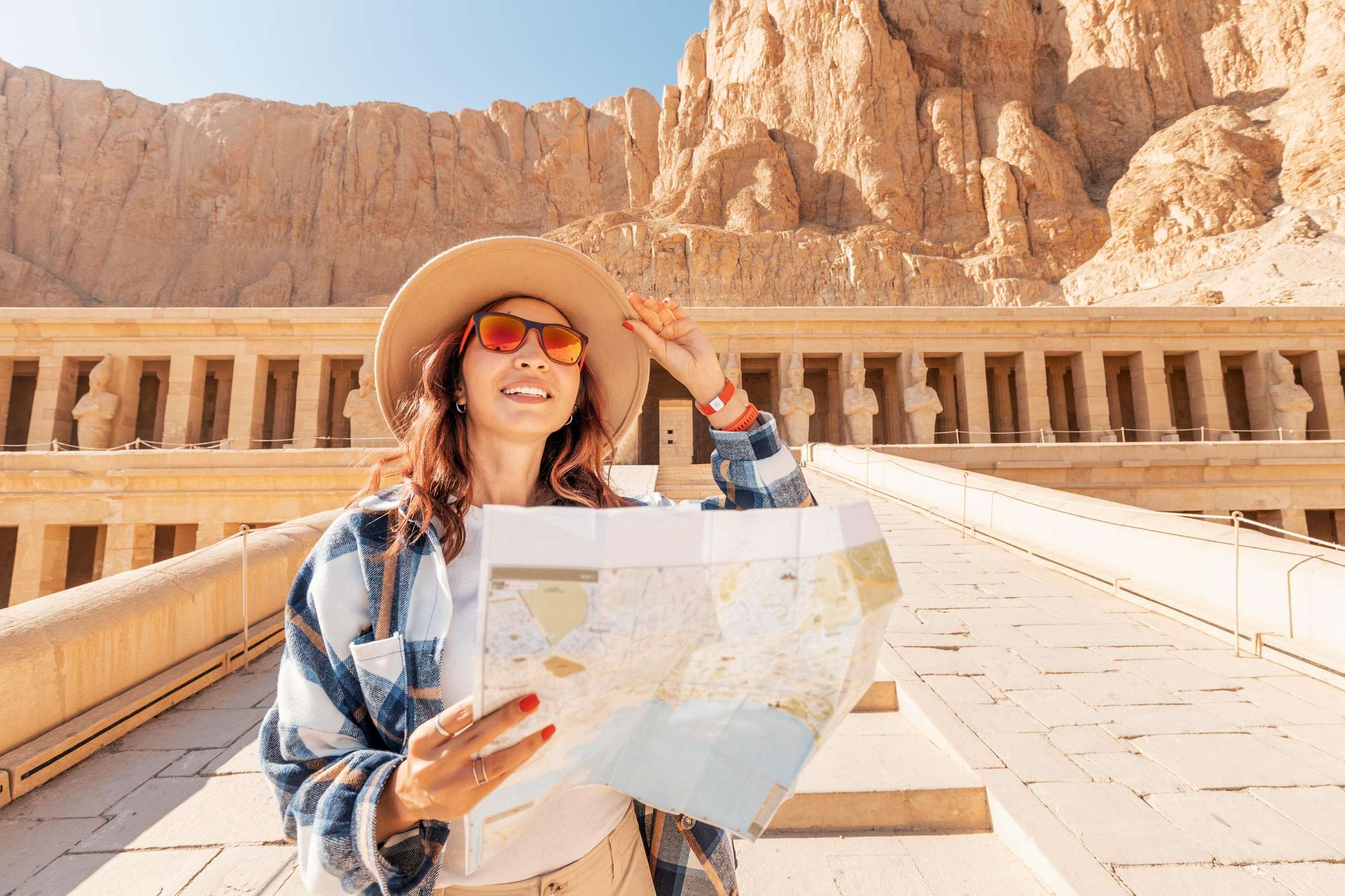
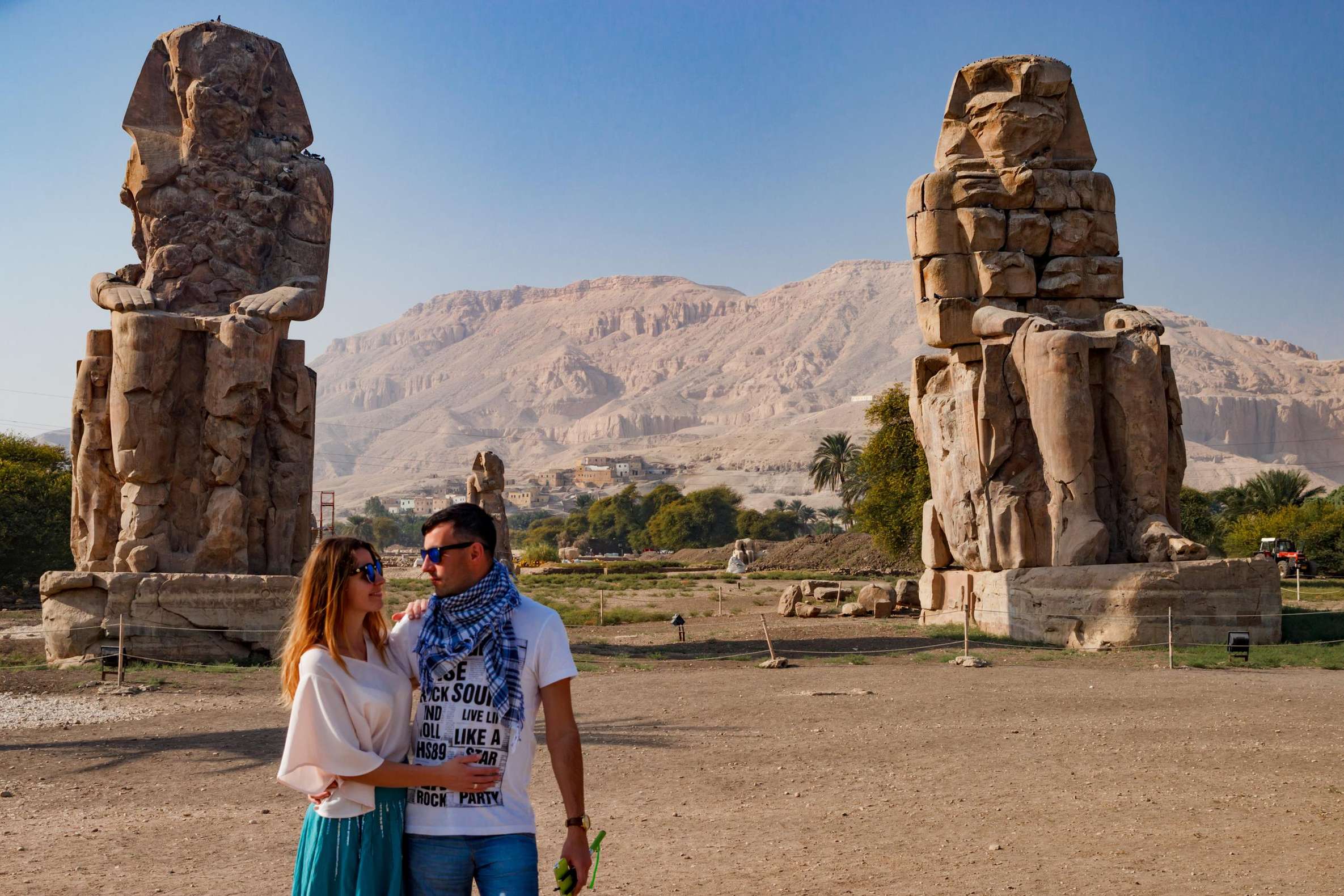
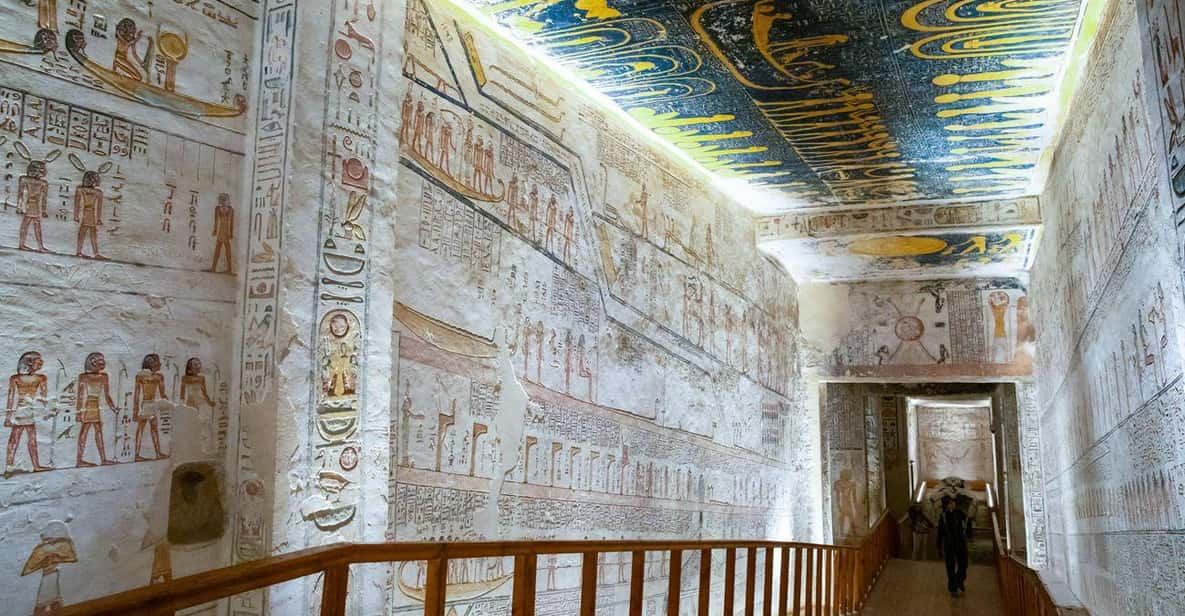
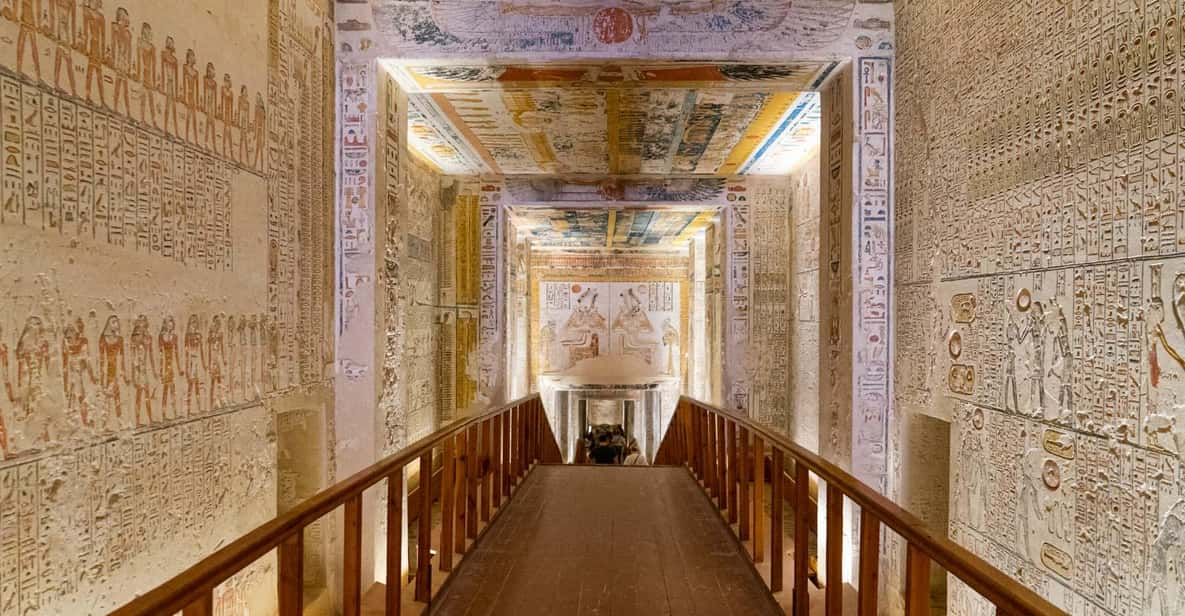
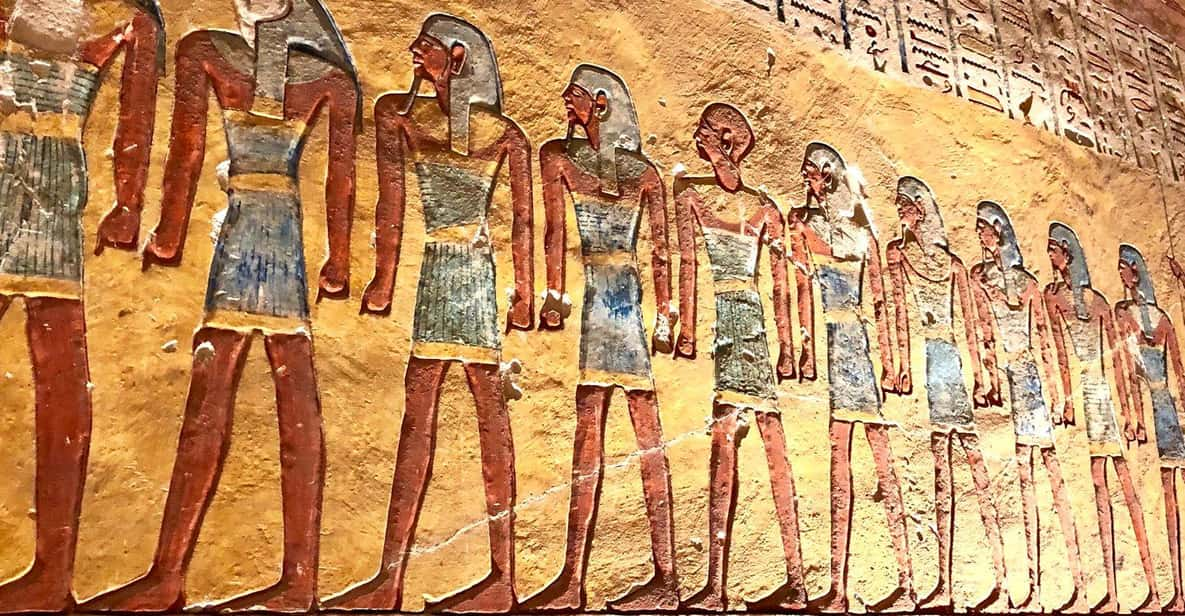
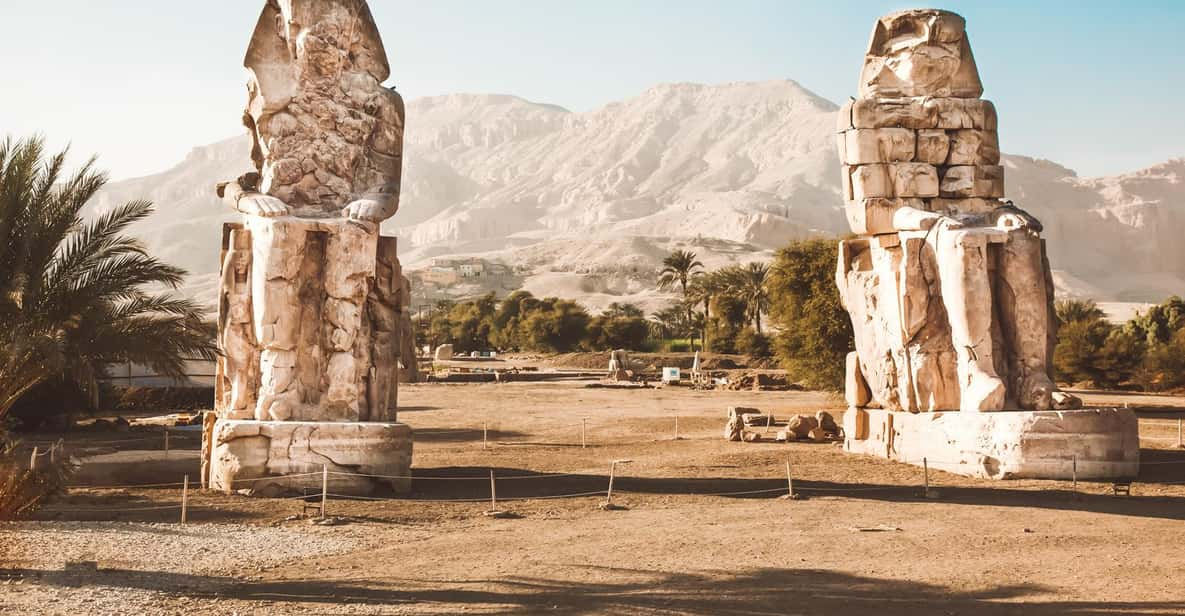
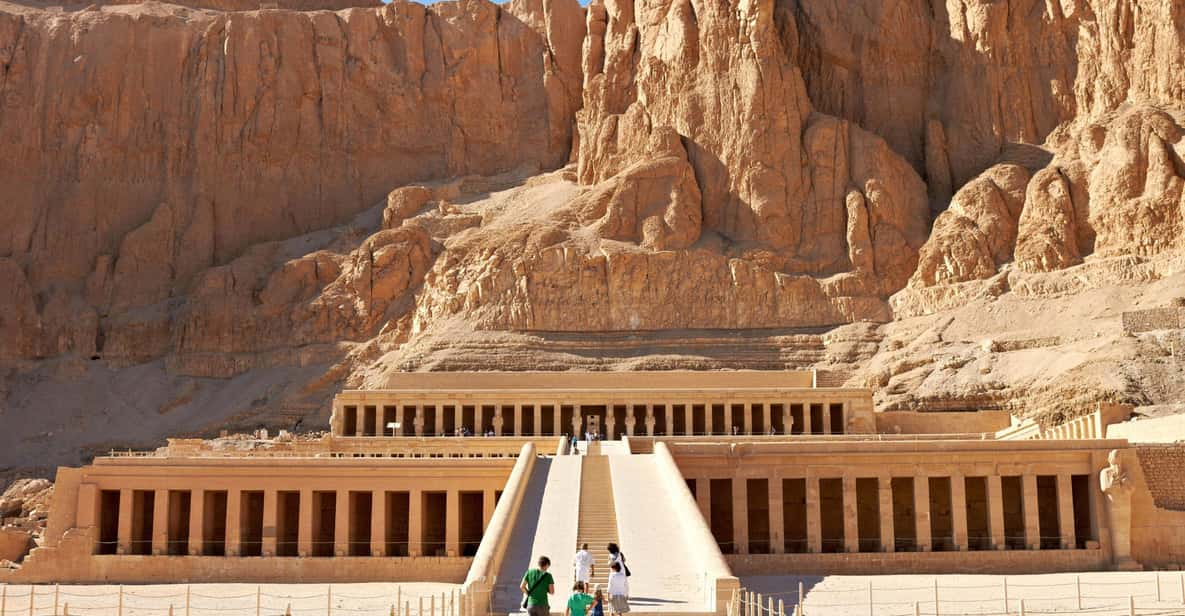
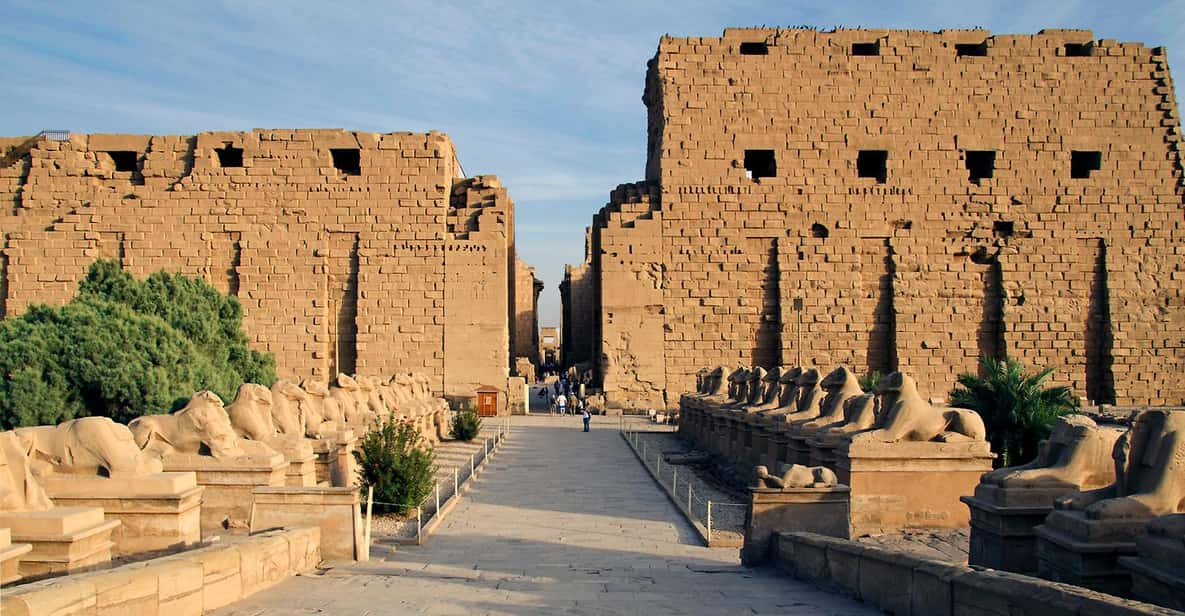
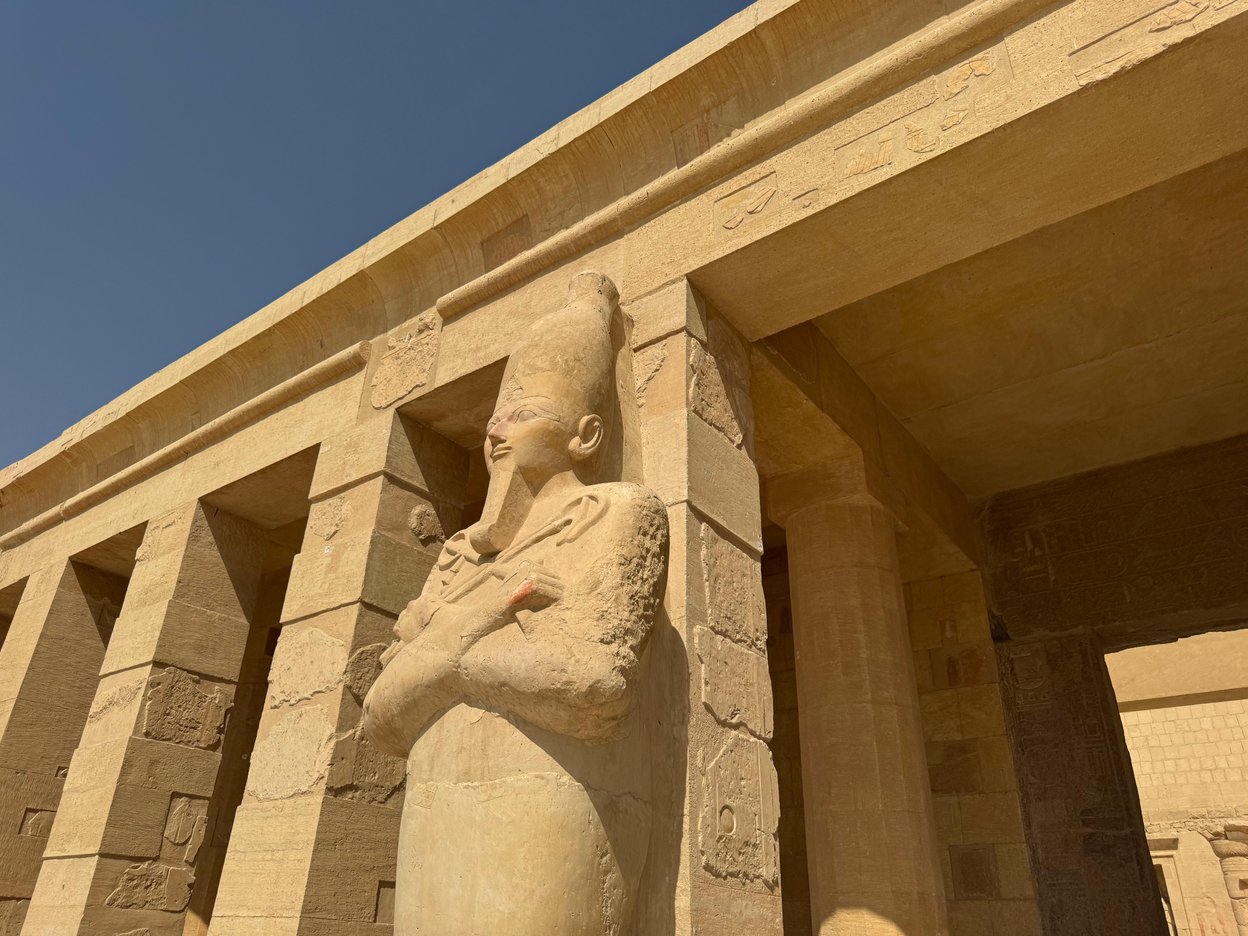
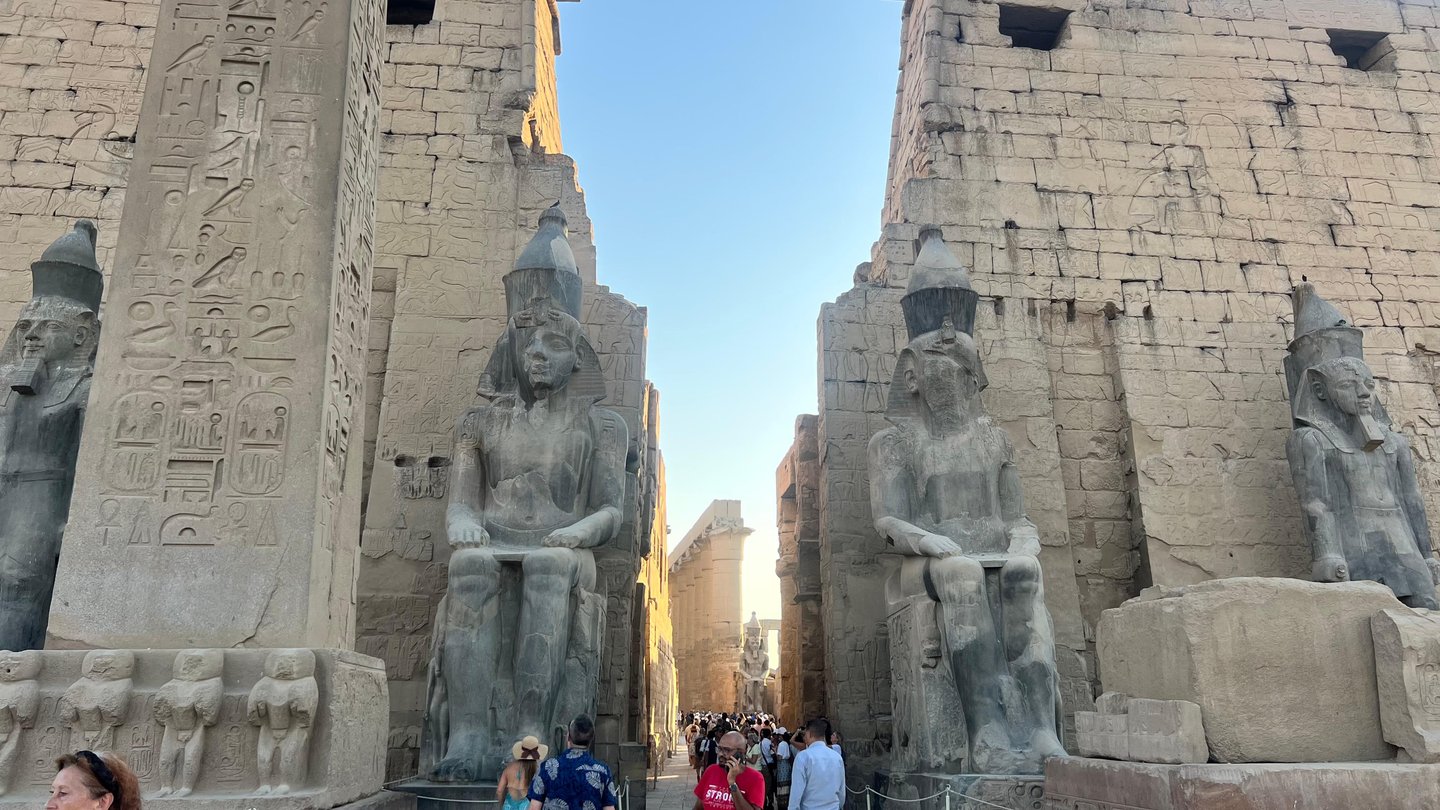
The West Bank comes first. Your guide walks you into the rock-cut tombs of the Valley of the Kings, where mineral-pigment paintings have kept their color for more than three thousand years, then on to the terraces of Hatshepsut's temple and the seated Colossi of Memnon by the roadside.
After lunch beside the river you cross to the East Bank for Karnak and Luxor Temple.
Round-trip flights from Cairo, all entrance fees, private air-conditioned transfers, lunch and a felucca ride are covered in the price, with an English-speaking guide alongside. Expect a long day: most of these day tours run about 15 hours from hotel pickup to drop-off.
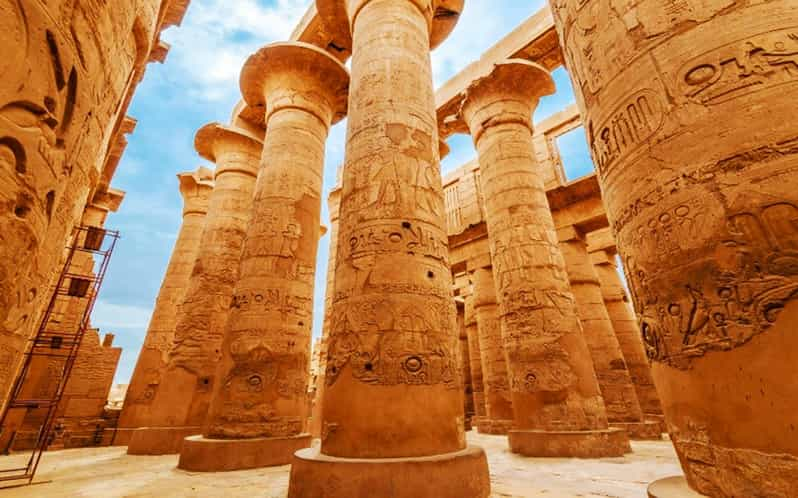
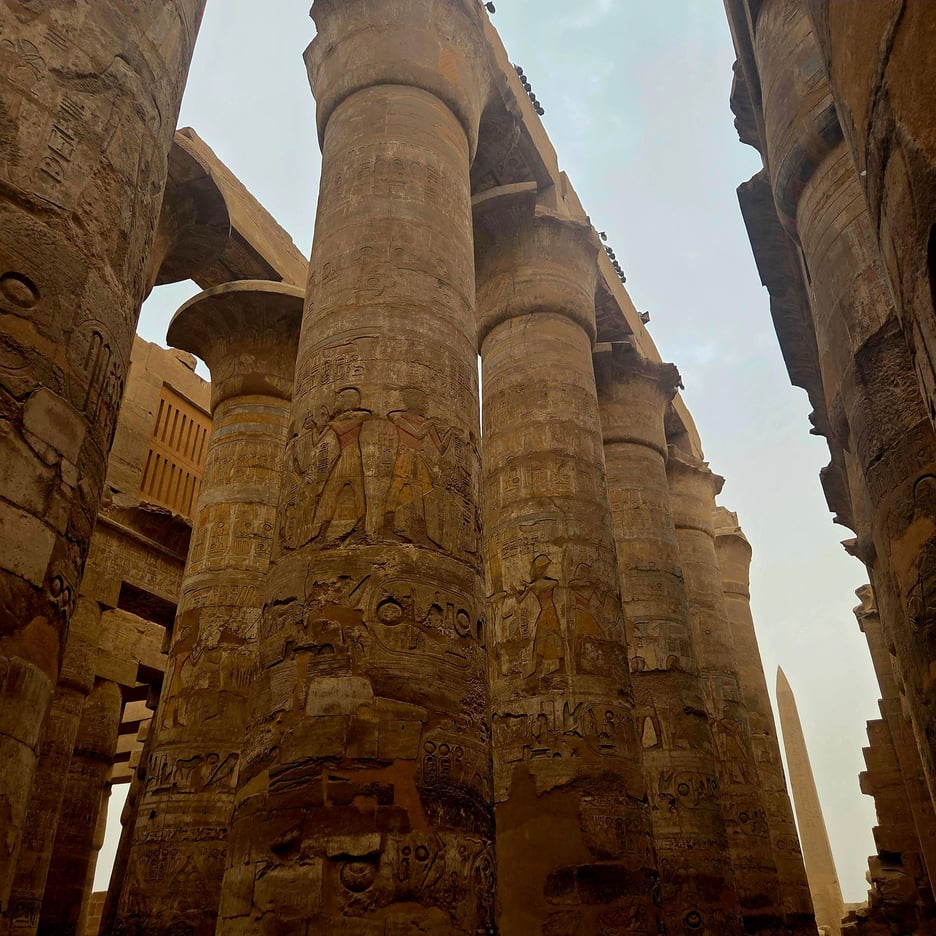
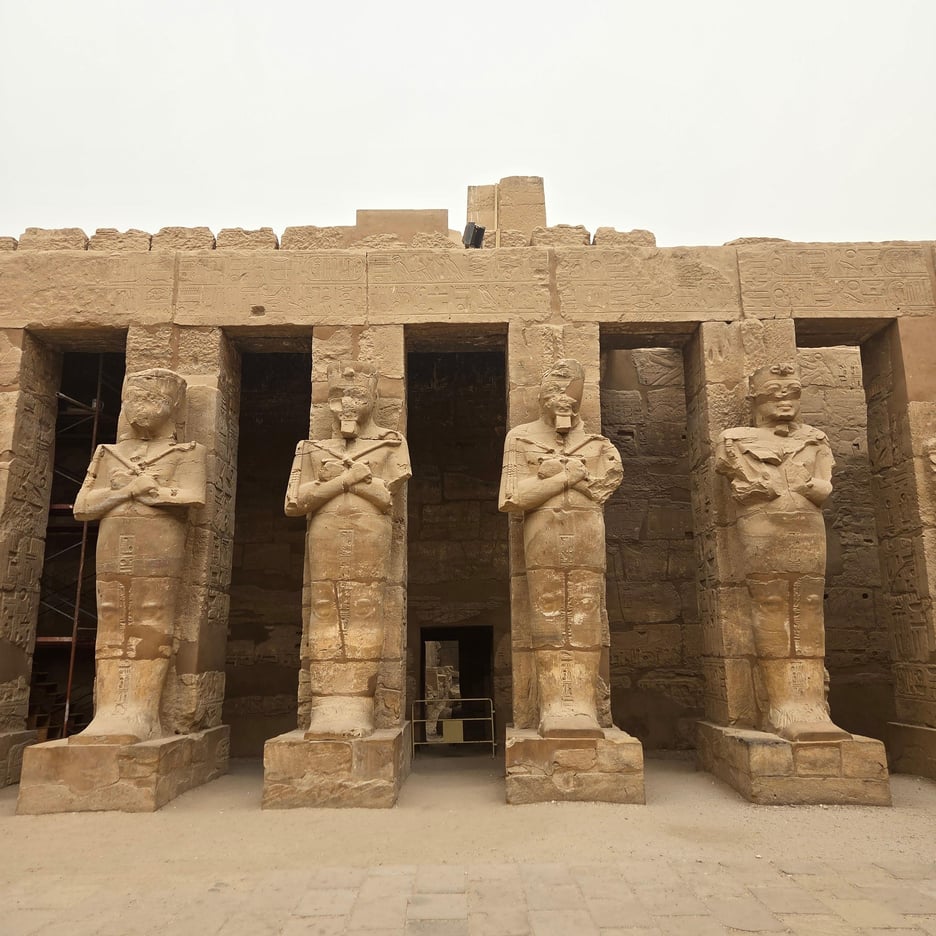
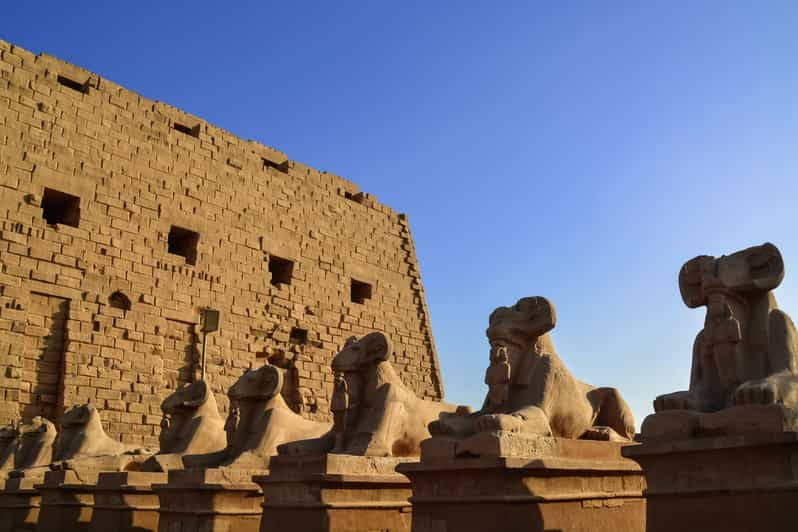
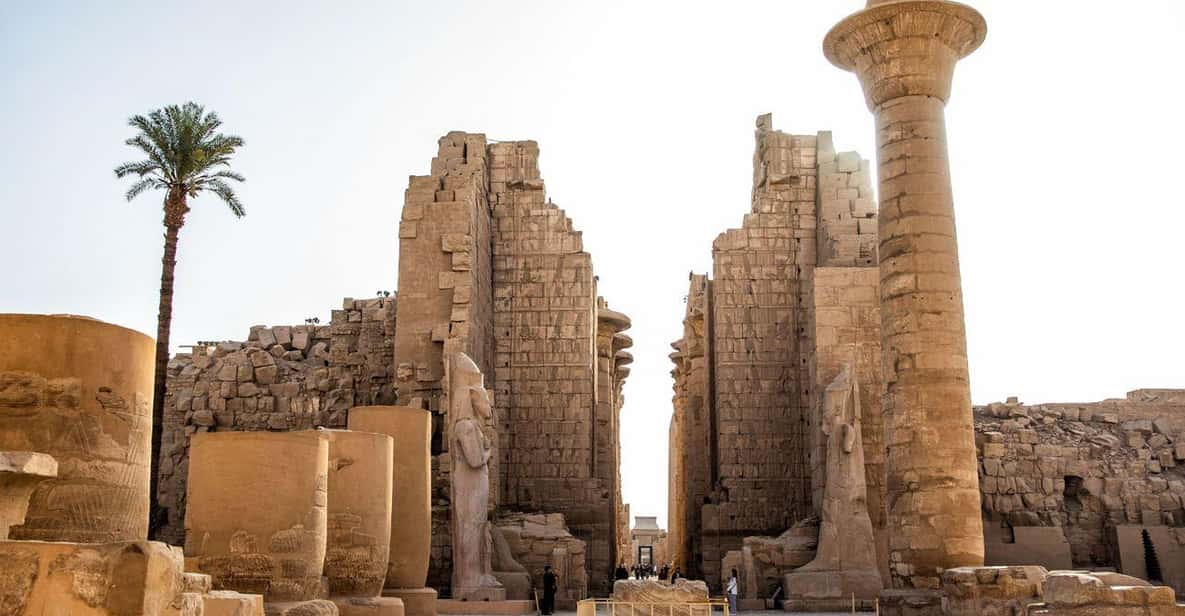
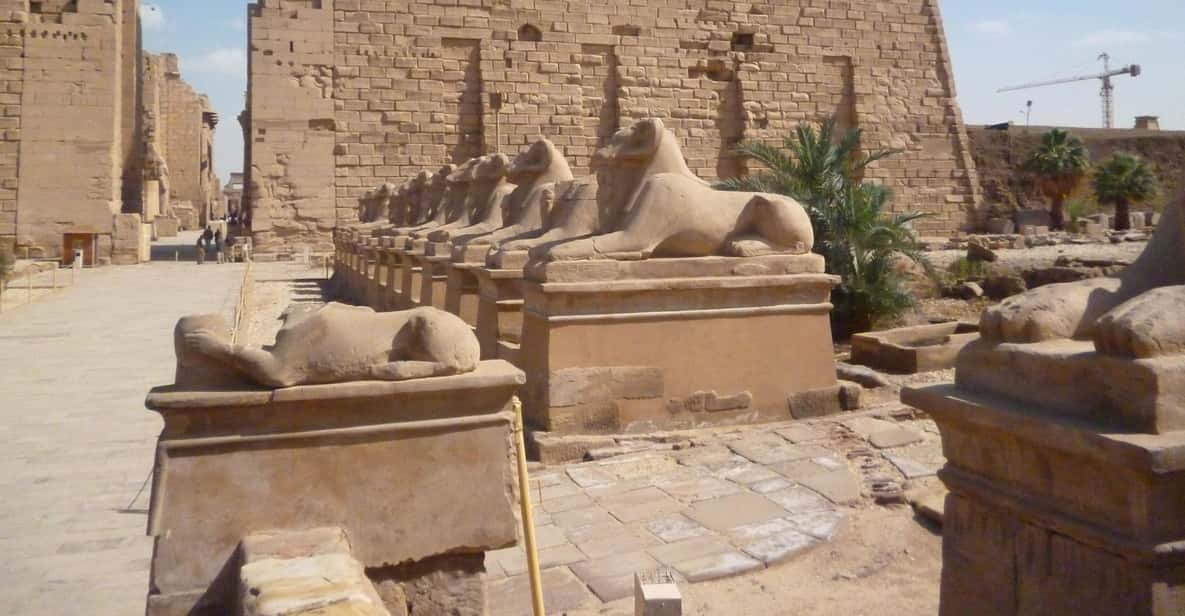
PickupCairoAn evening flight back from Luxor to Cairo, then a private transfer to drop you at your hotel.From this tour2Valley of the KingsRock-cut tombs of New Kingdom pharaohs and nobles, excavated over nearly 500 years. Your guide leads you through the painted underground chambers.From this tour3Mortuary Temple of HatshepsutThe mortuary temple of the female pharaoh Hatshepsut, set into the cliffs facing Luxor. You tour its terraced colonnades with your guide.4Medinet Habu, LuxorA West Bank temple complex known for its well-preserved wall reliefs. Your guide walks you through the courts and explains the scenes.From this tour5Colossi of MemnonTwo gigantic seated statues of Amenhotep III facing the Nile. Greek and Roman travelers once came here hoping to hear one statue greet the dawn.From this tour6Local restaurantA midday break at a restaurant in Luxor for a sit-down meal; lunch is included in the tour price.From this tour7LuxorA felucca ride on the Nile, with scenic views along the riverbanks as you move between the two banks' sights.From this tour8Temple of KarnakEgypt's largest ancient temple complex at about 250 acres. Your guide shows you the Great Hypostyle Hall with its 134 sandstone columns.9Luxor TempleThe riverside temple with the granite statues of Ramses the Great and the Avenue of Sphinxes. A guided visit rounds out the East Bank.From this tourDrop-offCairoAn evening flight back from Luxor to Cairo, then a private transfer to drop you at your hotel.From this tour
Included
Flight ticketsLunch at a restaurant in LuxorAll transfers by a private air-conditioned vehicleFelucca rideAll service charges and taxesPrivate transportation door-to-door transfers from and to your hotel
Not included
GratuitiesPickup or drop off from Airport, Train Station, Nasr City, 6th of October, Sheikh Zayed, Heliopolis, New Cairo, or New Administrative Capital (Available at an additional cost)
Picking the right day trip tour around Luxor
Green marks the lowest price. Prices per person.
Tour
Price
Duration
Languages
Best for
Our pick
Cairo: Private Luxor Day Tour with Entrance fees by Flights
4.5★ (832)
from $436per person
15 hours
Arabic, English, French
travelers who want one long day covering both banks with flights and entry fees included
Pro tipPick a 5 am or 6 am flight slot; you reach the West Bank before Red Sea tour buses arrive around 9:30 am
RecommendedWinter days run about 10 hours 45 minutes, and a morning arrival still leaves time for four sites before sunset
02
Send passport details fast
After booking, the operator contacts you for each passenger's flight information. Send it promptly, because without these details the flights cannot be booked.
ImportantHave every traveler's full name and passport number ready; domestic flights cannot be reserved without them
03
Watch for the evening message
One day before the tour, the operator messages you on WhatsApp and email with pickup details. Keep your contact information accurate so nothing goes to an old number.
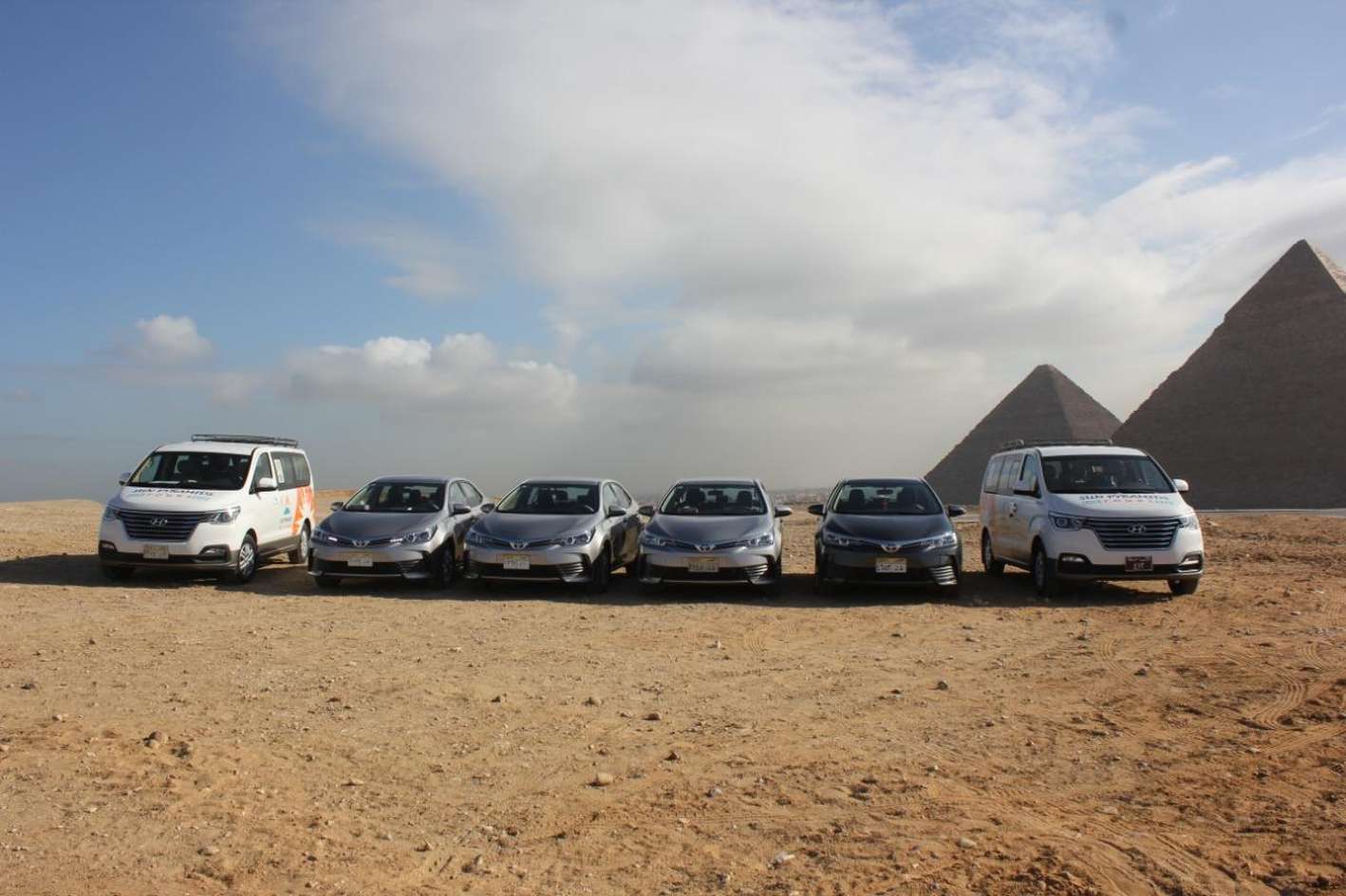
Pro tipThe pickup vehicle carries the operator's logo, and the exact car details arrive by message before collection
RecommendedCheck WhatsApp the night before so the 6 am hotel pickup in Cairo or Giza starts without a scramble
04
Know what the fee covers
This day tour includes round-trip flights, entrance fees to all historical sites, lunch in Luxor, a felucca ride, and door-to-door transfers by air-conditioned vehicle.
Common mistakeAssuming site tickets cost extra at the gate; here they are paid for, and your guide handles the ticket queues
RecommendedBring a bank card anyway, since Luxor's major sites have moved to cashless entry
05
Set your daypack out
The tour runs about 15 hours, from the early hotel pickup to a late return. Carry your passport for airport security, plus water, sun protection, and closed walking shoes for temple grounds.
Common mistakePacking light but leaving the passport at the hotel; domestic checkpoints require the original, not a photocopy
RecommendedKeep small Egyptian pound notes aside for tips, which are not included in the tour
What to know before your day trip to Luxor
Can stop the dayGood to knowGood news
01
ChoosingWhat it is, who it suits, when to go
5
Baggage
Travel light: domestic economy allows 23 kg checked and 8 kg carry-on per person. A power bank must ride in your hand luggage, never in the checked bag, and only one per passenger on the national carrier.
Timing
Expect a 15-hour door-to-door day with pickups from 4 am and return flights to Cairo at 6 pm or later. Flights leave Cairo at 5 am, 6 am, or 7 am, and a morning arrival beats the big tour buses that reach the West Bank around 9:30 am.
Both banks
The standard day works West Bank first: Valley of the Kings, Hatshepsut's Temple, and the Colossi of Memnon, then lunch by the river, then Karnak on the East Bank. The drive between the two banks takes about 26 minutes by private vehicle.
Extra tombs
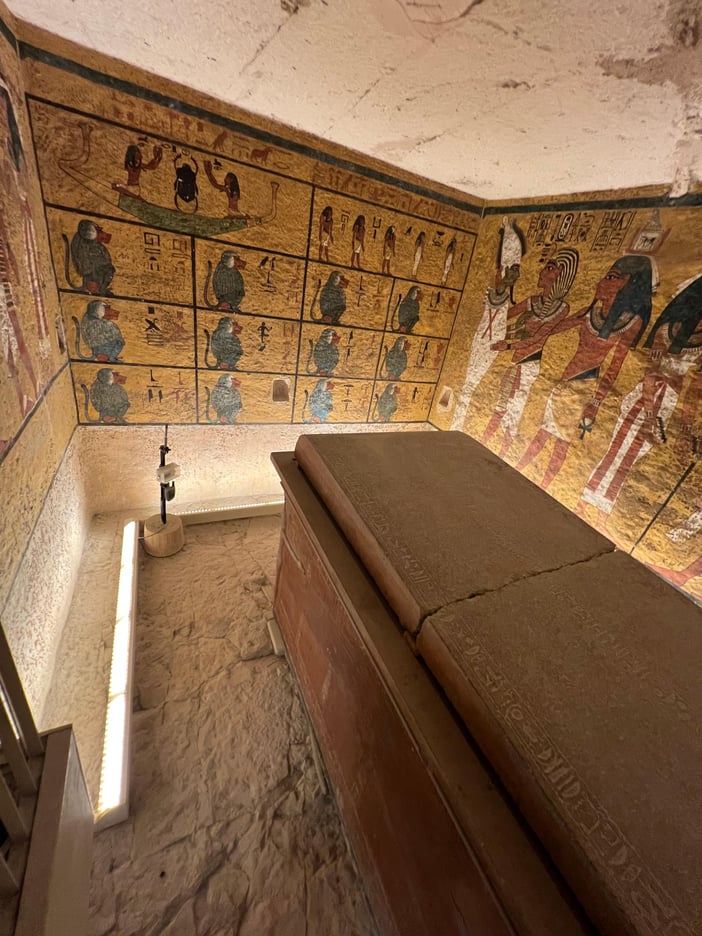
Tutankhamun's tomb is a paid add-on not covered by most tours' entrance fees. His mummy lies inside, though the treasures now sit in the Grand Egyptian Museum, and the chamber itself is small. Ask before booking whether special tomb tickets are included.
Lunch
Lunch at a local restaurant is included on the main flight tours, usually a 40-minute midday break with meat, chicken, and vegetarian dishes. Tell the operator about dietary needs when you book, since bottled drinks often cost extra at the table.
02
BookingHow far ahead, and what happens if plans change
3
Booking lead
One flight-based tour asks you to book at least 48 hours ahead so seats can be reserved, and your booking is only confirmed once the flight is secured. Domestic flights to Luxor fill up between December and February, so book early for winter dates.
Cancellation
Several of the flight day tours let you cancel up to 24 hours before for a full refund, and a couple of others allow three days. One operator's flight package is non-refundable once booked, so read the cancellation line on the tour you pick.
Flight delays
If a flight has no seats left, one tour operator cancels the tour and refunds you in full. EgyptAir also rebooks passengers who miss a confirmed connection on its own network at no extra charge, so a delay does not strand the day.
03
Before you goPapers, health, what to bring
1
DocumentsCan stop the day
Operators need full names and passport details in advance to reserve the domestic flights, usually two days before the day. Carry the passport itself on tour: airport security and police checkpoints along the route want the original, not a photocopy.
04
On the dayWhere to be, when, and how you get there
1
Pickup
Hotel pickup in Cairo or Giza starts very early, around 4 am for the flight tours, and one tour operator collects you in a car or van displaying its logo. Details arrive by WhatsApp or email the evening before, so keep your contact details current when booking.
05
During the tourWhat is expected of you
2
Photos
Phone photos are free and allowed in most open tombs, but flash is banned everywhere indoors. One tour operator bars cameras entirely, so check the rules for your pick. Tripods need a permit, and guards can turn away monopods too.
Tipping
Guides and drivers expect a tip at the end of the day, and tomb guardians who unlock a chamber expect a small one too. Keep a bundle of small Egyptian pound notes in your daypack so you are never caught without change.
One day in Luxor - the complete guide from Cairo
A morning flight puts you at the Valley of the Kings before most buses leave Hurghada. The day runs from a pre-4 am pickup to a late-night return; here is what it takes and how to book it right.
Luxor· 30.04° N, 31.24° E
If you only remember three things
1
Pickup at your Cairo or Giza hotel starts around 4 am, so the flight lands while the West Bank tombs are still cool.
2
You get about 1 to 2 hours at Karnak and the Valley of the Kings each, so decide your priorities before you land.
3
Bring a bank card: Karnak and the other major gates no longer take cash for tickets.
Is one day in Luxor really enough?
The alarm goes off before 5 am, and the first doubt arrives with it. Can a city that held the wealth of the New Kingdom for five hundred years give up its secrets between breakfast and a late-evening flight?
Here is the honest shape of it: the full round trip runs 15 to 20 hours door to door, with hotel pickups between 3:30 and 6 am and a return to Cairo between 10 pm and midnight. In the middle sits roughly 6 to 8 hours of actual sightseeing across both banks of the Nile.
That is demanding. The ruins are spread out, the walking is long, and a guide on a packed single-day route has to keep the group moving. People who have done it almost never regret the yawn, though.
Karnak and the Valley of the Kings are the most spectacular ancient monuments in the country, and Tutankhamun's actual mummy sits in its original tomb here in Luxor. The Giza pyramids, for all their bulk, have bare interiors. These tombs are painted floor to ceiling.
A traveler's note
Fantastic Luxor day trip from Cairo, early start but totally worth it. Saw the great sights, never rushed. Guide Shereen was knowledgeable and honest, driver Sayed always on time. Highly recommend!
That verdict is the one to carry into the next decision: it is a day about choosing well, not about seeing everything, and the sections below show you exactly how to choose.
Tour for this
Cairo: 4-Day Nile Cruise to Luxor with Balloon & Flights4.2★ (19) · 4 days · Hotel pickup · Free cancellation
The knock comes at the hotel door in Giza around 4 am. A driver waits outside, and the drive to the airport beats the worst of Cairo's traffic. Domestic flights run south at 5, 6 or 7 am, and the hop itself takes about an hour.
The flight slot decides your morning. Land between 6:00 and 7:45 am and your car can be rolling into the Valley of the Kings before the tour bus convoys from the Red Sea resorts arrive around 9:30 am.
That early hour buys you two things at once: cooler air in the tomb valley and quieter gate lines.
The West Bank comes first, while the desert is still cold at dawn. Then lunch beside the river, a 40-minute break at a local restaurant on most private tours, and the crossing back east for Karnak in the afternoon.
The drive between Karnak and the Valley of the Kings covers 11.9 kilometers and takes about 26 minutes without traffic.
One tour built exactly on this clock is From Cairo: Trip to Luxor By Flight and King Tut's Tomb Visit, an 8-hour private day with an Egyptologist guide, flights and entrance tickets in the price.
A one-day Luxor itinerary
1
4 am
Hotel pickup in Cairo or Giza
Drive to the airport ahead of the traffic
2
5:00 to 7 am
Flight south
About one hour in the air
3
Morning
Valley of the Kings and Hatshepsut's temple
The tombs are cool and the buses have not arrived
4
Midday
Lunch by the Nile
About 40 minutes, meat, chicken or vegetarian
5
Afternoon
Karnak Temple on the East Bank
Last entry at the gates is 4 pm
6
Evening
Flight back to Cairo
Services leave Luxor at 6 pm or 11 pm
Treat the table as the shape of the day; your exact hours shift with the flight you book and the operator's schedule.
Tour for this
Cairo: Private Luxor Day Tour with Entrance fees by Flights4.5★ (832) · 15 hours · Hotel pickup · Free cancellation
Numbers first, because they shape every choice inside the gates. A guided flight day gives you 1 to 2 hours at Karnak and the same at the Valley of the Kings, and about 45 minutes to an hour at Hatshepsut's terraced temple.
That is enough to see each site properly if you know what you want before you walk in.
Sightseeing time at key Luxor sites on a flight day tour
1 to 2 hrsKarnak Temple
1 to 2 hrsValley of the Kings
45 min to 1 hrHatshepsut Temple
A standard Valley of the Kings ticket buys three tombs, chosen by you from whichever are open that morning. The list hangs on a board at the site, and the authorities rotate tombs regularly to let the fragile paintings rest. Choose at the tombs themselves.
Two add-ons divide opinion. Tutankhamun's tomb takes an extra ticket, and it is modest: only the burial chamber walls carry decoration, and the famous gold now lives in the Grand Egyptian Museum.
What stays in the ground is the mummy itself, which some visitors find the most moving thing in the valley. Seti I and Ramesses V and VI sit behind the self-service kiosks, which take bank cards only.
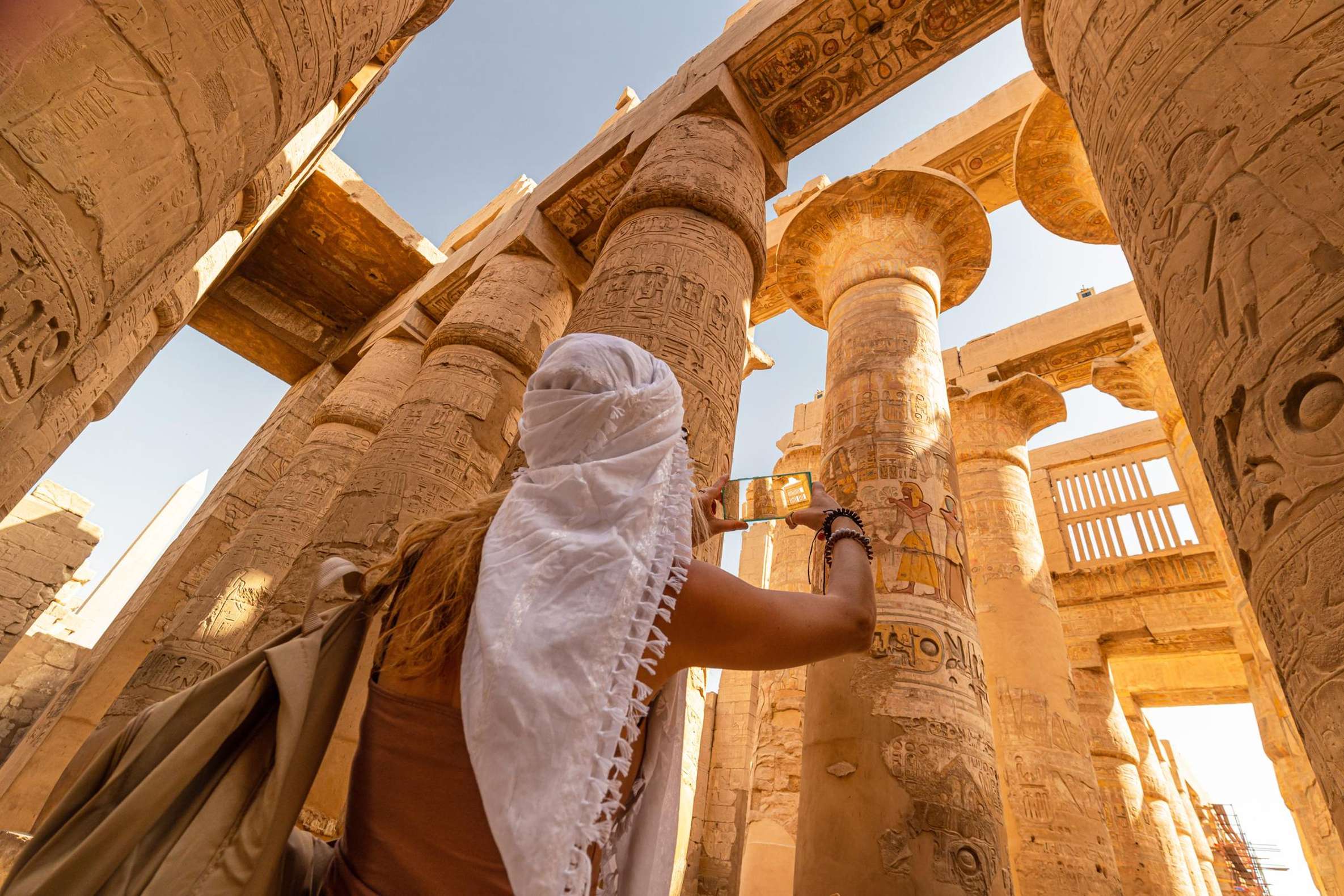
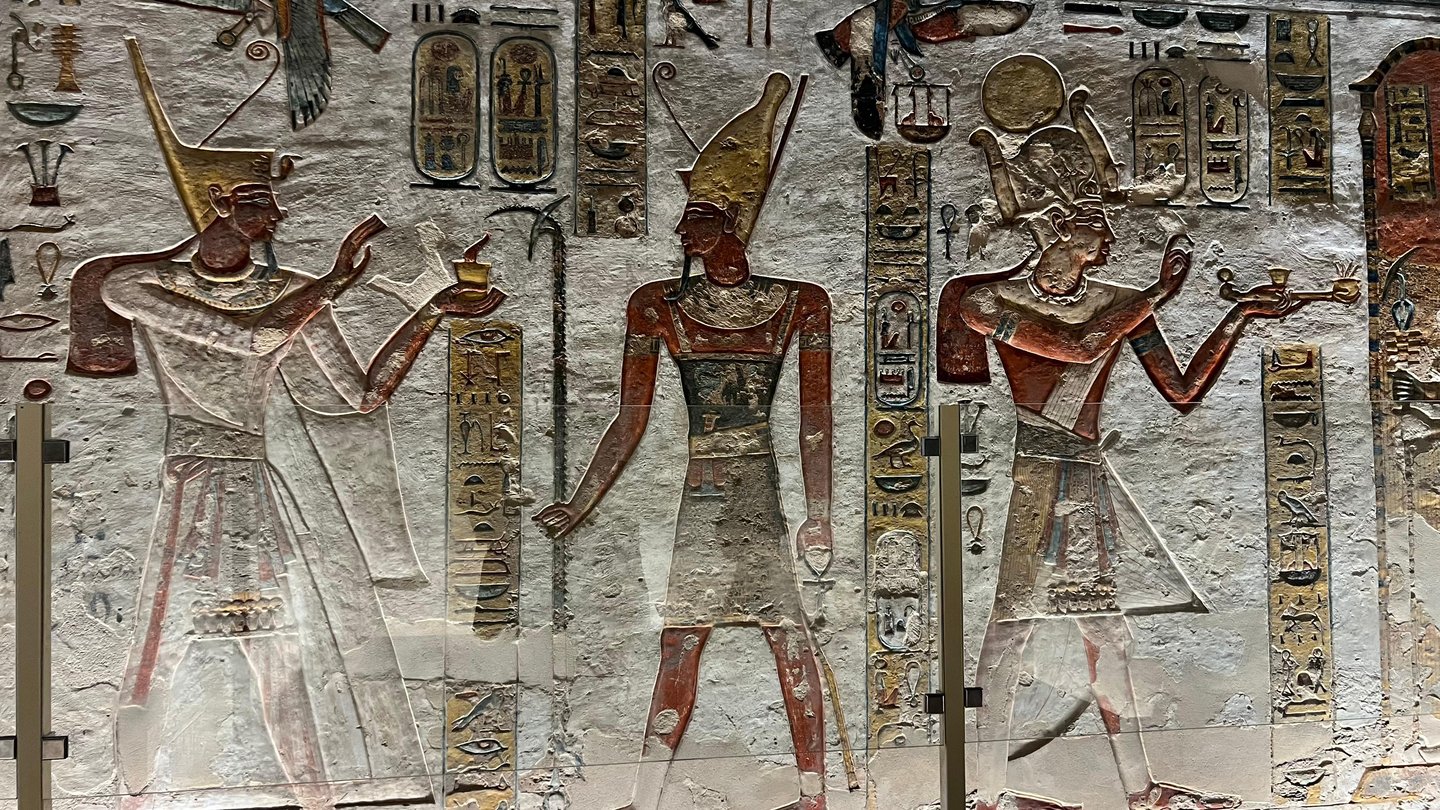
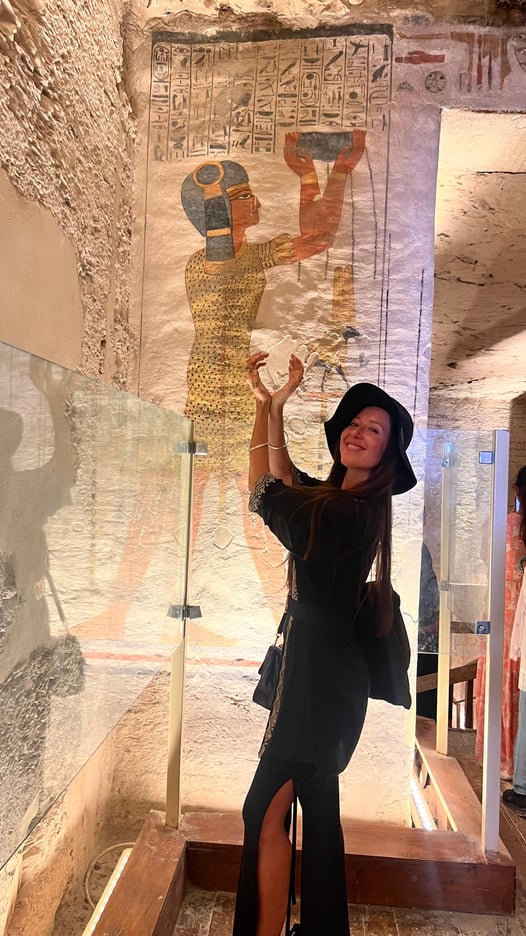
Why the paint still glows after three thousand years: the tombs stayed sealed against light and moisture, the artists used mineral pigments like Egyptian Blue and ochre that resist fading, and the dry desert did the rest. Step down the wooden ramp and the colors hit you the way they left the painter.
One warning travelers repeat: the underground chambers trap heat, even in winter. Dress for it.
Tour for this
From Cairo: Immersive Luxor Attractions Day Tour by Flight5.0★ (4) · 1 day · Hotel pickup · Free cancellation
The desert calendar decides more of this trip than the flight board does. From November through February, daytime highs sit between 24 and 30 degrees and rain is almost unknown. That is the comfortable window, and November is the busiest month on the river.
May through September is a different sport. Average highs climb from 39 degrees in May to 42.7 in August, under 12 hours of sun a day, and the stone reflects every degree of it.
One July visitor felt ill at Hatshepsut's temple and ended the tour early. Young children and older adults face real heatstroke risk above 38 degrees, so think hard before committing a summer day to open-air ruins.
The hours help you in every season. Sites open at 6 am and Karnak takes its last entry at 4 pm year round, summer, winter and Ramadan alike, so an early start buys you the only genuinely cool hours of the day.
Luxor tour busyness, heat and sun by month
November is the busiest month for tours, with a 30.1°C average high and 10.5 sunshine hours a day.
HighestFeb, Apr to May, Nov
In betweenJan, Mar, Jun, Oct
LowestJul to Sep, Dec
Darker: a higher how busy it gets score, out of 5
Tap a month to read it.
August is one of the quietest tour months, but it is the hottest, with a 42.7°C average high and 12 sunshine hours a day.
HighestMay to Sep39 to 42.7 °C
In betweenApr, Oct to Nov30.1 to 35.8 °C
LowestDec to Mar23.5 to 29.9 °C
Darker months: higher, from 23.5 to 42.7 °C
Tap a month to read it.
June has ordinary tour busyness, but the 41.6°C average high and 12.7 sunshine hours bring severe midday heat.
HighestApr to Aug11.8 to 12.7 h
In betweenMar, Sep to Oct11 to 11.6 h
LowestNov to Feb9.9 to 10.5 h
Darker months: higher, from 9.9 to 12.7 h
Tap a month to read it.
Crowds follow the same rhythm as the calendar. Expect visitors at the main sites most days, with heavier local turnout on the Egyptian weekend of Friday and Saturday and during school holidays. If your dates are flexible, aim for the shoulder months and walk in at opening time.
Tour for this
From Cairo: Luxor & Hot Air Balloon Private Trip by Plane4.4★ (153) · 14 hours · Hotel pickup · Free cancellation
Three things separate a good booking from a disappointing one, and none of them is the price. First, what is actually written in the inclusions: entrance fees, flights, lunch, and whether special tombs like Tutankhamun or Seti I are covered or left to the gate.
Second, the guide. A licensed Egyptologist does more than narrate; the guide absorbs the queue management, the gate approaches and most of the vendor pressure that otherwise lands on you. Third, the pace and the vehicle.
Large coach groups get hustled from stop to stop where hearing the commentary is hard, and the cheapest packages are the ones most likely to leave you vulnerable to a pushy workshop detour.
Book at least 48 hours ahead, because the flight-inclusive tours need the lead time to confirm seats, and have every traveler's full name and passport number ready.
Flight day tours, side by side
All-inclusive private by plane
Budget flight day
What's included
Flights, entry fees, lunch, transfers
Base package, extras at the gate
Guide
Private, English with other languages as options
Shared or subject to availability
Pace
Your own rhythm, door to door
Fixed itinerary, group rhythm
Total hours
About 15 hours
8 to 10 hours
All-inclusive private by plane
What's included
Flights, entry fees, lunch, transfers
Guide
Private, English with other languages as options
Pace
Your own rhythm, door to door
Total hours
About 15 hours
Budget flight day
What's included
Base package, extras at the gate
Guide
Shared or subject to availability
Pace
Fixed itinerary, group rhythm
Total hours
8 to 10 hours
Cairo: Private Luxor Day Tour with Entrance fees by Flights is the 15-hour version of this: private car, flight tickets, lunch at a restaurant in Luxor, entrance fees and a felucca ride all in the price, with hotel pickup included.
Tour for this
From Cairo by Plane: 5 Days & 4 Nights Nile Cruise to Luxor3.6★ (40) · 5 days · Hotel pickup · Free cancellation
Getting there - fly, take the sleeper, or let a tour handle it
Three ways south, and the math picks a favorite fast. The morning flight takes about an hour in the air and 3 to 4 hours door to door once check-in and transfers are counted, which is the only version that leaves daylight for temples.
The overnight sleeper runs 10 hours 25 minutes to 10 hours 40 minutes, leaving Cairo at 7:45 pm or 9:10 pm and rolling into Luxor at 6:10 am or 7:50 am, and it spends the night hours instead of your touring ones.
The daytime trains lose the argument outright. The express services take between 10 hours 20 minutes and 12 hours 35 minutes, so the primary service leaves Cairo at 8 am and arrives at 6:40 pm, a whole day spent sitting. Driving is worse still, which is the next chapter's subject.
From Cairo: Luxor Sightseeing Tour by Sleeper Train turns the overnight ride into part of the trip: three days with sleeper tickets both ways, a private guide, entrance fees and transfers included, and meals served on board. Travelers who like trains call the sleeper a classic adventure that maximizes sightseeing time.
One practical note for independent rail travelers: carriage, train and seat numbers are posted in Arabic numerals, and foreign visitors pay higher fares than Egyptian citizens on the same trains.
Tour for this
Cairo: Overnight Tour to Luxor from Cairo by VIP Train5.0★ (2) · 4 days · Hotel pickup · Free cancellation
The road map makes it look simple, and the clock makes it impossible. The Valley of the Kings sits roughly 633 to 635 km by road south of Cairo, and that stretch takes 7.5 to 8 hours of driving each way.
Round trip, that is a day and a half of driving wrapped around an hour of sightseeing, if any light is left at all.
The checkpoints close the case for most visitors. Foreign nationals driving the major routes present their passports at police and military posts along the way, and photocopies are generally not accepted. Foreign governments also advise against intercity travel at night by private vehicle, which rules out half of any day-trip drive by default.
Egypt's own rules nudge you toward authorized tourist transport, and for good reason. Licensed tourism vehicles carry speed limiters capped at 90 km/h and GPS units monitored in real time by the Ministry of Tourism, and they pass scheduled technical inspections by specialist engineers.
Professional drivers work under regulated rest periods. A random last-minute hire offers none of that scaffolding.
So close the door on the road-trip version without regret.
The two figures sit on different clocks: the hour in the air is flight time alone, the 7.5 to 8 hours is road time alone, and counting the whole trip door to door, the flight still wins, 3 to 4 hours against a full day of driving.
The tour's driver, with a stamped passport and a practiced hand, handles the checkpoints.
Driving yourself
Rent a car in CairoCompare cars from the rental companies in one search, then pick yours.
Pack for two climates at once. A winter departure leaves the hotel near 10 degrees before sunrise and lands you in 25-degree midday sun, so think in removable layers: breathable cotton or linen over a light fleece or cardigan.
Summer needs the opposite approach, ultra-light loose clothing that shields skin, because highs push past 41 degrees.
Closed walking shoes matter more than style. The temple grounds mix uneven flagstones, gravel and steps, and the tomb ramps descend steeply; broken-in sneakers with grip and moisture-wicking socks prevent the blisters that end days early.
Packing checklist for Luxor temples and tombs
Nov to FebMild days around 23-25°C but cool mornings near 10°C; wear breathable layers with a light jacket or fleece for early morning departures.
Mar to May and OctWarm to hot days from 30°C to 39°C; pack loose, lightweight cotton or linen covering shoulders and knees for sun protection and modesty.
Jun to SepExtreme desert heat of 40-43°C; wear ultra-light, breathable, loose clothing that shields skin from intense midday sun and heat.
Sturdy walking shoes or sneakersTemple grounds and tomb paths feature uneven flagstones, gravel, and steps; closed footwear protects against dust, slips, and hot stone.
Wide-brim hat and sunglassesUnshaded courtyards and tomb valleys reflect intense desert glare; a broad brim shields your face and neck from relentless exposure.
Sunscreen and lip balmLuxor has virtually 30 sunny days every month; apply broad-spectrum sunscreen and balm to avoid severe sunburn and cracked lips.
The daypack carries the small stuff that decides comfort. Passport, needed at every domestic security checkpoint. A refillable water bottle and electrolyte snacks for the desert air. High-SPF sunscreen, sunglasses, a wide-brimmed hat and a light scarf against sun and dust.
A power bank with cable. Pocket tissues and hand sanitizer for the site restrooms. And a stack of small Egyptian pound notes for the bathroom attendants, the guard who lights a dark chamber, and the small gratuities that come up all day.
Travelers who skip the water regret it by Karnak; bring the big bottle for the drive.
Tour for this
From Cairo: 2-Day Abu Simbel & Luxor Tour4.0★ (162) · 10 hours · Hotel pickup · Free cancellation
Three pieces of paper and one plastic card decide whether this day runs. The passport comes first: it must be valid for at least six months from your arrival date, and it goes in your daypack, not the hotel safe, because domestic airport security and any roadside checkpoint will want to see it in person.
Then the visa fine print. A standard Egyptian tourist visa, single or multiple entry, covers the Nile Valley. The free Sinai-only entry stamp does not, so anyone who arrived through a Red Sea resort on that stamp needs a full tourist visa before flying south.
Cash no longer buys a ticket
Luxor's major sites, including Karnak and the Valley of the Kings, take bank cards only at the ticket gates Carry an international bank or credit card, and buy add-on tomb tickets the same way
The card surprises more travelers than the visa does. Since late 2025 the ticket booths at Karnak, Luxor Temple, Hatshepsut and the Valley of the Kings refuse cash entirely, and the self-service machines for extra tombs are card-only too.
The one exception worth knowing: the Luxor Pass itself is still a cash purchase, in dollars or euros.
So the wallet splits in two. Cards for the gates, small Egyptian pound notes for the attendants and guards. Bring both and nothing at a checkpoint or counter can hold you up.
Tour for this
From Cairo: Trip to Luxor By Flight and King Tut’s Tomb Visit3.7★ (18) · 8 hours · Hotel pickup · Free cancellation
Phone photographers travel light through this day. Mobile photography is officially free, and regulars who visited the Valley of the Kings recently say cameras, DSLRs included, no longer need a permit inside the open tombs. Personal, non-commercial photography with phones and cameras is permitted across the open sites.
Three lines still hold. Flash is banned inside the tombs to protect the ancient pigments, so learn the low-light setting before you go. Tutankhamun's tomb carries separate restrictions of its own. And policies can differ tomb by tomb, so follow the signage and the staff on the spot.
The gear that gets people into trouble is the gear that looks professional. A tripod at a temple reclassifies you as a commercial shooter and triggers Ministry permit and fee requirements; monopods and bean bags can be turned away by guards too.
Photography passes, where required, are bought at the entrance with admission, not once you are inside, and anyone caught shooting without one risks having the camera held at the photo kiosk until they leave.
Drones are the hard no. They may not enter Egypt at all without prior authorization, and customs generally confiscates them on arrival. Leave the drone home and bring a spare battery for the phone instead.
Tour for this
From Cairo: Luxor Sightseeing Tour by Sleeper Train4.5★ (2) · 3 days · Hotel pickup · Free cancellation
Bad days on this route have known shapes, and the safety nets are written down. If the operator cannot secure seats on the flight, one tour operator's terms state it plainly: the tour is cancelled and you receive a full refund.
Bookings on flight-dependent days are confirmed only after seat availability is checked, which is why the 48-hour booking window exists.
If the airline itself causes a missed connection, the carriers' rules take over. A passenger holding a confirmed reservation gets re-routed at no extra charge on the airline's own services or another carrier, or can take a refund.
On one domestic carrier, a delay over two hours entitles you to a full refund or a free flight change.
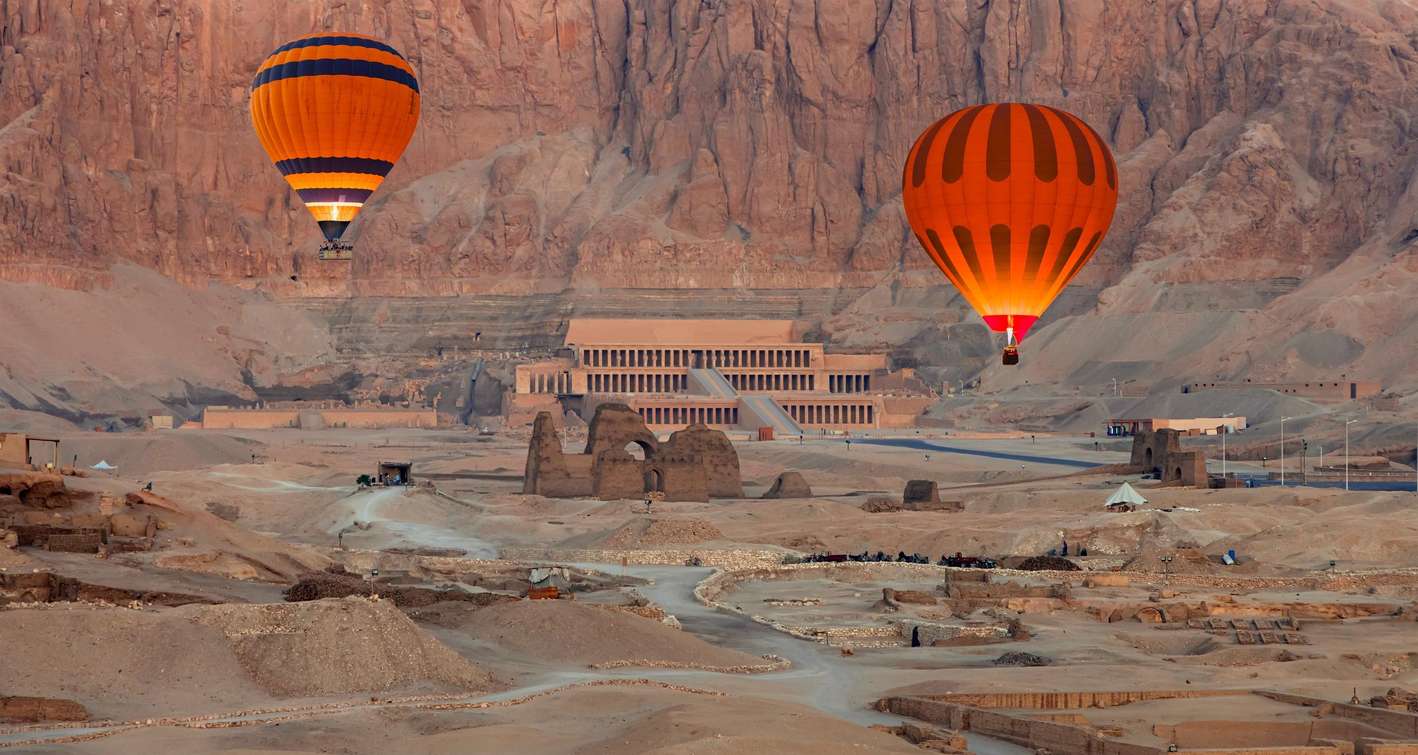
Weather writes its own script. Severe river fog, dust storms and winds above roughly 12 knots suspend the dawn balloon flights and halt Nile boat traffic until conditions settle.
A grounded balloon does not ground the day: travelers report the tour continuing with a full round of sightseeing across both banks, and past alternatives have included a sunrise boat ride with breakfast, a camel ride, or quad biking.
What happens when the day changes
If this happens
What happens then
No flight seats available
Full refund of the tour
Airline causes a missed connection
Free re-route or refund
Delay over 2 hours on one domestic carrier
Refund or free flight change
Morning balloon grounded
Full day of sightseeing still runs, with alternative activities offered
Read the cancellation window on your booking before paying, since flight-inclusive packages vary on refunds.
Tour for this
From Cairo: 4-Day Nile Cruise to Luxor with Balloon Flight4.5★ (162) · 4 days · Hotel pickup · Free cancellation
The day tour ends where most visitors' knowledge of Luxor ends, and that is exactly where the interesting half begins.
The artisans' village of Deir el-Medina, where the workers who cut the royal tombs lived and painted their own, draws a fraction of the crowds and rewards an unhurried hour. The Luxor Museum, a short walk from Luxor Temple, holds a statuary collection that day trippers routinely miss.
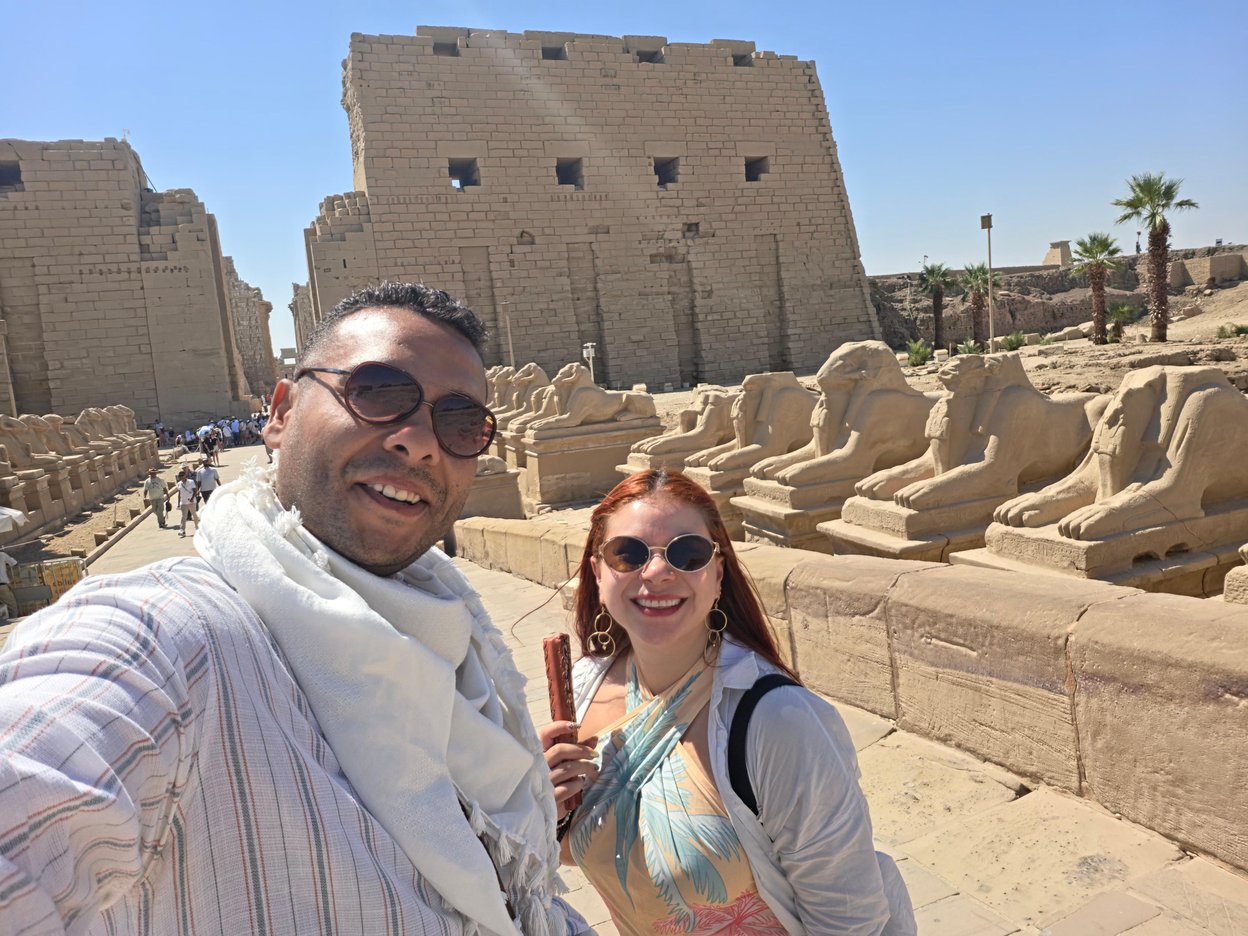
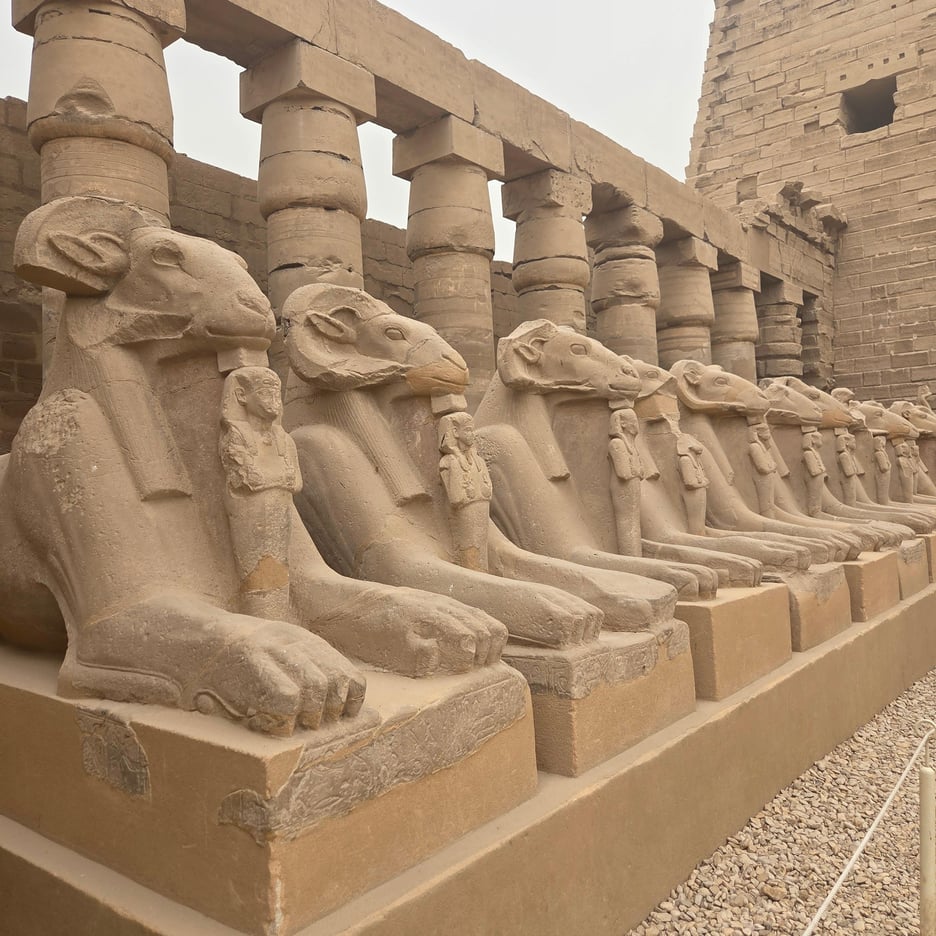
The Avenue of Sphinxes walks for free. The restored processional way runs the full length between Karnak and Luxor Temple, and you can walk it without a ticket to either complex, buying separate tickets only if you want to enter the temples at each end.
Karnak itself repays a second visit: a guided pass takes 1.5 to 2 hours through the highlights, but a thorough self-guided walk across the 100-hectare site needs 3 to 4 hours, and the Open Air Museum and side chapels sit outside most day itineraries.
Skip the evening sound and light show, which travelers consistently find dull, and spend the daylight inside instead.
Worth the walk
1
Mortuary temple of Hatshepsuttemple, shrine or church
And the river itself waits. Short multi-day cruises between Luxor and Aswan run over 3 to 5 days, reached by the same domestic flights, for the traveler already planning a reason to come back.
Tour for this
From Cairo: Private All-Inclusive Tour of Luxor by Plane4.4★ (287) · 10 hours · Hotel pickup · Free cancellation
One spare day is enough for Luxor if the flight is early, the guide is private and the priorities are chosen before landing. Book 48 hours out, carry a bank card and small notes, and go between November and February if your dates allow.
Go ifYou have a single free day in Cairo and no flexibility for overnight staysYou are traveling between November and February, when afternoons stay walkableYou want Karnak and the Valley of the Kings handled door to door with fees included
Skip ifYou are traveling in high summer with young children or older adults in the groupYou cannot face a 3:30 to 4 am pickup and a 15-hour dayYou want to spend unhurried hours inside each monument while the itinerary moves on to cover the highlights
Our pick to book
From Cairo: 3-Night Aswan to Luxor Nile Cruise with Flights4.1★ (50) · 4 days · Hotel pickup · Free cancellation
Short answers to the things people ask before committing a full day to Luxor.
Luxor2026
Standing under the 134 columns of Karnak by early afternoon, and the Valley of the Kings murals still look freshly painted. Keep a few small notes in your pocket for tips.
Can you really do a Luxor day tour from Cairo in one day?
Yes. The flight takes about an hour each way, and a morning arrival leaves time for four major monuments before dark. Even in winter, when the sun sets around 5 pm, the day closes comfortably.
Which monuments fit into one day tour in Luxor?
The Valley of the Kings, the Temple of Hatshepsut, and the Colossi of Memnon on the West Bank, then Karnak on the East Bank. Some itineraries add Luxor Temple as well.
What flight times make a same-day round trip work?
Departures run from Cairo to Luxor at 5 am, 6 am, or 7 am, with returns at 6 pm or 11 pm. Schedules thin out in the off-peak summer months.
How early does hotel pickup start?
Expect a knock between 3:30 am and 6 am, depending on the tour. Early starts feel brutal, but they get you to the tombs before the heat and the crowds.
How does the tour cross the Nile between the two banks?
Tour vehicles use a road bridge further down the river. The drive between Karnak and the Valley of the Kings takes about 26 minutes without traffic.
Is the day worth it compared with staying overnight?
The round trip runs 15 to 20 hours door to door, leaving 6 to 8 hours on the ground. Travelers who go consistently say the early start is worth it when time is short.
What difference does a private guide make?
A licensed guide handles the ticket gates, the drivers, and the monument approaches, and absorbs most of the vendor pressure. You walk past queues rather than negotiating them.
What should I pack for the long day?
Passport, refillable water bottle, sunscreen, a hat, closed walking shoes, a power bank, tissues, and small Egyptian pound notes for bathroom attendants. From April through October, temperatures average 36°C to 43°C.
Is a Luxor day tour safe for a solo woman?
Violent crime against tourists is low and sites are well policed. A guided tour removes the transport planning and much of the unwanted attention that solo women report on independent visits.
How do I avoid alabaster shop detours?
Tell your driver at the start of the day: no shops, no alabaster, only the tombs. Early tours beat the pitches entirely, since the parking-area touts rarely show before 6 am.
What do I miss on a one-day itinerary?
Extra tombs like Tutankhamun's and Seti I's need separate tickets, and some tours skip Luxor Temple or Medinet Habu. Check the written inclusions before booking so nothing surprises you at the gate.



 Your best match