
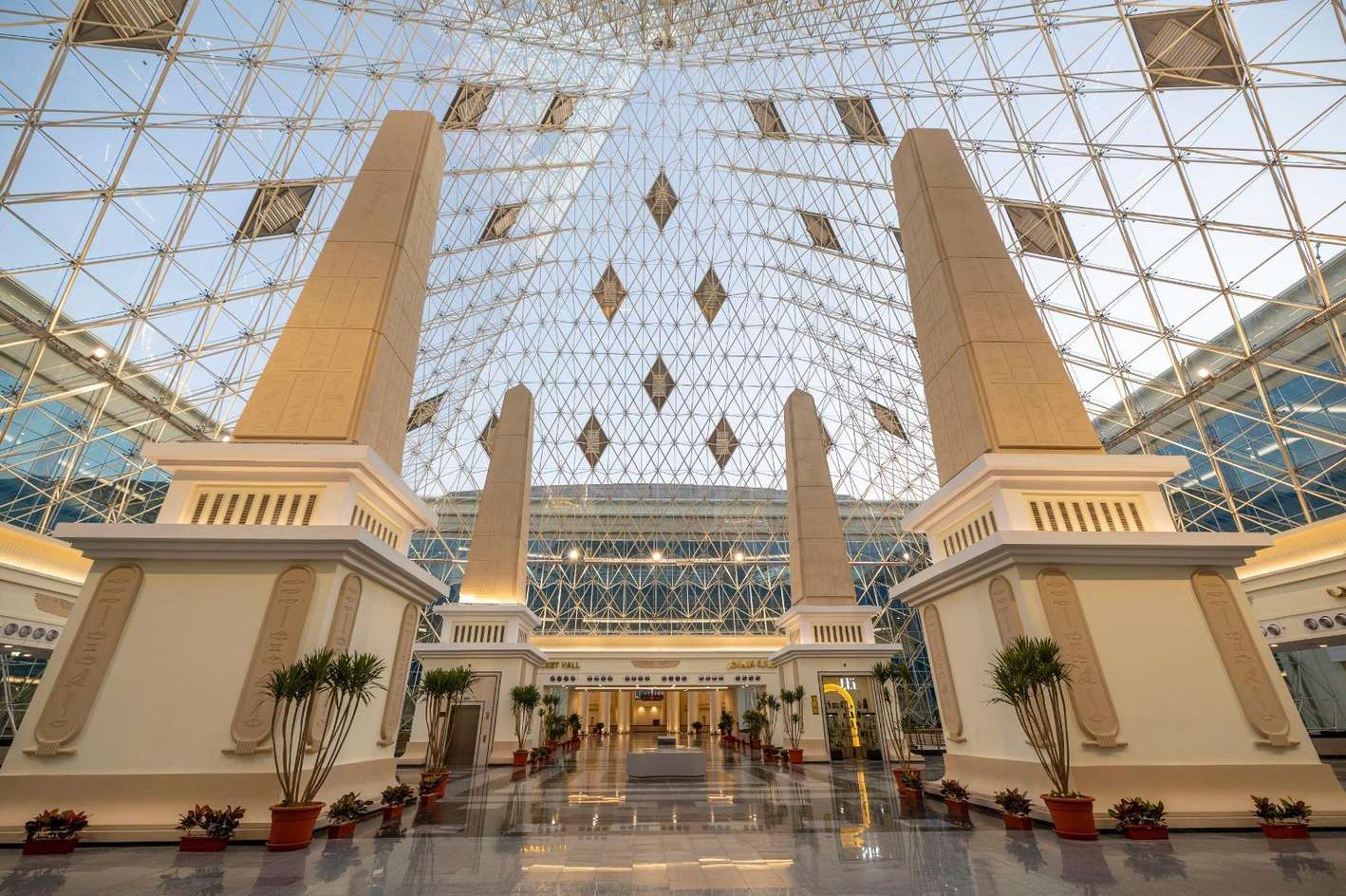
 Our top pick
From Cairo: Sleeping Train Transfer to Aswan and Luxor
1-way ticket on Watanya Sleeping TrainDinner and breakfastAll taxes and services
From$195 /person
See dates and book Free cancellation
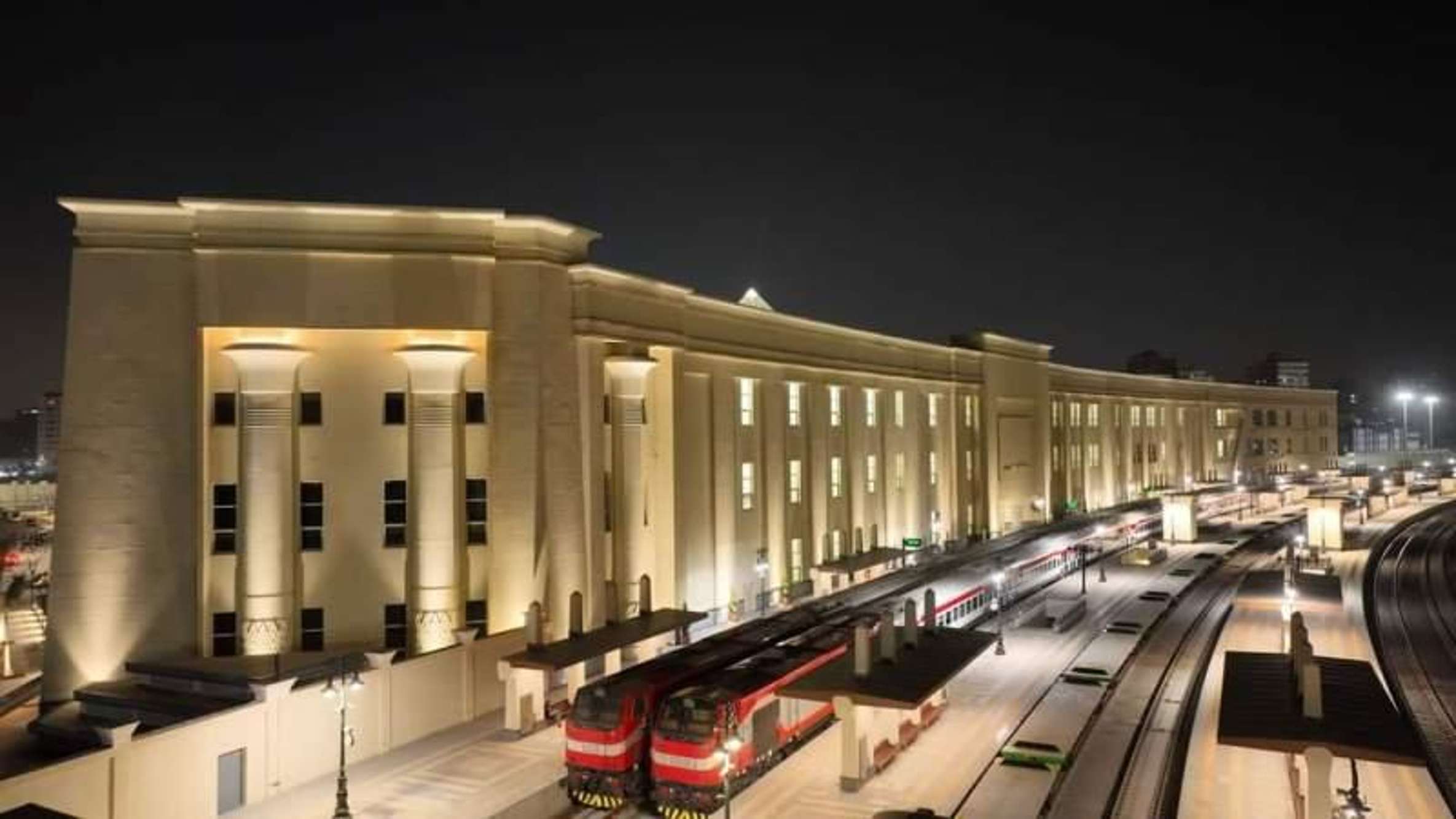
Wake up in Luxor ready for the tombs. Book your sleeper train berth with dinner and breakfast on board, guaranteed reservations, and tickets delivered to your Cairo hotel before you even pack.
“Only hiccup was not knowing when my tickets would arrive; kept messaging until the Cairo agency reached me on WhatsApp and delivered them to my hotel.”
Every tour here starts at your Cairo hotel and puts you on an overnight train south. Two run as sleeper tours with sightseeing built in; one covers the rail journey alone, with dinner and breakfast on board.
Our top pick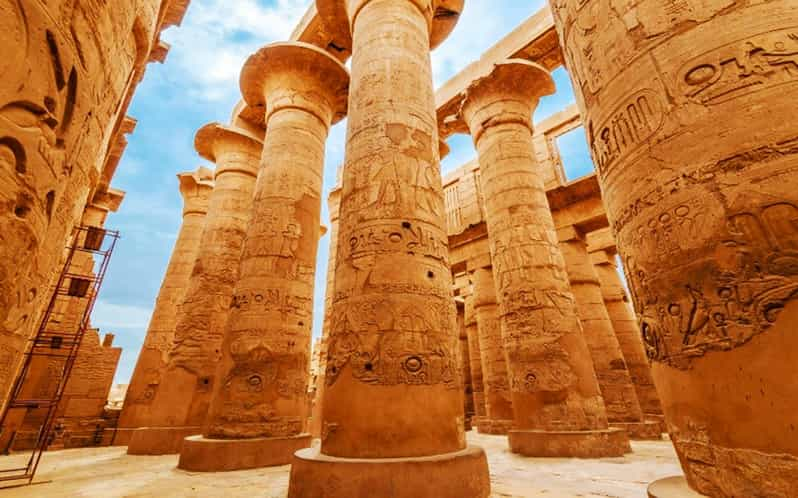
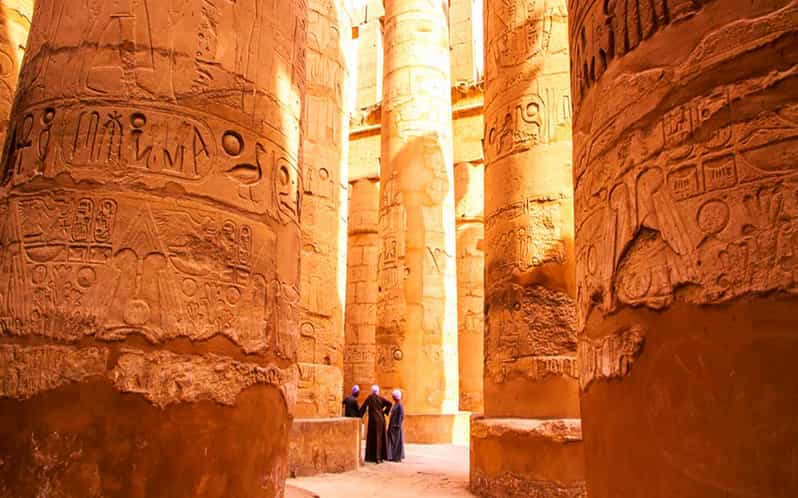


Really kind steward made my bed, woke me and announced Luxor.
Our guide was great, the tour delivered exactly what we paid for, and we even had free time before the return train for an extra boat ride on the Nile.
The night train Cairo-Aswan is a must. Local agency was late delivering tickets to our hotel, but GetYourGuide's hotline answered instantly and sorted it out. They need your passport via WhatsApp to book.
Took a while to get my tickets until the Cairo agency messaged me on WhatsApp and delivered them to my hotel. Clean train, security looked after us foreigners, decent food, polite conductor. Lovely experience.
Fine overall. Meals kept coming even after a day's delay.

As a couple heading to Luxor we loved it - waking up with nothing to do but watch the scenery pass. Very helpful station and train staff. Just no shower.
A nice experience. Cabin was small for luggage, food was good, and we were woken right on time for our Luxor stop. The bumpy ride took some getting used to, but no complaints otherwise.
Many reviewers call the overnight ride a trip to take once in a life, waking near Luxor with breakfast served.
Several couples did not expect clean berths, fresh towels and attendants who kept dinner and breakfast on time.
Many wished for a quieter night, saying the shaking and swaying of the rails made real sleep hard to find.
Choose Cairo to Luxor, Luxor to Cairo, or the Aswan legs, all priced the same. Trains may run late, so keep the next morning's plans loose.
Give the exact date, travel time, and your hotel name, because the tickets are delivered to you at your hotel after you arrive in Egypt.
You can cancel up to 7 days in advance for a full refund. If you usually reshuffle trips late, lock in the dates before you commit.
Head to Giza railway station at least 30 minutes before departure. A few small shops, water stalls, and a small restaurant sit inside if you need snacks.
On the platform, small numbers under the canopy mark where each wagon stops, so line up by your ticket's wagon number. Look for the green and white train with 'Sleeping Car' stenciled on the side, then find your compartment. Dinner and breakfast are served on board.
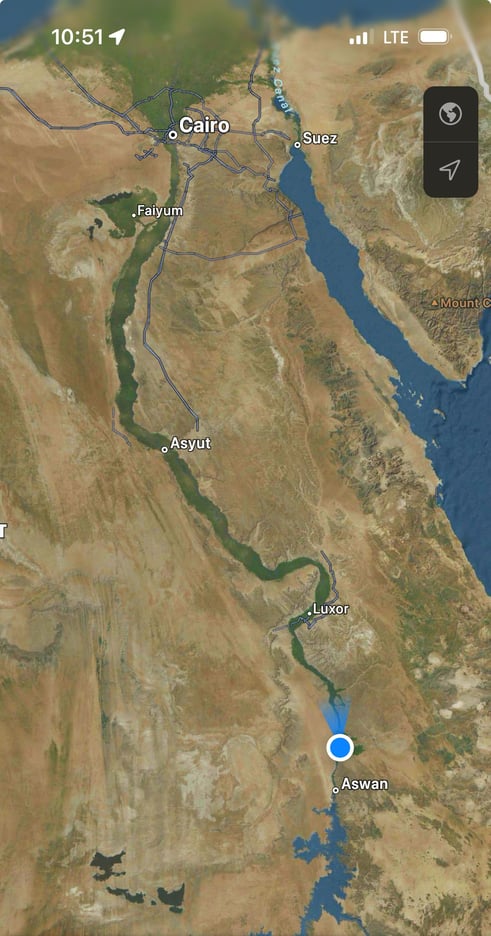
Cairo sits about 641 km north of Luxor, and the sleeper covers that stretch in roughly 10 to 13 hours. You board in the evening at Giza railway station, eat dinner in your compartment, and wake up near the temples.
What decides the way is what you want from the journey. A bed and breakfast on board means the sleeper, while a reclining VIP seat or a flight gets you there faster. If you stay in central Cairo, budget the trip to the station at rush hour.
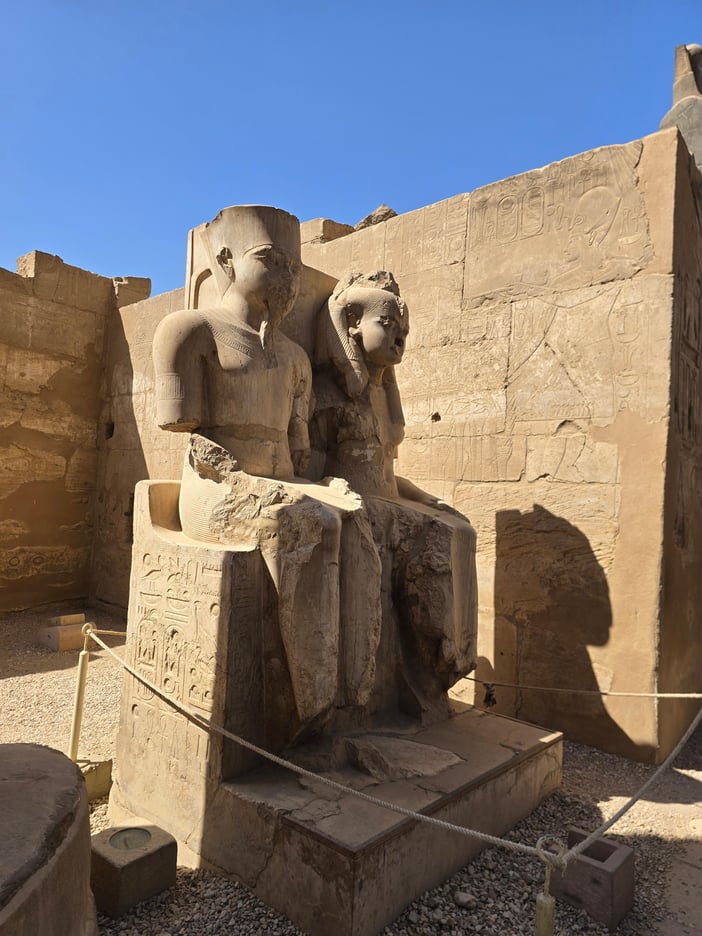
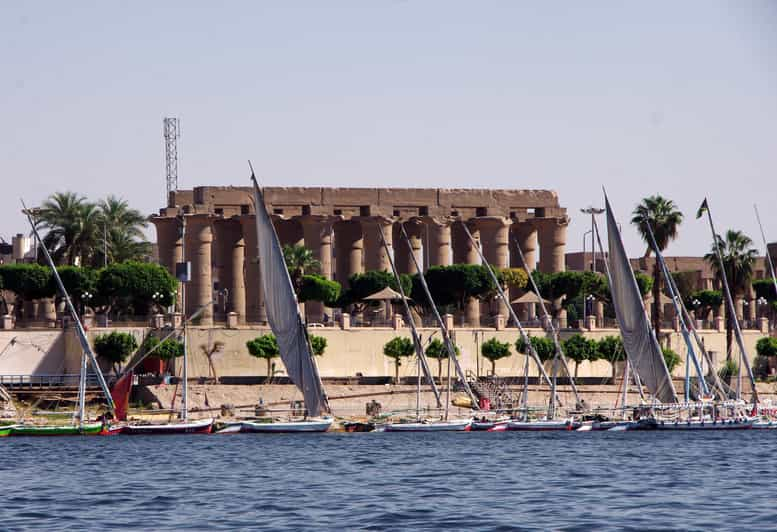
The train arrives early enough for a full day of sightseeing, which is why so many riders pair it with a private guide, Karnak in the morning, and the West Bank tombs by afternoon.
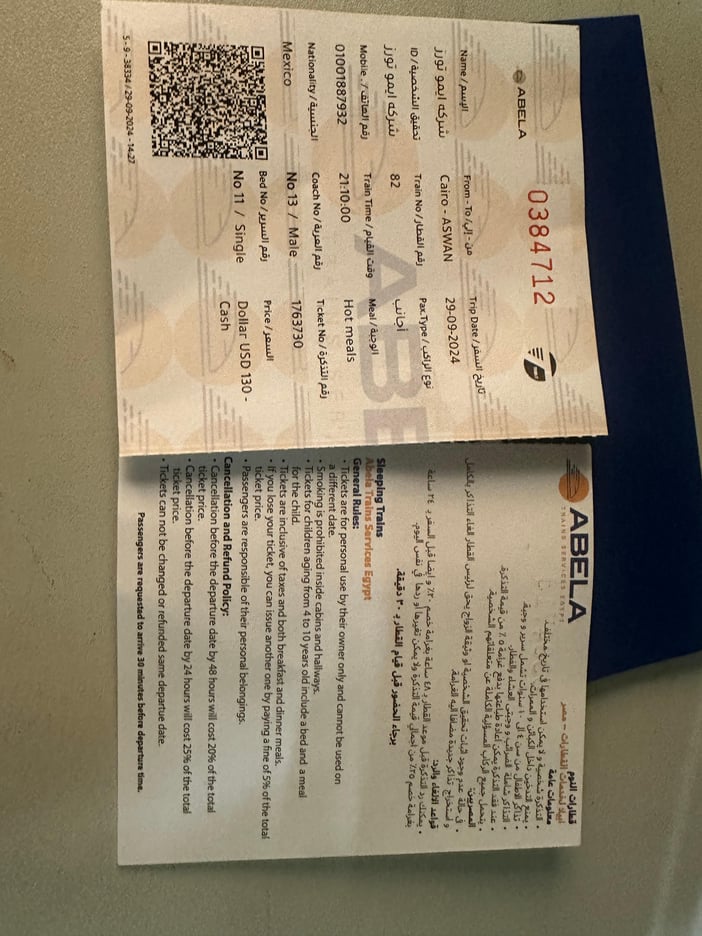
Egyptian sleeper train tickets cannot be refunded once the train has departed, and the travel date cannot be changed after booking.
Fix your Cairo plans before you book the sleeper train to Luxor. Cancelling 48 hours or more ahead costs a 20% deduction from the fare, and cancelling 24 hours ahead costs 25%, so treat the booking as final.
Three trains run this line, and they suit three different travelers. The sleeper leaves Cairo in the evening, rolls south for about 10.5 hours, and delivers you to Luxor early enough for a temple morning. A VIP seated overnight service covers the same ground without a bed. The daytime expresses run the route in daylight.
The daytime services are the ones to weigh against the sleeper. Train 980 departs Cairo at 8 am and pulls into Luxor at 6:40 pm, a 10 hour 40 minute run.
Train 3008 leaves at 8:40 am and takes 10 hours 20 minutes, while Train 974 departs at 5:20 am and needs 12 hours 35 minutes. Every one of them costs you a sightseeing day. The night train spends those hours where you would have been asleep anyway.
| Evening departure | Arrives Luxor early morning | About 10.5 hours | |
|---|---|---|---|
| VIP seated overnight | Evening departure | Arrives Luxor next morning | Roughly 10 hours |
| Daytime VIP Express (Train 980) | 8 am from Cairo | 6:40 pm at Luxor | 10 hours 40 minutes |
| Daytime express (Train 974) | 5:20 am from Cairo | Late evening arrival | 12 hours 35 minutes |
| Daytime AC express (Train 3008) | 8:40 am from Cairo | Early evening arrival | 10 hours 20 minutes |
The choice comes down to what a day is worth to you. If Luxor's temples are the reason for the trip, the sleeper wins: you trade a hotel bill for a berth and step off the train ready to walk into Karnak.
Renting a car sounds like freedom until you look at the numbers. Cairo to Luxor is about 650 km of road, a 7.5 to 8.5 hour drive without stops, most of it across open desert. Add checkpoint stops, fuel and rest breaks, and the day is gone before the first temple gate.
The checkpoints are the part people underestimate. Officers ask foreign drivers for their passports at each stop, and photocopies are generally not accepted, so the original document travels in the car with you. Officers may look closely at your entry stamps.
Tourist vehicles run under their own rulebook: speed limiters capped at 90 km/h, GPS tracked in real time by the tourism ministry, and regular technical inspections by specialized engineers.
That machinery protects travelers in a hired car with a professional driver, but it does nothing for the rental you pilot yourself through an unfamiliar desert. For almost everyone reading this, the rail plan beats the wheel: same distance, and you sleep through the dull middle.
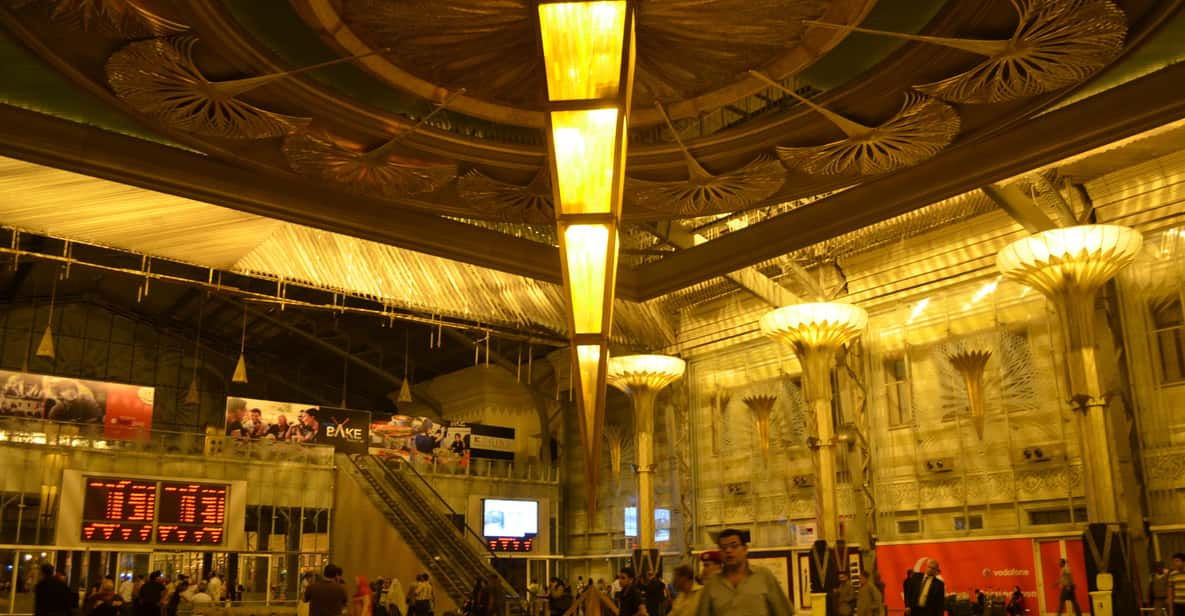
One practical detail decides how smooth the start feels: where the ticket comes from. The sleeper departs from Giza station, and the ticket window is where first-timers lose time. A pre-booked service removes that friction entirely.
The tour called From Cairo: Sleeping Train Transfer to Aswan and Luxor delivers the ticket to your Cairo hotel before travel day, with the reservation guaranteed, so you arrive at the platform holding paper instead of negotiating a counter.
On the day, head to the station about 30 minutes before departure. On the platform, small numbers hanging from the canopy mark where each wagon stops: if your ticket says Wagon 6, queue by the 6 sign. The sleeping train is the green and white one with Sleeping Car stenciled on its side.
Cancellation rules are worth knowing before you pay. Cancel a sleeper ticket 48 hours or more ahead and 20% comes off the fare; at 24 hours, 25%.
After the train has gone, nothing comes back, and the travel date cannot be changed directly. Refunds on card purchases land back on the card within 14 working days.
One thing the ticket will not cover: transfers to and from the stations, and gratuities. Budget for both.
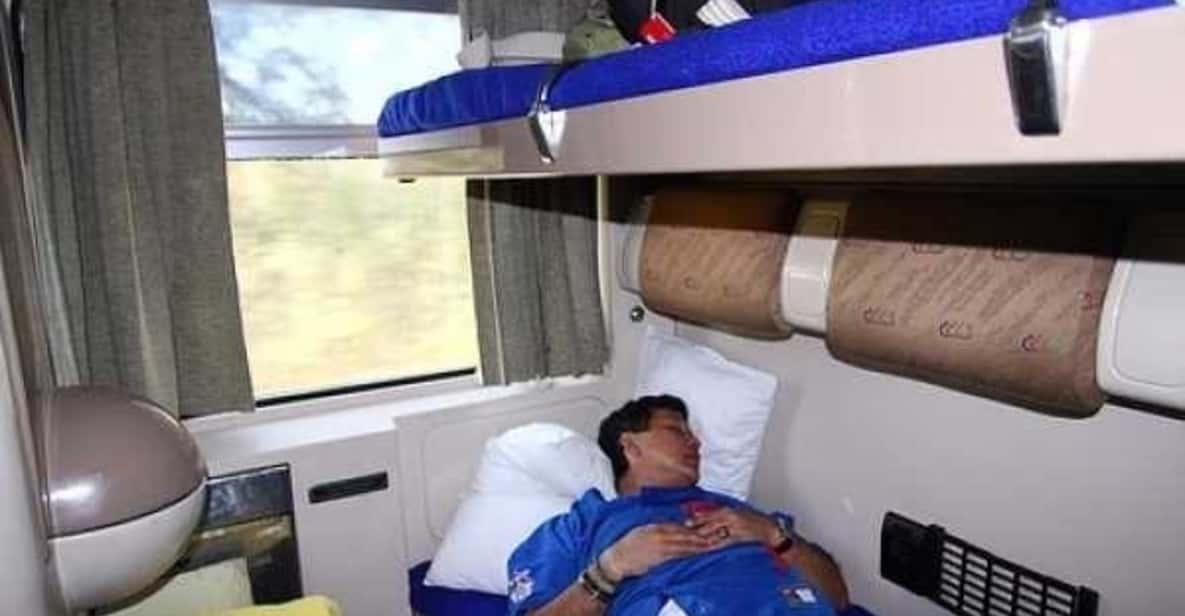
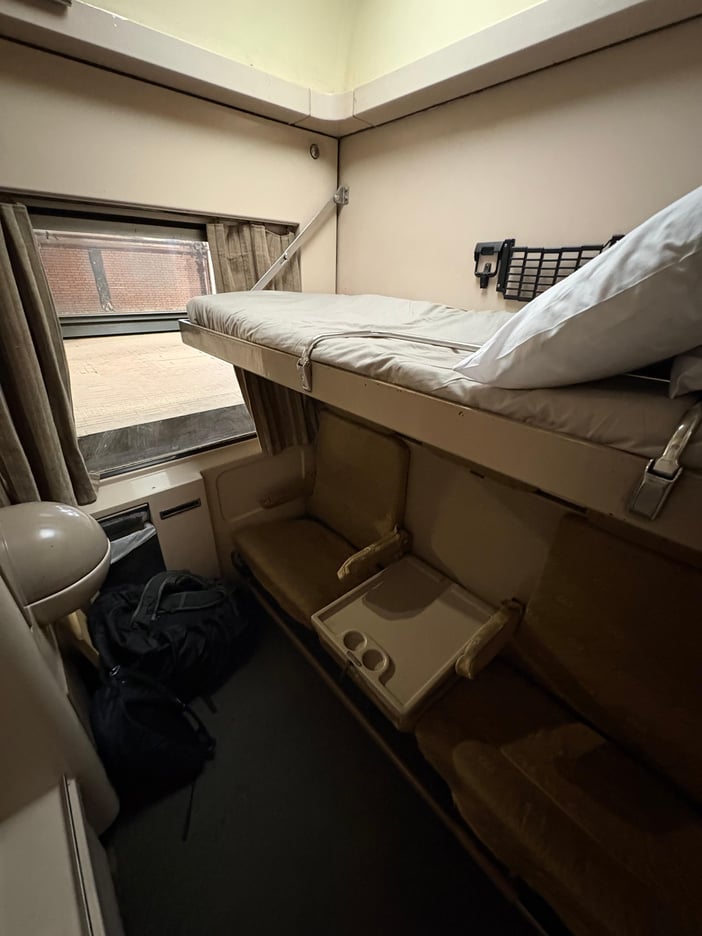
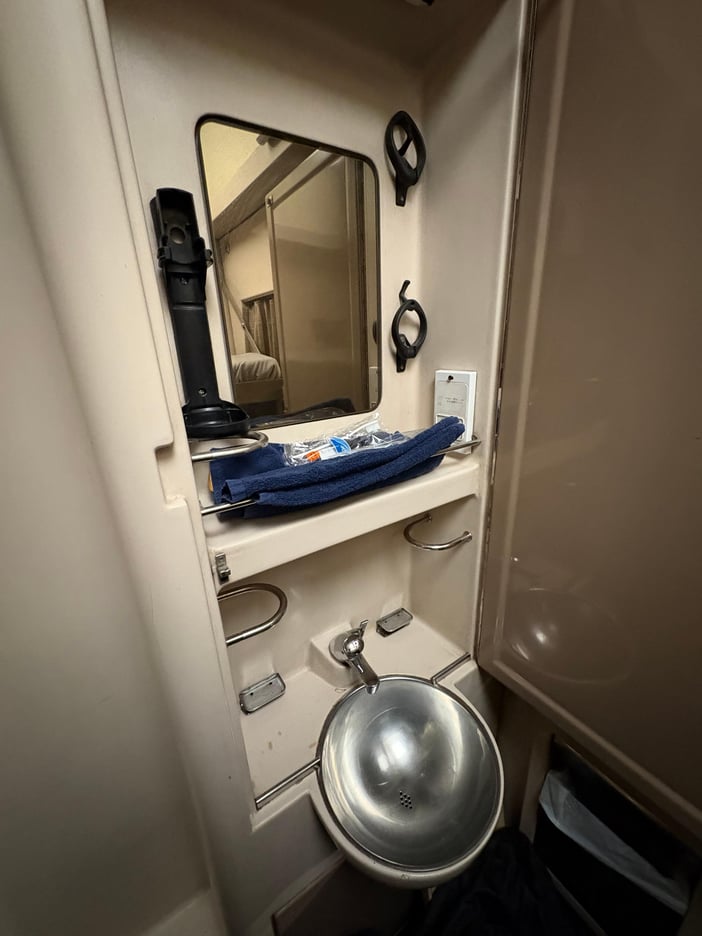
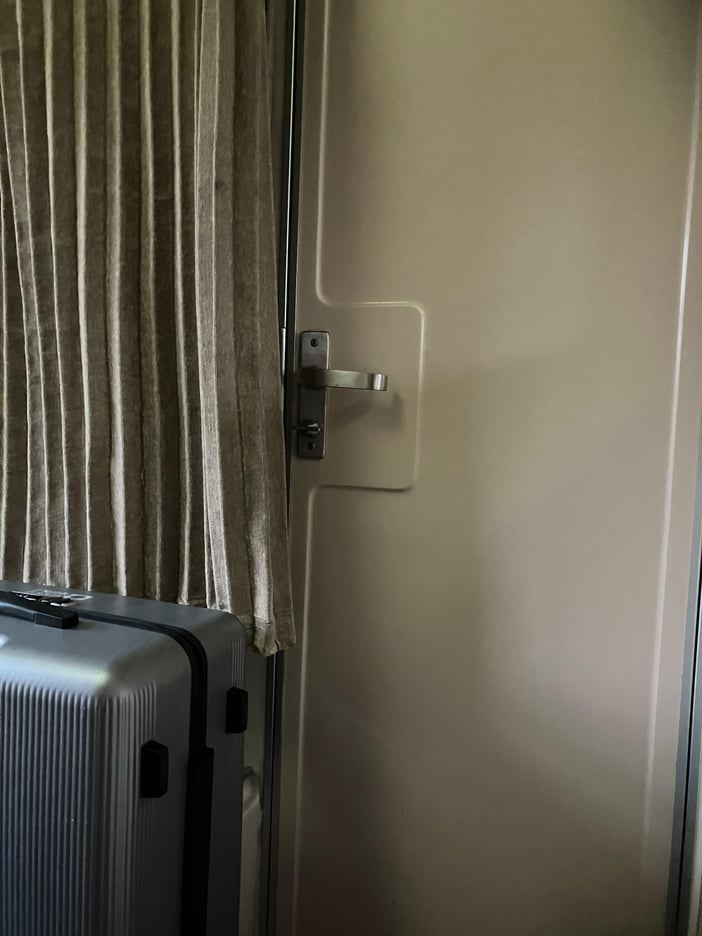
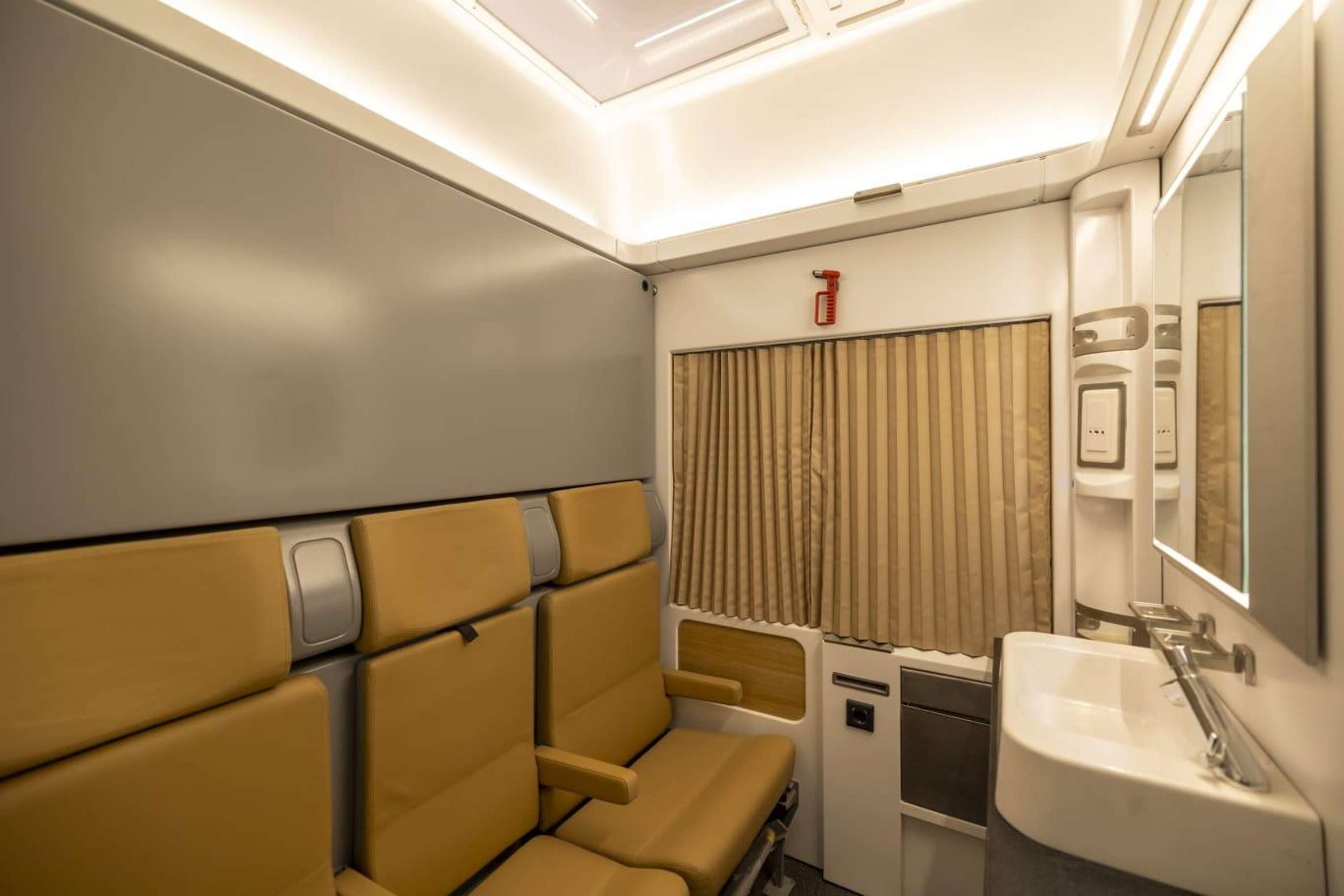
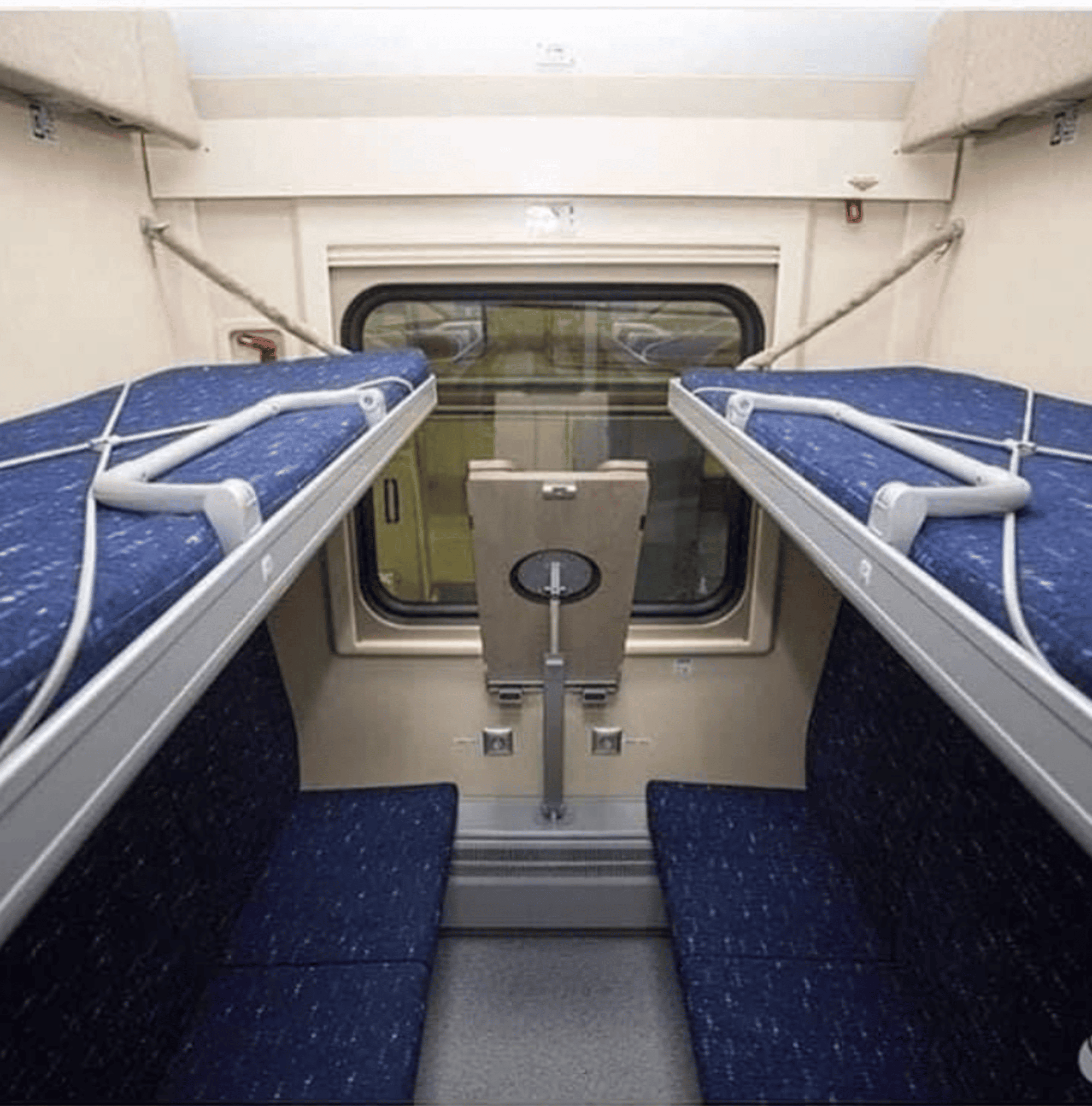
The compartment is a private room on wheels, and it is smaller than the word cabin suggests. Two berths fold out of the daytime seating, one above the other, each with clean linen. A small washbasin sits in the corner, and there is a lockable door between you and the corridor.
Power outlets run the essentials: phone charging, a lamp, nothing more demanding. Luggage goes under the lower berth or on the rack above the door, and everything stays inside the compartment with you overnight, which is exactly why the lockable door matters.
Ten and a half hours sounds like a long commitment to a small room until you remember what the room replaces: an airport lounge, a taxi rank at dawn, a hotel bill.
Travelers who board with a book and modest expectations report the night passes quicker than the clock suggests. The train moves, the desert slides past the window until the light goes, and then it is just rails and sleep until Luxor.

Dinner and breakfast come with the berth, served in the compartment as the train runs south. That is the headline, and it is worth knowing what sits behind it: the onboard meals have a reputation for being ordinary, with portions on the small side. Nobody boards the sleeper for the cuisine.
A stop at a shop before departure costs twenty minutes and changes the tone of the whole trip. Travelers who board with bread, fruit, cheese and a large bottle of water eat their own supper with the railway's dinner as backup, and again at breakfast.
Giza station has a few small shops selling snacks and water, plus a small restaurant, so the last-minute option exists if you arrive early.
The rhythm of the night helps too: dinner soon after departure, dark hours of rolling track, then breakfast as the fields of the Nile Valley come up outside the window. By the time the tray is cleared, Luxor is close.
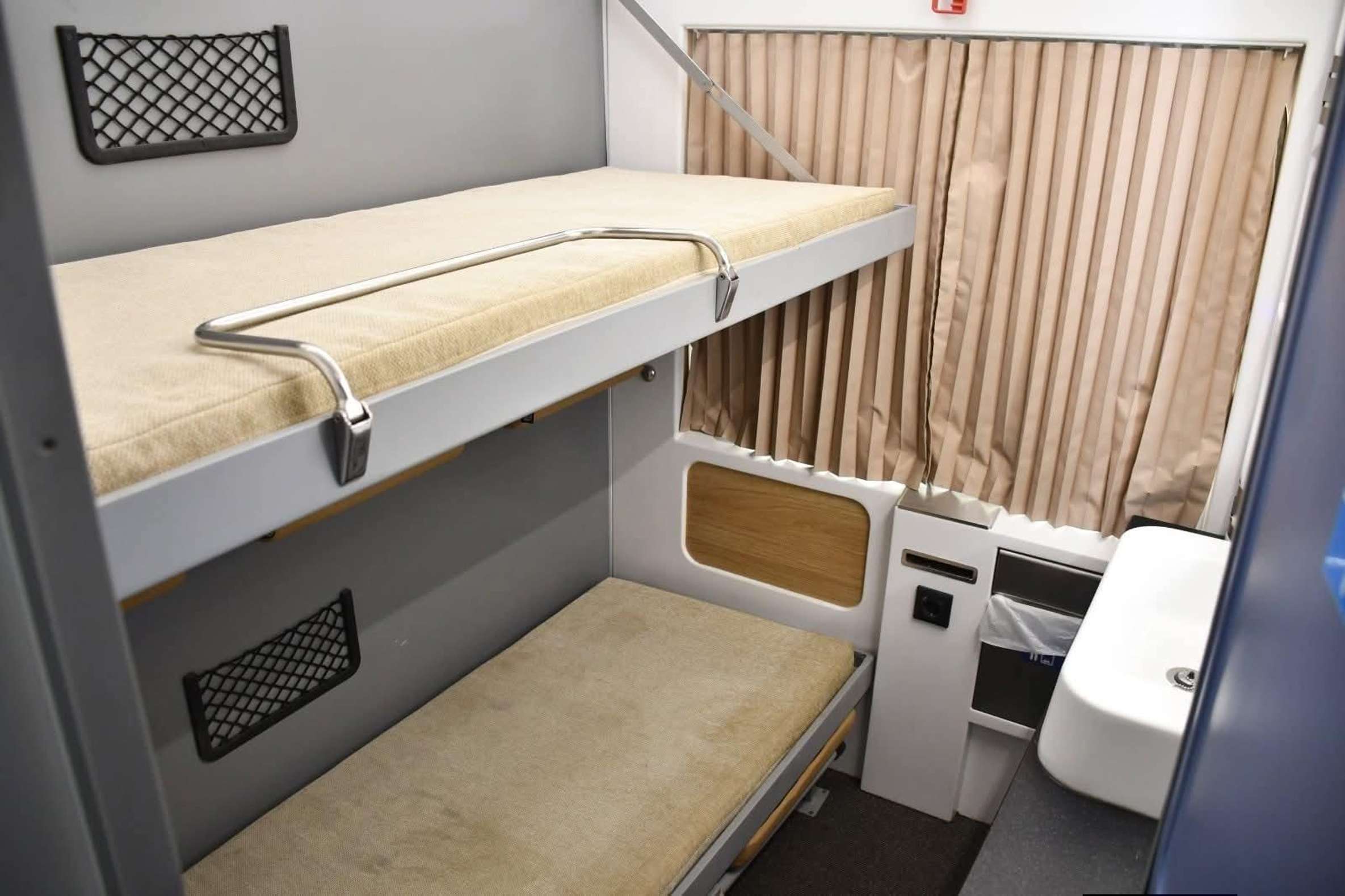
Three things decide whether you sleep well, and all three are within your control. The first is the air conditioning, which runs fierce, and first-timers regularly wake up cold at two in the morning.
Find the vent control before lights out and dial it down; a light layer of clothing earns its place in your bag.
The second is the restroom. Toilets are shared, down the corridor, and basic in the way you would expect of a moving train. Experienced travelers use them before dinner and again at first light, and carry their own tissues and sanitizer with them.
The third is security, and here the cabin does most of the work for you: your luggage sleeps where you sleep, and the overnight routine is simpler than most first-timers guess.
The bags stay with you all night, and nothing needs watching
Standard practice on this train once the lights go down
Corridor storage is nobody's responsibility but yours
Do that much and the cabin becomes what it promises: a hotel room that moves while you are unconscious, and wakes you up 650 km further south.
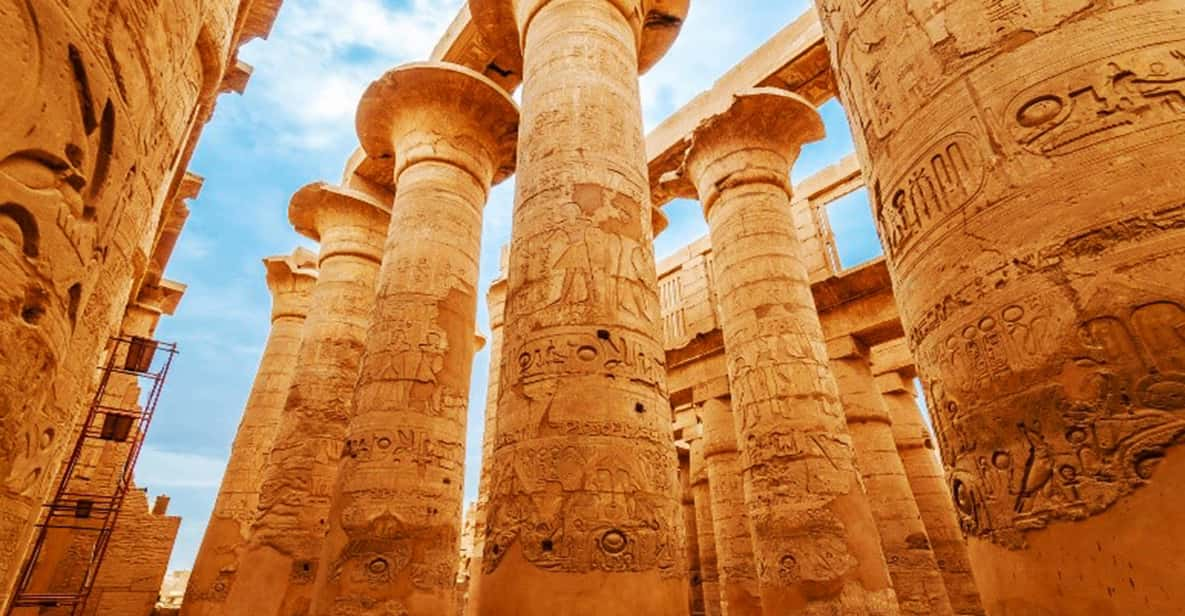
The train slows into Luxor while most of the city is still asleep, and that timing is the whole point of the sleeper. Luxor's monuments open at 6 am, and Karnak takes last entry at 4 pm in every season, so a dawn arrival gives you a complete day before the gates close.
Morning hours are also the best hours. In summer especially, travelers aim to reach the archaeological sites before 7 am and retreat indoors by 10 am, because midday heat on open stone is punishing. Step off the sleeper, and you are on that schedule by default.
Met on the platform if your tour includes transfers
Karnak opens from 6 am
Luxor Temple admits until 7 pm
Covers the Hypostyle Hall, obelisks and Sacred Lake
Daylight visits after this are done
A guided walk through Karnak runs about two hours against the three to four hours a thorough solo visit takes, which matters on an arrival day when the clock is already moving.

The ticket gate is where the cash habit ends: entry tickets at Karnak and most Luxor sites are bank card only, cash completely refused. The Ministry of Tourism and Antiquities takes bank cards, credit cards or pre-paid Meeza cards at the cashless sites, and foreign visitors pay with their own cards at the window.
Buy online in advance through the official site egymonuments.com to skip the queue, and note that the Valley of the Kings has self-service kiosks, card only, for extra tombs such as Tutankhamun and Seti I.
Cash has not vanished, though. It lives in small Egyptian pound notes: keep a bundle for the restroom attendant, a tomb guardian who unlocks a chamber and lights the painted walls, or the occasional helpful guard. On a day without a guide or driver, a modest wad of small banknotes covers every such moment.
Dress is simpler than rumor says: no strict code and no headscarf needed at Karnak, just clothing that covers shoulders and knees. Solid-soled shoes matter more than fashion, for sand and uneven stone, and a hat, sunglasses and SPF 50+ sunscreen are essential in every season.
For many travelers the sleeper is the boarding pass more than the destination.
Short Nile cruises do not sail from Cairo: covering the full river takes around two weeks, so the standard three to five day cruises run between Luxor and Aswan, and everyone reaches them by plane or train first. Arrive by sleeper and you wake up at the embarkation point.
The arithmetic works in your favor. Luxor sits about 650 km south of Cairo, close enough that an overnight train replaces a flight plus a hotel night, and cruise itineraries of three to four nights run from here south to Aswan or back down from Aswan.
The rare full-route sailings between Cairo and Luxor take 11 to 13 days, which is a different holiday entirely.
So the plan writes itself: sleeper south, night in Luxor or straight aboard, cruise between the two temple cities, then the return by whatever suits.
Arriving by rail puts you at the dock with a morning to spare instead of landing at noon and losing half a day to transfers. For cruise starters, the night train doubles as the efficient route: you sleep south and wake at the embarkation point.
The train runs all year; what changes with the month is what you can do when you step off it. November through February bring the kindest weather on the river: daytime highs between about 24 and 30 degrees, cool nights, and almost no rain.
November alone pairs comfortable days around 30 degrees with the busiest cruising month of the year, so the trade is warmth for crowds.
November: 5 out of 5 for how busy it gets.
Tap a month to read it.
Summer rewrites the plan.
From May through September, and especially June through August when daytime highs regularly pass 40 degrees in the shade, the day shrinks: sites open at 6 am, comfortable outdoor hours last roughly ninety minutes, and the sensible schedule pushes touring to early morning and late afternoon, with 10 am to 4 pm spent in the Luxor Museum or the Mummification Museum.
Heat exhaustion forces unprepared visitors to cut tours short every summer.
The sleeper actually suits the hot months better than a flight day: you arrive rested at dawn, tour the tombs while the stone is still cool, and retreat indoors by mid-morning. In winter, the same arrival buys you a full, unhurried day either way.
By this point the trip is clear, and the last choice is who runs it. Independent travelers comfortable with a ticket counter, a card machine and a self-guided temple day can make the journey themselves; the train is straightforward once the ticket is in hand.
A package earns its place by removing the friction. The tour called From Cairo: Luxor Sightseeing Tour by Sleeper Train bundles round-trip sleeper tickets, hotel pickups at both ends, a private air-conditioned vehicle, a private guide, entrance fees and bottled water across three days.
A private guide also absorbs a large share of the vendor pressure at Luxor's sites, though guides, drivers and site staff still expect tips, so tipping stays in the budget either way.
One habit to drop on any private tour: some operators slip souvenir shop visits into the itinerary unless you decline them at the start of the day.
| Check | Why it matters | Our pick |
|---|---|---|
| Guaranteed berths | The reservation is the whole product; a vague promise costs you the night | Sleeper tickets are included and reservation availability is guaranteed |
| Tickets delivered | A hotel delivery saves the station counter queue | Tickets arrive at your Cairo hotel before travel day |
| Arrival to sightseeing | A dawn train only pays off if the day is planned | Pickup at Luxor station and a guided program from Karnak onward |
| Train delays | Trains may run late, and the day should flex | The tour follows the train, with transfers waiting at arrival |
Read the four checks against your own trip and the booking decision makes itself. If the reservation, the delivery, the dawn pickup and the delay plan are all covered, the package has done its job; anything missing is the friction you will feel on the day.
The sleeper suits travelers who want the night paid for twice over: transport and lodging in one berth, arriving with a full morning ahead. Take a package if you want the berths guaranteed and the tickets delivered; go on your own if a station counter and a self-guided Karnak walk hold no fear.
Yes. The Watanya sleeping train runs overnight between Cairo and Luxor, with a private cabin and dinner and breakfast served on board. You sleep on the rails and wake up in Luxor ready to sightsee.
Expect roughly 10 to 13 hours on board depending on the service. Board at Giza station in the evening and step off in Luxor the next morning. Delays happen, so build some slack into the following day.
Trains leave from Giza railway station. Arrive at least 30 minutes before departure, and on the platform look for the small numbers hanging from the canopy: they mark where each wagon stops.
No. Pre-booked tickets are delivered to your hotel in Egypt, and your reservation is guaranteed before you arrive. That removes the ticket-counter scramble at the station entirely.
Your ticket shows your wagon number. Line up under the matching number sign on the platform and board the green and white train with Sleeping Car written on its side. Your compartment is where you keep your luggage overnight.
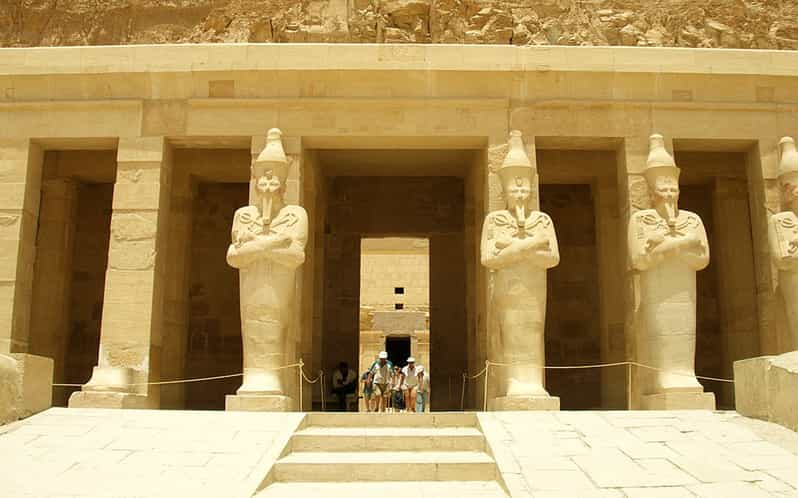
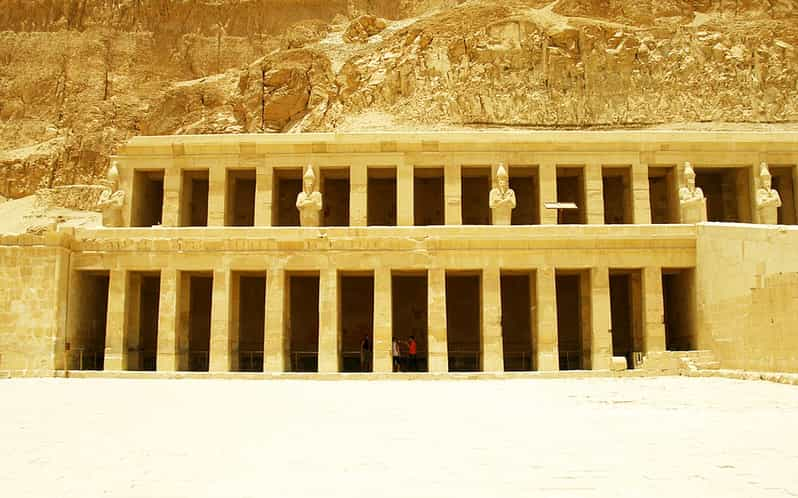
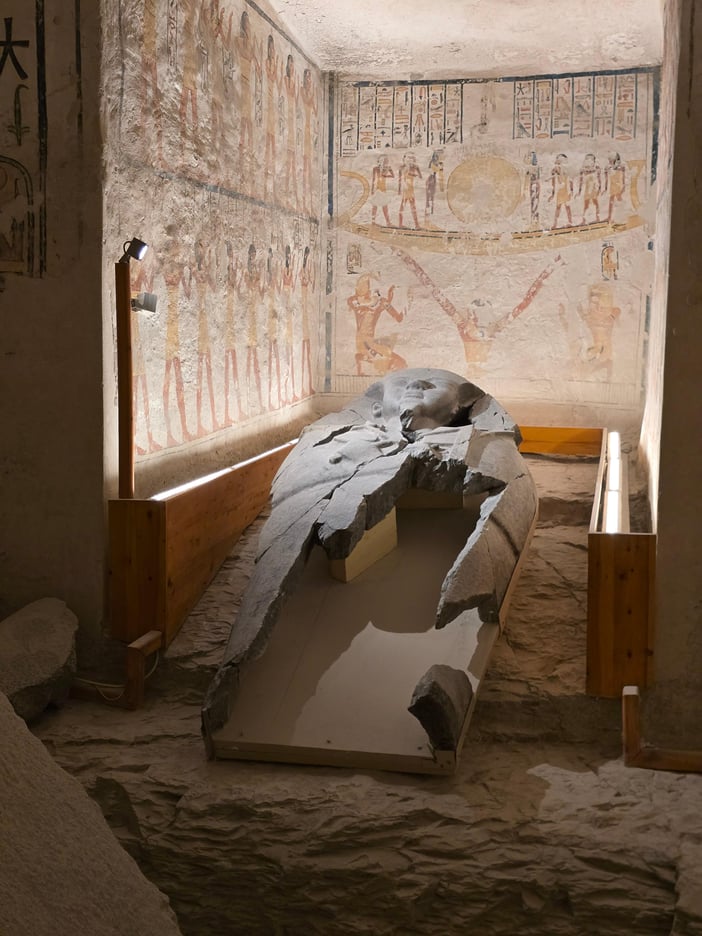
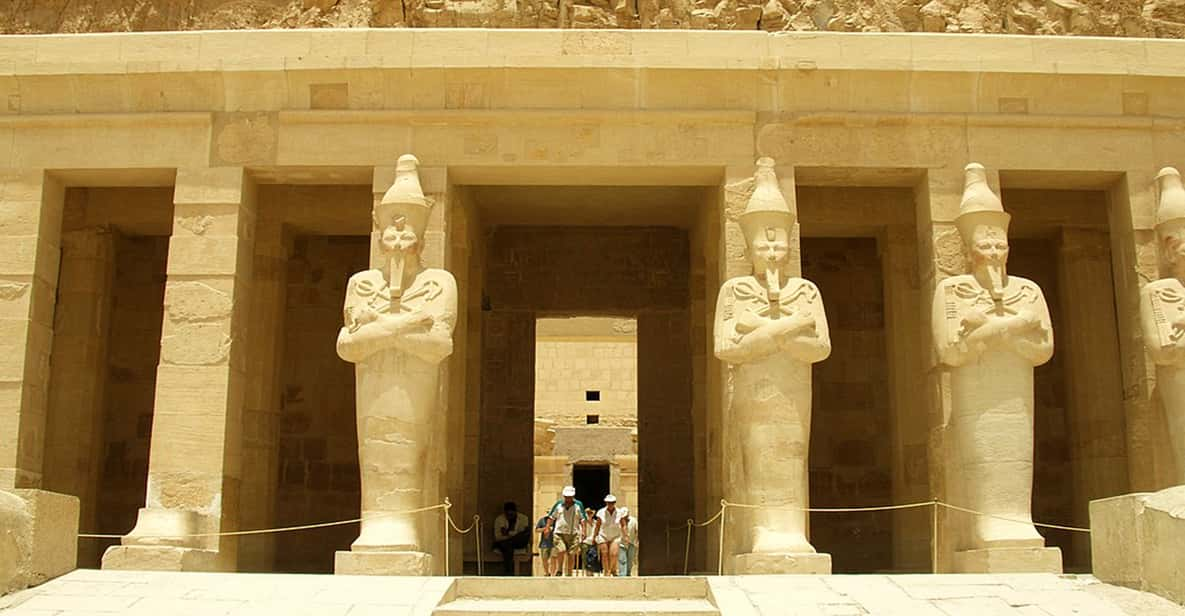
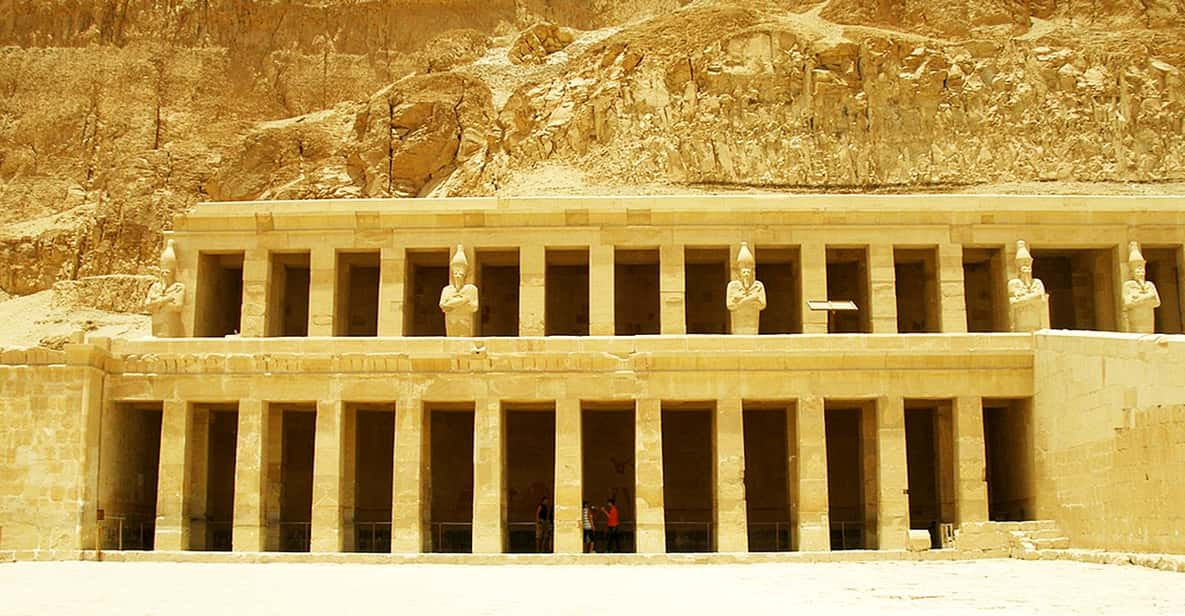
Yes. One tour runs three days: the sleeper train down, a private guided day across Karnak, Luxor Temple, the Valley of the Kings and Hatshepsut's temple, then the train back. Tickets, transfers, guide and entrance fees are all covered.
Your passport, which you will also need to send ahead when booking a guided package, and a towel. Keep small notes handy for tips along the way. Meals on the train are included.
If you want more than one day there, yes. Two days lets you give each bank of the Nile a full day. An alternative overnight tour pairs a VIP train ride with a night at a Luxor hotel and breakfast included.
Luxor Temple takes last entry until 7 pm, so it works well for a first evening. You can also walk the Avenue of Sphinxes toward Karnak without entering either temple, since the avenue itself is free.
Flights take about an hour each way, so they suit single-day trips. The train trades speed for a saved hotel night and the experience of watching the Nile Valley roll by, arriving rested instead of rushed.
See how the overnight train stacks up against flying and private cars for the Cairo to Luxor run.
Prefer to be in Luxor by breakfast? Compare flight times and schedules against your night train plan.
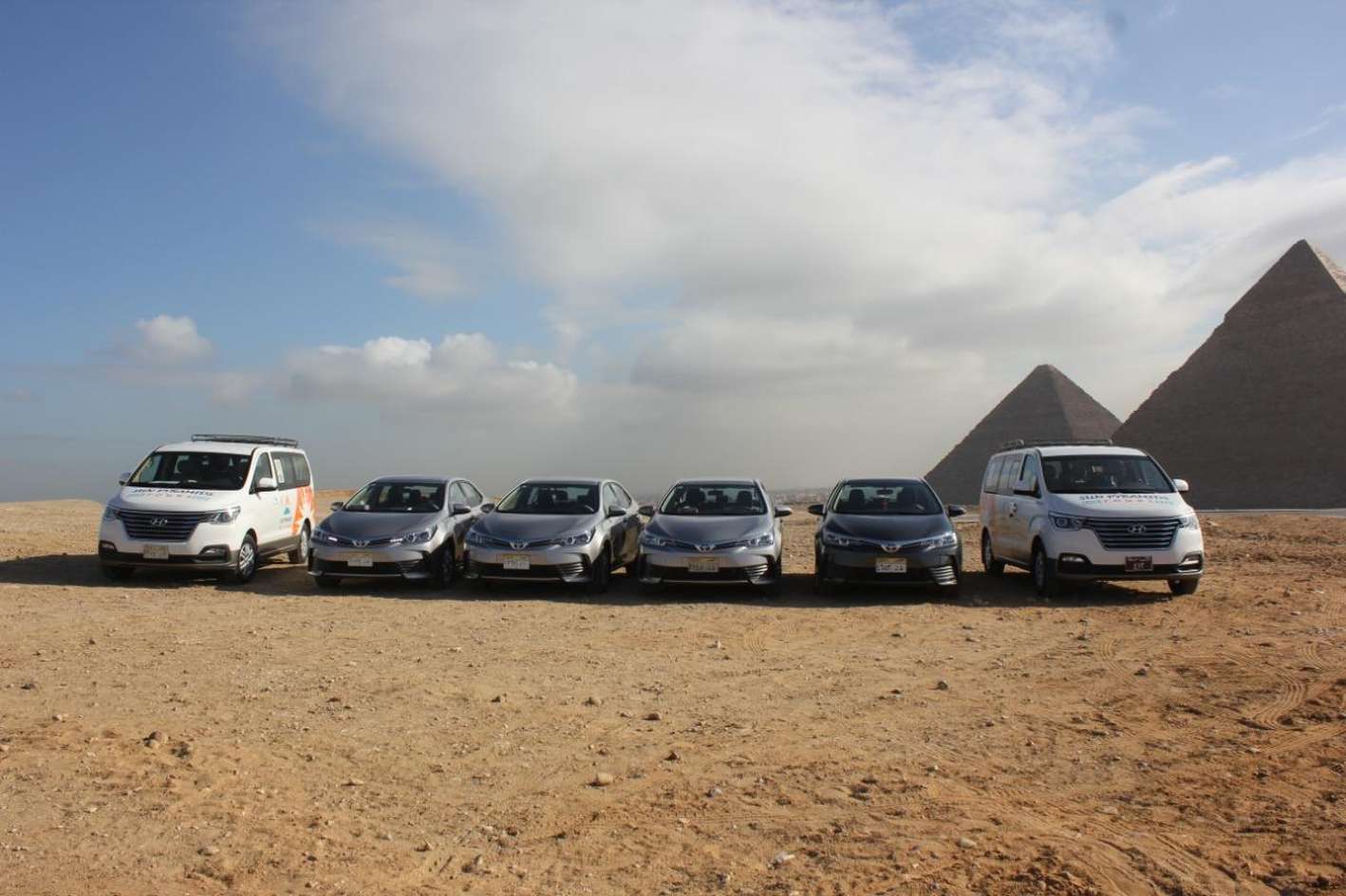
If you would rather ride the desert road by day, see what a private car transfer between the cities involves.

Train south, then sail: find out which cruise packages pair with overland travel to Luxor or Aswan.
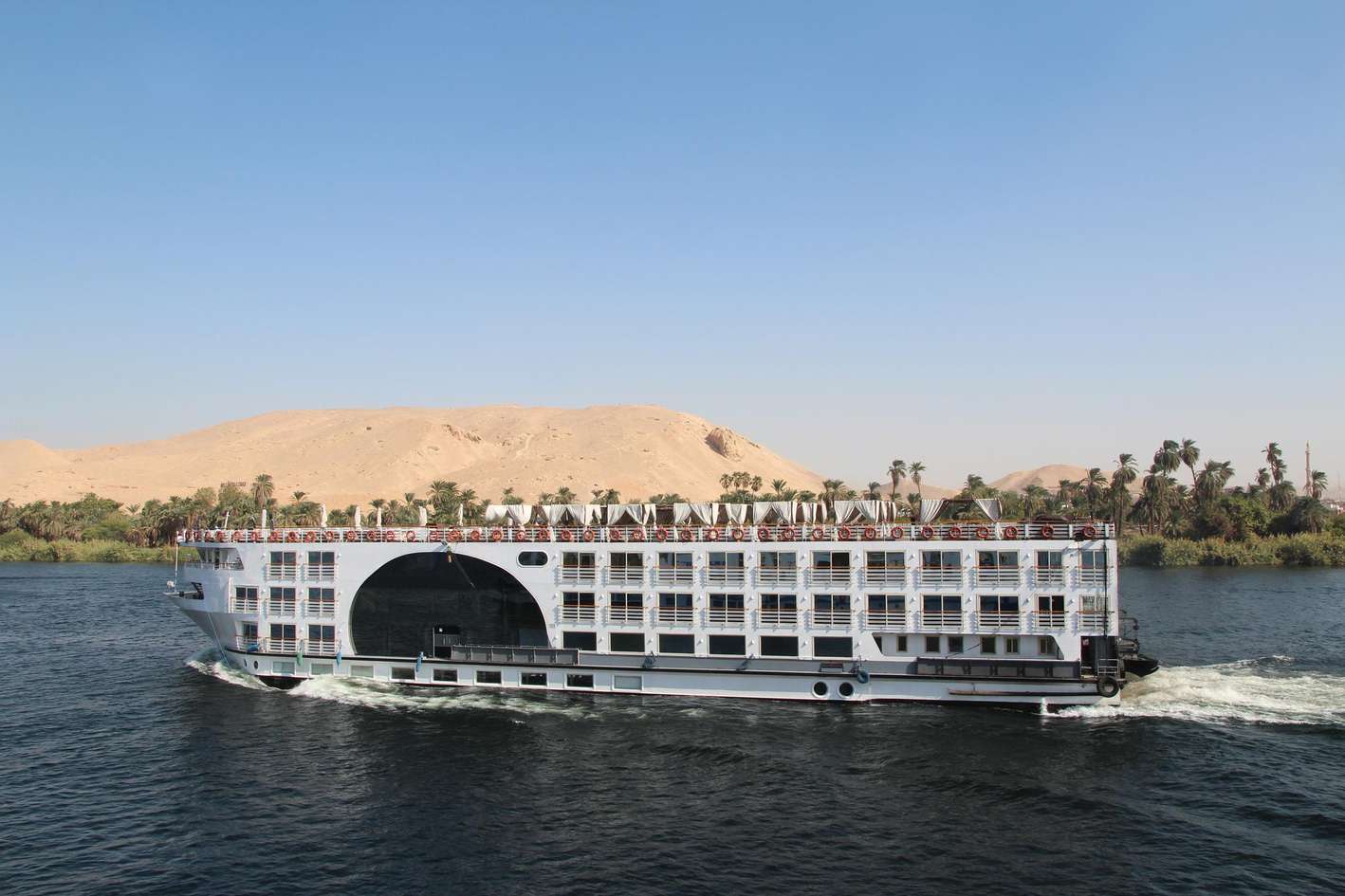
A night train is not the only way south. See short Nile cruises that start where the rails end.

Going further than Luxor? Read how the long river route to Aswan works and what sailings it offers.

Arrive in Luxor, then cruise downriver from Aswan. See the classic three and four-day sailings.

Short on days? See how one to four-night cruises fit around your train arrival in Luxor.
Stay in Cairo and still see the Nile at night with a two-hour dinner cruise before your train departs.

Wondering if one day in Luxor is enough? See what a full or half-day tour there can cover.
Heading to the Red Sea after Luxor? Compare day trips to the temples from Hurghada.
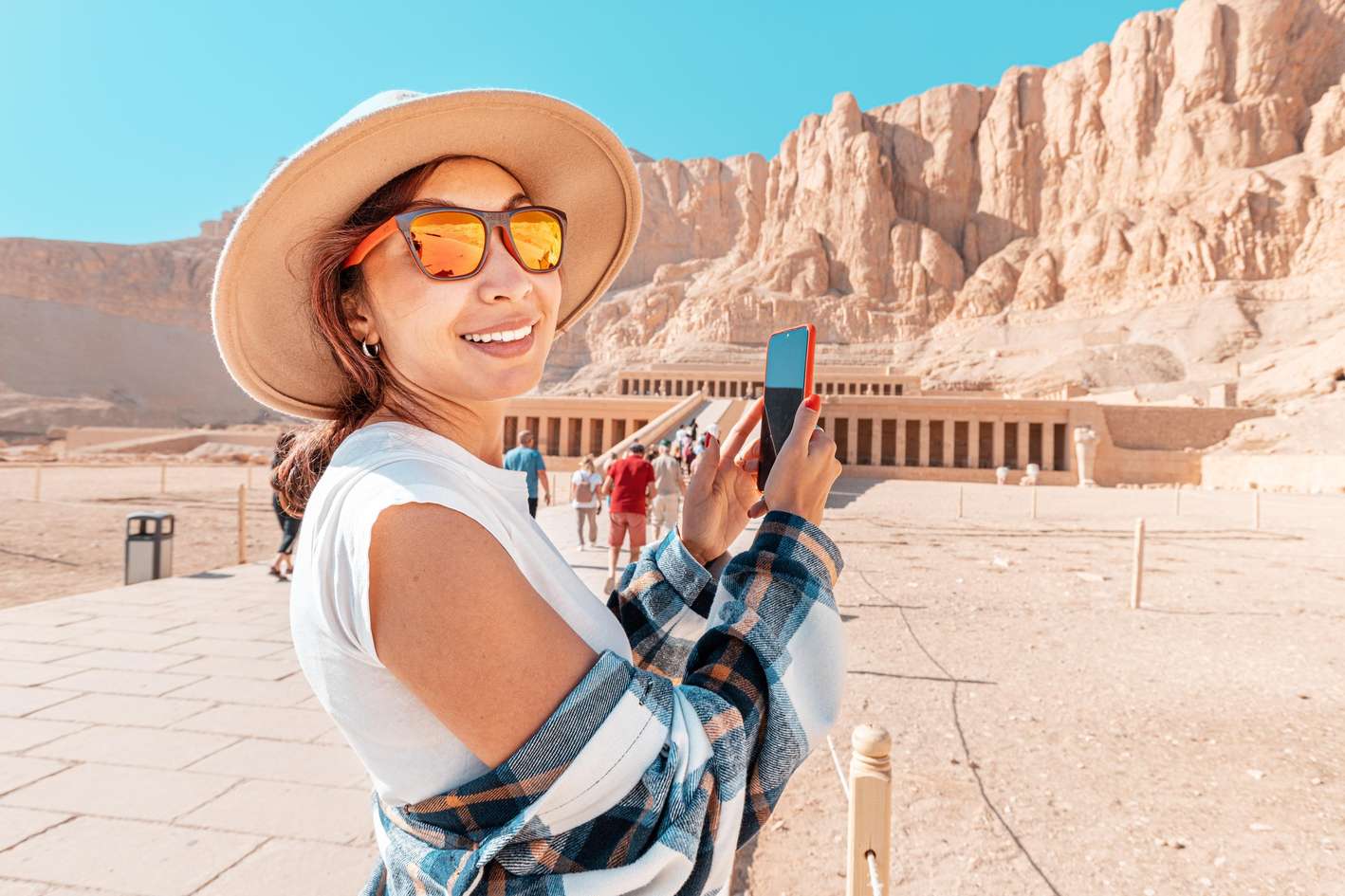
From Marsa Alam, guided trips reach Karnak and the Valley of the Kings without an overnight stay.
From Sharm el Sheikh, flights put you at the temples in a morning. See how those tours run.
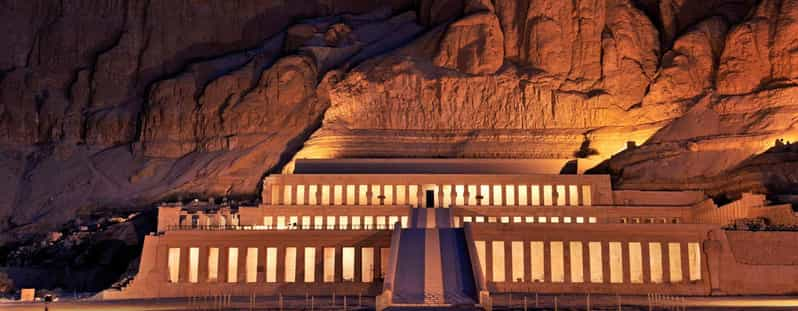
Once in Luxor, a day trip south covers Philae and the High Dam without changing hotels.
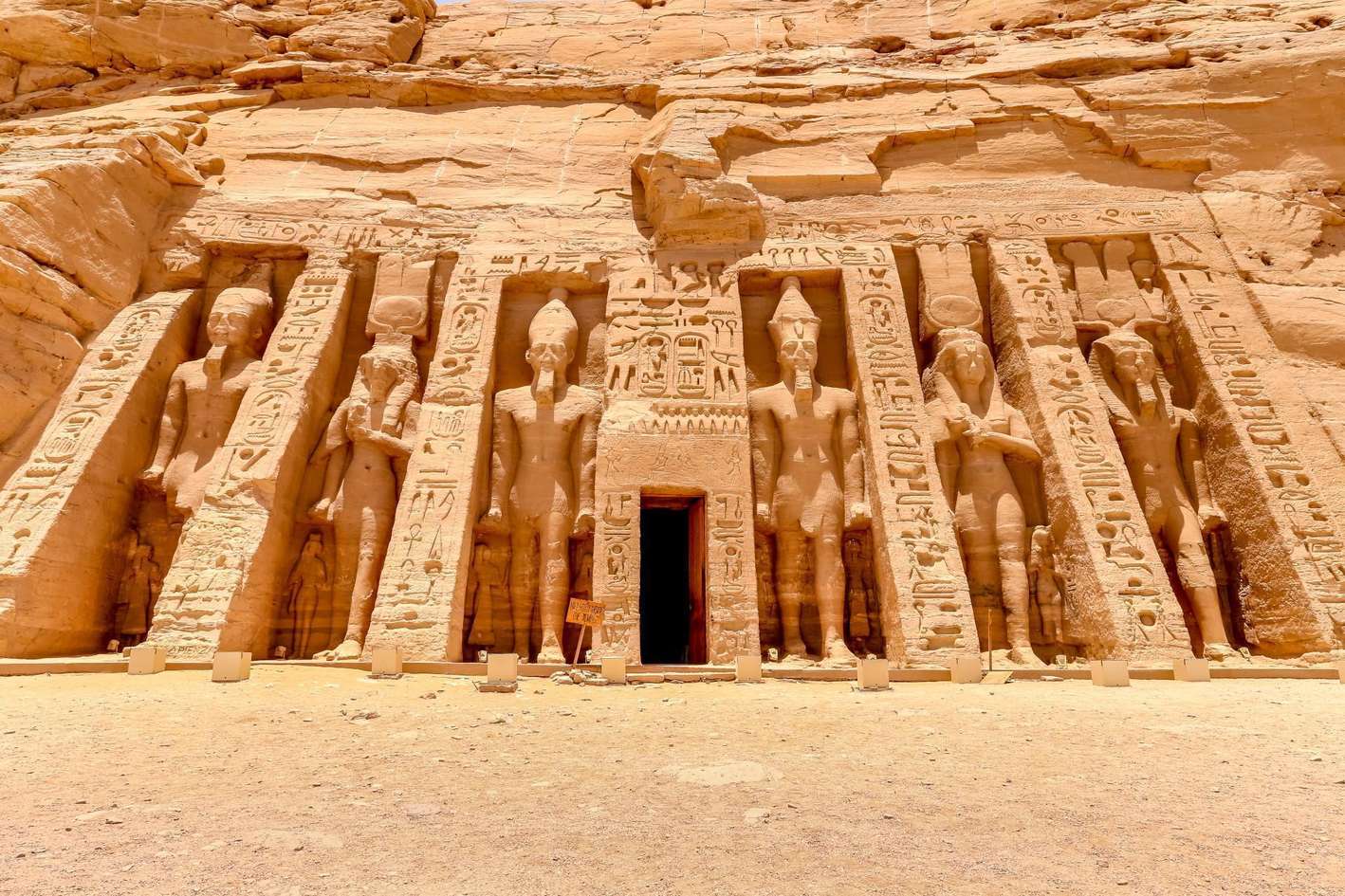
Abu Simbel sits far south of Luxor. See the itinerary, flight options and travel times involved.
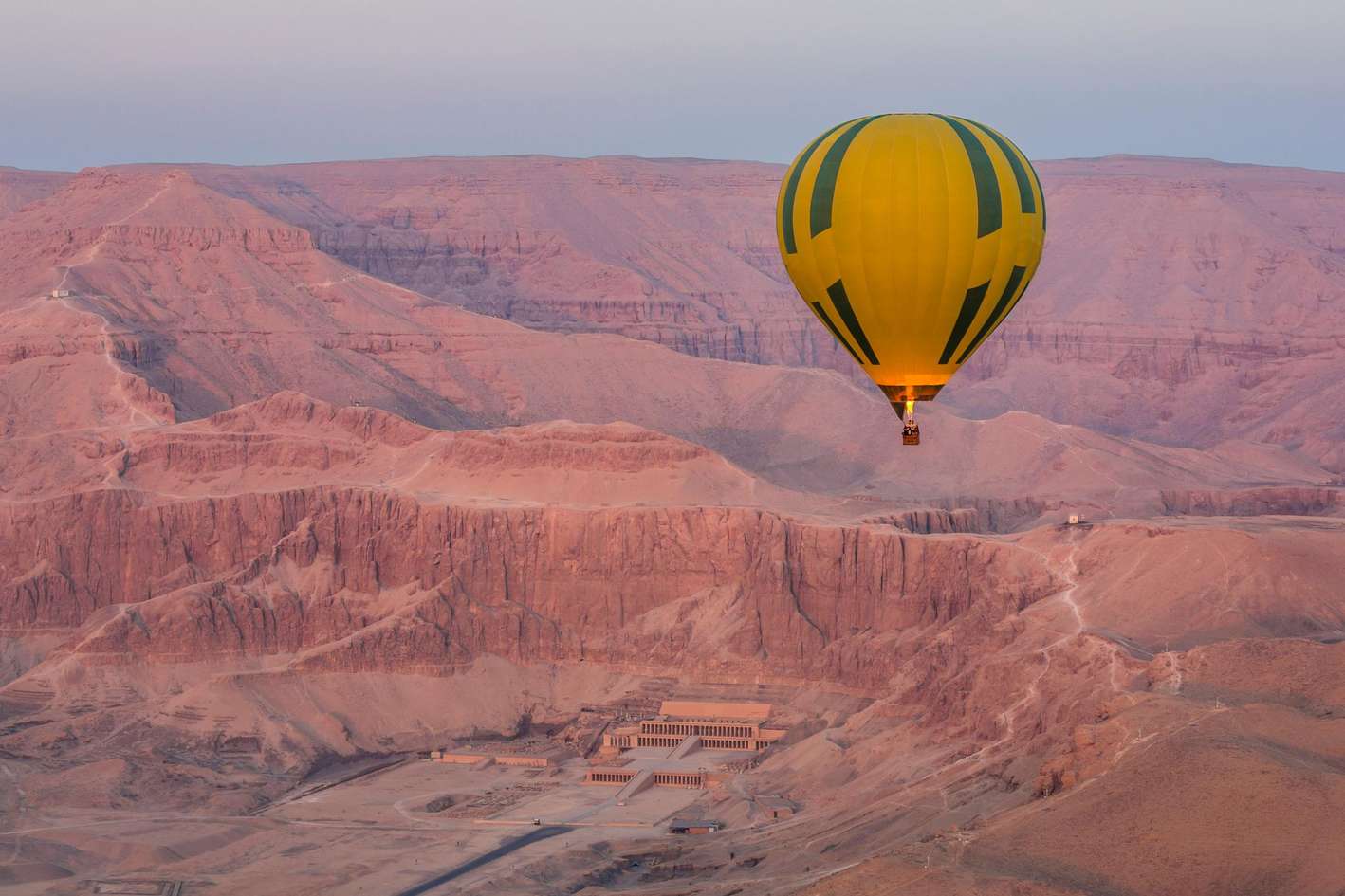
Your train gets you to Luxor by dawn. See how to spend that first sunrise over the West Bank.
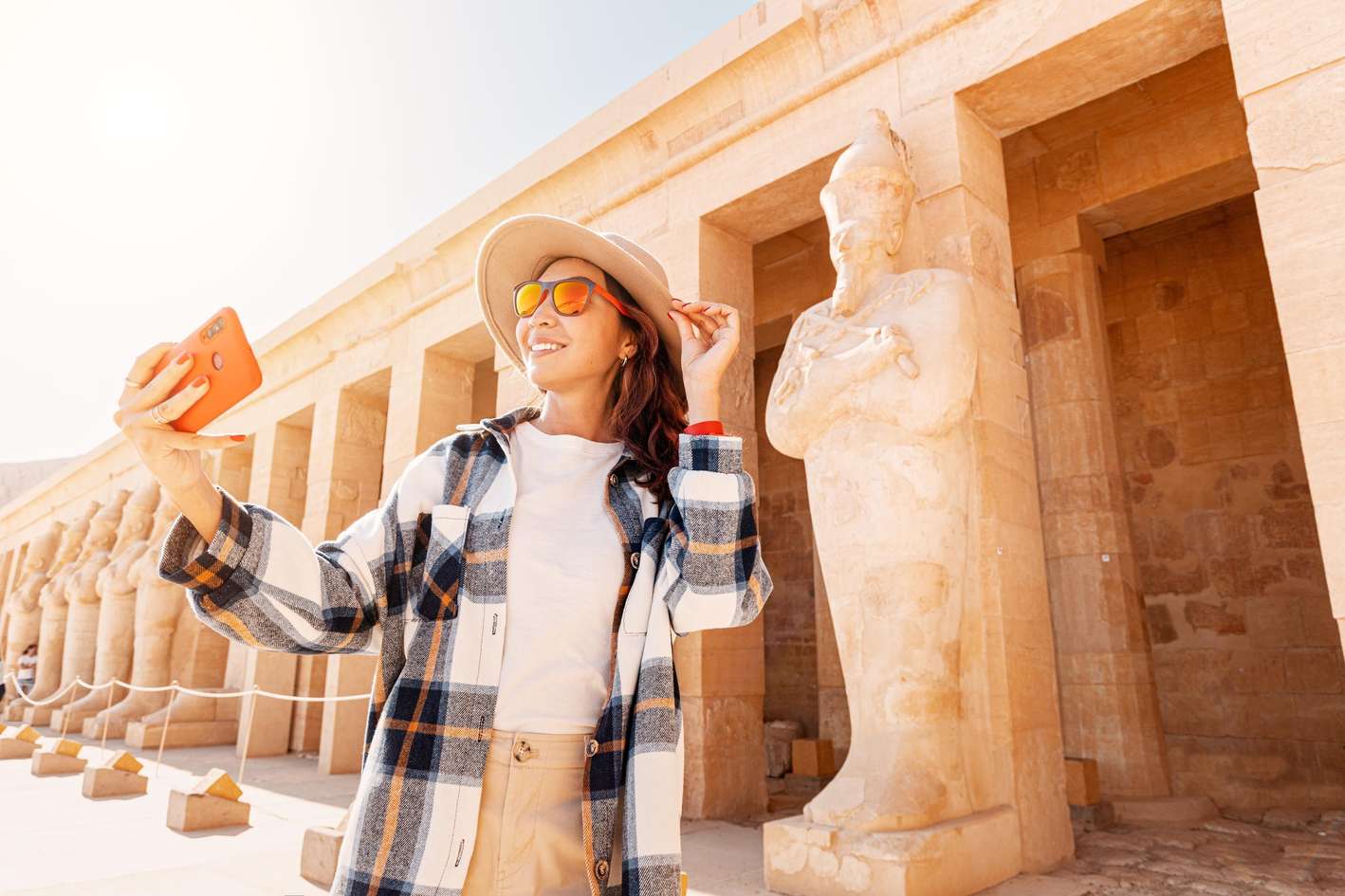
Karnak tops most Luxor lists. Get its opening hours, ticket basics and light show times.
Pick a travel date and book your Cairo to Luxor sleeper train ticket ahead, with dinner and breakfast on board and free cancellation up to 7 days before you go.