
Our pick
15 hours·Arabic, English
4.5(832)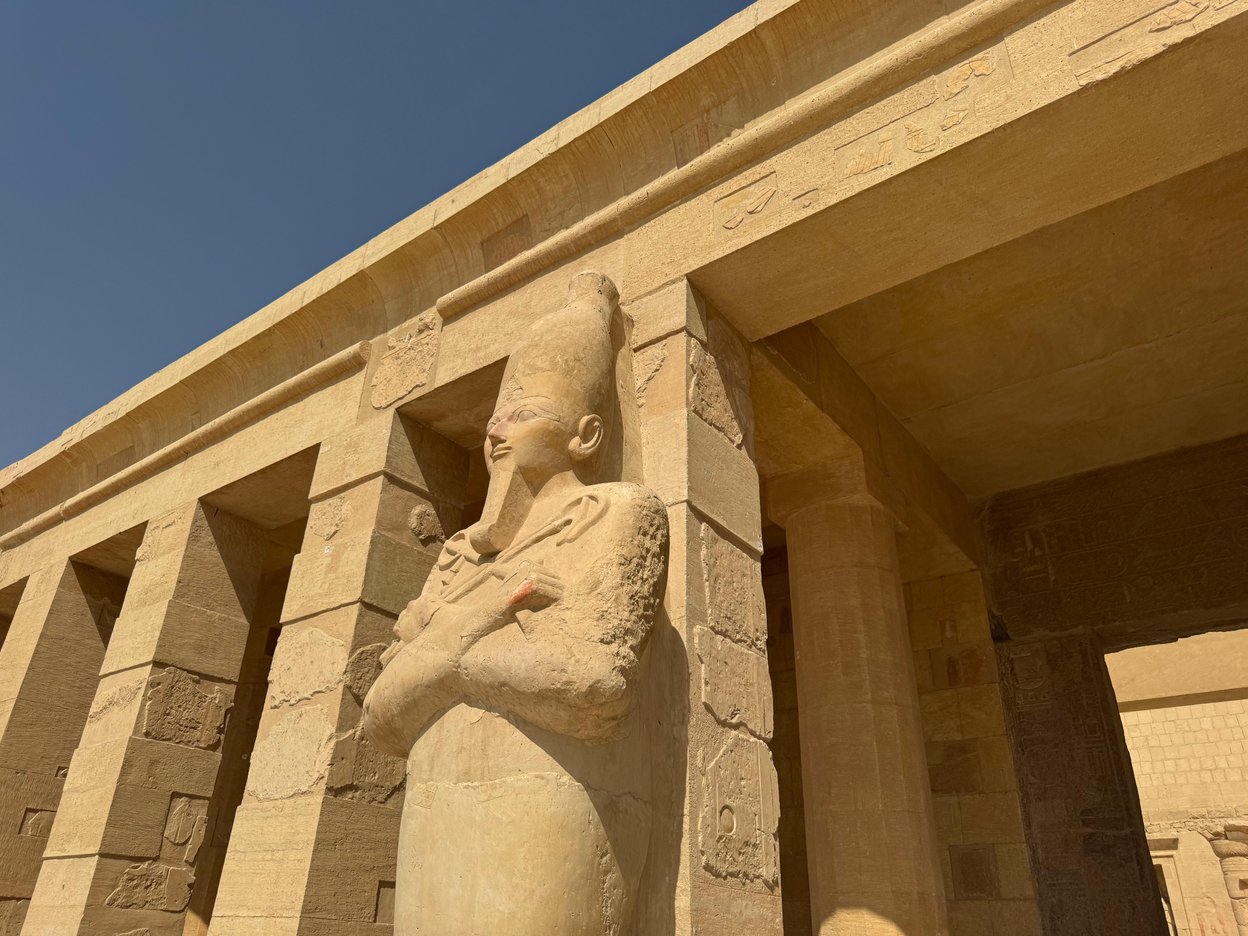
Cairo: Private Luxor Day Tour with Entrance fees by Flights
Round-trip flights from Cairo are includedMeals are included in the price of the tour
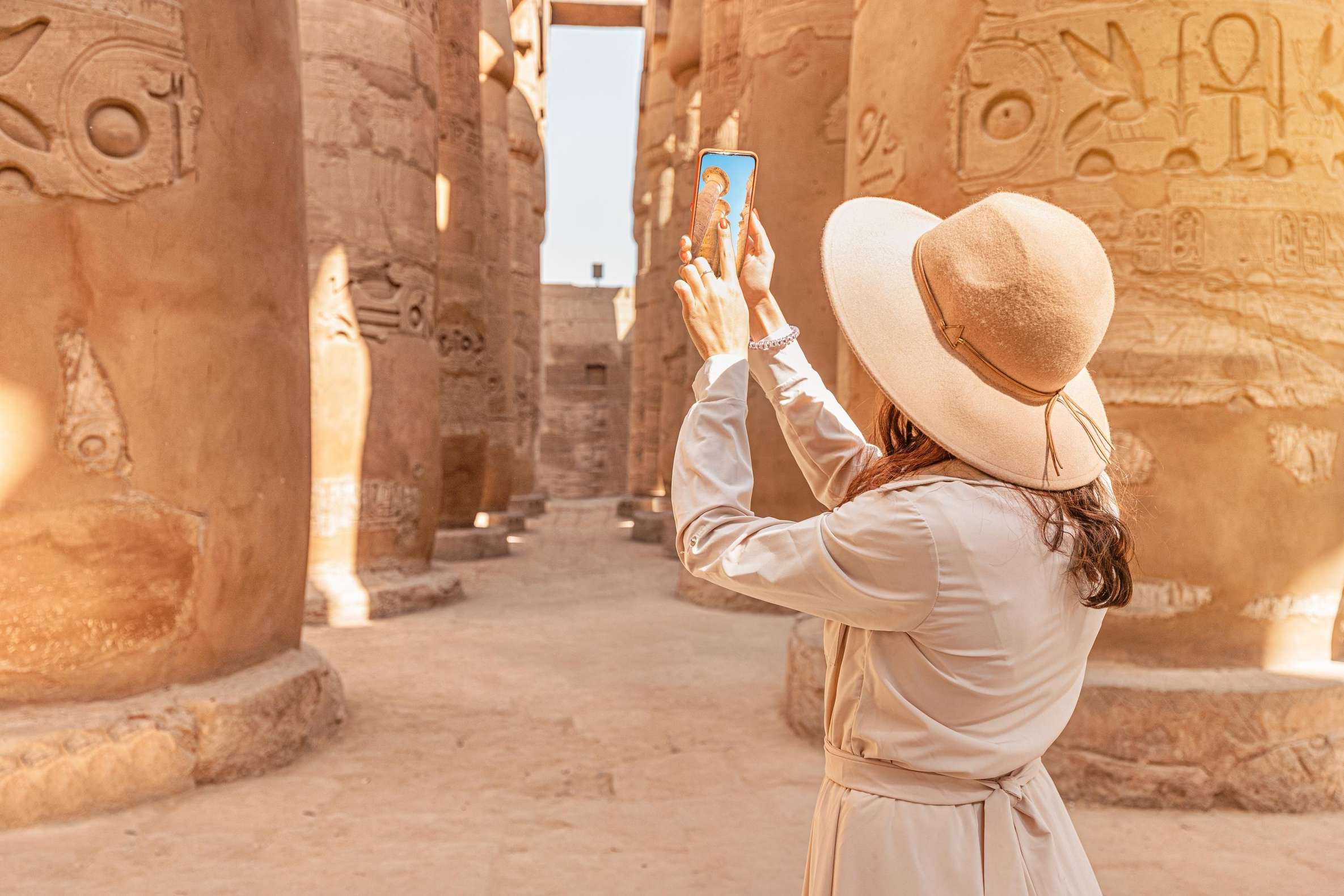
Add the pharaohs to your Red Sea holiday. These Luxor day tours fly from Cairo in about an hour, with a private Egyptologist guide, entrance fees, transfers and lunch included, so a single free day from your route to Egypt can still cover the Valley of the Kings, Karnak and Hatshepsut. Book the flight day and leave the paperwork to the operator.
If you want a day tour from Hurghada to Luxor, know that the tours on this page start in Cairo, so Red Sea pickup is the one thing missing from the closest match. The road route itself is straightforward: the Safaga, Qena highway covers roughly 290 km in about four hours of driving.
The best fit here is the Cairo: Private Luxor Day Tour with Entrance fees by Flights, a 15-hour private day that covers the same Luxor program Red Sea visitors ask for: Valley of the Kings, Hatshepsut's temple, Karnak, lunch, and entrance fees all included.
Pickup happens at your Cairo or Giza hotel around 6 am, and the one-hour flight south replaces the desert drive.
You landed here looking for a Luxor day tour that starts at your Hurghada resort door.
The tours on this page instead run from Cairo, and the closest match to what you want is a private full-day trip by plane that covers the same monuments, the Valley of the Kings, Hatshepsut's temple, Karnak and a felucca ride on the Nile.
The format is the part worth copying: hotel pickup around 6 am, a one-hour flight south, a private air-conditioned vehicle and guide on the ground, lunch at a Luxor restaurant, and entrance fees to every site already paid.
A full day on the ground runs 15 hours door to door, so you see both banks without the four-to-five-hour desert drive that a Hurghada road trip would add each way.
The trip carries a 4.5 rating from more than 800 travelers, and you can cancel up to 24 hours ahead for a full refund. Book at the Cairo: Private Luxor Day Tour with Entrance fees by Flights page and have your flight details ready, since the operator books your domestic flights after you reserve.
Green marks the lowest price. Prices per person.

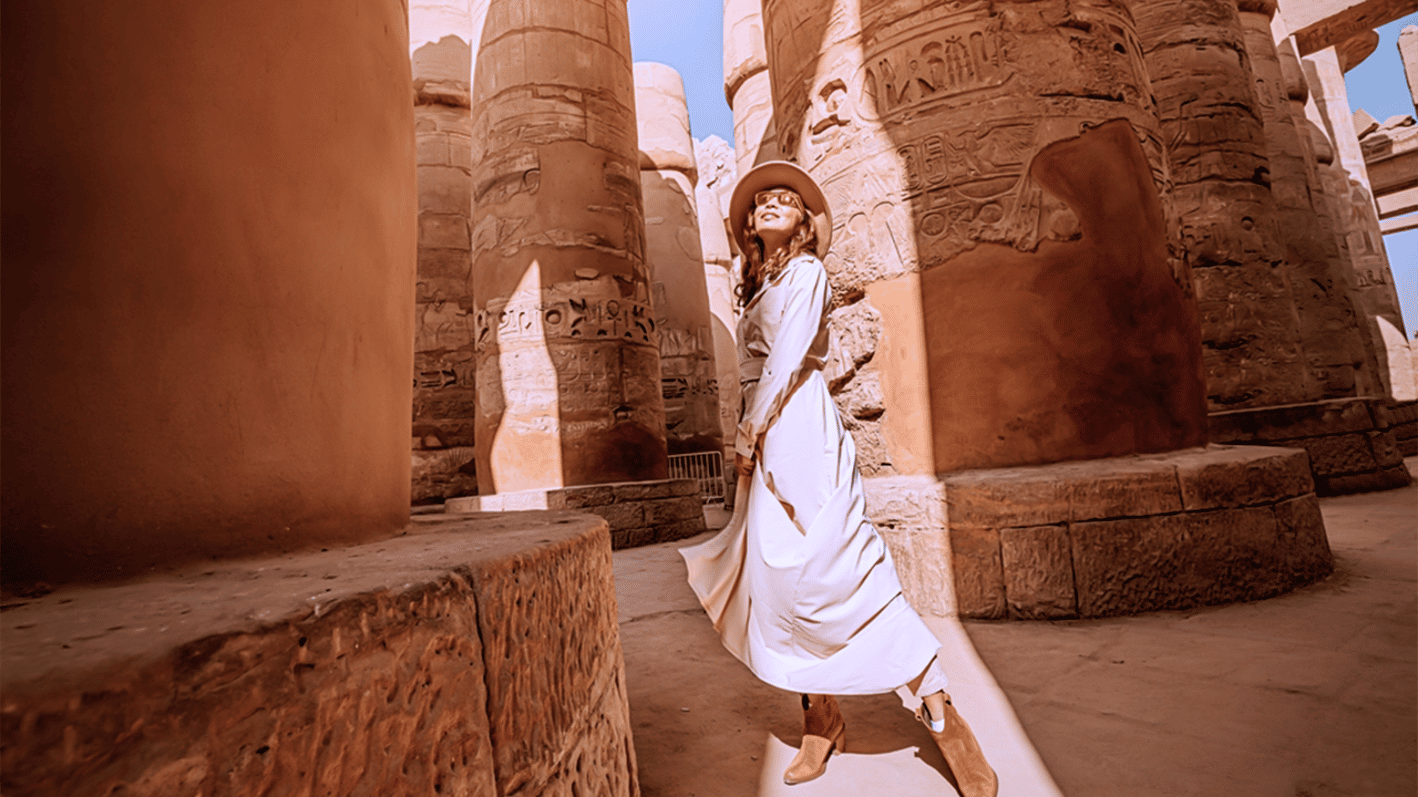
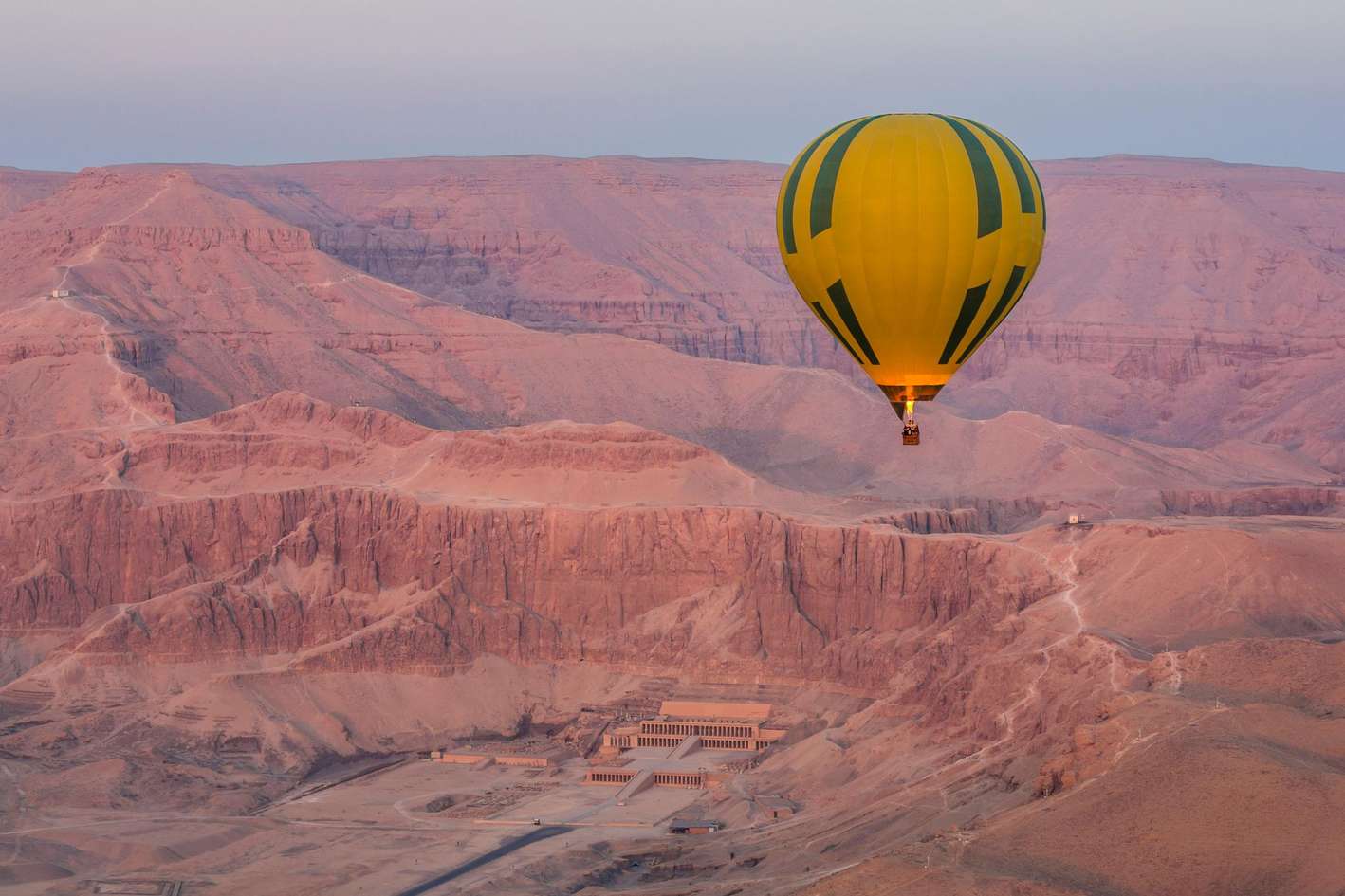
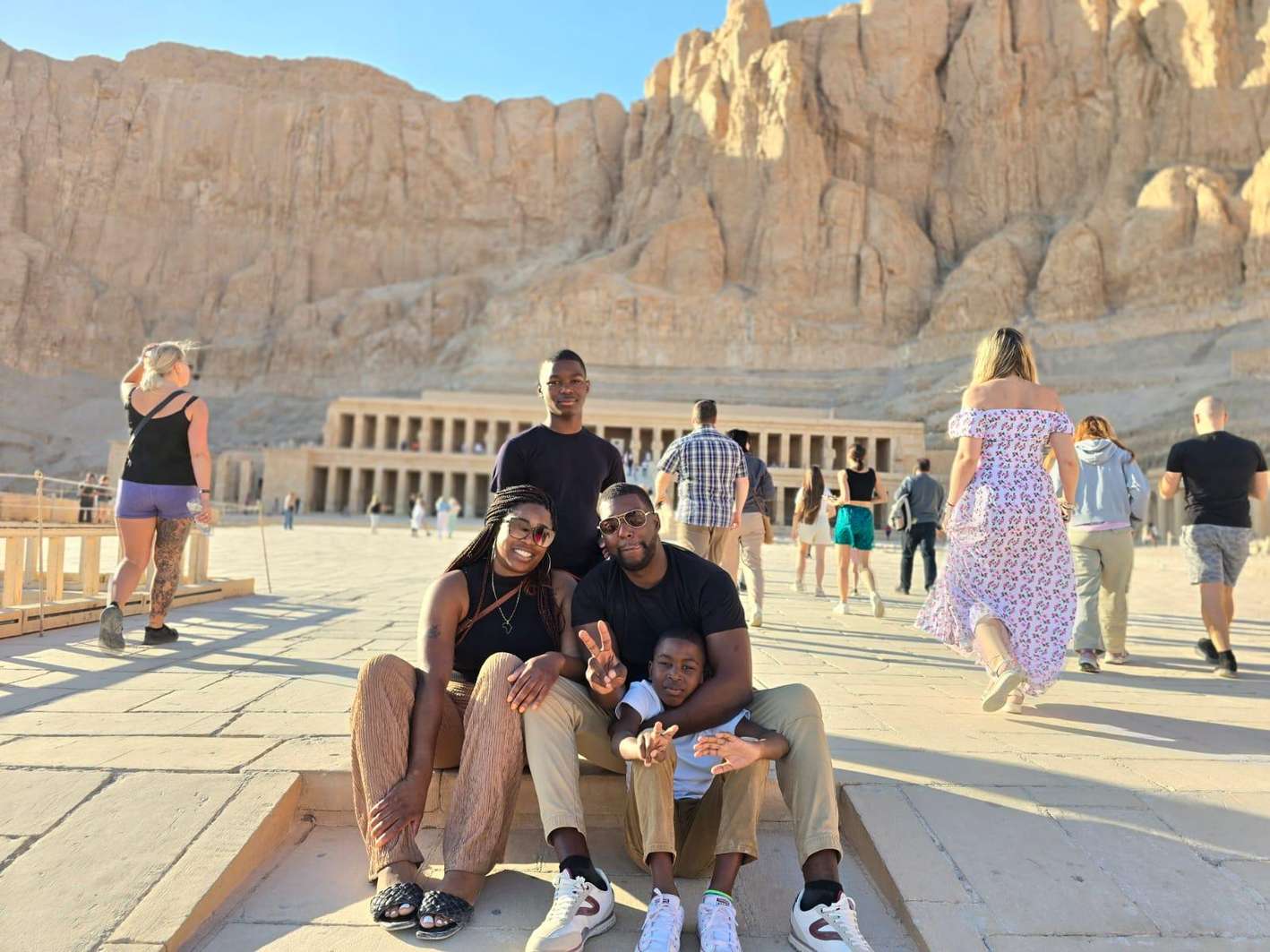
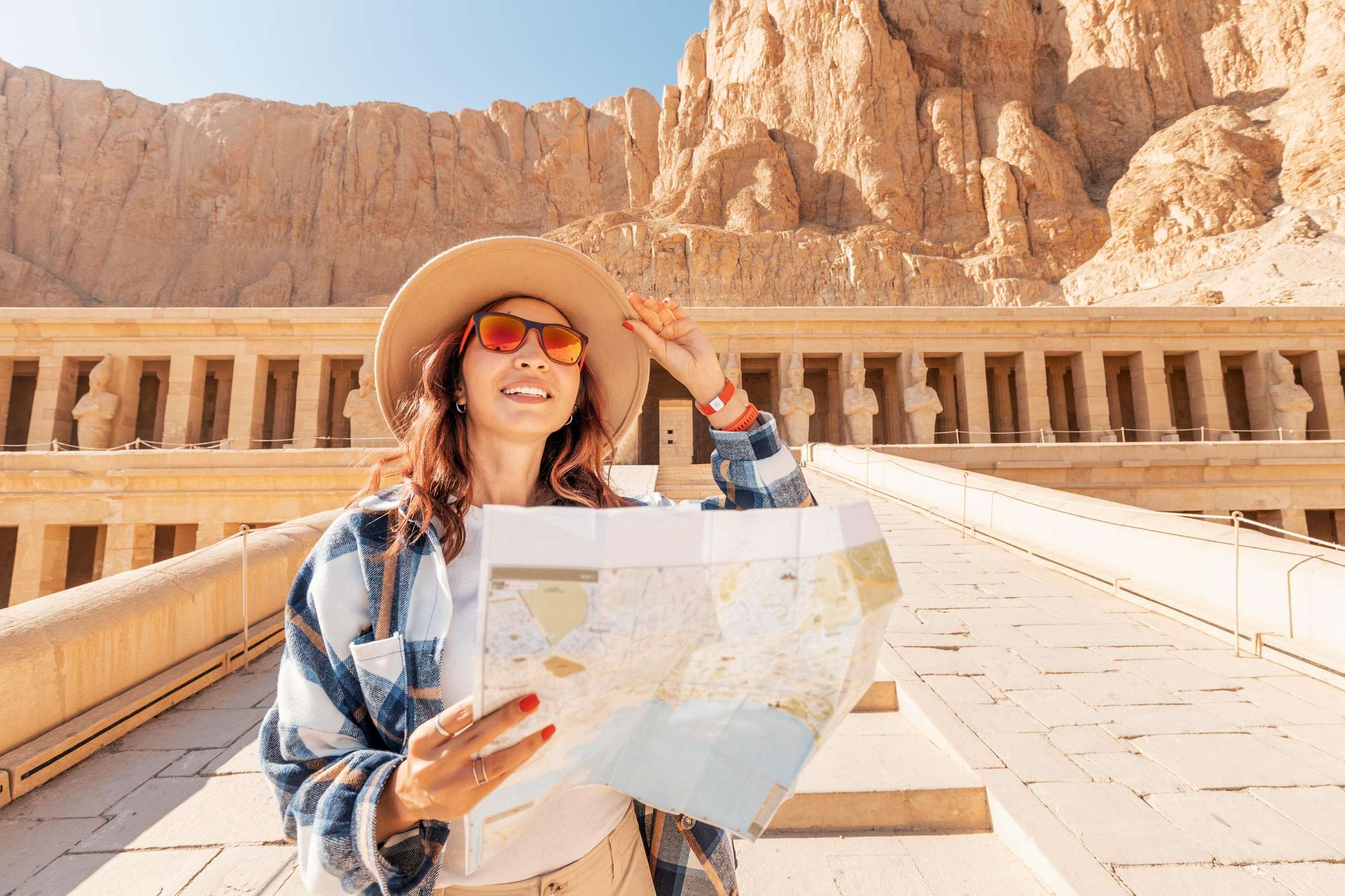
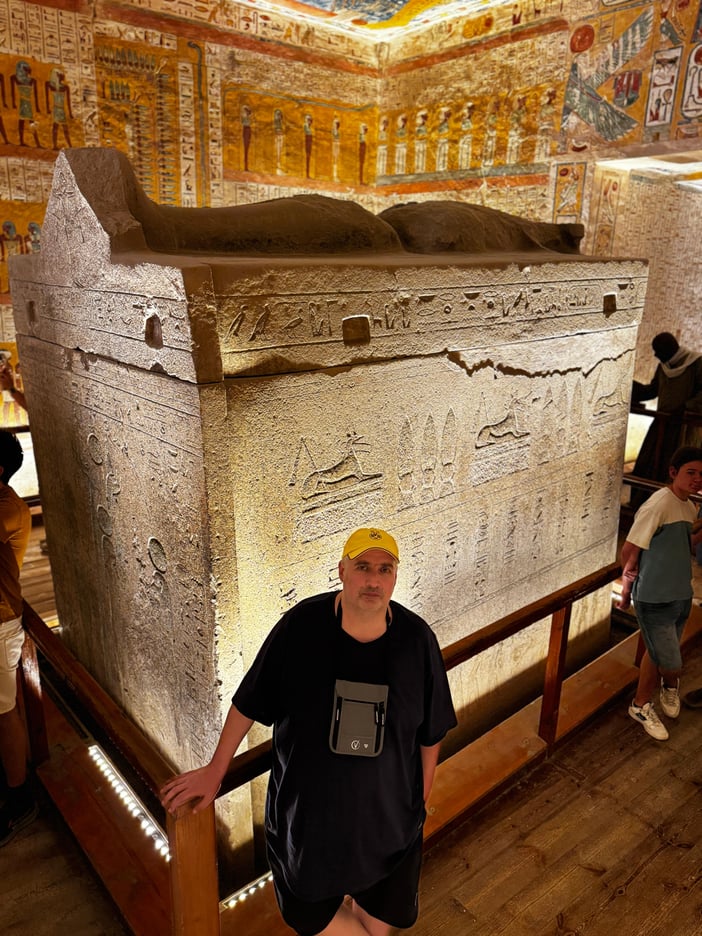
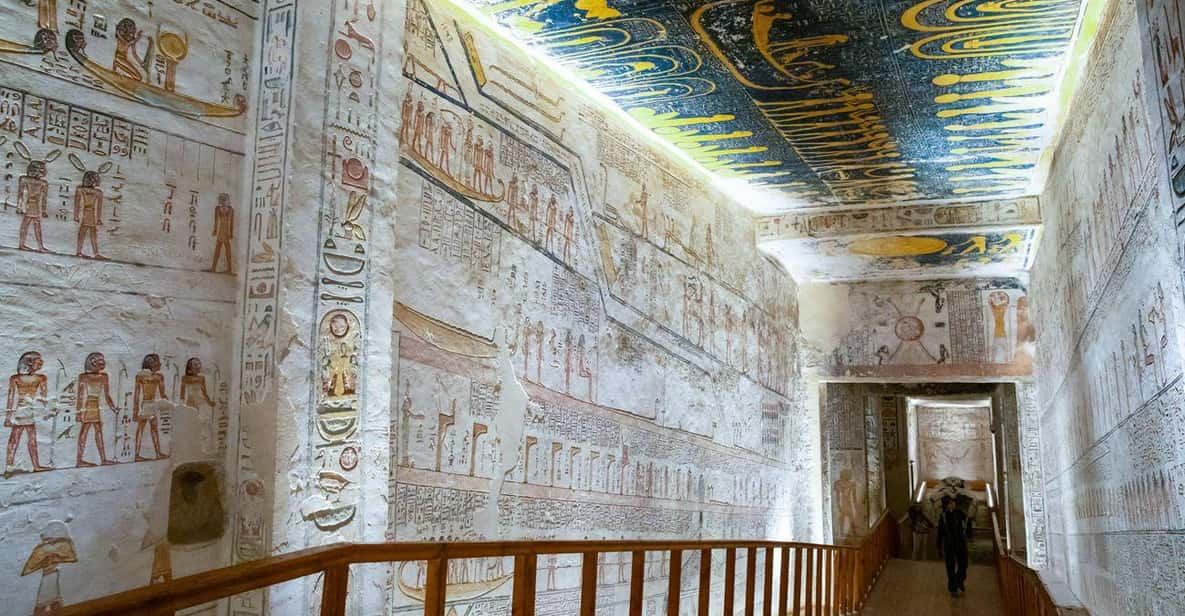
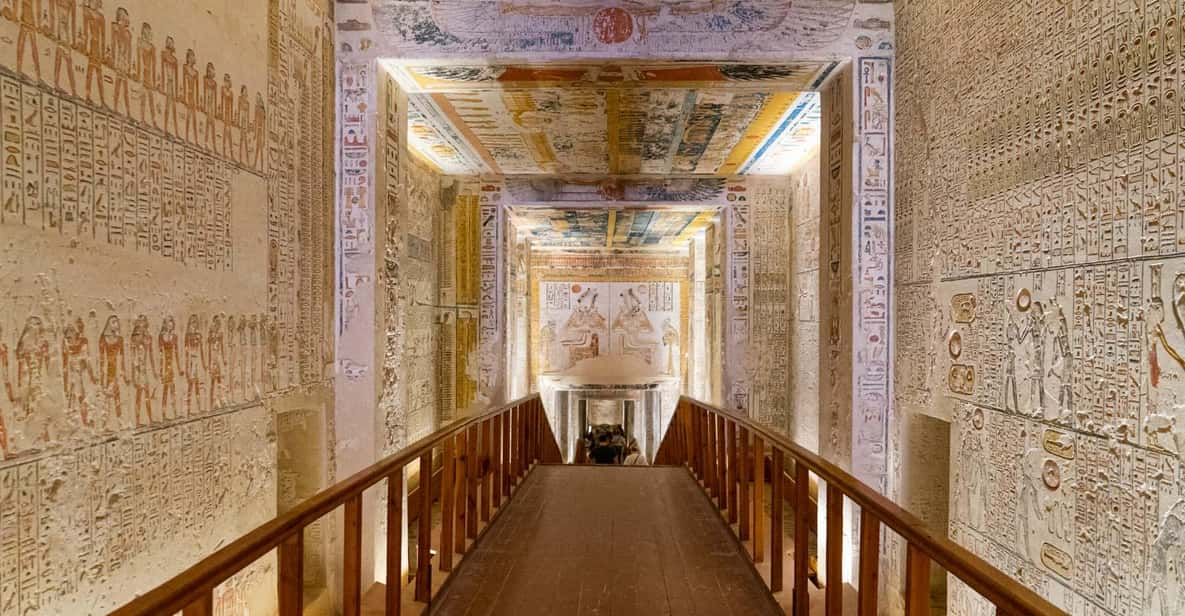
The morning belongs to the West Bank. After the one-hour flight from Cairo, the Valley of the Kings comes first: tombs cut into the rock beneath the peak of el-Qurn, a mountain shaped so like a pyramid that the Egyptians treated it as one.
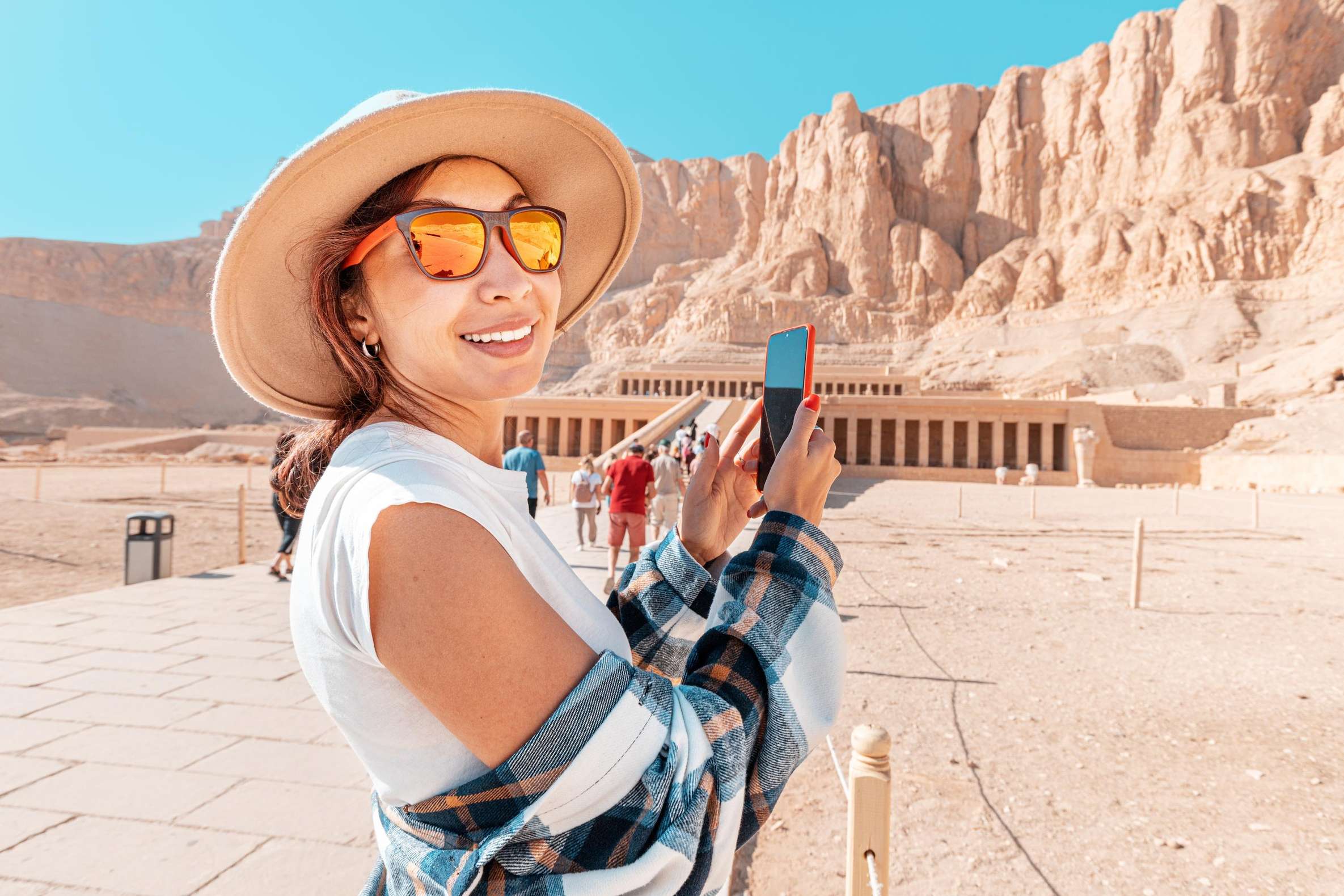
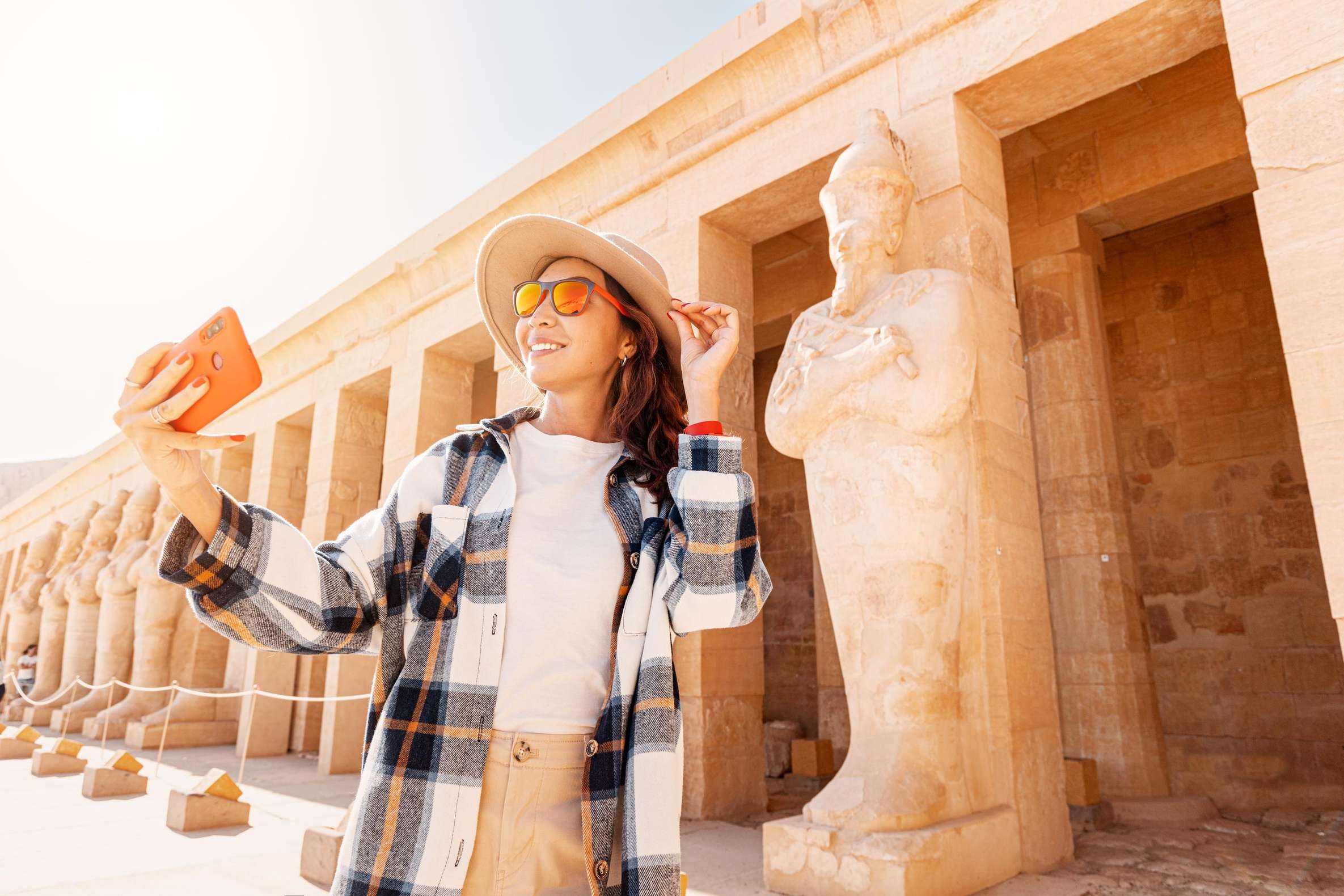
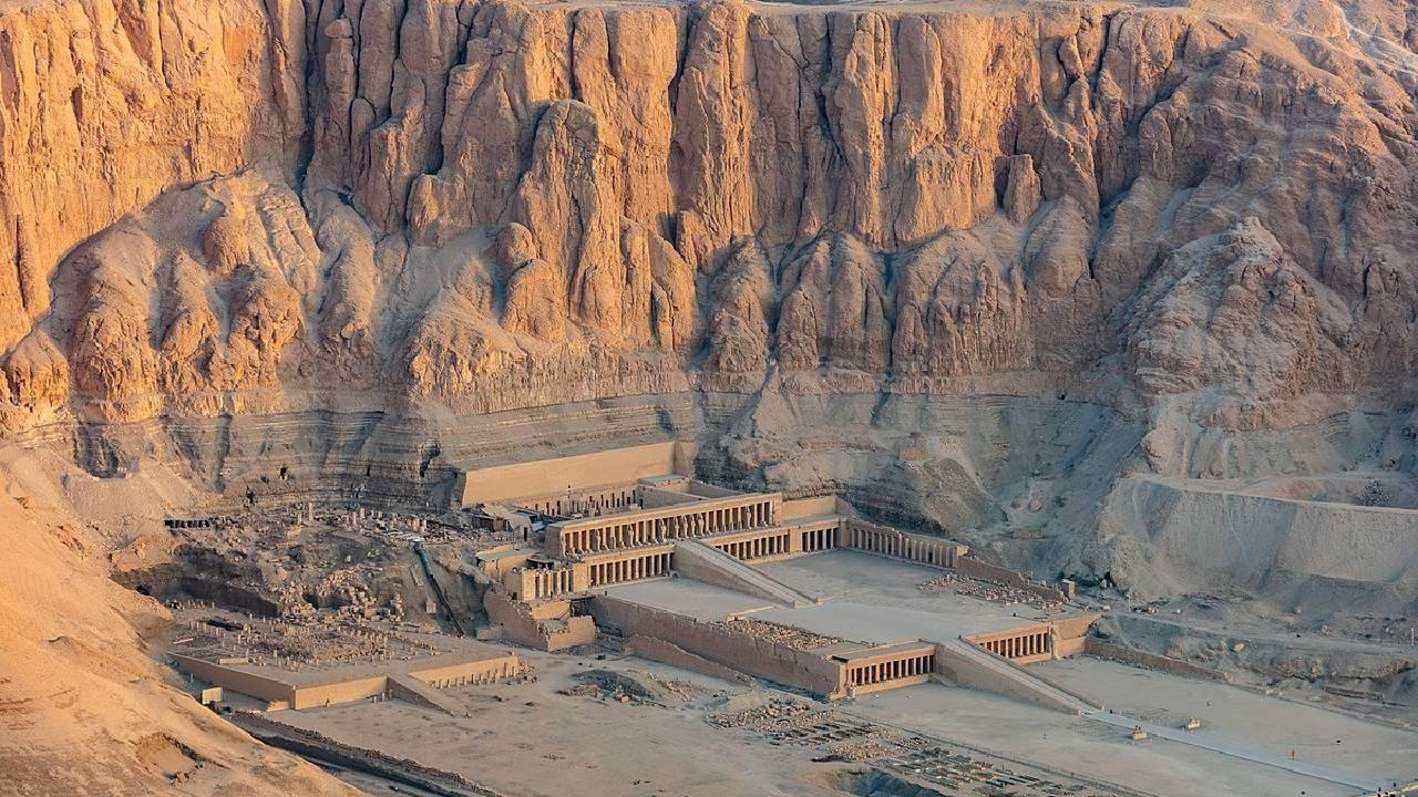
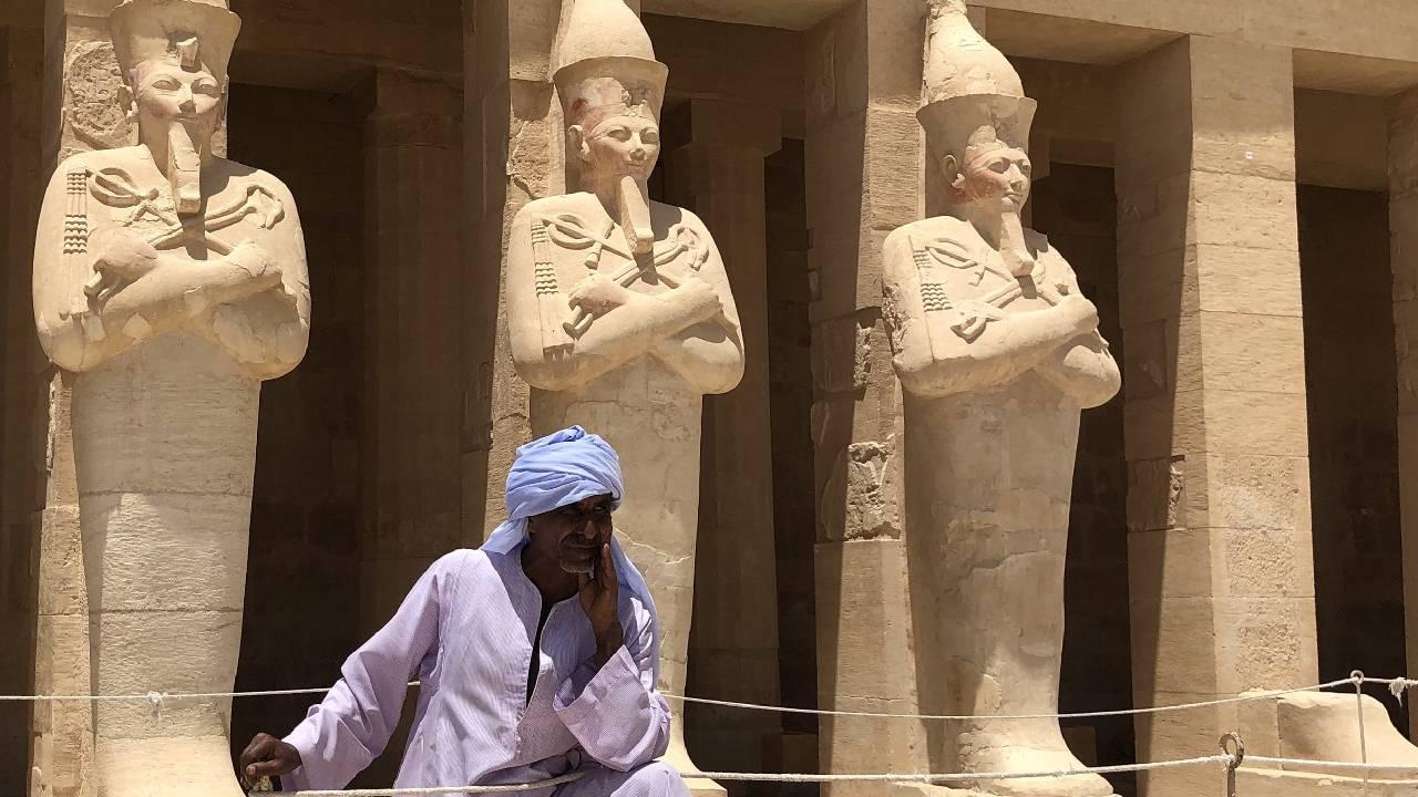
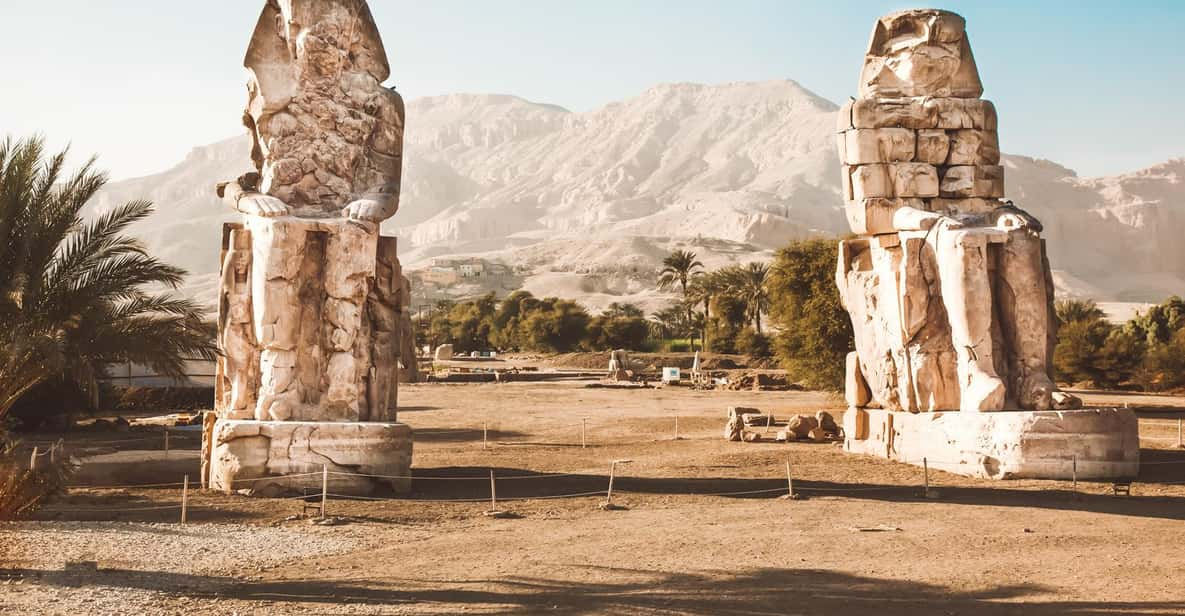
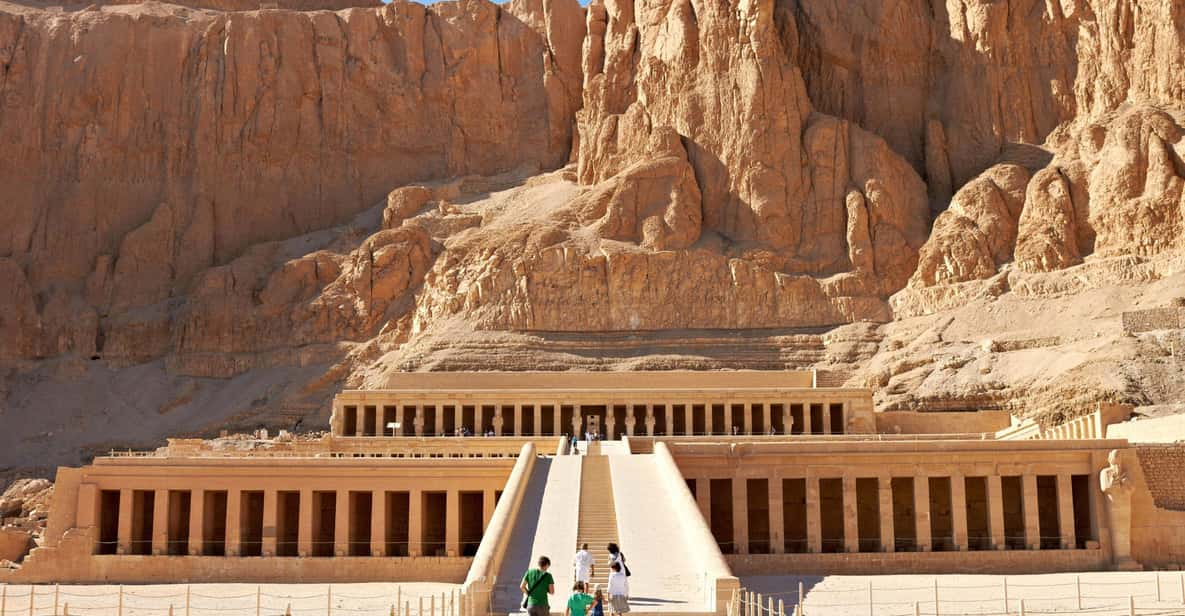
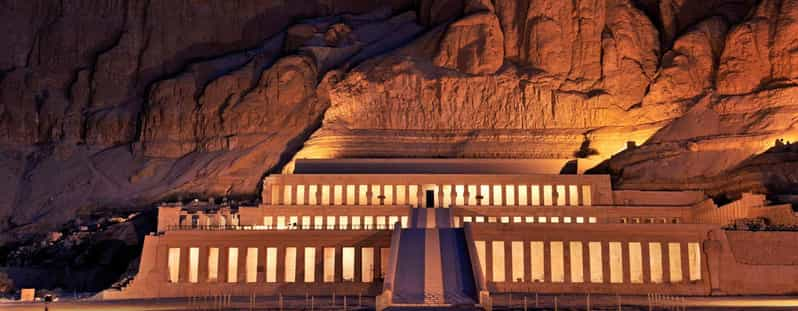
You walk down ramps into painted chambers, then on to the terraces of Hatshepsut's temple and the two seated Colossi of Memnon.
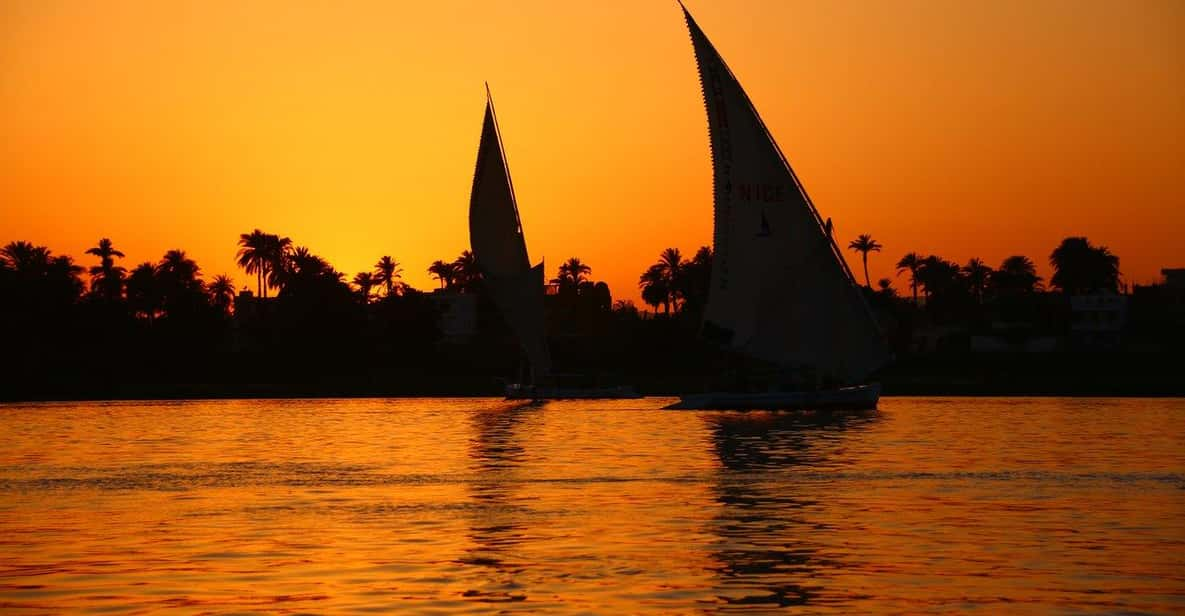
After lunch in Luxor, a felucca ride takes you onto the Nile before the afternoon's big sights, Karnak and Luxor Temple, with an English-speaking guide throughout and every entrance fee already paid.
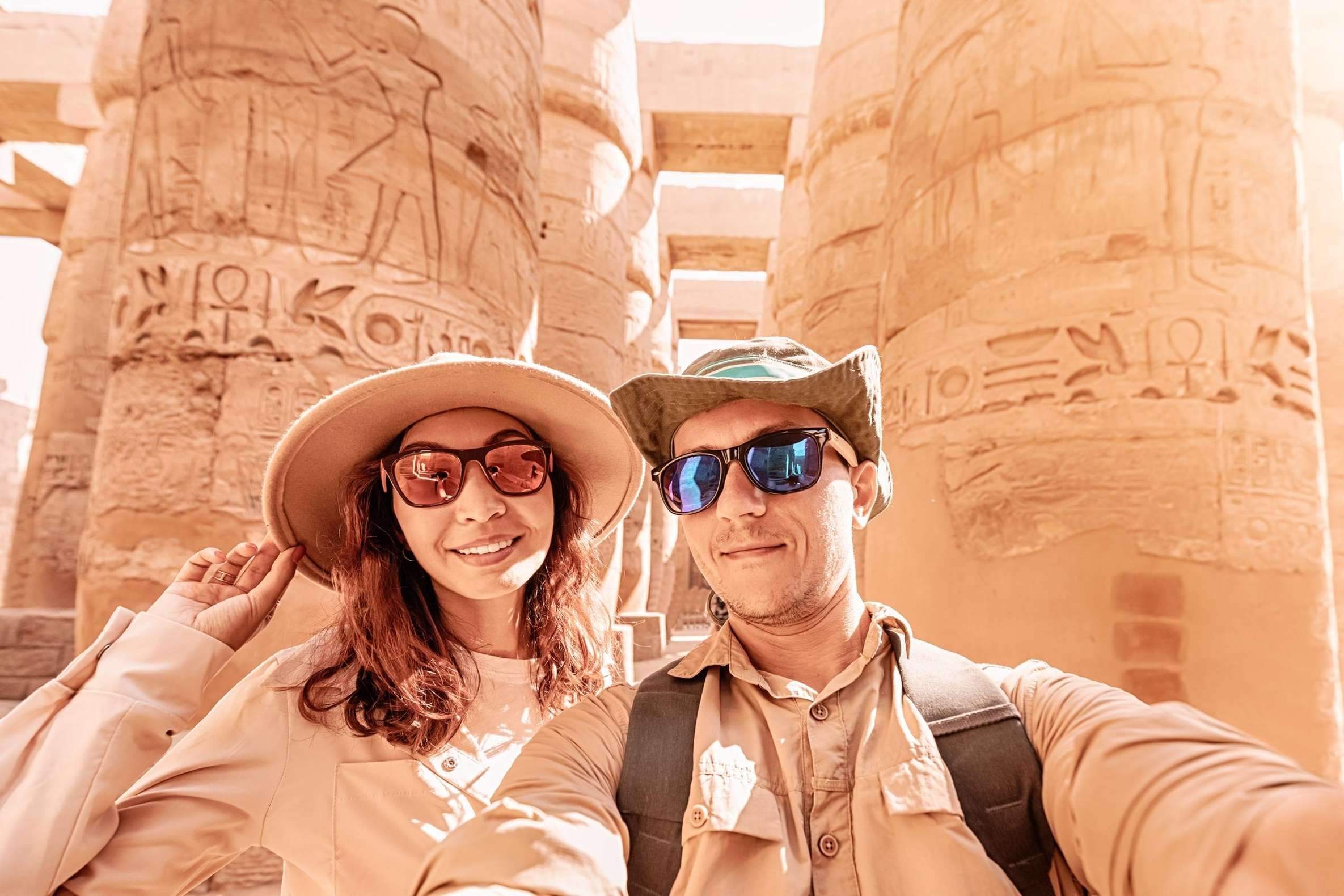
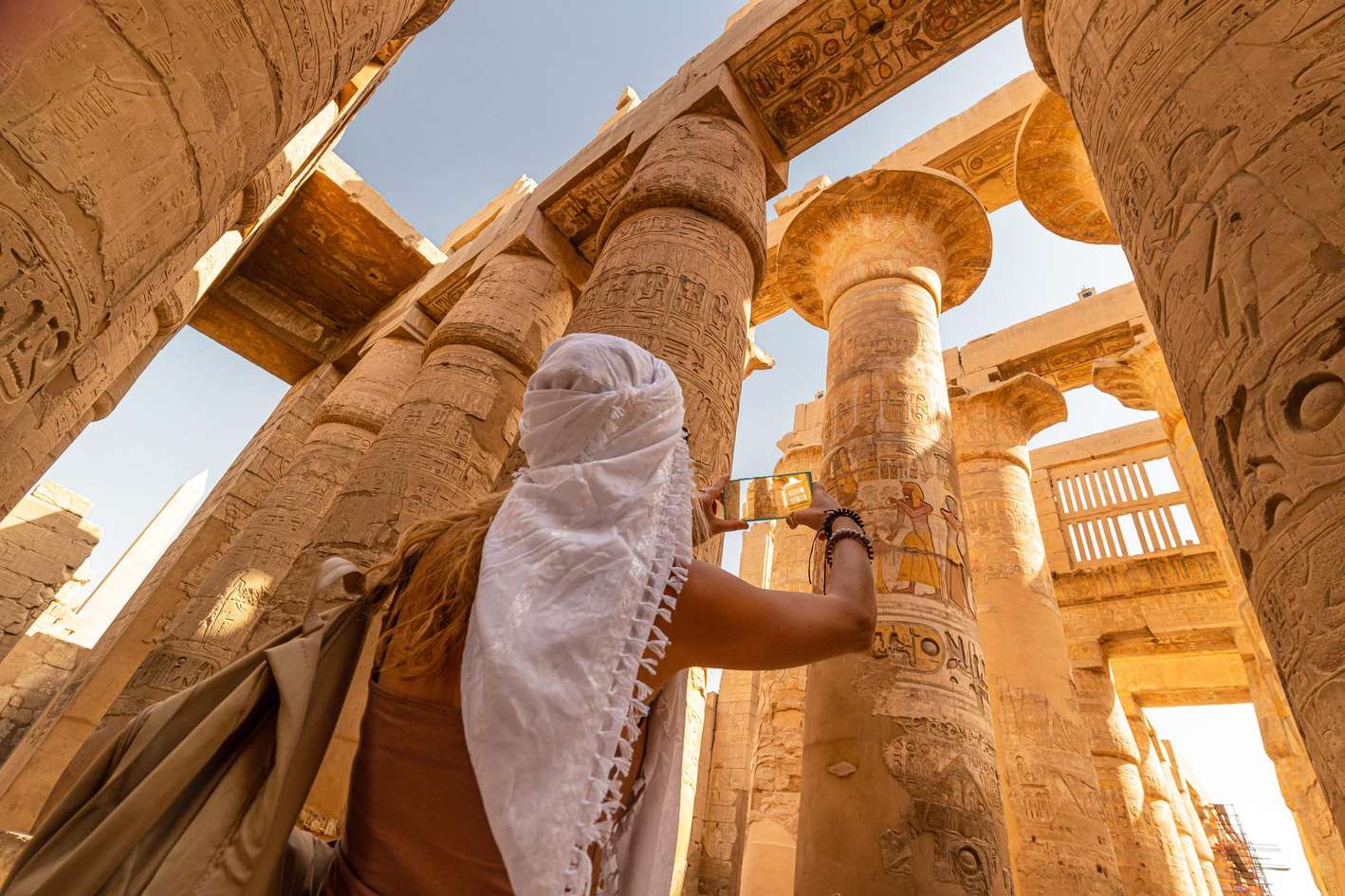

Adam made my day amazing. His knowledge and passion gave me real insight into Egyptian.
Refaie was a great, helpful guide, good intro at each site, then free time to explore. Karnak was stunning. Easy booking, smooth airport transfers. Highly recommend, especially if you're already in Luxor.
Beautifully organized tour with a driver taking us to all the monuments. Our guide Asma was fantastic, I was dehydrated but she really looked after me.
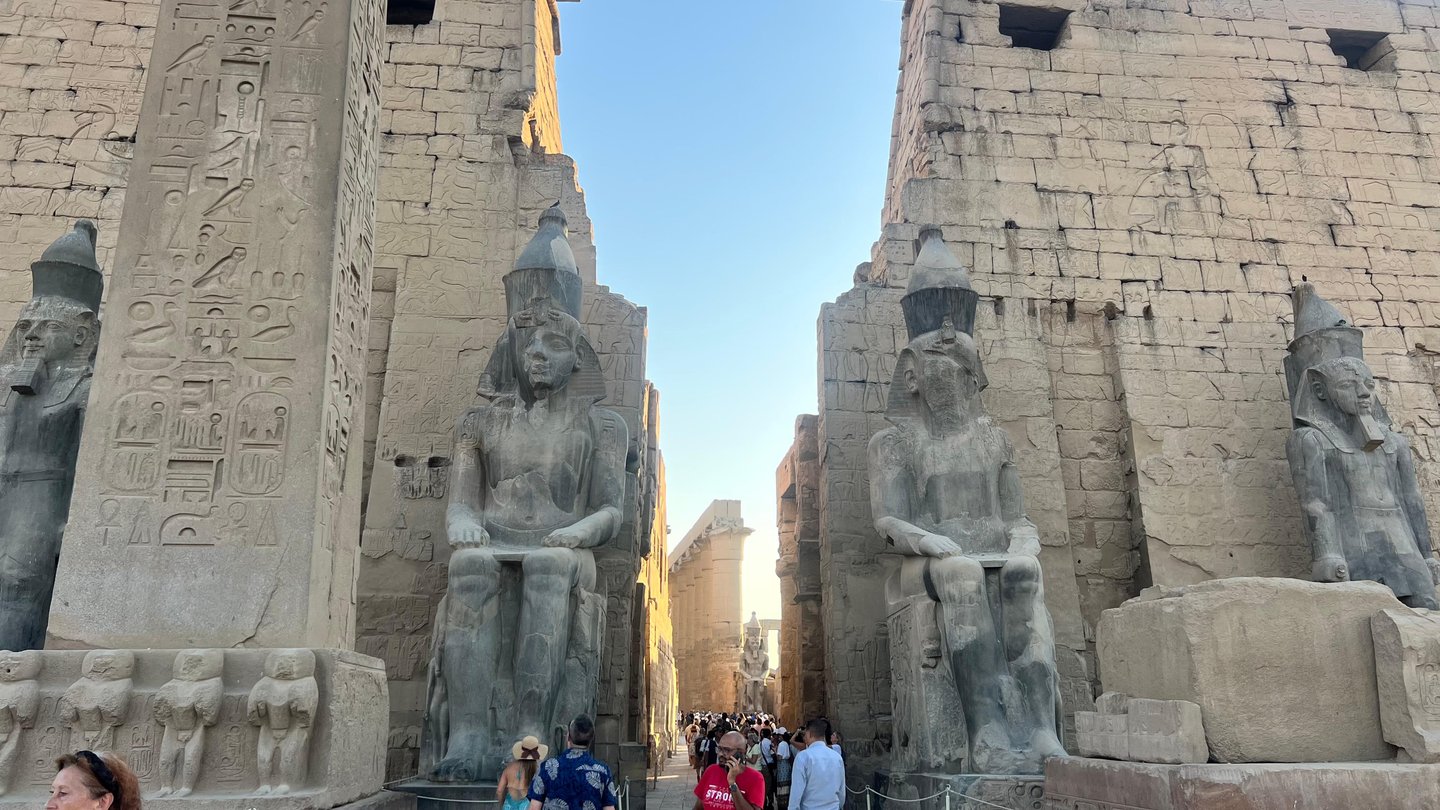
Best experience ever! Our guide was lovely and the driver too. The company took great care of us and everything was perfectly organized. Highly recommend for enjoying Luxor's best spots. Thank you all!
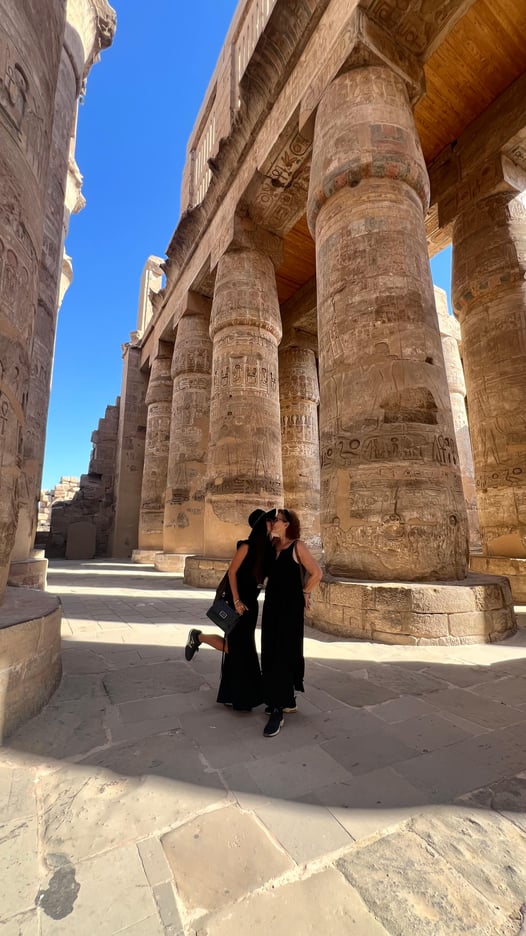
Salma was our guide today, so knowledgeable about Egypt's history and all the sites, super friendly and professional. Couldn't recommend more. 10/10.
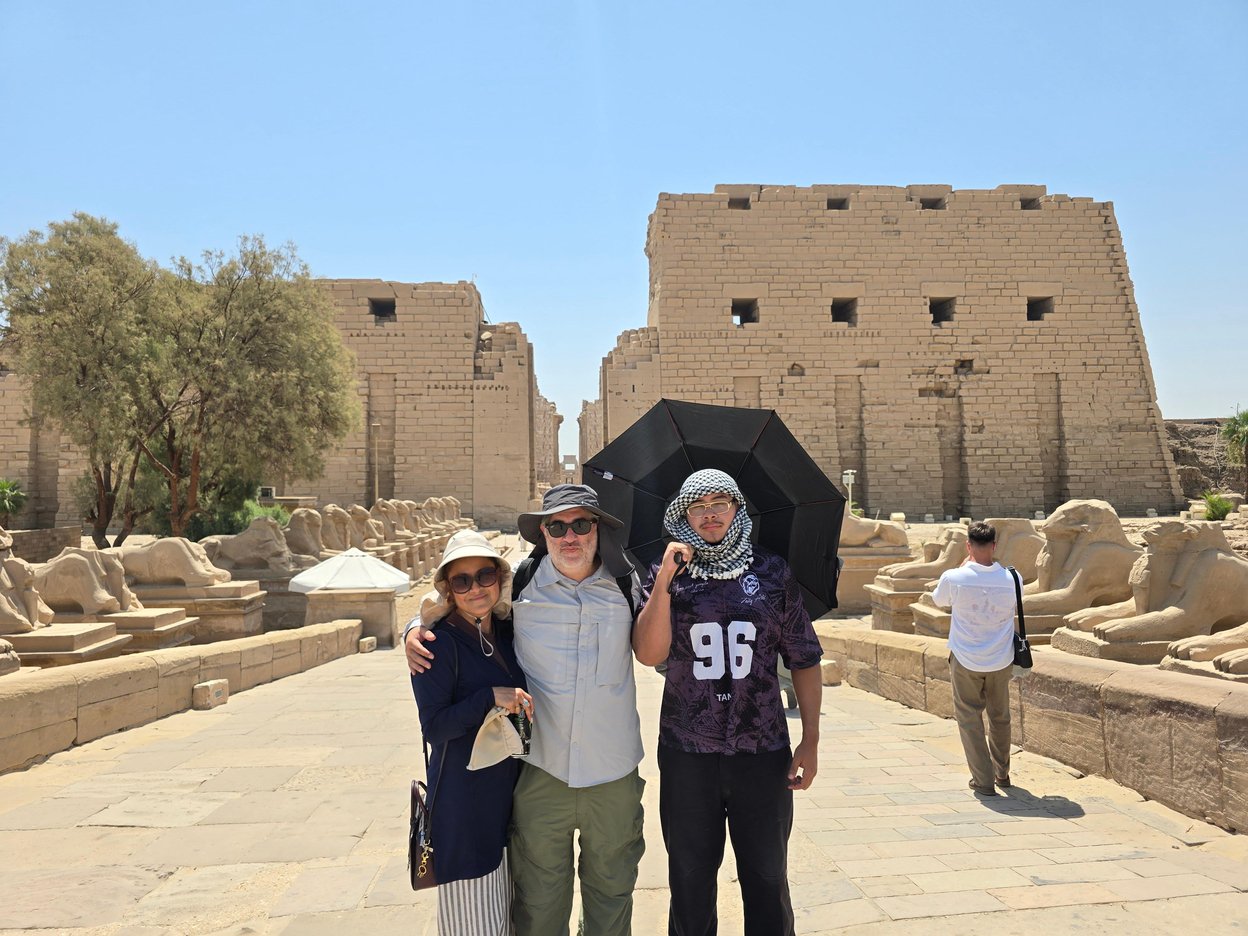
Adam was an amazing guide. We spent a full day and had a great time. He knows everything about Egyptian history - we learned so much.
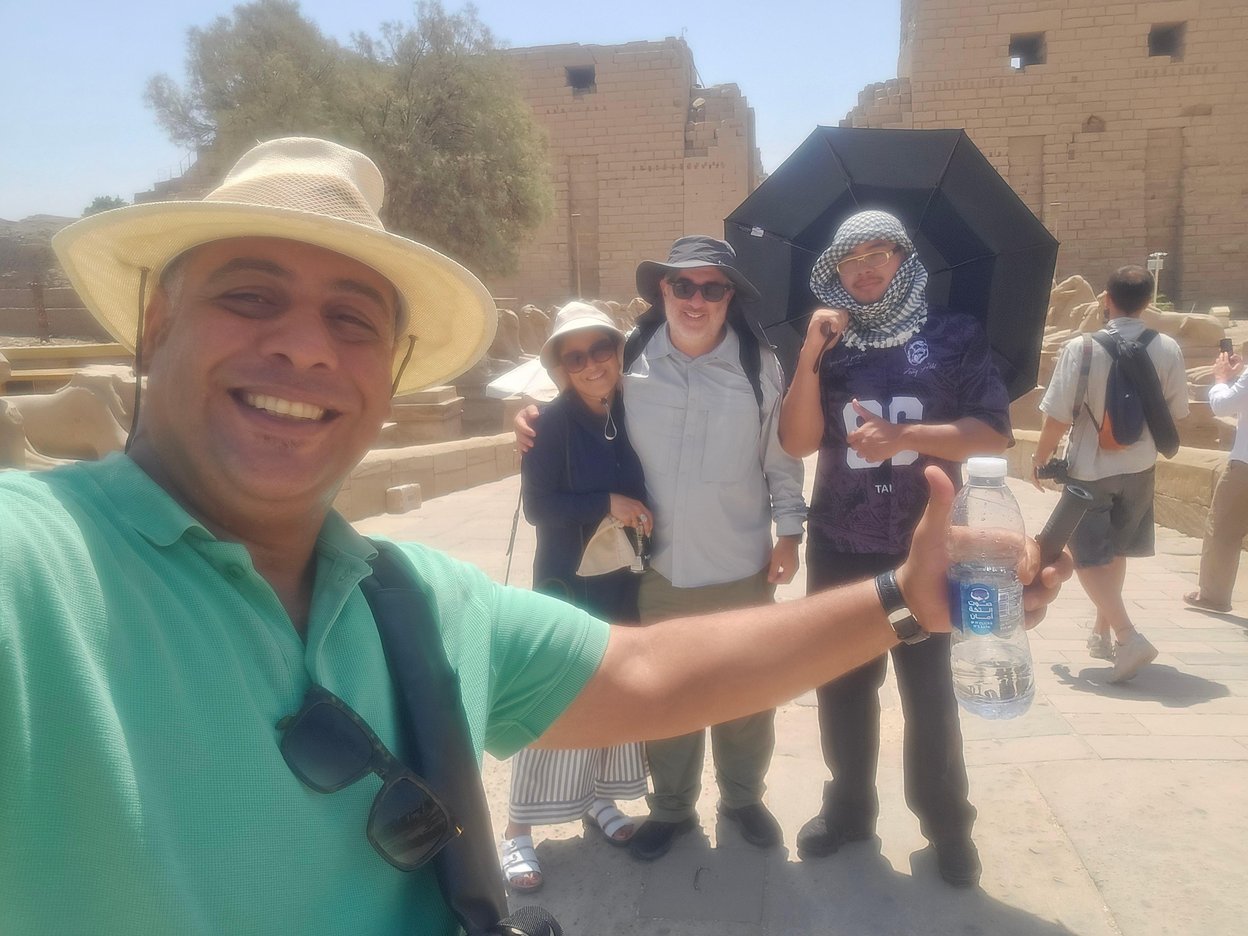
My tour guide was Hasan and he was great. The tour was very informative and I'd recommend it to anyone visiting Luxor.
Most reviewers name their guide first, saying the knowledge and storytelling brought Luxor's temples to life.
Many travelers loved the extra touches they never expected, like a sunset felucca ride added to fill free time.
Several reviewers wished the itinerary filled the hours before the return flight with more sightseeing.
The private Luxor day tour by flight runs from Cairo, so plan it for a day you are staying in the capital. Pickup comes at about 6 am from Cairo or Giza hotels, and the full day runs 15 hours door to door.
One option covers the whole package: round-trip flights, entrance fees, lunch in Luxor, transfers, and an English-speaking guide. If your group wants a Spanish, German, or French guide, you select that as an add-on and it carries an extra cost.
After you book, the operator writes to you asking for passenger flight information. Send it the same day, because the domestic flights cannot be reserved without those details and your spot stays unconfirmed until they are in.
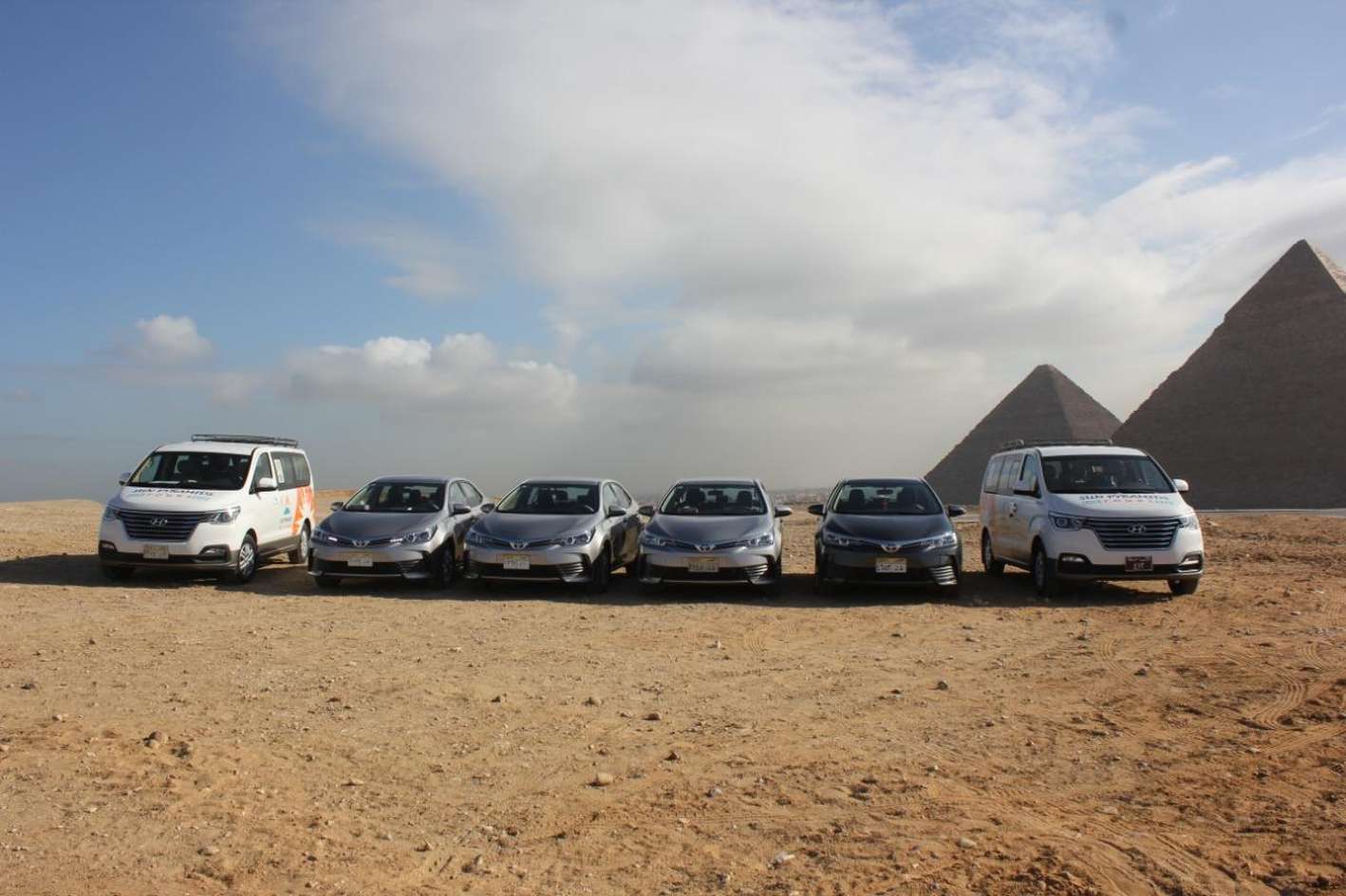
The day before, you get a WhatsApp or email message with pickup times and vehicle details. The car or van that collects you displays the operator's logo, and the driver meets you at your hotel in Cairo or Giza.
Pack your passport, since you need it at the airport and for domestic check-in. Put small Egyptian pound notes in your pocket, because gratuities for the guide and driver are not part of the package.
The recommended tour is all-inclusive:
Entry tickets at Karnak, Luxor Temple and the Valley of the Kings are bought by bank card only, cash is no longer accepted. A standard Valley ticket covers three tombs, and extras such as Seti I need a card too. Tutankhamun's tomb takes a separate ticket from the visitor centre.
Luxor's sites open at 6 am daily. Karnak's last entry is 4 pm, Luxor Temple admits visitors until 7 pm, and the Valley of the Kings closes at 5 pm. A guided Karnak visit runs about 1.5 to 2 hours, so leave free time if you want the Hypostyle Hall at length.
Tomb visits involve real walking: steep wooden ramps and twisting staircases, with sixteen steps down to Tutankhamun's tomb, so nothing is step-free. Hatshepsut's temple is easier, with long gradual ramps to the lower court. A trolley bus saves the walk from the ticket box to the tomb gates.
Open tombs rotate to give fragile chambers a rest, and a board at the entrance lists which ones you can enter that day. You choose your three tombs on site, picking from whatever is open. Self-service machines at the Valley sell the extra tomb tickets, and they take cards only.
Flights make booking a two-step thing. Book at least 48 hours ahead on the all-inclusive plane tour and send full names and passport numbers promptly after booking, because without them the flight cannot be confirmed. One tour asks for a passport copy at least two days before the day.
The recommended day tour takes free cancellation up to 24 hours in advance for a full refund. Two flight-based tours ask for 3 days instead. One plane tour is non-refundable once flights are booked, except when the tour operator cancels, and a booking only stands once flight seats are secured.
Carry a passport valid for at least six months from your arrival date and a full Egyptian tourist visa that allows travel to the Nile Valley. A free Sinai-only entry stamp does not cover Luxor. Families flying domestically should bring each child's birth certificate as proof of age.
There is no formal dress code at Karnak, but modest clothing that covers shoulders and knees fits local custom, and women need no headscarf. Wear closed shoes with solid soles for sandy and uneven stone, and pack a wide-brimmed hat, sunglasses and sunscreen for unshaded sites.
A delegate collects you from your hotel, and the day starts early: about 6 am from Cairo or Giza on the recommended tour, 3:30 am on the all-inclusive plane tour. Pickup details arrive the evening before by WhatsApp and email, so keep your contact information current.
Phone photography is free inside most open tombs. Flash is banned indoors to protect the ancient paint, tripods require a ministry permit, and one Cairo plane tour bans cameras outright. Tutankhamun's tomb carries its own photo rules, so follow the signage and the guards.
Tipping is expected in Luxor, and guides and drivers count on a gratuity at the end of the day. Keep a stack of small Egyptian pound notes for tomb guards, restroom attendants and the balloon ground crew. Carry cash in small denominations throughout the trip.


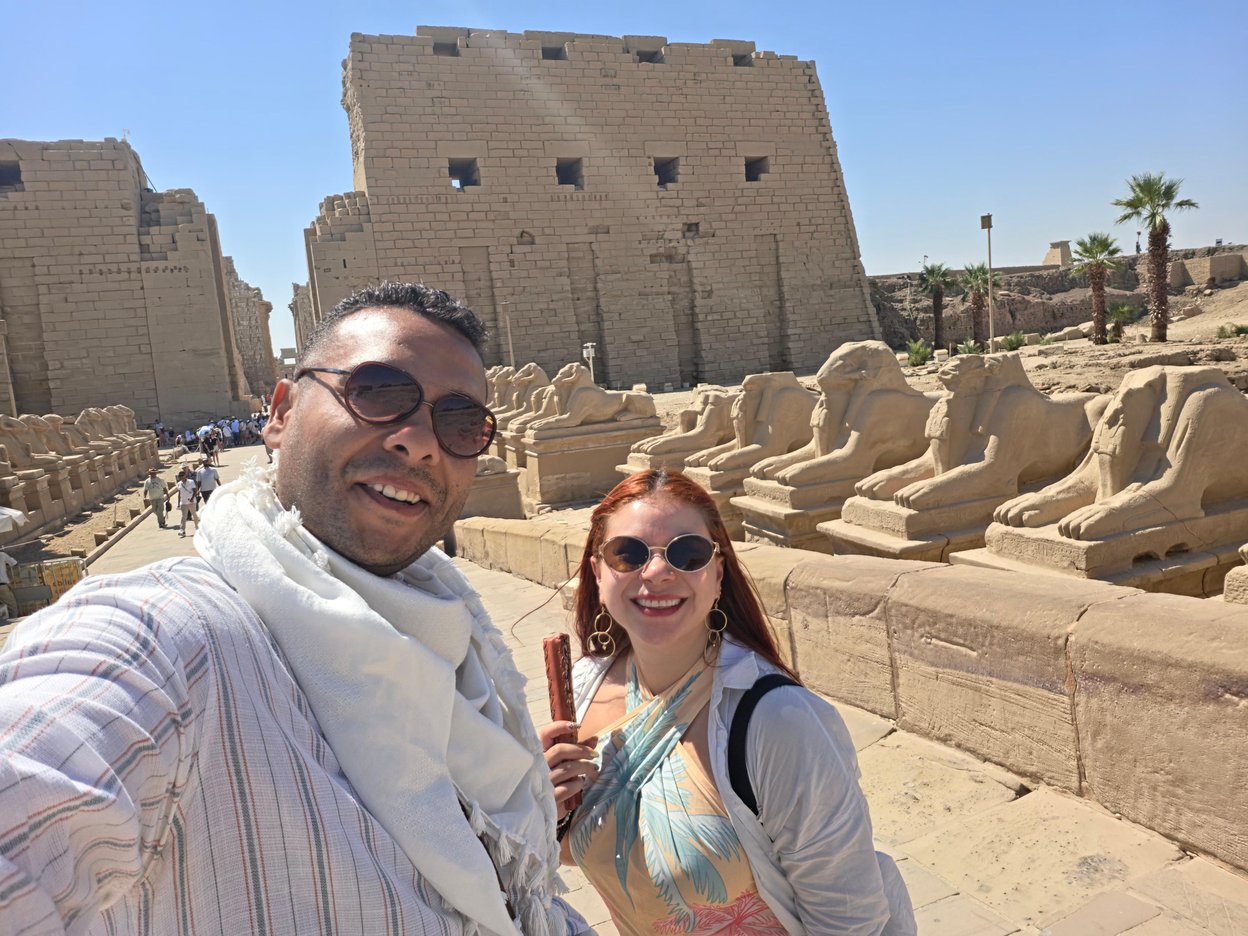
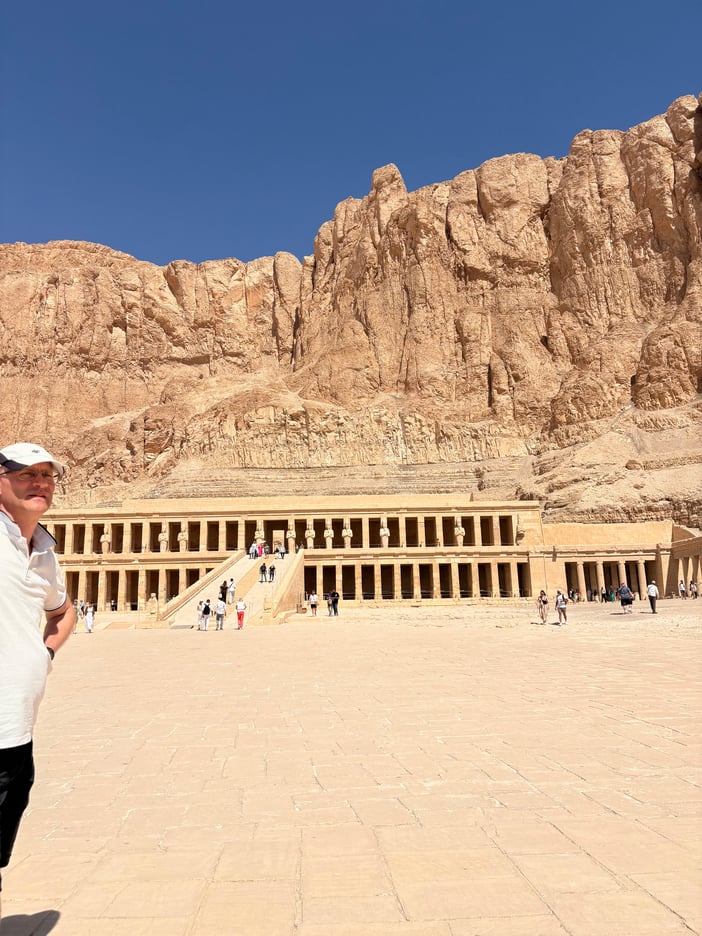
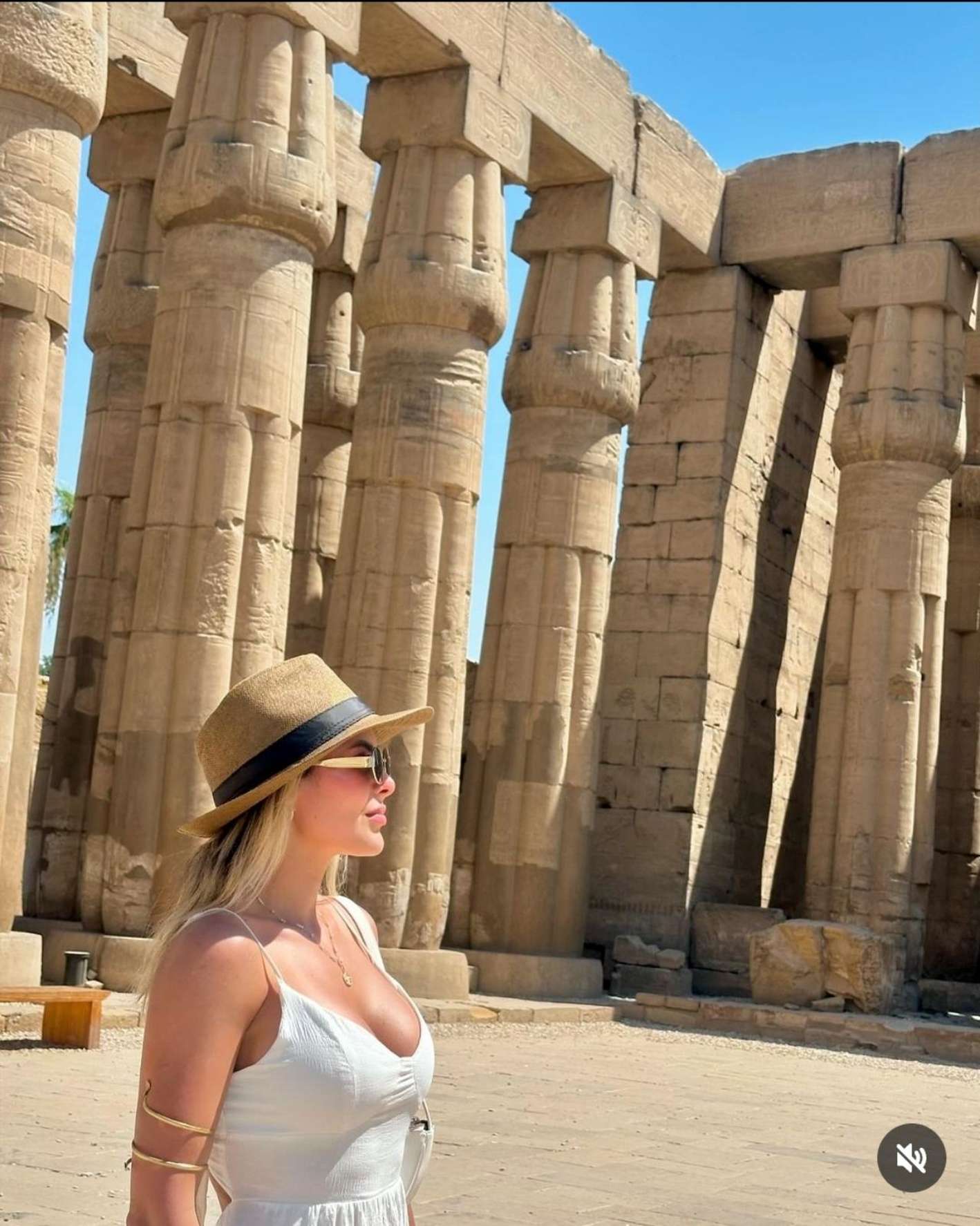
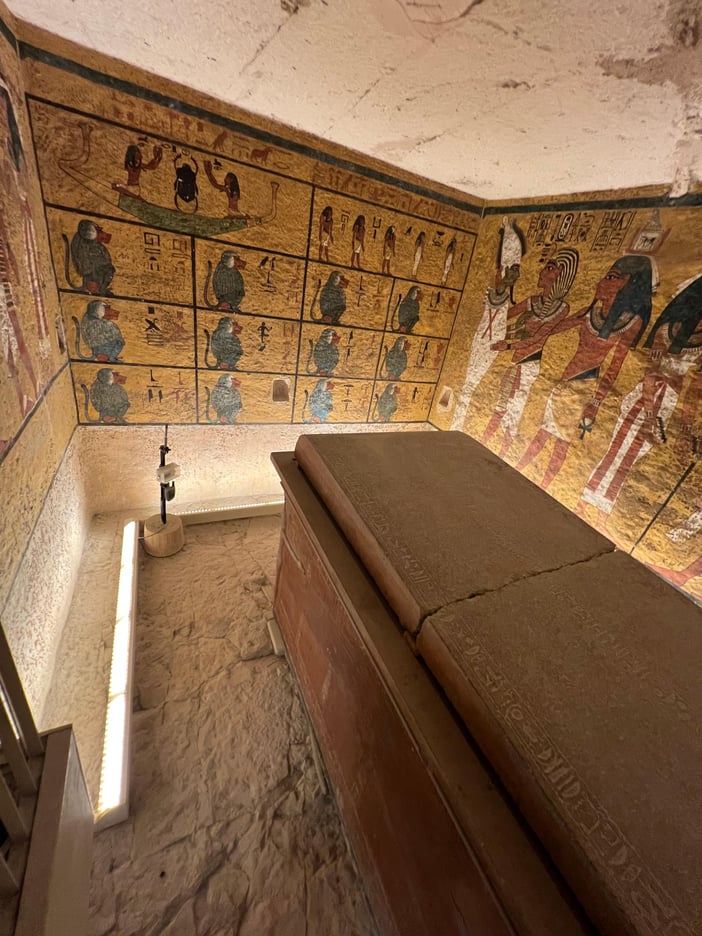
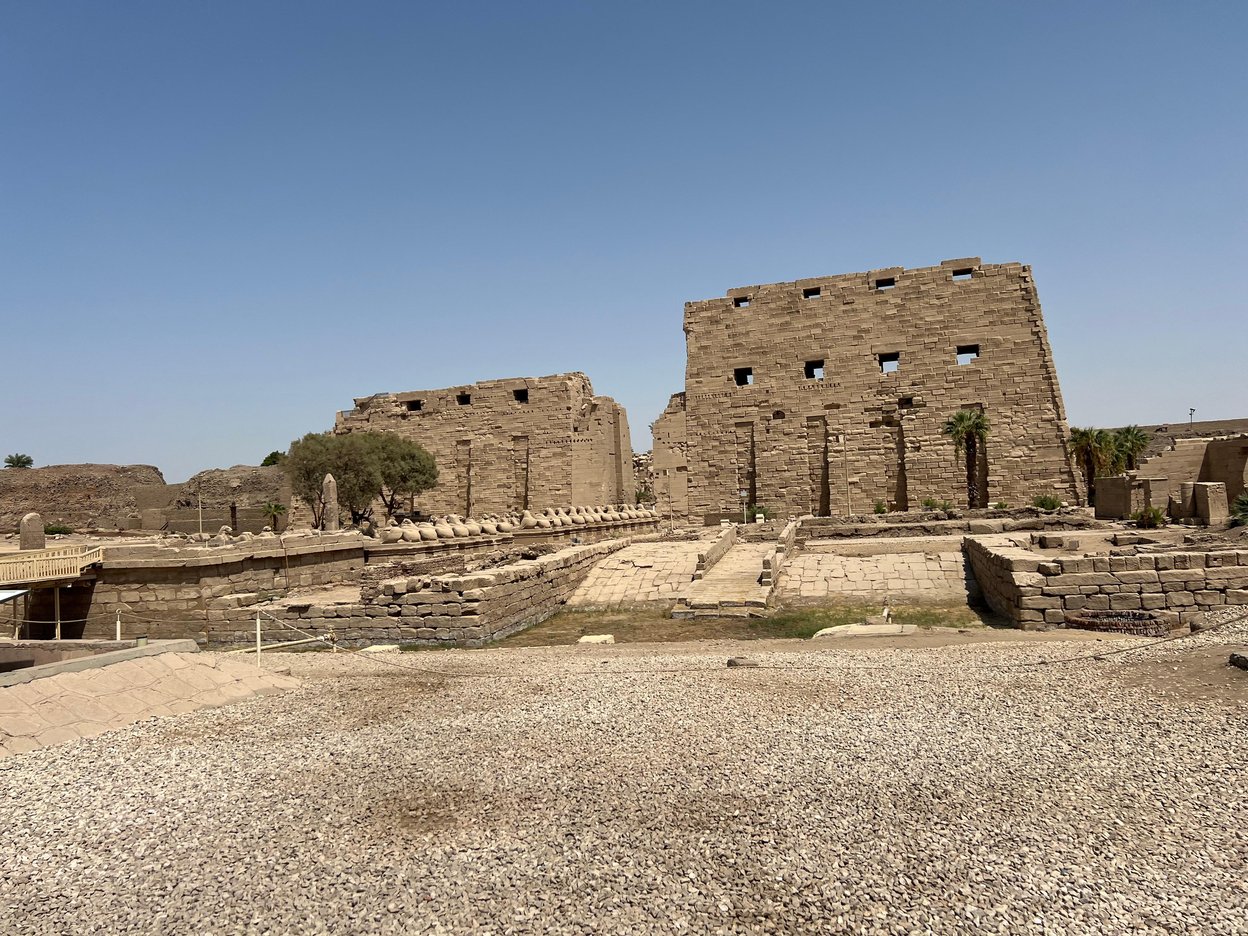
A Luxor day from the Red Sea means a long morning on the road, and most people assume flying beats driving. Here is how the hours, the heat and the ticket rules decide it for you.
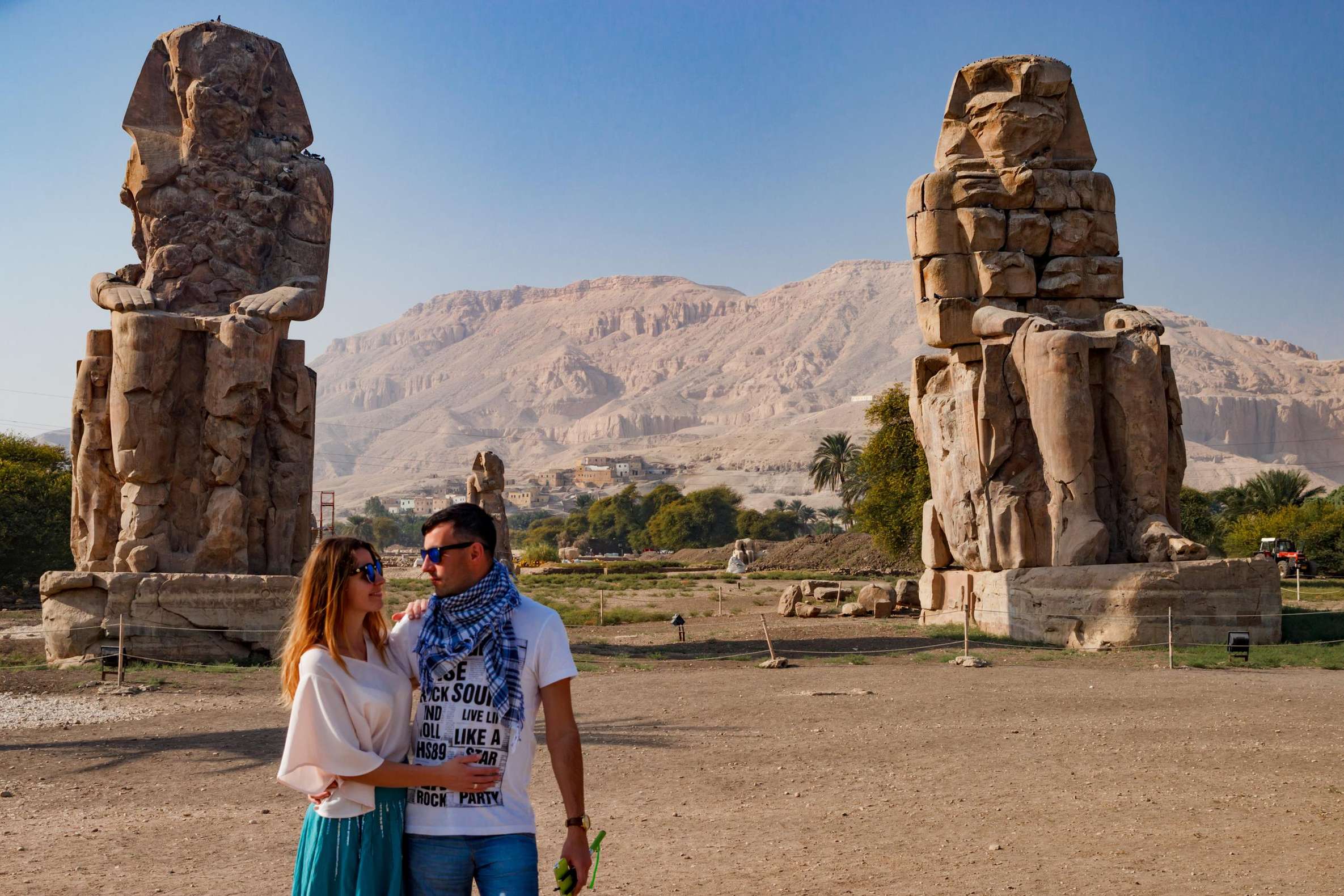
Route 60 covers 290 to 305 km each way, about 3.5 to 4.5 hours of driving, for a 14- to 16-hour door-to-door day.
The flight day tours sold on this page run from Cairo, so from the coast the road is the option that carries the trip door to door.
Entrance tickets at Luxor's main sites are card only, so bring a bank card plus small Egyptian pound notes for tips.
The shape of the day never really changes, whichever way you make the trip. A private departure saves an hour or more over a shared coach, and the desert transit toward Qena takes up the early hours. Here is how the road day usually plays out.
Notice where the hours go: roughly half the day is on the road, and the monuments get the middle. Every scheduling choice below protects that middle.
The road is direct. Route 60 runs from Hurghada inland to Safaga, north to Qena, then south into Luxor, about 290 to 305 km each way.
A private car covers it in 3.5 to 4.5 hours, which turns a Luxor day into a 14- to 16-hour door-to-door trip.
Pickup comes between 4 am and 5 am, and the coast greets you back between 8 pm and 10 pm. Visitors describe it as a long day with an early start and a return after dark, and a manageable one for the major sites.
Two figures float around for this day, and both are honest. One count puts the full door-to-door excursion at 14 to 16 hours, built on pickups between 4 am and 5 am and returns between 8 pm and 10 pm.
Another puts the single-day trip at 14 to 15 hours. The gap comes from the pickup window and the pacing at the monuments, so read both as the same long day with about an hour of slack.
The flight day tours sold on this page start in Cairo and fly south, built for people already in the capital. The Cairo: Private Luxor Day Tour with Entrance fees by Flights runs 15 hours with flights, transfers and lunch included, and it is the closest match on this page to the day you pictured.
Those flight days pack check-in, a domestic connection and two legs into the same 15 hours, so the Luxor side carries the sightseeing. From the coast, the road keeps the day door to door.
That flying must be faster: the flight days here run from Cairo with two legs and airport time. That a desert convoy is still required: the rule was lifted in 2008. That one day is too exhausting: Karnak and the Valley of the Kings do fit, if you start before dawn.
Drop those three and the choice narrows to timing: whether you can hold a 4 am start, and whether the season is kind to you.
The Valley of the Kings sits under el-Qurn, a peak so pyramidal in shape that every royal tomb below was considered placed inside a pyramid.
A standard ticket buys entry to three tombs of your choice from the day's open list, posted on a board at the site, and authorities rotate closures to give fragile chambers rest.
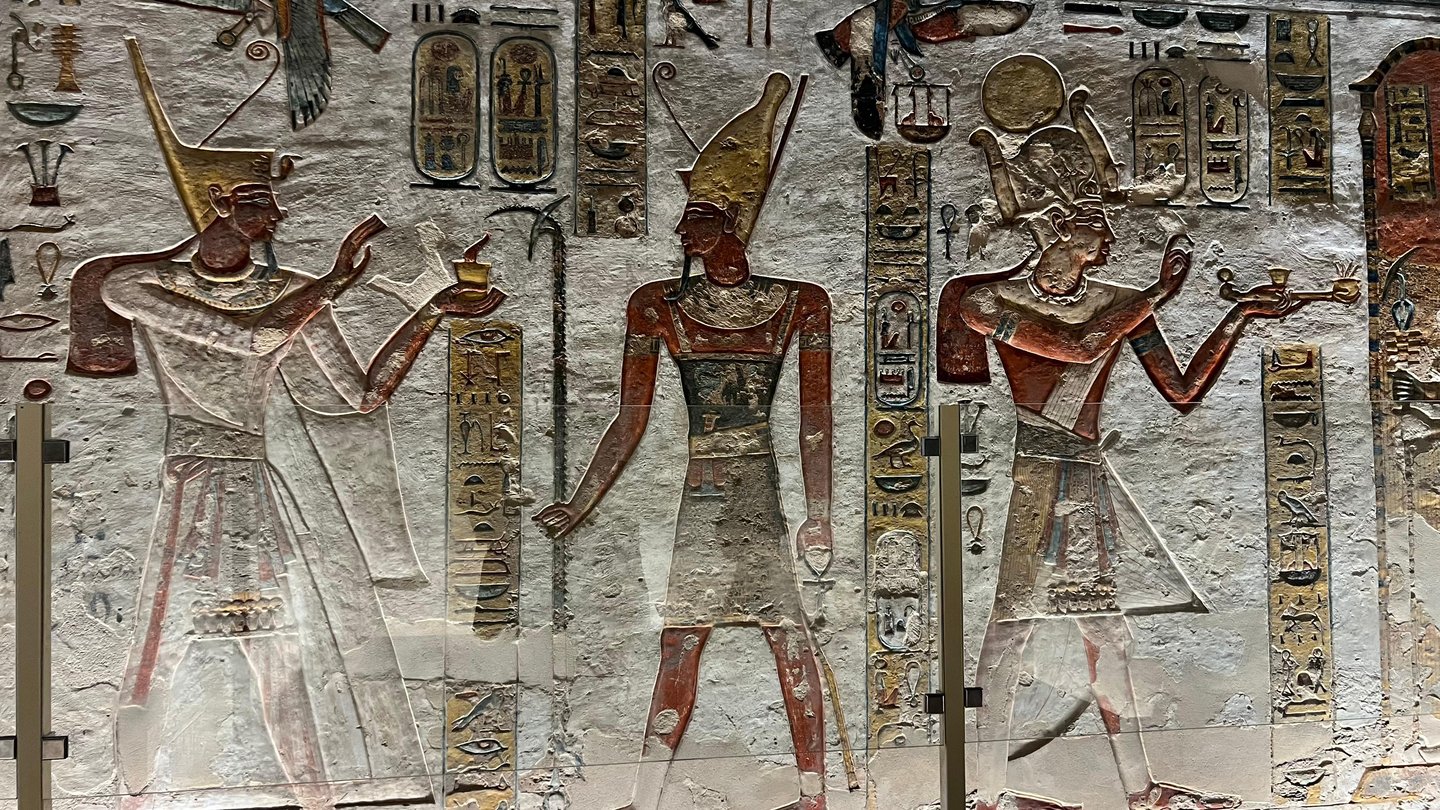
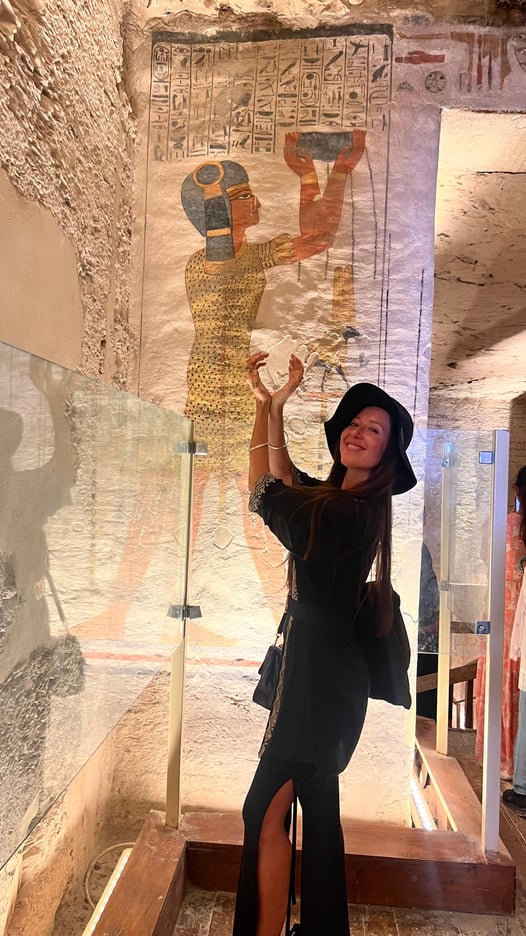
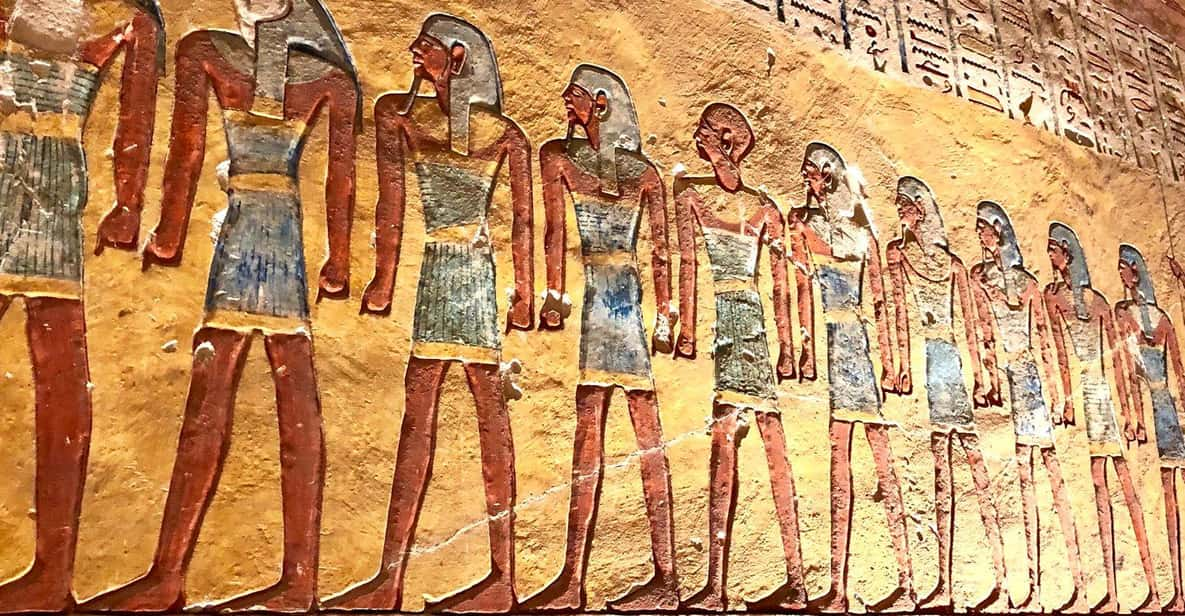
Inside, the walls carry dense paintings, spells and detailed scenes, a sharp contrast with the bare interiors of the Giza pyramids.
Tutankhamun's actual mummy lies in his original tomb here, reachable with an extra ticket bought at the visitor centre; one 8-hour tour on this page, From Cairo: Trip to Luxor By Flight and King Tut's Tomb Visit, has that ticket built in as an option.
Down the road, the two quartzite Colossi of Memnon have drawn pilgrims since antiquity. Greeks and Romans travelled here believing the damaged statue spoke at dawn, a salute from Memnon to his mother Eos, and that hearing it brought good luck.
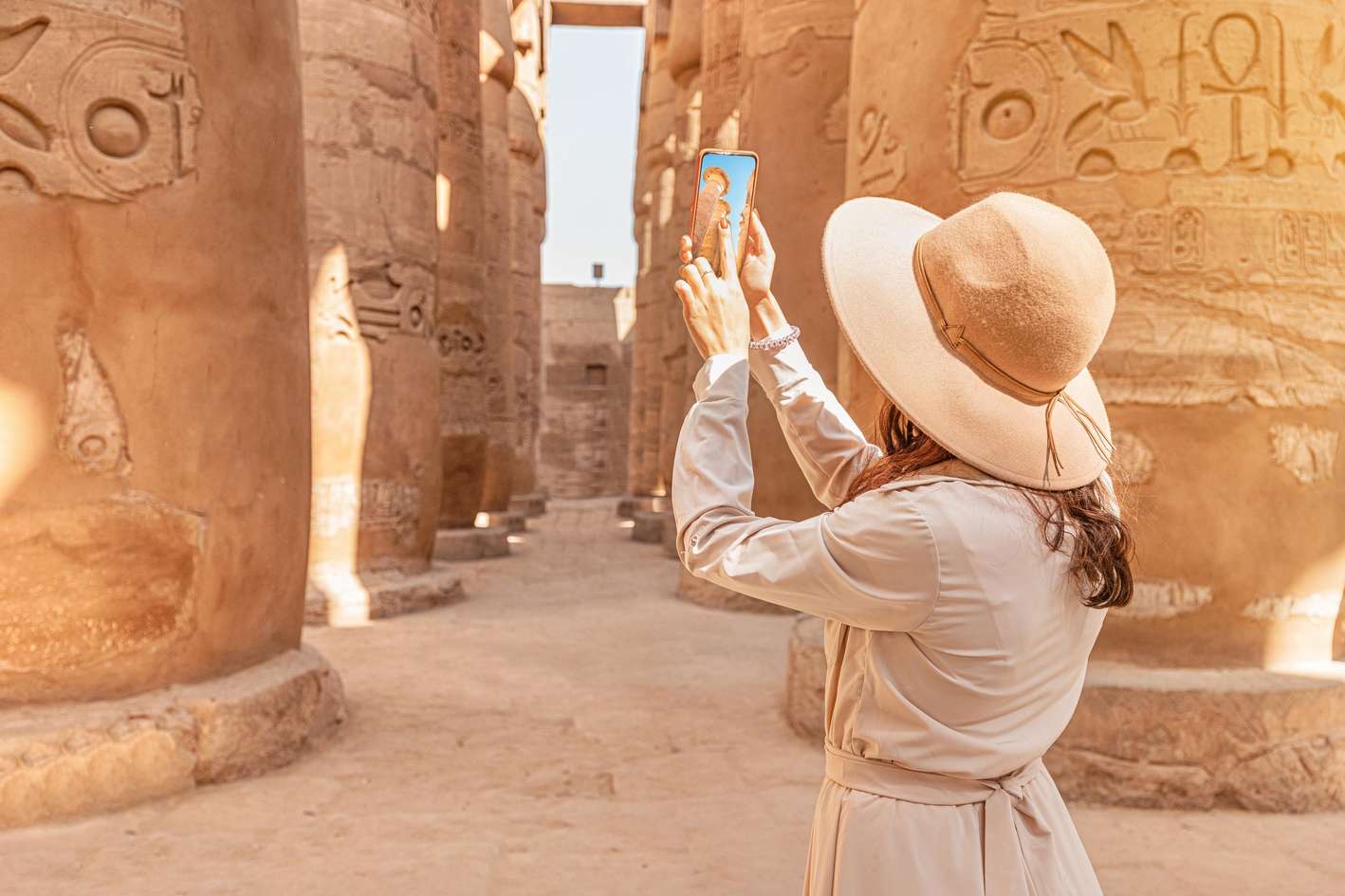
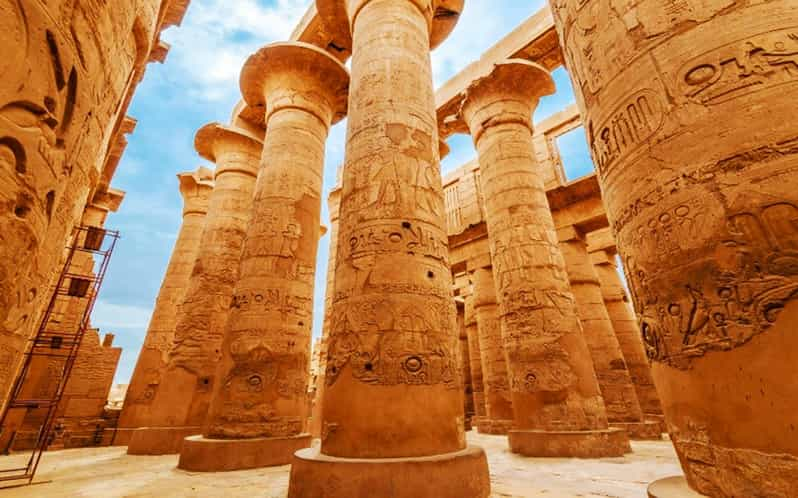
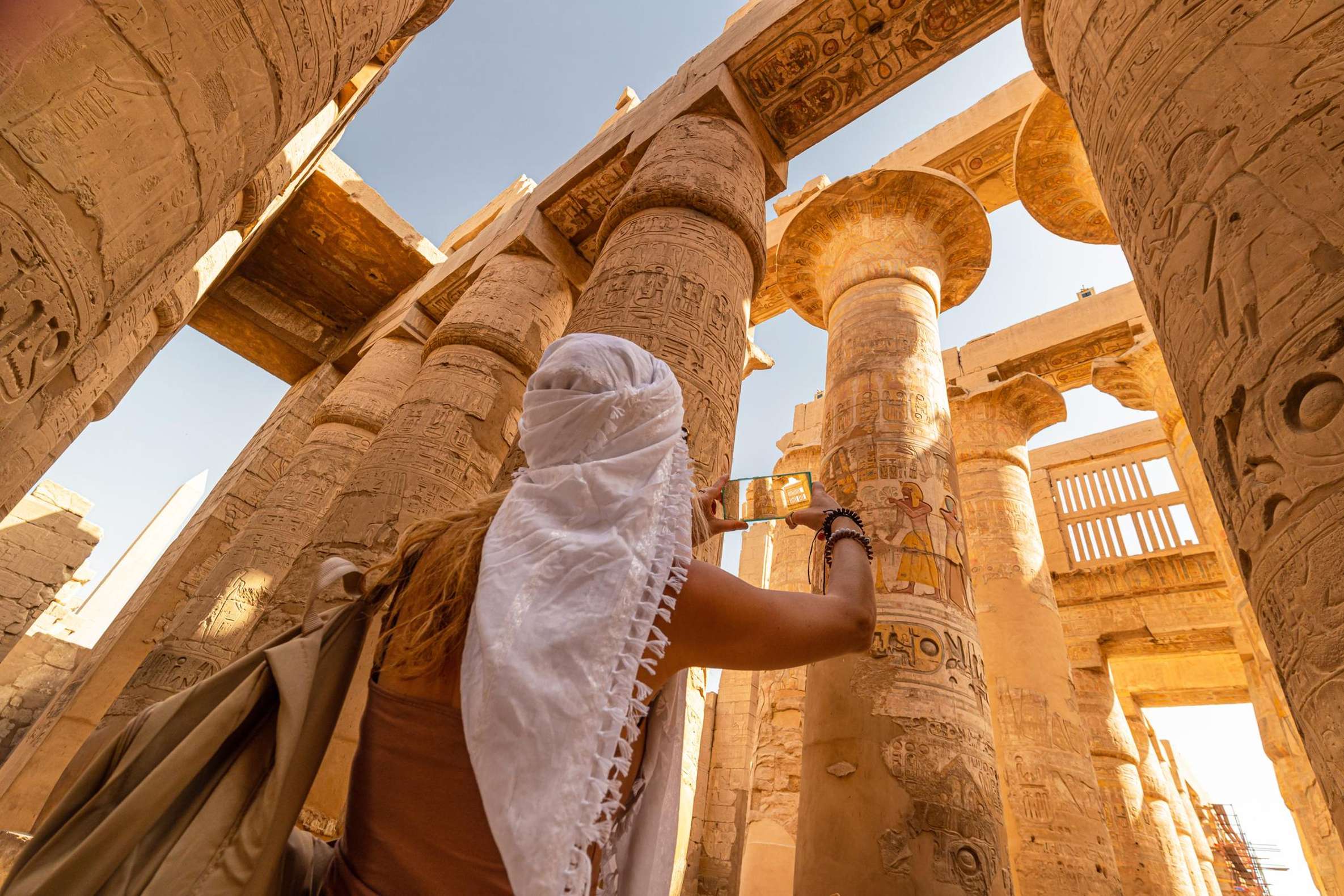
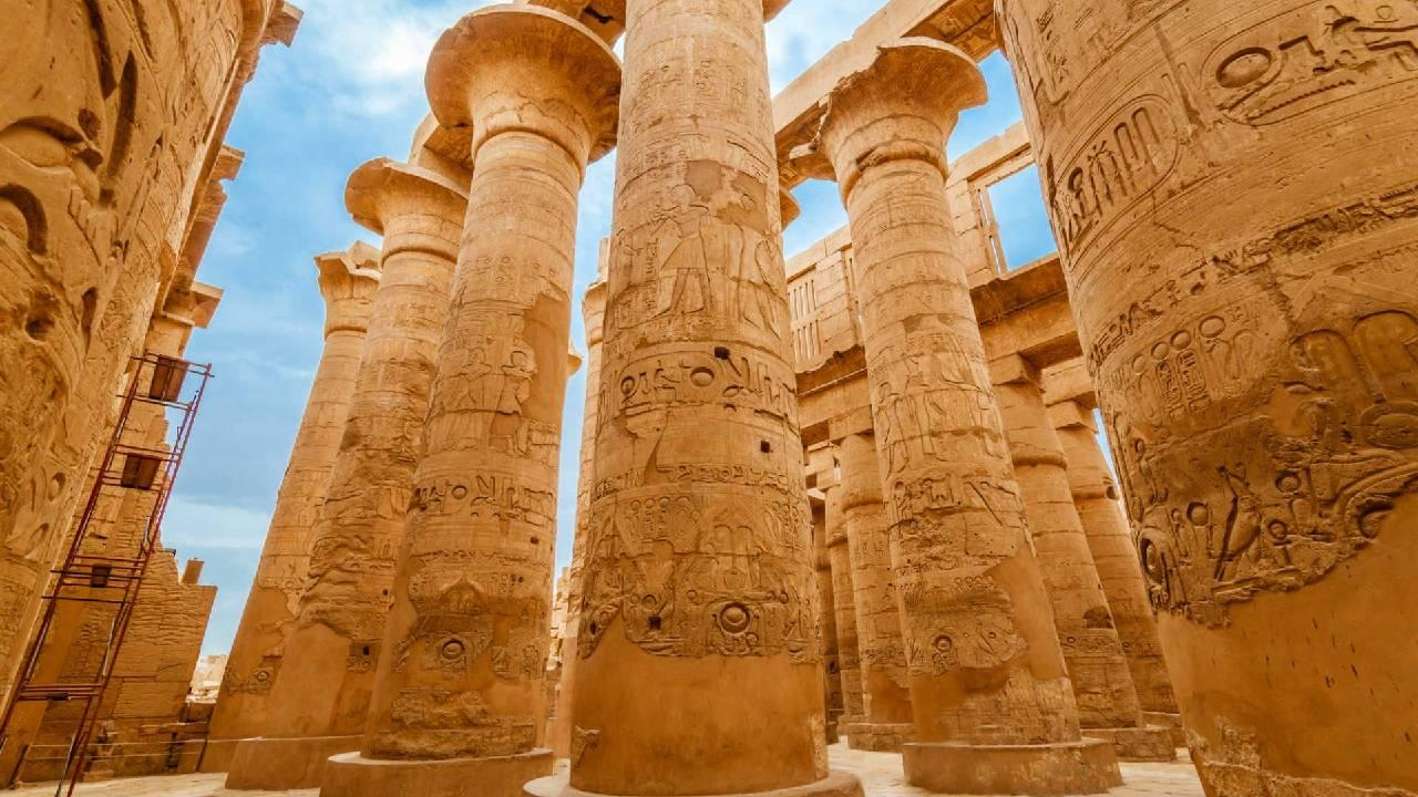
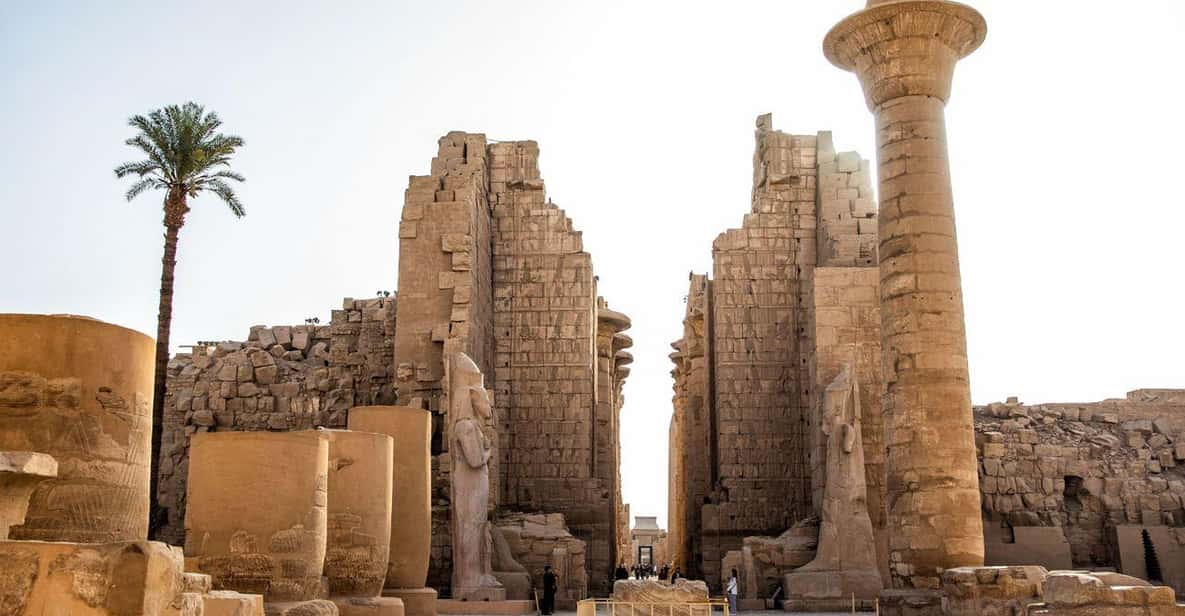
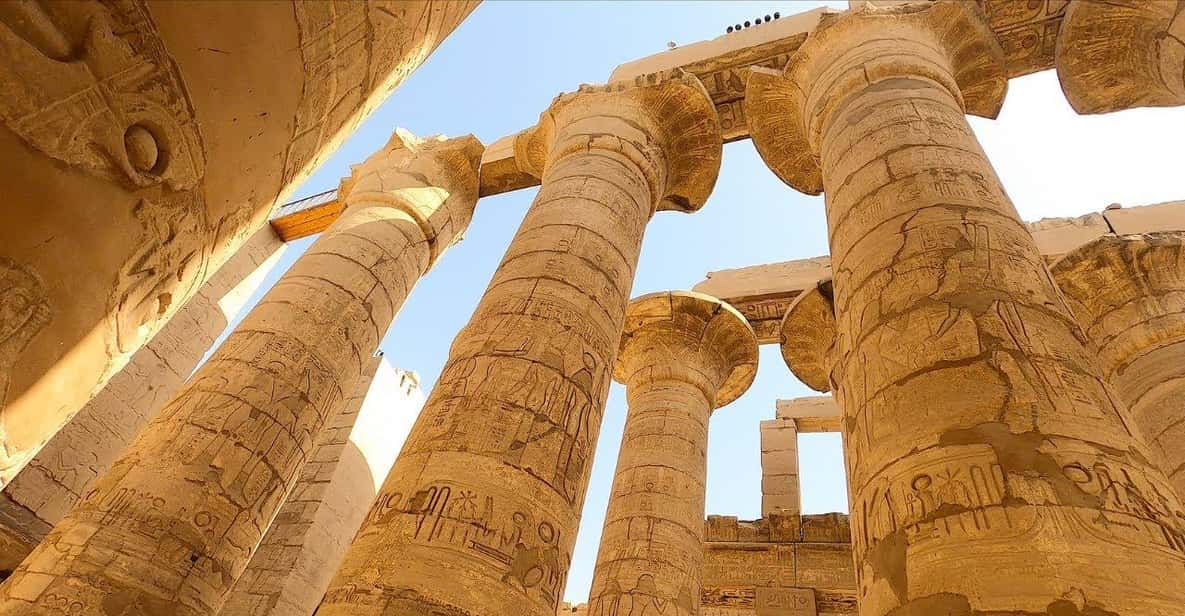
Karnak closes the day. The Great Hypostyle Hall holds 134 columns, and some of them act as resonant filters, amplifying particular frequencies made by a voice or a clap.
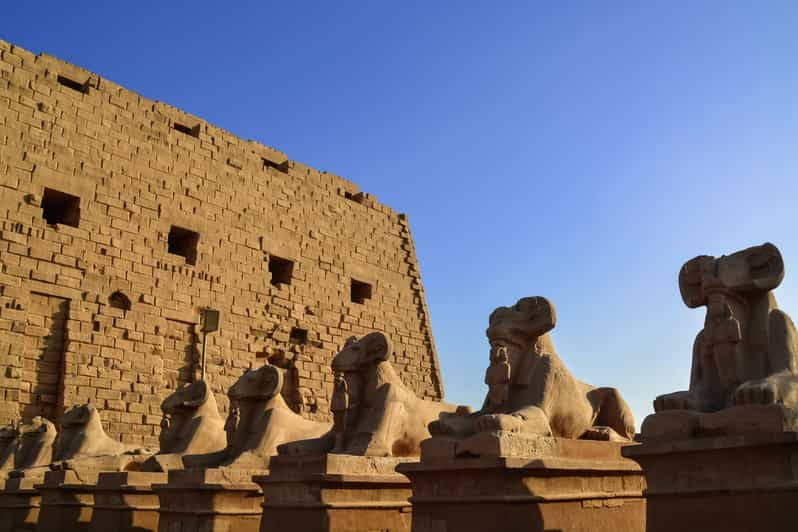
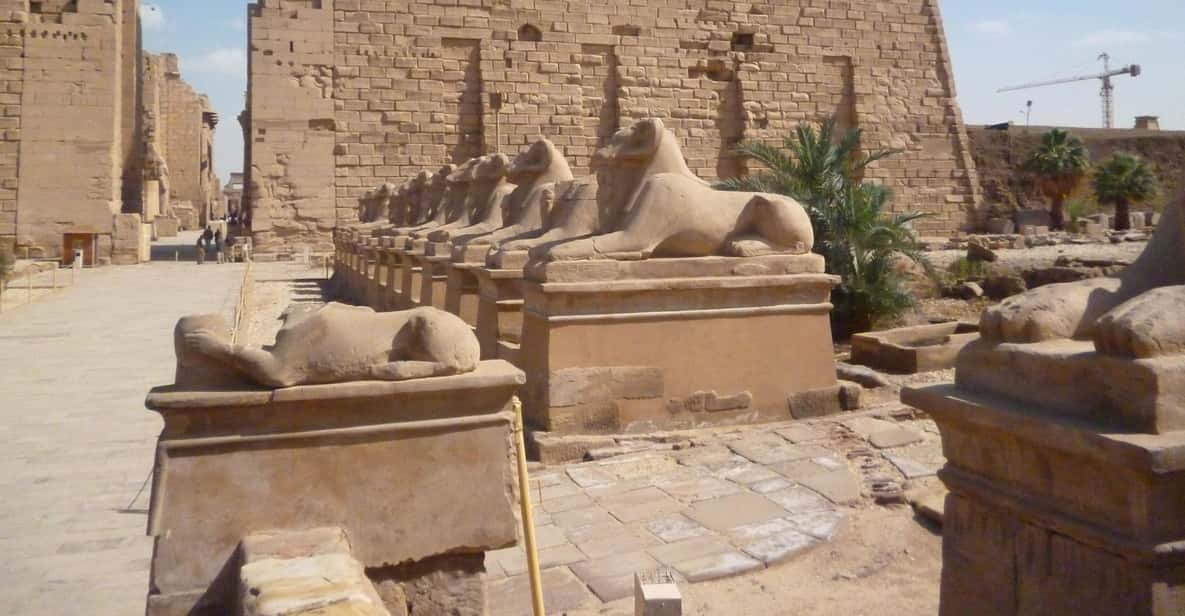
A guided circuit takes 1.5 to 2 hours through the Avenue of Sphinxes, the obelisks and the Sacred Lake, and many people add another hour or two on their own.
If you build in an hour of slack around the tombs, the list below shows what sits within walking distance.
Hatshepsut's temple and the Ramesseum both sit close enough to fill a spare half hour, and the Valley of the Queens rewards anyone who wants a second dose of painted walls without a long detour.
Luxor punishes the unprepared from May through September. From June to August, average daytime highs run past 41.6 to 42.7°C and regularly top 40°C in the shade, and young children and older adults face real heat exhaustion and heatstroke risk above 38°C.
A midday outdoor day trip in those months is inadvisable for them. November sits at about 30°C with 16°C evenings and calm winds, which is why it draws the biggest cruise crowds; January and February give mild afternoons near 24°C and thinner tour activity than spring.
The hour matters as much as the month. On the West Bank, the window from 6 am to 9 am gives empty terraces and the coolest air before tour buses arrive around 9 am.
Midday brings peak crowds and hard sun reflecting off Hatshepsut's unshaded limestone. From 2 pm the crowds thin and the sun softens, though the stone keeps radiating the day's heat until the 5 pm close.
In high summer, sites open at 6 am and comfortable outdoor time lasts about ninety minutes, so smart routing splits the banks across separate mornings and saves the Luxor Museum and Mummification Museum for the midday hours.
The panel below lines up the whole year: how busy Luxor gets and how hot it runs, month by month. Use it to pick a season that keeps children and older adults out of the danger zone.
February: 4 out of 5 for how busy it gets. A very busy winter month with mild 24.3°C highs well-suited for all ages.
Tap a month to read it.
August: highs around 42.7°C. Tour bookings fall to their lowest point of the year during Luxor's peak 42.7°C summer heat.
Tap a month to read it.
The pattern is clear: comfort and crowds peak at opposite ends. August is the quietest month on the river and the hottest on the stone, while November pairs calm winds with the heaviest cruise traffic. A mild month with lighter traffic is the sweet spot for the road day.
The same logic works within a single day. The three dayparts below show what Hatshepsut's terraces feel like from dawn to close, so plan the West Bank around them.
Empty terraces and mild weather before tour buses arrive at 9 am.
Peak bus tour crowds and intense sun reflecting off unshaded limestone.
Tour crowds disperse and sun softens, though the open stone stays warm.
Aim the tour at early morning on the West Bank, and treat late afternoon as the fallback. Midday belongs indoors or under the shaded halls on the East Bank.
Judge honestly, because none of the tours on this page offer resort pickup in Hurghada. They start in Cairo, fly south and handle everything on the Luxor side, which makes them the closest match on sale to the day you searched for.
The comparison runs on three things: transit efficiency, coverage of both banks, and the comfort already included.
The 15-hour private flight day includes round-trip flights, private air-conditioned transfers, entrance fees and lunch in Luxor, and adds a felucca ride on the Nile. The 14-hour version of that day swaps in a sunrise hot air balloon over the West Bank.
If you want the famous tomb guaranteed, the 8-hour King Tut tour sells economy and business class options with the tomb ticket as a line item. Travelers rate the private flight day at 4.5 across 832 reviews, the strongest record among the day options here.
A private vehicle also buys flexibility: more control over departure times, pacing and stops than a group coach, which is worth a lot on a day this long.
Travelers who took these guided days describe how the structure held up in practice.
Refaie was a great, helpful guide, good intro at each site, then free time to explore. Karnak was stunning. Easy booking, smooth airport transfers. Highly recommend, especially if you're already in Luxor.
That balance, structure with breathing room, is what a private guide buys on a day this long, and it is the reason the flight day earns its rating.
The old convoy rule is gone. Egypt lifted the daytime police escort on December 1, 2008, after eleven years, so vehicles now travel Route 60 independently. What remains is the checkpoint ritual: officers may inspect passports closely and study entry stamps, and photocopies are generally not accepted, so carry the physical document in the car.
One stretch runs on a clock. The Safaga to Qena road admits traffic only in daylight, from 6 am to 6 pm daily.
Most of the route from Safaga toward Qena and Luxor is dual carriageway in good condition, and a fuel station operates 24 hours at the halfway point, with a 24-hour coffee shop rest stop along the same road. Plan the return so the Safaga to Qena leg finishes before dark.
Egypt's tourist-vehicle rules tell you what a professional transfer buys. Tourist vehicles carry a speed limiter set to 90 km/h and a GPS unit the Ministry of Tourism monitors in real time, and they pass regular technical inspections by specialized engineers.
Professional drivers work under mandated rest periods. A rental car gives you freedom, and the tour vehicles give you all of that oversight without you driving a 14-hour day.
The rows below put the ways of making the trip side by side, from the rental car to the flight days sold here.
Read the rows as a ranking of hassle. The private transfer buys back the hours you would spend managing the road yourself, and the flight day trades the drive entirely for airport time.
Layer for a swing of well over ten degrees. In winter, pre-dawn pickups drop to 9.9 to 16.2°C while the afternoon reaches 23.5 to 30.1°C, so a light jacket or fleece over a removable base is the packing rule.
Loose cotton or linen that covers shoulders and knees handles both the sun and local norms, since towns and highway rest stops across Upper Egypt expect modest dress. Women cover their hair inside the Abu Haggag Mosque, which stands within Luxor Temple.
Shoes decide how the tombs feel. Closed walking shoes with solid soles carry you over sandy patches, uneven stone and the steep wooden ramps and stairs inside the tombs. Add a wide-brim hat, sunglasses, lip balm and broad-spectrum sunscreen; the West Bank terraces have almost no shade.
Your resort can feed the day if you ask in time. Request a breakfast box at reception one day in advance, by the evening cut-off that applies to your resort, or press the in-room button by 8 pm where that service runs.
A late dinner plate is available from 11 pm to 1 am on advance request, which lands exactly when you get back to the coast. Bring two litres of water per person and any personal medication; motion sickness remedies and ginger help on the long drive.
The one mistake first-timers make is asking too late.
With the box ordered on time, the resort kitchen travels with you, and the first hours of the drive stop being hungry ones.
Cash stopped working at the gates. Karnak, Luxor Temple, Hatshepsut, the Valley of the Kings, the Valley of the Queens, Sphinx Avenue, Luxor Museum and the Mummification Museum all sell entry tickets by bank card only, and travelers report cash refused at Karnak as recently as November 2025.
Arrive with notes and no card, and you cannot get in.
The add-on tombs work the same way. Self-service machines at the Valley of the Kings sell extra tickets for Tutankhamun, Seti I and Ramses V and VI by card alone, so you skip the visitor centre queue.
You can also buy tickets and tomb add-ons online in advance through the official platform egymonuments.com. Cash keeps one useful role: tomb guardians expect a tip after unlocking a chamber and lighting the painted walls, and bathroom attendants and taxi drivers get a smaller note again, so keep a bundle of small Egyptian pound notes.
The Luxor Pass runs the other way and takes only cash in major foreign notes.
The rule, in one line, is the one below.
Cash is not accepted for entry tickets at Karnak, the Valley of the Kings, Hatshepsut and most Luxor sites. The Luxor Pass is the reverse: it takes cash in major foreign notes only.
So pack one card and one stack of small notes, and you clear every gate on the itinerary.
Balloons are the most likely casualty. Severe river fog, dust storms and winds above roughly 12 knots suspend early-morning flights and hold Nile boats at their docks until conditions stabilize.
A grounded balloon does not end the day: the full sightseeing programme across the West and East Banks still runs, and alternatives that have been offered include a sunrise boat ride with breakfast, a camel ride or quad biking.
Flights have their own safety net. If the airline causes you to miss a confirmed connecting flight, EgyptAir re-routes you within a reasonable time on its own services or another carrier at no extra charge, extends ticket validity if needed, or refunds you, at your choice.
Air Cairo offers the same re-routing, extends validity to its next flight with space in your class, and on domestic routes a delay beyond two hours entitles you to a full refund or a free flight change.
Know the cut-off times, because they decide which of those rights you keep. EgyptAir closes airport check-in counters 30 minutes before departure and boarding gates 30 minutes before, with web check-in closing 90 minutes out. Air Cairo counters close 30 minutes before departure, online check-in closes 4 hours before, and gates close 20 minutes out.
Walk through the failure modes below, one by one.
| If this happens | What happens then |
|---|---|
| If the balloon is grounded | The sightseeing day still runs, with a sunrise boat ride, camel ride or quad biking as alternatives. |
| If the airline causes a missed connection | EgyptAir or Air Cairo re-route you or extend your ticket at no charge, and EgyptAir also offers a refund. |
| If your delay exceeds two hours on Air Cairo | You can take a full refund or change flights without additional fees. |
| If you reach the gate late | Air Cairo's desks close 30 minutes before departure, so the re-route rules no longer apply. |
Every failure mode above ends with the day salvaged or the money returned, which is why booking the handled tours here beats improvising the transit.
Split the drive and the day changes character. An overnight stay cuts the round trip in half, lets you tour the Valley of the Kings early before the midday heat builds, and leaves the evening for Luxor Temple lit at night. It also opens the sunrise balloon, which the single-day schedule cannot fit.
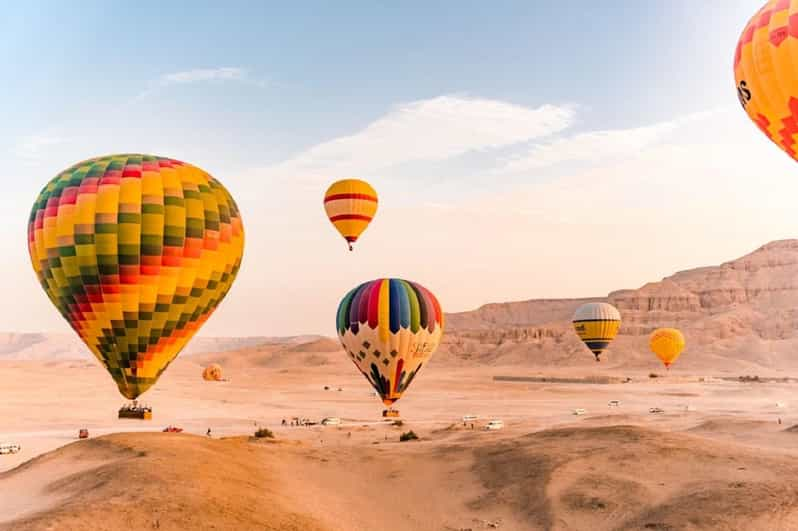
Balloon days from the coast start the night before, with pickups between 11 pm and 11:30 pm, arriving in Luxor before dawn for launch; sunrise shifts from 4:58 am in June to 6:36 am in January.
From hotel pickup to drop-off, the whole morning takes about two to three hours, with 30 to 45 minutes in the air.
Know the basket rules before you commit: passengers climb over its side, bags, purses and backpacks are not permitted aboard, and the minimum age is six on select tours.
A prior knee replacement or limited mobility that stops you climbing in, standing for the flight and bending low for landing makes the ride impractical. One tour on this page, From Cairo: Luxor & Hot Air Balloon Private Trip by Plane, builds the balloon into a 14-hour day with flights and entrance fees included.
A few details first-timers never hear until they are at the launch field.
Balloon days from the coast start the night before with 11 pm pickups, you climb over the basket's side with no bags allowed, and the whole morning costs two to three hours from hotel pickup to drop-off.
If the 11 pm alarm sounds manageable, the overnight pattern turns the balloon into the main event of the day instead of a rushed extra.
A Luxor day sits best inside a balanced week. Most visitors on a one-week stay pair one cultural day like Luxor with one Red Sea day on the water, an Orange Bay, Giftun Island or Mahmya boat trip, plus one desert evening, quad biking or a sunset safari.
On a five- to six-night stay, that pattern holds with a rest day after the Luxor drive, which you will want after 14 to 16 hours on the road.
If the Luxor day itself leaves you an easy afternoon, Banana Island is the low-key add-on.
A short motorboat crossing gets you there in the late afternoon, and an hour or two fits an East Bank day alongside Luxor Temple, the Avenue of Sphinxes and Karnak. It departs in the afternoon, which pairs it naturally with a morning of temples.
The rest of your Red Sea week can carry the swimming and snorkeling.
Keep the Nile itself out of that plan: the river in Cairo carries sewage and bacteria and runs with fast currents, so nobody swims there, and you should stay out of fresh water in the Nile and irrigation canals anywhere in the valley.
That leaves you with the shape of the week: one long road day south, one easy day on the water, one desert evening, and the Banana Island crossing as the spare hour in between.
The drive wins on time from the Red Sea, and the day repays the early start. Between October and March, with a pickup between 4 am and 5 am and a rest day to follow, Karnak and the Valley of the Kings fit comfortably into one long day.
Book site tickets by card, carry small Egyptian pound notes for tips, and skip May through September if children or older adults are coming.
Short answers on the desert drive, overnight stays, tomb tickets, balloons, and how the guided day tours on this page run.
 Luxor2026
The drive covers roughly 300 km each way and takes about 4.5 hours, so a round trip from a Red Sea resort runs 14 to 16 hours door to door.
If you want the whole day spent at the monuments instead of on the road, the private flight tour from Cairo on this page does hotel pickup to drop-off in 15 hours, with flights, lunch, and entrance fees all included.
An overnight splits the drive in two and lets you tour the Valley of the Kings in the cool early morning, see Luxor Temple lit after dark, or add a sunrise balloon flight.
If you are set on a single-day visit, the 15-hour flight tour from Cairo keeps the road time down and covers both banks in one go.
No. Egypt lifted the daytime convoy requirement in December 2008 after eleven years. Vehicles now travel independently along the Safaga-Qena highway, though drivers still stop at routine police checkpoints on the way.
A standard one-day sequence puts the West Bank first, with the Valley of the Kings and Hatshepsut's temple in the morning, then crosses the Nile for Karnak and Luxor Temple in the afternoon. Plan at least two hours for Karnak alone.
Yes at the main sites. Karnak, Luxor Temple, Hatshepsut's temple, and the Valley of the Kings are all cashless now, so entry tickets are bought with a bank or credit card. Keep a few small Egyptian pound notes for tips and restroom attendants.
His mummy still lies inside the tomb, which is the reason people go. The tomb itself is small and its painted decoration covers only the burial chamber walls, so on a tight day the larger painted tombs give you more. The extra ticket is sold at the visitor centre, not at the tomb.
Mobile phone photography is free and allowed in most open tombs. Flash is banned indoors to protect the paint, and tripods need an advance permit. Note that the cameras are not allowed on one of the day tours sold on this page, so sort that out before you book if a camera matters to you.
Yes. The 14-hour private tour from Cairo includes a sunrise balloon ride over the West Bank alongside the tombs and temples. You climb into the basket and stand for the flight, which lasts 45 to 80 minutes, and bags are not allowed on board.
A passport valid for at least six months beyond your arrival date and a full Egyptian tourist visa, bought online or on arrival. A Sinai-only entry stamp does not cover Luxor, so travelers landing in Sharm el Sheikh need the standard tourist visa before flying south.
A guided visit runs about 1.5 to 2 hours and covers the Avenue of Sphinxes, the Great Hypostyle Hall with its 134 columns, and the obelisks. Walking the whole 100-hectare site on your own takes 3 to 4 hours, so let your guide set the pace if the day is short.
Modest clothing that covers shoulders and knees, solid-soled shoes for sand and uneven stone, plus a hat, sunglasses, and sunscreen in every season. From November to February, early mornings and evening returns drop to around 8 to 15°C, so add a warm layer you can shed by mid-morning.
Book domestic flights at the same time as your international flights, especially for travel between December and February when seats are scarce. Check-in counters close 30 minutes before departure, and one tour on this page asks you to book at least 48 hours ahead so the flights can be secured.
Compare full-day, half-day, and flight-inclusive Luxor sightseeing programs run from Cairo.
See how the desert drive from Marsa Alam to Luxor compares with the Safaga-Qena route.
Check the flight and guided tour options that link Sharm el Sheikh to the Valley of the Kings.

Plan a second day in Upper Egypt with a side trip from Luxor to Philae and the High Dam.
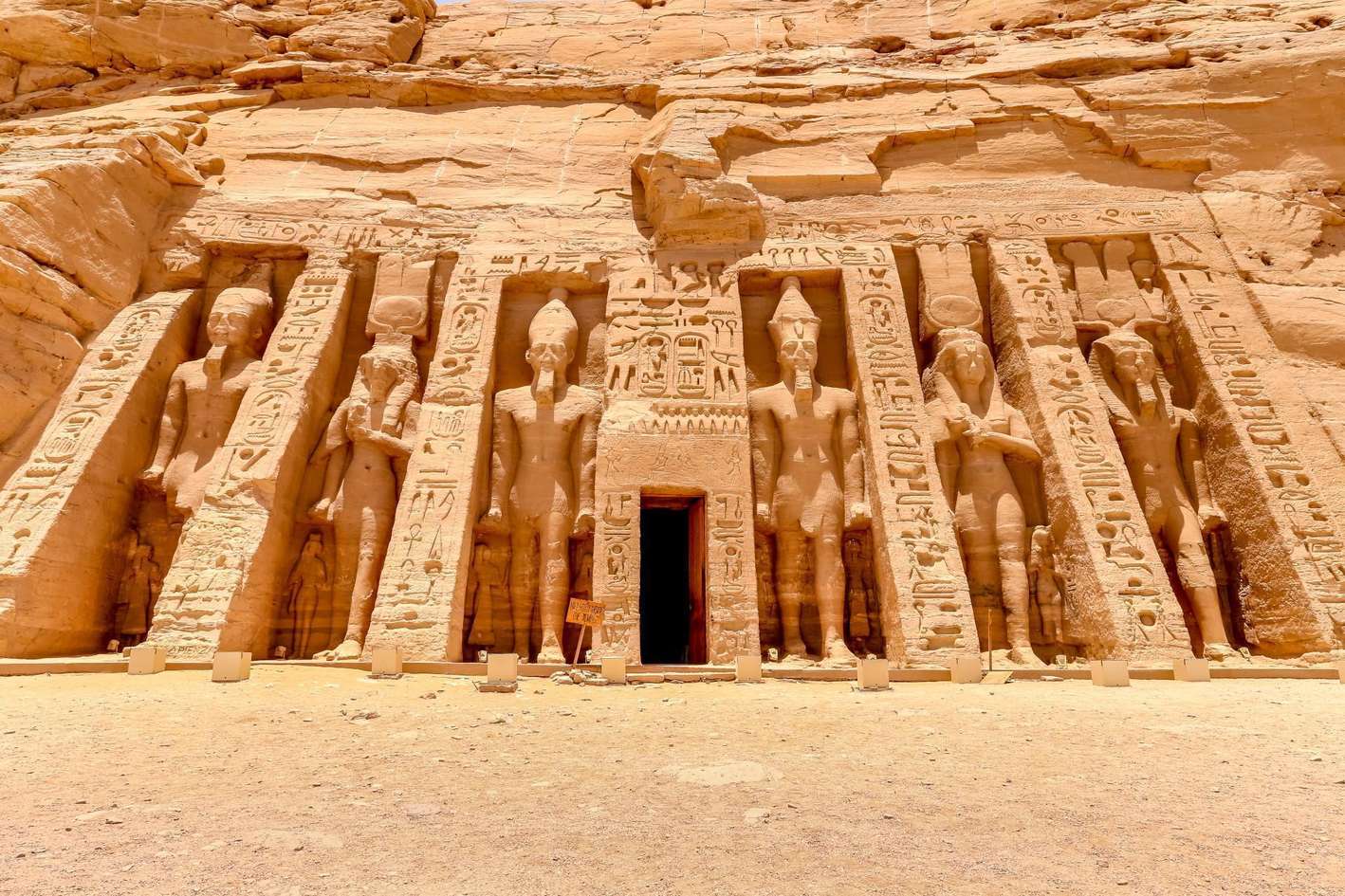
Work out the timings and travel times for visiting the great temples of Abu Simbel from Luxor.
Browse private Egyptologist-led days in Luxor, paced around your own time at each tomb.
Understand how 3- to 5-night river cruises between Luxor and Aswan work from a Cairo start.
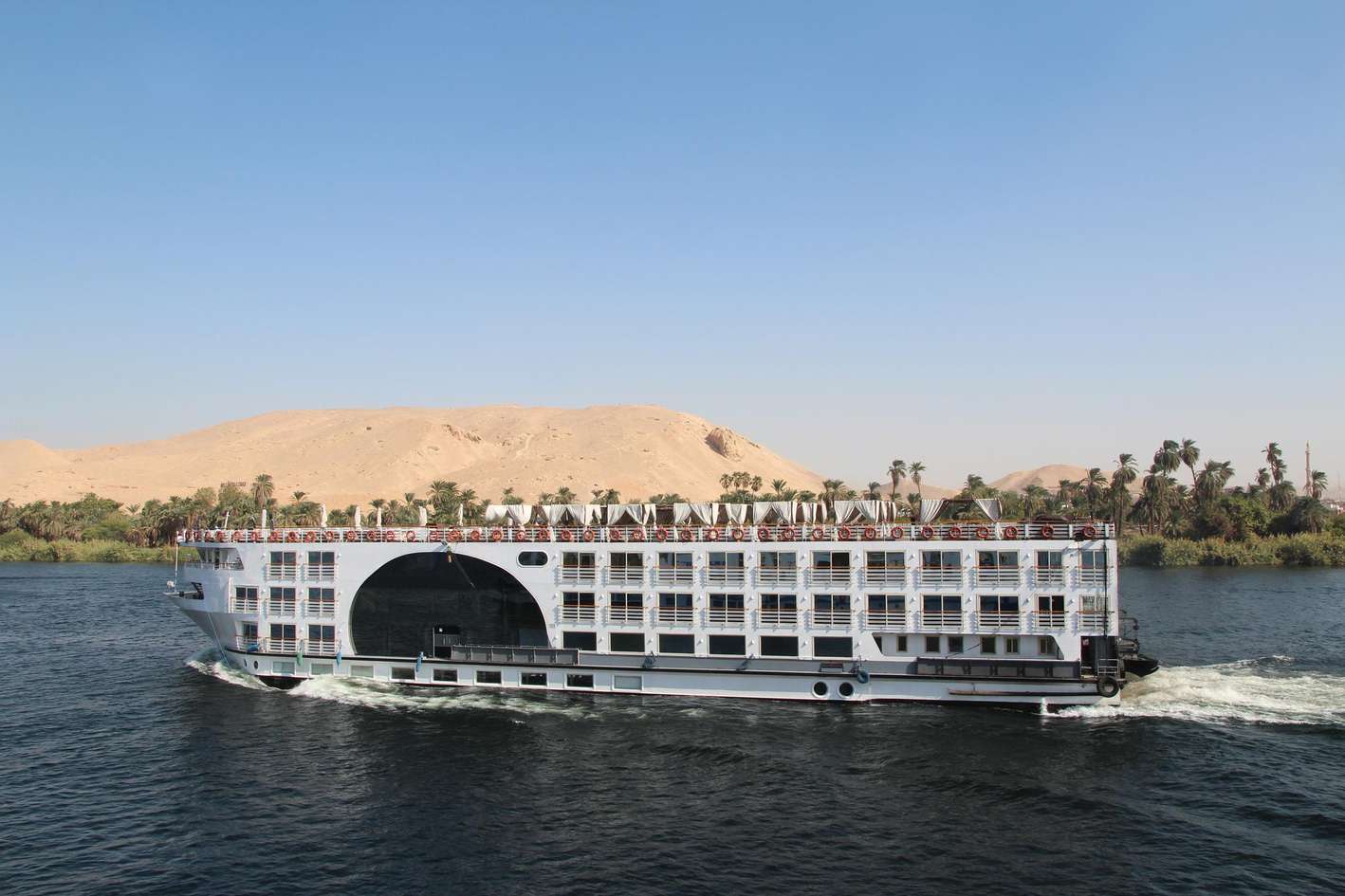
Compare short Nile cruise packages that pair a Cairo stay with a boat between the two cities.
Trace the full Cairo to Aswan route, its stops, and which sailing dates actually run.

Read how the classic downriver sailing from Aswan to Luxor folds in Abu Simbel and temple stops.

Match a brief holiday to a 1-day or 1- to 4-night cruise option that still reaches the temples.
Round off an evening with a two-hour dinner cruise on the Nile in Cairo with live entertainment.
Weigh plane, sleeper train, and private transfer times between Cairo and Luxor side by side.
Get the domestic flight schedules, durations, and booking lead times for the Cairo-Luxor hop.
See what an overnight sleeper saves you and how the Cairo to Luxor train night works.
Look at point-to-point private car options for the long drive between Cairo and Luxor.
Plan a dawn balloon flight over the West Bank, including limits on age, mobility, and wind.
Time a Karnak Temple visit around its opening hours, ticket rules, and the evening show.
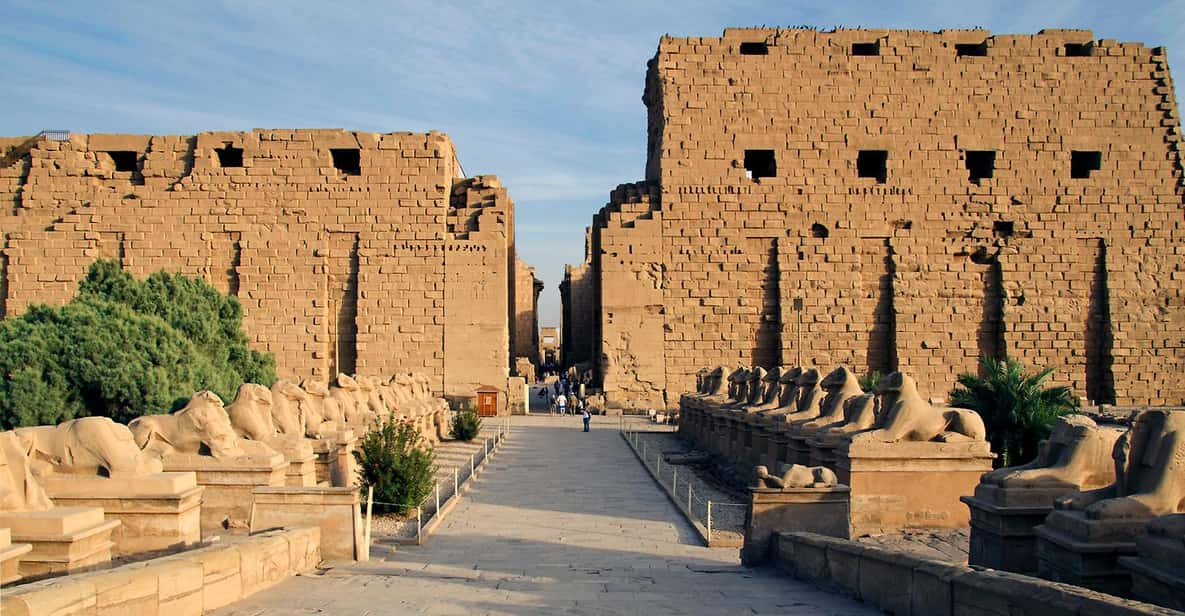
Fly Cairo to Luxor, see the Valley of the Kings and Karnak with entrance fees included, and cancel free up to 24 hours ahead.